
This Creekside Trail In Tennessee Is One Of The State’s Most Tranquil Walks
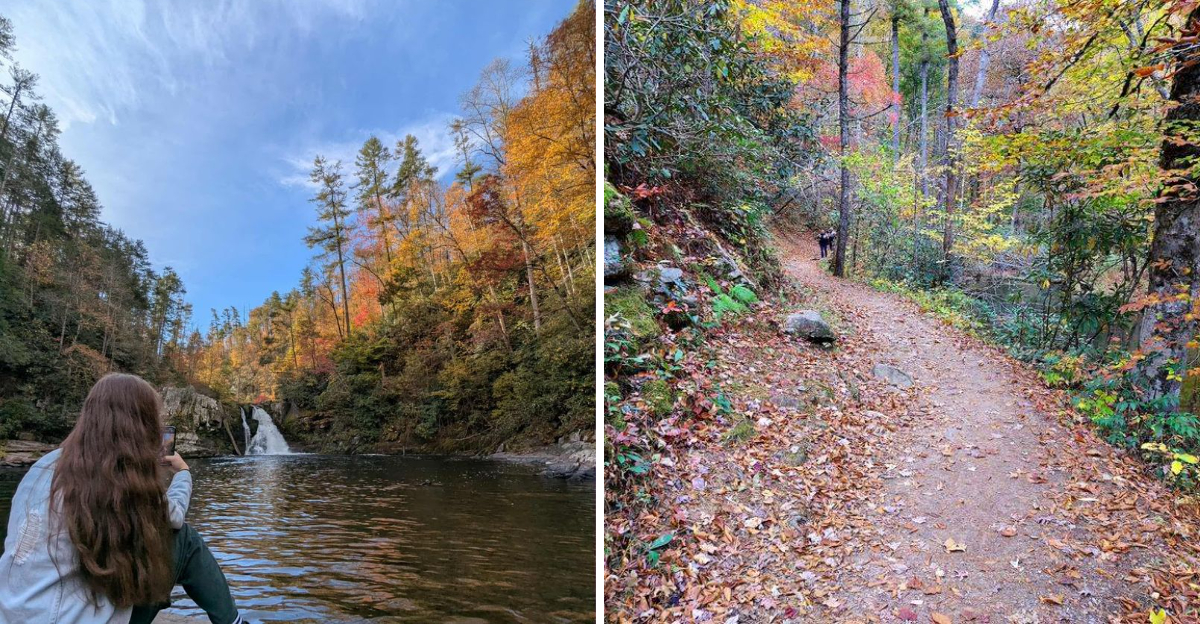
A trail sounds different when water keeps you company. Leaves rustle, the creek moves beside the path, and every bend feels like it belongs on a slow weekend drive through Tennessee.
This peaceful walk brings together shaded woods, steady water sounds, rocky scenery, and the kind of calm that makes people forget their phones for a while. The route has enough length to feel satisfying without turning the day into a full mountain expedition.
One moment feels quiet and leafy, then the next opens toward rushing water with a view worth the steps. It is the sort of place where hikers pause often, not because they are tired, but because the scenery keeps asking for attention.
Gentle, scenic, and refreshing, this creekside trail makes slowing down feel easy.
The Trailhead And What To Expect Before You Start
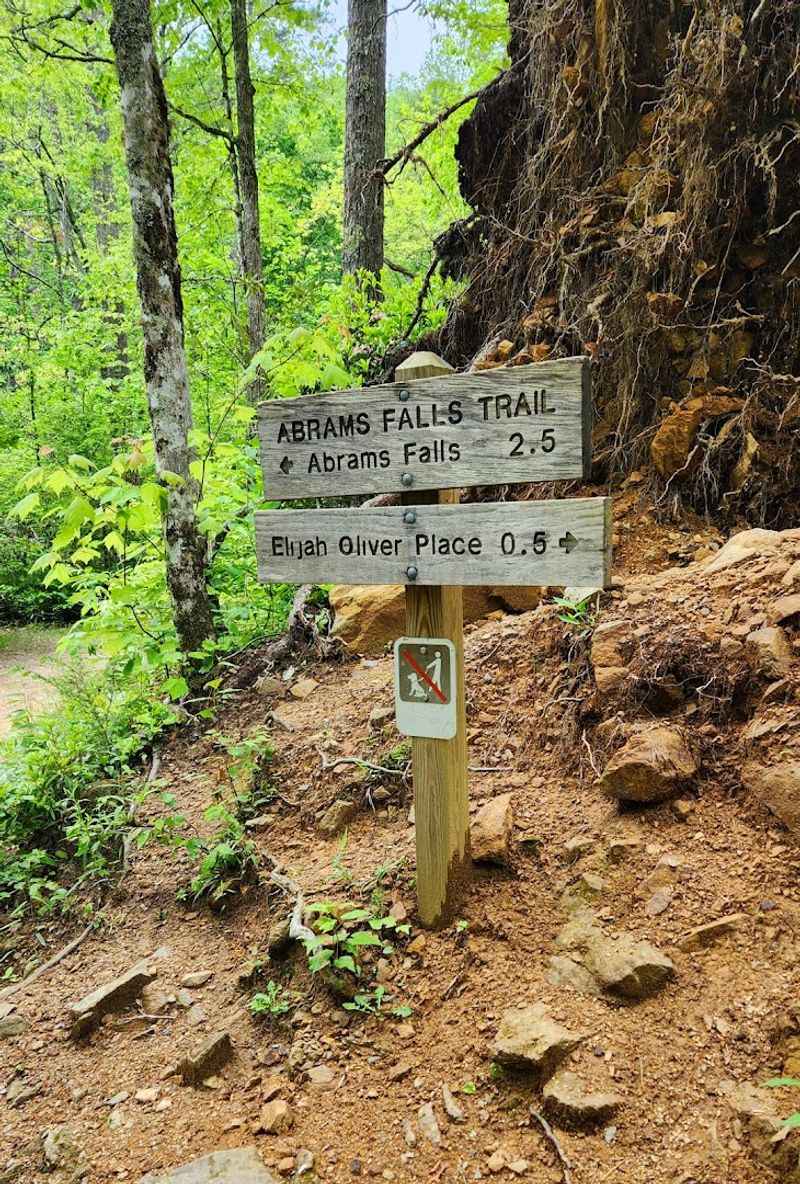
First impressions matter on any trail, and this trailhead sets a reassuring tone from the moment you step out of your car. The parking area is generously sized, with pit toilets available on-site, which is a small comfort that experienced hikers genuinely appreciate.
The trailhead sits within the Cades Cove area of Great Smoky Mountains National Park, accessed by driving approximately five miles along the one-way Cades Cove Loop Road.
Before you lace up, there are a few practical matters worth addressing.
A parking tag is required for any vehicle staying more than fifteen minutes, so plan ahead and purchase a daily or annual pass.
The trailhead operates during specific hours, generally opening at 8 AM on weekdays, so arriving early is both practical and rewarding.
The trail itself is a moderate 5-mile roundtrip with an elevation gain ranging between 340 and 675 feet. It is not a casual stroll, but it is absolutely manageable for most reasonably active adults.
Sturdy hiking shoes are strongly recommended given the rocky and rooty terrain throughout. Pets are not permitted on this trail, so leave your four-legged companions at home.
Following Abrams Creek Through The Forest
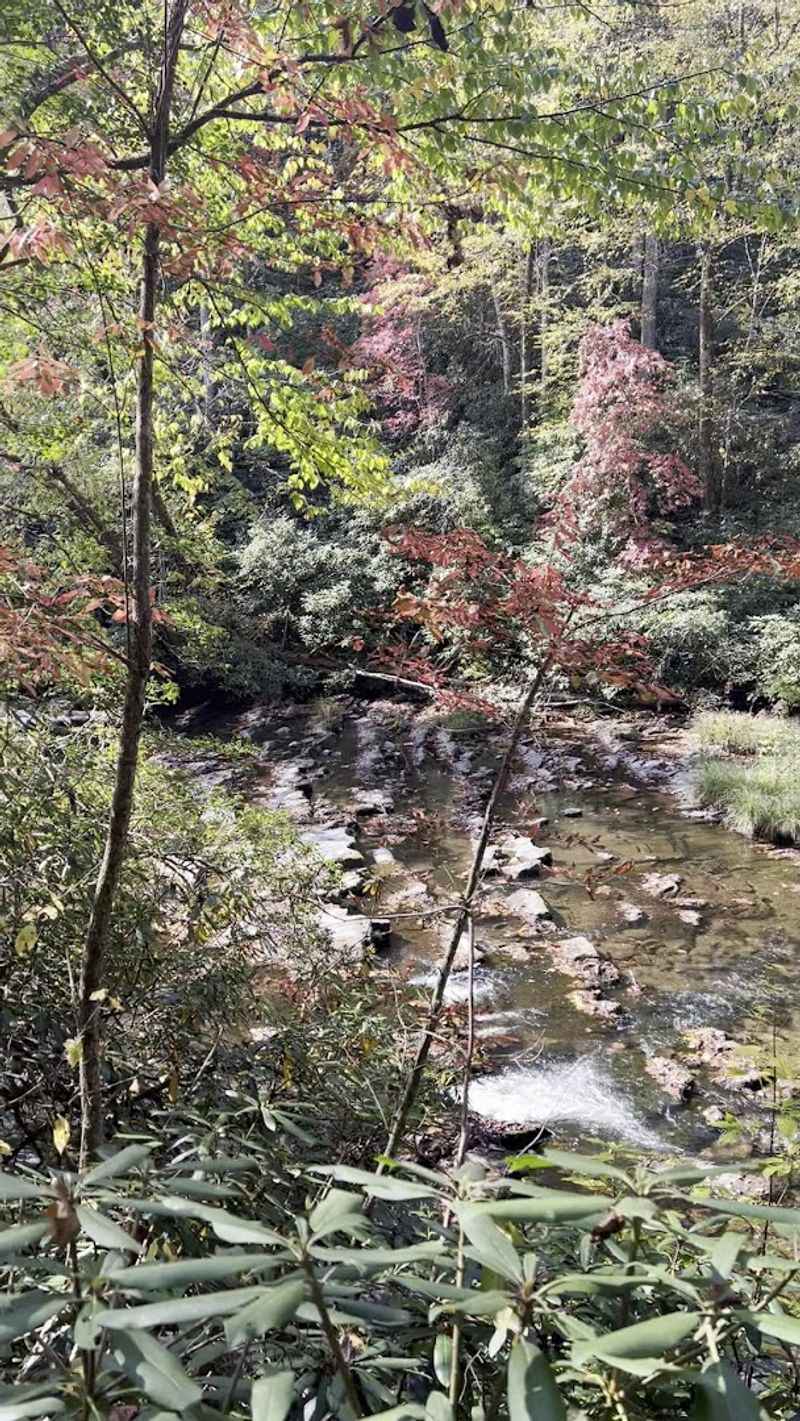
The real magic of this trail reveals itself early. Within the first quarter mile, the sound of Abrams Creek becomes your constant companion, and it remains that way for much of the journey.
The creek runs with a confident energy, its water clear enough to see the stones beneath, its current steady enough to produce a low murmur that somehow makes conversation feel unnecessary.
The forest changes character as you move closer to the water. Ridge tops support a mix of pine and oak, giving those sections a drier, more open feel.
Closer to the creek, hemlock and rhododendron take over, creating a cooler, denser canopy that filters light beautifully on sunny days. In spring, wildflowers push through the leaf litter along the banks, adding color to an already appealing scene.
Several hikers describe hearing the river the entire way to the falls, and that continuous sound is a significant part of what makes this walk feel so restorative.
The path follows the creek closely enough that you can pause at multiple points to sit on a rock, watch the water pass, and simply breathe.
That unhurried quality is genuinely rare on popular trails in the Smokies.
The Terrain And Trail Conditions Along The Way
Anyone who has hiked a few trails in the Appalachians knows that “moderate” can mean different things depending on the day and who is doing the walking.
On Abrams Falls Trail, moderate translates to a path that rolls steadily over several ridges, dipping back toward the creek before climbing again.
The ascents and descents are not punishing, but they are consistent enough to keep your legs engaged throughout.
The trail surface is the part that demands the most attention. Rocks and roots appear regularly, and some sections near the creek involve stones that stay perpetually damp.
Ankle stability matters here, and more than one hiker has noted that casual sneakers are a poor choice. Proper hiking boots with good grip make the experience considerably more enjoyable and significantly safer.
The trail is generally well-maintained and easy to follow, with natural steps in places and a clear path that does not require navigation skills beyond basic trail awareness.
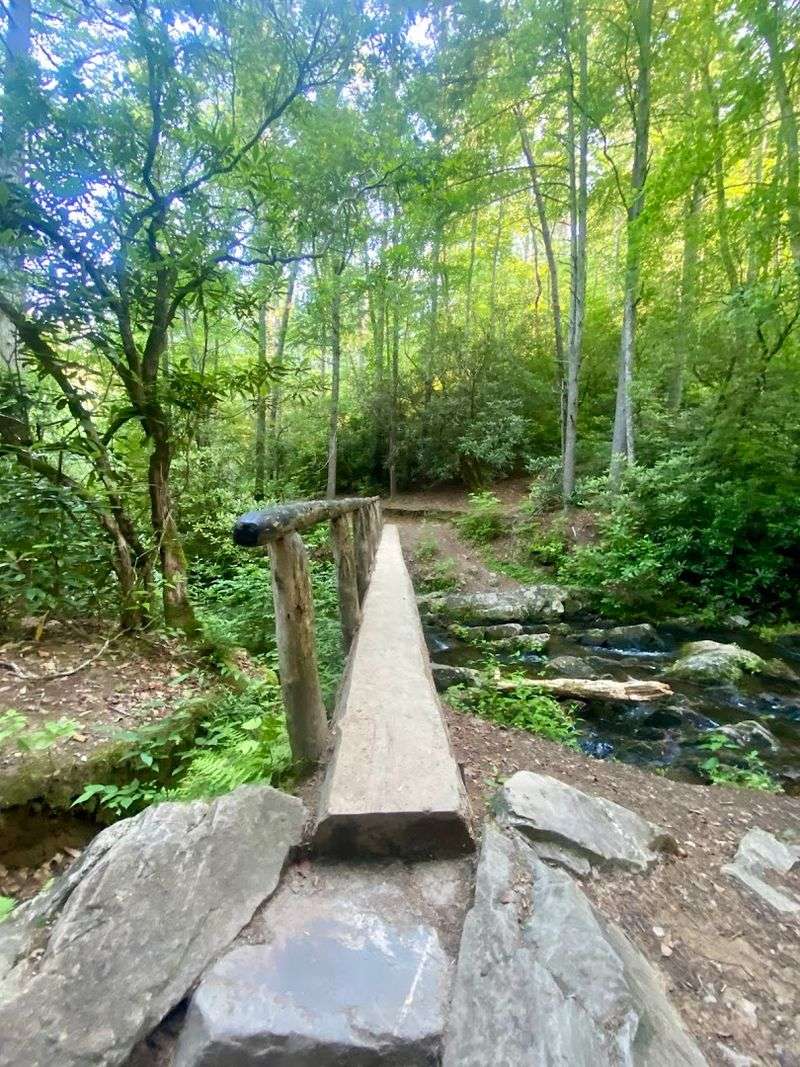
Wooden bridges appear at creek crossings, offering both practical value and a pleasant pause point for photographs.
The overall condition draws consistent praise from visitors, with many noting that the maintained surface allows you to appreciate the surroundings rather than stare constantly at your feet.
Wildlife Encounters That Make Every Step Worthwhile
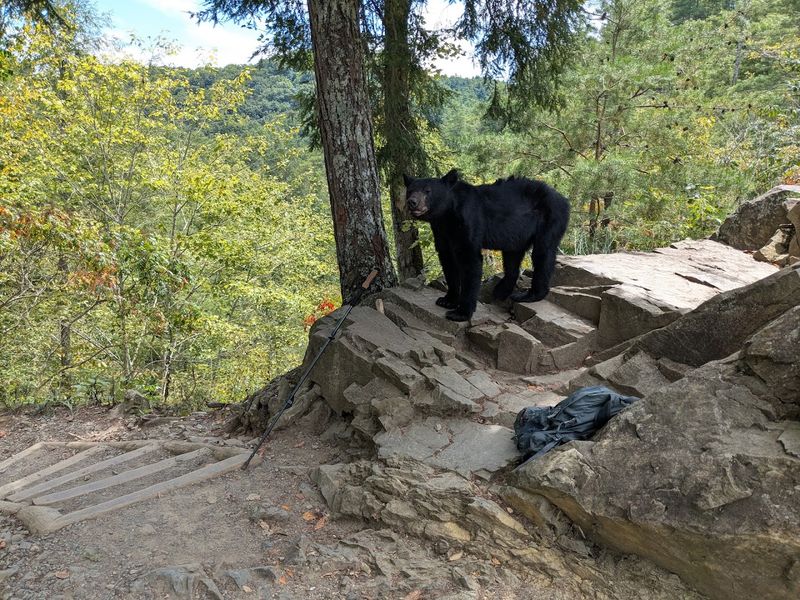
Great Smoky Mountains National Park holds the distinction of being one of the most biodiverse areas in North America, and this trail puts you directly in the middle of that abundance.
Black bears are active in the Cades Cove area, and sightings along this trail are genuinely common.
Hikers have reported seeing bears, deer, turkey, river otters, foxes, and salamanders all within a single outing.
River otters are a particular highlight. These animals were reintroduced to Abrams Creek in the 1990s, and the population has established itself well.
Spotting one requires patience and a quiet approach, but the reward is memorable.
Keep your eyes on the water as you walk, especially in the calmer sections of the creek where otters tend to feed and play.
Black bear encounters require a measured response. Maintain a safe distance, make your presence known by speaking calmly, and never approach or feed them.
The park service provides clear guidance on bear safety, and following it keeps both you and the animals safe. The wildlife here is wild in every meaningful sense, and that authenticity is a large part of what makes this trail feel genuinely special.
Abrams Falls: The Reward At The End Of The Path
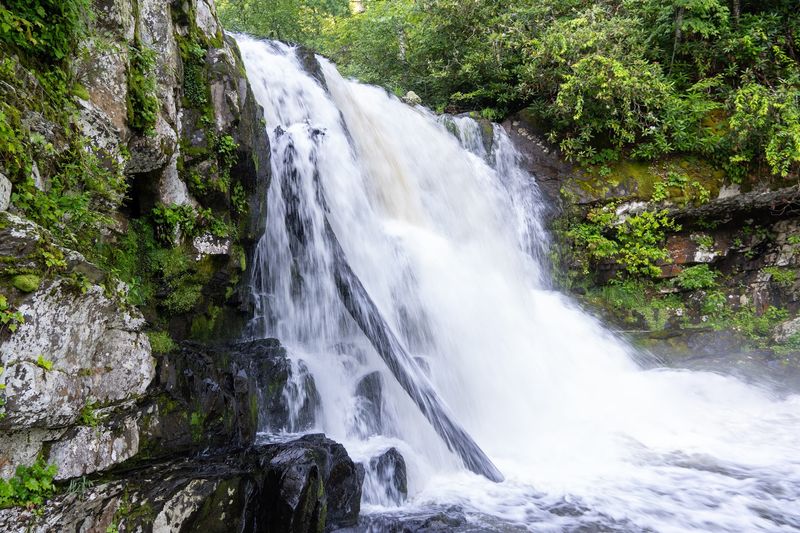
After roughly 2.5 miles of walking, the trail delivers its centerpiece.
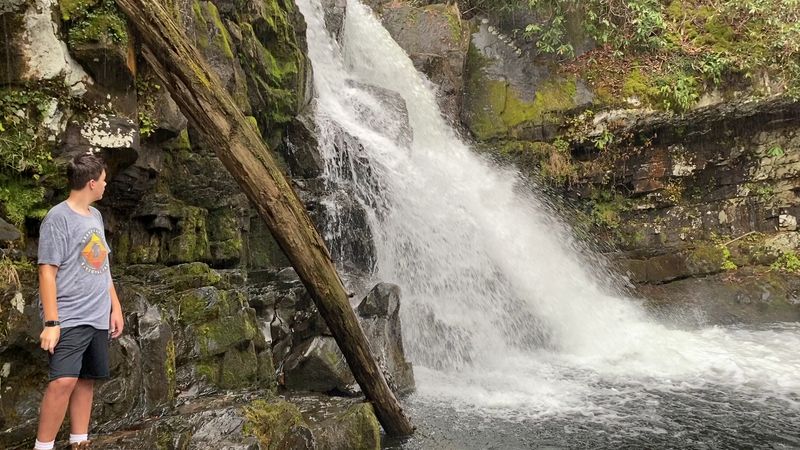
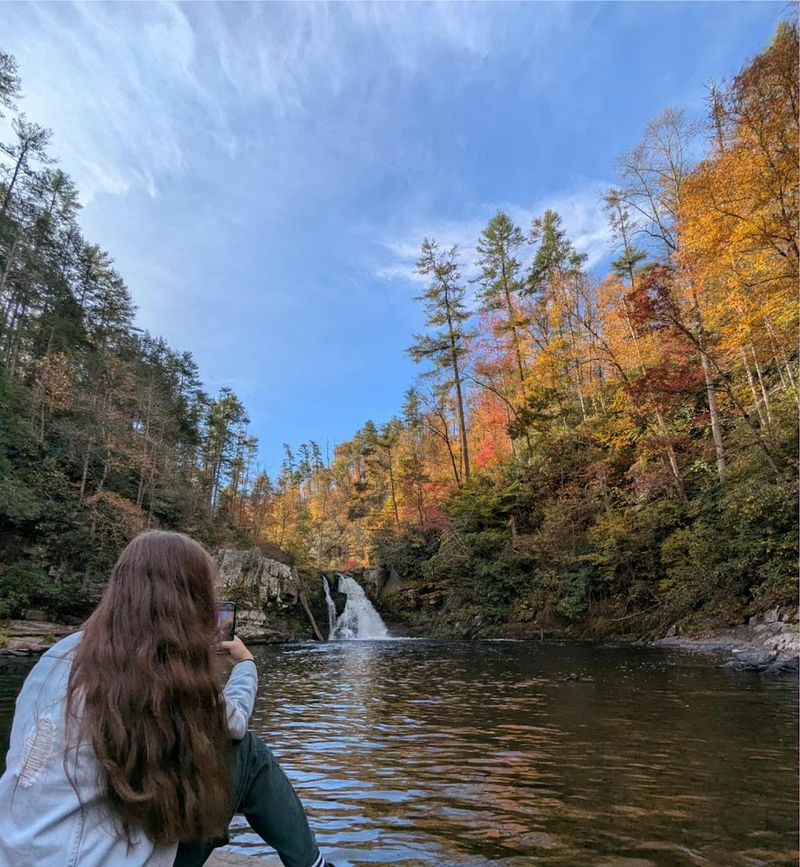
Abrams Falls drops between 20 and 25 feet over a sandstone ledge into a wide, deep pool that catches the full force of the water.
It is not the tallest waterfall in the Smokies, but it is the most voluminous, and that distinction becomes immediately obvious when you stand at the base and feel the mist settle on your face.
The pool is visually striking, with a blue-green depth that draws the eye and a surrounding frame of mossy rock and forest. Many hikers choose to sit on the large flat rocks nearby, eat lunch, and simply absorb the atmosphere.
The sound of that volume of water falling continuously creates a kind of white noise that makes quiet thought come easily.
Swimming in the pool is strongly discouraged by park authorities due to powerful underwater currents and dangerous undertows.
The falls earned a sobering mention from Backpacker Magazine as one of the ten most dangerous hikes in the United States specifically because of drowning and hypothermia risks.
Enjoy the falls from the banks, respect the posted warnings, and let the view be enough.
The Best Times To Visit For A Peaceful Experience
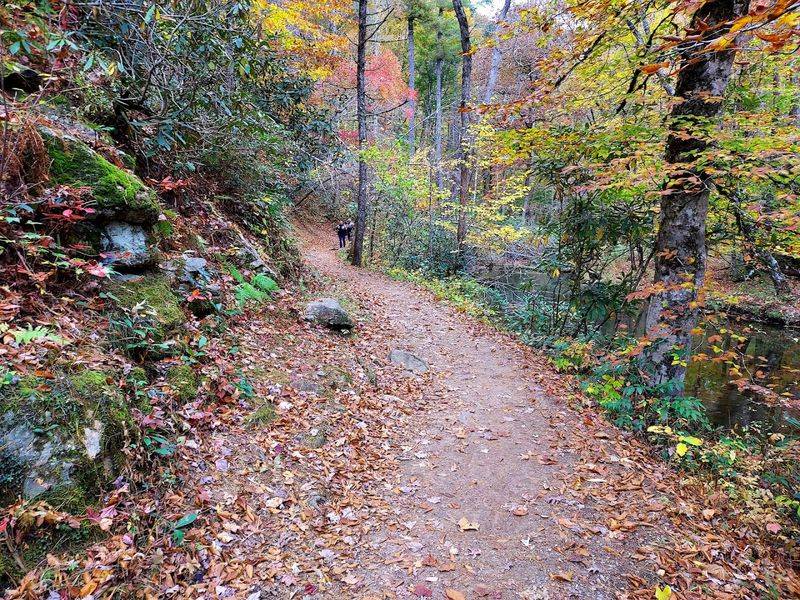
Timing shapes the entire character of a hike on a trail this popular.
Abrams Falls draws consistent crowds, particularly during summer weekends and fall foliage season when Cades Cove becomes one of the most visited areas in the entire national park.
Arriving early, ideally before 9 AM, dramatically changes the experience.
The parking lot fills quickly on busy days, and the trail feels entirely different when you share it with a hundred other hikers versus a quiet handful.
Spring, particularly April and May, offers a compelling combination of moderate temperatures, blooming wildflowers along the creek, and higher water volume at the falls.
The rhododendron bloom in late May and early June adds a layer of color that transforms the forest canopy into something genuinely photogenic.
Winter visits carry their own appeal, with potential snow dusting the ridge tops and a solitude that is almost impossible to find here in warmer months.
Weekday visits in the off-season represent the clearest path to the tranquil walk this trail promises at its best. The sounds of the creek and the falls become the dominant soundtrack rather than the background noise behind conversation and foot traffic.
That version of the trail is worth planning around if your schedule allows any flexibility at all.
Safety Considerations Every Hiker Should Know
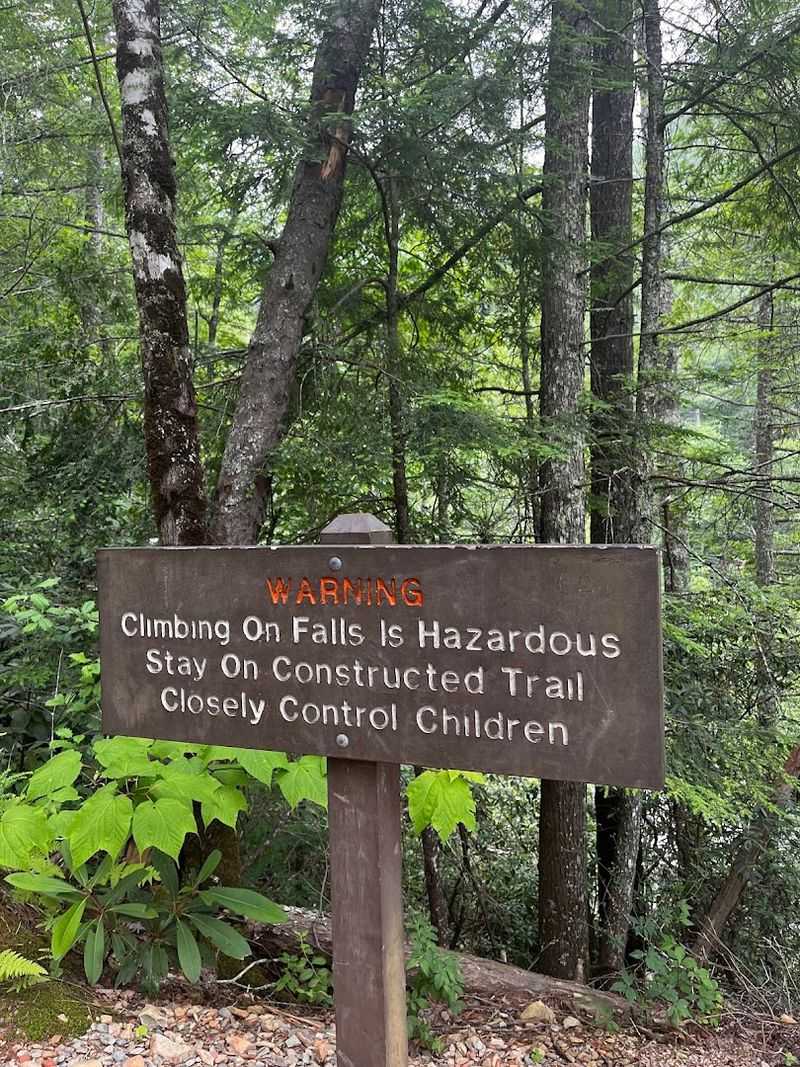
The trail’s calm, forested character can create a false sense of ease that leads to underestimating real hazards. The rocks along the creek banks and near the falls are frequently wet and considerably more slippery than they appear from a few feet away.
Multiple visitors have taken falls on sections that looked straightforward but offered almost no grip underfoot. This is one of the clearest arguments for proper hiking footwear rather than athletic shoes or sandals.
The pool at the base of Abrams Falls deserves special mention because its appearance is genuinely deceptive. The water looks inviting, especially on a warm afternoon after a long hike.
The currents beneath the surface, however, are powerful enough to overcome strong swimmers, and the cold temperature creates hypothermia risk faster than most people anticipate.
Park officials and safety organizations consistently advise against entering the water at this location, and that advice carries the weight of documented tragedy behind it.
Black bear awareness applies throughout the hike, not just near the falls. Make noise as you walk, carry bear spray if you feel more comfortable doing so, and store food properly.
The trail also runs through areas where snakes are occasionally spotted, so watching where you step and where you place your hands on rocks is a reasonable habit to develop.
The History Behind The Name Of The Creek And Falls
Place names in the Smokies often carry stories that predate the park by centuries, and Abrams Creek is no exception.
The creek, the trail, and the falls all bear the name of Chief Abram, a significant leader of the Cherokee Nation whose village once thrived downstream along this same waterway.
That history gives the walk a layered quality that goes beyond scenery.
The Cherokee people maintained a deep relationship with these mountains and waterways long before European settlers arrived in the region.
The Cades Cove area, now famous for its pastoral views and wildlife, was part of a landscape that held cultural, spiritual, and practical significance for generations of Indigenous people.
Walking along Abrams Creek with that context in mind shifts the experience slightly, adding a quiet historical weight to what might otherwise feel like a purely recreational outing.
The name itself serves as a small but meaningful acknowledgment of that heritage, even if the fuller story is not widely told along the trail itself.
Spending a few minutes reading about Chief Abram before visiting adds a dimension to the walk that maps and trail guides rarely provide.
Practical Tips For Planning Your Visit To Abrams Falls
A little preparation goes a long way on a trail that sits inside one of the busiest national parks in the country. Water is the most important thing to bring, and more than you think you will need.
The hike takes between two and four hours depending on pace and how long you linger at the falls.
The physical effort combined with Tennessee’s heat and humidity can deplete your energy faster than expected. Snacks or a light lunch extend your comfort considerably.
The Abrams Falls Trailhead is located in Townsend, TN 37882, accessed via the Cades Cove Loop Road in Great Smoky Mountains National Park.
The one-way loop can move slowly, particularly when wildlife appears near the road, so budget extra driving time and treat the loop itself as part of the experience rather than an inconvenience.
Deer, turkey, and bears are regularly spotted from vehicles before hikers even reach the trailhead.
Cell service is unreliable in this area, so download offline maps before you leave. Bug spray is useful from late spring through early fall, and sunscreen matters even under tree cover.
The trailhead has basic restroom facilities, which is worth knowing before a five-mile roundtrip. Plan your visit with care, and the trail will deliver everything it promises.