
This Remote Georgia Beach Is One Of The Most Beautiful Undiscovered Spots In The State
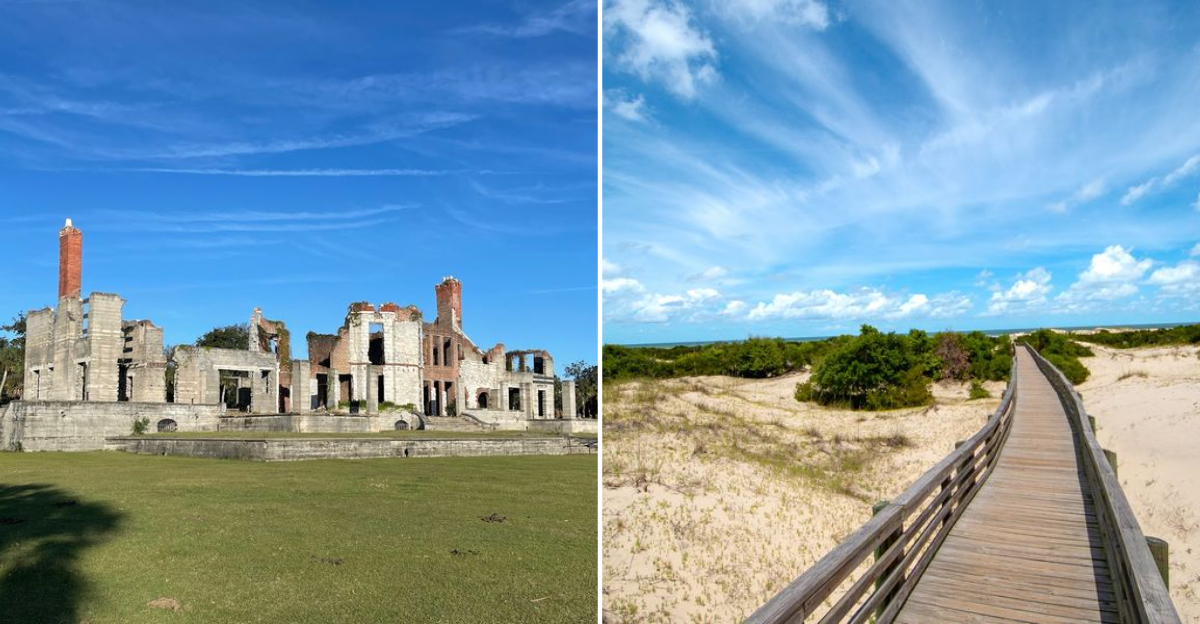
Georgia keeps certain beaches well outside the path that most visitors travel. This one has stayed in that protected category longer than its quality would normally allow.
Clean sand, calm water, and a shoreline that stretches far enough in both directions to make the crowd question irrelevant on most days. Getting here requires more intention than following a sign off the highway.
That friction is the entire reason it still looks the way it does. This state has barrier island coastline that rivals anything the Southeast produces, and this beach sits within that category without carrying any of the associated foot traffic.
The absence of vendors, parking infrastructure, and organized amenities is not a limitation here. It is the feature that makes everything else work.
Visitors who find it tend to say very little about it afterward, which is either generosity toward the place or selfishness toward everyone else. Probably both.
Wildlife Viewing Opportunities Along The Coast
Wild horses on a beach sounds like something from a movie, but at Cumberland Island, it is completely real. These feral horses roam freely across the shoreline, through ruins, and along forested trails.
You can spot them almost anywhere on the island, which makes every walk feel like a small adventure.
Beyond the horses, the island hosts wild turkeys, armadillos, white-tailed deer, and raccoons. Loggerhead sea turtles nest along the beaches during warmer months.
Shorebirds are everywhere, and manatees have been spotted in the surrounding waters too.
The National Park Service limits daily visitors to preserve the island’s natural character. That low visitor count means wildlife behaves more naturally here than in busier parks.
Animals are not startled by constant foot traffic, so sightings feel genuine rather than staged.
One important rule: do not approach the horses or any other wildlife. Rangers remind every ferry passenger about this before boarding.
Keeping a safe distance protects both you and the animals. Bring binoculars for the best experience without disturbing anything.
Access to Cumberland Island is via ferry from St. Marys, Georgia. Reservations are strongly recommended, especially during peak season.
Pristine Sandy Shores And Crystal Clear Waters
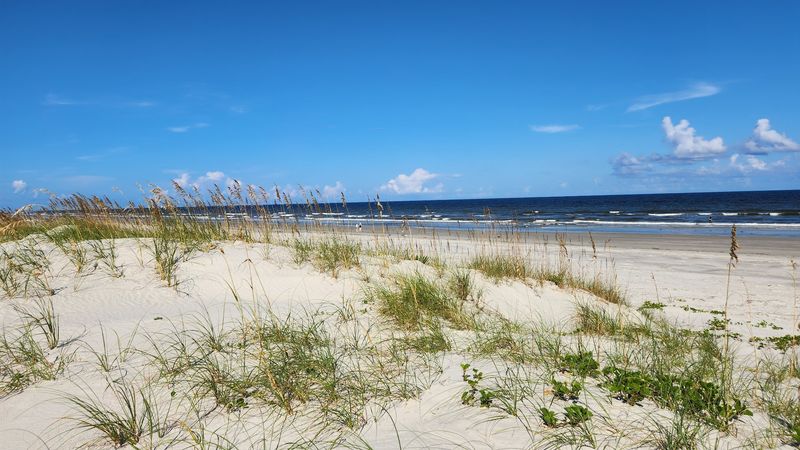
Seventeen miles of undeveloped beach stretch along the Atlantic coast of Cumberland Island. No hotels, no beach bars, no umbrella rentals.
Just hard-packed sand near the waterline and softer sand closer to the dunes, with waves rolling in steadily from the open ocean.
Swimming is allowed, but there are no lifeguards on duty. Rip currents can form, so check conditions before wading in.
The water color varies by season and weather, but the sheer emptiness of the shoreline makes up for everything. Walking miles without seeing another person is genuinely possible here.
Beachcombing is a huge draw for visitors. Shells are plentiful, and shark teeth turn up regularly along the waterline.
You are allowed to collect shells and shark teeth, which makes a long beach walk feel like a treasure hunt. Kids and adults both get completely absorbed in it.
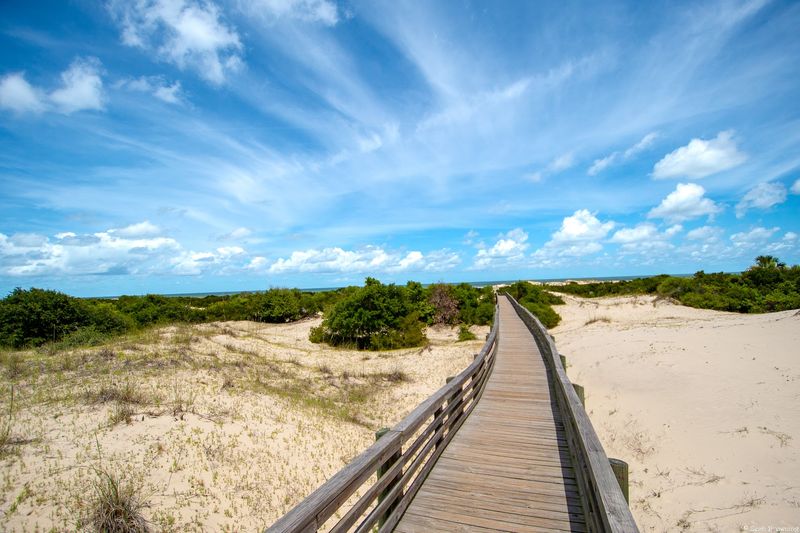
Designated paths with markers must be used when crossing the dunes. The dunes are a mature and protected part of the barrier island system, so walking on them directly causes real damage.
Stick to the marked crossovers, and the beach stays healthy for future visitors. The shoreline here feels like a reward you actually had to earn to reach.
Unique Coastal Flora And Habitat Conservation
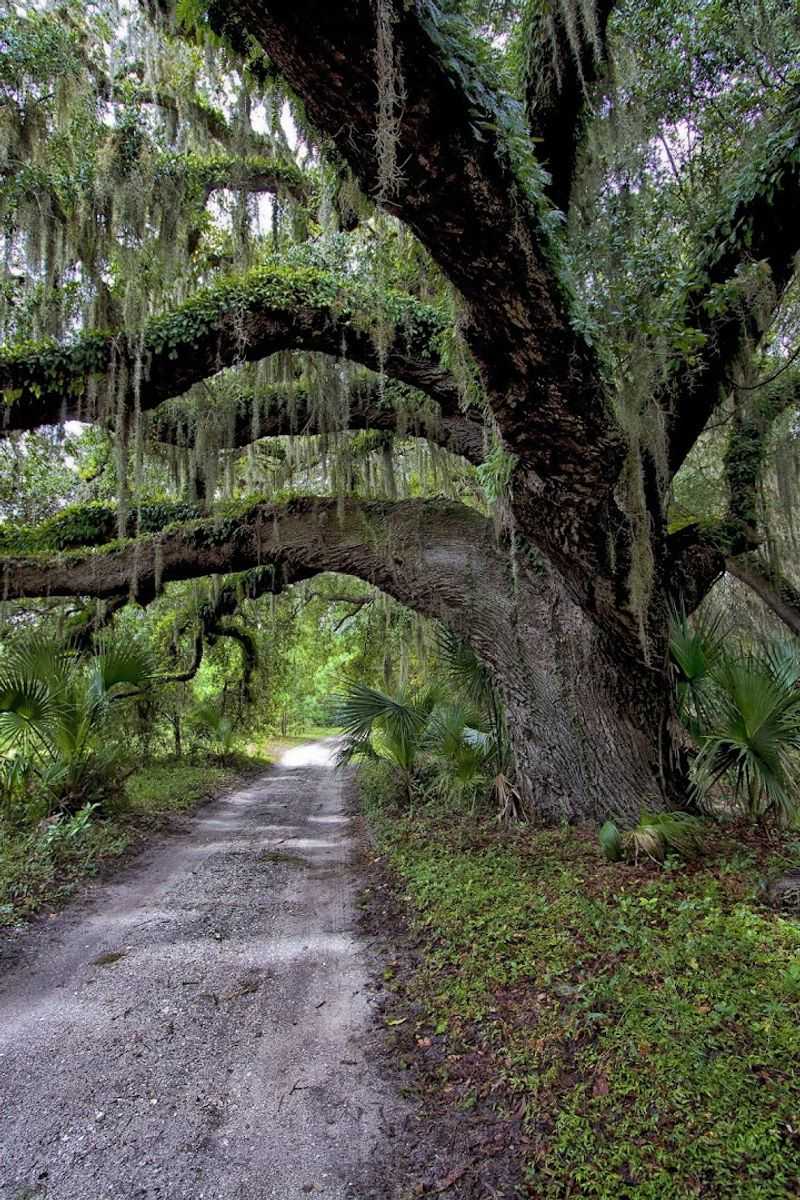
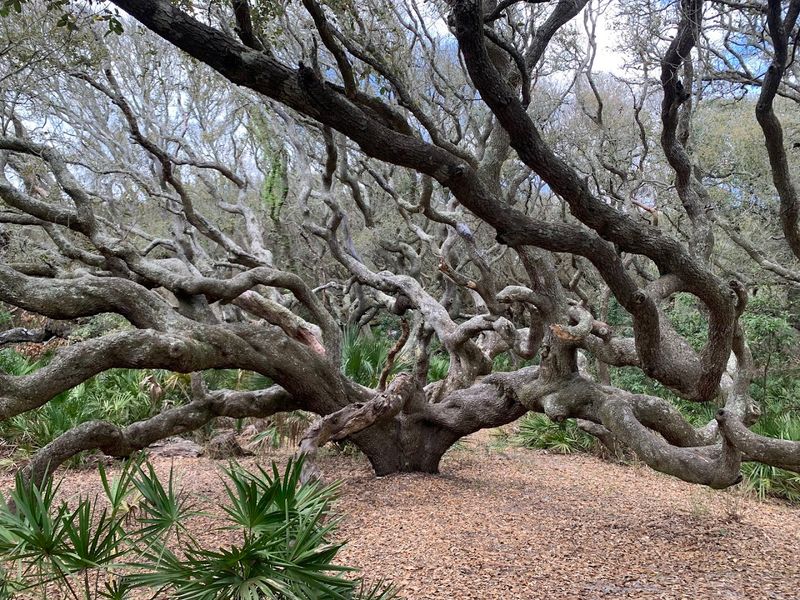
Live oaks covered in Spanish moss line the interior trails of Cumberland Island in a way that stops people mid-step. The canopy feels ancient and heavy, filtering light in ways that make everything look slightly otherworldly.
It is the kind of scenery that makes phone cameras feel completely inadequate.
The island holds over 36,000 acres of diverse habitats. Maritime forests, salt marshes, freshwater wetlands, and open beaches all exist within the same island system.
Each ecosystem supports different species and offers a completely different visual experience within a single visit.
Approximately 9,800 acres are designated as Congressionally protected Wilderness. That legal protection means development is permanently off the table for those areas.
The conservation status keeps habitats intact for nesting turtles, migratory birds, and dozens of plant species that depend on undisturbed coastal conditions.
Salt marsh boardwalks give visitors access to wetland views without damaging the fragile root systems below. The marshes filter water, support juvenile fish populations, and act as natural storm buffers for the island.
Understanding that context changes how you look at them. They are not just scenic backdrops.
They are doing serious ecological work every single day, quietly and without any recognition.
Recreational Activities Suitable For All Ages
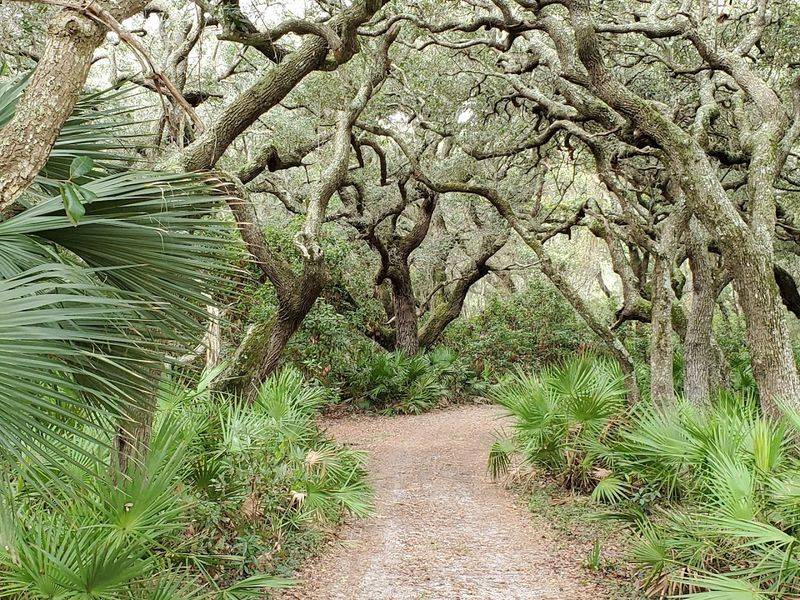
Over 50 miles of hiking trails cover Cumberland Island, ranging from short beach walks to multi-day backpacking routes through the northern wilderness area.
Whether someone wants a two-hour loop or a three-day camping adventure, the trail system accommodates both without complaint.
Bicycles are welcome on the island, and honestly, make exploring much easier. The sandy interior roads can be tiring on foot over long distances.
Bringing a bike with gears, or renting one, opens up the northern sections of the island that day-trippers on foot often miss entirely.
Camping is available at Sea Camp, which has bathrooms, showers, and water nearby. More rustic backcountry sites exist further from the ferry dock, where things get quieter and more remote with every mile.
The campgrounds fill up fast, so booking well ahead is not optional; it is essential.
Beach wheelchairs are available to borrow at the Sea Camp Dock Ranger Station, making the shoreline more accessible. All Terrain Georgia also offers access to powered all-terrain wheelchairs through a short online training course.
Completing that training a couple of weeks before arrival is the recommended timeline. The island genuinely tries to make outdoor access available to everyone, and that effort shows in the details.
Historic Landmarks Near Secluded Shorelines
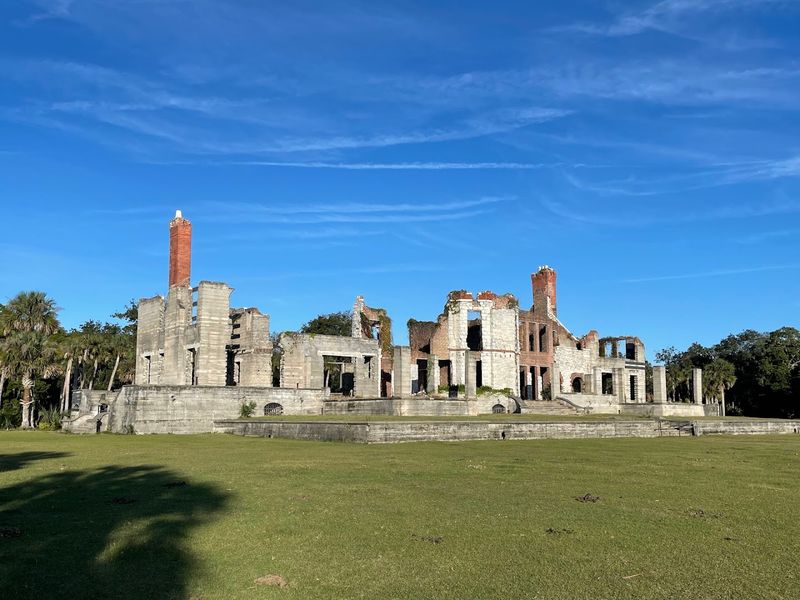
The Dungeness ruins sit near the southern end of the island, and they are hard to describe without sounding dramatic.
Crumbling stone walls, overgrown archways, and wild horses grazing in the shadow of a former Carnegie estate create a scene that feels pulled from another century.
Plum Orchard mansion stands further north and is one of the few historic structures still intact on the island. Built in 1898 by Lucy Carnegie as a wedding gift for her son George, the mansion still contains much of its original furniture and period detail.
Guided tours run periodically and offer a genuinely fascinating look at Gilded Age life on a Georgia barrier island.
The First African Baptist Church, established in 1893, sits at the northern end of the island. It is a small, simple wooden structure with enormous historical weight.
John F. Kennedy Jr. and Carolyn Bessette were married there in September 1996, which adds a layer of modern history to an already layered site.
Historic sites and empty beaches exist within walking distance of each other throughout the island. That combination of cultural history and natural beauty is rare.
Most national parks offer one or the other. Cumberland Island delivers both in the same afternoon, which makes it genuinely hard to compare to anywhere else on the Eastern Seaboard.
Local Guidelines For Protecting Natural Resources
The National Park Service takes conservation seriously on Cumberland Island, and so should every visitor.
Leave No Trace principles are widely respected here, and the island shows it. Trash is rarely seen on the trails or beaches.
Pack out everything you bring in, including food wrappers, empty water bottles, and anything else that did not exist on the island before you arrived.
Designated dune crossover paths must be used when moving between the forest and the beach. Walking directly over dunes damages the root systems that hold them in place.
Losing dune stability accelerates erosion and threatens the entire beach system over time. The markers are easy to follow, so there is no excuse for cutting through.
Wildlife interaction is strictly off-limits. Do not feed, touch, or approach any animals, including the horses.
Rangers repeat this on every ferry departure for good reason. Habituated wildlife becomes a safety risk for both animals and people.
Ticks are also present in wooded areas, so applying repellent before hiking through the forest is a practical step that most first-timers overlook until it is too late.
Best Times To Visit For Weather And Wildlife
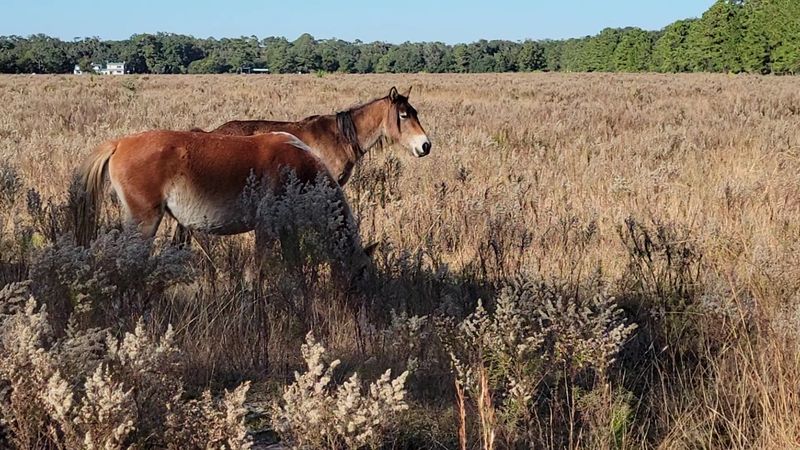
February and March are widely considered the best months to visit Cumberland Island. Temperatures are mild, bugs are manageable, and crowds are at their lowest.
The island in winter has a stillness to it that feels completely different from peak season, in the best possible way.
Spring and fall bring warmer weather but also significantly more insects. Mosquitoes and no-see-ums can be relentless on the interior trails during those seasons.
Bug spray is not optional during those months. It is the single most important thing to pack after water and sunscreen.
Summer visits are possible but come with real heat and humidity. The island has no air conditioning anywhere.
Shade is available under the live oaks, but the open beach gets intensely hot by midday. Starting early and returning to the ferry before the afternoon sun peaks is the smartest summer strategy.
Wildlife activity peaks in spring and early fall. Loggerhead turtles nest from May through August along the Atlantic beaches.
Migratory birds pass through in large numbers during both spring and fall migration windows. Planning a visit around those windows rewards patient observers with genuinely impressive sightings.
Checking the National Park Service website at nps.gov/cuis before booking gives the most current information on seasonal conditions and ferry availability.
Photography Tips To Capture Stunning Beach Scenes
Golden hour on Cumberland Island is something photographers talk about for weeks afterward.
The combination of open Atlantic horizon, Spanish moss, crumbling ruins, and free-roaming horses gives nearly every scene a natural drama hard to replicate elsewhere.
Arrive on the first ferry of the day. The 9:00 a.m. departure gets you on the island before the light gets harsh.
Early morning also increases the chance of catching horses near the ruins or on the beach before midday heat pushes them into the shade of the forest interior.
A wide-angle lens handles the expansive beach scenes well. A longer zoom lens earns its weight when wildlife appears at a distance.
The horses move unpredictably, so having both options available saves a lot of missed shots. A polarizing filter helps manage glare on the water and brings out the color contrast between white sand and blue sky.
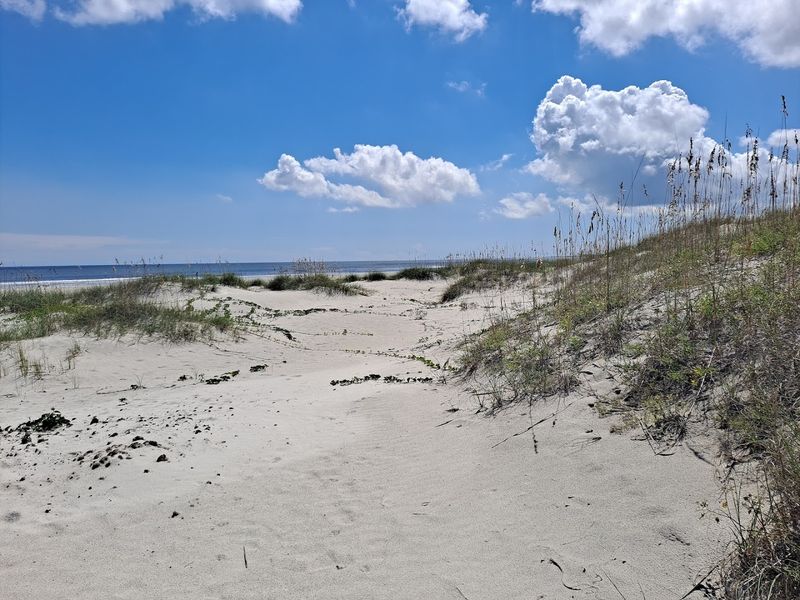
Shoot toward the dunes from the waterline for the most dramatic beach compositions. The dune grasses frame the scene naturally without requiring any setup.
The Dungeness ruins photograph beautifully in late afternoon light when shadows fill the archways and create depth. Bring extra memory cards and a portable charger.
There are no charging stations on the island, and running out of battery on a place this photogenic is a genuinely painful experience.