
Why This Nevada Lake Is Becoming A Favorite Escape For Those Who Find It
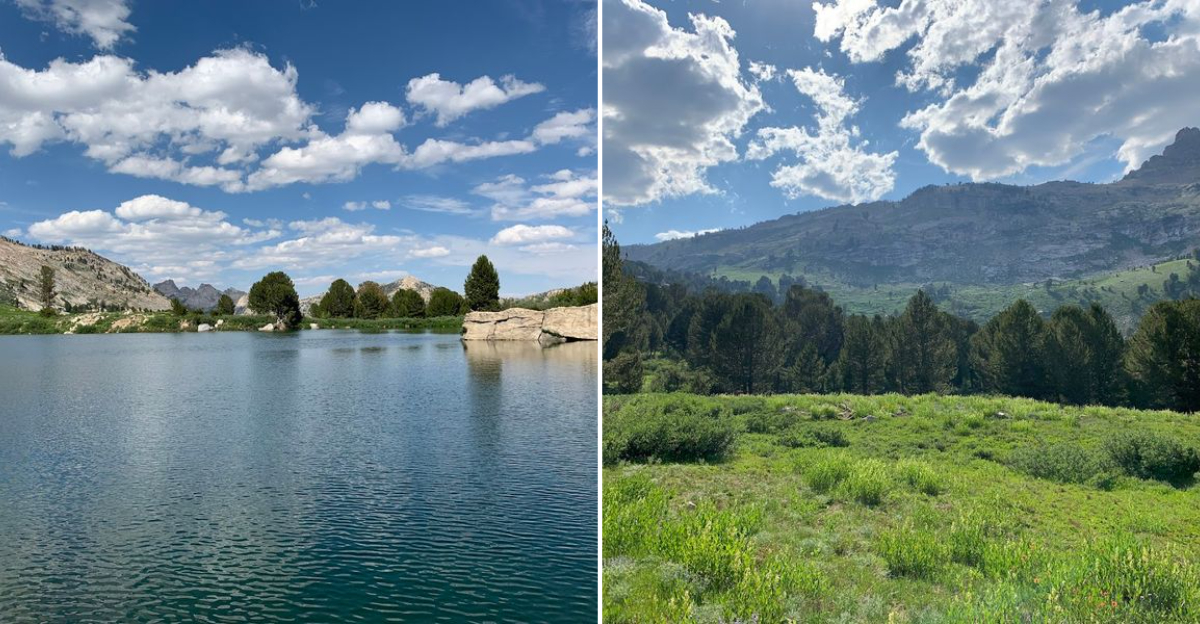
Nevada often surprises those who look beyond its most obvious image. This lake is one of the best reasons to do exactly that.
Clear water, open sky, and a shoreline that stays quiet enough on most days to feel like a private arrangement rather than a public destination.
Getting here requires some navigation and a willingness to commit to roads that thin out before the water comes into view.
That commitment filters the crowd naturally, which is the most reliable preservation method any natural destination has available to it.
The Nevada desert surrounds the approach in a way that makes the lake’s appearance feel genuinely earned rather than stumbled into.
Early arrivals describe mornings here with the kind of language people usually reserve for places much further from home and much harder to reach. The favorite escape reputation is building slowly and deliberately among the people who have found it.
Most of them seem in no hurry to accelerate that process for anyone else.
Pristine Water Quality And Its Benefits
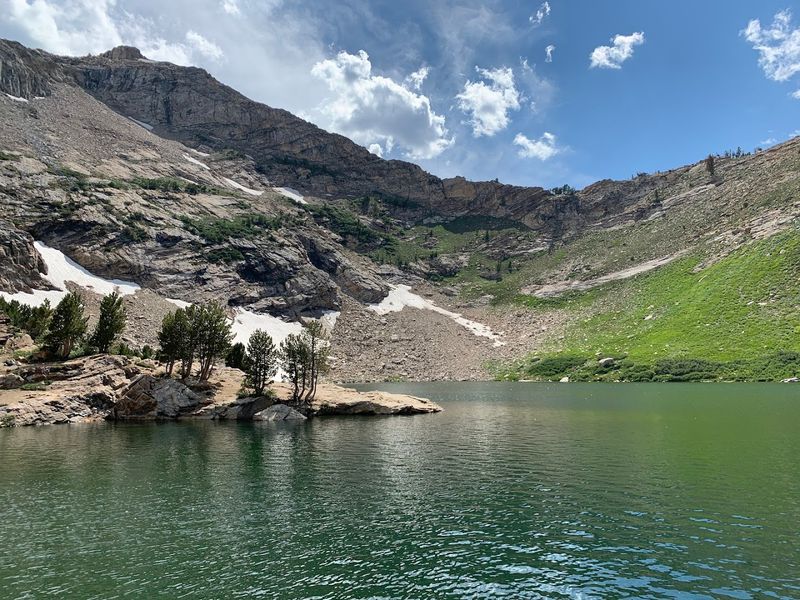
The water at Lamoille Lake is genuinely clear. You can see straight to the bottom in the shallower sections.
That clarity comes from snowmelt filtering through granite rock over thousands of years.
This natural filtration process removes many impurities before water even reaches the lake. The result is some of the cleanest alpine water you will find in the Great Basin region.
Bringing a quality water filter still makes sense for anyone planning to drink directly from the source.
The cold temperature of the water plays a big role, too. Water stays cold at nearly 9,747 feet in elevation.
Cold water holds more dissolved oxygen, which supports healthier aquatic life throughout the lake basin.
Brook trout and Lahontan cutthroat trout thrive here because of those oxygen-rich conditions. Anglers notice the difference immediately.
Fish are active and healthy in ways you rarely see at lower-elevation lakes.
The clean water also makes Lamoille Lake visually striking in photographs. Reflections of the surrounding Ruby Mountains appear almost mirror-perfect on calm mornings.
That visual quality alone draws visitors back season after season.
Located along the Lamoille Canyon Scenic Byway, the lake is accessible from Elko. Plan your visit during the summer months for the best water conditions and clearest views of the lake basin.
Wildlife Habitats Surrounding The Lake
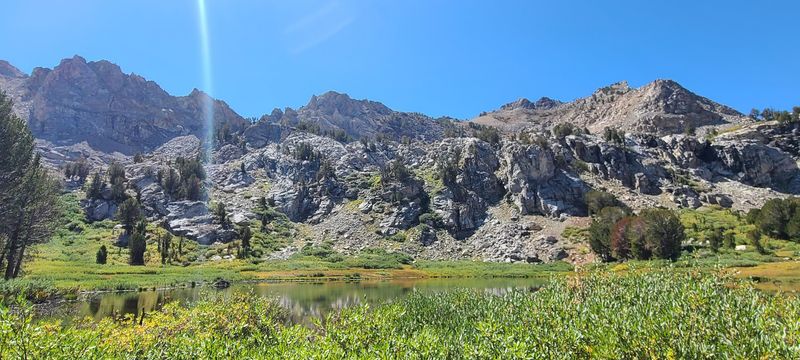
Wildlife around Lamoille Lake is not shy. Mule deer graze near the trail without much concern for passing hikers.
You might spot one before you even reach the lake itself.
Mountain goats and bighorn sheep navigate the steep granite cliffs above the water. Watching them move across near-vertical rock faces is genuinely impressive.
It looks impossible, but they make it look routine.
Bird species are plentiful throughout the canyon. Hawks circle overhead while smaller songbirds fill the pine trees with sound.
Birders often find species here that are rarely seen at lower Nevada elevations.
Beaver ponds near the lake create additional habitat zones. These ponds support fish populations and attract a surprising variety of wildlife.
The beavers themselves are active around dawn and dusk if you are patient enough to wait.
The Ruby Mountains create a natural corridor for wildlife migration. Animals move between elevation zones depending on the season.
That movement means wildlife sightings change throughout the year, which keeps repeat visits interesting.
Fall brings a noticeable shift in animal behavior. Many species prepare for winter by becoming more active during daylight hours.
That increased activity makes autumn one of the best seasons for wildlife observation at the lake.
Staying quiet on the trail dramatically increases your chances of seeing animals. Move slowly and avoid sudden movements.
The wildlife here rewards patient and respectful visitors consistently.
Recreational Activities Available Year Round
Summer at Lamoille Lake means hiking, fishing, and backcountry camping without needing a permit. The Lamoille Lake Trail runs about 3.7 miles round-trip from the scenic byway trailhead.
It is rated moderate and works well for families with older kids.
Two trail routes lead to the lake. The equestrian route offers open views of the mountain range.
The main trail provides more shade through pine forest sections.
Fishing is productive throughout the warmer months. Brook trout and Lahontan cutthroat trout respond well to basic fly fishing setups.
Nearby beaver ponds add extra fishing options if the main lake is busy.
Photography and wildlife watching keep non-anglers busy for hours. The landscape changes dramatically between morning and afternoon light.
Serious photographers often arrive at sunrise to catch the best reflections on the water.
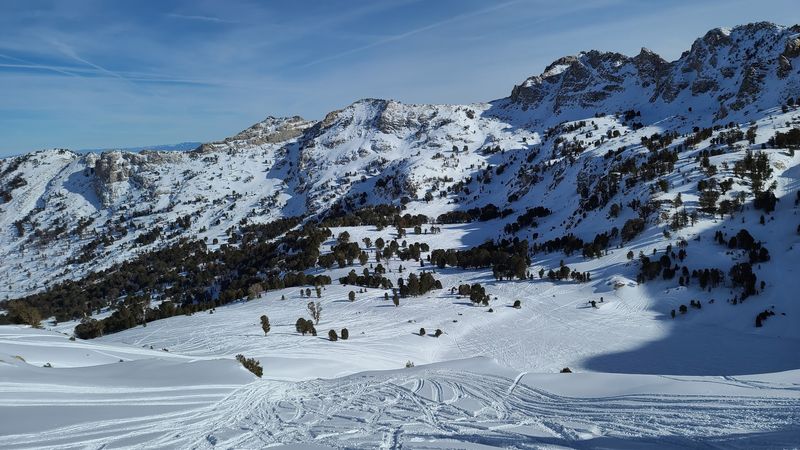
Winter transforms the Ruby Mountains into a different kind of playground. Snowshoeing and Nordic skiing become the primary activities once snow accumulates.
The broader Ruby Mountain range even offers heli-skiing for those seeking a more intense winter experience.
Spring brings wildflower blooms that cover the canyon floor in color. Early summer sometimes still has snow patches visible near the lake.
Seeing wildflowers and snow in the same frame is a uniquely Ruby Mountains experience.
No matter the season, there is always a reason to make the drive up Lamoille Canyon. The variety keeps this destination fresh for repeat visitors throughout the entire year.
Seasonal Changes Impacting Lake Ecosystems
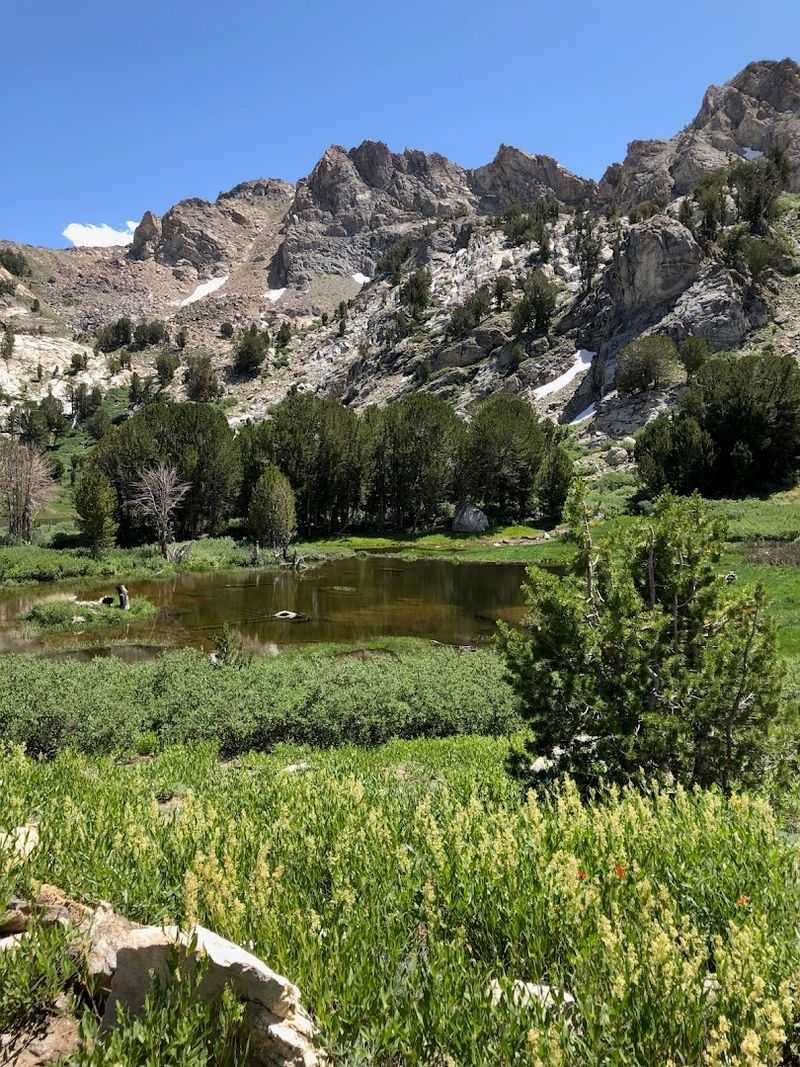
Spring arrives slowly at nearly 10,000 feet of elevation. Snowmelt feeds the lake through May and into June.
Water levels rise noticeably during this period, and the surrounding meadows turn green almost overnight.
Wildflowers follow the snowmelt up the canyon walls. Species bloom in waves as temperatures gradually climb.
By July, the canyon floor is covered in color from dozens of native flowering plants.
Summer brings warmer days, but nights stay cool. Water temperatures remain cold enough for trout to stay active.
The contrast between warm air and cold water creates ideal fishing conditions throughout the season.
Fall is arguably the most dramatic season at Lamoille Lake. Aspen trees turn gold and orange along the canyon walls.
The Ruby Mountains earned comparisons to the Swiss Alps partly because of how stunning this fall color display becomes.
The ecosystem responds to seasonal changes in predictable but still surprising ways. Animal behavior shifts as food sources change.
Plant communities adjust their cycles based on water availability and temperature.
Winter essentially pauses many surface-level ecosystem processes. The lake may partially freeze depending on the severity of the season.
Beneath the ice, aquatic life continues at a slower pace through the coldest months.
Each seasonal transition at Lamoille Lake creates a noticeably different experience. Returning visitors often describe each season as their favorite.
That cycle of change is a big reason why this lake keeps drawing people back year after year.
Photography Opportunities With Unique Landscapes
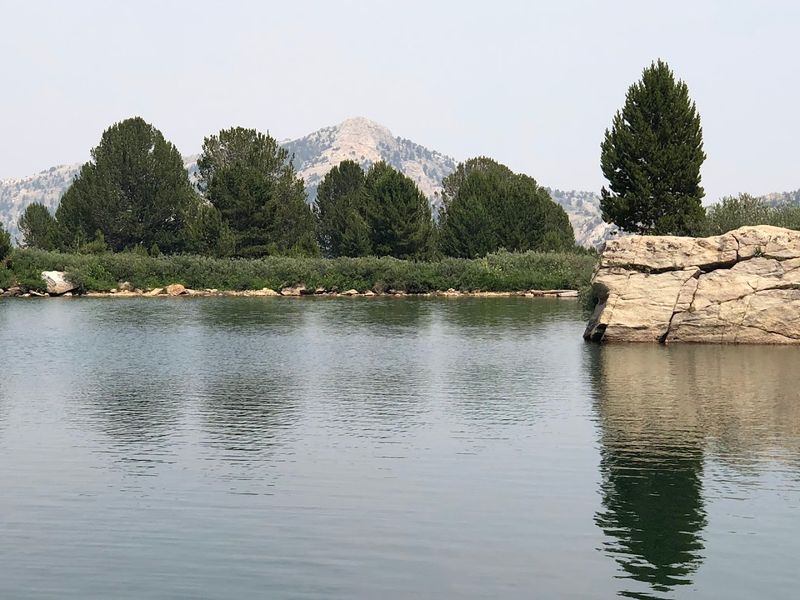
Lamoille Lake is a photographer’s paradise where every direction offers a usable frame. Granite cliffs rise sharply above the water on multiple sides.
The lake surface acts like a mirror when the wind is calm in the early morning hours.
The Lamoille Canyon Scenic Byway itself provides excellent shooting locations before you even reach the lake. Waterfalls appear along the canyon walls during spring and early summer.
Towering granite formations create dramatic backdrops along the entire 12-mile paved road.
Golden hour at this elevation is genuinely special. The angle of light hits the Ruby Mountains in ways that create long shadows and warm tones across the landscape.
Arriving 30 minutes before sunrise puts you ahead of most other visitors.
Wildlife photography opportunities come without much effort here. Animals appear regularly along the trail and near the lakeshore.
A telephoto lens lets you capture bighorn sheep on the cliffs without disturbing them.
Fall foliage photography at Lamoille Lake is worth planning an entire trip around. Gold and orange aspen trees reflect in the lake’s surface during peak color weeks.
That combination of color, water, and granite is hard to replicate anywhere else in Nevada.
Snow-dusted peaks appear in late September and early October, sometimes while aspen color is still present. That overlap creates layered compositions that look almost unreal in photographs.
Drone use is restricted in the area, so ground-level compositions require creativity and patience to maximize the landscape.
Local Flora Contributing To Scenic Beauty
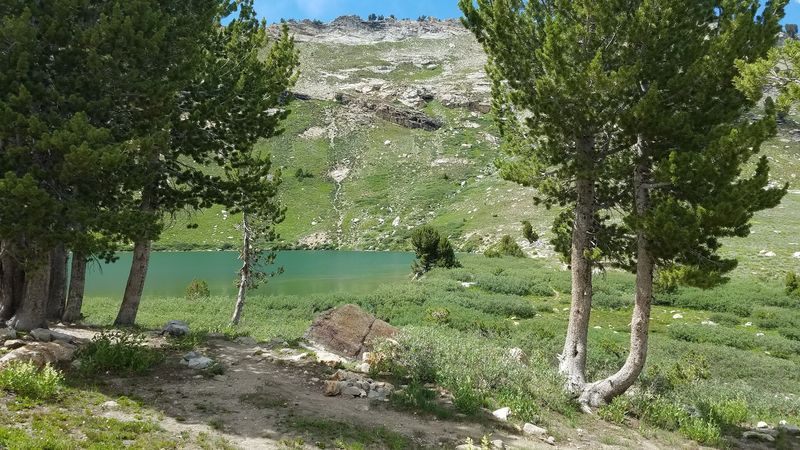
The wildflower display in Lamoille Canyon is one of the most underrated botanical shows in Nevada. Lupine, Indian paintbrush, and columbine appear along the trail starting in early July.
The canyon floor transforms into something that looks more like Colorado than the Nevada most people picture.
Aspen groves line portions of the canyon and lake basin. These trees create a layered canopy that filters light beautifully during summer hikes.
In the fall, their leaves turn gold and create one of the most photographed scenes in the Ruby Mountains.
Sagebrush and mountain mahogany appear at lower elevations along the byway. These plants represent the transition zone between high desert and alpine environments.
That ecological transition happens visibly over just a few miles of driving.
Subalpine meadows near the lake support plant species adapted to short growing seasons. Grasses and sedges create soft, green textures against the hard granite landscape.
These meadows are fragile, so staying on established trails protects them from lasting damage.
Conifer forests of Engelmann spruce and limber pine cover the middle elevations. These trees provide habitat structure for birds and mammals throughout the year.
Their presence also adds wind protection for hikers during afternoon gusts.
Plant communities at Lamoille Lake respond visibly to elevation changes. Every few hundred feet of altitude brings a noticeable shift in what grows.
That botanical variety keeps the scenery fresh and interesting throughout the entire hike to the lake.
Conservation Efforts Protecting Natural Resources
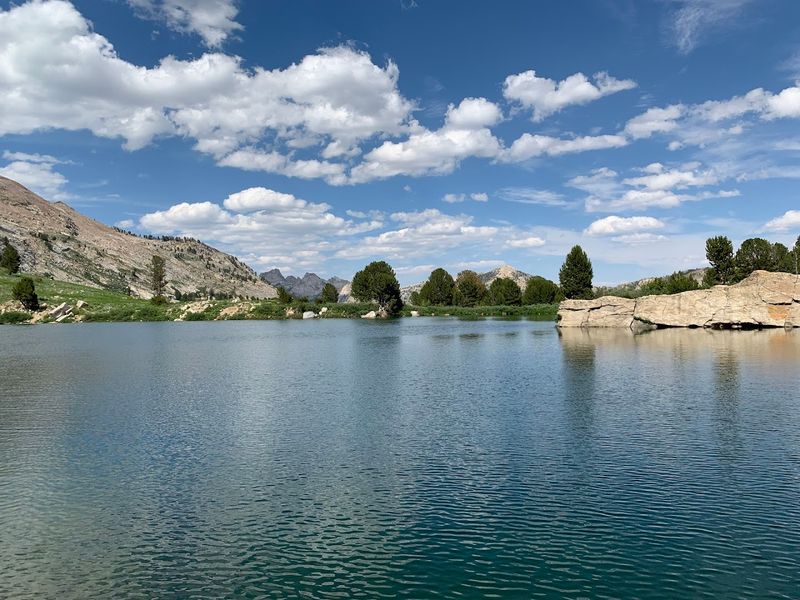
Lamoille Lake sits within the Humboldt-Toiyabe National Forest, which means federal land management rules apply. The Forest Service manages access, trail maintenance, and resource protection for the entire canyon area.
Those regulations exist because alpine ecosystems are genuinely fragile at this elevation.
Leave No Trace principles are especially important here. The high elevation and short growing season mean plants and soil recover slowly from damage.
Foot traffic off established trails can set back vegetation recovery by years.
Pack-in and pack-out rules apply throughout the canyon. Human waste disposal is a real concern in heavily visited alpine areas.
Carrying a waste kit or using proper cat-hole techniques keeps the lake basin clean for everyone who follows.
The Lamoille Canyon Scenic Byway operates seasonally, typically from May through October. Seasonal closure protects the road and the surrounding habitat during the most vulnerable weather periods.
That limited access window also naturally regulates visitor volume.
Fishing regulations from the Nevada Department of Wildlife protect trout populations. Size and bag limits apply to both brook trout and Lahontan cutthroat trout.
Catch-and-release fishing is a popular choice among anglers who want to preserve the fishery long term.
Drone restrictions in wilderness-adjacent areas protect wildlife from disturbance. Noise from drones disrupts nesting birds and stresses larger mammals.
Respecting those restrictions makes the experience better for wildlife and other visitors simultaneously.
Conservation at Lamoille Lake is a shared responsibility. Every visitor who follows the rules contributes to keeping this alpine environment intact for future generations to enjoy.
Accessibility And Nearby Amenities For Visitors
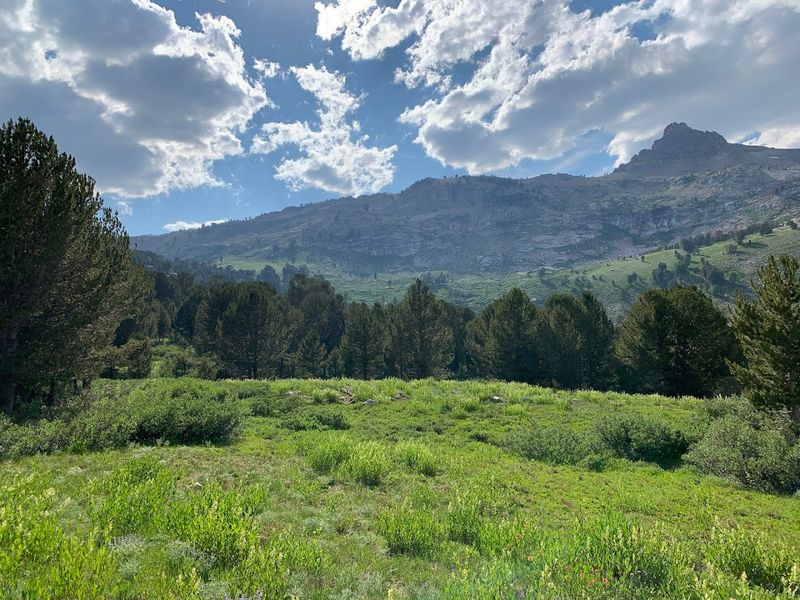
Getting to Lamoille Lake is straightforward compared to many alpine destinations. The Lamoille Canyon Scenic Byway is a paved 12-mile road that leads directly to the trailhead.
Most standard passenger vehicles handle the drive without any issues during the open season.
The byway typically opens in May and closes around October, depending on snowfall. That five-month window gives visitors a reasonable range of dates to plan around.
Checking current road conditions before heading out is always a smart move.
The trailhead at the end of the byway has a parking area and basic facilities. Arriving early on weekends secures a parking spot without stress.
Weekday visits offer a noticeably quieter experience on both the trail and at the lake.
Elko serves as the nearest full-service town. It sits about 20 miles from the canyon entrance and offers gas stations, grocery stores, and lodging options.
Stocking up in Elko before heading into the canyon makes the most sense logistically.
No camping permits are required for primitive backcountry camping along Lamoille Lake shores. That accessibility makes overnight trips easy to plan without reservation systems.
Bringing all your own water filtration and waste management supplies is essential.
Cell service is limited or nonexistent inside the canyon. Downloading offline maps before leaving Elko prevents navigation issues on the trail.
A paper map of the Ruby Mountains backcountry is worth carrying as a reliable backup option.