
This Hidden Mountain Thermal Spring In Colorado Is One Of The Best Kept Secrets In The Rockies
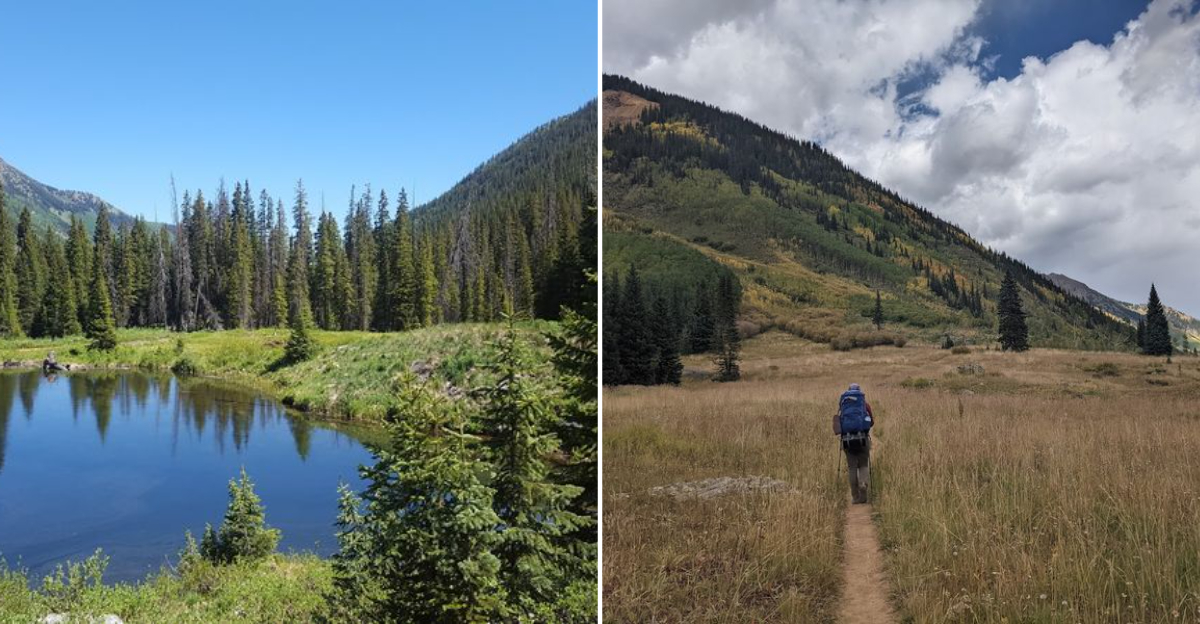
The Rockies hold more than the destinations that make every travel list and fill every trailhead parking lot on a summer weekend. This Colorado thermal spring is proof of exactly that.
Steam rises from natural water surrounded by mountain terrain at elevation. Photographs reduce that experience to something far less than what it actually delivers in person.
Getting here requires more effort than most visitors are willing to commit to. That is precisely why it still looks and feels the way it does.
Colorado has thermal springs absorbed completely into the tourism infrastructure. This one has stayed outside that system long enough to remain genuinely wild.
The best kept secret designation in the Rockies is competitive given everything the range contains. Earning a place on that list requires delivering something that justifies the secrecy.
People who find it tend to share the location carefully and selectively. That pattern is the most honest measure of what the spring is actually worth.
Geological Origins Of Thermal
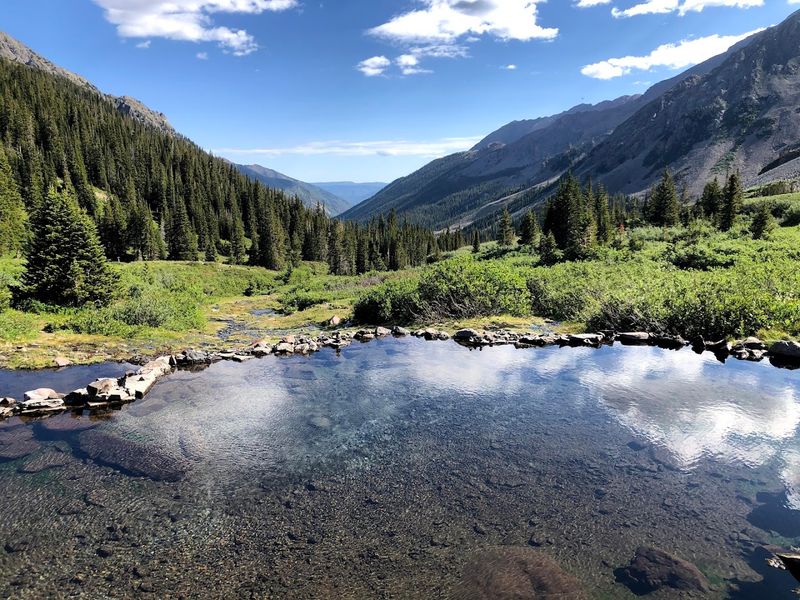
This hot spring sits at roughly 11,200 feet above sea level. That makes it one of the highest elevation hot springs in the entire United States.
The water emerges from the earth at a scorching 122 degrees Fahrenheit. It then cools naturally to around 98 degrees in the soaking pools.
The geology here is fascinating. Deep underground, rainwater and snowmelt seep down through fractured rock.
That water contacts geothermally heated rock far below the surface. It picks up dissolved minerals along the way.
Then it rises back up through fault lines and cracks in the earth.
The Maroon Bells-Snowmass Wilderness sits on ancient volcanic and sedimentary rock formations. These formations channel the heated water upward toward the surface.
The result is a constant flow of mineral-rich thermal water. It has been doing this for thousands of years without stopping.
Two main rock-lined pools hold most of the water. The larger pool stretches about 15 feet across and reaches 4.5 feet deep.
It can comfortably fit ten or more people at once. Smaller, cooler pools also exist downstream for those who prefer a milder soak.
You can find Conundrum Hot Springs in Colorado, within the White River National Forest. The springs are only accessible by trail, which keeps the geological wonder remarkably preserved.
Health Benefits From Mineral Rich Waters
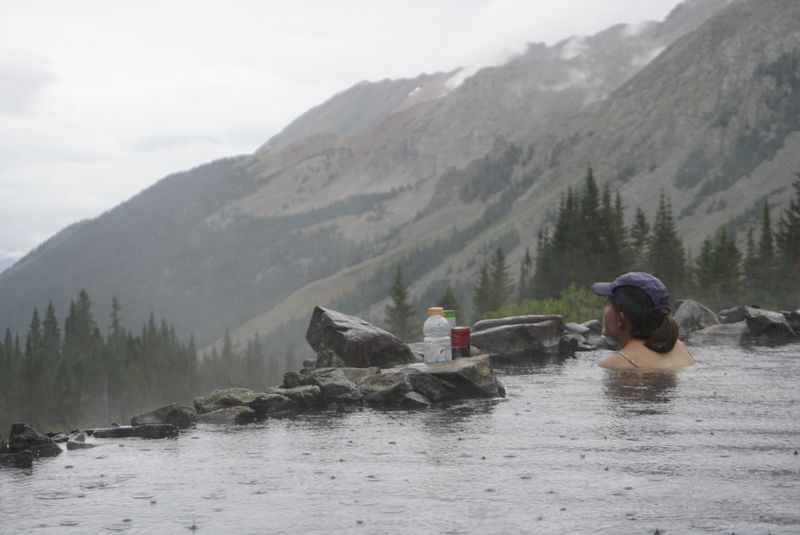
Soaking in mineral-rich water at nearly 11,200 feet feels like hitting a full-body reset button. The thermal water at Conundrum Hot Springs carries dissolved minerals picked up during its long underground journey.
These minerals include sulfur, calcium, and magnesium. Each one interacts with your body in different ways.
Magnesium in thermal water can help relax tight muscles. After hiking 9 miles uphill with a loaded pack, your legs will absolutely thank you.
The heat from the water increases circulation throughout your body. Better blood flow means faster muscle recovery after strenuous activity.
Sulfur compounds in the water have long been associated with skin benefits. Many people report that mineral spring soaks leave their skin feeling noticeably softer.
The warm water also helps open pores and encourages a gentle cleansing effect on the skin. It is a natural spa treatment hidden in the mountains.
The warm temperature of the pools, sitting near 98 degrees Fahrenheit, supports joint flexibility. People with sore knees or tight hips often find relief after a long soak.
The buoyancy of water also reduces pressure on joints temporarily. That is a welcome break after a demanding alpine hike.
Beyond the physical effects, simply sitting in a remote natural spring at altitude has a calming mental impact. The quiet, the scenery, and the warmth combine to create a deeply restorative experience that is hard to replicate anywhere else.
Best Seasonal Times For Thermal Spring Visits
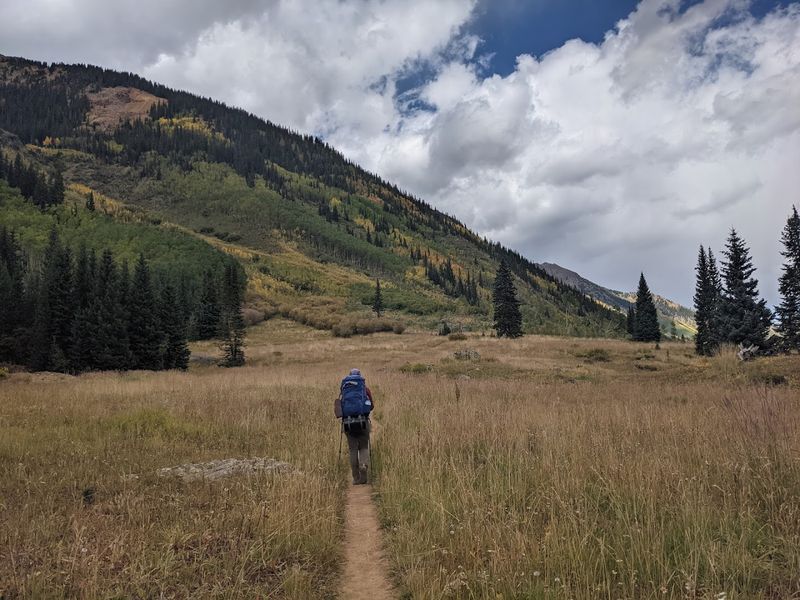
July through September is the sweet spot for visiting Conundrum Hot Springs. The trail is typically snow-free during these months.
Wildflowers are blooming everywhere along Conundrum Creek Trail. The alpine meadows look almost unreal in peak summer color.
That said, summer is also peak crowd season. Overnight permits for July and August sell out within minutes of being released.
The permit reservation window opens on June 15 for August 1 through November 30 trips. Mark that date on your calendar now if you are serious about going.
Early fall, meaning late September into October, brings fewer crowds and cooler temperatures. The aspen trees turn golden around this time.
Morning air is crisp, and the trail feels more peaceful. Just be prepared for sudden weather changes and colder nights at elevation.
Late spring visits, from May into early June, are possible but risky. Snow still blankets much of the trail.
Creek crossings become dangerous during spring runoff. Avalanche risk in the valley is real and not something to ignore.
Winter visits exist in a different category entirely. From October through late June, the area is snow-covered and exposed to serious avalanche danger.
Only highly experienced winter backcountry travelers should consider off-season access. For most people, sticking to the July through September window is the smartest and safest plan.
Plan early, book permits fast, and show up ready for mountain weather at any hour.
Wildlife Surrounding Mountain Spring Environments
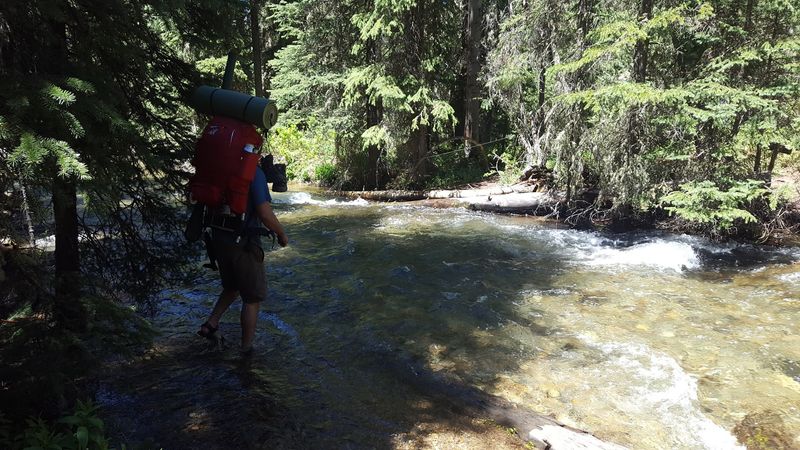
Conundrum Hot Springs sits deep inside the Maroon Bells-Snowmass Wilderness. That means wildlife is not just possible here.
It is expected. Black bears are active throughout the area.
Bear canisters are required for all food and scented products when camping overnight.
Multiple hikers have reported seeing bears directly on the trail. One visitor even heard that a moose had taken a dip in the hot springs the day before they arrived.
Moose are not common at this elevation, but they do wander into alpine terrain. That story alone should make you keep your eyes open at all times.
Ptarmigans are a regular sighting above the tree line near the springs. These round, ground-dwelling birds blend into rocky terrain with surprising skill.
Marmots are another constant presence. They whistle loudly from boulder fields and seem completely unbothered by passing hikers.
Elk and deer move through the lower sections of the Conundrum Creek Trail regularly. Early morning hikers have the best chance of spotting them near the meadows.
Raptors, including hawks and eagles, patrol the skies above the open alpine zones. Looking up is just as rewarding as looking down.
The wildlife here exists in a genuinely wild setting. No fences.
No guardrails. No visitor center with pamphlets.
This is bear country, and respecting that reality is part of experiencing Conundrum Hot Springs the right way. Stay alert, store food properly, and enjoy every unexpected encounter.
Essential Safety Tips For Thermal Spring Bathers
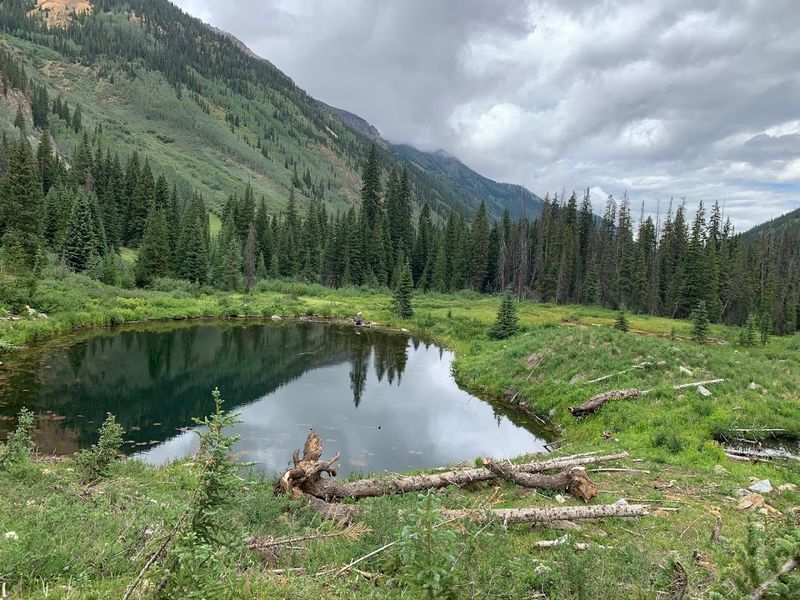
Hiking 9 miles one way to a hot spring at 11,200 feet is not a casual afternoon plan. Start early.
Getting on the trail before sunrise gives you extra time and keeps you ahead of afternoon thunderstorms. Lightning is a serious and frequent threat in Colorado alpine zones.
Exposed ridges near the springs are dangerous during electrical storms.
Altitude sickness is a real concern here. If you are coming from a low-elevation city, your body needs time to adjust.
Symptoms include headache, nausea, and dizziness. Ascending too quickly while already fatigued from the hike can make symptoms worse.
Hydrate constantly and pace yourself throughout the trail.
Creek crossings along the Conundrum Creek Trail require attention. Some have primitive log bridges.
Others require wading, especially during spring runoff when water levels rise fast. Wet rocks and fast-moving cold water are a dangerous combination.
Trekking poles help enormously during water crossings.
The thermal water itself emerges at 122 degrees Fahrenheit from the ground. Never put your body near the source vent.
The soaking pools cool to around 98 degrees, which is safe for bathing. Staying in very hot water too long can cause dizziness, especially at high altitude, where your body is already working harder.
Pack out everything you bring in. Wag bags are required for human waste.
Dogs are not allowed within 2.5 miles of the hot spring site. Following these rules is not optional.
It protects both you and the wilderness around you.
Sustainable Practices For Preserving Natural
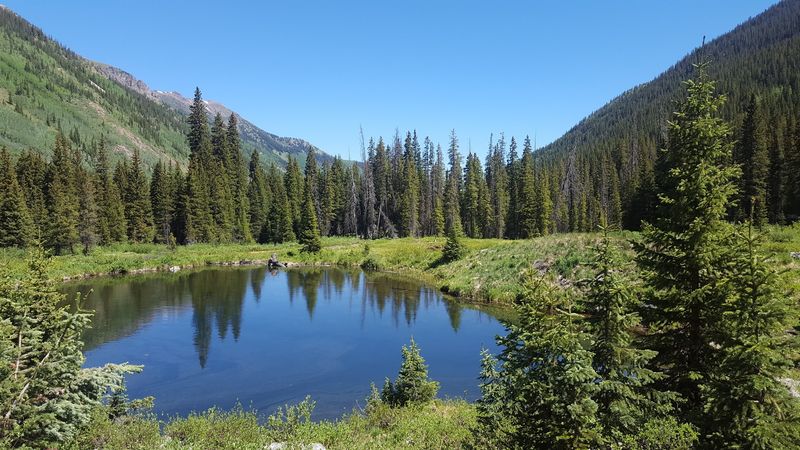
Conundrum Hot Springs handles a lot of visitors during peak season. That kind of traffic can destroy a fragile alpine ecosystem fast.
The permit system exists specifically to control that impact. Twenty designated campsites are all that is available.
Camping outside those sites is not allowed, period.
Pack-it-in, pack-it-out applies to absolutely everything here. That includes human and dog waste.
Wag bags are required for solid waste disposal. Leaving anything behind, whether trash, food scraps, or gear, causes real damage to the ecosystem.
Other visitors and wildlife pay the price for carelessness.
Campfires are banned in the upper campground area near the springs. This rule protects the fragile alpine vegetation and reduces wildfire risk at high elevation.
A lightweight camp stove handles all your cooking needs without the environmental cost. It is a simple swap that makes a significant difference.
Soap, shampoo, and other personal care products should never enter the spring pools. Even biodegradable soaps alter the natural chemistry of the water.
The mineral balance in the pools supports a specific micro-ecosystem. Disrupting that balance affects the entire environment downstream.
Stay on designated trails at all times. Alpine plants above the tree line grow incredibly slowly.
A single shortcut across a meadow can damage decades of plant growth in seconds. The wilderness here is remarkable precisely because it has been treated with care.
Keeping it that way takes conscious effort from every single visitor who shows up with a permit.
Hiking Trails Leading To Hidden
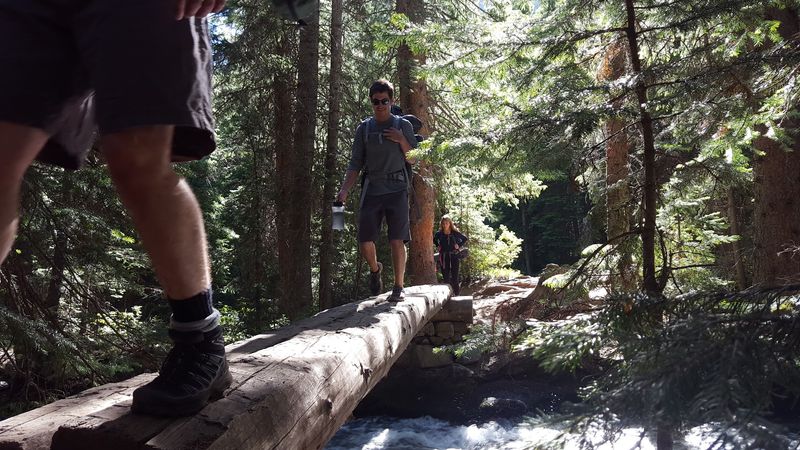
The only way to reach Conundrum Hot Springs is the Conundrum Creek Trail. There is no road access.
There is no shortcut. The trailhead sits about a ten-minute drive from Aspen, off Castle Creek Road.
Parking is limited, so arriving early is not just advice. It is a necessity.
The one-way distance is approximately 8.5 to 9 miles. Round-trip puts you at 17 to 18 miles total.
The trail gains between 2,500 and 3,000 feet of elevation from start to finish. Most hikers budget 4 to 8 hours for the hike in and 3 to 6 hours for the return trip.
The trail follows Conundrum Creek the entire way. You pass through pine forests, open wildflower meadows, and eventually break above the tree line entirely.
The landscape transforms dramatically as you gain elevation. Each mile looks noticeably different from the one before it.
An alternate route approaches from Crested Butte via Triangle Pass, crossing over from the Copper Creek Trailhead near Gothic. That route adds about a mile to the journey.
It also sometimes offers easier permit access through a different zone. Experienced backcountry hikers find this option appealing for the added scenery and solitude.
Trekking poles are highly recommended for the descent. Your knees will feel every one of those 9 miles on the way back down.
Proper footwear with ankle support matters a great deal on this trail. Plan your gear list carefully before you ever set foot on the path.
Local Flora Unique To Mountain Spring Regions
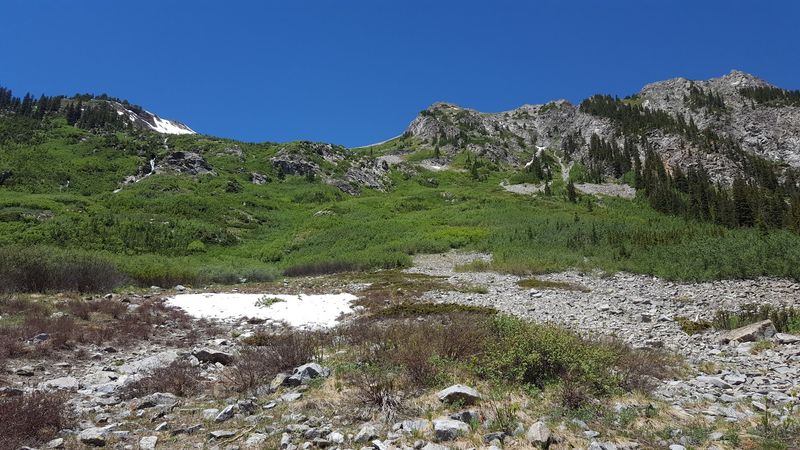
The plant life along the Conundrum Creek Trail changes completely as you gain elevation. Lower sections of the trail wind through dense pine and spruce forest.
Wildflowers carpet the forest floor during the summer months. The color and variety are genuinely striking even before you reach the alpine zone.
As you climb higher, the forest opens into sprawling subalpine meadows. Colorado blue columbine, the state flower, grows abundantly in these zones.
Indian paintbrush adds brilliant splashes of red and orange across the hillsides. Lupine creates wide purple fields that look almost too vivid to be real.
Above the tree line, vegetation becomes sparse but surprisingly resilient. Alpine cushion plants hug the rocky ground tightly to survive wind and cold.
Moss campion forms small pink clusters between stones. These plants have adapted over centuries to survive brutal winters and a very short growing season.
The thermal spring zone supports its own micro-ecosystem. Warm water seeping into the surrounding soil creates conditions that allow certain mosses and aquatic plants to thrive.
These heat-tolerant plants are not found everywhere. The unique temperature gradient around the spring makes this a genuinely rare botanical environment.
Visitors often report that the wildflower displays in late July are among the most impressive in Colorado. The combination of snowmelt water, rich alpine soil, and intense summer sunlight produces an extraordinary bloom.
Bringing a small field guide to Colorado wildflowers makes the hike even more rewarding from start to finish.