
Alaska’s Sea Cave Beach That’s Quietly Becoming A Bucket-List Destination
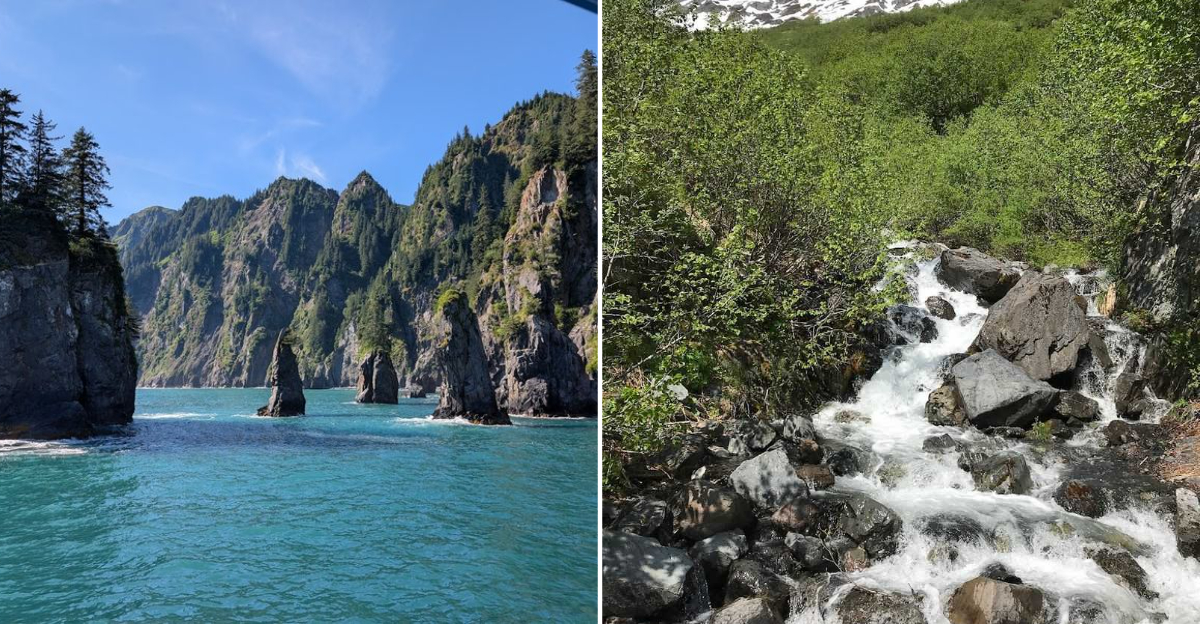
The tide has to cooperate before anything else does. Most first-time visitors check the schedule twice, drive out anyway, and still feel unprepared for what they find waiting.
Alaska earns its reputation through scale and raw geography, but this particular stretch of coastline works differently. The sea caves don’t announce themselves from the road.
The beach requires timing, patience, and a willingness to get the details right before showing up. Word has been spreading steadily, not through major travel coverage but through the quieter channels.
Photos shared between friends, coordinates passed along with a short message that just says go. The kind of destination that builds a reputation slowly and honestly, one visit at a time.
How Alaska’s Hidden Coastline Is Capturing The World’s Attention
Alaska’s coastline does not bend to trends or chase visibility. That is exactly why the attention it is now receiving feels earned.
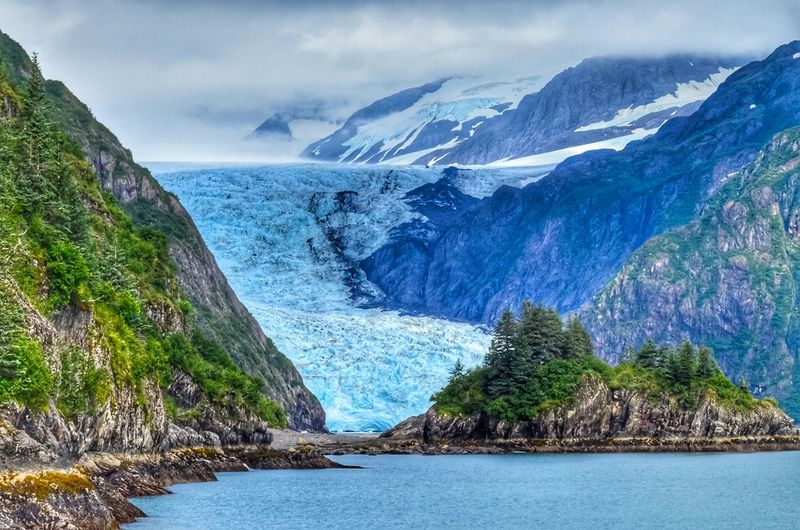
Kenai Fjords National Park sits along the southern edge of Alaska, where the Harding Icefield meets the Gulf of Alaska.
Glaciers carve directly into the ocean, and the coastline fractures into a maze of fjords, inlets, and sea caves that most people never knew existed.
Word travels slowly about places like this. People who made the journey came back with photographs and stories that others could not ignore.
That kind of organic momentum is impossible to fake.
The sea caves along this stretch of coast are part of what separates Kenai Fjords from more accessible destinations. Waves have been shaping these rock formations for thousands of years.
The result feels ancient and completely indifferent to human schedules.
Travel communities and outdoor publications have started paying closer attention. Features in national outlets introduced this coastline to audiences who had never considered Alaska a realistic option.
The curiosity that followed was immediate and genuine.
Kenai Fjords National Park does not fit neatly into a weekend getaway. That barrier has historically kept crowds manageable.
It is also exactly what makes the destination worth the effort for those willing to plan seriously.
The Geological Forces That Sculpted This Breathtaking Landscape
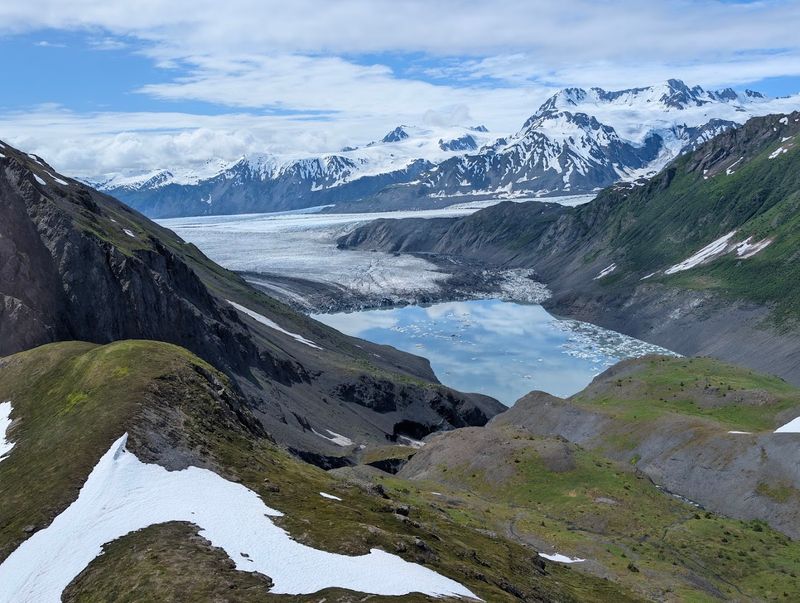
The rock here did not form quietly. Kenai Fjords rests on top of one of the largest icefields in North America, and that frozen mass has been reshaping everything beneath it for millennia.
Glacial movement is not delicate work. Ice advances and retreats on its own schedule, grinding bedrock and carving valleys deep enough to swallow entire mountains.
When the ice eventually pulled back, the ocean rushed in to fill what was left behind. That is how fjords are made.
The sea caves required a different kind of patience. Saltwater found cracks in the coastal rock and kept returning, each wave pressing a little further than the last.
Freeze and thaw cycles split what the water weakened. Over centuries, hollow chambers formed at the waterline where solid cliff once stood.
Geology did not stop there. This corner of Alaska sits inside one of the most seismically restless zones on the planet.
The 1964 earthquake rewrote sections of this coastline in a matter of minutes. Ground that had been dry land sank below the waterline permanently.
The event left marks that are still visible today.
Nothing about this landscape arrived fully formed. Ice, ocean, and tectonic pressure have been competing here across timescales that make human history feel brief.
The sea caves and fractured cliffs are simply what that competition looks like from where we stand.
What Visitors Can Expect When They First Arrive
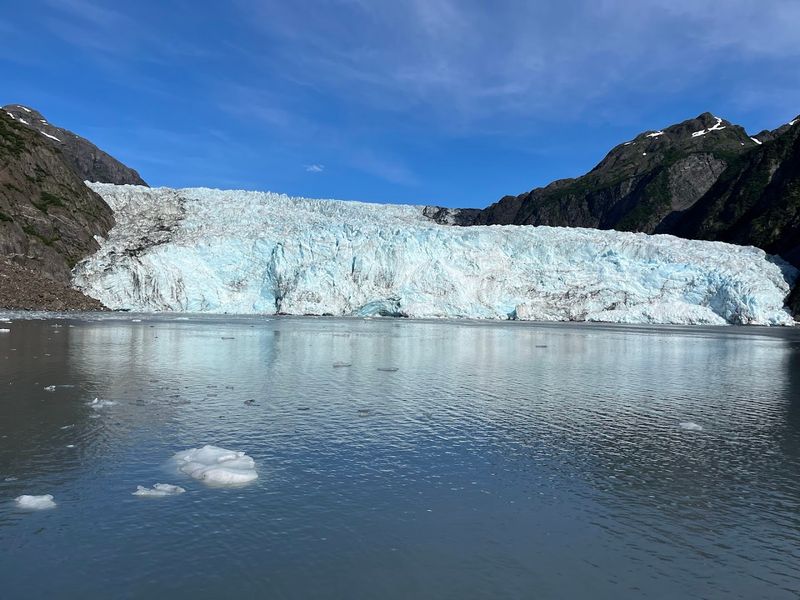
Kenai Fjords does not ease you in gradually. The scale registers immediately, and it does not shrink as you adjust it.
Most visitors arrive through Seward, a small harbor town that serves as the primary gateway into the park. The drive-in sets the tone.
Mountains crowd the road on both sides, and the treeline thins out faster than expected. By the time the water comes into view, the landscape has already made its position clear.
The harbor is where most boat tours depart. That is the practical reality of this park.
Much of what makes Kenai Fjords worth visiting is only reachable by water. Roads cover a fraction of the total area.
The rest belongs to the coast and the ice.
First-time visitors are often caught off guard by the cold. Summer temperatures along the water run lower than most people plan for.
Wind off the Gulf of Alaska does the rest. Layers that felt excessive in the parking lot become necessary within the first hour on the water.
Wildlife appears without announcement. Humpback whales surface close to tour boats.
Sea otters float in the kelp beds near the shoreline. Puffins move in groups low over the water.
None of it feels staged because none of it is.
The park does not perform for its audience. It simply continues doing what it has always done.
Visitors either meet it on those terms or they do not get the most out of being there.
The Best Time Of Year To Plan Your Visit
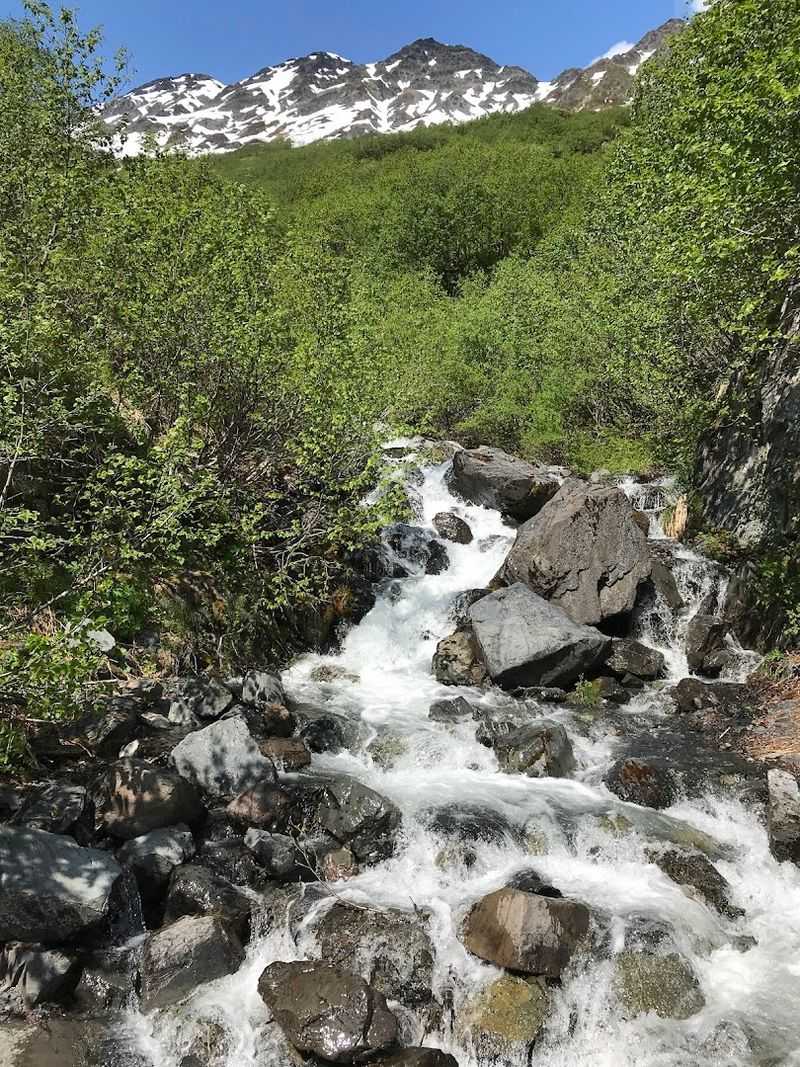
The window for visiting is narrower than most national parks, and that is worth understanding before booking anything.
The park is technically open year-round, but the experience changes dramatically depending on when you show up. Winter closes most boat tour operations and buries access roads under significant snowfall.
What remains is raw and beautiful in its own way, but it requires a different level of preparation and expectation.
May through September is when everything opens up. Boat tours run regularly, kayak rentals become available, and the coastal trails are navigable without specialized gear.
Daylight hours stretch well into the evening during peak summer, which adds time to explore that most destinations simply cannot offer.
June and July bring the most reliable weather and the heaviest visitor numbers. August is the sweet spot for many who have made the trip before.
Crowds thin out slightly, temperatures remain reasonable, and the wildlife activity stays consistent. September pushes the edges of the season but rewards those willing to accept unpredictable conditions.
Spring arrivals in May catch the park before it fills up. The tradeoff is colder water temperatures, and some tour operators are still working through their seasonal startup.
For those who prefer space over convenience, that calculation often works in their favor.
Booking accommodation in Seward early is not optional during the summer months. The town has a limited capacity and fills up fast.
Anyone who treats that detail as an afterthought usually pays for it with limited options or significantly higher last-minute prices.
Wildlife Encounters That Make This Destination Truly Unforgettable
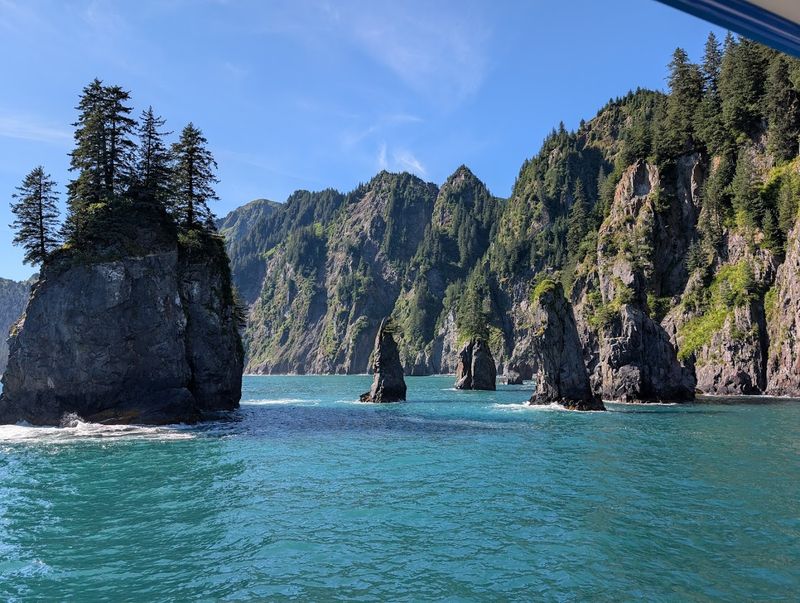
The animals here are not a side attraction. They are part of the reason serious wildlife watchers have started putting this coastline on their list.
Humpback whales are a consistent presence between May and September. They feed actively in nutrient-rich channels and surface close enough to tour boats that no zoom lens is required.
Watching one breach against a backdrop of glaciers reframes what wildlife viewing can actually be.
Orcas move through these waters as well, though sightings depend on timing and luck. When they appear, guides who know the area track their movements and adjust routes accordingly.
Sea otters gather in kelp beds near the shoreline, floating on their backs and largely unbothered by passing boats. Steller sea lions haul out on rocky outcroppings in large numbers.
The noise announces their presence before they come into view.
Seabirds occupy every available surface along this coastline. Horned and tufted puffins nest in the cliffs and dart low over the water.
Bald eagles perch on rock faces above the treeline. Murres and cormorants crowd every ledge on the larger rock formations.
Brown bears occasionally appear along the shoreline where salmon runs bring fish close to the water’s edge. Sightings from the water are uncommon, but they happen.
When they do, nothing else in the frame needs any introduction.
How To Prepare For The Journey Into Alaska’s Rugged Wilderness
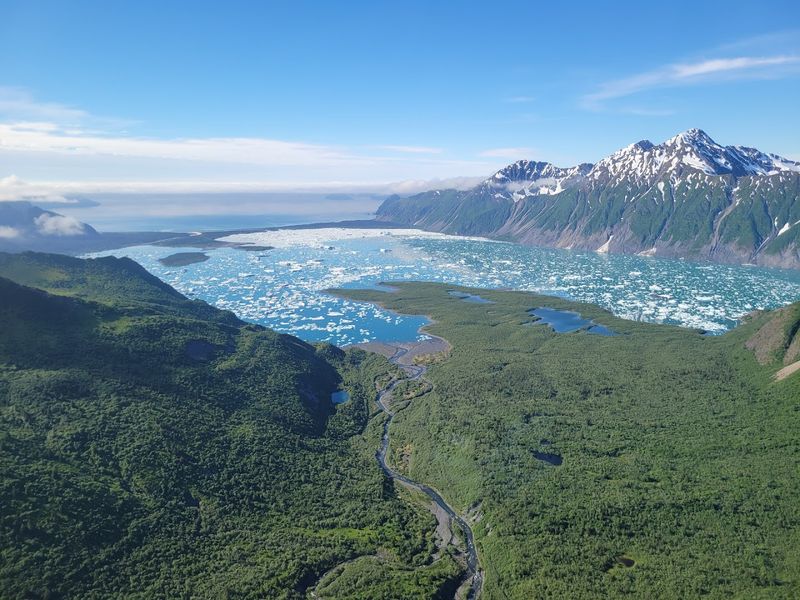
Getting to this part of Alaska requires actual planning. Showing up underprepared creates real problems.
Seward serves as the base for most visitors, reachable by road or rail from Anchorage. Both options work, but neither should be left unbooked during peak summer months.
Layering is the most important clothing decision before this trip. Waterproof outer layers are not optional on the water.
Temperatures drop fast when the wind picks up, and wet gear in cold conditions turns uncomfortable into dangerous.
Boat tours book out weeks in advance during the summer. Kayak guided trips have even more limited availability.
Treating reservations as something to handle upon arrival means options are already gone.
Motion sickness medication is worth considering. The open water sections between fjords can be rough, and even people who do not typically have problems on boats have been caught off guard.
Cash and reliable cell service disappear quickly outside Seward. Downloading offline maps before leaving town is a step most visitors who skip end up regretting.
The Fine Line Between Exploration And Preservation
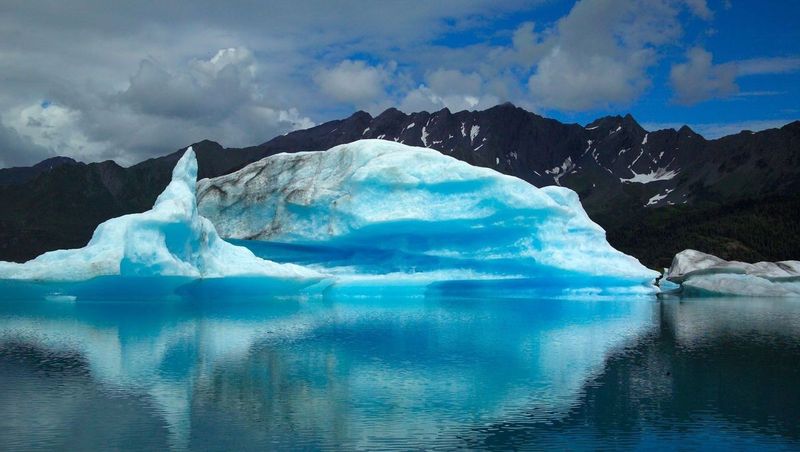
More visitors mean more pressure on a landscape that has no mechanism for asking people to slow down.
Kenai Fjords receives hundreds of thousands of visitors annually, and that number has been climbing. Glaciers are retreating, wildlife nesting zones are sensitive, and coastal areas that look rugged are more fragile than they appear from a boat.
Certain areas are off limits entirely. Others require permits or guided accompaniment.
Those restrictions exist because previous visitors learned the hard way what happens when they are ignored.
Kayakers and independent explorers carry particular responsibility. Getting close to wildlife feels rewarding in the moment, but repeated disturbance disrupts feeding and nesting patterns across an entire season.
Leave No Trace principles apply here with more weight than in most places. What gets carried in must come back out.
The destination is worth protecting precisely because it has not yet been loved to death. That status is not permanent, and it is not guaranteed.
How the next wave of visitors behaves will determine how much of this experience remains intact for those who come after them.
Why This Remote Corner Of Alaska Deserves A Spot On Your List
Most destinations promise something extraordinary and deliver something ordinary. This one works the other way around.
The effort required to reach this coastline is real. Flights, drives, boat tours, and careful planning all stack up before the experience even begins.
That friction filters out casual visitors and leaves behind people who actually want to be there. The difference is noticeable in the water.
What waits on the other side of that effort is a landscape that operates completely outside the logic of conventional tourism. No resort infrastructure softens the edges.
No curated trail system organizes the experience into digestible segments. The wilderness here is the product, not the backdrop.
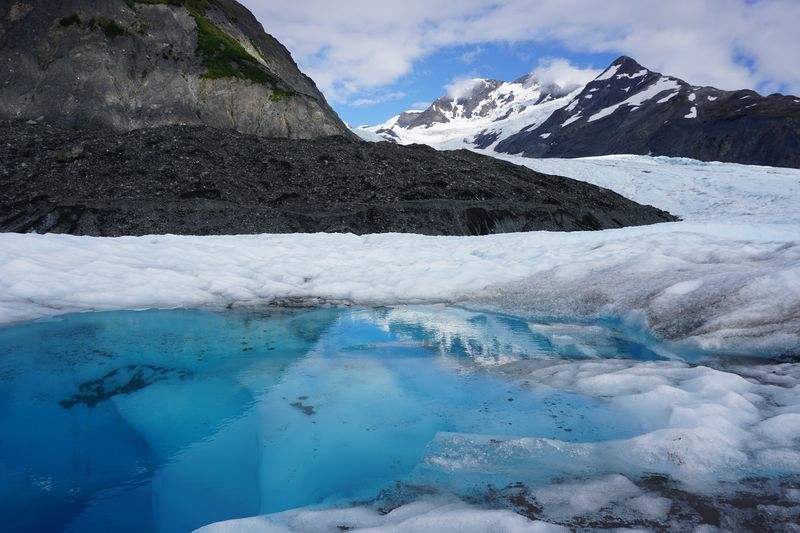
Sea caves, tidewater glaciers, and abundant wildlife share the same breathtaking landscape. That combination does not exist in many places on earth, and it does not exist at this scale anywhere that is easier to reach.
Bucket list destinations often disappoint because the idea of them outgrows the reality. This coastline has the opposite problem.
Most people who make the journey admit that nothing they read or watched beforehand came close to preparing them for the actual scale of it.
That gap between expectation and experience is exactly what earns a place on any serious list. This corner of Alaska closes that gap in one direction only.