
The Charming Illinois College City That Ranks Among The Most Affordable And Livable Places In The Midwest
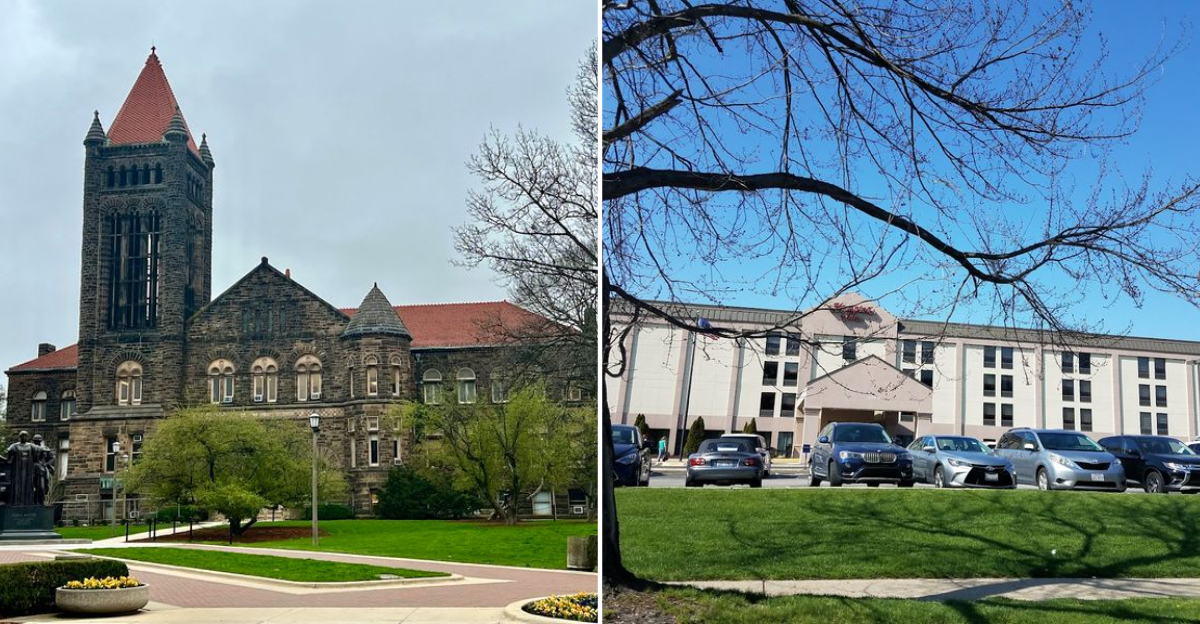
Tuition brought most people here. Something else entirely made them stay.
Illinois has a handful of college cities that follow a predictable pattern, busy during the semester and hollow in the summer. This one never quite fit that description.
The downtown stays alive year round, the housing market stays reasonable year round, and the population that chose to remain after graduation keeps growing. Rent here runs at a number that genuinely surprises people relocating from Chicago.
Restaurants and coffee shops operate at a pace that feels sustainable rather than frantic. The kind of city that ranks well on affordability lists but gets chosen for reasons that don’t show up in any index.
Cost Of Living Compared To Neighboring Cities
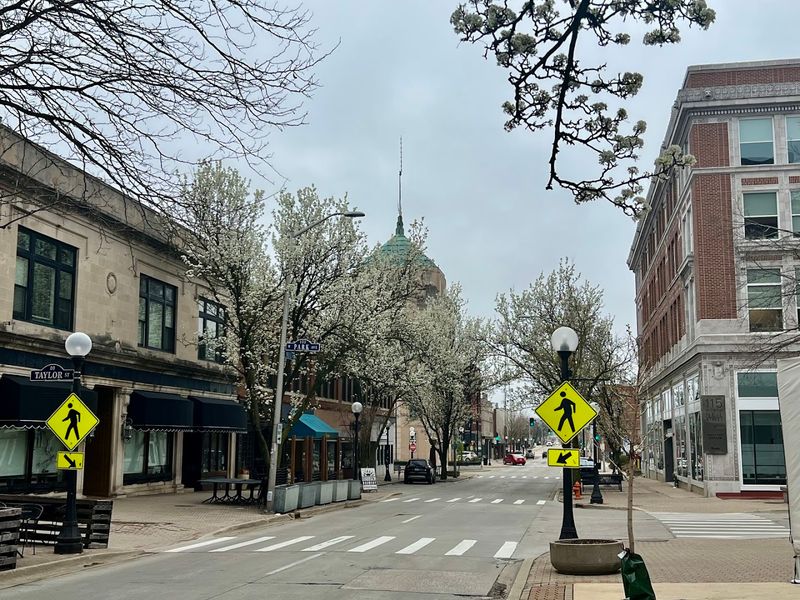
Your wallet will thank you the moment you land in Champaign. The overall cost of living sits below the national average.
That alone puts it ahead of most Midwest cities of its size.
Housing expenses run noticeably lower than the national average. Median home values here are significantly below the national median, which gives buyers real purchasing power that is hard to find in most comparable cities.
Champaign consistently ranks among the most affordable cities in the country for homebuyers. That recognition is not accidental.
It reflects real, everyday savings that add up meaningfully over time.
Groceries and healthcare both cost less here than the national average. These small savings add up fast over a year and make a genuine difference for households managing a tight budget.
Cities like Chicago, Naperville, and Evanston charge significantly more for similar lifestyles. Champaign offers a comparable quality of life at a fraction of the price.
That is a big deal for families and young professionals alike.
A single adult can live comfortably here on an income that is realistic and achievable for most working professionals. It makes Champaign one of the most financially sensible places to plant roots in the entire Midwest.
Located in Champaign, Illinois, this city proves that affordable living does not mean sacrificing quality.
Available Housing Options For Students And Families
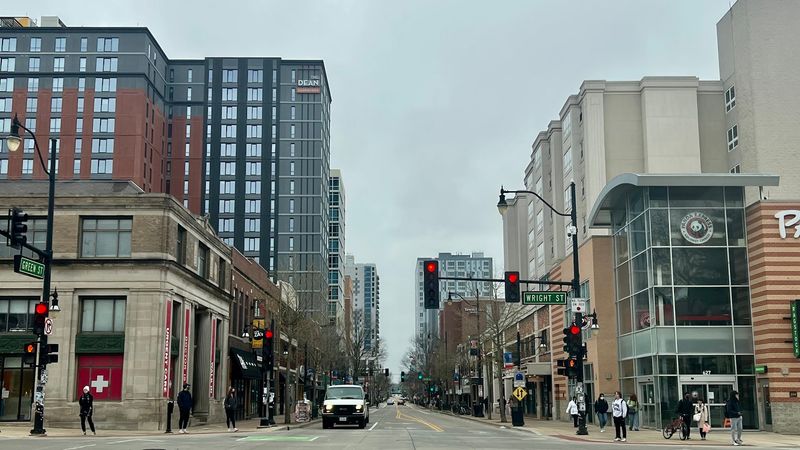
Champaign has a housing market that actually works for real people. Whether you are a broke college student or a family of four, there is something available that fits your budget.
That flexibility is rare in a college city.
Students can find apartments near campus in the Campustown area. Rents vary widely depending on size and location.
Many units are within walking distance of the University of Illinois at Urbana-Champaign.
Families tend to settle in quieter residential neighborhoods farther from campus. These areas offer larger homes, good schools, and quieter streets.
Rents citywide remain competitive compared to most college cities of similar size.
For buyers, median home values make ownership a realistic goal. First-time buyers find the market far less intimidating here than in larger Illinois cities.
Monthly costs for owners stay manageable compared to national norms.
New developments continue to pop up around the city. Older neighborhoods offer character and established community vibes.
Both options appeal to different types of residents for very different reasons.
The rental market stays active year-round due to the university population. That keeps landlords competitive and prices from spiking too dramatically.
Whether renting or buying, Champaign gives residents more choices than most comparably sized Midwest cities can honestly offer.
Local Educational Institutions And Their Impact
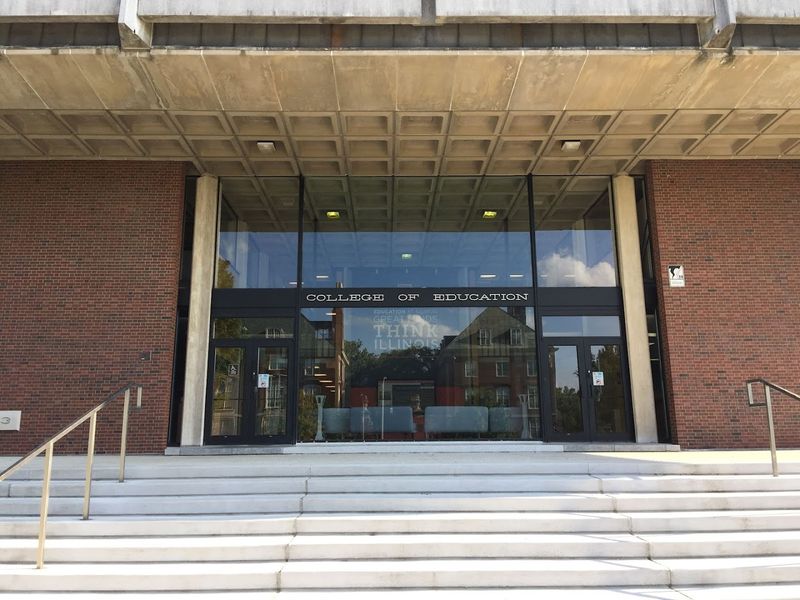
The University of Illinois at Urbana-Champaign is the anchor of everything that happens in this city. It is a flagship public university ranked among the top institutions globally.
Its engineering and computer science programs draw students from every corner of the world.
UIUC does not just educate students. It shapes the entire local economy and culture.
Research happening on that campus feeds directly into local businesses and startups.
Parkland College serves a different but equally important population. It offers two-year degrees, vocational training, and continuing education programs.
Many residents use it as a stepping stone or a career pivot point.
Public schools in Champaign are rated above average. Families choosing where to raise kids pay close attention to school quality.
Champaign holds up well under that kind of scrutiny.
The international student population at UIUC is massive. Champaign holds the second-largest international population in the entire country.
That diversity spills into the restaurants, events, and everyday conversations around the city.
Krannert Art Museum and the Spurlock Museum both sit on campus. They are open to the public and completely free.
These institutions make education feel like a community experience rather than just a campus activity. The academic energy here does not stay behind university walls.
Community Engagement Opportunities For Residents
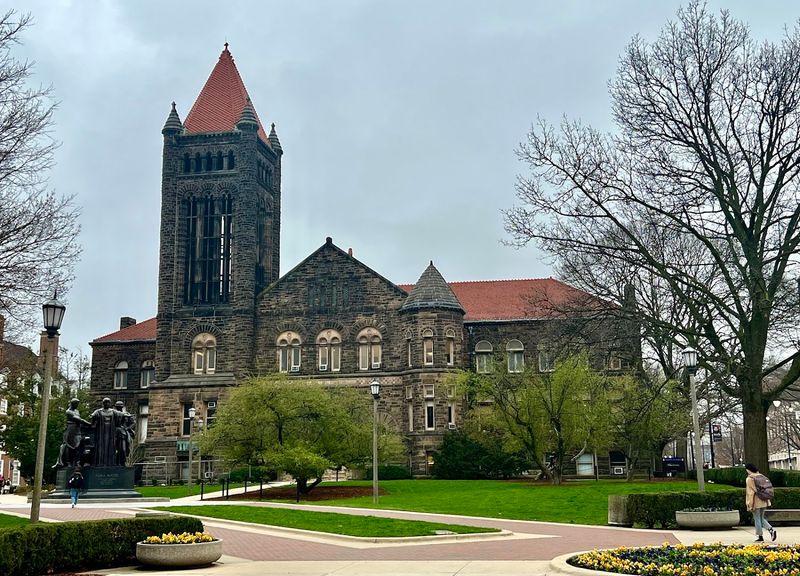
Getting involved in Champaign is genuinely easy. The city offers a wide range of ways for residents to connect, contribute, and feel like they actually belong somewhere.
That is not always a given in a city this size.
Neighborhood associations are active throughout Champaign. They organize meetings, local cleanups, and improvement projects.
Showing up to one of these is a fast way to meet your neighbors.
Volunteer opportunities exist across dozens of local nonprofits. From food banks to mentorship programs, there is always something that needs hands.
Many university students participate alongside longtime residents.
The city itself runs community programs through its parks and recreation department. Fitness classes, youth leagues, and senior activities fill up the calendar.
These programs are designed to be accessible and affordable for all income levels.
Farmers’ markets and community festivals bring people together regularly. They create informal spaces where strangers become familiar faces.
That kind of low-pressure socializing builds real community over time.
Champaign also has a strong civic engagement culture. Local elections draw attention, and city council meetings actually get public attendance.
Residents here tend to care about where they live, which makes the whole city feel more intentional. That sense of shared ownership is one of the quieter but more powerful reasons people choose to stay long-term.
Transportation Accessibility Within The City
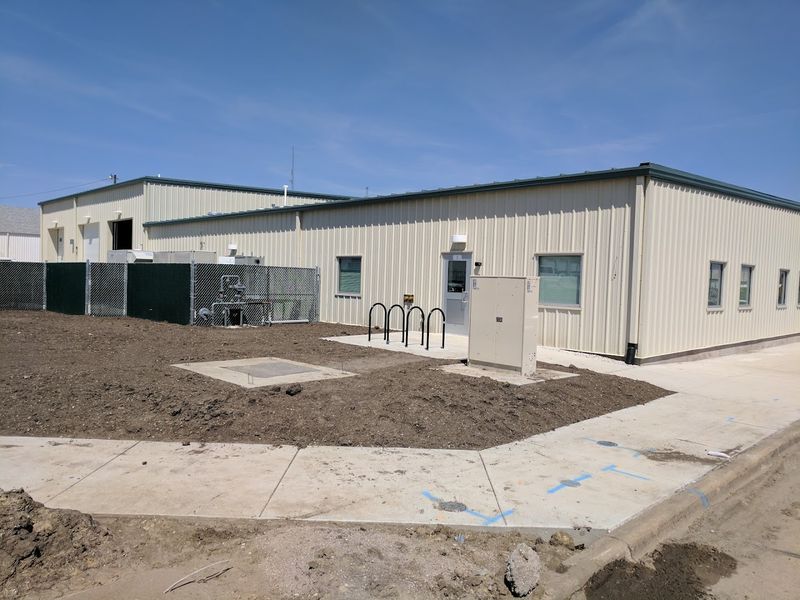
The city has put real effort into making mobility accessible.
The MTD, or Champaign-Urbana Mass Transit District, runs an extensive bus network. Routes cover most of the city and connect to the university campus.
Service runs frequently enough that waiting around is not a major issue.
Champaign is also genuinely bike-friendly. Dedicated bike lanes run through key corridors across the city.
Many residents commute by bike year-round, even in colder months.
Commute times here are impressively short. Most residents get to work in 15 minutes or less.
That is a quality-of-life win that people in larger cities can only dream about.
The city is also walkable in many neighborhoods. Downtown, Campustown, and several residential areas have everything you need within a reasonable walking distance.
Running errands on foot is a realistic daily option for many people.
For longer trips, Willard Airport connects Champaign to major hubs. Amtrak also serves the city with routes to Chicago and St. Louis.
Having multiple transportation options without the chaos of a big city is one of Champaign’s most underappreciated advantages.
Recreational Activities And Outdoor Spaces
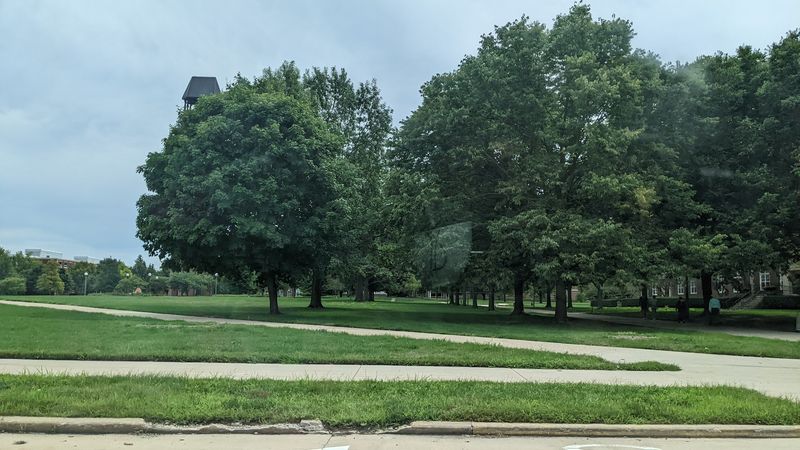
Champaign takes its parks seriously. Every household in the city is within walking distance of a park, and that is not a marketing slogan.
It is a measurable, intentional part of how the city was designed and maintained.
The Champaign Park District manages over 60 parks across the city. They range from small neighborhood greens to larger facilities with sports fields.
There is almost always something happening in at least one of them.
Crystal Lake Park is a local favorite. It has a beach area, paddle boat rentals, and open green space.
Families use it constantly during warmer months, and it never feels overcrowded.
Meadowbrook Park in nearby Urbana is another gem worth visiting. It features public art, native prairie plantings, and wide walking paths.
The combination of nature and art in one space is genuinely refreshing.
For sports lovers, recreational leagues run throughout the year. Softball, soccer, basketball, and tennis all have organized community options.
Joining one is a great way to stay active and meet people at the same time.
The university campus itself adds extra outdoor space to enjoy. Wide lawns, scenic quads, and the Arboretum offer peaceful spots for a walk or a break.
Champaign gives outdoor enthusiasts plenty of room to breathe without driving far to find it.
Job Market Trends For Recent Graduates
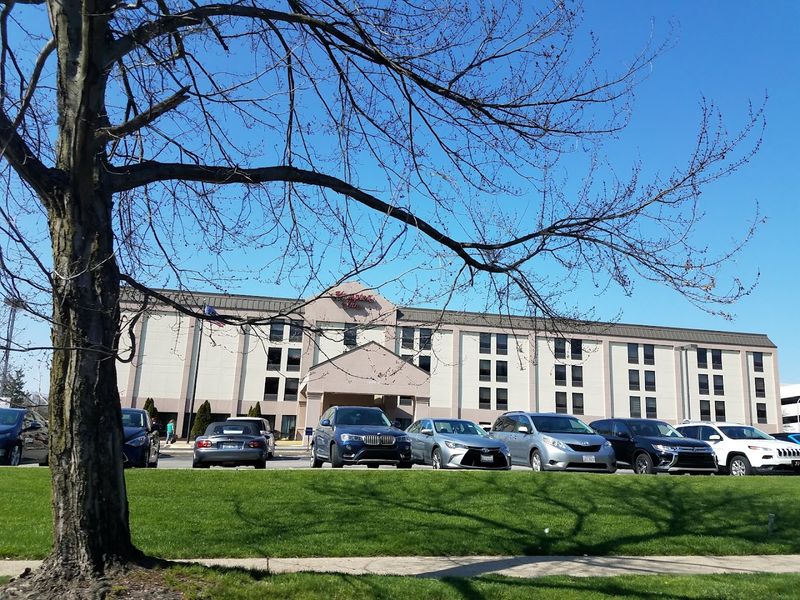
The city is a real hub for startups, tech companies, and research-driven businesses. Graduates from UIUC often do not have to look far for their first serious job.
The local economy runs on four strong pillars: education, technology, healthcare, and research. Each sector actively hires and promotes from within the community.
That diversity makes the job market more resilient than single-industry cities.
UIUC graduates have a strong employment rate compared to national averages. Employers recruiting on campus range from Fortune 500 companies to fast-growing startups.
The pipeline from classroom to career is short and well-worn here.
Entrepreneurship is a real option in Champaign, not just a buzzword. The city has incubators, accelerators, and funding networks supporting new businesses.
Many successful tech companies trace their roots back to this campus community.
Healthcare is another growing sector. Carle Health and OSF HealthCare both operate major facilities in the area.
Nursing, administration, and research positions are regularly available for qualified candidates.
Remote work has also opened new doors for Champaign residents. Lower cost of living combined with solid internet infrastructure, makes it an attractive base.
You can earn a competitive salary while spending far less than you would in Chicago or another major city nearby.
Cultural Events Celebrating Local Heritage

Champaign has a cultural calendar that punches well above its weight class. For a mid-sized college city, the range of events throughout the year is genuinely impressive.
There is almost always something worth showing up for.
The Krannert Center for the Performing Arts hosts world-class performances year-round. Theater, dance, opera, and music all find a stage here.
Ticket prices are far more reasonable than what you would pay in a major metro area.
The city celebrates its international diversity through food festivals and cultural showcases. With the second-largest international population in the country, events here reflect flavors and traditions from around the globe.
That makes the local food scene an adventure on its own.
The Champaign Center Partnership organizes downtown events throughout the year. Art walks, holiday markets, and street festivals draw crowds from across the region.
These events keep the downtown area lively and commercially active.
The Spurlock Museum on the UIUC campus displays cultural artifacts from dozens of civilizations. It is free and open to the public.
Visiting it feels like a mini world tour without leaving the city.
Local heritage is also celebrated through the Orpheum Children’s Science Museum, housed in a 1914 theater downtown. The Art Deco City Building stands as a visual reminder of Champaign’s architectural history.
Culture here is not just performed, it is built into the city itself.