
Why Hikers Are Calling This Hidden Meadow In Idaho One Of The Most Beautiful Places In The Rockies
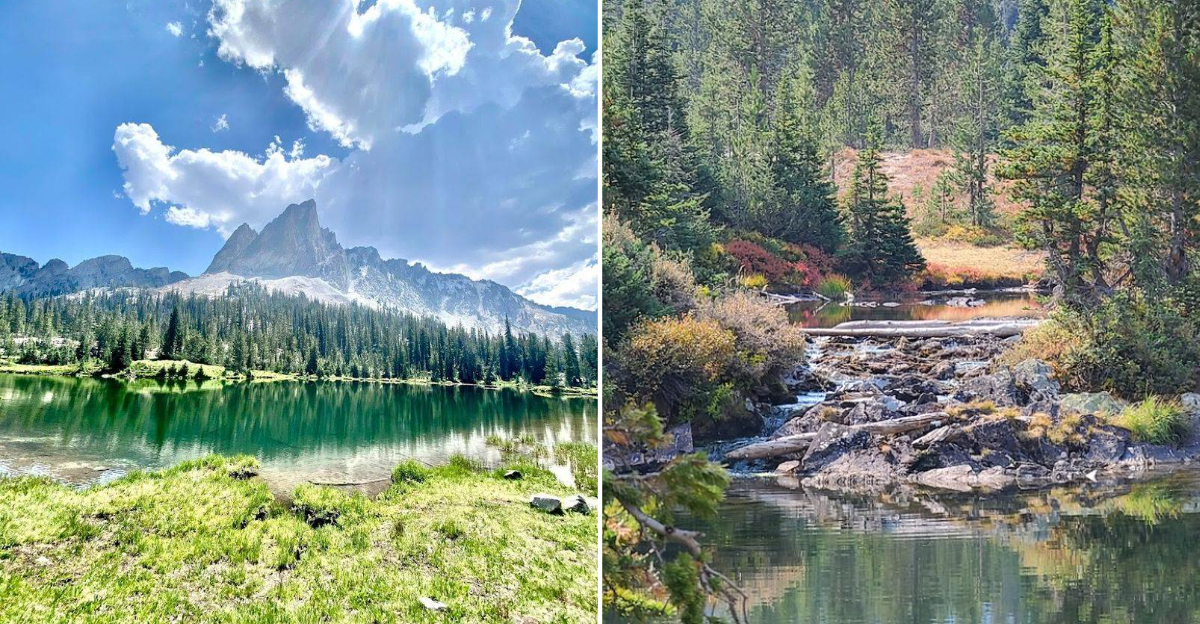
Nobody names it in the same breath as the famous trails. That’s precisely why the people who have been there keep going back.
The meadow opens up without warning after a stretch of dense tree cover, and the transition stops most hikers mid-stride. Idaho is full of dramatic mountain scenery, but this spot stands out for its quiet beauty rather than towering peaks.
Wildflowers run the full length of the season here, one wave replacing another from late spring through early fall. The silence is the part that’s hardest to describe and the first thing every visitor mentions.
A place that earns the word beautiful without needing any surrounding explanation.
Wildlife Species In The Meadow Environment
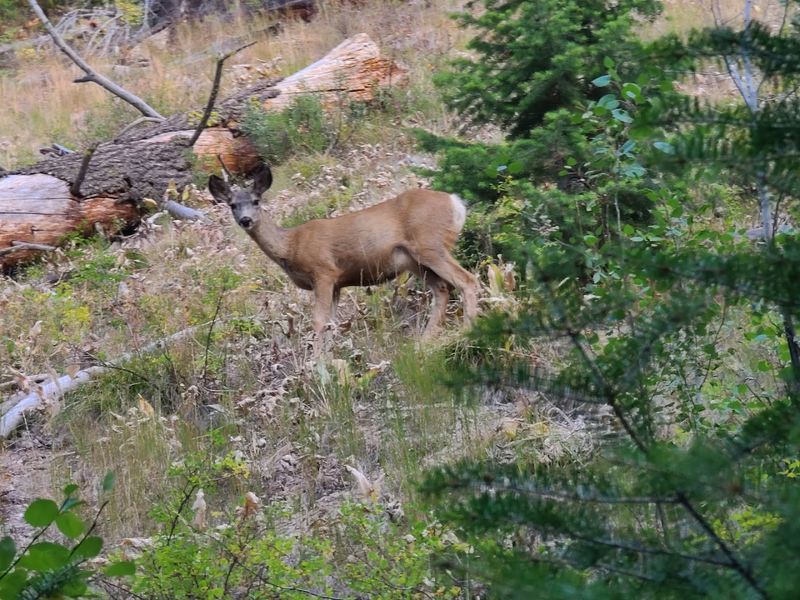
This lake draws more than hikers. The meadow surrounding the lake is home to mule deer, which graze near the water in the early morning hours.
Spotting one at sunrise feels almost surreal against the granite backdrop.
Yellow-bellied marmots are regulars along the rocky slopes. They whistle loudly when you pass too close.
It sounds rude, but they are just doing their job as the meadow’s unofficial alarm system.
Clark’s nutcrackers dart between whitebark pines above the treeline. These birds are surprisingly bold.
They will investigate your pack if you set it down near the lake shore.
Pikas, those tiny, round mammals that look like oversized hamsters, live among the boulder fields near Alice Lake. They are incredibly fast and surprisingly loud for something so small.
Black bears have been spotted in the lower trail sections, particularly near Pettit Lake. Carry bear spray and store your food properly.
The Sawtooth Wilderness takes wildlife encounters seriously, and so should you.
Moose occasionally wander into the upper meadow areas during late summer. Seeing one near the lake is memorable, but keeping your distance is non-negotiable.
The meadow at Alice Lake, Idaho, supports a genuinely diverse ecosystem that rewards patient and observant hikers every single season.
Flora Diversity Throughout The Seasons
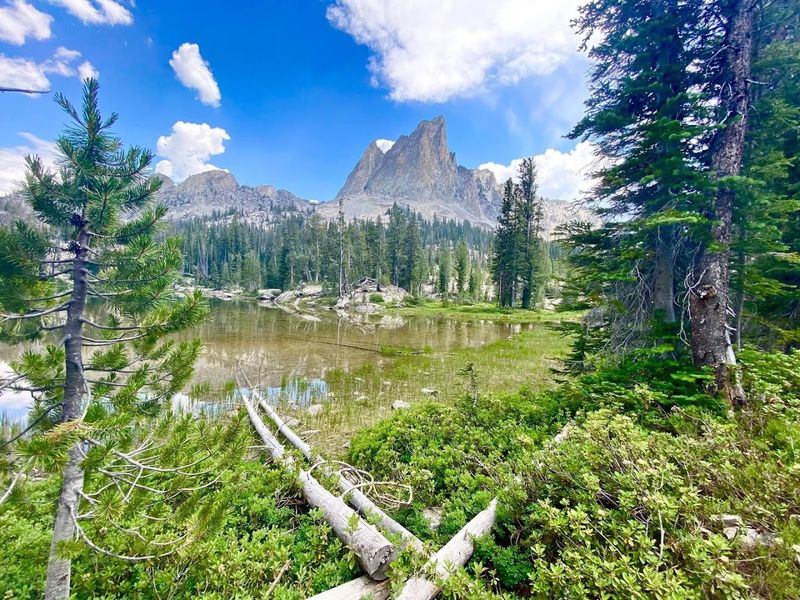
The meadow around Alice Lake does not stay the same from month to month. Each season brings a completely different palette, and that variety is part of what keeps hikers returning year after year.
By mid-June, the snowmelt feeds a burst of early wildflowers. Glacier lilies push through the last patches of snow.
Seeing them emerge that early feels like watching something brave happen in real time.
July is peak wildflower season. Purple lupine, yellow arnica, and Indian paintbrush cover the open meadow areas in dense, colorful patches.
The contrast against the grey granite peaks is genuinely striking and worth the extra miles.
Subalpine fir and Engelmann spruce line the trail before it breaks above treeline. These trees grow slowly at high elevation.
Some of the older ones near Alice Lake have been standing for centuries.
Whitebark pine appears near the upper sections of the trail. This tree is considered a keystone species in the Sawtooth ecosystem.
It provides food and shelter for multiple bird and mammal species throughout the year.
Come September, the willows and shrubs along the creek corridors shift to gold and amber. The fall color display near Alice Lake is underrated and significantly less crowded than in the summer.
Early fall might actually be the best-kept seasonal secret in the entire Sawtooth Wilderness area.
Geological Features Shaping The Landscape
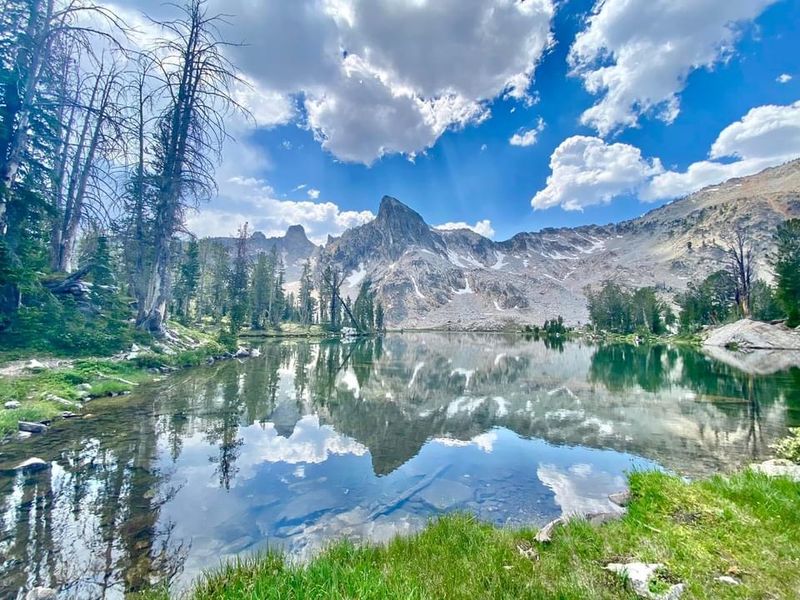
The Sawtooth Mountains did not get their name by accident. The jagged granite ridgeline visible from Alice Lake looks like something ripped straight out of a geology textbook.
It is raw, angular, and completely unforgettable.
The peaks surrounding the lake are made of Cretaceous-age granite. This rock formed deep underground millions of years ago and was pushed to the surface through tectonic activity.
Glaciers then carved the sharp ridges and bowl-shaped valleys you see today.
One peak visible from the lake is nicknamed Idaho’s El Capitan. It rises sharply above the water and creates a dramatic reflection on calm mornings.
Photographers specifically time their visits to catch this mirror image at golden hour.
The Dragon’s Back is a jagged ridgeline running above the lake basin. It gets its name from the spiky silhouette it creates against the sky.
Hikers frequently stop and stare at it without saying a word, which tells you everything.
The lake basin itself is a classic glacial cirque. Ice sheets carved this bowl out of solid granite over thousands of years.
The result is a nearly perfect natural amphitheater surrounding the water on three sides.
Loose talus fields and exposed bedrock cover much of the upper trail. These surfaces require careful footing.
The geology here is not just scenic. It actively shapes how and where you walk every step of the way.
Trail Conditions And Accessibility Details
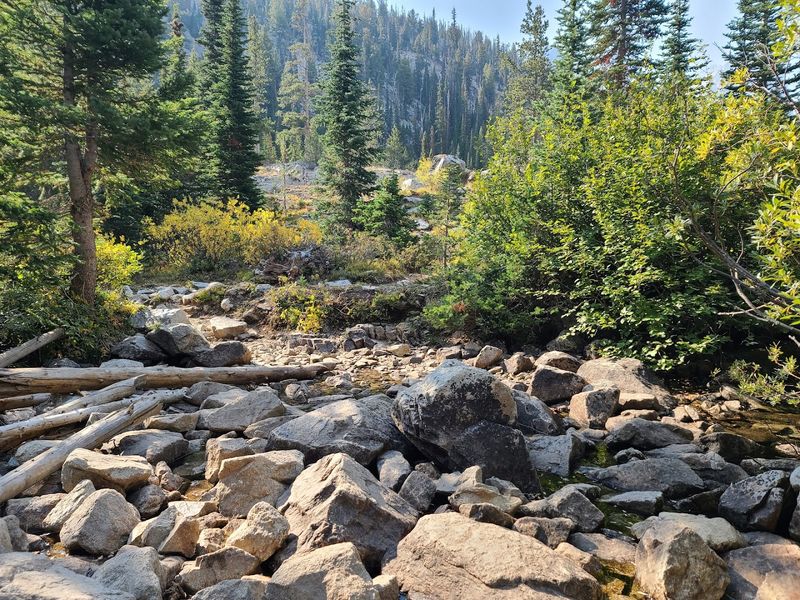
Getting to Alice Lake takes real effort. The trail starts at the Tin Cup Hiker Trailhead near Pettit Lake, about 20 miles south of Stanley, Idaho.
The round trip covers roughly 11 to 12 miles with around 1,600 to 2,000 feet of elevation gain.
The first 3.5 miles follow the shoreline of Pettit Lake and wind through conifer forest. This section is relatively flat and gives your legs a false sense of confidence.
Enjoy it while it lasts.
After the 3.5-mile mark, the trail climbs steeply through switchbacks. The path narrows significantly here.
Loose rock and exposed roots make footing tricky, especially on the descent when your legs are already tired.
Multiple creek crossings exist along the route. In early summer, some of these crossings require wading through cold water.
Bring an extra pair of socks. Wet feet for the remaining miles is nobody’s idea of fun.
A free backcountry permit is required for all hikers and campers. You pick it up at a registration box located about 1.2 miles into the trail at the Sawtooth Wilderness boundary.
It takes about two minutes and is completely worth the quick stop.
Hiking boots are strongly recommended over trail runners. The upper sections involve loose rock and boulder scrambling.
The trail is rated moderate to expert depending on conditions. Plan for a full day and start early to avoid afternoon thunderstorms common in the Sawtooth range.
Climate Patterns Affecting The Hiking Experience
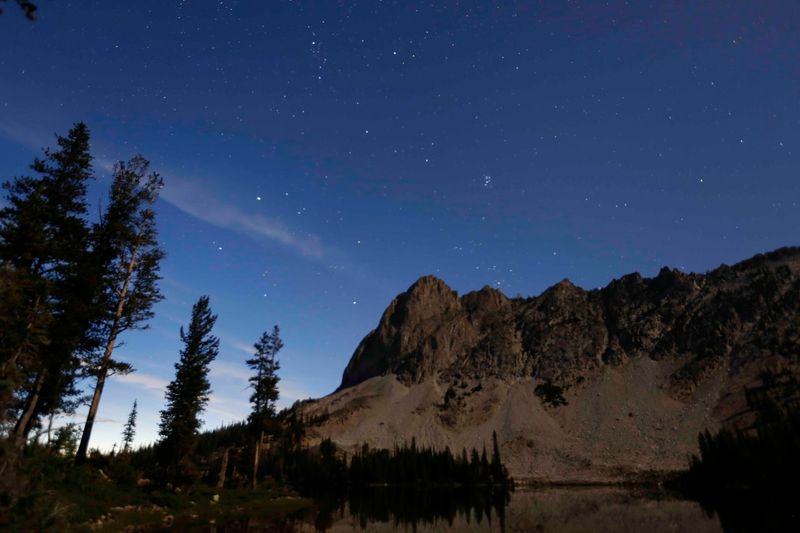
The weather at Alice Lake moves fast and does not always follow the forecast. At 8,602 feet, conditions can shift from sunny to stormy within an hour.
Planning around this reality makes the difference between a great trip and a miserable one.
The hiking season generally runs from mid-June through mid-September. Snow can linger on the upper trail well into June.
Arriving before the snow fully melts means navigating icy patches and swollen creek crossings simultaneously.
July and August bring warm daytime temperatures, often in the 60s to low 70s Fahrenheit at the lake. Mornings start cold.
Temperatures near the water can drop into the 40s overnight, so layering is not optional for campers.
Afternoon thunderstorms are common throughout the summer. Lightning is a real hazard above treeline.
Starting your hike by 6 or 7 a.m. puts you at the lake before storm activity typically builds in the early afternoon.
Mosquitoes peak in July near the creek corridors and meadow areas. Bringing insect repellent is not dramatic.
It is necessary. By September, the mosquito population drops significantly, making fall visits noticeably more comfortable for most hikers.
September offers the most stable weather window in the Sawtooth Wilderness. Days are cooler but clear.
Crowds thin out considerably after Labor Day. If you want the lake mostly to yourself with reliable skies overhead, early September is the sweet spot for planning your visit.
Historical Significance Of The Rocky Area
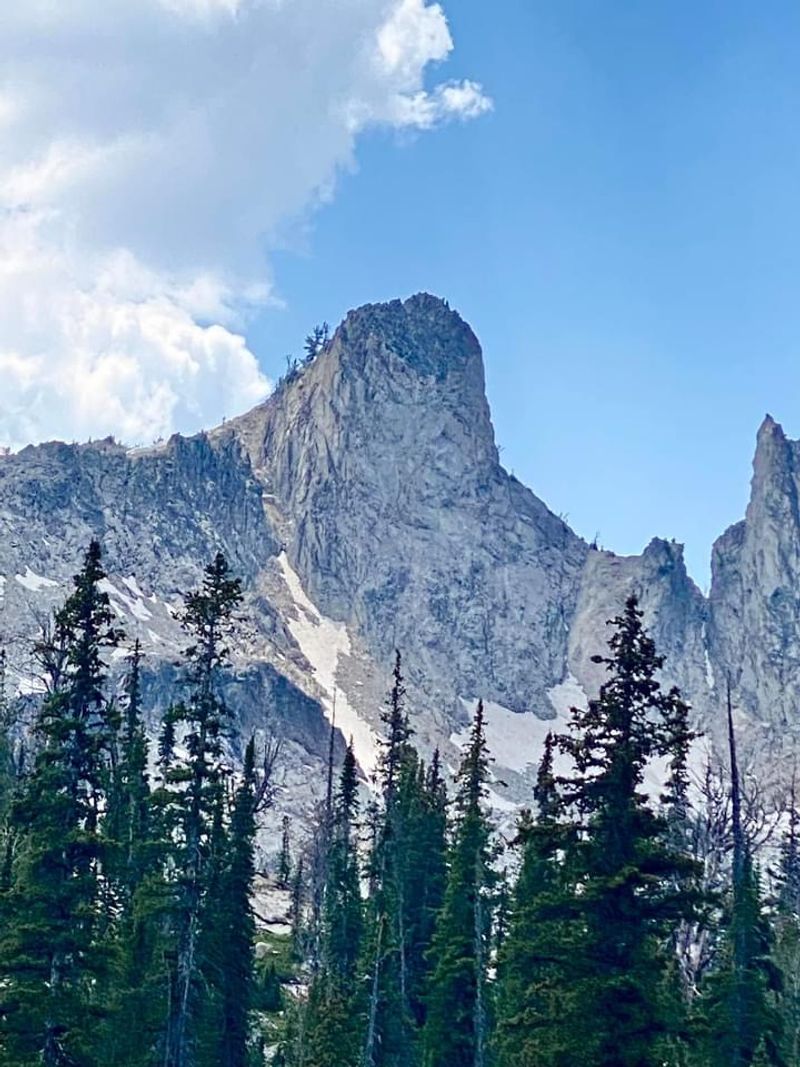
The Sawtooth Wilderness surrounding Alice Lake has a history that runs deeper than most hikers realize. Indigenous groups, including the Shoshone-Bannock peoples, traveled through this mountain landscape for thousands of years.
They used these high routes seasonally for hunting and gathering.
Euro-American explorers began mapping the Sawtooth range in the mid-1800s. Surveyors and prospectors pushed through these valleys looking for mineral deposits.
The rugged granite terrain made large-scale mining difficult, which ironically helped preserve the wilderness character of the area.
The name Sawtooth comes directly from the jagged appearance of the ridgeline when viewed from the valley floor. Early settlers described the peaks as looking like the teeth of a saw blade.
That name stuck and has been on official maps since the late 19th century.
The Sawtooth National Recreation Area was established in 1972. This designation protected over 750,000 acres of central Idaho wilderness.
Alice Lake and the surrounding meadows fell under this protection, keeping commercial development away from the high alpine zones.
The Sawtooth Wilderness itself, designated in 1972 under the Wilderness Act, covers about 217,000 acres. No motorized vehicles or mechanized equipment are allowed inside the boundary.
That restriction is why the trail to Alice Lake feels so genuinely remote even on a busy summer weekend.
Backcountry use has grown steadily since the 1990s. The permit system was introduced to manage foot traffic and reduce ecological impact.
History here is not just human. The land itself tells a story millions of years in the making.
Photography Locations For Scenic Captures
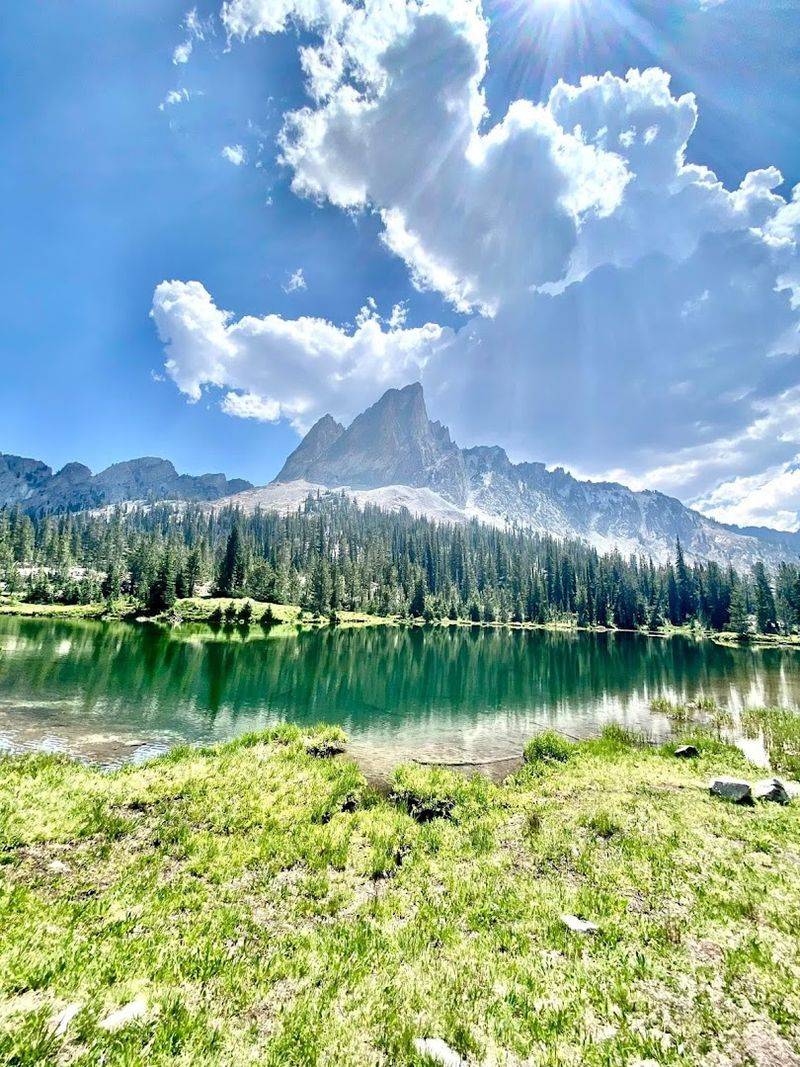
Alice Lake is a photographer’s dream, and that is not an exaggeration. The mix of alpine lakes, granite peaks, wildflower meadows, and dramatic skies creates some of the Rockies’ most stunning landscapes.
The lake shore directly below Idaho’s El Capitan peak offers the most iconic shot. On calm mornings, the reflection of the peak in the water is nearly perfect.
Getting there before 7 a.m. gives you the best chance at glassy water before any wind picks up.
The Dragon’s Back ridgeline makes a strong background element for wide-angle shots. Positioning yourself at the far eastern end of the lake puts the ridgeline directly behind the water.
This angle captures the full drama of the surrounding basin in one frame.
The wildflower meadows between the trail and the lake shore work beautifully as foreground elements. Shooting low to the ground with lupine or arnica in the foreground and peaks in the background creates natural depth.
Mid-July gives you the densest flower coverage for this technique.
Creek crossings lower on the trail offer moving water shots. Long exposures turn the rushing water into a silky blur against the surrounding rock and forest.
A neutral density filter helps here, especially in bright midday light.
Sunset on the return hike paints the granite peaks in warm orange and pink tones. Many hikers specifically plan their descent to coincide with this light.
Bring extra battery power because the shooting opportunities on this trail genuinely do not stop.
Conservation Efforts Preserving The Meadow
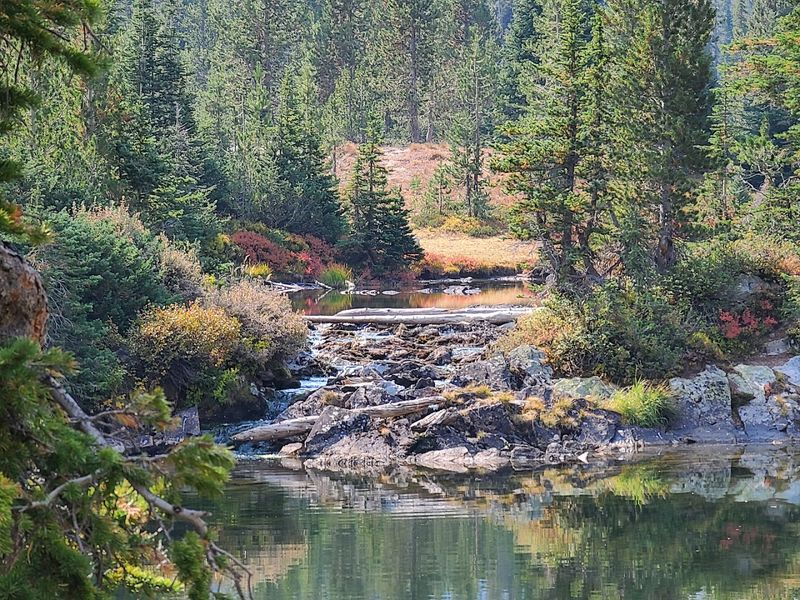
Alice Lake’s beauty does not maintain itself. Active conservation work keeps the meadow, trail, and surrounding wilderness in the condition hikers find today.
Several organizations and agencies work together to make that happen year-round.
The Sawtooth National Recreation Area is managed by the U.S. Forest Service.
Rangers monitor trail conditions, enforce Leave No Trace guidelines, and respond to ecological concerns throughout the season. Their presence keeps the wilderness functioning as it should.
The backcountry permit system directly supports conservation goals. By tracking how many people enter the wilderness daily, land managers can identify high-impact zones and adjust access when necessary.
It is a simple tool with measurable environmental benefits.
The Sawtooth Society is a nonprofit partner organization that supports the Sawtooth National Recreation Area. Volunteers from this group contribute thousands of hours annually to trail maintenance, habitat restoration, and visitor education programs across the wilderness.
Camping regulations near Alice Lake are strict for good reason. Campsites must be established at least 100 feet from the lake shore and water sources.
These buffer zones protect the fragile riparian vegetation that stabilizes the meadow’s soil and water quality.
Pack-it-in, pack-it-out rules apply throughout the Sawtooth Wilderness. Human waste must be buried or packed out using wag bags.
The meadow and lake water quality depend directly on hikers following these practices consistently. Conservation here is a shared responsibility, and most visitors genuinely take that seriously.