
These 10 Charming New York Villages Still Look Exactly Like They Did 50 Years Ago
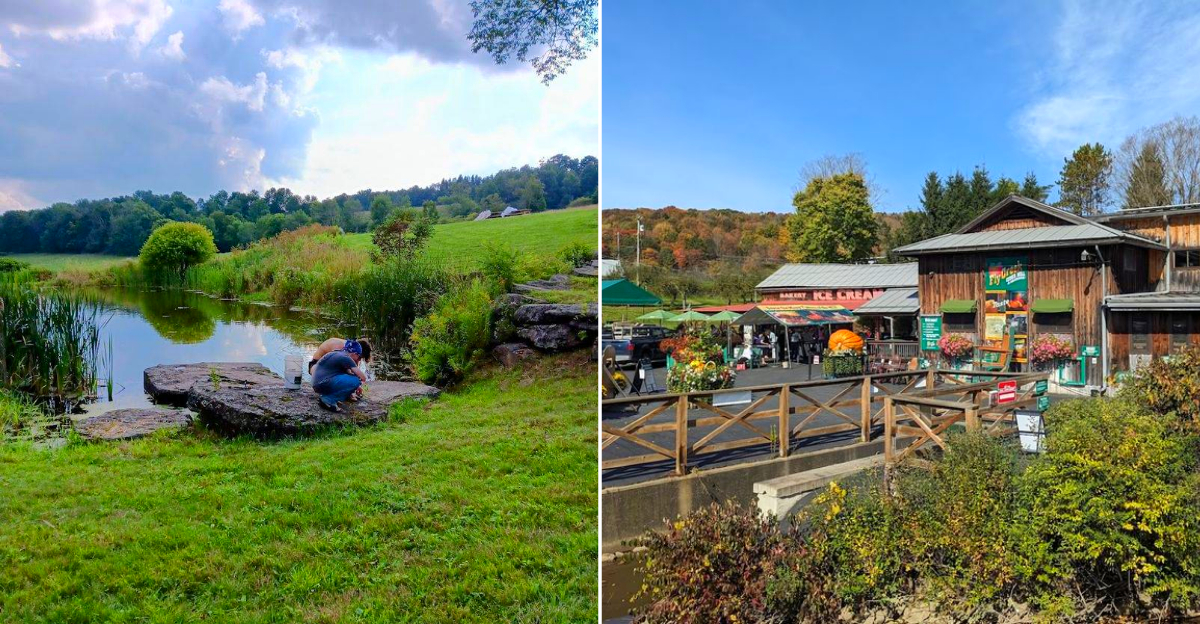
Fifty years is long enough for most places to become unrecognizable. Storefronts change hands and then change personality entirely.
The old diner becomes something with a shorter menu and a longer wait. The hardware store gives way to a candle shop charging prices that would have seemed made up in 1975.
New York has villages where none of that happened. The diner is still just a diner.
The hardware store is still just a hardware store. Somehow that has become the most radical thing a town can do.
Walking into one of these villages does something odd to your sense of time. The main street feels proportioned correctly in a way that modern development rarely manages.
These New York villages held their shape against fifty years of pressure to become something different. They are worth the drive precisely because it looks like nobody touched them at all.
1. Odessa
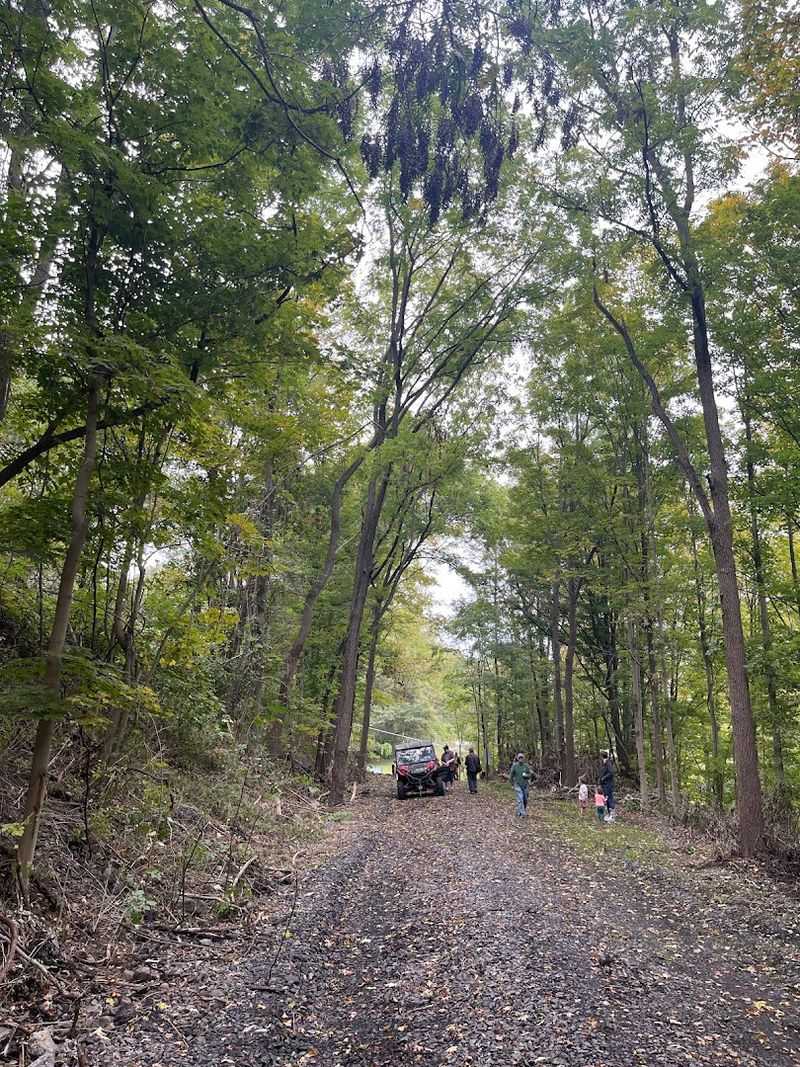
Odessa plays it cool. This small Schuyler County village in the Finger Lakes sits on a main street lined with Victorian storefronts so well-preserved and so quietly stunning that first-time visitors routinely stop mid-step and just stare.
It is the kind of place that earns your respect without asking for it.
The buildings along Main Street look like they were built, maintained carefully, and then simply left alone while the rest of the world rushed forward.
Odessa Village Park on Main St, Odessa, NY 14869 anchors the heart of town and gives the whole street a grounded, unhurried energy that is genuinely rare to find anywhere today.
People who visit Odessa often describe a strong sense of being transported, not in a theme-park way, but in a real, quiet, almost disorienting way.
The storefronts are intact, the pace is slow, and the whole village feels like it has a secret it is not ready to share.
If the Finger Lakes region is on your radar, Odessa deserves a dedicated stop and at least one long, slow walk down that main street.
2. Barrytown
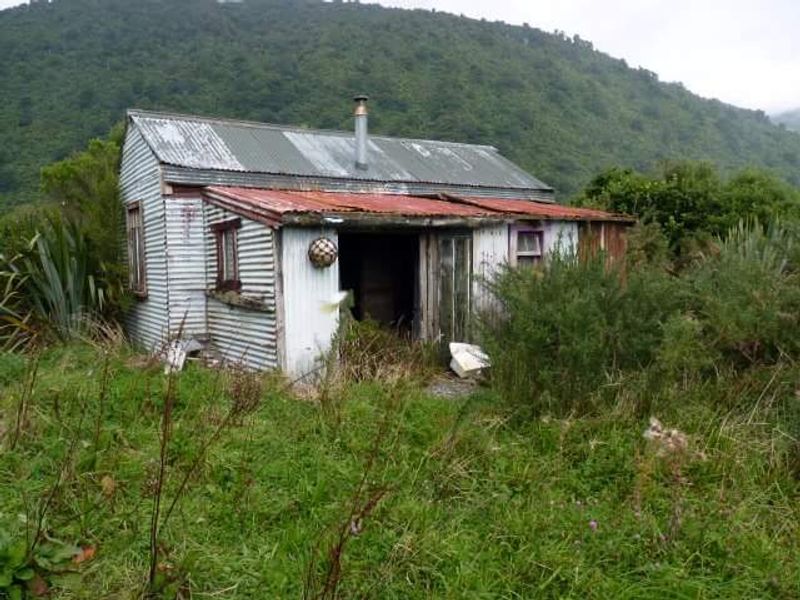
Barrytown does not advertise itself, and that is precisely why artists and writers have been quietly moving here for decades. This Hudson Valley hamlet has no traffic lights, no chain stores, and no development pushing against its edges.
What it does have is a rare, almost stubborn stillness that serious creative people seem to find completely irresistible.
Nothing changes here, and the people who choose to live in Barrytown seem to prefer it that way.
The closest landmark most visitors reference is Bard College at 30 Campus Rd, Annandale-On-Hudson, NY 12504. This brings a thoughtful, intellectually curious energy to the surrounding area without disrupting the hamlet’s essential quiet.
The Hudson River rolls nearby, the trees are enormous and old, and the roads are narrow in the best possible way. Barrytown is not a destination you stumble upon by accident.
You have to want to find it, and when you do, you will completely understand why the people who discovered it first never really left.
Pack a journal, leave your schedule at home, and just breathe for a while.
3. Deposit
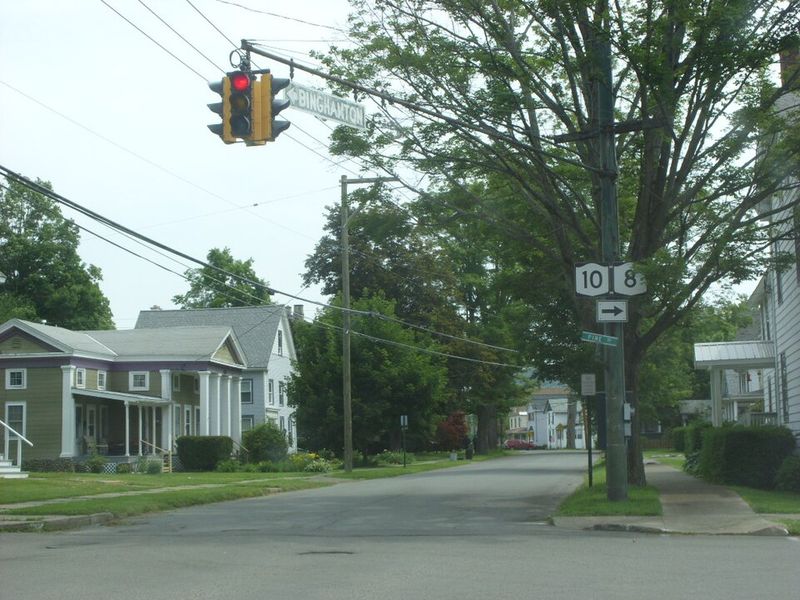
Deposit looks like someone pressed pause in 1910 and nobody noticed.
This Delaware County village on the Beaverkill River has Victorian brick storefronts that are so intact and so original that the whole main street reads like a textbook on small-town American architecture from a century ago.
The Beaverkill is legendary among fly-fishing enthusiasts, and the fishing culture here has stayed beautifully unchanged for well over a hundred years.
A covered bridge sits nearby adding to the visual magic, and the whole scene feels more like a film set than a real place until you realize it absolutely is real.
The town is anchored near Deposit Central School District at 171 2nd St, Deposit, NY 13754, which has served this tight-knit community through generations.
Deposit is one of those places in New York state where the past is not a curated exhibit but an actual living reality. The locals know it, the fishermen know it, and now you know it too.
Come for the architecture, stay for the river, and leave with the very strong feeling that modern life has been seriously overrated this whole time.
4. Fly Creek
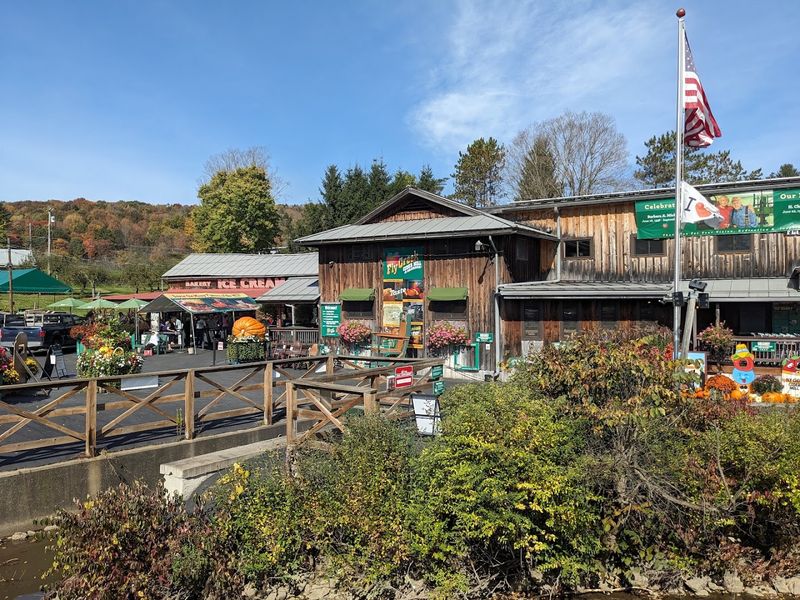
Some places earn their reputation one apple at a time. Fly Creek is a tiny hamlet just outside Cooperstown, and it has been quietly impressing visitors since before your great-great-grandparents were born.
The countryside here genuinely looks and feels like the 1800s never left, and that is not an accident.
The star of the show is the Fly Creek Cider Mill at 288 Goose St, Fly Creek, NY 13337, which has been running continuously since 1856. That is not a typo.
The mill has been pressing apples and selling goods through wars, recessions, and every trend that came and went without anyone caring much around here.
Wooden covered bridges frame the landscape perfectly, and the rolling countryside surrounding the hamlet looks like a painting someone forgot to hang in a museum.
Fly Creek is proof that the best things in New York state are not always in New York City.
Grab some fresh cider, walk across a covered bridge, and let the 19th century work its magic on you for an afternoon.
5. Millport
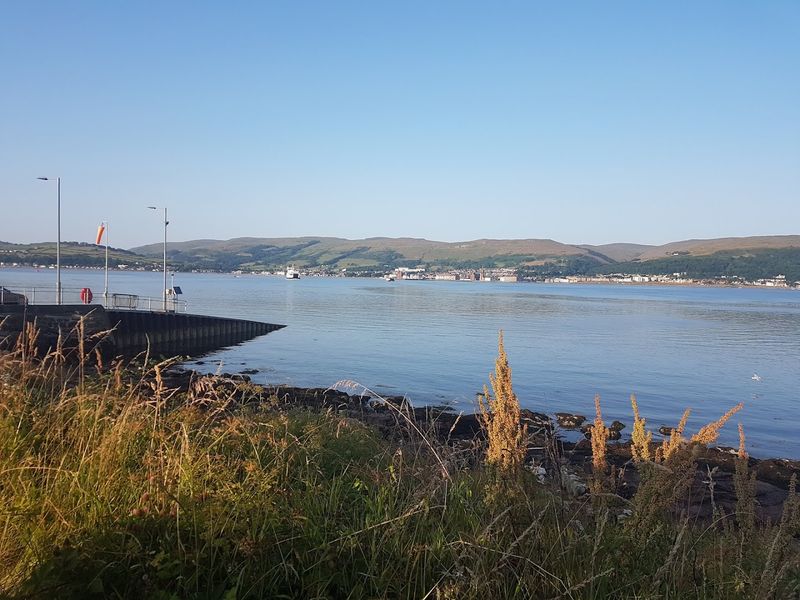
Millport has a secret that the film industry already figured out.
This tiny Chemung County hamlet has been used as a location for period pieces precisely because its landscape and buildings are so unchanged that production crews barely need to adjust anything.
The 19th century is still very much present here, and it shows.
An original mill, authentic farmsteads, and a countryside that looks exactly as it did generations ago make Millport feel genuinely rare.
The hamlet is anchored by the Millport Covered Bridge on Millport Rd, Millport, NY 14864, a structure that is both a working piece of history and one of the most photogenic spots in the entire region.
Visiting Millport feels like earning a secret. Most people drive right past without stopping, which means those who do stop get the whole beautiful, quiet place almost entirely to themselves.
The fields are wide, the air is clean, and the pace of life here is so slow it almost feels rebellious. For anyone who loves authentic American history without the crowds or the gift shops, Millport is an absolute must on the list.
6. Willet
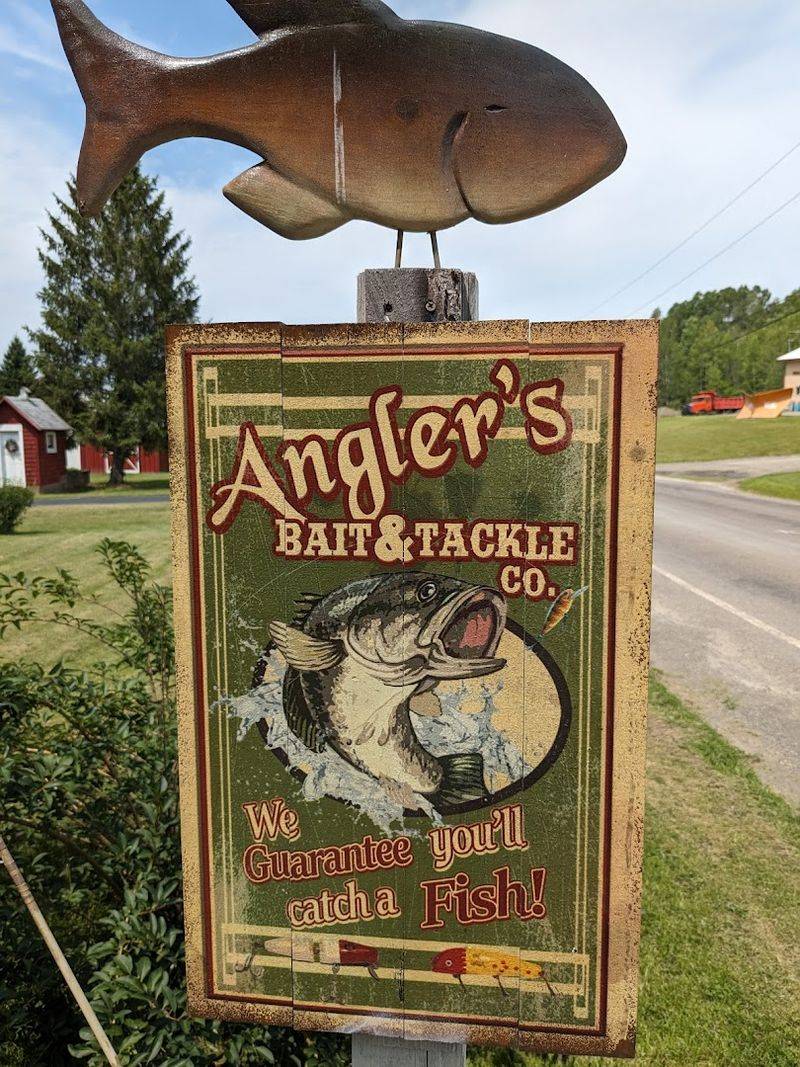
Driving into Willet feels like finding a page torn from an old history book and discovering it is still somehow alive. This Chenango County hamlet is so small and so unchanged that the word quiet barely covers it.
Stone walls line the roads, timber-frame barns stand exactly where they were built, and a one-room schoolhouse from the 1800s still stands as if class just let out for summer break.
The whole hamlet reads like a daguerreotype that somehow became three-dimensional. There are no boutiques, no cafes, and no curated experiences waiting for you at Willet, NY 13863.
What you get instead is something far more valuable: a completely unfiltered look at what rural New York actually looked like a century and a half ago.
Willet rewards the kind of traveler who is genuinely curious, not just looking for a good photo opportunity. Walk the old roads, study the stonework, and appreciate the fact that somewhere in this busy, restless world, a place like Willet just quietly kept being itself.
That kind of commitment to staying real deserves at least one visit and a lot of respect.
7. Plessis
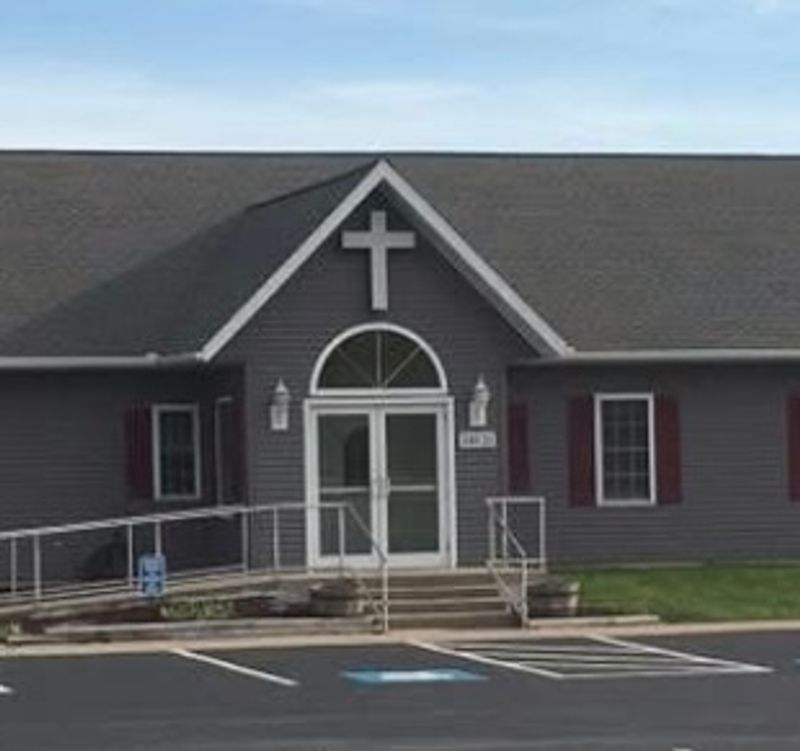
Up in New York’s North Country, near the broad sweep of the St. Lawrence River, Plessis sits like a place that genuinely forgot to update its calendar after 1880.
Jefferson County is already known for its wide open spaces and serious winters, but Plessis takes the concept of unchanged rural life to a level that genuinely surprises visitors who make the trip.
A 19th-century stone church anchors the hamlet with the kind of quiet authority that only old buildings built to last can carry.
Original farmsteads spread across the surrounding land, and the pace of daily life at Plessis, NY 13675 runs on a rhythm that the modern world has largely abandoned and secretly misses.
Getting to Plessis requires a little effort and a willingness to leave the main roads behind, but that is exactly the point. The North Country rewards the patient traveler with landscapes and villages that feel genuinely off the beaten path in the best possible way.
Plessis is not performing history for tourists. It simply is history, still standing, still breathing, and still completely worth the drive up from wherever you started.
8. Bovina Center
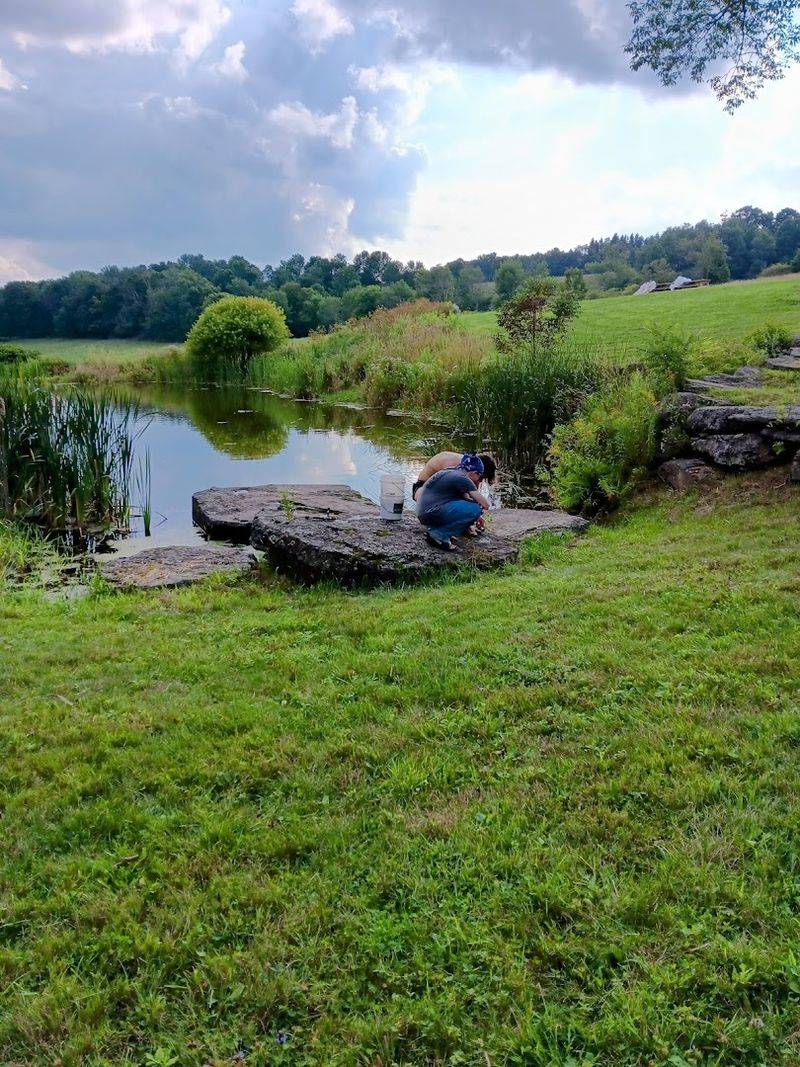
Bovina Center has a personality that is completely its own. This Delaware County hamlet in the Catskills carries a Swiss-German farming heritage that you can still see in the architecture, the land use, and the general attitude of the place.
Original stone farmhouses sit on hillsides that look so clean and so carefully tended that first-time visitors genuinely struggle to believe it is real.
The landscape here is the kind that makes people pull over their cars and just stand there for a minute. Bovina Center, NY 13740 has no flashy attractions and no tourist infrastructure to speak of, which is exactly what makes it so stunning.
The farms are working farms, the buildings are original, and the Catskills roll beautifully in every direction.
People who have spent time in Switzerland or Bavaria sometimes do a double take when they first see Bovina Center, and that reaction makes complete sense given the community’s roots.
New York state contains multitudes, and Bovina Center is one of its most quietly astonishing chapters.
Go in late spring when the hills are green, or go in fall when the colors take over, but go. You will not regret it for a single second.
9. South New Berlin
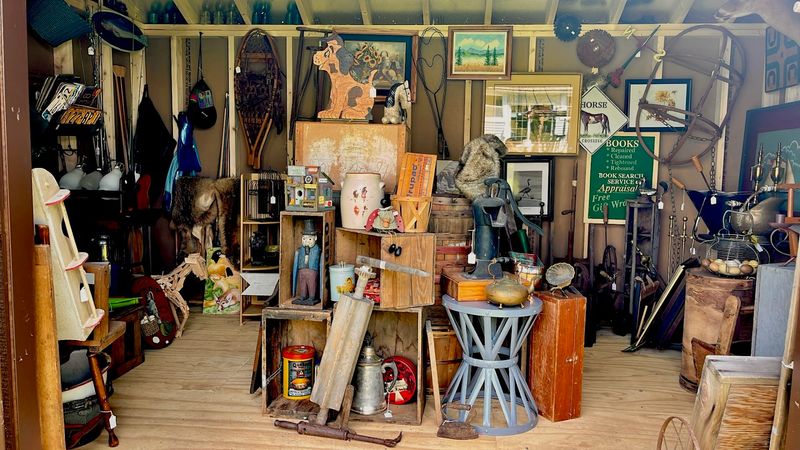
South New Berlin looks nothing like what most people picture when they think of New York, and that is a genuine compliment.
This Chenango County village has a 19th-century general store that still operates, original Victorian homes that line the streets without any modern interruptions, and working farms spreading out across the surrounding countryside in every direction.
The whole place operates at a pace that feels almost countercultural by today’s standards. South New Berlin, NY 13843 is the kind of village where the buildings tell the story better than any historical marker ever could.
The general store alone is worth the trip, carrying that lived-in, well-worn energy that only comes from more than a century of actual use.
Chenango County does not get nearly enough attention from travelers passing through New York state, and South New Berlin is one of the strongest arguments for changing that.
The farms are real, the history is real, and the quiet that settles over the village in the early morning is the kind of quiet that people spend a lot of money trying to find elsewhere.
Save yourself the trouble and just come here instead.
10. Constableville
Constableville carries its history in its name and wears it well. Lewis County named this village after William Constable, a land developer who shaped this corner of New York in the early 1800s, and the place has been quietly honoring that legacy ever since.
The Federal-era architecture along the main street is so intact and so well-proportioned that architects and history lovers alike tend to stop and stare.
The crown jewel is Constable Hall at 572 John St, Constableville, NY 13325, an 1819 mansion that has survived more than two centuries with its dignity fully intact.
The building is open to visitors and offers one of the most genuine connections to early American domestic life that you will find anywhere in the state.
What surprises most people about Constableville is how quietly impressive the whole village is.
Nobody is shouting about it on travel blogs, nobody is crowding the sidewalks, and the main street just sits there being historically extraordinary without making a fuss.
If you appreciate architecture, early American history, and places that have held onto their character without trying too hard, Constableville will absolutely be one of the best discoveries you make all year.