
This Once Tranquil Oregon Lake City Is Struggling To Balance Tourism And Community Life
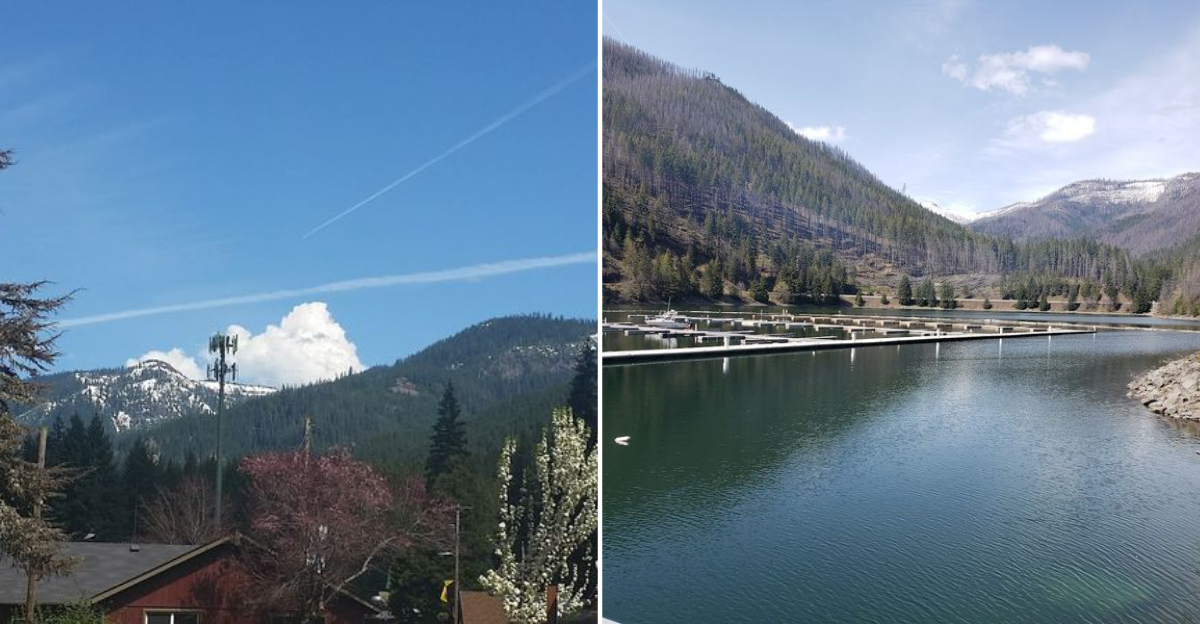
The vacation rentals arrived faster than anyone had a plan for. What followed has been a negotiation the town is still having with itself.
Oregon has watched this pattern move through its most photogenic corners for years. This lake city assumed geography would offer some protection, that the distance and the quiet would keep the pace manageable.
It didn’t. Longtime residents describe a main street that looks familiar but feels different.
Familiar faces thinned out, prices adjusted upward, and the seasonal rhythm that once defined the calendar became something harder to predict. The town hasn’t lost itself yet, but the conversation about what it wants to be is louder now than it has ever been.
Tourism Trends Affecting The Community
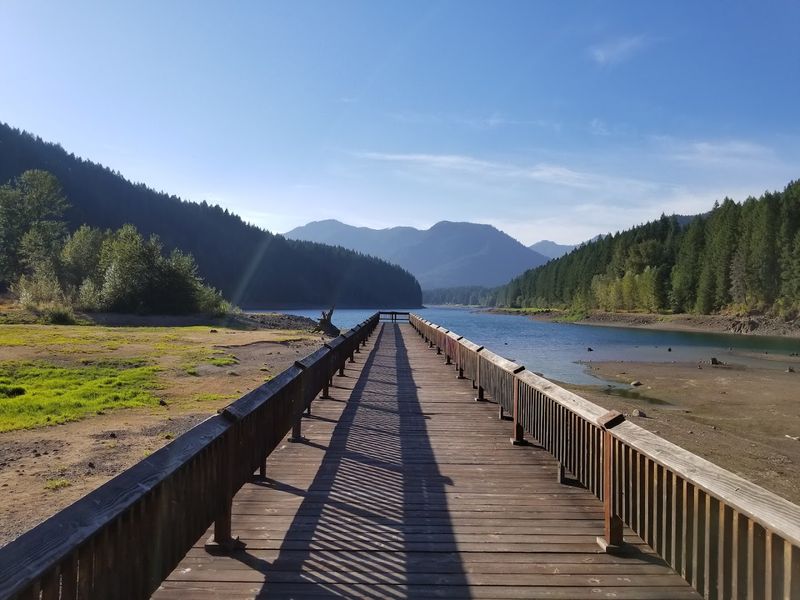
A city like this pulls people in like a magnet every summer. Boaters, anglers, and campers flood the area from June through August.
The town sits right at the edge of the reservoir in Marion County, Oregon. It was actually named after Detroit, Michigan, back in the 1890s.
A lot of Michigan settlers moved here and brought the name with them.
Tourism has always been the backbone of this city. Before the 2020 wildfires, visitor traffic was steady and growing.
Hotels, marinas, and bait shops all depended on that seasonal rush. Then the Labor Day fires wiped out roughly 80% of the town.
Over 300 homes were destroyed in just a matter of days.
The town lost around 250 jobs almost immediately after the fires. Annual income dropped by an estimated $4.4 million.
Rebuilding brought a new wave of visitors, some curious, some genuinely helpful. But the infrastructure could barely keep up with the demand.
Roads got crowded, and services got stretched thin fast.
Now the city is working to attract tourists again while managing real growing pains. The Detroit Fishing Derby and Fireworks Over the Lake are key annual draws.
These events bring in serious visitor numbers each year. The challenge is welcoming guests without overwhelming a community still healing.
Detroit, Oregon is doing its best to find that balance.
Local Perspectives On Visitor Increase
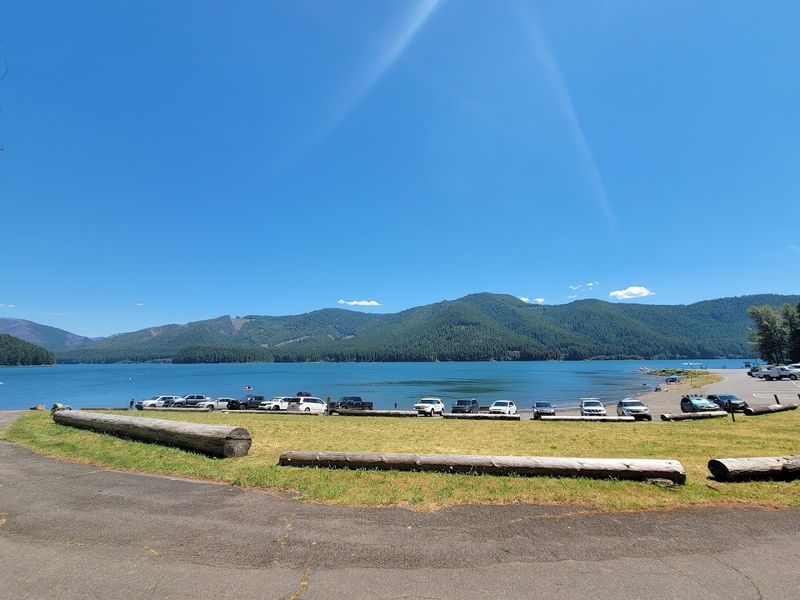
Ask a full-time Detroit resident how they feel about tourists, and you will get a complicated answer. Most people here understand that visitors keep the local economy breathing.
Without that summer rush, the town simply cannot sustain itself. But there is a real tension between needing tourists and feeling overwhelmed by them.
Detroit has only about 200 full-time residents year-round. The total population swells dramatically during peak season.
Second homeowners make up the majority of property holders in the area. That means locals are often outnumbered on their own streets.
It creates an odd dynamic that is hard to ignore.
After the fires, some residents felt the town was being rebuilt for visitors rather than for them. Housing was scarce.
Services were limited. Only a handful of businesses reopened in the first year after 2020.
One grocery store and a couple of food carts were basically all that existed for a while. Residents and tourists were competing for the same limited resources.
Many locals want growth, but they want it to be thoughtful. They want new businesses that serve the community first.
They want housing that actual residents can afford. Vacation rental competition has made that harder.
The community is vocal about wanting a seat at the table when city planning decisions are made. Their voices matter a lot in shaping what Detroit becomes next.
Economic Benefits Versus Social Costs
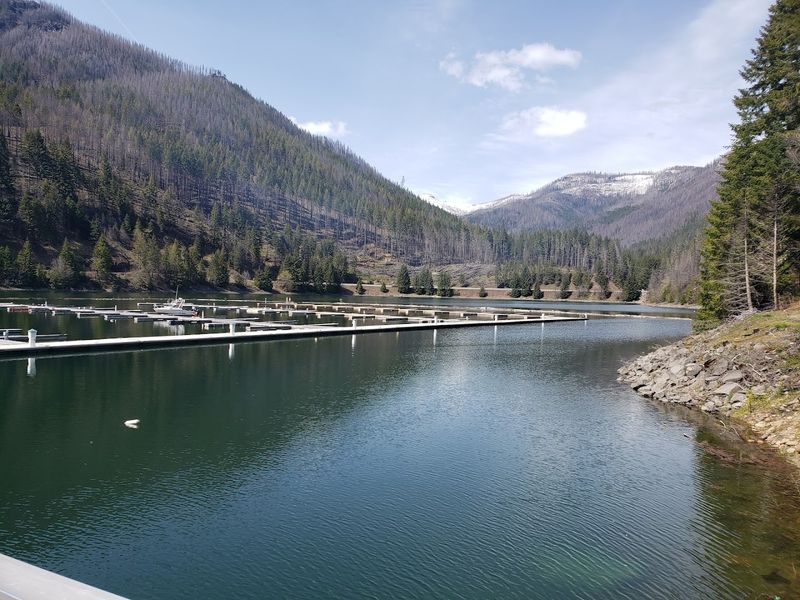
Tourism money is real, and Detroit needs every dollar of it. Before the 2020 wildfires, the town collected solid revenue from transit occupancy taxes and property taxes.
Visitors filled local restaurants, rented boats, and bought gear from local shops. That cash flow funded city services and kept the lights on.
Losing it overnight was a serious gut punch.
The economic hit after the fires was staggering. Millions in annual income vanished almost instantly when roughly 80% of homes and businesses were destroyed.
Businesses that had operated for decades were simply gone. The city budget took a massive hit on property tax revenue alone.
Recovery grants and state aid helped, but they were not a full replacement.
On the social side, the costs are just as real. Vacation rentals have driven up housing prices in a town where wages are modest.
Full-time residents find it hard to compete with short-term rental platforms for affordable homes. Public spaces get crowded during peak season.
Parking becomes a genuine problem near the lake every summer weekend.
Oregon state law also adds a wrinkle to the financial picture. At least 70% of tourist tax receipts must go toward promoting tourism or tourism-related facilities.
That leaves limited room for funding basic community services. Detroit is trying to work within those rules while still meeting resident needs.
The math is tight, and the stakes are high for everyone involved.
Environmental Preservation Efforts
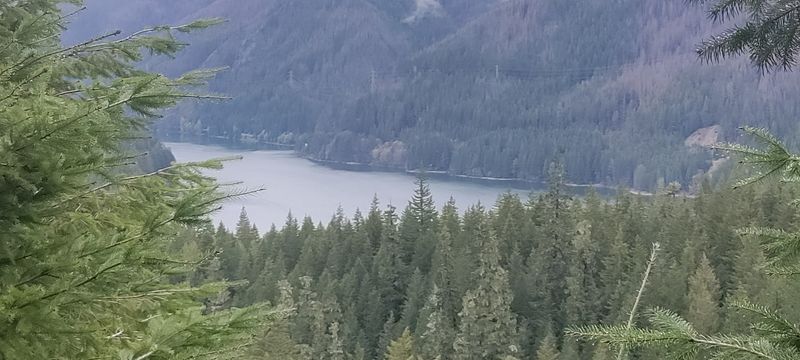
Detroit Lake is the heart of everything here. Without a healthy lake, there is no fishing derby, no boating season, and no reason for most visitors to make the trip.
Protecting that water body is not optional. It is essential to the town’s survival and identity.
Low water levels in Detroit Lake have become a recurring problem. Drought years hit the reservoir hard and shrank the shoreline dramatically.
Marinas struggle to operate when water levels drop too far. Boat launches become unusable, and businesses lose revenue fast.
Climate patterns have made this issue more frequent in recent years.
The 2020 wildfires added a new layer of environmental concern. Burned hillsides increase erosion and send sediment into the lake.
Water quality monitoring became more urgent after the fires swept through. Agencies have been working to stabilize slopes and protect watershed areas.
Replanting efforts are ongoing in the surrounding Cascade foothills.
Rebuilding plans now include expanded hiking and mountain biking trails. New paddling access points are also being developed around the lake area.
These additions help distribute visitor impact more evenly across the landscape. Spreading foot traffic reduces pressure on any single spot.
Detroit is learning that smart environmental planning is not just good for nature. It is also good for tourism in the long run.
Infrastructure Demands And City Planning
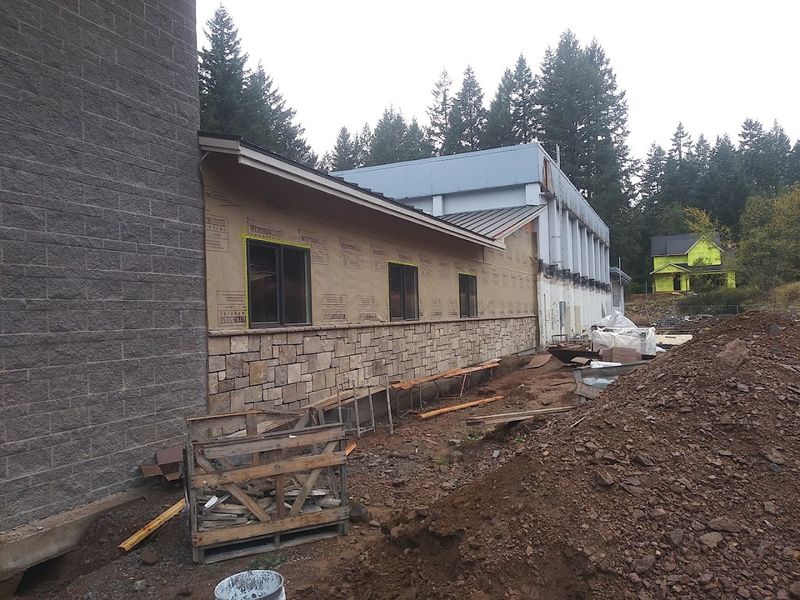
Rebuilding a town from 80% destruction is not a small project. Detroit’s infrastructure was hit hard by the 2020 Labor Day fires.
Water lines, sewer systems, and electrical grids all needed serious repair or full replacement. Getting those basics back online was the priority before anything else could happen.
The sewer and water systems in Detroit had already been a limiting factor before the fires. Growth in residency and tourism was historically constrained by those systems.
A town can only handle so many people when the pipes cannot keep up. Post-fire rebuilding became an opportunity to upgrade those aging systems at the same time.
Roads around Detroit Lake see heavy summer traffic every year. The infrastructure was never designed for the volume of vehicles that peak season brings.
Parking near popular launch points fills up by mid-morning on busy weekends. City planners are now factoring visitor traffic into road and access planning in a more deliberate way.
The City of Detroit has been exploring participation in the Oregon Main Street program. That initiative helps small cities structure and support downtown rebuilding in an organized way.
New campsites, trailheads, and paddling access points are part of the long-term plan. Each addition requires coordination between city, county, and state agencies.
It is slow work, but the plans are taking shape with real intention behind them.
Cultural Heritage Protection Initiatives
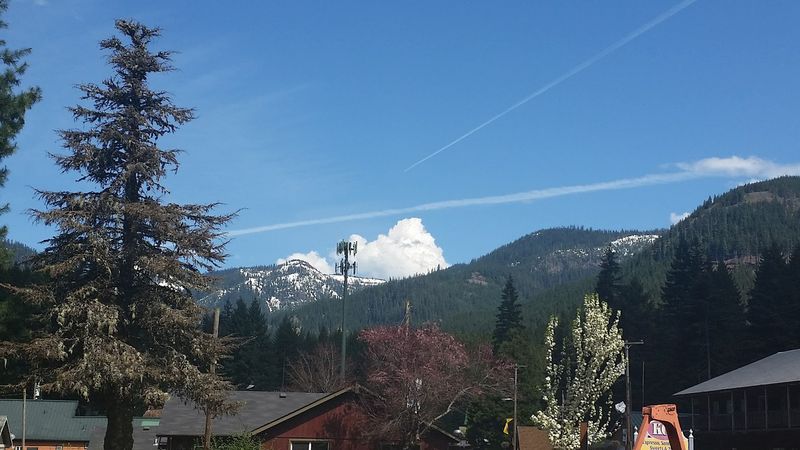
Detroit has a story that most visitors never hear. The town was named in the 1890s after Detroit, Michigan.
A large group of Michigan settlers moved into this part of the Cascade Range and brought their hometown name with them. That origin story is a quiet piece of American history sitting in the mountains of Oregon.
The 2020 fires did not just destroy buildings. They erased physical pieces of local history too.
Old structures, family businesses, and community gathering spaces were lost in the flames. Preserving what remained and documenting what was lost became an important part of the recovery conversation.
Community members have pushed for cultural preservation to be part of the rebuilding process. Local stories, photographs, and historical records are being gathered and protected.
There is genuine interest in creating a space where that history can be shared with visitors. Connecting tourists to the town’s backstory makes for a richer experience than just lake access.
Cultural identity also helps residents feel ownership over their recovering community. When locals see their history respected and included in rebuilding plans, it builds trust.
Heritage tourism is a growing niche that could benefit Detroit in meaningful ways. Visitors who come for the lake might stay longer if there is a real story to engage with.
Protecting that story is worth the effort and the investment it requires.
Community Events And Tourism Integration
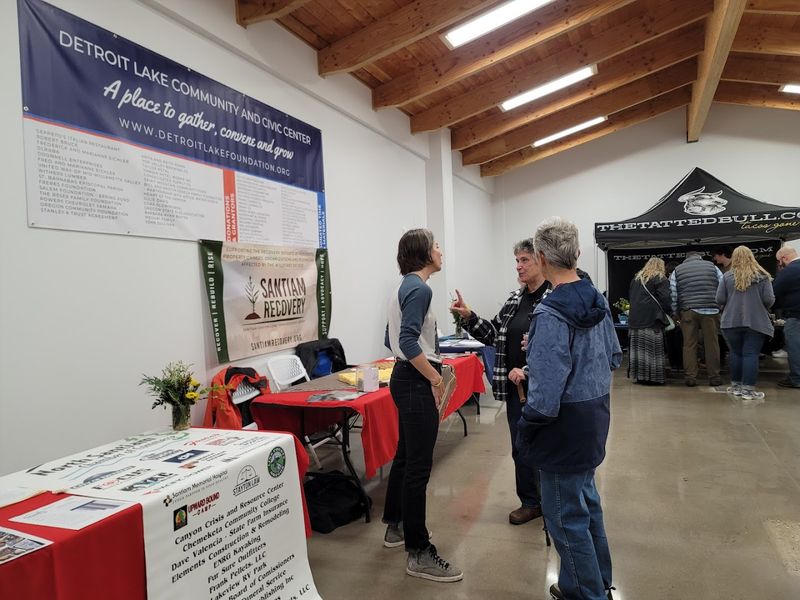
The Detroit Fishing Derby is one of those events that has real staying power. Families plan their summers around it.
Anglers come from across the Pacific Northwest to compete on Detroit Lake. It brings in visitor dollars and community spirit at the same time.
That combination is exactly what the town needs right now.
Fireworks Over the Lake is another anchor event for Detroit’s tourism calendar. The show draws large crowds to the reservoir each year.
Locals and visitors share the same shoreline for a few hours. It is one of those rare moments where the line between tourist and resident blurs a little.
Community events like these create shared experiences that matter.
Post-fire, organizers worked hard to keep these traditions alive even during recovery. Running events in a partially rebuilt town took serious coordination.
Volunteers stepped up and outside organizations offered support. The fact that these events continued sent a message that Detroit was still here and still fighting.
City planners now see community events as a key tool for managed tourism. Scheduled events bring visitors in predictable waves rather than in random surges.
That makes it easier to staff services, manage parking, and prepare facilities. New events focused on hiking, paddling, and mountain biking are being developed.
Adding variety to the event calendar helps attract different types of visitors. Detroit is building a tourism culture that feels intentional rather than accidental.
Future Outlook For Urban And Rural Balance
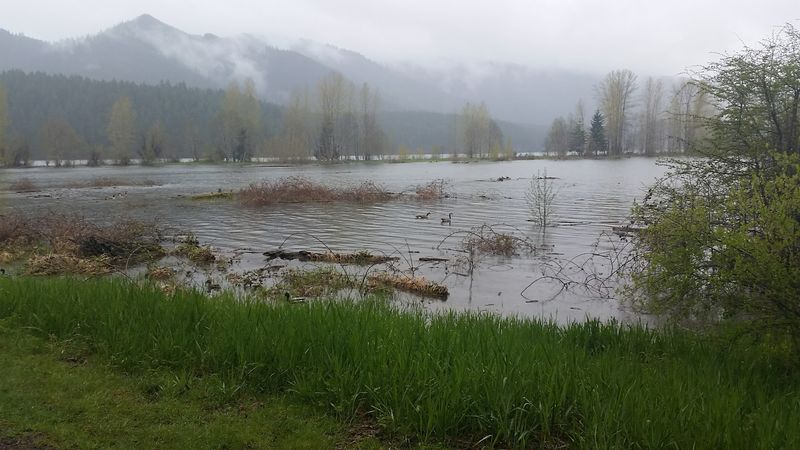
Detroit is at a genuine crossroads right now. The town has a chance to rebuild in a way that actually works for everyone.
That means housing for residents, services for locals, and a tourism experience that does not cannibalize the community it depends on. Getting that balance right is the defining challenge of this decade for Detroit.
Population numbers tell an interesting story here. About 1,500 people are associated with Detroit, but only around 200 are full-time residents.
The rest are second homeowners who show up seasonally. That split creates an uneven power dynamic in local decision-making.
Full-time residents want their daily needs prioritized, and that is a fair ask.
New trail systems, paddling routes, and camping areas are part of the vision for a more balanced future. Spreading recreation across the landscape reduces pressure on the lake itself.
It also gives visitors more reasons to stay longer and spend more locally. A longer visitor season means more stable income for businesses and workers.
The Oregon Main Street program could provide real structure to Detroit’s downtown recovery. Smart zoning, housing protections, and diversified recreation could all play a role.
None of this happens quickly in a small mountain city with limited resources. But the direction is clear and the community knows what it wants.
Detroit has survived a lot already. Betting against it at this point would be a mistake.