
The Secret Hawaii Hiking Trail That Passes Through A Lush Forest And Ends At A Hidden Beach
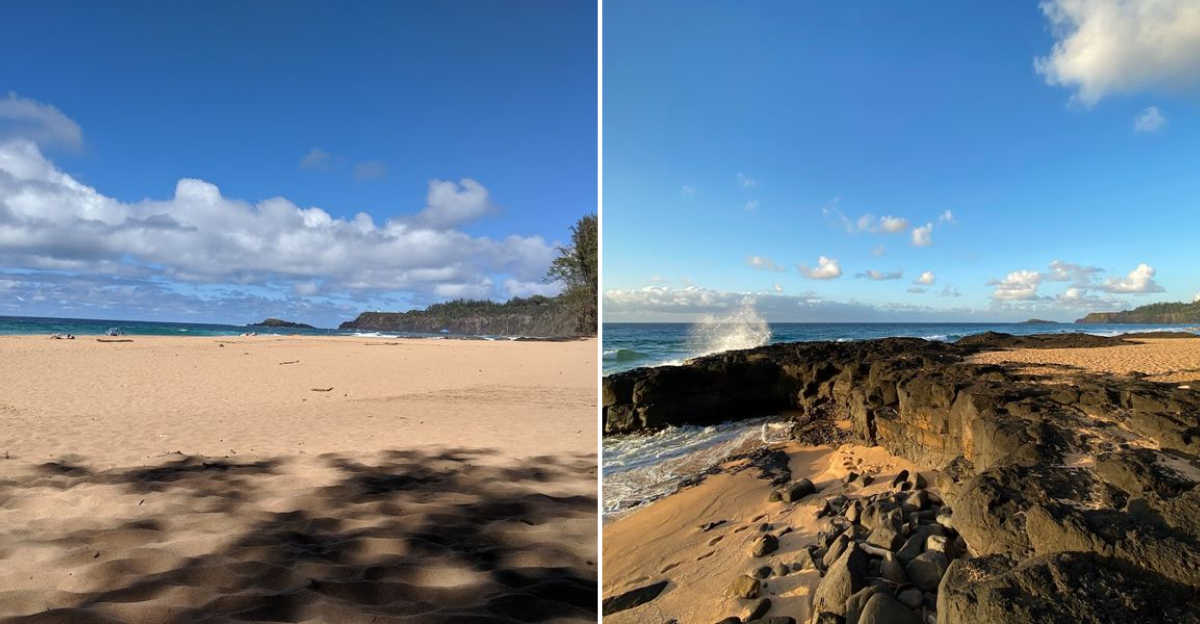
The forest closes in within the first ten minutes, and the trail stops feeling like something that appears on any official list. That quality is exactly what makes it worth finding.
Most visitors to Hawaii fill their days with the coastline and miss what the interior is quietly offering. This particular trail earns its reputation through the combination of dense canopy giving way to something the forest had been concealing the entire walk.
The beach at the end doesn’t appear in the standard guides, and the locals who know it prefer to keep the directions conversational rather than searchable.
Sand that sees a fraction of the foot traffic that the famous stretches absorb, water that arrives at the shore without an audience.
Hawaii has no shortage of beautiful endpoints, but few trails that make the journey feel as earned as this one does.
Lush Vegetation That Defines The Trail
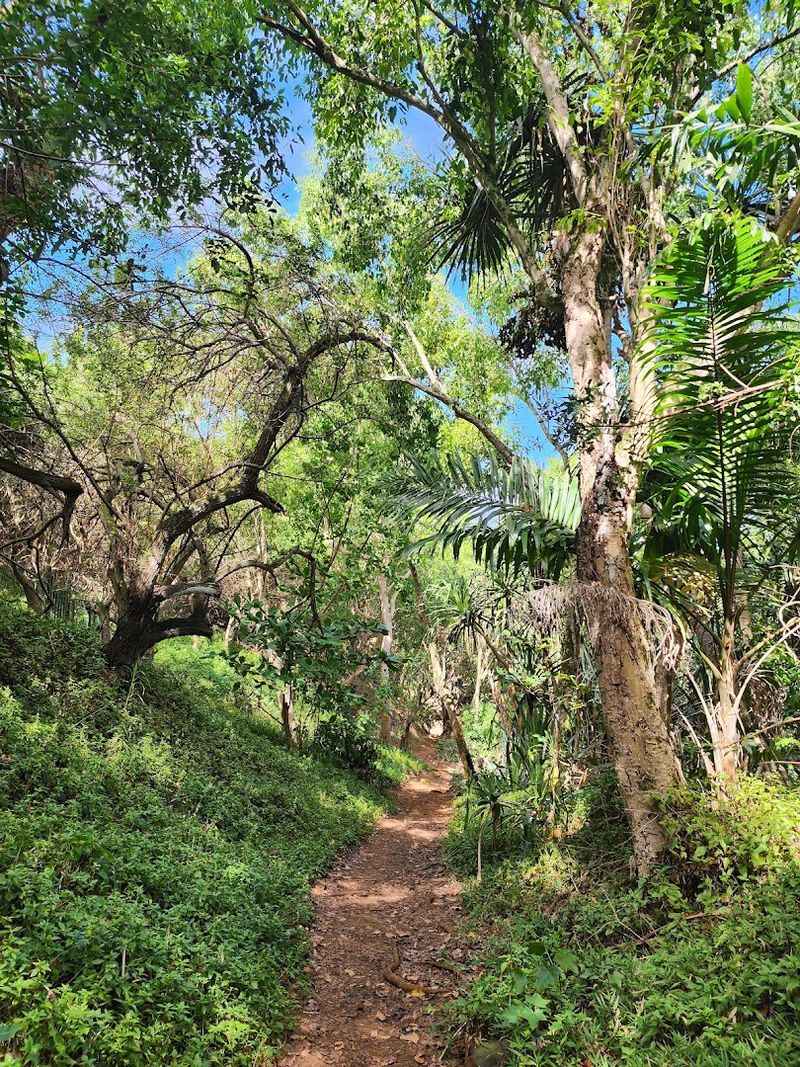
The moment you step onto the trail at Kauapea Beach Trailhead, the forest closes in around you fast. Thick canopies block out most of the sky.
Roots snake across the dirt path like they own the place.
The vegetation here is seriously impressive. You are surrounded by native Hawaiian plants, dense ferns, and towering trees draped in green.
The air smells earthy and cool, which is a welcome contrast to the open sun waiting at the beach below.
The trail is only about half a mile long. But every inch of it feels alive.
Leaves brush your shoulders, and the ground stays damp even on dry days.
Mud is a constant companion here, especially after rain. The root systems create natural steps, but they also create serious tripping hazards.
Watch your footing and move with intention.
This forest corridor is not manicured or maintained like a state park trail. It is raw and real.
That is exactly what makes it feel like a genuine adventure rather than a tourist attraction.
The trailhead is located at 2868 Kalihiwai Rd, Kilauea, HI 96754. Parking is limited roadside, so arriving early is smart.
The trail entrance is unmarked, which adds to the whole secret vibe of the place.
Wildlife Encounters Along The Path
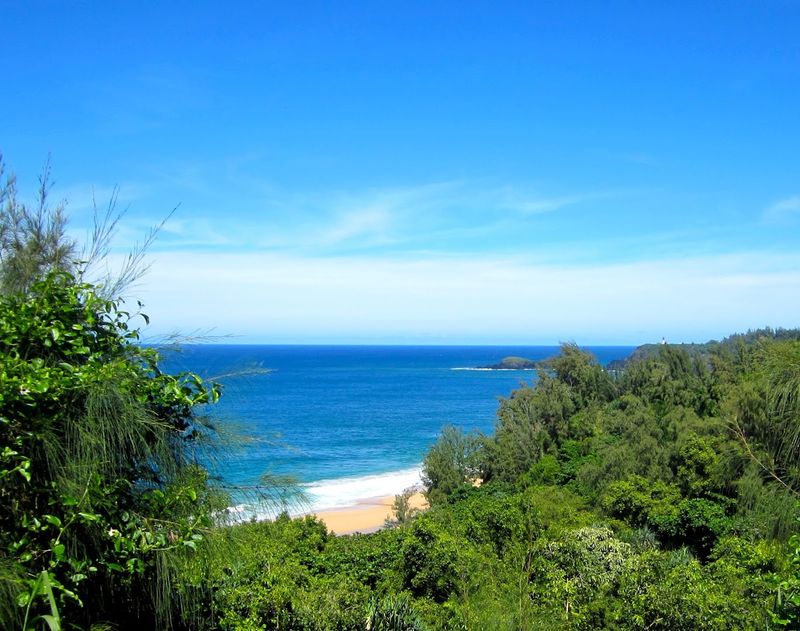
Wildlife shows up at Secret Beach without any warning, and that is part of the thrill. Hawaiian monk seals have been spotted napping right on the sand as they paid for a beach chair.
They are endangered, so spotting one is genuinely rare and exciting.
Spinner dolphins sometimes appear just offshore. Whales have also been seen from the beach during the winter months.
You really never know what is going to show up when you visit.
Sea turtles are another frequent guest along this stretch of shoreline. They cruise through the water near the lava rocks and occasionally rest on the sand.
Keeping a respectful distance is not just polite; it is legally required.
Birds are active throughout the forest portion of the hike, too. Native Hawaiian seabirds nest near the Kilauea Lighthouse, which is visible from the beach.
The area around Mokuaeae Island also draws interesting bird activity.
If you bring dogs, keep them leashed and under strict control. Monk seals and loose dogs are a dangerous combination.
Past incidents have happened here, and nobody wants that kind of drama on a relaxing beach day.
The wildlife at Kauapea is wild in the truest sense. Nothing is staged or guaranteed.
That unpredictability is exactly what makes every visit feel like its own unique story worth telling later.
Trail Difficulty And What To Expect
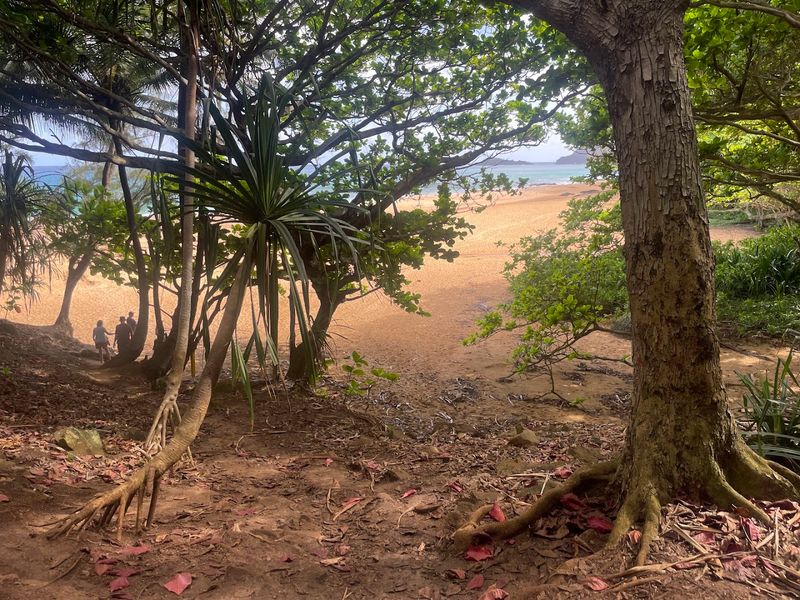
The Kauapea trail is short, but it does not mess around. The descent is steep and the terrain is uneven the entire way down.
First-timers are often surprised by how quickly the path drops.
The hike takes roughly ten minutes going down and longer coming back up. The return climb is where people start questioning their life choices.
It is not dangerous, but it will make you sweat regardless of your fitness level.
Roots and rocks cover most of the path. After any rainfall, the trail turns slick and muddy fast.
An old rope tied to a tree near one tricky section offers some grip, but it does not run the full length of the path.
Overall, the difficulty sits at moderate. Most healthy adults can manage it without issue.
Families with young children have completed the hike, though it requires careful supervision on the steeper sections.
People have done this trail in sandals and flip flops and survived. However, sturdy shoes with good grip will make the experience far more comfortable and much safer.
Closed-toe hiking shoes are genuinely the right call here.
There are no trail markers, no handrails, and no signage. You are essentially navigating a natural dirt path through dense forest.
That raw quality is part of the appeal, but it does require some personal awareness and basic trail sense.
Best Seasons For Hiking In Hawaii
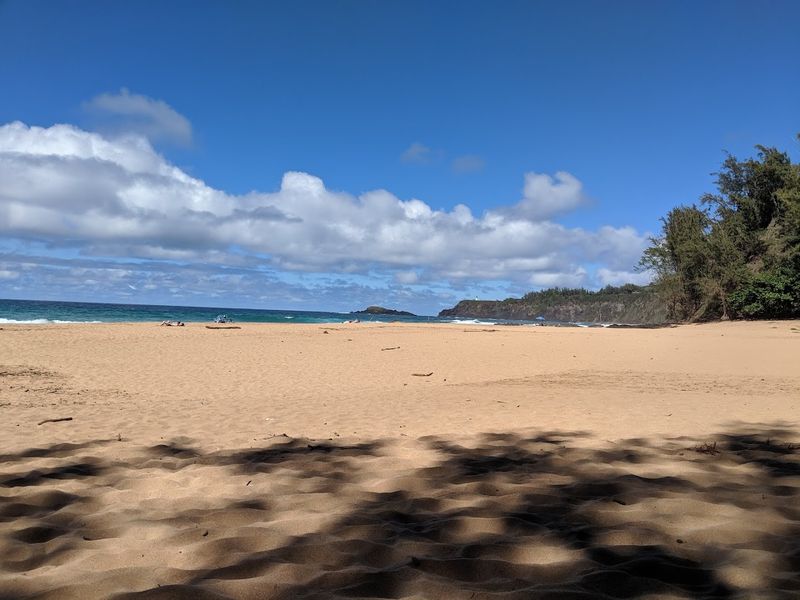
Kauai has two main seasons, and both have trade-offs worth knowing before you book flights. Summer runs from May through September and brings calmer ocean conditions.
That is the window when swimming at Secret Beach becomes a realistic option.
Winter months bring massive waves and strong currents to the north shore. The ocean at Kauapea can look spectacular in winter, but entering the water is genuinely dangerous during that period.
Watching the surf from shore is a better call from November through March.
The forest trail stays muddy year-round because Kauai is one of the wettest places on Earth. Rain can arrive suddenly, even on a sunny morning.
Checking weather forecasts before heading out is always a smart move on the north shore.
Spring and fall offer a middle ground with mild temperatures and shifting surf conditions. These shoulder seasons can be ideal for hiking without the summer crowds.
You might even get the beach mostly to yourself on a weekday morning.
Trail conditions improve significantly during dry spells. A few consecutive dry days firm up the dirt path and reduce slipping hazards considerably.
Timing your visit after a dry stretch makes the hike noticeably more enjoyable.
No matter the season, mornings are generally the best time to arrive. The light is better for photography, the parking fills up later in the day, and the beach feels quieter before noon.
Essential Gear For Forest And Beach Treks
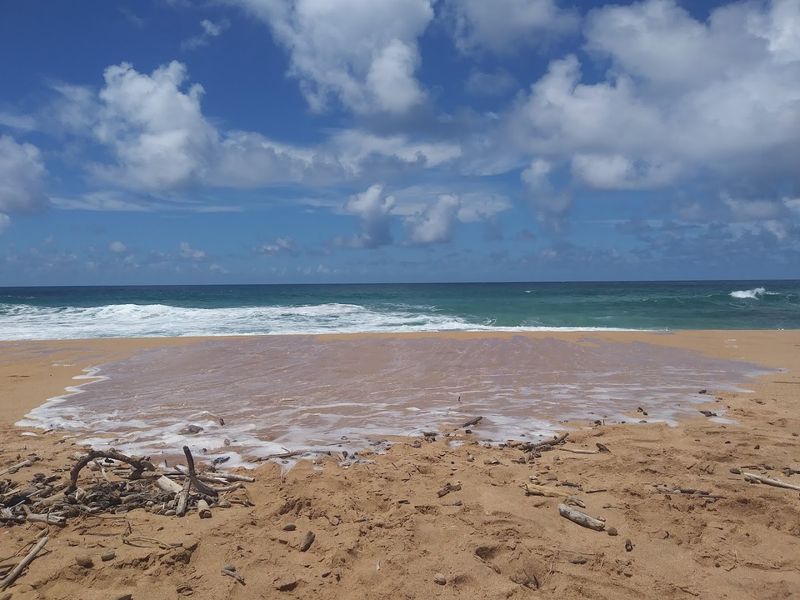
Packing right for Secret Beach makes the whole experience smoother. The trail is short, but the conditions can catch unprepared visitors off guard.
A little preparation goes a long way here.
Sturdy closed-toe shoes are the single most important item to bring. The trail is steep, muddy, and root-covered.
A good grip is not optional when the path turns slippery after rain.
Bring more water than you think you need. There are zero facilities at the beach.
No restrooms, no water fountains, no concession stands. Whatever you carry in is what you have got for the entire visit.
Sunscreen and a hat are essential once you hit the beach. The sand stretches over 3,000 feet with very little shade.
The Hawaiian sun at sea level is intense, and it works fast on exposed skin.
Snacks are worth packing because the hike back up burns more energy than expected. A light bag with trail snacks keeps energy levels steady.
Keep everything in a bag you can carry comfortably on the descent.
A dry bag or waterproof pouch is smart for protecting your phone and valuables near the water. Waves at Kauapea can reach surprisingly far up the beach.
Keeping electronics dry is a simple precaution that prevents expensive regrets.
Toss a small trash bag in your pack, too. Leave No Trace principles matter here, and keeping the beach clean is everyone’s shared responsibility.
Safety Tips For Remote Trail Exploration
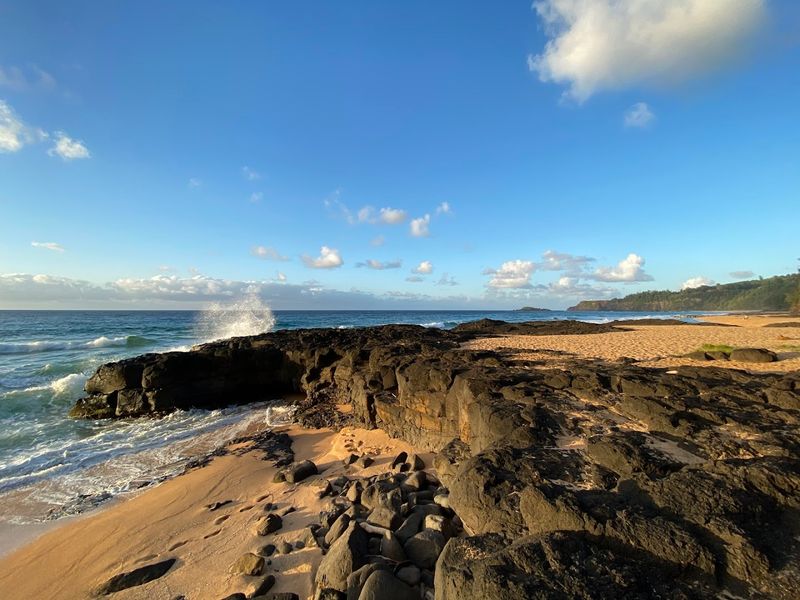
Secret Beach earns its remote reputation in more ways than one. There are no lifeguards, no emergency services nearby, and no facilities of any kind.
Self-reliance is the entire game plan here.
Ocean safety is the biggest concern at Kauapea. The currents are strong, and the waves can be massive, particularly from October through April.
Even experienced swimmers have been caught off guard by the surf conditions at this beach.
Standing on the lava rocks near the water is risky behavior. Rogue waves can appear without warning and sweep people off the rocks instantly.
Keeping a safe distance from the shoreline rocks is a rule worth taking seriously.
Tell someone where you are going before you head out. Remote beaches in Hawaii can be tricky for emergency access.
Having a contact who knows your plan adds a basic but meaningful layer of safety.
The trail itself requires steady footing and full attention. Rushing down the steep path is how ankles get rolled.
Taking it slow on the descent is faster in the long run than dealing with an injury mid-trail.
Tidal pools and sea caves at the western end of the beach are fascinating to explore. They also require careful footing on wet rocks.
Wearing shoes in the tidal pool area is strongly recommended over going barefoot.
Parking is limited, and the trail entrance is unmarked. Arriving early reduces stress and gives you time to locate the path without rushing.
Photography Opportunities Among Nature
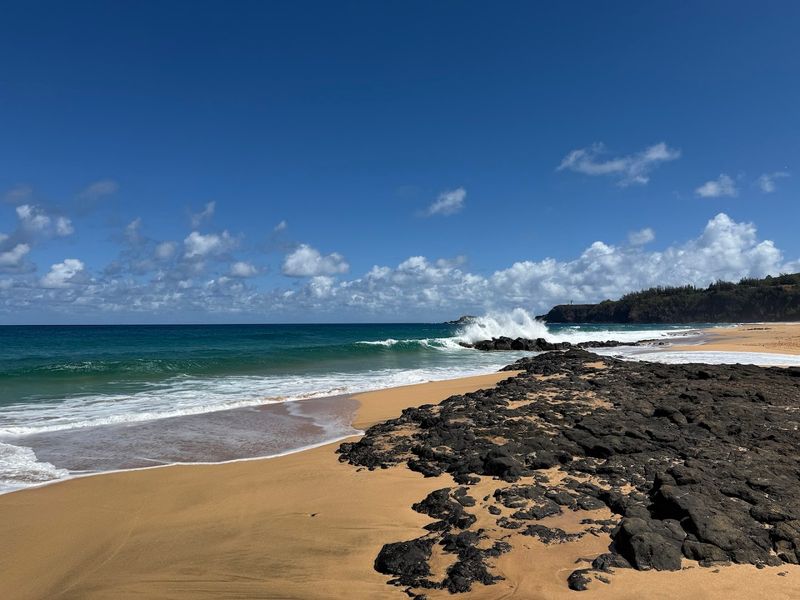
Secret Beach is a photographer’s dream, and it delivers on multiple levels. The combination of golden sand, dramatic lava cliffs, turquoise water, and the distant Kilauea Lighthouse creates a layered composition that works from almost any angle.
The waterfall near the western end of the beach is a standout subject. Its volume changes with rainfall, so visiting after a wet spell produces more dramatic shots.
The contrast between the falling water and the rugged cliffs behind it is visually striking.
Tidal pools reflect the sky during calm conditions and make for excellent close-up photography. The textures of the lava rock, the sea anemones, and the trapped water create natural still-life compositions.
Morning light hits the pools at a beautiful low angle.
Wildlife adds spontaneous drama to any visit. A monk seal resting on the sand, a sea turtle gliding through clear water, or spinner dolphins leaping offshore can turn a good photo into a great one.
Patience and a zoom lens help considerably.
The forest trail itself offers moody, atmospheric shots. Dappled light through the canopy, roots twisting across the path, and the green tunnel effect all photograph beautifully.
These trail images contrast nicely with the open beach shots.
Golden hour at Secret Beach is spectacular. The warm light catches the cliffs and turns the sand a deep amber.
Arriving an hour before sunset gives you time to set up and soak in one of Kauai’s finest natural light shows.
How To Preserve The Natural Environment
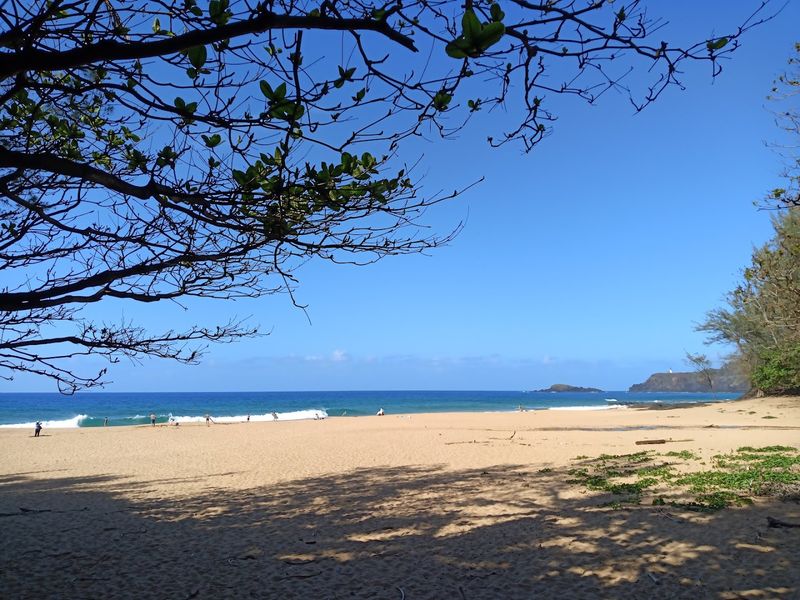
Kauapea Beach stays beautiful because enough visitors choose to treat it with respect. Leave No Trace principles are not just a suggestion here.
They are the difference between a thriving natural space and a degraded one.
Pack out everything you bring in. There are no trash cans at the beach or along the trail.
That means food wrappers, empty sunscreen bottles, and anything else you carried down needs to come back up with you.
Staying on the established trail protects the surrounding vegetation. Cutting new paths through the forest damages plant roots and accelerates erosion on the hillside.
The trail is short enough that shortcuts are never really necessary anyway.
Monk seals require a 150-foot buffer distance by law. Sea turtles are protected under federal law as well.
Respecting wildlife boundaries is not just ethical; it is a legal requirement with real consequences for violations.
Fires are not permitted on the beach. Campfires leave permanent scorch marks on the sand and can damage the coastal ecosystem.
The beach is meant for day visits, not overnight stays.
Tidal pools are fragile ecosystems. Stepping on coral or removing shells, rocks, or marine life disrupts the balance of these small habitats.
Looking is always welcome, but taking is not.
Spreading awareness about responsible beach habits is genuinely helpful. The fewer people who leave trash or disturb wildlife, the longer Secret Beach stays secret and stunning for everyone who finds it.