
12 Beginner-Friendly Hikes In New York Where You Can Spot Wildlife In Their Natural Habitat Even In 2026
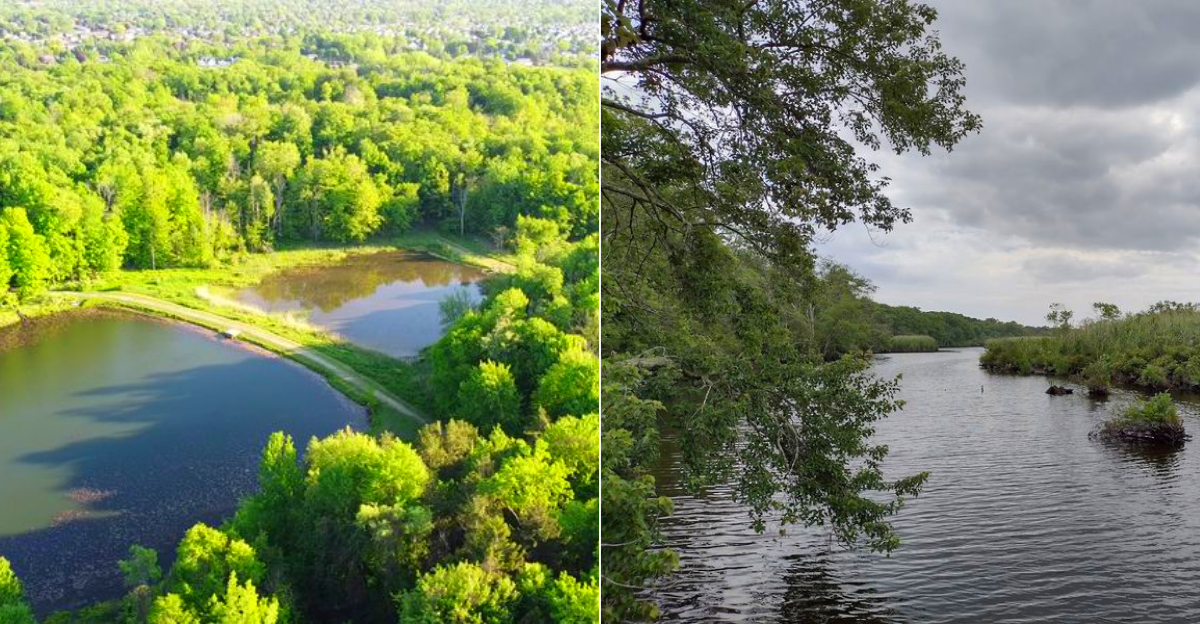
The best wildlife encounters in New York do not happen at a zoo or behind a fence or through a car window on a highway.
They happen on a quiet trail when something moves in the tree line and suddenly the whole hike has a story worth telling.
New York has more of those moments available than most people realize and the trails on this list put beginners directly in the path of them without asking anything unreasonable in return.
The trails are manageable for anyone willing to lace up and show up but the scenery and the wildlife activity along them belong to a completely different category than easy suggests.
New York’s wild spaces reward the patient and the present. These hikes are the most accessible way to find that out for yourself this season.
1. Marine Park Salt Marsh Nature Trail
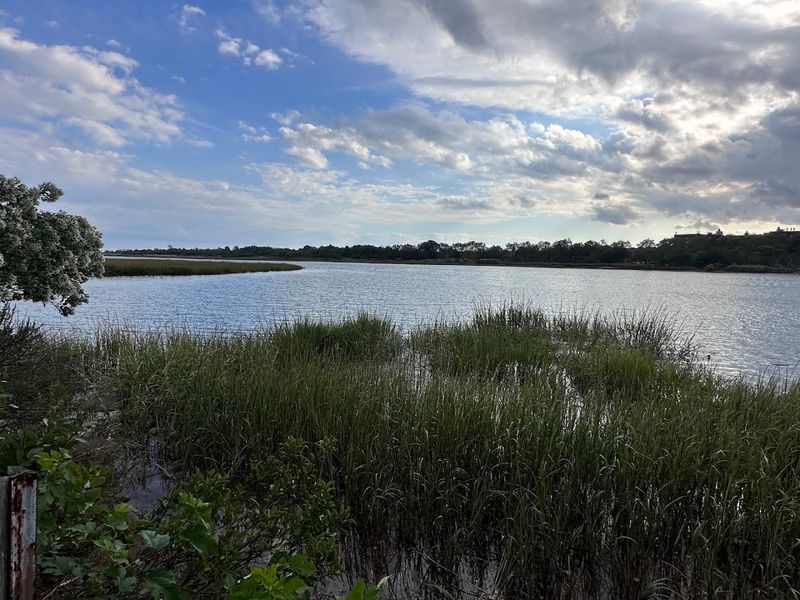
Salt marshes are some of the most productive ecosystems on the planet, and Brooklyn has one worth bragging about. The Marine Park Salt Marsh Nature Trail gives beginners a front-row seat to birds doing their thing in the wild.
Great blue herons, snowy egrets, and all kinds of shorebirds call this place home year-round.
The trail is flat, well-marked, and easy to walk even for kids. You do not need hiking boots or fancy gear.
A pair of comfortable sneakers and some curiosity will get you far here. The path runs along the marsh edge, giving you clear views of the water and the birds feeding in it.
The address is 3301 Avenue U, Brooklyn, NY 11234, and parking is available nearby. Morning visits tend to offer the best wildlife activity, especially during spring and fall migration season.
Bring binoculars if you have them because the birds here do not always come close. Marine Park is the largest public park in Brooklyn, covering over 798 acres of open space and wetlands.
It is a surprisingly wild corner of New York City that most locals have never explored.
2. Hallett Nature Sanctuary
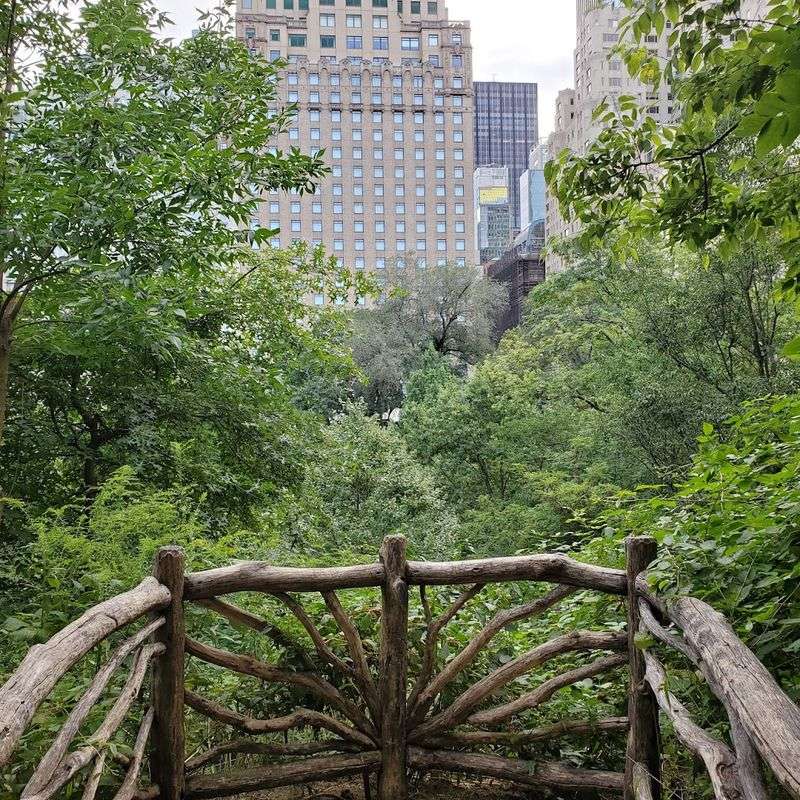
Right in the middle of Manhattan, nature found a way to hold its ground. Hallett Nature Sanctuary is a four-acre woodland inside Central Park that has been quietly rewilding itself since the 1930s.
It reopened to the public in 2016 and has been a favorite low-key adventure for city walkers ever since.
Raccoons are spotted here regularly, and turtles can often be seen sunning themselves near the pond. The birdlife is impressive too, with songbirds and migratory species passing through during spring and fall.
For a beginner hiker, it feels like a secret garden hiding in plain sight.
You can find the entrance at 6th Ave and Central Park South, New York, NY 10019. The sanctuary is open during limited hours, so checking the Central Park Conservancy website before visiting is a smart move.
Guided tours are sometimes available, which makes the experience even richer. The trails are short and easy to navigate, making it perfect for a spontaneous afternoon outing.
It is proof that even in the most urban corner of New York, wildlife finds a way to show up and show out.
3. Udall’s Cove Park Preserve
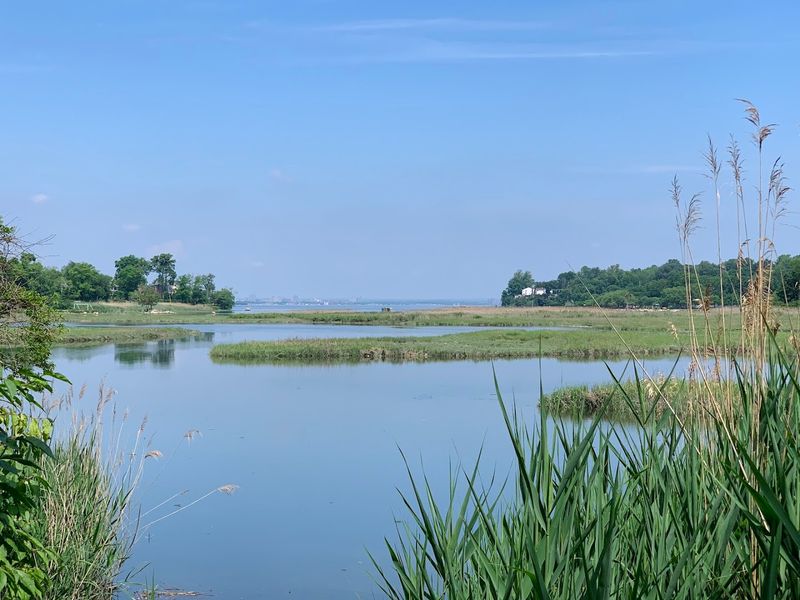
Not every great nature spot needs a fancy reputation to deliver the goods. Udall’s Cove Park Preserve in Douglaston, Queens, is one of those places that quietly overdelivers every single visit.
The preserve protects one of the last remaining tidal wetlands in New York City, and the wildlife here reflects just how healthy the ecosystem is.
Great blue herons are among the most reliable sightings, often standing perfectly still in the shallow water like they own the place.
Migratory birds pass through in large numbers during spring and fall, making those seasons especially exciting for birdwatchers.
The trails are short and easy, making the preserve very accessible for beginners and families.
Head to Little Neck Pkwy and 34th Ave, Douglaston, NY 11363, to find the trailhead. The preserve is free to enter and open year-round.
There are no restrooms on site, so plan accordingly before you head out. Early morning is the best time to spot the most wildlife activity before the day gets busy.
Udall’s Cove is a reminder that New York City still has genuine wild spaces tucked between its neighborhoods, waiting for curious visitors to find them.
4. Target Rock National Wildlife Refuge
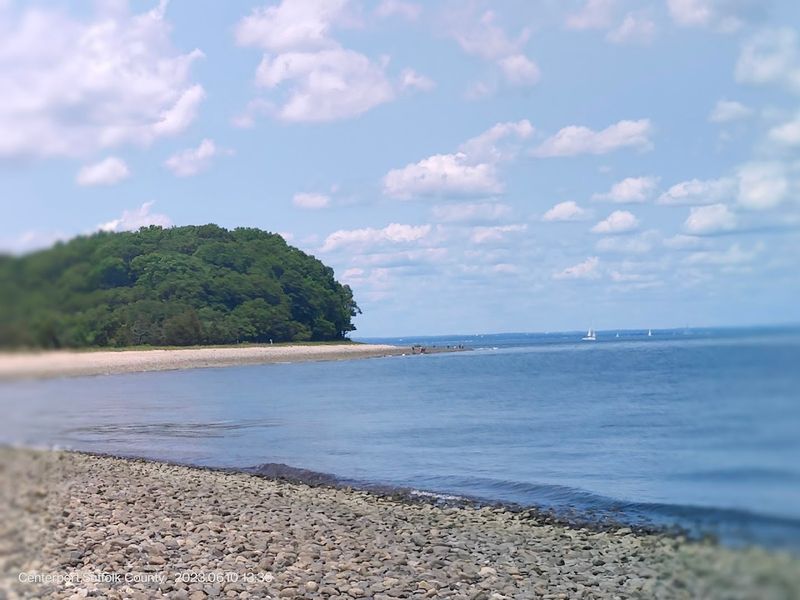
Long Island has a gem on its North Shore that most people drive right past. Target Rock National Wildlife Refuge in Lloyd Harbor is a 80-acre federal refuge managed by the U.S.
Fish and Wildlife Service. The trail here is a short, easy loop through mature hardwood forest that eventually opens up to a stunning rocky beach on Long Island Sound.
Deer are frequently spotted along the woodland path, sometimes close enough to make your heart skip a beat. Mud crabs scuttle along the shoreline rocks, and the tidal zone is full of interesting creatures for curious hikers.
The combination of forest and coastal habitat makes wildlife sightings surprisingly diverse for such a small area.
The refuge is at 12 Target Rock Rd, Lloyd Harbor, NY 11743, and a small entrance fee is required. The trail itself is under two miles, making it very manageable for beginners.
Dogs are not permitted inside the refuge, so leave the pup at home for this one. Spring and fall bring migratory birds through in impressive numbers, adding even more variety to what you might spot.
Target Rock punches well above its weight when it comes to rewarding wildlife encounters on Long Island.
5. Quogue Wildlife Refuge
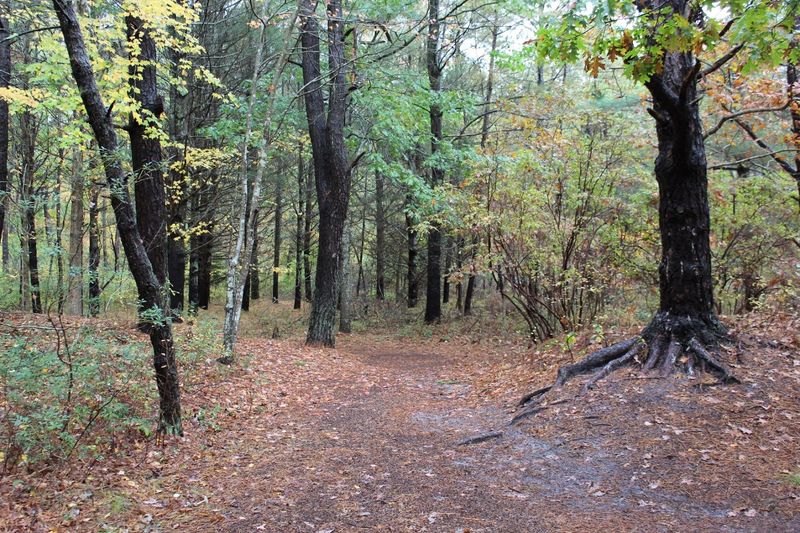
Few places on Long Island pack as much wildlife variety into a single visit as Quogue Wildlife Refuge. Spanning over 300 acres of pine barrens, wetlands, and forest, this refuge in the Hamptons area is a serious hotspot for nature lovers who are just starting out on trails.
The best part is that the trails are easy and clearly marked throughout.
Red-tailed hawks are a highlight here, often seen soaring overhead or perched dramatically on a high branch. Woodpeckers drum away in the forest, and turtles are commonly spotted near the ponds and wetland areas.
The refuge also runs educational programs and has a nature center on site, which adds real depth to the experience.
Find the refuge at 3 Old Country Rd, Quogue, NY 11959. Admission is free, and the grounds are open year-round during daylight hours.
Spring is especially lively here when nesting season kicks off and the bird activity goes through the roof. The trails range from short loops to slightly longer routes, so you can customize your walk based on how much energy you have that day.
Quogue Wildlife Refuge is the kind of place that turns casual walkers into passionate wildlife enthusiasts one visit at a time.
6. Wertheim National Wildlife Refuge
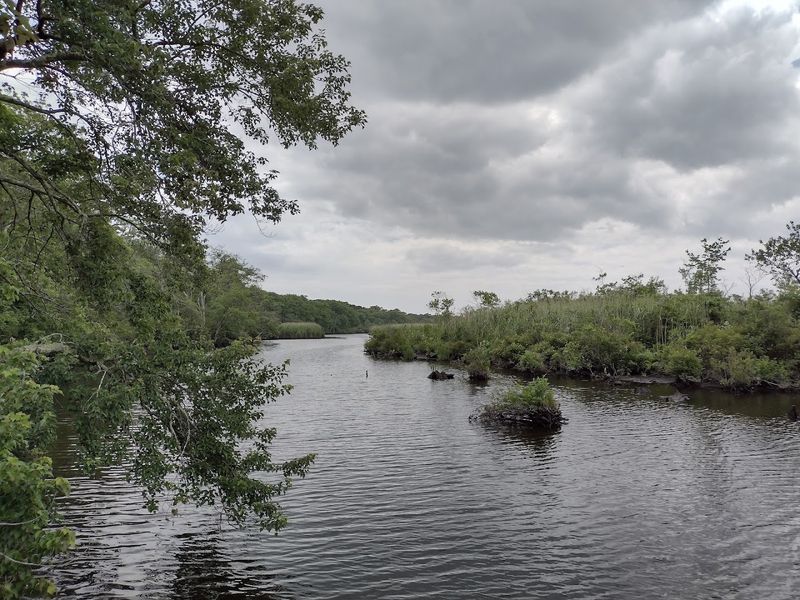
Wertheim National Wildlife Refuge is the kind of place that makes you forget Long Island is one of the most densely populated regions in the country.
Covering over 2,550 acres along the Carmans River in Shirley, the refuge offers beginner-friendly trails through forests, meadows, and wetlands that feel genuinely remote and peaceful.
Deer are a common sight along the trails, particularly in the early morning and late afternoon. Turtles can be spotted basking on logs near the river, and dragonflies zip around the wetland areas in impressive numbers during summer.
The birding here is also outstanding, with herons, ospreys, and numerous songbirds making regular appearances.
The refuge entrance is at 340 Smith Rd, Shirley, NY 11967, and access is free. Trails are open during daylight hours and are well-maintained throughout the year.
The main trail follows the Carmans River and offers beautiful water views along the way. Wertheim is also a designated Important Bird Area, which tells you everything you need to know about the quality of wildlife activity here.
For a beginner looking to experience genuine Long Island wilderness without any technical hiking demands, Wertheim delivers every single time without fail.
7. Edith Read Wildlife Sanctuary
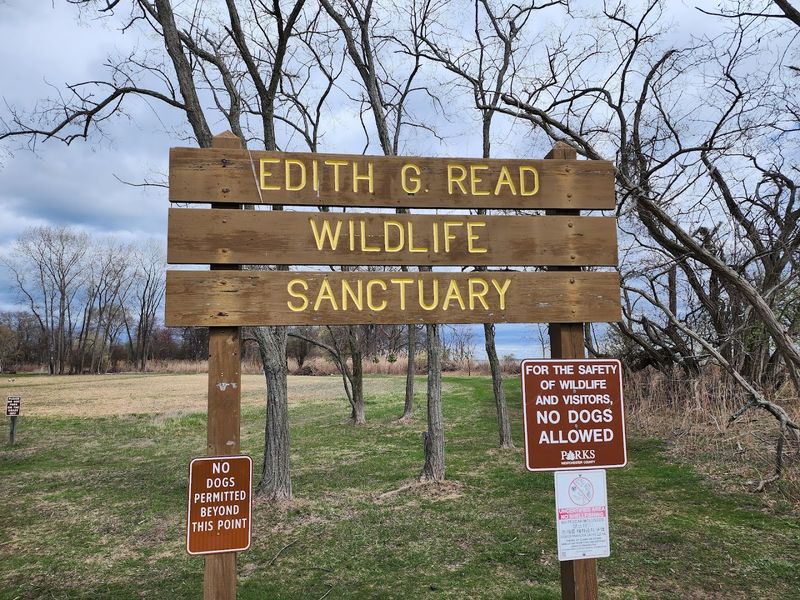
Edith Read Wildlife Sanctuary sits right next to Playland Amusement Park in Rye, which makes it one of the most unexpected wildlife havens in Westchester County. The contrast is almost funny.
Roller coasters on one side, osprey and wild turkeys on the other. Nature always finds a way to win.
Wild turkeys strut through the sanctuary with full confidence, deer graze in the open areas, and groundhogs pop up from the grass like little furry surprises.
Swans glide across the pond, and osprey can be spotted hunting over the water during warmer months.
The trails are flat, easy, and very family-friendly throughout the year.
The sanctuary is at 1 Playland Pkwy, Rye, NY 10580, right along the Long Island Sound waterfront. Entrance to the sanctuary is free, and parking is available in the Playland lot nearby.
The combination of coastal habitat, open meadows, and wooded areas creates a rich mix of wildlife zones in a very small space. Birding is excellent here during spring migration, when the sanctuary acts as a stopover for dozens of species moving through the region.
Edith Read is a genuine local treasure that deserves far more attention than it currently gets from the hiking crowd.
8. Christman Sanctuary
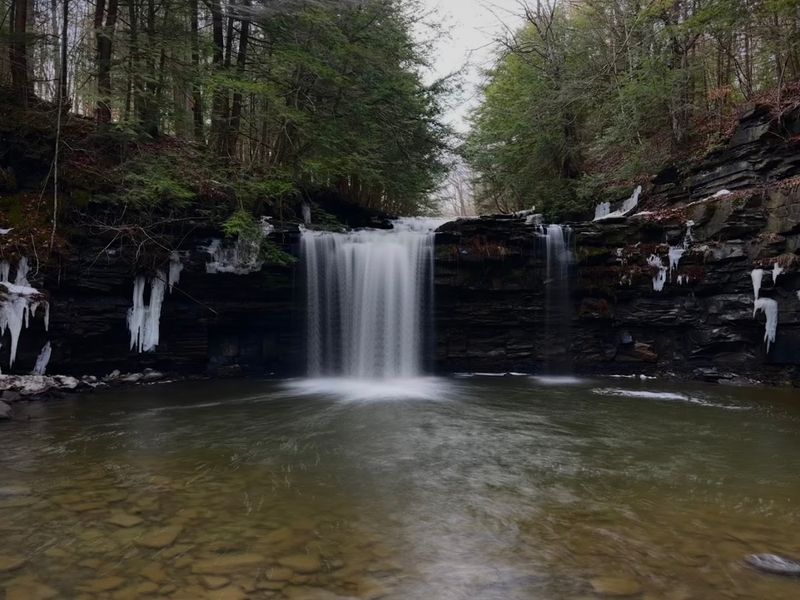
Sometimes the best hikes are the ones nobody is talking about. Christman Sanctuary in Delanson is one of those hidden spots in New York’s Capital Region that rewards the people who take the time to find it.
The sanctuary is managed by the Nature Conservancy and protects a beautiful stretch of forest along Schoharie Creek.
The trail is easy and short, making it perfect for beginners who want a genuine forest experience without a brutal climb.
A lovely waterfall along the route gives you a natural reward for your effort, and the sound of rushing water makes the whole walk feel cinematic.
Birds are abundant throughout the sanctuary, especially warblers and thrushes during spring migration.
Head to 3281 Schoharie Turnpike, Delanson, NY 12053 to reach the trailhead. The sanctuary is free to visit and open year-round, though spring and early summer offer the most vibrant wildlife activity.
The trail surface can get muddy after rain, so waterproof shoes are a smart call. Cell service is limited in this area, so downloading an offline map before you go is a good idea.
Christman Sanctuary is proof that New York’s Capital Region has wild, beautiful places that rival anything you would find in a more famous park.
9. Montezuma National Wildlife Refuge
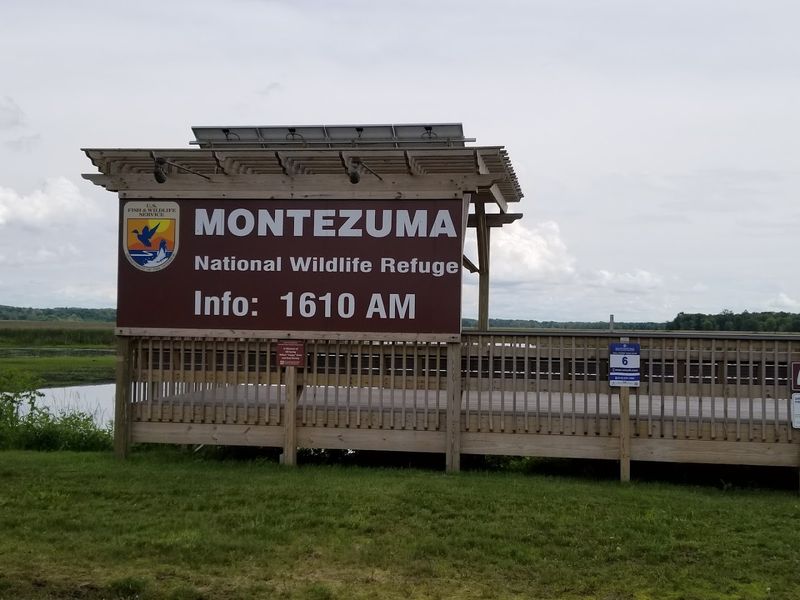
Bald eagles and herons in the same view? Yes, that is a real thing at Montezuma National Wildlife Refuge, and it happens more often than you would think.
Located in the heart of the Finger Lakes region, this refuge sits along one of the most important bird migration corridors in the entire northeastern United States. That is not an exaggeration.
The Wildlife Drive is a beginner-friendly route that lets you explore the refuge by foot or by car, giving you close-up views of the vast wetlands and the incredible bird life within them.
Canada geese gather here in massive numbers during fall migration, and bald eagles are spotted regularly throughout the year.
The scale of the wildlife activity here is genuinely breathtaking.
The refuge is at 3395 US-20, Seneca Falls, NY 13148, and entry is free. A visitor center on site provides maps, wildlife information, and helpful staff who can point you toward the best spots on any given day.
Early morning visits during spring and fall migration offer the most dramatic wildlife experiences. Montezuma is one of those places in New York that makes you feel like you have stumbled onto a nature documentary set.
Every visit is different, and every visit is worth it.
10. Iroquois National Wildlife Refuge
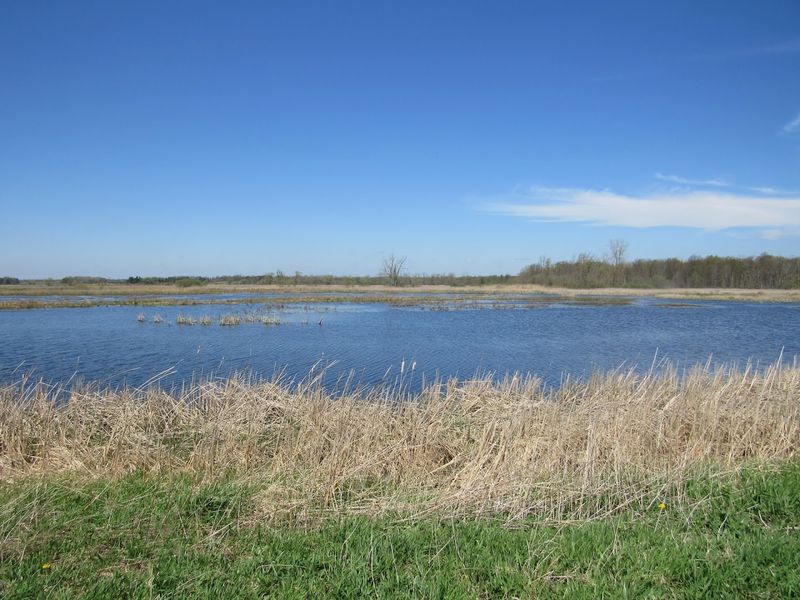
Western New York deserves more credit for its wildlife, and Iroquois National Wildlife Refuge is a big reason why.
Covering over 10,818 acres of marshland, swamps, and meadows near Basom, this federal refuge is one of the most important wetland habitats in the entire Great Lakes region.
The numbers alone are staggering.
Water birds are the main attraction, with herons, egrets, ducks, and geese filling the wetlands throughout the year. The trails are flat and easy, running along dikes and through open marshland that gives you wide, unobstructed views of the wildlife activity.
Binoculars are strongly recommended because the birds spread out across a large open landscape.
The refuge trailhead is off Casey Rd in Basom, NY 14013, and access is free year-round. Spring is the most exciting time to visit, when waterfowl migration peaks and the marsh comes alive with activity.
The refuge also offers wildlife observation platforms at strategic points along the trail, making it easy to pause and scan the wetlands for interesting sightings.
Iroquois National Wildlife Refuge is the kind of place that reminds you just how wild and vast New York really is beyond the city limits.
Plan for at least two hours to do it justice.
11. Reinstein Woods Nature Preserve
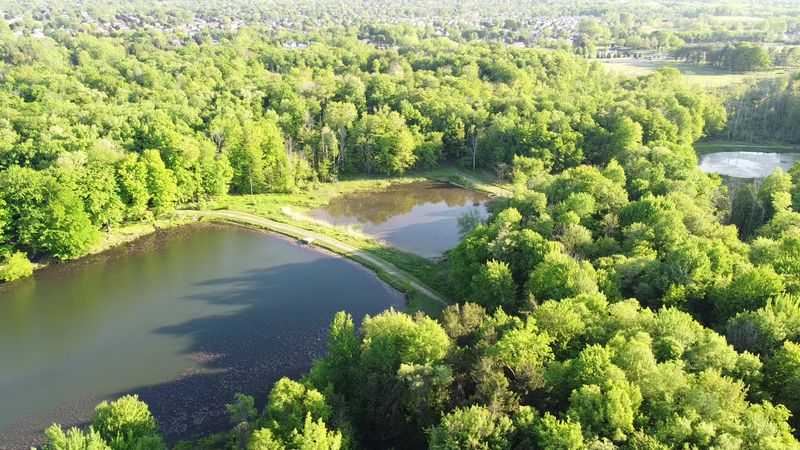
Reinstein Woods Nature Preserve near Buffalo is a 292-acre sanctuary of forests, ponds, and wetlands that feels like a world completely removed from the surrounding suburbs.
The preserve was donated to New York State by Dr. Victor Reinstein, who spent decades protecting this land from development.
His commitment to conservation made this gem possible.
Deer are spotted on almost every visit, often grazing calmly near the trail edges. Muskrats are a fun and unexpected sighting near the ponds, and turtles are reliable regulars on sunny days.
The bird life is rich and varied, with woodpeckers, songbirds, and waterfowl all calling the preserve home.
The preserve entrance is at 93 Honorine Dr, Depew, NY 14043, and admission is free. Several miles of easy trails wind through different habitat types, giving visitors a diverse experience in a relatively compact area.
The trails are well-maintained and clearly signed, making navigation simple even for first-time visitors. Guided nature walks are offered seasonally, which is a great way to learn more about what you are seeing.
Reinstein Woods is a true community treasure in western New York, and it proves that meaningful wildlife encounters do not require a long drive or an expensive trip to a national park.
12. Kaaterskill Falls Trail Head
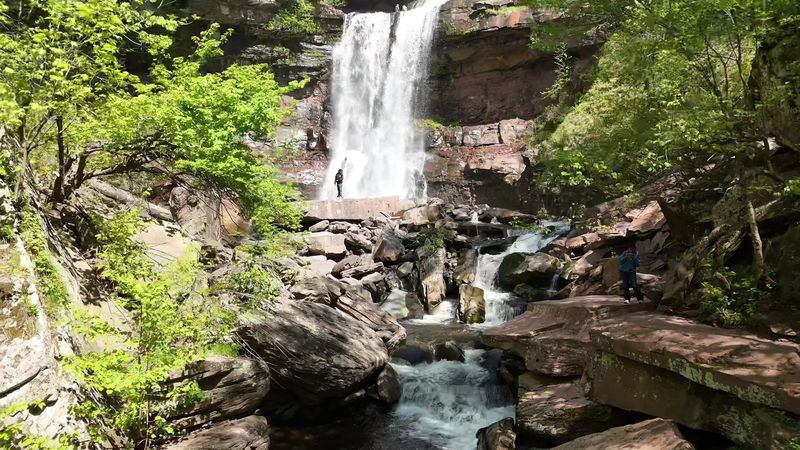
The Catskills are calling, and they have bears to prove it. The Kaaterskill Falls Trailhead near Haines Falls is one of the most iconic beginner hikes in all of New York, leading to the tallest waterfall in the state at an impressive 260 feet.
Black bears have been confirmed in the surrounding woods, which adds a genuine thrill to every visit.
The trail itself is relatively short and manageable for beginners, though the terrain gets rocky closer to the falls. The forest is dense and ancient-feeling, with towering trees and mossy boulders lining the path.
Wildlife encounters beyond bears include wild turkeys, white-tailed deer, and a wide variety of forest birds.
The trailhead is on NY-23A in Haines Falls, NY 12436, and parking fills up fast on weekends so arriving early is strongly advised. Bear safety awareness is important here.
Carry bear spray if you have it and make noise on the trail so you do not surprise any wildlife. The waterfall alone is worth the trip, but the possibility of a real wildlife encounter makes this hike feel genuinely adventurous.
Kaaterskill is the full package for beginner hikers who want both natural drama and authentic New York wilderness in one unforgettable outing.