
Most People Drive Right Past This Tennessee Town Without Realizing How Beautiful It Actually Is

What if one of the most beautiful towns in Tennessee was somewhere you have already passed? Not once.
Maybe dozens of times. Tennessee rewards the curious traveler, but only if you are paying attention.
This town has history, water views, and a downtown that photographs beautifully in every season. It has the kind of quiet confidence that does not need to advertise.
The locals love it. The people who stumble across it love it.
The only ones who do not know about it yet are the ones still driving past. That changes today.
Pull over, take a look around, and see what you have been missing every single time you stayed on the highway.
The Historic Downtown District That Time Treated Kindly

Walk through the heart of this town and you will notice something that most small towns have long since lost: a downtown that still feels like itself.
The buildings here date back to the early 1800s, and many have been carefully restored without losing their original character.
Brick facades, wide storefronts, and hand-painted signs give the area a warmth that no renovation trend could manufacture.
Local shops sell handmade goods, antiques, and regional foods.
The eateries are the kind of places where the staff already knows the regulars by name, and the menus change with the seasons.
You are not eating at a chain restaurant here. You are sitting down to food that reflects where you actually are.
The County Courthouse stands as a centerpiece of the district, its architecture drawing eyes upward and reminding visitors that civic pride once expressed itself through craftsmanship.
Strolling through this area on a weekday afternoon, you get the feeling that life moves at a pace designed for actual living.
The downtown district is compact enough to explore on foot but rich enough to keep you occupied for hours.
Fort Loudoun State Historic Park And Its Frontier Story
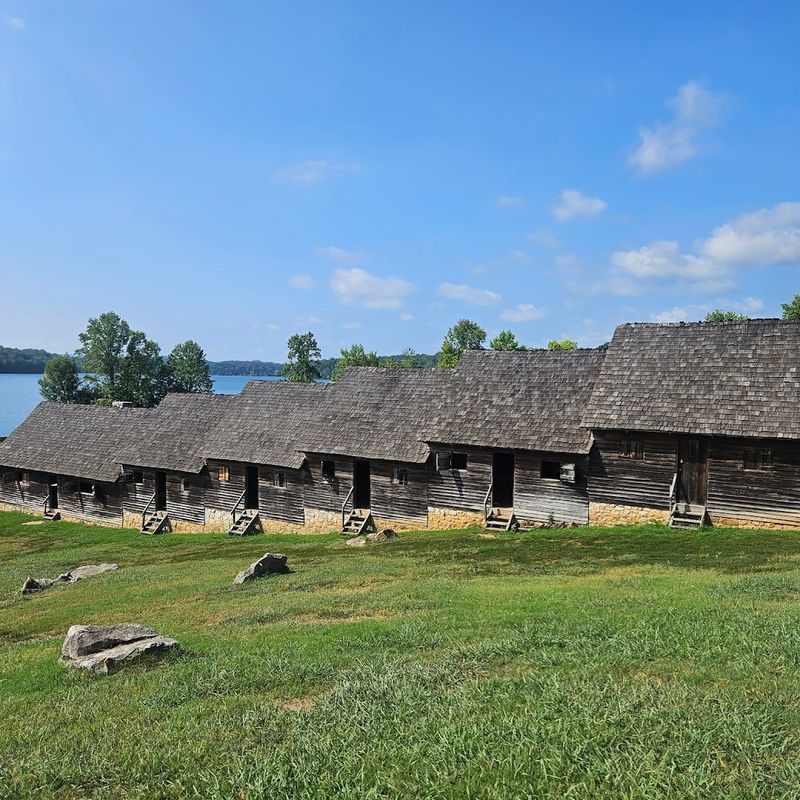
Built in 1756 during the French and Indian War, Fort Loudoun holds the distinction of being one of the earliest British fortifications constructed on the western frontier of North America. That alone makes it worth the visit.
You can feel the weight of decisions made here centuries ago, decisions that shaped the relationship between British colonists and the Cherokee Nation in ways that echoed for generations.
The 1,200-acre park offers far more than history lessons. There are hiking trails, fishing spots, and open fields where families spend unhurried afternoons.
Rangers and interpreters bring the colonial period to life through demonstrations and guided programs that manage to be genuinely engaging rather than dry.
The park sits along the shores of Tellico Lake, adding a scenic dimension that makes the visit feel complete rather than purely educational. Picnic areas overlook the water, and the surrounding landscape gives the whole site a quiet grandeur.
Fort Loudoun State Historic Park is located on Fort Loudoun Road in Vonore, just a short drive from Loudon proper, and serves as a compelling anchor for any trip to the region. Admission is free, which makes it even harder to justify skipping.
Fort Loudoun Dam Looks Like A Painting And Nobody Warned You About It

Locals have been calling it the Million Dollar View for years, and once you see it, the name makes complete sense. The overlook above Fort Loudoun Dam offers a sweeping panorama of the Tennessee River valley, where the water spreads wide and calm between rolling green hills.
On a clear morning, the reflection on the surface is almost perfectly still.
This is not a commercial attraction with a gift shop and an entrance fee. It is simply a viewpoint that rewards those who know to look for it.
Photographers drive hours to capture it at sunrise. Couples come in the evening when the light turns gold and the hills go soft with shadow.
Families stop here on road trips and end up staying far longer than planned.
The Tennessee Valley Authority manages the dam itself, and the surrounding area provides context for how dramatically the river has shaped this part of the state.
Watts Bar Lake and Fort Loudoun Lake both come into view from certain vantage points, giving the landscape a layered quality that maps cannot fully capture.
If you are passing through Loudon on US-11, the turnoff to this overlook takes only a few minutes and offers one of the most genuinely impressive views in East Tennessee.
Watts Bar Lake And The Outdoor Life It Invites
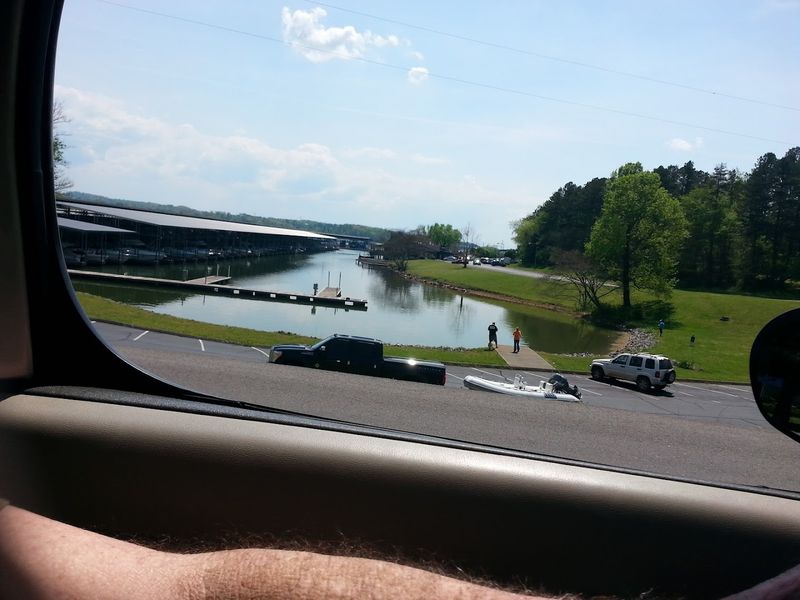
Watts Bar Lake stretches across multiple counties, but Loudon sits at a particularly appealing section of its shoreline.
The lake was created by the Tennessee Valley Authority in the 1940s when Watts Bar Dam was completed, and it has since become one of the most popular recreational bodies of water in the state.
The numbers back that up: the lake covers roughly 39,000 acres and offers 783 miles of shoreline. Fishing here is serious business for many locals.
Largemouth bass, crappie, catfish, and walleye populate the waters in healthy numbers, and anglers from across the region make regular pilgrimages to try their luck.
Kayaking and canoeing are equally rewarding, especially in the quieter coves where the water goes glassy and the only sounds are birds and the occasional paddle stroke.
Boating is a warm-weather ritual for many families in Loudon County. Several marinas and boat ramps provide easy access, and the lake is large enough that crowding rarely becomes an issue.
For those who prefer to stay on land, the shoreline paths offer pleasant walking with consistent water views. Watts Bar Lake manages to feel both expansive and intimate, depending on where you choose to spend your time along its banks.
Sequoyah Birthplace Museum And Cherokee Heritage

Sequoyah was a Cherokee silversmith and scholar who accomplished something no single individual had done before in recorded history: he created an entirely new writing system on his own, without being literate in any other language.
The syllabary he developed in the early 19th century gave the Cherokee people a written language within months of its introduction, and literacy rates in the nation rose rapidly as a result.
That is an extraordinary story by any measure.
The Sequoyah Birthplace Museum in Vonore, a short drive from Loudon, honors that legacy with exhibits that cover both his personal history and the broader arc of Cherokee culture in the region.
The museum is tribally owned and operated by the Eastern Band of Cherokee Indians, which gives the experience an authenticity that outside-managed historical sites often lack.
Displays include artifacts, documents, and interpretive panels that explain the significance of the syllabary in clear, accessible terms. The grounds sit along Tellico Lake, adding a peaceful natural setting to what is already a meaningful cultural visit.
For travelers interested in the full story of East Tennessee, the history here provides essential context. Sequoyah himself was born near this area around 1770, making the museum’s location genuinely connected to the story it tells.
Tennessee National Golf Club And The Scenery Around It
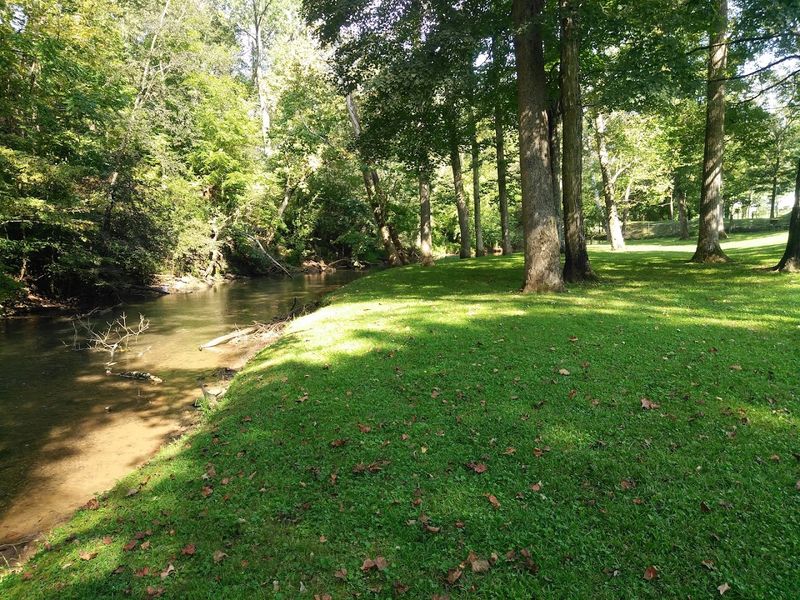
Golf courses in Tennessee are rarely short on scenery, but Tennessee National Golf Club sets a standard that most cannot match. The course runs along the shores of Tellico Lake, and several holes offer unobstructed water views that make concentration genuinely difficult.
The layout was designed to take full advantage of the natural terrain, with elevation changes and wooded corridors that keep the round interesting from the first tee to the final green.
The club operates as part of a larger residential and resort community, but the golf course itself is open to visitors who want to play without committing to anything beyond the round.
The pro shop is well-stocked, the staff is knowledgeable, and the overall experience reflects a level of care that goes beyond basic maintenance.
Tennessee National is located on Tennessee National Drive in Loudon, and the drive to reach it offers its own preview of the landscape you will spend the next several hours navigating. Even non-golfers in the group tend to appreciate the setting once they arrive.
The combination of challenging design and consistent natural beauty makes this course one of the more memorable rounds available in East Tennessee.
These Trails Meet You Wherever You Are As A Hiker
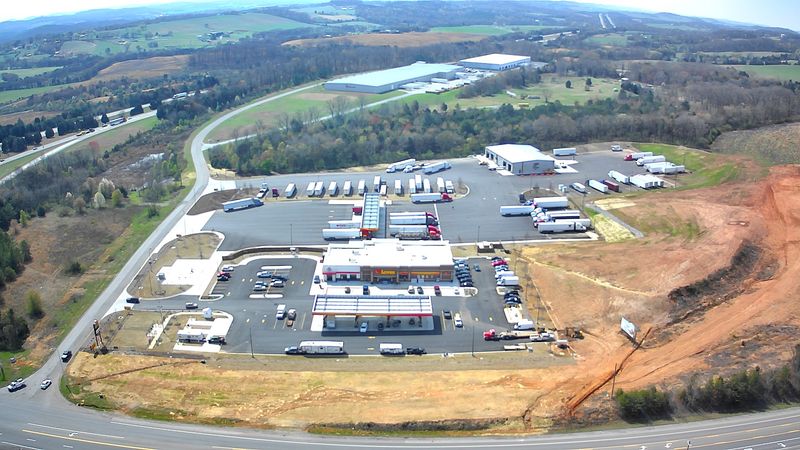
Loudon County offers trail options that range from gentle riverside walks to more demanding ridge paths with genuine elevation gain.
That range matters, because it means a family with young children and a solo hiker looking for a workout can both find something satisfying within the same general area.
The trails here do not require specialized gear or prior experience to enjoy, though they reward those who bring both.
The terrain around the Tennessee River and the surrounding hills creates natural variety. Some paths follow the water closely, offering views of the lake surface and the far bank.
Others climb through hardwood forests where the canopy closes overhead and the temperature drops noticeably even in summer.
Wildflowers appear along many routes in spring, and the fall foliage in this part of East Tennessee draws visitors who plan their trips around the color change.
Fort Loudoun State Historic Park maintains several well-marked trails on its 1,200 acres, and additional options exist on public land throughout the county. Trail conditions are generally well-maintained, and signage is reliable enough that first-time visitors can navigate without anxiety.
For anyone who has been told that Loudon is just a pass-through town, an afternoon on one of these trails tends to change that impression permanently.
The Loudon County Courthouse And Its Architectural Presence
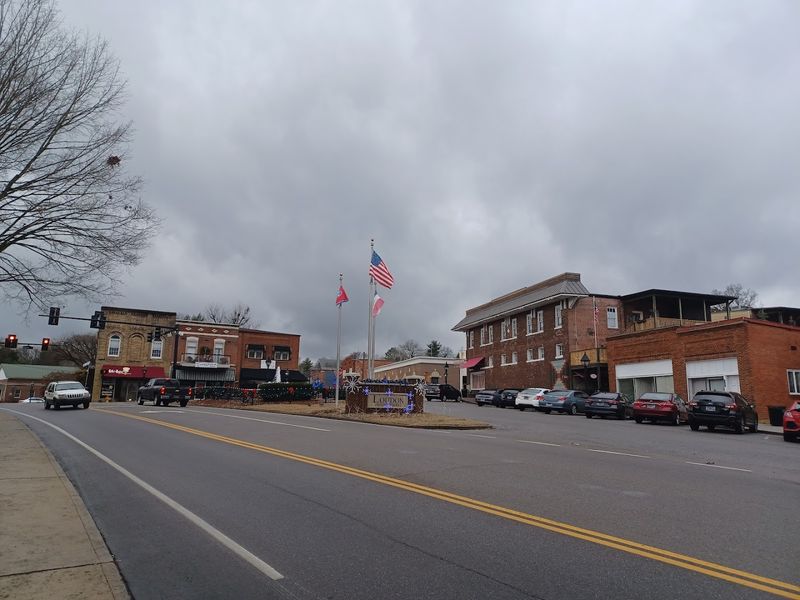
Courthouses in small American towns often tell you more about a community’s self-regard than any chamber of commerce brochure ever could. The Loudon County Courthouse is one of those buildings.
Standing at the center of the historic district, it was built in 1872 and carries the confident proportions of post-Civil War civic architecture.
The brick construction, the columned entrance, and the clock tower combine into a structure that still commands attention more than 150 years after completion.
The courthouse remains an active government building, which means its preservation reflects ongoing civic investment rather than museum-style conservation.
There is a difference between a building that is maintained because people use it and one that is maintained because someone decided it was historically significant.
This one earns its upkeep through daily function.
Photographing the courthouse from the surrounding square gives you a sense of how the rest of the downtown was organized around it.
The building appears on the National Register of Historic Places, a designation it shares with several other structures in the Loudon historic district.
For architecture enthusiasts passing through on US-11, stopping to examine this building closely is a short detour with a genuine payoff.
The Local Food Scene Here Will Surprise You In The Best Way

Small towns in Tennessee have a long tradition of feeding people well, and Loudon maintains that tradition without much fanfare. The restaurants here are not trying to be anything other than what they are, which is part of their appeal.
You will find Southern comfort food prepared with the kind of consistency that comes from cooking the same dishes for years, not weeks.
Breakfast spots in Loudon tend to fill up early on weekends, and the crowds are a reliable indicator of quality. Biscuits, gravy, country ham, and eggs prepared without shortcuts draw regulars who have no interest in driving to Knoxville for a meal they can get better right here.
The coffee is strong and the portions are honest. Lunch and dinner options expand the range without abandoning the regional identity.
Barbecue, catfish, and slow-cooked meats appear on menus alongside seasonal vegetables sourced from nearby farms.
A few newer establishments have introduced slightly more contemporary approaches to Tennessee ingredients, and the results have been well-received by both locals and visitors.
The food culture in Loudon rewards exploration rather than settling for the first place you spot from the highway.
Walking the downtown block or two reveals options that a quick drive-through never would.
The Civil War Trail Connection And What It Reveals
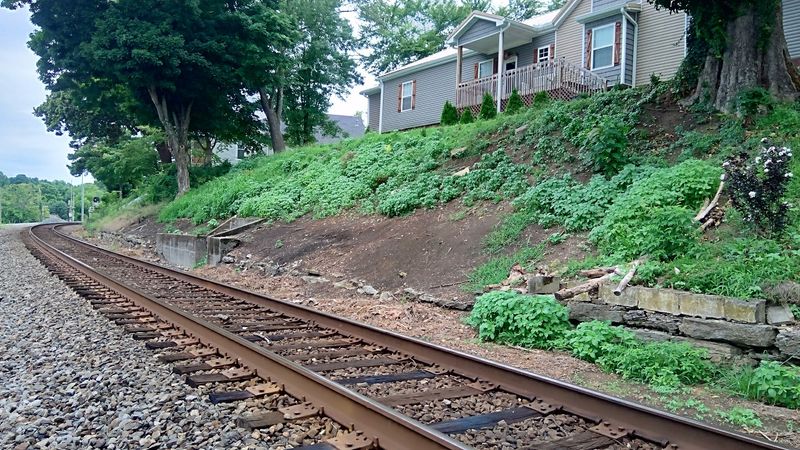
Loudon sits on the Tennessee Civil War Trail, a statewide network of historical markers and sites that documents the conflict’s impact across the state. For East Tennessee, the Civil War carried particular complexity.
The region was deeply divided, with strong Unionist sentiment persisting even as the state officially joined the Confederacy. Loudon and the Tennessee River played a strategic role in the campaign for control of the region.
The railroad bridge at Loudon was a significant military objective, and the town changed hands multiple times during the war.
Union forces under General Ambrose Burnside used the area during operations in 1863, and the landscape still holds traces of that period if you know where to look.
Historical markers along the main roads provide context for travelers willing to slow down and read them.
Following the Civil War Trail through Loudon and the surrounding county offers a way to understand the broader story of Tennessee during the conflict.
The trail connects multiple sites within a reasonable drive, making it possible to spend a full day tracing the history without leaving Loudon County.
For history-minded travelers, this context transforms the landscape from scenery into narrative.