
10 Tennessee Boomtowns Growing Faster Than Anyone Expected
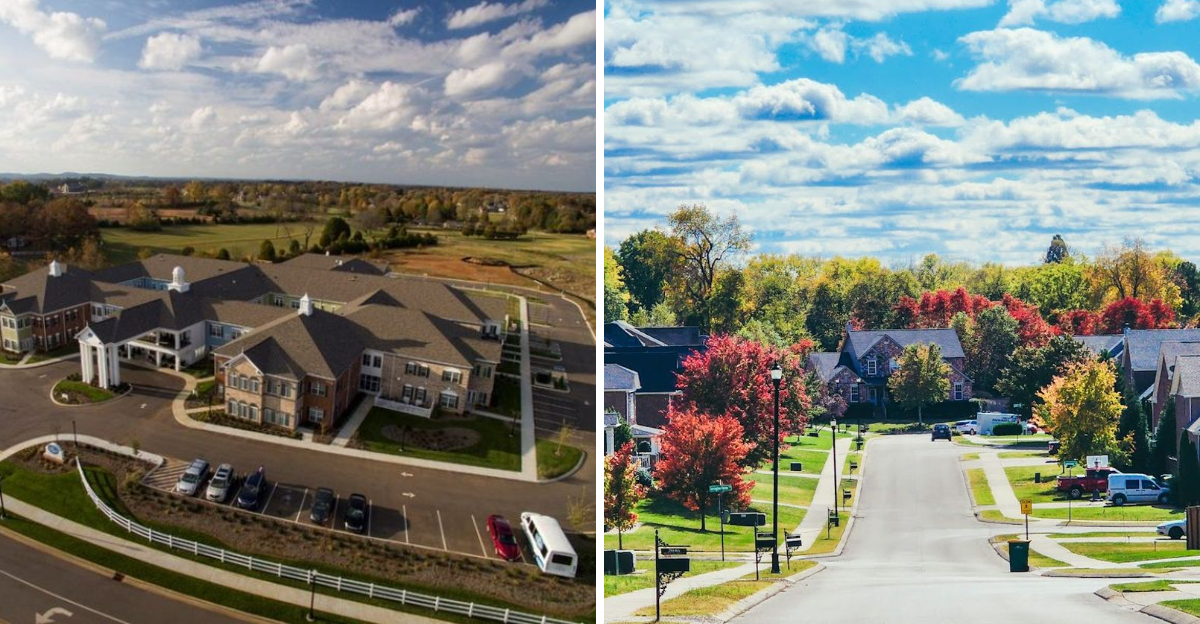
Blink and you might miss it. Drive through Tennessee today and you will find towns that look very different than they did just a few years ago.
New neighborhoods are rising, local businesses are opening their doors, and streets that once felt quiet now buzz with fresh energy.
Growth is not just happening around the biggest cities anymore. Plenty of smaller communities are attracting new residents, new jobs, and new opportunities at a pace that has surprised even longtime locals.
One visit can reveal a brand new restaurant, a busy downtown, or a housing development that seemed to appear overnight.
Of course, rapid growth brings challenges too. More traffic, higher home prices, and changing landscapes are becoming part of daily life. Yet many people see these changes as signs of exciting possibilities ahead.
Curious which Tennessee towns are expanding the fastest and drawing attention across the region? These communities are proving that big growth can happen in places few people saw coming.
1. Lebanon, Wilson County
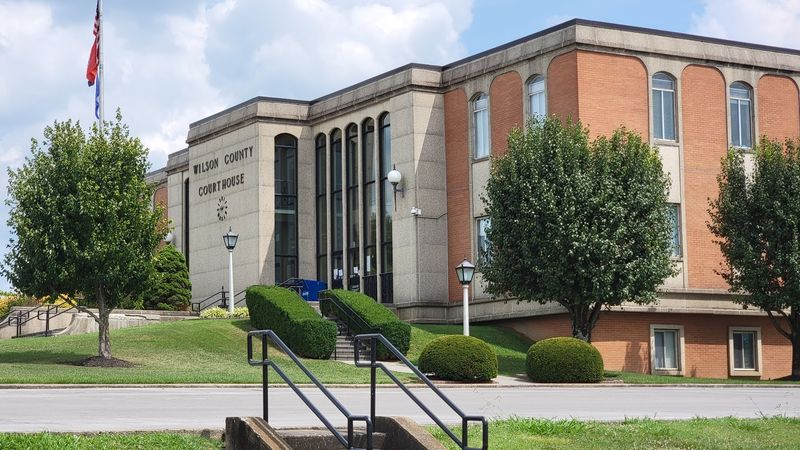
Few cities in Tennessee tell the growth story quite as boldly as Lebanon, sitting comfortably in Wilson County just east of Nashville.
Between 2020 and 2024, Lebanon’s population shot up from around 38,431 to an estimated 51,501 residents, a stunning 33.8% increase that put it firmly on the map as a boomtown to watch.
In 2023 alone, Lebanon added more than 3,950 new residents, earning it the title of the third fastest-growing city in the entire state that year. The annualized growth rate of 5.45% from 2020 to 2025 is the kind of number that makes city planners both excited and a little nervous.
What is driving all of this? Families and young professionals are discovering that Lebanon offers real Nashville access without the wallet-emptying price tag that comes with living inside the city limits.
New retail corridors, updated schools, and expanding job opportunities have made Lebanon feel less like a stopover and more like a destination in its own right.
The town still holds onto its small-city charm with local festivals, a lively courthouse square, and a strong sense of community pride. For anyone looking to plant roots in Middle Tennessee, Lebanon is quickly becoming the answer that makes the most sense.
2. Thompson’s Station, Williamson County
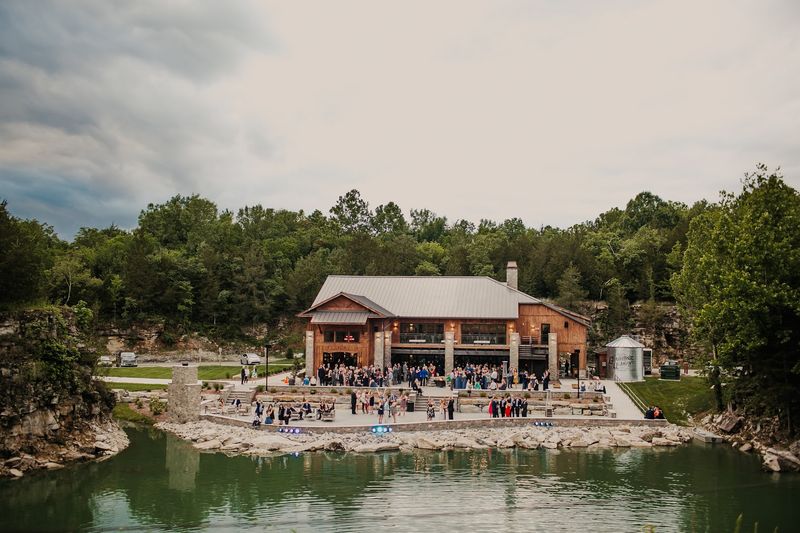
Blink and you might miss the transformation happening in Thompson’s Station, a small but fast-charging community tucked into the heart of Williamson County.
What was once a quiet rural crossroads has evolved into one of the most sought-after addresses in the entire Nashville metro area.
Williamson County consistently ranks among the wealthiest and fastest-growing counties in the United States, and Thompson’s Station benefits directly from that momentum.
New subdivisions, top-rated schools, and proximity to both Spring Hill and Franklin have made this town a magnet for families who want space, safety, and strong community ties.
The town has worked hard to balance its rapid expansion with a commitment to preserving the pastoral character that made people fall in love with it in the first place.
You will still find farm fields alongside freshly poured driveways, which gives Thompson’s Station a rare dual identity that few growing towns manage to maintain.
Local leaders have been proactive about infrastructure investments, ensuring that roads and services keep pace with the flood of new residents.
Whether you are drawn by the excellent schools, the open land, or the friendly neighborhood feel, Thompson’s Station rewards those who pay attention to where Tennessee is heading next.
3. Nolensville, Williamson County
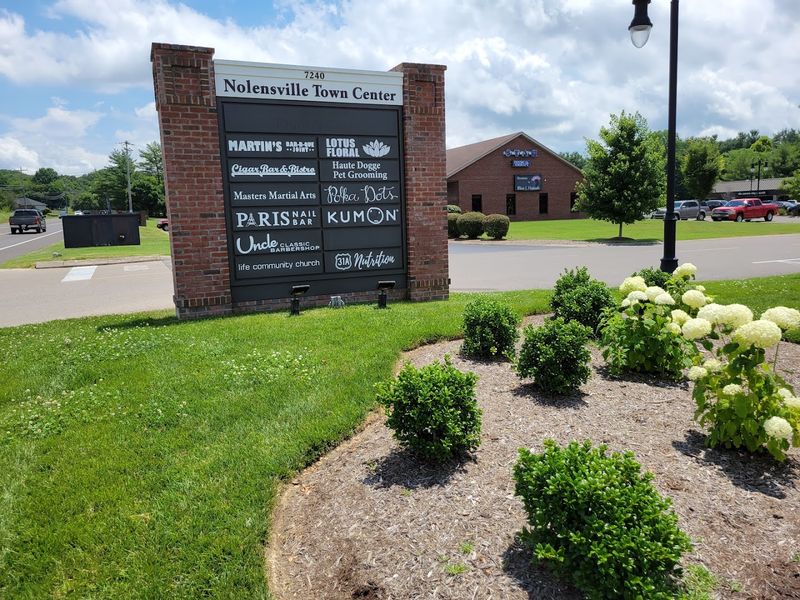
Hold onto your hat, because Nolensville is not just growing fast, it is growing at a pace that turned heads across the entire country.
Between 2010 and 2023, this Williamson County community recorded a staggering 163% population increase, earning it the title of the fastest-growing city in Tennessee.
That kind of growth does not happen by accident. Nolensville offers a rare combination of top-performing schools, a tight-knit community atmosphere, and close enough proximity to Nashville to make the commute manageable.
The average home price sits around $808,000, which tells you something important about who is moving here and what they expect. This is not a town where people are cutting corners; they are investing seriously in a community they believe in for the long haul.
Downtown Nolensville still retains a charming, walkable core with local shops and restaurants that give the town a personality all its own.
The growth has brought new amenities and expanded services, but the community has been careful to protect the small-town spirit that started the whole phenomenon.
Nolensville is proof that the right combination of quality and location can spark something truly extraordinary.
4. Mount Juliet, Wilson County
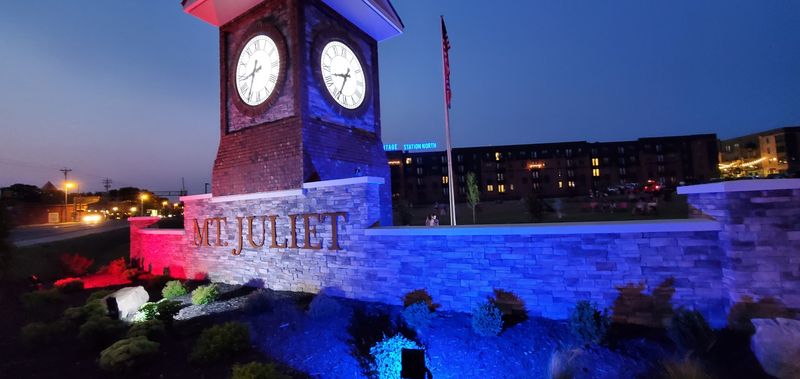
Right alongside Lebanon in Wilson County, Mount Juliet has been on a growth tear that shows absolutely no signs of slowing down.
Positioned directly between Nashville and Lebanon along Interstate 40, Mount Juliet offers one of the most strategically convenient addresses in all of Middle Tennessee.
The city has become a favorite among Nashville commuters who want more house for their money, better schools for their kids, and a neighborhood feel that gets harder and harder to find closer to the urban core.
The Providence area, with its mix of retail, dining, and residential options, has become a kind of town center that gives Mount Juliet a cohesive identity.
Wilson County as a whole has been among Tennessee’s fastest-growing counties, and Mount Juliet is one of the primary engines driving that statistic.
New apartment complexes, single-family subdivisions, and commercial developments have transformed stretches of the city that were farmland just a few years ago.
Community events, a strong parks system, and a welcoming atmosphere have helped Mount Juliet retain the neighborly warmth that first attracted residents even as the population climbs year after year.
The city is a living example of how smart planning and a great location can turn a once-quiet suburb into a thriving community worth every bit of the attention it gets.
5. Gallatin, Sumner County
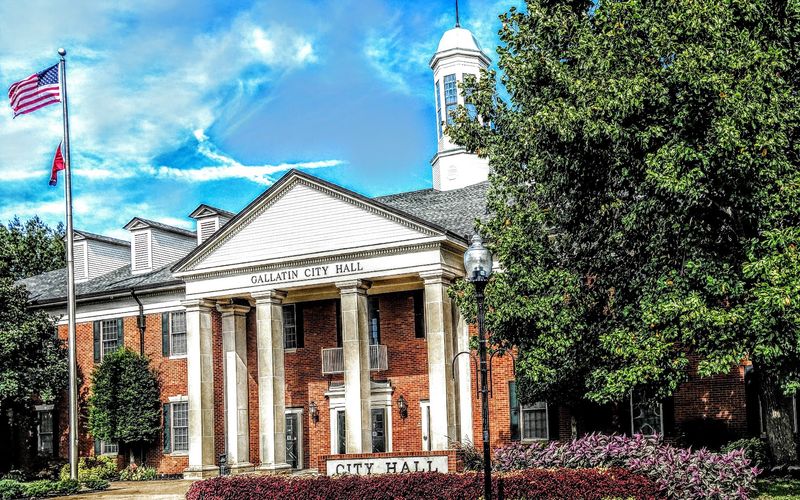
Some boomtowns grow fast and then stall out once the initial excitement fades, but Gallatin in Sumner County is playing a longer game.
With a 12.3% growth rate and a deliberate strategy of investing in its own infrastructure and local economy, Gallatin is building staying power that many fast-growth towns simply do not develop.
Situated on the shores of Old Hickory Lake just north of Nashville, Gallatin combines natural beauty with a historic downtown that has been carefully revitalized rather than bulldozed.
That balance between old and new gives the city a layered character that feels earned rather than manufactured.
The local government has been proactive about expanding parks, improving roads, and attracting employers so that Gallatin does not become purely a bedroom community.
Residents are finding more reasons to work, shop, and spend their leisure time within city limits, which strengthens the local economy in meaningful ways.
Outdoor enthusiasts have long loved Gallatin for its lake access, boating, and fishing opportunities. Those natural assets are now drawing a new generation of residents who want lifestyle alongside affordability.
With Nashville sprawl pushing steadily northward, Gallatin is positioned to keep growing while remaining a place with its own proud sense of self.
6. Spring Hill, Maury/Williamson County
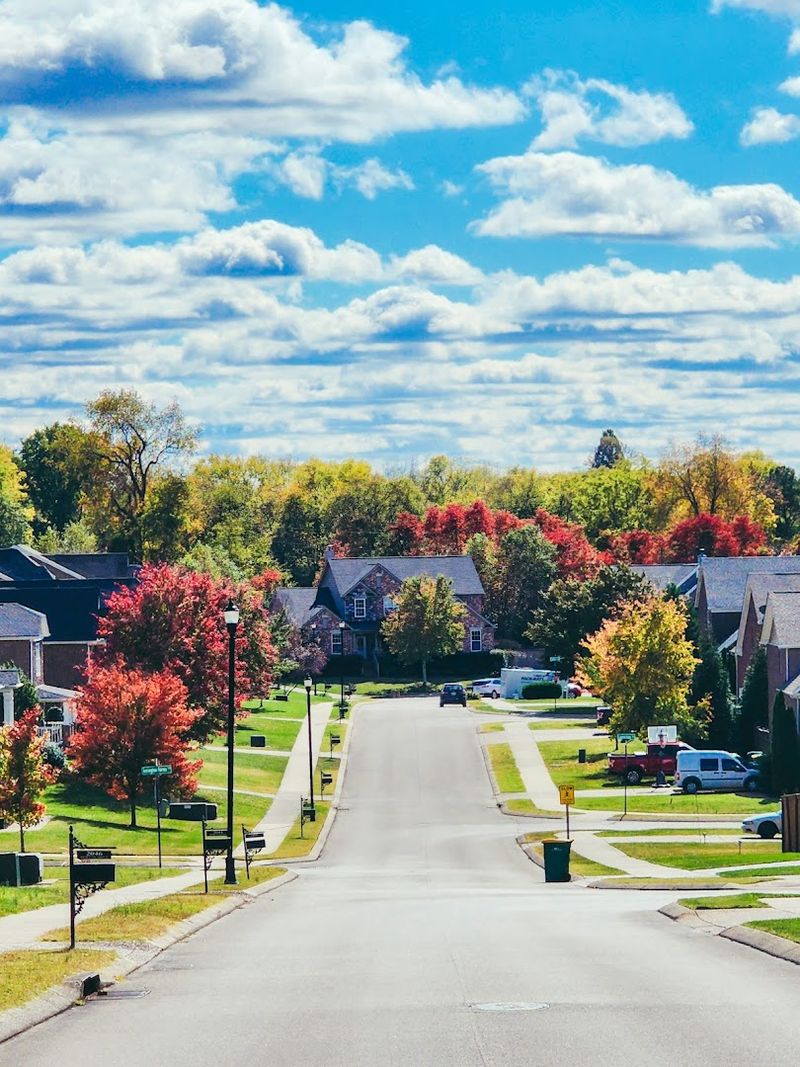
Straddling the border between Maury and Williamson counties, Spring Hill has built a reputation as one of those towns that just keeps growing no matter what the broader economy is doing.
Its favorable location along the I-65 corridor makes it a natural landing spot for people who work anywhere along the Nashville-to-Columbia stretch of Middle Tennessee.
Spring Hill is not simply riding the coattails of its more famous neighbors. The town has developed its own distinct identity, complete with local dining, community parks, and a growing arts scene that gives new residents reasons to stay close to home on weekends.
General Motors has maintained a significant manufacturing presence in Spring Hill for decades. That economic foundation, combined with the suburban conveniences that modern families expect, creates a powerful recipe for sustained growth.
Home values remain competitive compared to neighboring Williamson County hotspots, which keeps Spring Hill accessible to a wide range of buyers. New schools, upgraded road networks, and expanded retail options have followed the population surge in steady waves.
For anyone who wants suburban comfort, solid job access, and a town that feels like it is building toward something real, Spring Hill delivers on every count.
7. Murfreesboro, Rutherford County
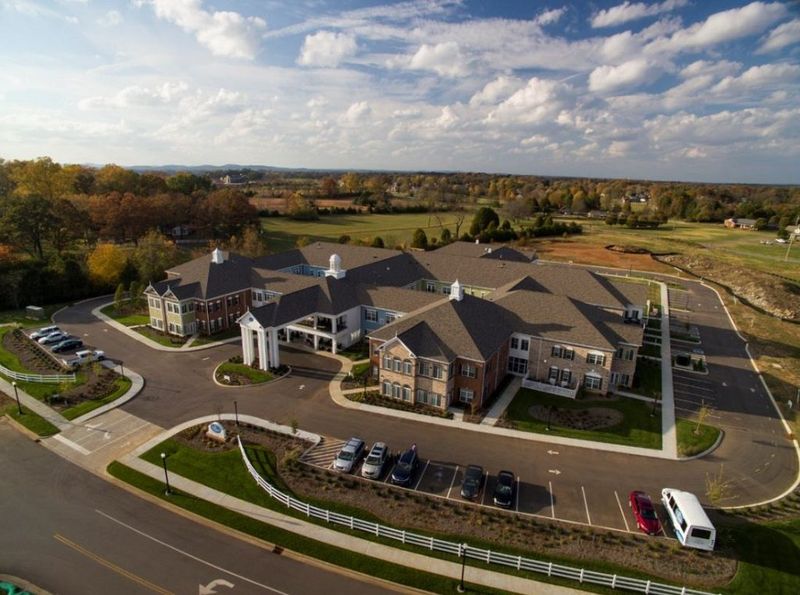
At nearly 170,000 residents and still climbing, Murfreesboro in Rutherford County is not a small town quietly sneaking up on anyone anymore.
It ranks as one of the top boomtowns in the entire country, with nearly 20% population growth and a 31% increase in housing units over just a five-year stretch.
Home to Middle Tennessee State University, Murfreesboro has a built-in engine for growth that keeps the city young, energetic, and economically diverse. The university draws students, faculty, and supporting businesses that give the city a vibrancy well beyond what its size might suggest.
From 152,769 residents in 2020 to an estimated 168,387 in 2024, the numbers tell a clear story about a city that has figured out how to grow without losing its livability. Murfreesboro came in as the fourth fastest-growing city in Tennessee in 2023.
Battlefield history enthusiasts will appreciate Stones River National Battlefield right within city limits, adding a layer of cultural depth to a city that could easily coast on its economic momentum alone.
The combination of education, history, job growth, and suburban comfort makes Murfreesboro one of the most well-rounded success stories in the entire state.
8. White House, Robertson/Sumner County
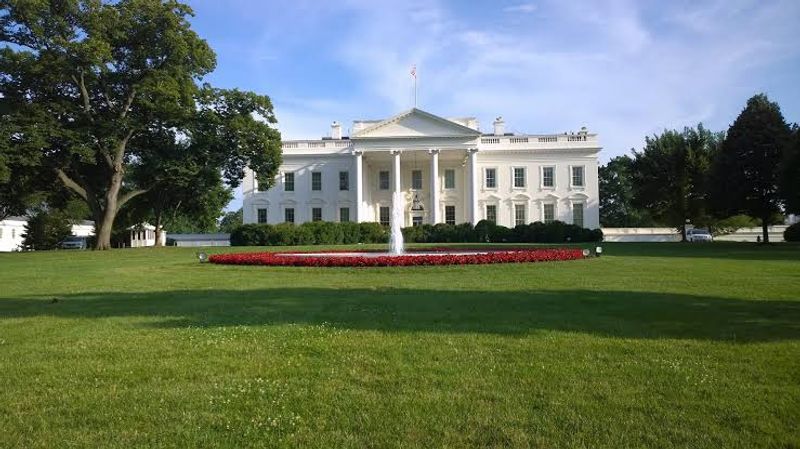
The name might make you think of Washington, D.C., but White House is very much its own story, and it is a story about a small city growing bigger with impressive consistency.
Sitting right on the Robertson and Sumner county line north of Nashville, White House carries an annualized growth rate of 4.73% from 2020 to 2025.
Its position along Interstate 65 makes White House an easy commute to Nashville, Goodlettsville, and Gallatin, giving residents access to multiple job markets without having to choose just one. That geographic flexibility is a serious draw for working families who value options.
The community has a warm, small-town personality that new residents tend to appreciate almost immediately.
Local schools have strong reputations, neighborhood events bring people together regularly, and the pace of life feels noticeably more relaxed than anything you would find inside Nashville’s city limits.
New housing developments have been filling in quickly around the older residential core, bringing fresh energy and new faces to a town that has always taken pride in knowing its neighbors.
White House may not grab the same headlines as some of the flashier boomtowns on this list, but reliable growth built on real community values is exactly what makes it worth a closer look.
9. Clarksville, Montgomery County
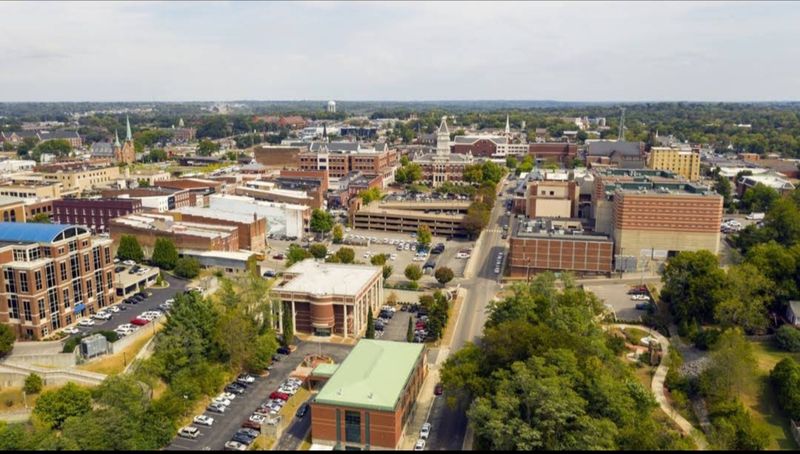
Money magazine named Clarksville one of its Best New Boomtowns for 2024, and honestly, it is hard to argue with that assessment.
Located in Montgomery County along the Cumberland River in northwestern Tennessee, Clarksville grew from 166,722 residents in 2020 to 185,690 in 2024.
The presence of Fort Campbell gives Clarksville a steady influx of military families who often choose to stay long after their service ends. That kind of loyal, community-minded population creates a remarkably stable foundation for a city that is simultaneously growing fast.
Austin Peay State University adds an academic heartbeat to the city, supporting arts, culture, and a younger demographic that keeps the social scene lively and the local economy diversified.
The combination of military heritage and university energy gives Clarksville a dual personality that few cities its size can match.
Downtown Clarksville has seen significant reinvestment, with restored historic buildings, riverfront parks, and a growing restaurant scene drawing both locals and visitors.
The city balances its rapid expansion with genuine civic pride, making it feel far more complete and self-sufficient than your typical fast-growing suburb.
Clarksville is not just growing; it is genuinely thriving on its own terms.
10. Hartsville, Trousdale County
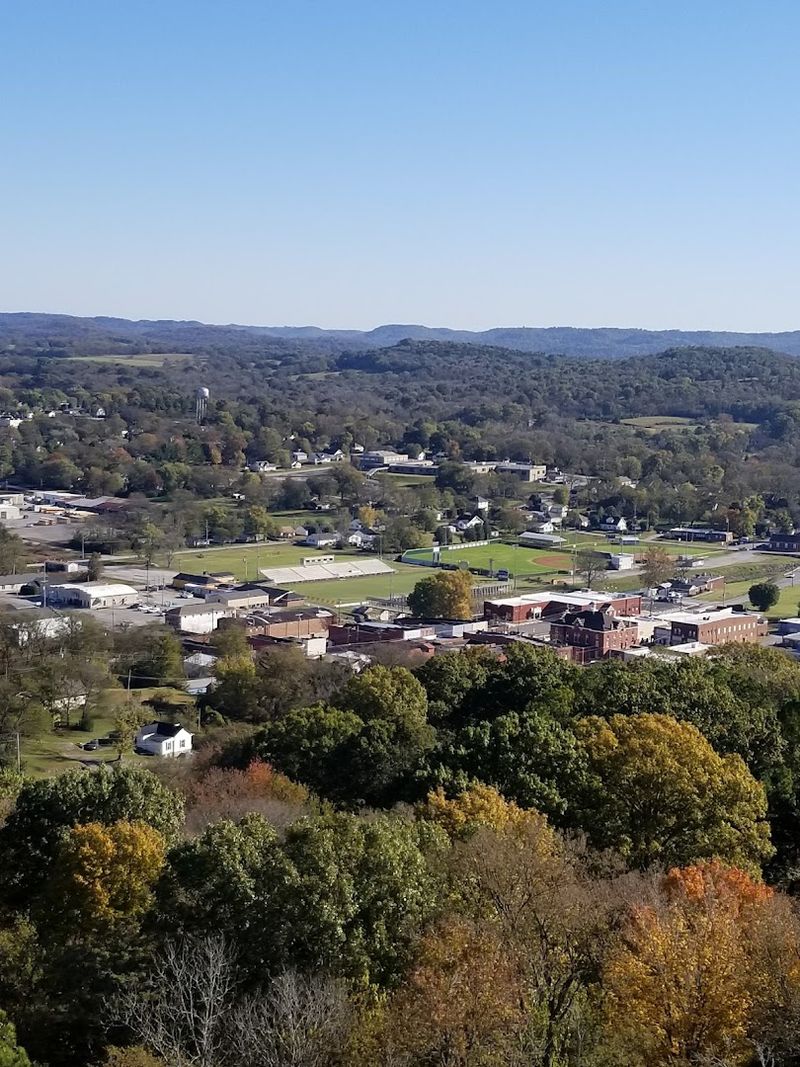
Trousdale County is the smallest county in Tennessee by land area, but do not let that fool you into thinking Hartsville is standing still.
This small city along the Cumberland River has been quietly building momentum as affordability and quality of life send people searching beyond the immediate Nashville metro orbit for a place to call home.
Hartsville sits far enough from Nashville to offer lower land and housing costs, yet close enough to remain a realistic option for people willing to trade a longer commute for a different lifestyle.
The town carries a deep sense of history that you can feel walking through its compact but well-preserved downtown. Local landmarks, community events, and a tight social fabric give Hartsville the authentic small-town character that newer developments in faster-growing suburbs.
The Cumberland River provides both scenic beauty and recreational opportunities that outdoor-loving newcomers find genuinely refreshing. Fishing, kayaking, and peaceful riverside walks are practically part of daily life here.
As Tennessee’s better-known boomtowns grow increasingly crowded and expensive, places like Hartsville are quietly stepping into the spotlight as the next chapter of the state’s remarkable growth story.