
Many People Live Their Whole Life In Tennessee Without Seeing These Incredible Places
How many places can you pass by for years without realizing they are worth the trip? Tennessee has a way of surprising even the people who know it best.
One weekend drive can lead to a waterfall, a strange roadside stop, a quiet overlook, or a historic site that feels far more interesting than its fame suggests.
The funny thing is, many of these places are not hard to reach. They are simply easy to miss. Locals get busy. Travelers follow the same routes. Before long, some of the most memorable corners of the state stay off the usual list.
That is what makes this kind of adventure so satisfying. It does not require a huge budget or a complicated plan. It only asks for curiosity and a little extra time.
These incredible Tennessee places prove there is always something new to see, even when you thought you already knew the state.
1. Mound Bottom, Kingston Springs
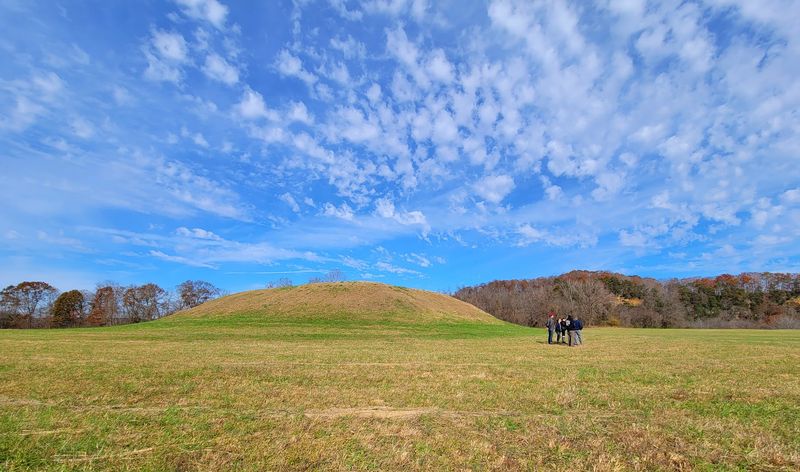
Standing quietly in a bend of the Harpeth River, Mound Bottom is one of the most significant prehistoric sites in the entire southeastern United States, and almost nobody in Tennessee has ever walked its grounds.
Located in Cheatham County near Kingston Springs, this complex contains multiple earthen platform mounds arranged around a seven-acre central plaza. People lived and gathered here between approximately 1000 and 1300 AD.
Because the site is surrounded on three sides by the Harpeth River, access is not a simple matter of pulling off the road. Visitors must obtain advance permission through Harpeth River State Park before setting foot on the property, which is exactly why so few people ever make the trip.
That permission process acts as an unintentional filter, keeping the site quiet and well-preserved for those who actually seek it out. The mounds themselves are impressive in scale, and the flat central plaza gives a real sense of how organized and purposeful this community once was.
Managed as part of Harpeth River State Park, the site sits within a broader natural area that also offers canoeing, hiking, and scenic river views.
If you are willing to plan ahead and make the call, Mound Bottom rewards you with an experience that feels genuinely rare and completely unlike anything else in the state.
2. Whiteoak Sink, Great Smoky Mountains National Park, Townsend
You will not find Whiteoak Sink on any official Great Smoky Mountains National Park trail map, and that is precisely what makes it feel like a reward for the curious.
Reached by an unmarked route near Townsend, this massive sinkhole basin drops into a world that feels completely separate from the busy park surrounding it.
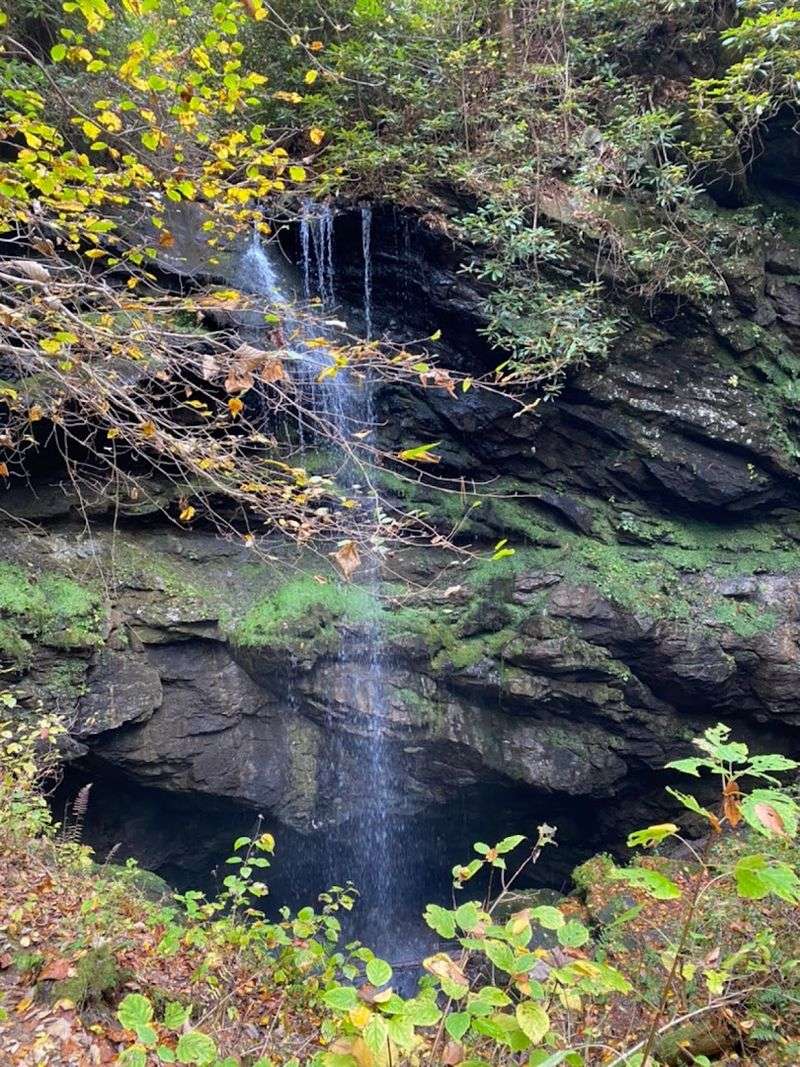
Steep hills rise on all sides, caves and smaller sinkholes dot the floor, and a waterfall plunges directly into a cave opening inside the basin itself. That last detail alone is worth the trip.
The area has a layered human history that adds depth to the scenery. Native Americans once inhabited this basin, and European settlers followed centuries later.
Hikers today may still come across the weathered remains of old structures partially reclaimed by the forest, quiet reminders that people once called this unusual landscape home.
Because the route is unmarked, a solid topographic map and good navigation skills are genuinely helpful before you head out. The terrain can be slippery after rain, and the caves, while fascinating to observe, should be approached with caution.
Early spring and late fall offer the clearest views through the trees and the best chance of seeing the waterfall at full flow.
Whiteoak Sink is the kind of place that makes experienced Smoky Mountains hikers feel like first-time explorers all over again.
3. Pogue Creek Canyon State Natural Area, Jamestown
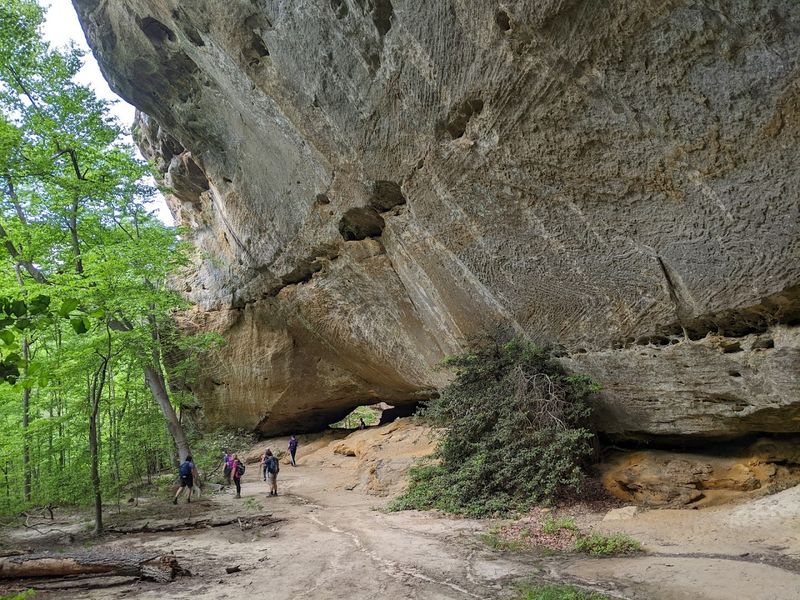
Close your eyes and picture a deep canyon carved with sandstone bluffs, natural arches, cascading waterfalls, and flat-topped mesas.
Now open them and realize you do not have to fly to Arizona to see something like that, because Pogue Creek Canyon State Natural Area near Jamestown has been sitting there quietly the whole time.
Located in the Upper Cumberland region of the state, this natural area is genuinely unknown to most Tennesseans outside the immediate area.
The canyon walls reach impressive heights, and the combination of geological features packed into one relatively compact space is the kind of thing that stops hikers mid-step.
Caves cut into the bluffs, small waterfalls thread through the rock, and arches frame views that look almost too dramatic to be real. The trails are rugged and not heavily maintained, which means visitors should come prepared with sturdy footwear and a reliable sense of direction.
What sets Pogue Creek Canyon apart even further is its sky.
The area ranks among the darkest night sky locations in the entire southeastern United States, making it an outstanding destination for stargazing. On a clear night away from city light pollution, the stars here are the kind that make you stop talking entirely.
If you have ever felt like Tennessee was short on dramatic landscapes, Pogue Creek Canyon is ready to change your mind completely and probably make you a little annoyed that nobody mentioned it sooner.
4. Loretta Lynn’s Ranch, Hurricane Mills
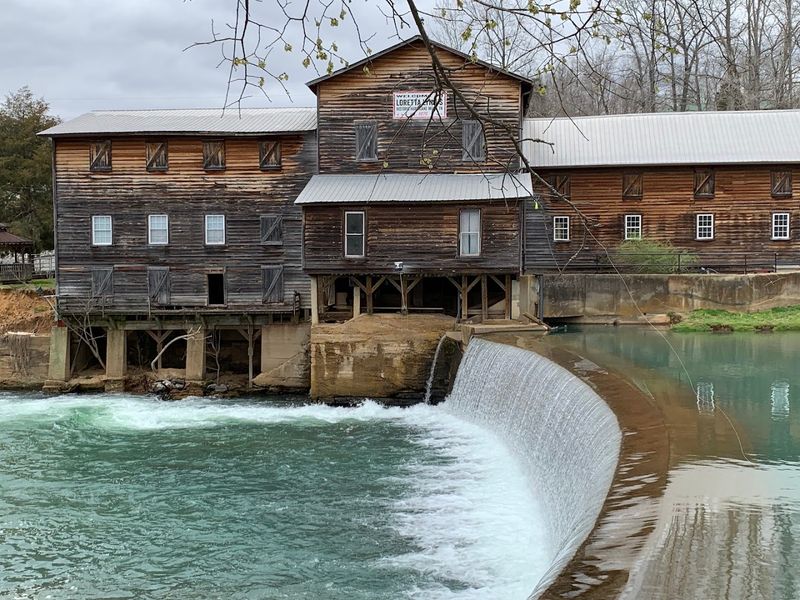
Thousands of Tennessee drivers have passed the Hurricane Mills exit on Interstate 40 for decades without once pulling off the highway. That is a genuine shame, because what sits down that road is far more than a country music museum.
Loretta Lynn’s Ranch spans 3,500 acres and operates as a fully working property that has been welcoming visitors for years.
The site includes a simulated coal mine that gives a vivid sense of the Appalachian mining life Lynn grew up around, a faithful replica of her childhood home in Butcher Hollow, Kentucky, a grist mill museum, and a collection of Native American artifacts.
Beyond the historical exhibits, the ranch offers horseback riding and camping, making it a practical destination for families who want more than a single afternoon of activity.
The scale of the property means there is genuinely more ground to cover than most visitors expect when they first arrive.
Loretta Lynn herself shaped much of what visitors experience here, and that personal touch comes through in the details throughout the property.
This is not a corporate attraction assembled after the fact. It is a place that grew organically from one person’s life and connection to the land.
For a state that takes enormous pride in its country music heritage, it is remarkable how many Tennesseans have never made the short detour to see one of the most personal and well-preserved pieces of that heritage sitting right off the interstate.
5. Nickajack Cave, New Hope
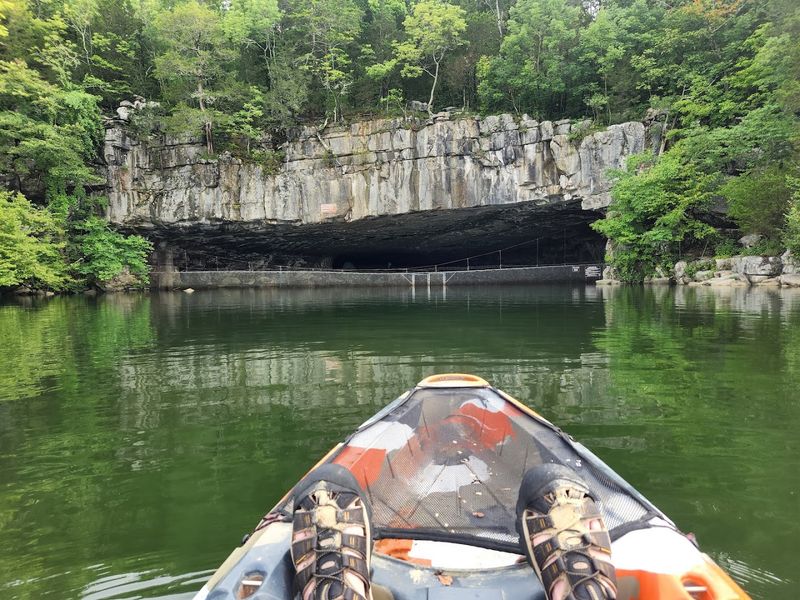
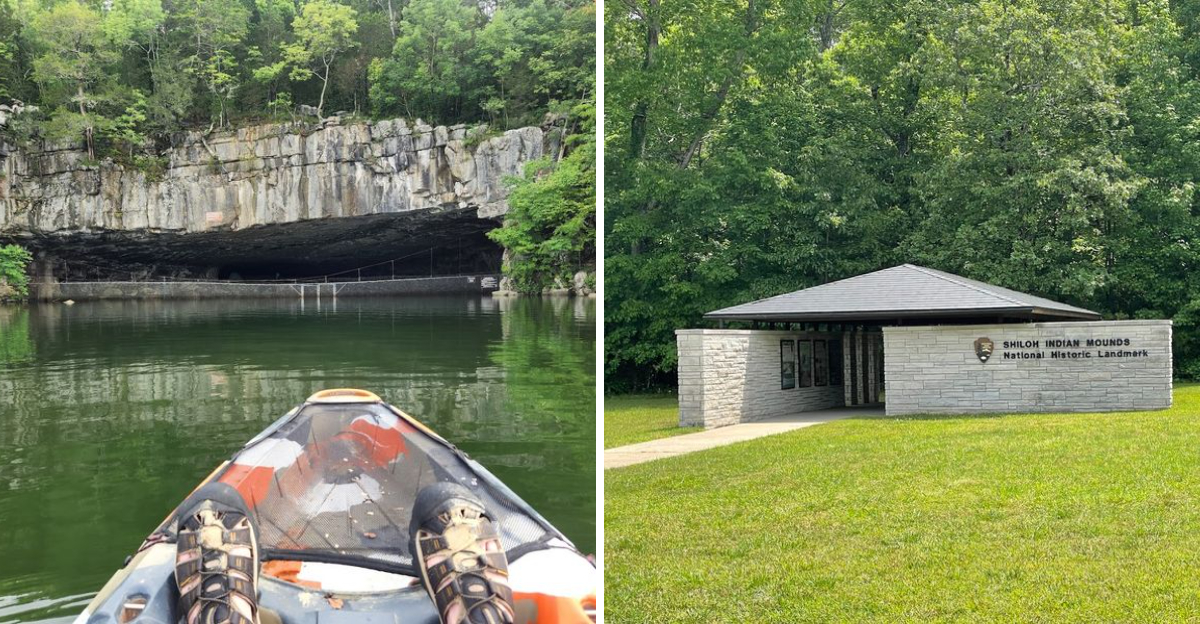
Three miles from a busy interstate, one of the most spectacular natural events in Tennessee happens every summer evening, and most people in the state have never heard of it.
At Nickajack Cave near New Hope, tens of thousands of endangered gray bats pour out of a cave entrance that stretches 140 feet wide, forming a continuous living ribbon in the sky that lasts nearly 45 minutes.
Watching from a kayak on the water below while the bats stream overhead is the kind of experience that rewires your understanding of what nature can actually do.
The cave carries a remarkable human story as well. Johnny Cash once entered Nickajack Cave intending never to return, crawling deep into the darkness until his flashlight gave out.
He described finding a sense of peace and spiritual clarity inside that cave that changed the direction of his life entirely.
The bat emergence is best viewed from late May through August, and kayaking to the entrance is the recommended way to watch without disturbing the colony. The cave itself is managed as a protected habitat and is not open for interior exploration.
Nickajack Cave has maintained an almost implausible level of obscurity among Tennessee residents, which means your first visit will feel like discovering it yourself.
6. Gray Fossil Site, Gray, Near Johnson City
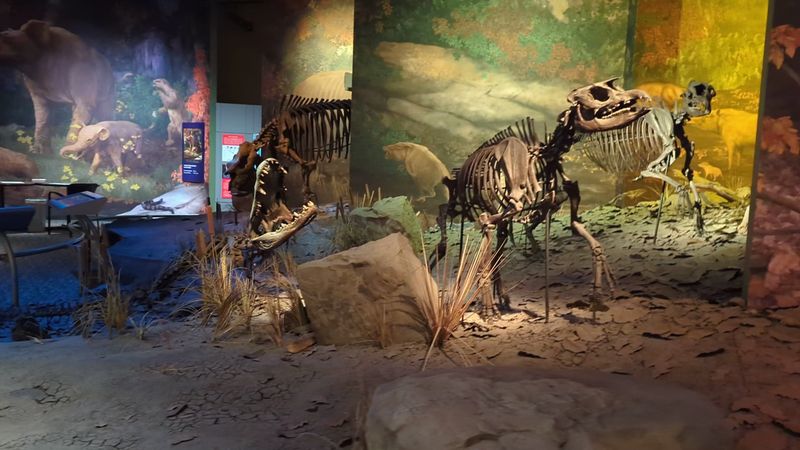
Road construction crews in 2000 hit something unexpected while grading near the small community of Gray in northeastern Tennessee. What they found turned out to be one of the most significant paleontological discoveries in the history of the eastern United States.
The Gray Fossil Site preserves the remains of hundreds of extinct animals that roamed East Tennessee approximately five million years ago.
Saber-tooth cats, ancient rhinos, alligators, tapirs, and a ten-ton mastodon are among the species recovered from the site.
What makes the site genuinely unique as a visitor experience is the large viewing window that allows guests to look directly down into the active excavation while paleontologists work in real time below.
It is not a reconstructed display or a static exhibit. The science is happening right in front of you.
Located just outside Johnson City, the site also houses a museum with fossils, interactive displays, and educational programs that make it a strong destination for families.
The facility has expanded significantly since the initial discovery and continues to yield new specimens each field season.
For a site of this caliber sitting just off a state highway in the upper corner of state, the fact that many people has never heard of it is one of the more baffling oversights in Tennessee tourism.
7. Coker Creek Gold Panning District, Monroe County
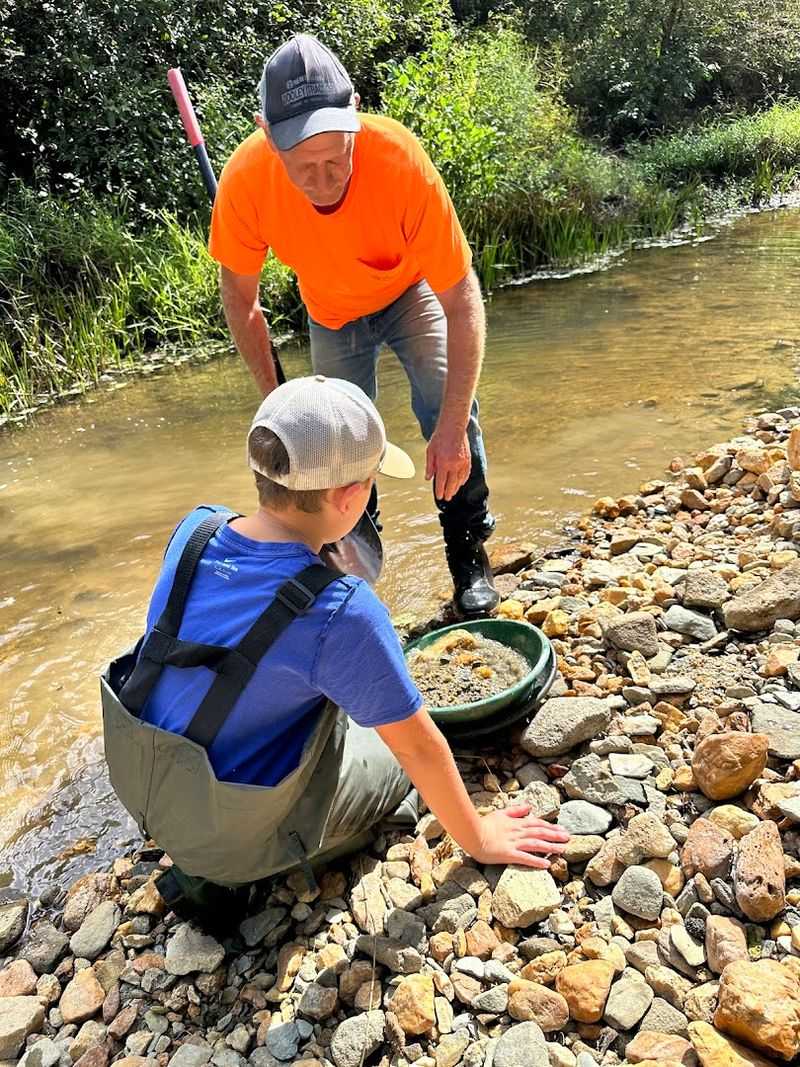
Gold prospectors were working the streams of what is now Monroe County as early as 1827, back when the land still belonged to the Cherokee Nation, making this one of the earliest gold rush sites in American history.
The Coker Creek area saw its peak mining activity between 1856 and 1860, when somewhere between 600 and 700 prospectors worked the creek beds in search of placer gold. That era faded, but the gold did not entirely disappear.
Today, anyone can walk into the Coker Creek Gold Panning District inside Cherokee National Forest, pick up a free permit, and pan for real gold in the same streams that drew those early prospectors nearly two centuries ago.
No special equipment is required to get started, and the creeks are clear, beautiful, and surrounded by some of the most pleasant forest scenery in eastern Tennessee.
Small flakes and occasional nuggets are still found by patient visitors, and the act of crouching over a cold mountain stream with a pan in your hands connects you to a piece of American history in a way that feels immediate and tangible.
The surrounding Cherokee National Forest offers camping, hiking, and fishing to round out a full weekend trip. Almost no one outside of Monroe County seems to know this activity is both legal and completely free, which makes it one of the best-kept recreational secrets in the entire state.
8. Shiloh Indian Mounds, Hardin County
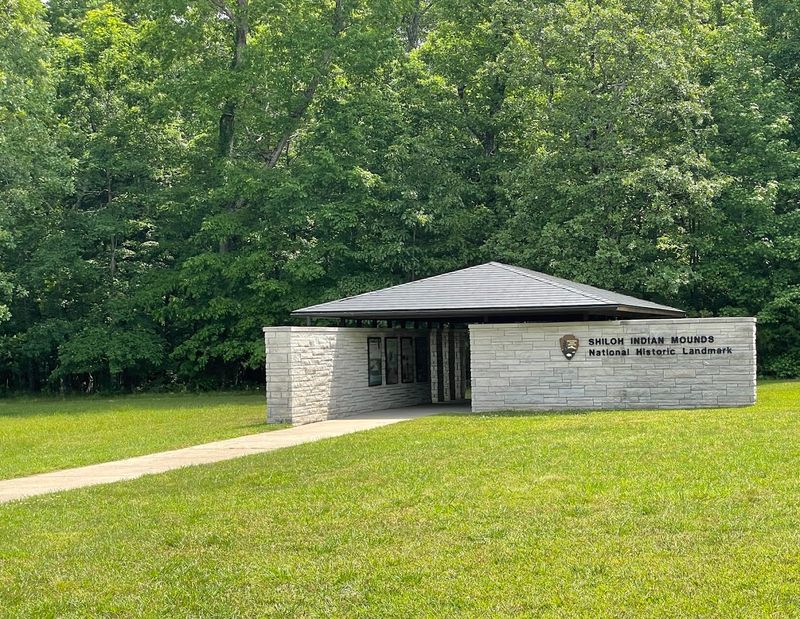
Most visitors who come to Shiloh National Military Park in Hardin County arrive with Civil War history on their minds. They leave without ever realizing they walked past a set of earthworks that are a thousand years older than the battle that made the park famous.
The Shiloh Indian Mounds are a Mississippian-era complex that existed on this ground long before the Civil War soldiers arrived.
The mounds are substantial in scale and sit within the park boundaries in a way that most visitors simply walk past without understanding what they are looking at.
Among the artifacts recovered from the site is a carved stone pipe now housed in the Tennessee River Museum in nearby Savannah. Archaeologists and art historians consider it one of the finest examples of prehistoric Native American artistic craftsmanship ever discovered.
The juxtaposition of two completely separate chapters of American history occupying the same ground gives Shiloh a depth that goes well beyond what most battlefield parks offer.
Walking from the Civil War monuments to the ancient mounds and back again covers thousands of years of human activity within a single afternoon.
Shiloh is already an undervisited park compared to more famous Civil War sites, and the mounds within it are an undervisited feature within that undervisited park.
9. Fort Dickerson Quarry, Knoxville
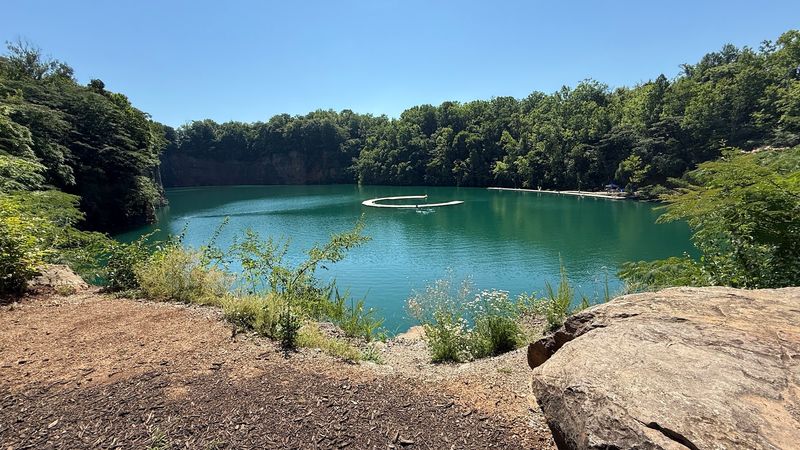
Somewhere between a history lesson and a swimming hole, Fort Dickerson Quarry manages to be both at the same time, and most of the city has no idea what is sitting just off the trail.
The quarry is a 350-foot-deep flooded limestone pit inside Knoxville’s Urban Wilderness, and the water that fills it has turned a shade of turquoise that looks more Caribbean than Appalachian.
Sheer rock walls drop straight into the water on multiple sides, creating a setting that feels dramatically out of place inside a mid-sized American city.
Civil War earthworks from Fort Dickerson itself run along the ridgeline above the quarry, and four miles of connecting trails link the site to the broader Urban Wilderness trail network.
The combination of geological drama, swimming access, and preserved military history makes this one of the most layered outdoor destinations in all of Knoxville.
In summer, locals who know about it use the quarry as a swimming spot, though visitors should always check current conditions and posted guidelines before jumping in. The water is cold even on the warmest days, which is either a warning or a selling point depending on your perspective.
The fact that joggers and cyclists pass the trailhead regularly without knowing a flooded quarry and a Civil War fort sit just minutes off the path says everything about how thoroughly this place has managed to stay off most people’s radar.