
Locals Say This Tennessee Town Is Tourist-Ruined Beyond Recognition
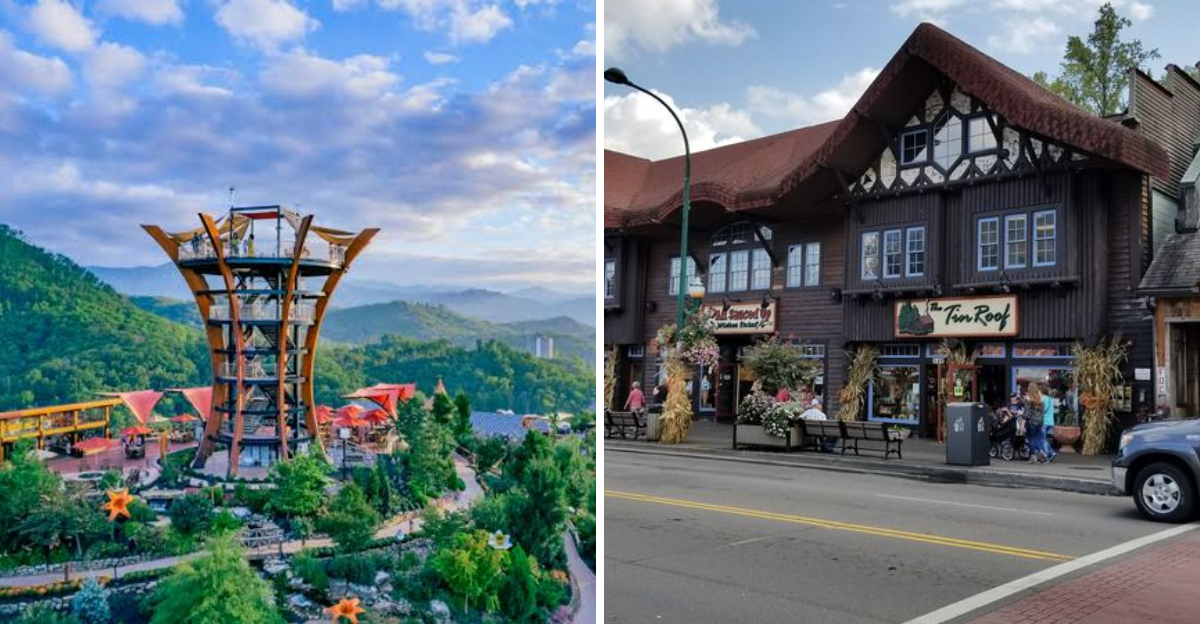
Mountain views and traffic jams are not usually part of the same postcard, yet Tennessee has a town where the two seem to go hand in hand.
Families arrive hoping for fresh air, scenic walks, and a taste of the Smokies. Then they find crowded sidewalks, packed parking lots, and lines that seem to stretch around every corner.
Ask locals about it and you will hear plenty of strong opinions.
Many remember a quieter place where mountain scenery took center stage and visitors felt more connected to the landscape. Today, souvenir shops, attractions, and constant crowds dominate much of the conversation.
That does not mean the town has lost its appeal. Millions still visit every year and many leave with great memories.
Still, residents often argue that rapid growth changed the character of the place so much that it barely resembles the mountain getaway they once knew.
The Great Smoky Mountains National Park Effect
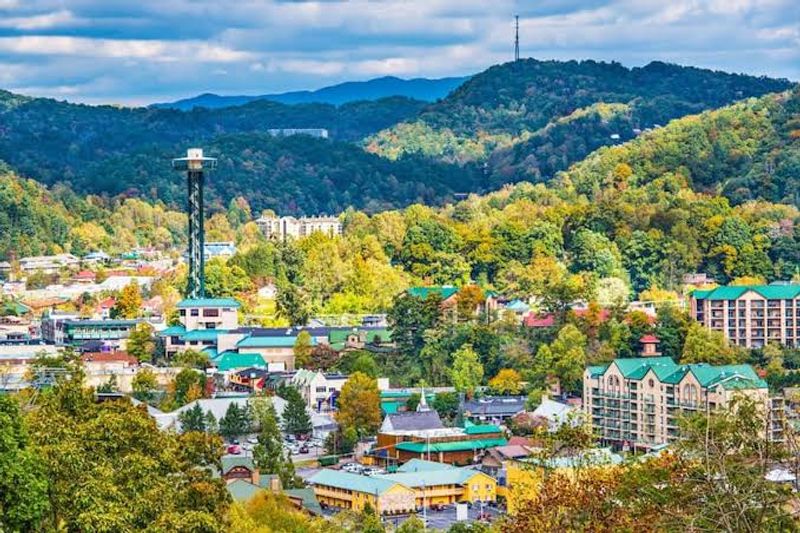
Before the crowds arrived, this place was simply a small Appalachian town sitting at the edge of some extraordinary mountains. Then the Great Smoky Mountains National Park was established in 1934, and everything changed.
The park draws more visitors than any other national park in the United States, pulling in over 13 million people each year.
The town sits directly at one of the main entrances, which means the town essentially became a waiting room for the wilderness. Restaurants, motels, and shops multiplied fast.
The infrastructure that once served a modest local population was suddenly expected to handle millions of tourists every single season.
Long-time residents remember when the park felt like their backyard. Now, accessing trails during peak season requires early morning starts just to find parking.
The natural beauty that originally defined the town has become a marketing tool, and locals say the community that once lived quietly alongside those mountains has largely been pushed aside to make room for the tourist economy.
Traffic Congestion That Makes Daily Life Miserable
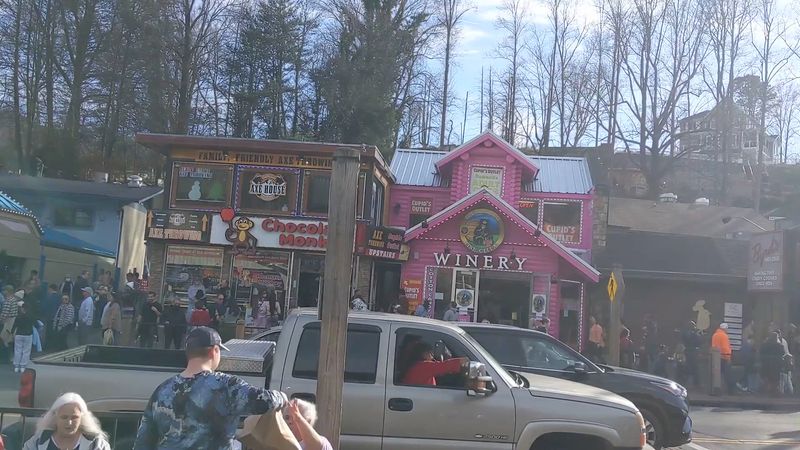
Ask any Gatlinburg local what bothers them most about living there, and the answer comes quickly: the traffic. The main road through town, known as the Parkway, was not designed to handle the volume of vehicles that now crawl through it on a busy weekend.
Simple errands that should take ten minutes can stretch into an hour-long ordeal.
During peak seasons like summer and fall leaf-peeping, the congestion spreads far beyond downtown. Mountain roads that wind through residential neighborhoods become impromptu detour routes, sending tourist traffic through areas that were never meant for it.
Locals have largely given up trying to drive through town during weekends from May through October.
The city has attempted to address the problem by widening sections of the Parkway and adding traffic signals, but the improvements have not kept pace with the growth.
Parking in the downtown area is expensive and often unavailable, which pushes even more vehicles onto side streets.
For residents who simply need to pick up groceries or visit a neighbor, the daily reality of living in a tourist destination has become genuinely exhausting and frustrating.
Housing Costs That Have Priced Out The Locals
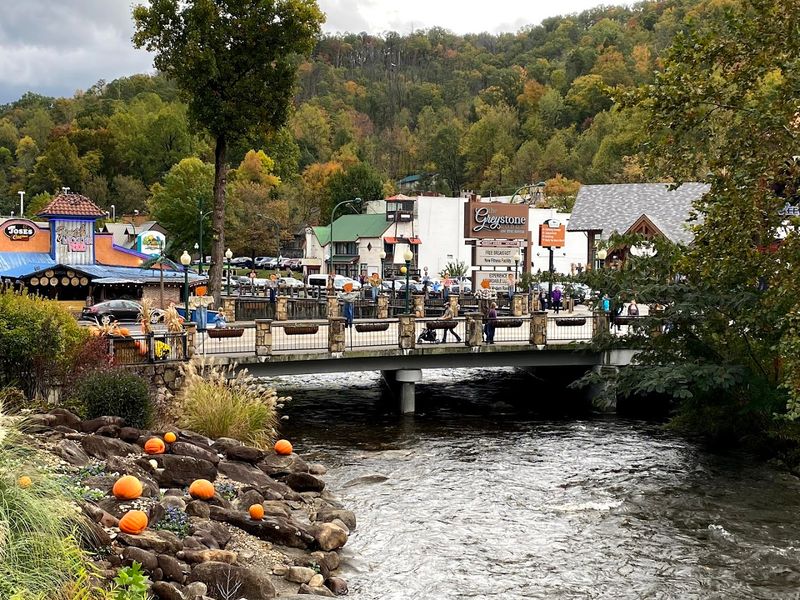
There was a time when working in Gatlinburg meant you could also afford to live there. That time has passed.
The explosion of short-term vacation rentals has driven property values so high that many service industry workers cannot afford a home anywhere near the town they work in every day.
Platforms that allow homeowners to rent properties to tourists have turned entire neighborhoods into de facto resort zones. Each house converted into a vacation rental is one fewer option for a local family looking to buy or rent at a reasonable price.
The ripple effect on the community has been significant and deeply felt by those who grew up in the area.
Developers have started discussing affordable housing solutions for downtown Gatlinburg, but progress has been slow. Workers now commute from outlying communities like Sevierville and Pigeon Forge, sometimes driving 30 minutes or more each way.
The irony is sharp: the hospitality industry depends entirely on local workers, yet the economics of that same industry have made it nearly impossible for those workers to live nearby.
The Commercialization Of Mountain Culture
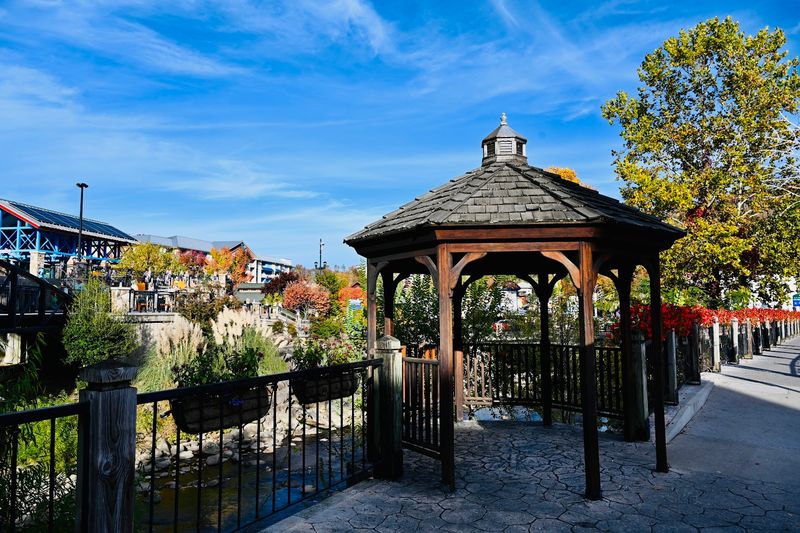
Traditional Appalachian culture runs deep in this part of Tennessee. Craftsmanship, storytelling, music, and a particular brand of mountain self-reliance shaped communities in this region for generations.
In Gatlinburg today, much of what visitors encounter as mountain culture is a packaged version designed for retail consumption rather than genuine cultural exchange.
The Great Smoky Arts and Crafts Community, located a few miles from downtown on Glades Road, remains one of the more authentic expressions of local artisan tradition. But in the heart of the Parkway, the cultural landscape looks quite different.
Themed restaurants, novelty shops, and entertainment complexes have replaced establishments that once served the actual residents of the town.
Long-time locals describe a feeling of cultural displacement, as if the identity of their community has been rewritten to suit tourist expectations.
The mountain aesthetic is still very much present in the architecture and marketing, but many residents say it feels performative rather than genuine.
One resident described downtown Gatlinburg as a Las Vegas version of a mountain village, built for visitors and maintained as a spectacle rather than as a living, breathing community with real roots.
The Tourist Trap Reputation That Follows The Town
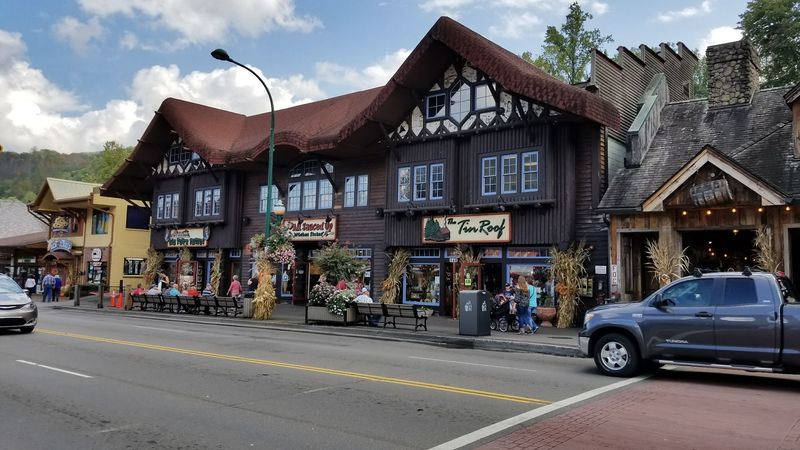
Not every visitor arrives in Gatlinburg expecting a serene mountain retreat. Many come specifically for the entertainment, the fudge shops, the pancake houses, and the sheer spectacle of it all.
The town has leaned into that identity so completely that the tourist trap label has become almost a point of civic pride in some circles.
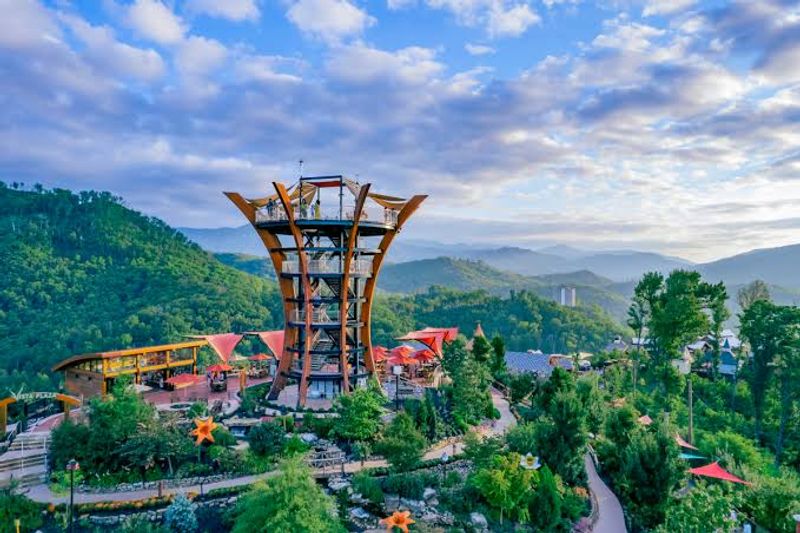
Ripley’s Believe It or Not, the Gatlinburg Space Needle at 407 feet tall, mini-golf courses, wax museums, and escape rooms line the Parkway in numbers that would seem more appropriate in a boardwalk resort town than a mountain community.
For families on vacation, the variety of distractions is genuinely impressive. For locals, it represents the final chapter in the story of what their town used to be.
The concentration of businesses designed purely to extract tourist dollars has created an environment where authenticity is a rare commodity. Prices reflect a captive audience rather than a competitive market.
Locals who once frequented downtown spots for everyday meals or casual socializing have mostly stopped going altogether, finding the experience too expensive and too crowded to justify. The town center now belongs almost entirely to the visitors who fill it every season.
Environmental Strain On A Fragile Mountain Ecosystem
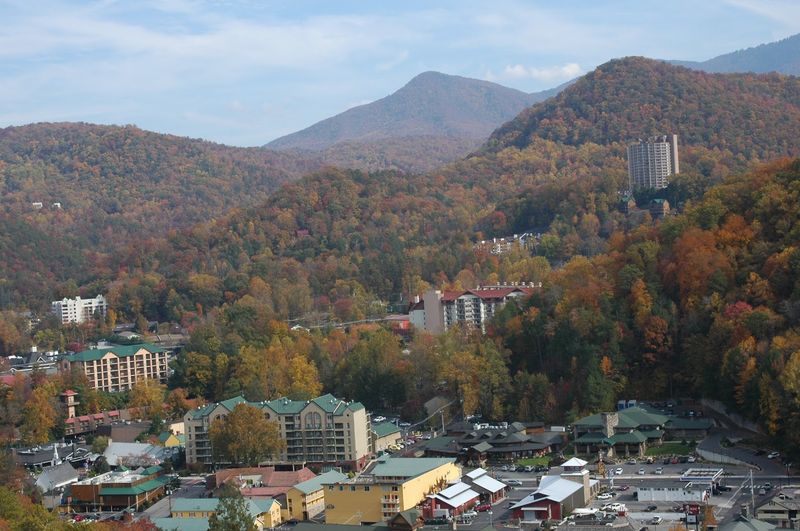
The mountains surrounding Gatlinburg are genuinely beautiful, and they are also genuinely fragile. Millions of visitors each year bring with them a level of environmental pressure that the ecosystem was never designed to absorb.
Air quality in the area has declined measurably, with vehicle emissions from tourist traffic contributing to haze over the Smokies that was once far less common.
Water quality is another growing concern. Runoff from developed areas, parking lots, and construction sites carries pollutants into mountain streams that feed into the broader watershed of the national park.
The expansion of commercial and residential development continues to shrink the buffer zones that once separated human activity from wildlife habitat.
Perhaps the most visible consequence is the changing behavior of black bears. The animals, which are naturally cautious around humans, have increasingly associated people with food sources.
Encounters in residential neighborhoods and even commercial areas have become more frequent. Wildlife officials spend considerable time managing human-bear conflicts that are largely the result of improper food storage and the sheer density of human activity in and around the town.
The bears have not changed. The environment around them has.
The Sky Lift And Ober Gatlinburg As Symbols Of The Shift
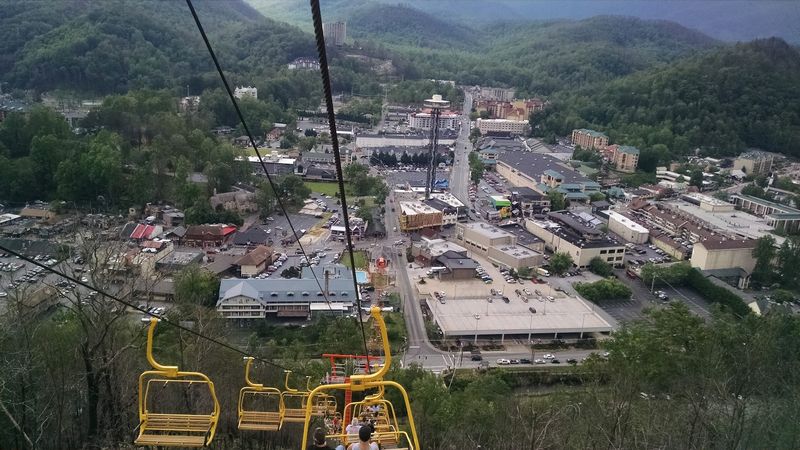
Two attractions define the visual identity of modern Gatlinburg more than almost anything else: the Sky Lift and Ober Gatlinburg.
The Sky Lift, a 2.1-mile aerial cable car that departs from downtown and climbs toward the Ober Gatlinburg amusement park and ski resort, has become one of the most photographed features of the town.
It is also a useful symbol of how Gatlinburg has evolved.
Ober Gatlinburg sits at the top of Mount Harrison and offers skiing in winter and a collection of amusement rides and activities during warmer months.
It draws visitors who may have little interest in the national park below and who experience the mountains entirely through the lens of a managed entertainment complex.
The resort has been part of the landscape since the 1960s, making it one of the earlier examples of the town choosing spectacle over subtlety.
Locals have mixed feelings about these landmarks.
Some appreciate that they provide employment and draw visitors who spend money in the local economy. Others see them as representative of a broader pattern: the gradual transformation of a mountain community into a series of attractions.
Community Resilience In The Off-Season
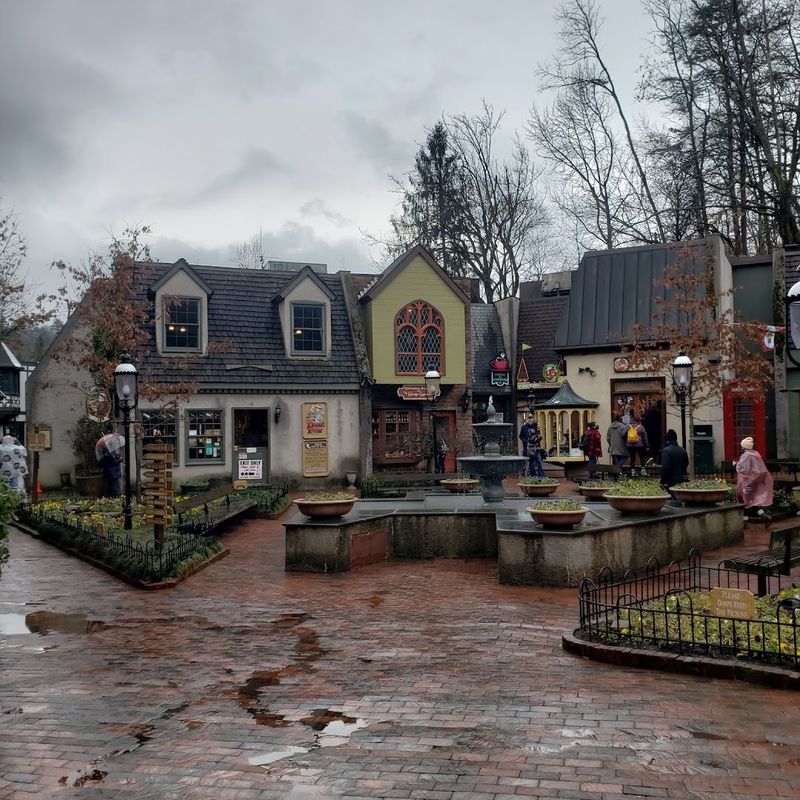
Here is something most visitors never see: Gatlinburg in January. The crowds thin, the traffic eases, and the town reveals a quieter version of itself that longtime residents actually recognize.
The off-season is when the permanent community reasserts itself, when neighbors talk to each other across driveways and local businesses serve actual locals instead of vacation crowds.
The resilience of Gatlinburg’s permanent residents is one of the more underreported aspects of this town’s story. Despite the pressures of over-tourism, rising costs, and cultural displacement, a core community has held on.
Local organizations, churches, and civic groups maintain a sense of shared identity that the tourist economy has not managed to fully dissolve.
The 2016 wildfires, which caused devastating damage to parts of Gatlinburg and the surrounding area, brought that community spirit into sharp focus.
Residents and first responders worked together through an extraordinarily difficult period, and the recovery that followed demonstrated genuine collective determination.
The fires were a tragedy, but they also reminded people inside and outside the town that Gatlinburg is more than its Parkway. There are real people living there, with real histories and real attachments to that mountain landscape.
What Gatlinburg Could Still Become
Criticism of Gatlinburg is easy and, in many respects, entirely fair.
The commercialization is real. The housing crisis is real. The environmental strain is real.
But the conversation about what this town should be going forward is one that locals are increasingly willing to have, and that conversation is more nuanced than the tourist trap narrative suggests.
Some residents and local officials are pushing for development policies that prioritize long-term community health over short-term tourism revenue.
Discussions about affordable housing, sustainable infrastructure, and responsible environmental stewardship are gaining more traction than they did a decade ago.
The question is whether those conversations will translate into meaningful policy before the pressures become irreversible.
Gatlinburg, Tennessee, still has the mountains. The trails still run through old-growth forest. The streams still carry cold, clear water down from the high ridges. The foundation of what made this place worth visiting in the first place remains intact beneath the neon and the noise.
Whether the community can reclaim enough of its identity to build something more balanced is the real story unfolding here, and it is one worth watching closely over the coming years.