
These New York State Neighborhoods Come Alive During The World Cup
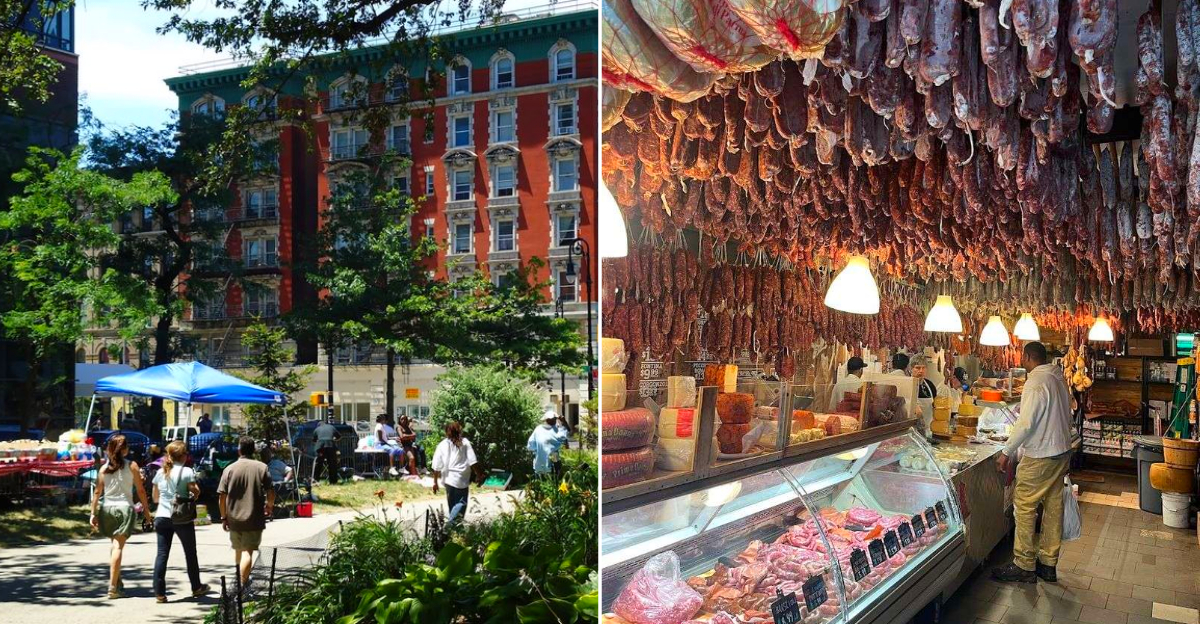
The World Cup turns certain neighborhoods into something they only become every four years and the transformation is worth witnessing entirely on its own.
Flags appear on buildings that had none yesterday. The sidewalk cafes fill up at hours that make no sense unless you know what match is playing.
The energy moves through the streets in a way that makes a person feel like they wandered into a city that decided to stop pretending it was not celebrating something enormous.
New York State has eight neighborhoods that do this better than anywhere else. Each one brings a different corner of the world to the same borough block and does it with the full conviction of a community that has been waiting for this tournament since the last one ended.
The Brazilian block where the watch party spills onto the street by halftime. The West African neighborhood where the drumming starts before kickoff and the whole thing becomes beyond sport. The Italian enclave where a goal produces a noise level that should require a permit.
New York has always been the city where the world shows up and these eight neighborhoods are where the World Cup actually lives this summer.
1. Jackson Heights, Queens
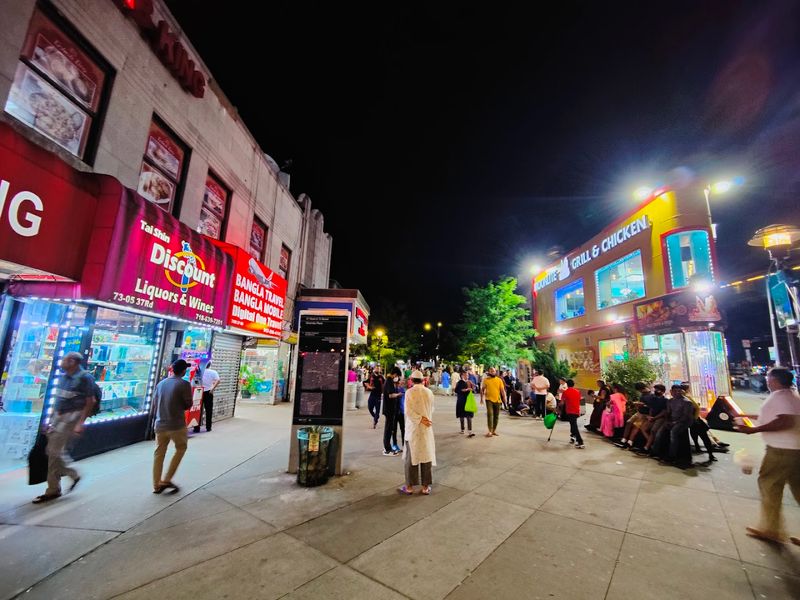
Roosevelt Avenue does not sleep during the World Cup. Jackson Heights is widely regarded as the top South American match-day destination in all of New York, and the energy here genuinely earns that title.
Ecuador, Colombia, and Argentina fans pack the sidewalks with flags, drums, and enough team jerseys to outfit a small nation.
The Latin American and South Asian communities in this neighborhood follow their national teams with a passion that feels almost ancestral. Fire escapes become flag displays.
Street vendors set up along 74th Street near the 7 train stop, selling snacks and scarves throughout the full run of the tournament. You can feel the crowd shift in real time when a goal goes in.
Jackson Heights sits in the northern part of Queens, and its main commercial strip runs along Roosevelt Avenue between 69th and 90th Streets. The atmosphere here is unscripted and completely genuine.
No one is performing for tourists. Fans are simply showing up for their countries the way they always have.
If you only visit one neighborhood during the entire tournament, make it this one. The World Cup does not get more real than Jackson Heights.
The food situation along Roosevelt Avenue during a match is its own event entirely. Colombian empanadas, Ecuadorian ceviche, and Peruvian street snacks appear from vendors who set up with the same dedication as the fans themselves.
Eating well here costs almost nothing, which makes the whole experience even better. The 7 train drops you right into the middle of it all, so there is no excuse not to show up.
Jackson Heights does not require a reservation, a plan, or even a team to root for. Just show up, follow the noise, and let the neighborhood pull you in the right direction.
2. Corona, Queens
Corona is the kind of neighborhood that does not need a marketing campaign. It is the heart of New York City’s Ecuadorian community, and on World Cup match days, the streets tell the whole story.
Smaller and far less touristed than nearby Jackson Heights, the energy here is raw and completely unfiltered.
There are no fancy watch party setups or sponsored fan zones. What you get instead is a genuine community showing up for itself.
Families gather outside bodegas. Kids wear jerseys that are clearly a size too big.
Neighbors who barely speak the same language find a common one through soccer.
The main commercial area runs along Junction Boulevard near 104th Street in Queens, and local spots fill up fast once kickoff approaches. Corona does not try to impress anyone, and that is exactly what makes it so impressive.
The World Cup has a way of revealing what a neighborhood is really made of, and Corona is made of loyalty, pride, and an almost stubborn love for the beautiful game.
If you want the real thing without the crowd spillover from bigger spots, Corona is calling your name.
The food in Corona deserves its own conversation. Local spots along Junction Boulevard serve Ecuadorian specialties that have been feeding this neighborhood for decades, and match days bring out the full spread.
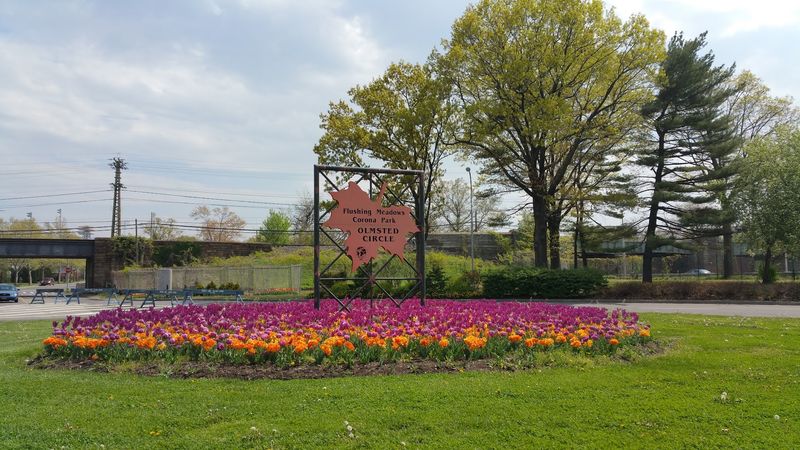
Llapingachos, seco de pollo, and fresh juices show up alongside the flags and the noise in a way that makes the whole experience feel like a party that was already happening before the World Cup ever arrived. Corona also has one of the most underrated park situations in all of Queens.
Flushing Meadows Corona Park sits right at the edge of the neighborhood and gives the overflow crowd plenty of room to celebrate.
3. Flushing, Queens
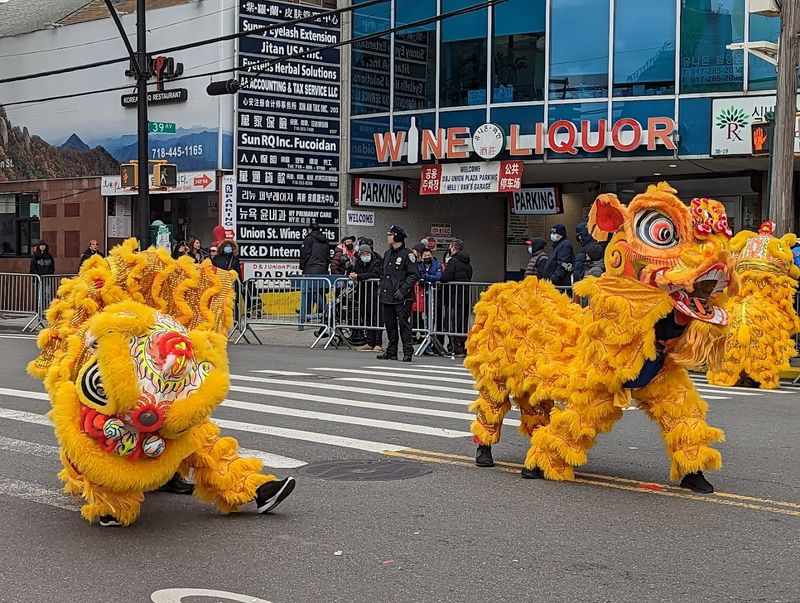
Flushing is already one of the most multicultural neighborhoods in New York, and the 2026 World Cup is about to turn it into something extraordinary.
The USTA Billie Jean King National Tennis Center at Flushing Meadows Corona Park is serving as the official NYNJ World Cup 26 Queens Group Stage HQ at Louis Armstrong Stadium, with daily programming running from June 11 through June 27.
Chinese, Korean, and South Asian communities in Flushing have always followed international soccer closely. Add an official World Cup hub right in the neighborhood and you have a combination that is hard to beat.
The watch parties here carry a different kind of weight because the venue itself is already iconic.
Main Street in downtown Flushing, just off the 7 train, puts you within walking distance of the action and surrounded by some of the best food options in all of New York State.
Dim sum at 10 a.m. followed by a Group Stage viewing at noon is a schedule worth building your whole day around.
Flushing proves that Queens is not just participating in this World Cup. It is genuinely hosting it.
4. Astoria, Queens
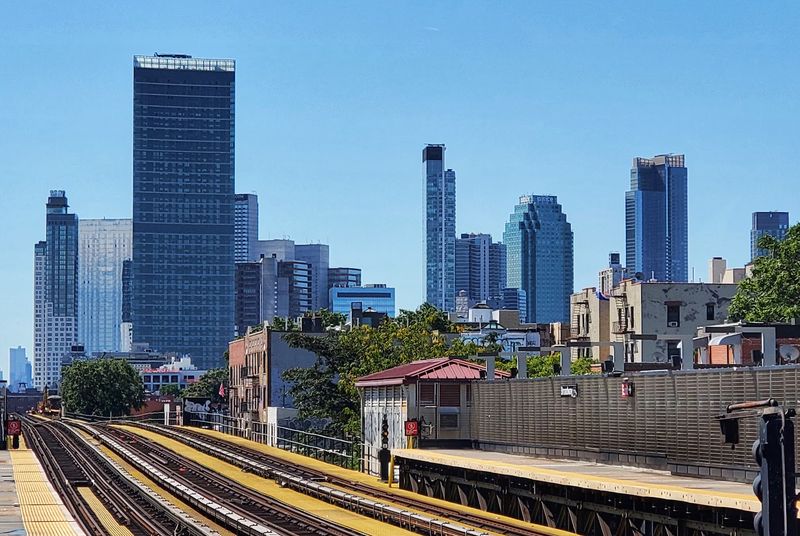
Astoria might be the only neighborhood on Earth where a Greek flag and a Brazilian flag can hang side by side and nobody thinks it is unusual. During the World Cup, that kind of multicultural overlap is exactly what makes this place electric.
Greek, Moroccan, Brazilian, and Croatian communities all call Astoria home, and they all show up for their teams with equal conviction.
One block might be draped in blue and white for Greece while the next block over is celebrating in yellow and green for Brazil. The Bohemian Garden at 29-19 24th Avenue in Queens is a long-standing outdoor gathering spot that becomes a true fan hub during major tournaments.
Max Bratwurst Und Bier on 31st Street draws a more European crowd but keeps the same spirited energy.
Astoria is the kind of neighborhood where soccer loyalty cuts across every background. You might sit next to someone cheering for a completely different team and end up exchanging handshakes at the final whistle.
That is the World Cup spirit in its purest form. Astoria has always been diverse on paper, but during the tournament it becomes diverse out loud, and the difference is everything.
5. Arthur Avenue, The Bronx
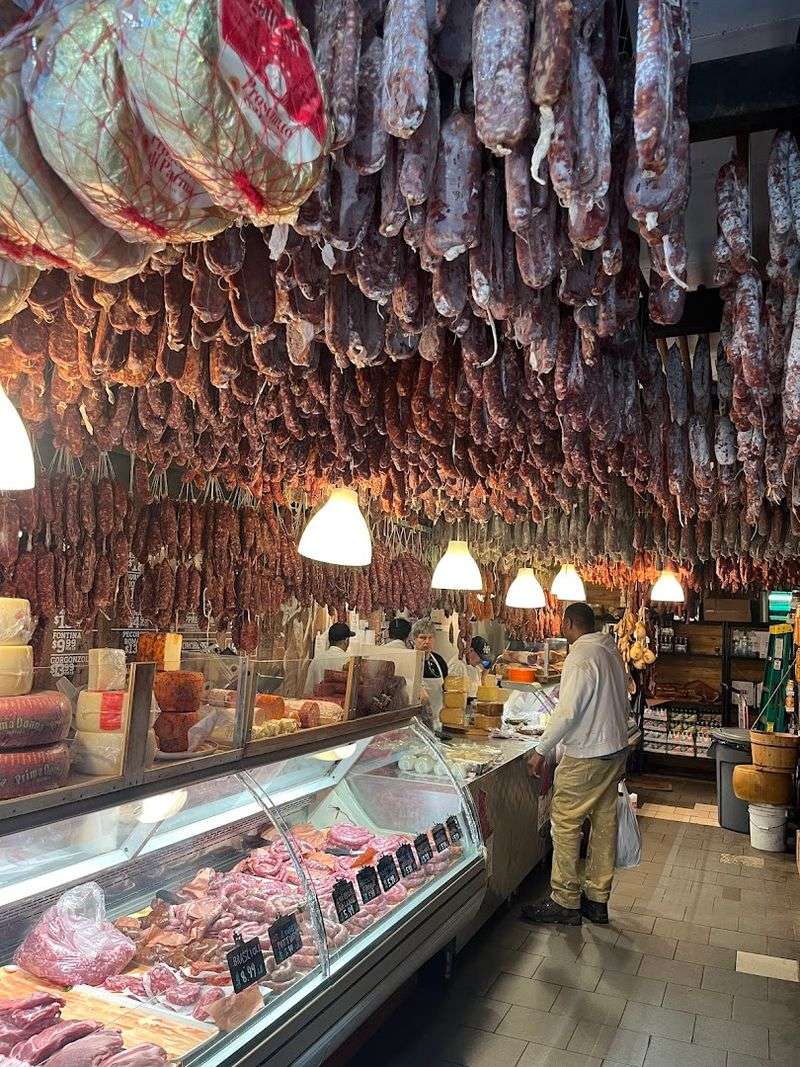
Arthur Avenue has always had its own rules. The Belmont neighborhood in the Bronx operates on a sense of community pride that predates most of what passes for local culture elsewhere in the city.
During the World Cup, that pride gets a serious workout. The Italian and Albanian communities here treat every match day like a neighborhood occasion rather than just a viewing event.
The Bronx Terminal Market hosted a fan zone on June 13 and 14 with matchday programming and local cultural activities tied to the tournament.
Arthur Avenue itself, running through the heart of Belmont, is lined with old-school Italian delis, bakeries, and restaurants that stay open late when the matches run long.
The address most visitors anchor to is Arthur Avenue between East 184th and East 187th Streets.
There is a particular kind of warmth on this street that you just do not find everywhere. Older residents pull chairs outside.
Kids kick balls on the sidewalk. The Bronx gets overlooked in a lot of New York conversations, but Arthur Avenue during the World Cup is a reminder that the borough has always had something special.
It just does not need to shout about it.
6. Bay Ridge, Brooklyn
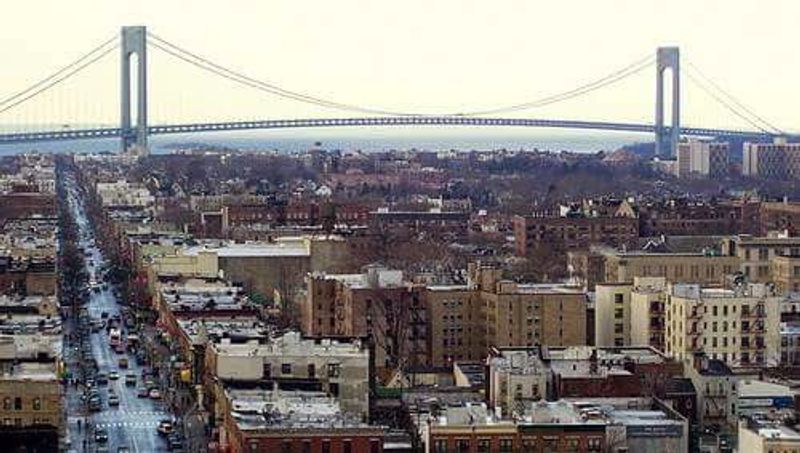
Bay Ridge is Brooklyn’s quiet overachiever. While neighborhoods like Williamsburg get the hype, Bay Ridge has been quietly building one of the most genuinely local soccer cultures in the borough.
During the World Cup, that culture steps fully into the light. The Norwegian-American community here has deep roots, and their match-day enthusiasm is matched by strong Middle Eastern fan bases who make their presence known throughout the tournament.
What sets Bay Ridge apart is that the energy feels earned rather than assembled. Third Avenue and Fifth Avenue between 60th and 86th Streets in Brooklyn are lined with spots where regulars have been watching soccer together for years.
The World Cup just gives them a bigger stage. You are not walking into a pop-up fan zone here.
You are walking into something that already existed.
Bay Ridge also has a calm that larger neighborhoods sometimes lose. The soccer passion is real, but it coexists with the neighborhood’s everyday rhythm.
Families grab food. Friends find tables.
The match plays. Bay Ridge proves that World Cup energy does not require chaos to be meaningful.
Sometimes a neighborhood that knows itself well is the most satisfying place to watch the world’s biggest tournament.
7. Harlem, Manhattan
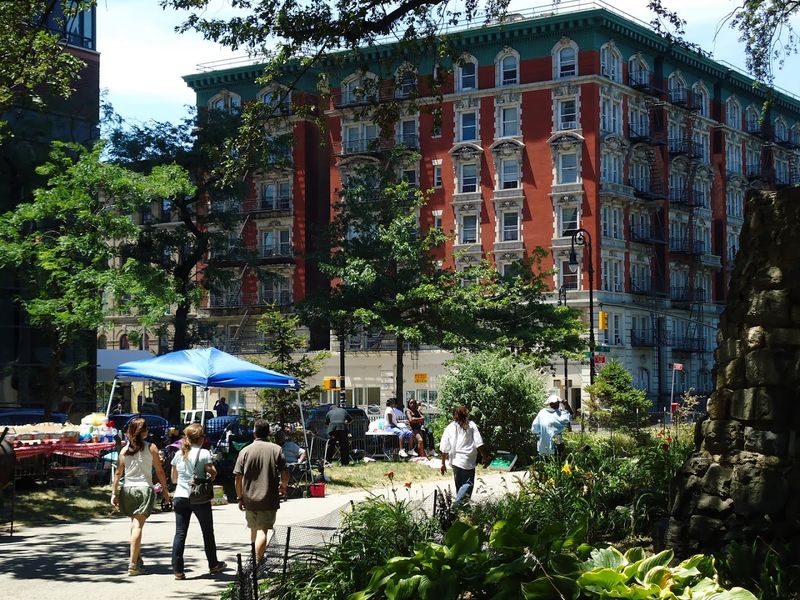
Harlem carries a kind of cultural gravity that few neighborhoods anywhere can match. During the World Cup, that gravity pulls in supporters from Senegal, Ghana, Nigeria, Morocco, Ivory Coast, and beyond.
Harlem is the undisputed home base for West African fans in New York, and the atmosphere during African national team matches is something you will talk about for years.
The neighborhood’s mix of music venues, Black history landmarks, and sports-friendly restaurants creates an environment that feels like an extension of the diaspora fan base itself.
The Fox Harlem on Frederick Douglass Boulevard is one of the more well-known spots for World Cup watch parties, drawing a crowd that treats soccer less like a pastime and more like a cultural event.
Lenox Avenue and 125th Street area restaurants fill up quickly once match day arrives.
Harlem also carries a broader sense of community investment in the tournament. Fans here are not just watching games.
They are watching their home countries represent something larger on the world stage. The World Cup has a way of making that feeling especially sharp, and Harlem channels it better than most places in New York State.
Show up early, find a good seat, and let the neighborhood do the rest.
8. White Plains, Westchester
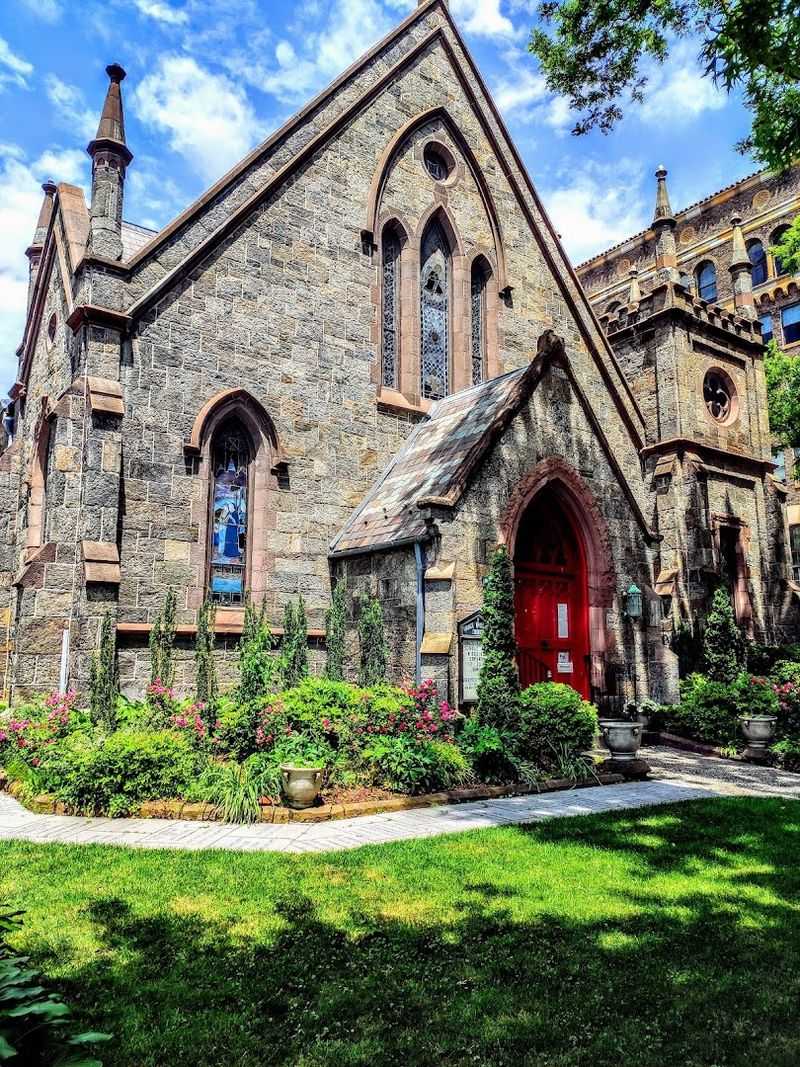
White Plains is making a strong case for itself as the World Cup capital of New York State outside the five boroughs.
The city is hosting the World Cup Soccer Fest 2026, a full-scale celebration that includes a block party on June 14, a jumbo-screen watch party on June 27, face painting, family-friendly sports games, and movie nights running throughout the tournament.
For readers who live in Westchester or the surrounding suburbs, White Plains is the obvious answer. The programming is organized, family-oriented, and built to give everyone a genuine World Cup experience without requiring a trip into the city.
Main Street in downtown White Plains serves as the anchor for most of the outdoor events, making it easy to navigate for first-timers and locals alike.
There is something refreshing about a city that commits this fully to the tournament. White Plains is not trying to compete with Queens or Manhattan.
It is simply doing the work to make sure its own community gets a real celebration. Families with young kids especially will find this setup far more comfortable than a packed subway ride.
Westchester showing up this hard for the World Cup is honestly one of the better surprises of 2026.