
This Breathtaking Georgia Spring Offers One Of The Most Unique Swimming Experiences
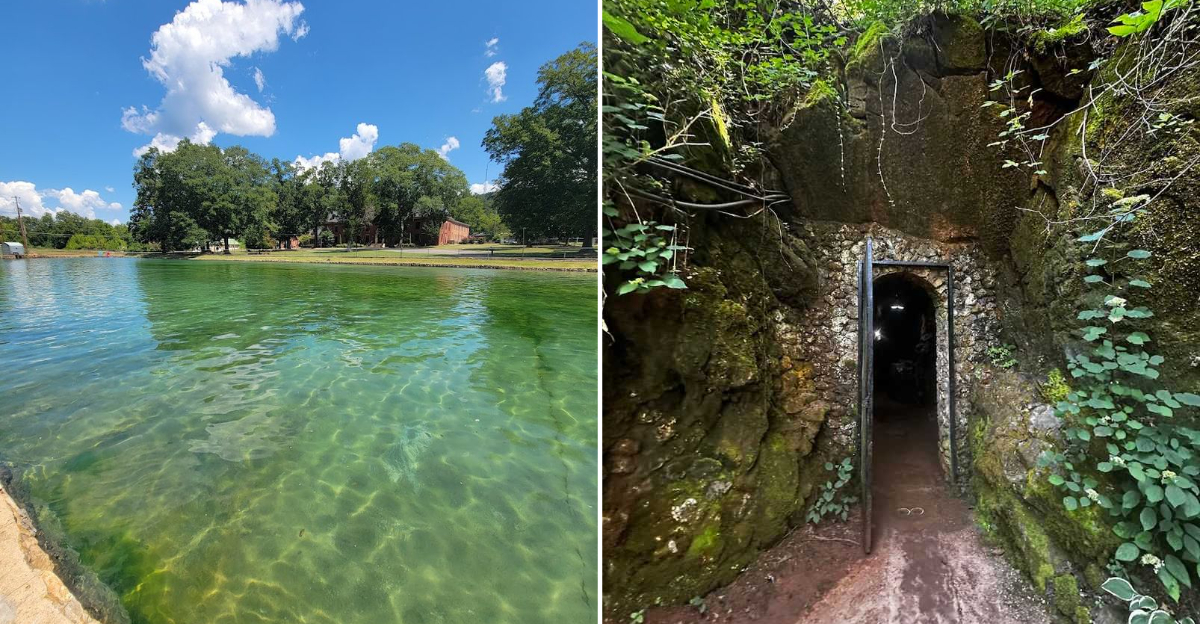
The water temperature stays the same regardless of what the season is doing above ground. That consistency is the first thing most swimmers mention and the detail that keeps pulling them back.
Georgia’s natural swimming spots earn their reputation through clarity and setting. This spring delivers both at a level that separates it from anything else in the state.
The color of the water in direct sunlight produces a reaction that photographs only partially capture. Crowds here stay lighter than the experience deserves.
The drive filters out the casual visitor and leaves behind the people who came specifically for this. That tends to produce exactly the right atmosphere once everyone is in the water.
Natural Formation And Water Clarity
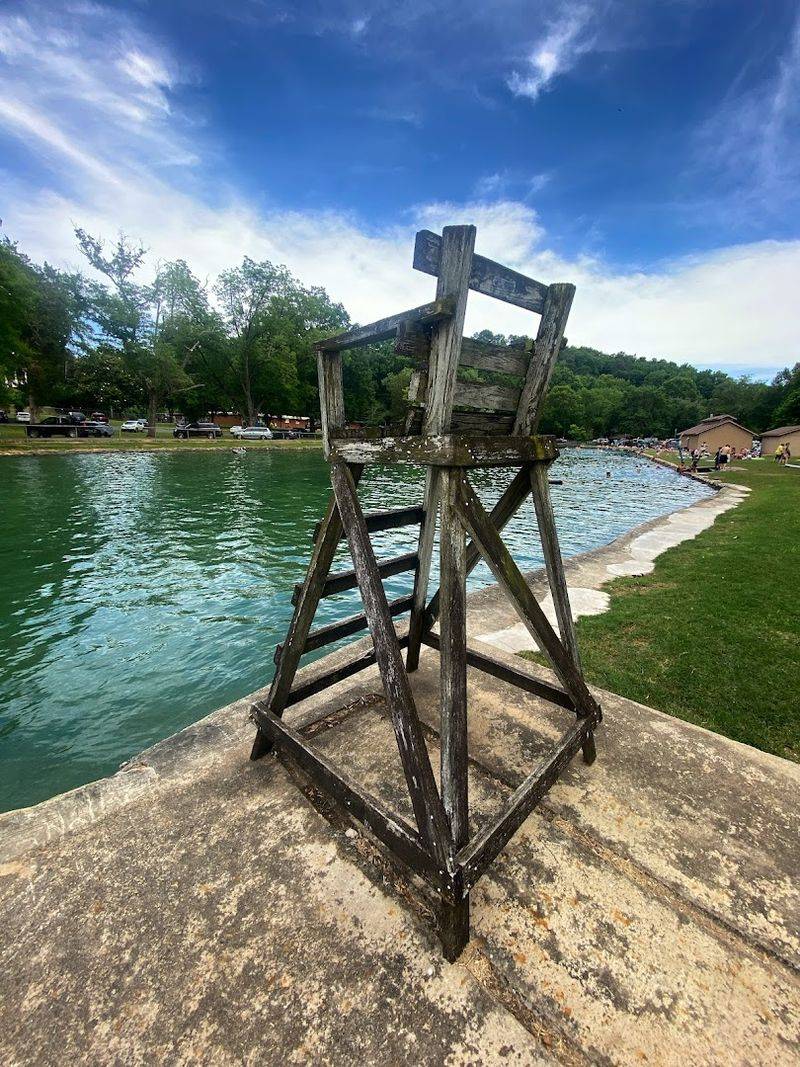
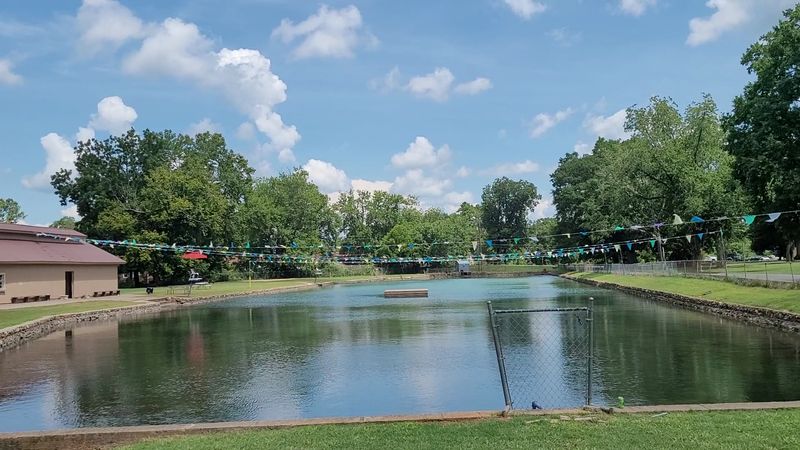
This lake is not your average swimming hole. It sits inside Rolater Park in Cave Spring, Georgia, and gets its water directly from a natural cave spring nearby.
That spring pushes out roughly 2 million gallons of mineral-rich water every single day. That is a lot of water moving through one spot.
The lake covers about 1.5 acres of spring-fed water. It holds the title of the second-largest spring-fed swimming lake in all of Georgia.
The water stays impressively clear because it is constantly refreshed by the underground spring source.
One of the coolest things about this lake is its shape. From above, the lake is designed to resemble the outline of the state of Georgia.
The bottom is made of cement, which helps keep the water visible and clean-looking throughout the swim season.
The water temperature stays consistently cold, hovering around 57 to 68 degrees Fahrenheit, even during the hottest summer months. That chill is not a bug.
It is actually the whole feature. Cold, clear, and mineral-rich water is exactly what draws people back year after year to this one-of-a-kind Georgia swimming experience.
You can find Rolater Lake at Rolater Dr, Cave Spring, GA 30124.
Seasonal Changes And Temperature Effects
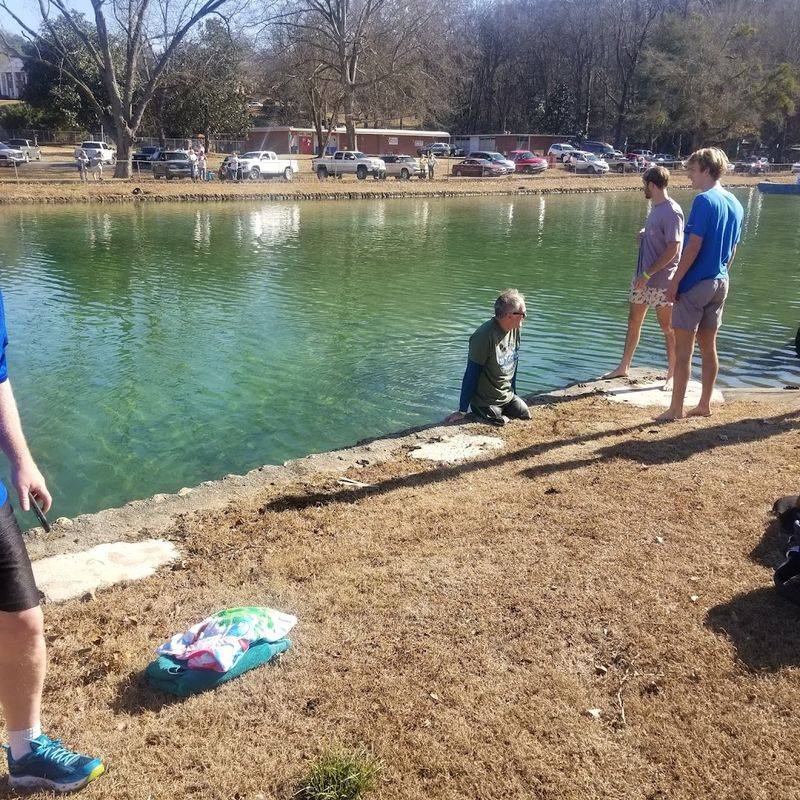
Summer is when Rolater Lake truly comes alive. The swim season runs from Memorial Day through Labor Day, and the lake is open on Fridays, Saturdays, and Sundays from noon to 7 PM.
That limited schedule actually makes each visit feel a little more special.
The air in Georgia gets brutally hot during July and August. Temperatures regularly climb into the 90s.
Jumping into 66-degree spring water on a scorching afternoon feels like a full-body reset button you did not know you needed.
Spring and fall bring cooler air temperatures, which makes the cold water feel even more intense. Some visitors prefer late May or early September when the crowds are thinner.
The water temperature stays fairly consistent year-round because the spring source runs underground, where seasonal air changes do not reach.
Winter keeps the lake closed to swimmers, but the spring itself never stops flowing. The overflow from the spring creates a reflection pond and a shallow stream nearby.
Young children can safely splash around in that stream area even when the main lake feels too cold for long swims. Each season shapes the experience differently, but summer is undeniably the peak time to visit Rolater Lake.
Flora And Fauna Surrounding The Springs
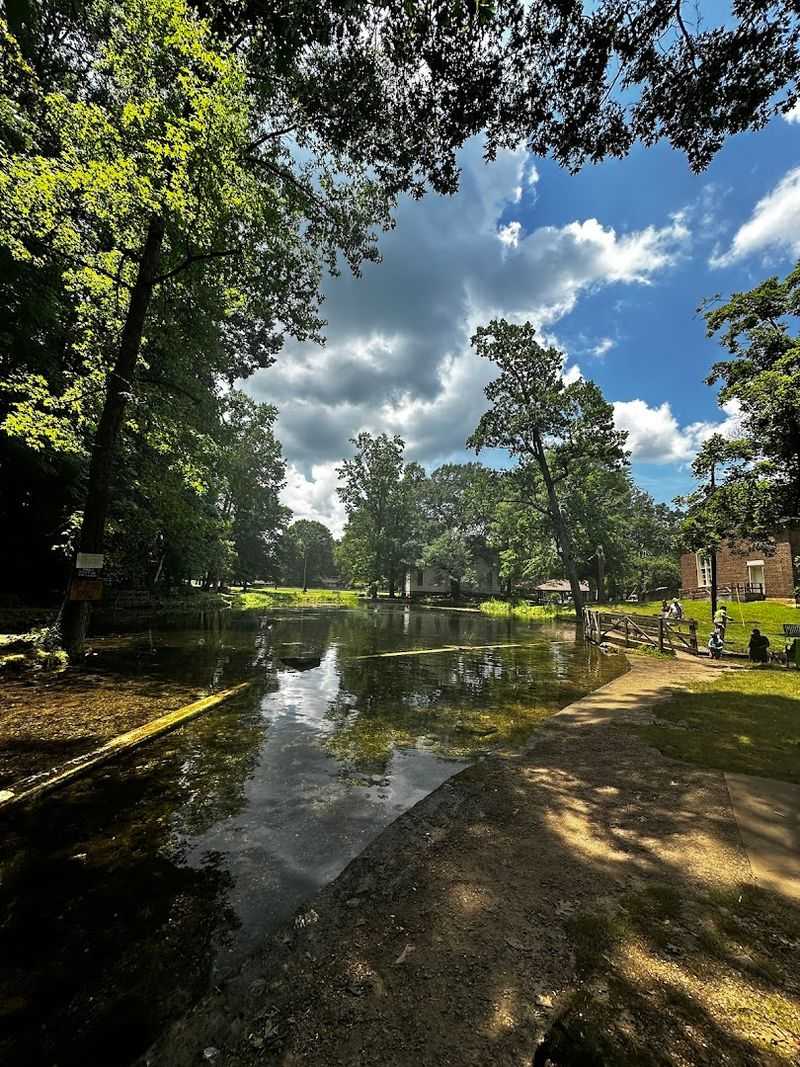
The area around Rolater Lake is genuinely pretty. Wide, grassy lawns stretch out along the water’s edge, giving visitors plenty of room to spread out blankets and relax between swims.
Mature trees provide patches of shade on the hottest days.
Wildlife shows up regularly around the lake. Ducks are a common sight near the water, and some visitors bring food specifically to feed them.
Fish also live in the spring-fed waters, which adds a fun element for younger visitors who enjoy spotting aquatic life from the shoreline.
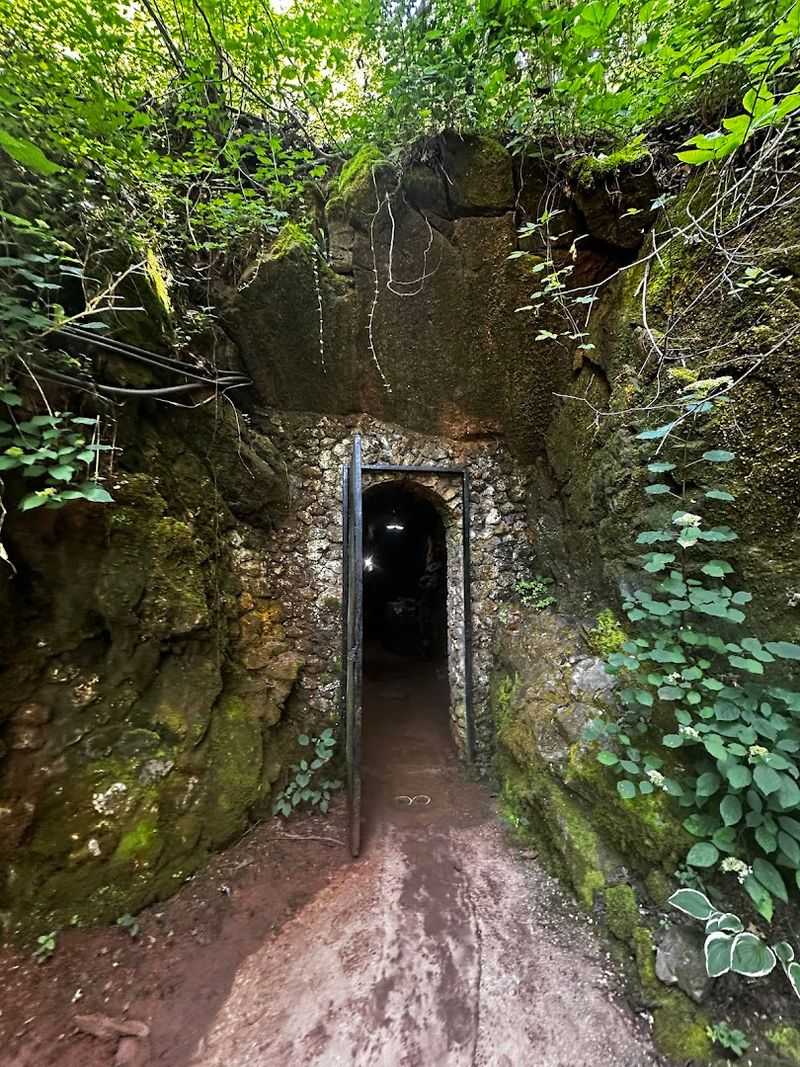
The cave adjacent to the lake supports its own ecosystem. Moisture-loving plants grow near the cave entrance, where cool air creates a microclimate that supports different plants than the surrounding Georgia landscape.
It is a small but noticeable ecological transition zone.
The spring water itself supports a healthy aquatic environment. Mineral content in the water keeps conditions favorable for the fish and other small organisms living in the lake.
Algae does grow naturally on the lake bottom, especially in areas where feet can touch.
That is normal for a natural spring environment and part of what makes Rolater Lake different from a public pool.
Safety Tips For Swimming In Natural Springs
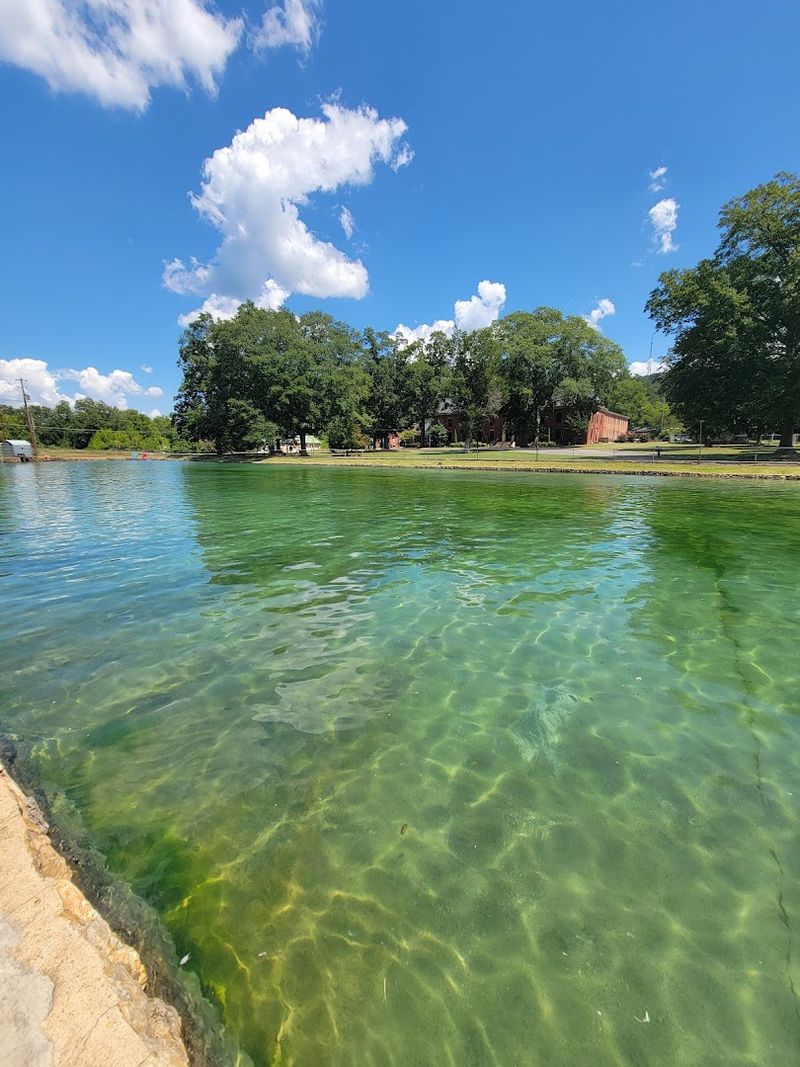
Natural spring swimming is a different experience from a regular pool. The water at Rolater Lake is cold, reaching as low as 57 degrees Fahrenheit.
Getting in slowly helps your body adjust without the shock of a sudden plunge hitting you all at once.
The depth of the lake varies across different areas. Some spots allow a 5-foot-7 person to stand comfortably.
Other parts drop too deep to touch the bottom. Always check the depth before wading further out, especially with younger swimmers in your group.
The lake bottom has cement, but also natural algae growth. Algae can be slippery underfoot.
Water shoes are a smart choice if you are sensitive to slippery surfaces or prefer extra grip while moving around the shallower sections of the lake.
The entry points include stairs, though some lack railings. Take your time getting in and out.
No glass is allowed in the park, which keeps everyone safer around the water. Cash is the only accepted payment method at entry, so plan accordingly.
Knowing these details before you arrive makes the whole visit smoother and lets you focus on actually enjoying the water rather than scrambling at the gate.
Environmental Impact And Conservation Efforts
Rolater Lake has been flowing for a very long time, and keeping it healthy takes real effort. The spring produces award-winning water that people actually fill jugs with to take home.
That reputation is worth protecting, and the community around Cave Spring takes it seriously.
The lake operates without traditional chlorine treatment in its purest form, relying on the natural mineral content and constant flow of fresh spring water to maintain quality. This makes environmental stewardship especially important.
Anything that enters the water directly affects the ecosystem downstream.
Visitors play a big role in conservation. No glass is allowed near the water.
Keeping trash out of the lake and surrounding grass areas helps maintain the natural balance that makes the spring so clean. Simple habits like picking up after yourself make a measurable difference over an entire season of visitors.
The cave connected to the spring is also part of the natural system. Protecting the cave environment protects the water quality in the lake.
Local management works to balance public access with responsible use of this natural resource. The fact that the water has earned quality recognition speaks to decades of mindful stewardship.
Rolater Lake is a reminder that natural places can thrive when communities actively choose to care for them rather than just use them up.
How To Prepare For A Swim At The Spring
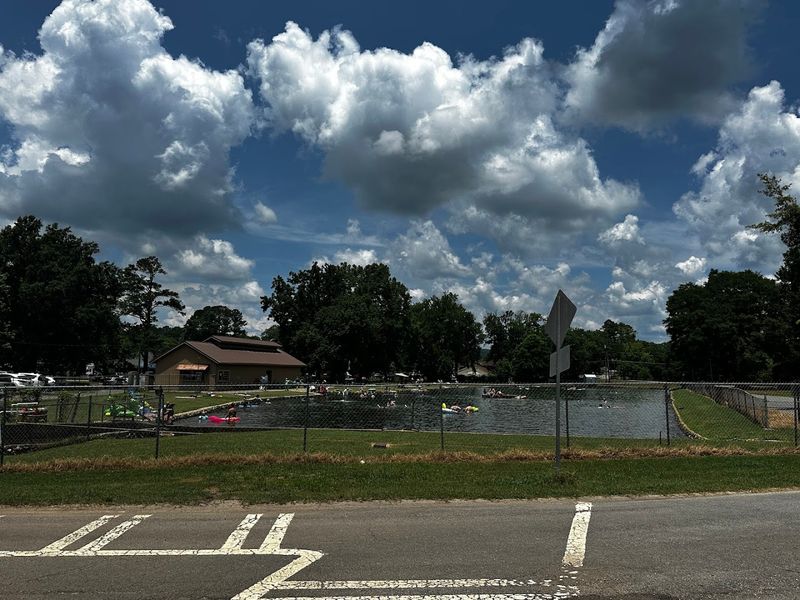
Preparation makes a huge difference at Rolater Lake. The water is spring-fed and refreshingly cool, so bringing a large towel or a warm layer to wrap up in after your swim is a genuinely good idea.
Most experienced visitors bring both a beach towel and a dry change of clothes.
Cash is the preferred payment method at the gate, so come prepared. Packing light snacks in a bag rather than a full cooler can also simplify your entry process.
Chairs and blankets are worth bringing since picnic table space is limited. The grassy lawn is spacious enough for everyone to spread out comfortably.
Most regulars show up with their own seating setup already figured out.
Water shoes help on the slippery algae-covered bottom sections. Sunscreen is essential because the Georgia summer sun does not play around.
The bathrooms on-site are functional, so pack your own toiletry basics if you prefer.
The lake is open seasonally, weekends from Memorial Day through Labor Day. Arriving early helps you snag a good spot before the weekend crowds settle in for the afternoon.
Activities Beyond Swimming To Enjoy Nearby
Rolater Lake is the main attraction, but the surrounding park keeps the fun going even when you are out of the water. A volleyball area sits nearby, which is perfect for working up an appetite between swim sessions.
Picnic tables are scattered around for groups who want to eat together outside.
A snack bar on-site serves a variety of food and drinks. You will not go hungry between laps.
The concessions area often plays music loud enough to hear from most spots in the park, which adds a lively, festive energy to the whole scene.
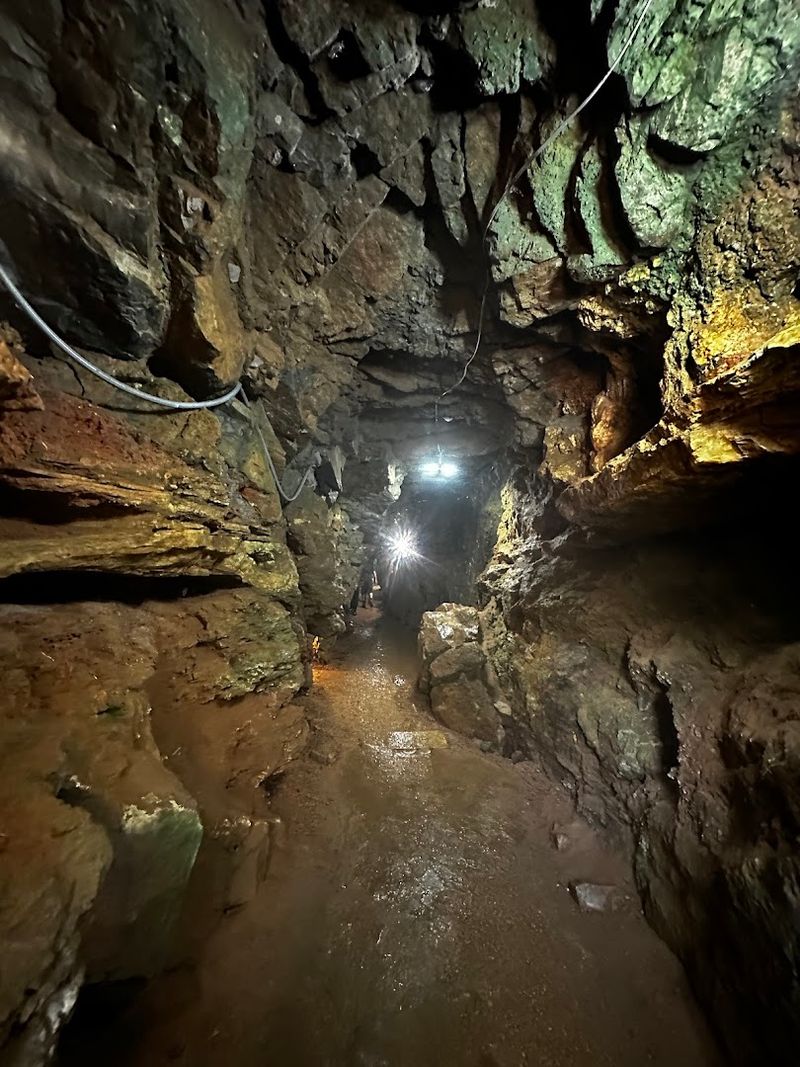
The cave adjacent to the spring is a separate ticketed experience worth exploring. Cave tours run for just $2 per person and give you a close-up look at the underground world that feeds the lake.
The cave runs close to 300 feet long and stays naturally cool inside, which is a welcome break from the Georgia heat.
Cave Spring itself is a small town with its own charm. The town hosts an annual car show and BBQ cook-off at the park, drawing crowds from across the region.
Exploring the downtown area after your swim adds a nice finishing touch to the day. Just know that dining options in town are limited, so having a backup plan for dinner in nearby Rome, Georgia, is always a smart move when visiting on weekends.
Best Times To Visit For Optimal Swimming Conditions
Timing your visit to Rolater Lake makes a real difference in the overall experience. The lake is open Fridays through Sundays from noon to 7 PM, Memorial Day through Labor Day.
Weekday visits are simply not an option since the lake stays closed Monday through Wednesday.
Early June offers a sweet spot for visiting. The water is already cold and refreshing, but the peak summer crowds have not fully arrived yet.
Late August visits tend to bring the largest weekend crowds, especially on holiday weekends when families are squeezing in one last summer outing before school starts.
Friday afternoons are often quieter than Saturdays or Sundays. If your schedule allows a Friday visit, you will likely find more room to spread out on the lawn and shorter entry lines.
Arriving right at noon, opening time on any day gives you first pick of the best grassy spots.
Late May and early September visits can feel bittersweet because the air is cooler, but the cold spring water hits even harder when the sun is not blazing overhead. That said, a warm Georgia September afternoon still pairs beautifully with a 66-degree lake.
Checking the weather forecast before heading out is always worth the 30 seconds it takes. Sunny, humid days make the cold water feel like the best reward imaginable after the drive to Cave Spring.