
8 Beautiful Underrated Beach Towns Along The Virginia Coast
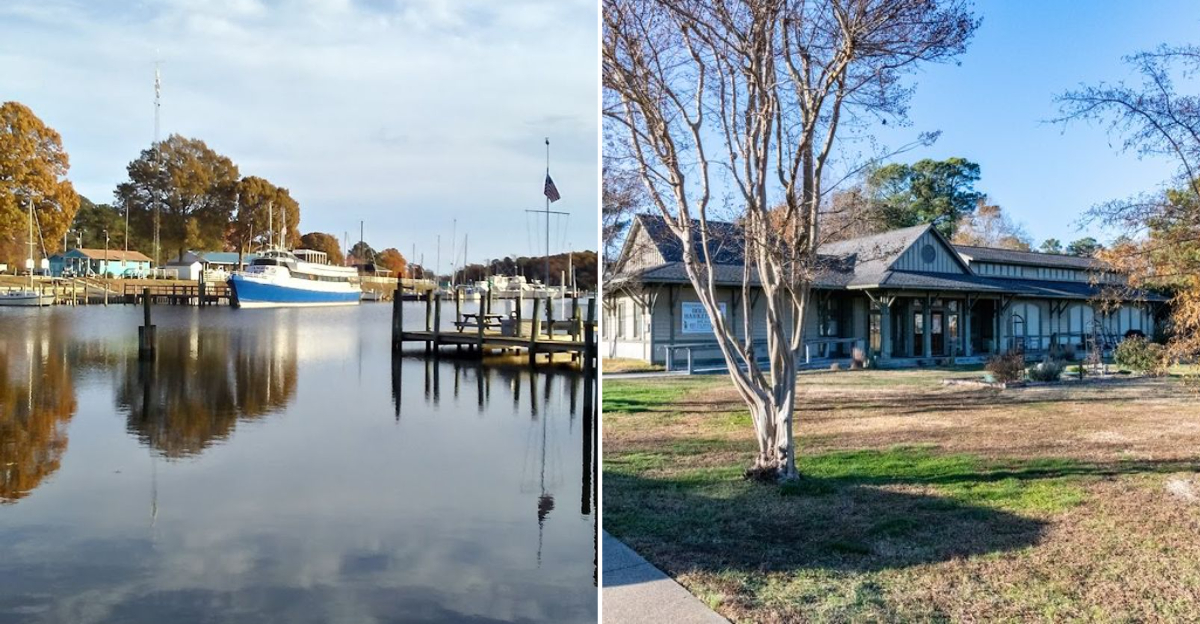
The familiar names fill up weeks in advance. These spots fill up slower, which is precisely what makes them worth knowing about.
Virginia’s coastline runs longer and more varied than the standard visitor map suggests. The beach towns that built quiet reputations did so without the infrastructure of the well-known destinations.
Shorter lines, slower mornings, and a shoreline that doesn’t require planning to enjoy. Each town on this list carries its own character without leaning on the same coastal formula that made the crowded ones crowded.
The underrated label won’t last indefinitely. It never does once the right people start paying attention.
1. Chincoteague
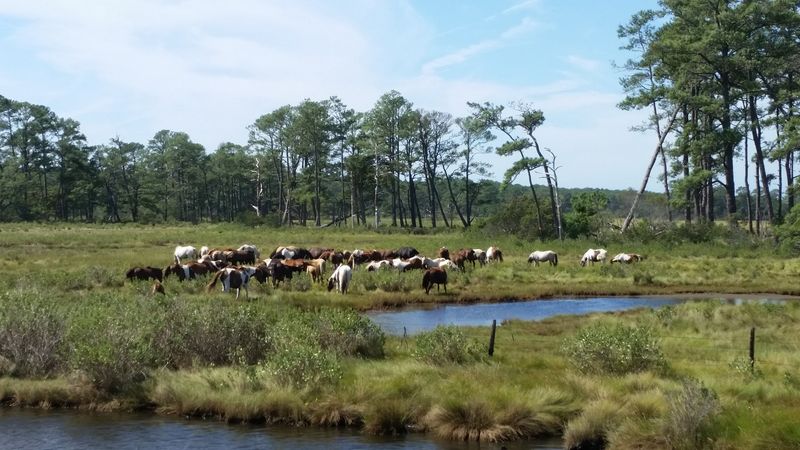
Wild ponies roam free here like they own the place. Because honestly, they kind of do.
Chincoteague, Virginia, sits right next to Assateague Island, where these famous horses have lived for centuries.
The whole island runs on waterman time. Fishermen haul in oysters and clams before dawn.
Local seafood spots serve catches so fresh they were swimming that morning.
You won’t find chain restaurants or flashy boardwalks. Just mom-and-pop shops selling homemade fudge and beach gear.
Small museums tell stories of island life that go back generations.
Birdwatchers lose their minds here. The Chincoteague National Wildlife Refuge attracts hundreds of species during migration seasons.
Bring binoculars and comfortable walking shoes.
Beaches stay quiet even during the summer months. Families spread out blankets without fighting for space.
Kids build sandcastles while parents actually relax for once.
The annual pony swim in July draws huge crowds. Volunteers herd wild ponies across the channel for a veterinary check.
It’s been happening since 1925 and still feels magical.
Main Street offers everything you need without overwhelming you. Ice cream parlors, gift shops, and casual eateries line the road.
Nobody’s in a hurry here.
Kayaking through the marshes reveals a different world. Herons stand motionless in shallow water.
Crabs scuttle sideways across mudflats at low tide.
Sunsets paint the sky in colors that don’t seem real. Orange bleeds into pink, then purple.
Everyone stops what they’re doing to watch.
Route 175 off the Eastern Shore brings you straight to this island paradise. Once you cross that bridge, stress melts away.
2. Tangier Island
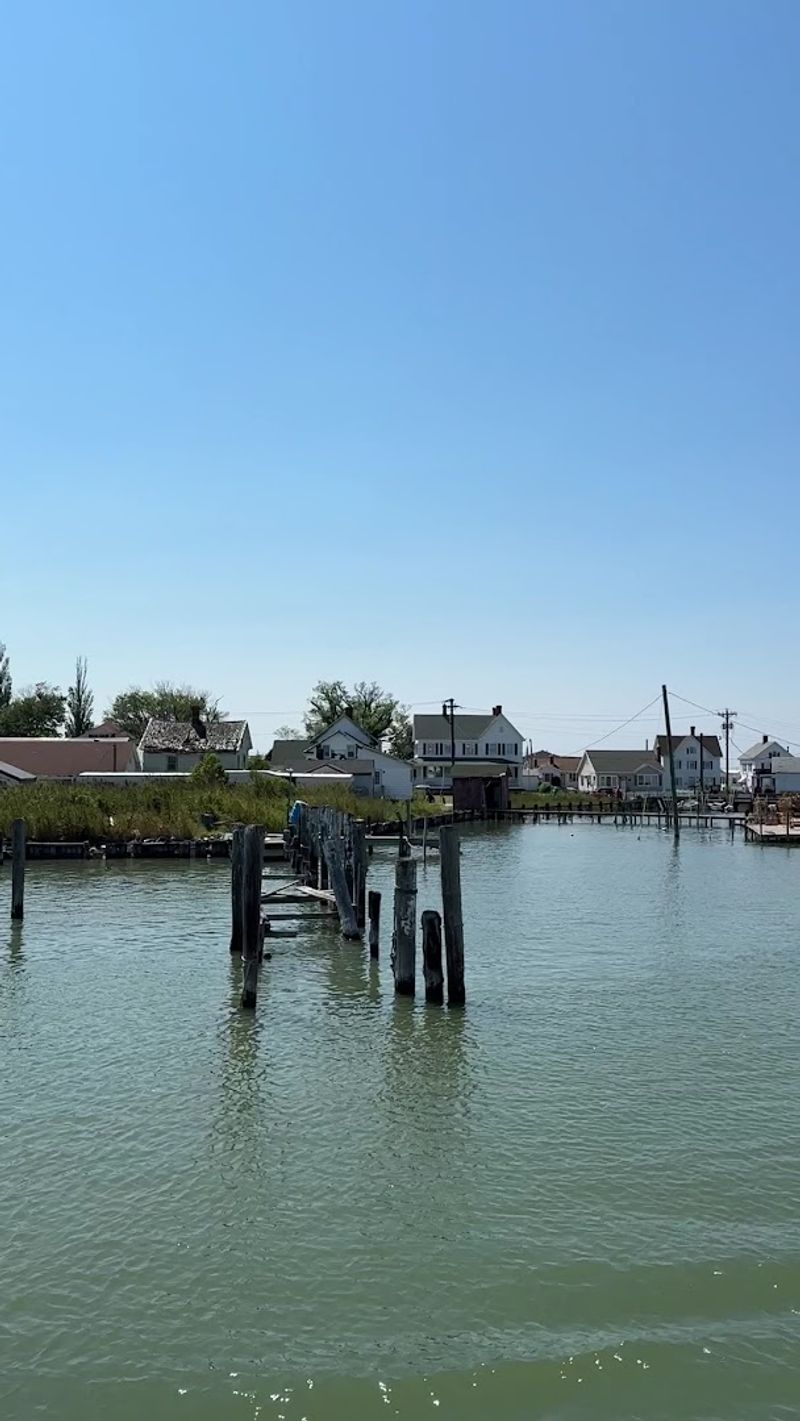
Getting here requires a boat or a plane. No bridges connect this tiny island to the mainland.
That’s exactly why it feels like stepping back fifty years.
About 200 watermen call this place home. They speak with an accent that sounds almost Elizabethan.
Linguists study their unique dialect that’s survived centuries of isolation.
Soft shell crabs made Tangier famous. The island claims the title of America’s Soft Crab Capital.
Local families have perfected crabbing techniques passed down through generations.
Golf carts outnumber cars on narrow streets. Most residents walk or bike everywhere.
You can explore the entire island in an afternoon.
Fresh seafood dominates every menu. Crab cakes taste nothing like the frozen versions you’ve had before.
Clam fritters come straight from the bay to your plate.
A small museum preserves the island’s history and culture. Old photographs show how little has changed.
Fishing nets, crab pots, and weathered tools tell stories without words.
Marshlands surround everything with wild, untamed beauty. Wading birds hunt in shallow pools.
Spartina grass waves in the constant breeze.
The island faces serious erosion problems. Rising water levels threaten this unique community.
Visiting now means witnessing a vanishing way of life.
Churches anchor the social fabric here. Nearly everyone attends services on Sunday.
Faith and fishing define island identity.
Mail boats deliver supplies and visitors from Crisfield, Maryland. The journey across open water takes about ninety minutes.
Seasickness pills help if you’re prone to queasiness.
Cell service barely exists. WiFi is spotty at best.
Disconnecting becomes easy when technology stops working.
3. Onancock
Victorian homes line streets shaded by ancient oak trees. Onancock preserves its 1680s heritage without turning into a theme park.
Real people live and work in these historic buildings.
The harbor bustles with sailboats and fishing vessels. Watermen unload their catches at weathered docks.
Seagulls circle overhead, hoping for scraps.
Art galleries showcase local talent in renovated storefronts. Painters capture marsh landscapes in oils and watercolors.
Potters shape clay into functional beauty.
Main Street offers antique shops packed with treasures. You’ll find everything from maritime artifacts to vintage furniture.
Serious collectors spend hours browsing dusty shelves.
Restaurants serve Chesapeake Bay classics with creative twists. She-crab soup warms you on chilly evenings.
Rockfish comes grilled, blackened, or pan-seared to perfection.
The wharf provides front-row seats for spectacular sunsets. Couples stroll hand-in-hand along wooden planks.
Photographers set up tripods to capture the golden hour.
Kayakers launch from public access points into Onancock Creek. Paddling reveals hidden coves and wildlife habitats.
Great blue herons stalk fish in the shallows.
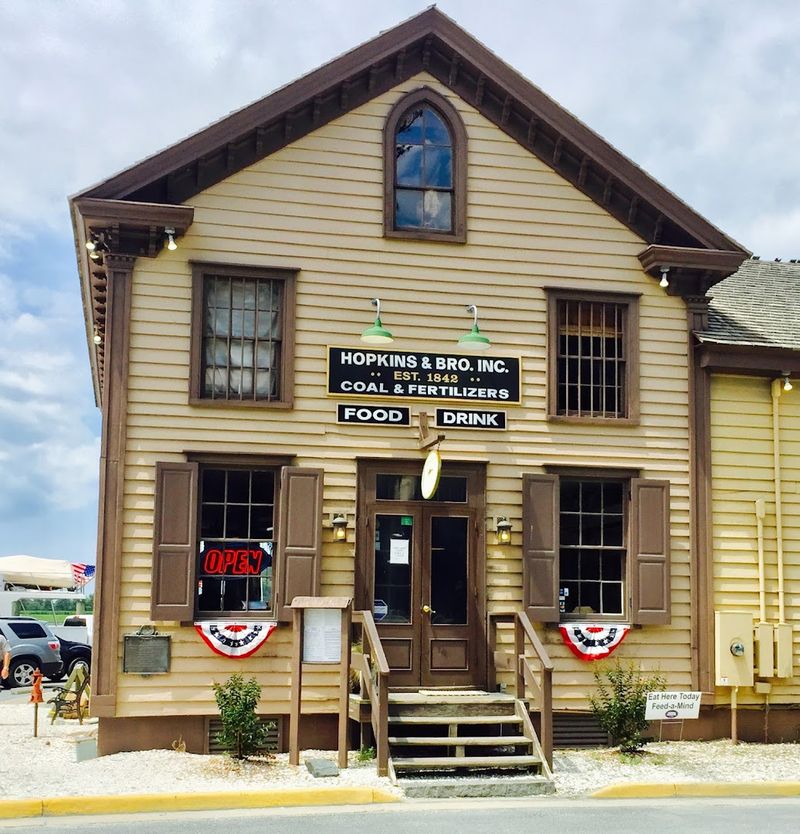
The historic Hopkins and Brothers Store dates back to 1842. It’s one of the oldest operating general stores in America.
Creaky wooden floors and vintage displays transport you backward in time.
The town hosts festivals celebrating everything from seafood to fiber arts. Community events bring neighbors together without corporate sponsorship.
Local musicians play bluegrass on street corners.
Bed and breakfasts occupy restored mansions with period furnishings. Innkeepers serve homemade breakfasts on china plates.
Sleeping in a four-poster bed feels wonderfully indulgent.
Eastern Shore charm radiates from every corner. Nothing feels rushed or manufactured here.
4. Cape Charles
Free public beaches don’t exist in many places anymore. Cape Charles offers a sandy shoreline without charging admission.
Families spread out towels on soft sand facing calm bay waters.
Shallow depths make this perfect for little kids. They splash in knee-deep water fifty feet from shore.
Parents actually relax instead of constantly watching for waves.
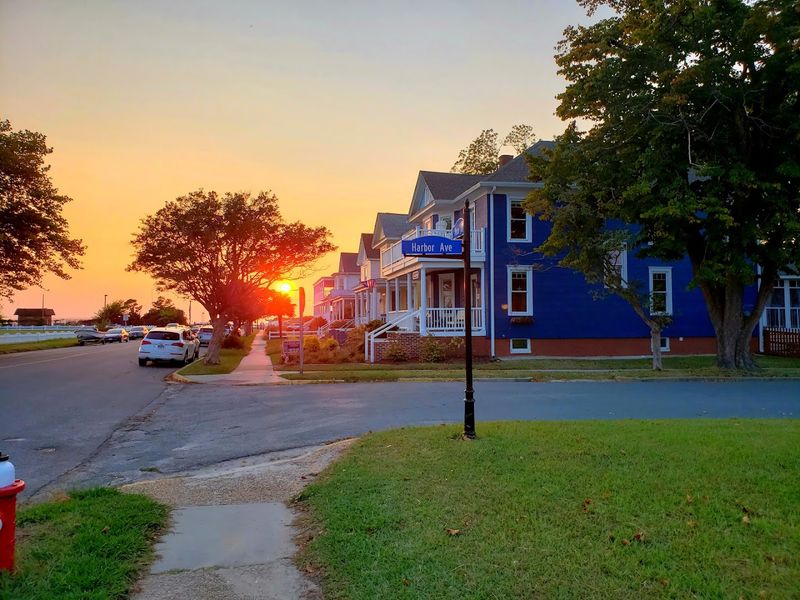
Victorian architecture dominates the walkable downtown district. Painted ladies show off gingerbread trim and wraparound porches.
Historic designation protects these architectural spots from demolition.
Independent boutiques sell coastal-themed gifts and clothing. Art galleries feature regional artists working in various media.
Nobody pressures you to buy anything.
The deep-water marina attracts serious boaters from up and down the coast. Sailboats and yachts dock alongside fishing vessels.
Sunset happy hours happen on boat decks.
Restaurants range from casual seafood shacks to upscale dining. Local oysters taste briny and sweet.
Hush puppies come hot from the fryer with honey butter.
Kiptopeke State Park sits just minutes away. Hiking trails wind through maritime forests.
Birdwatchers flock here during fall migration when raptors pass through.
Kayaking tours explore nearby marshes and inlets. Guides point out ospreys, herons, and occasionally dolphins.
Calm waters make paddling easy, even for beginners.
Clamming tours teach you how to rake for your own dinner. Guides show proper techniques and identify different species.
Nothing beats eating clams you harvested yourself.
The town green hosts concerts and community gatherings. Kids run around while adults chat on benches.
Small-town America still exists here.
Bay breezes keep summer temperatures comfortable. Humidity stays lower than on ocean-side beaches.
Evening walks feel refreshing rather than sticky.
5. Irvington
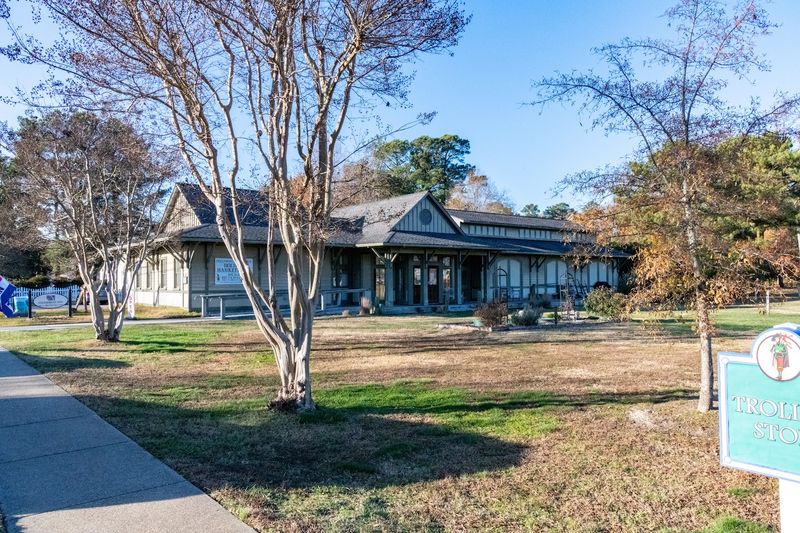
Yacht clubs and colonial charm define this Rappahannock River village. Irvington attracts boaters who appreciate understated elegance.
No neon signs or tacky souvenir shops ruin the aesthetic.
Historic homes date back to the 1700s. Brick chimneys rise above clapboard siding.
Gardens bloom with roses, hydrangeas, and native plants.
The Tides Inn has welcomed guests since 1947. This waterfront resort offers championship golf and spa services.
Generations of families return year after year.
The Steamboat Era Museum preserves regional maritime history. Exhibits showcase models of vessels that once plied these waters.
Old photographs document when steamboats ruled river commerce.
Marinas provide slips for visiting sailors cruising the Chesapeake. Dockmasters help with mooring lines and local recommendations.
Boating communities form quickly around shared adventures.
Fine dining establishments serve sophisticated menus. Chefs source ingredients from local farms and watermen.
Art galleries display works by established and emerging artists. Landscapes capture the unique light that painters love here.
Sculpture gardens invite contemplative strolls.
Golf courses challenge players with water hazards and strategic bunkering. Manicured fairways contrast with natural wetlands.
Deer occasionally wander across the greens at dawn.
Fishing guides take clients after striped bass and speckled trout. Early morning departures catch fish when they’re most active.
Coolers fill with dinner for the whole family.
Quiet streets encourage evening walks past illuminated homes. Neighbors wave from front porches.
Fireflies blink in the gathering darkness.
This isn’t a rowdy beach town. Irvington caters to visitors seeking peaceful sophistication.
Relaxation happens at a genteel pace here.
6. Reedville
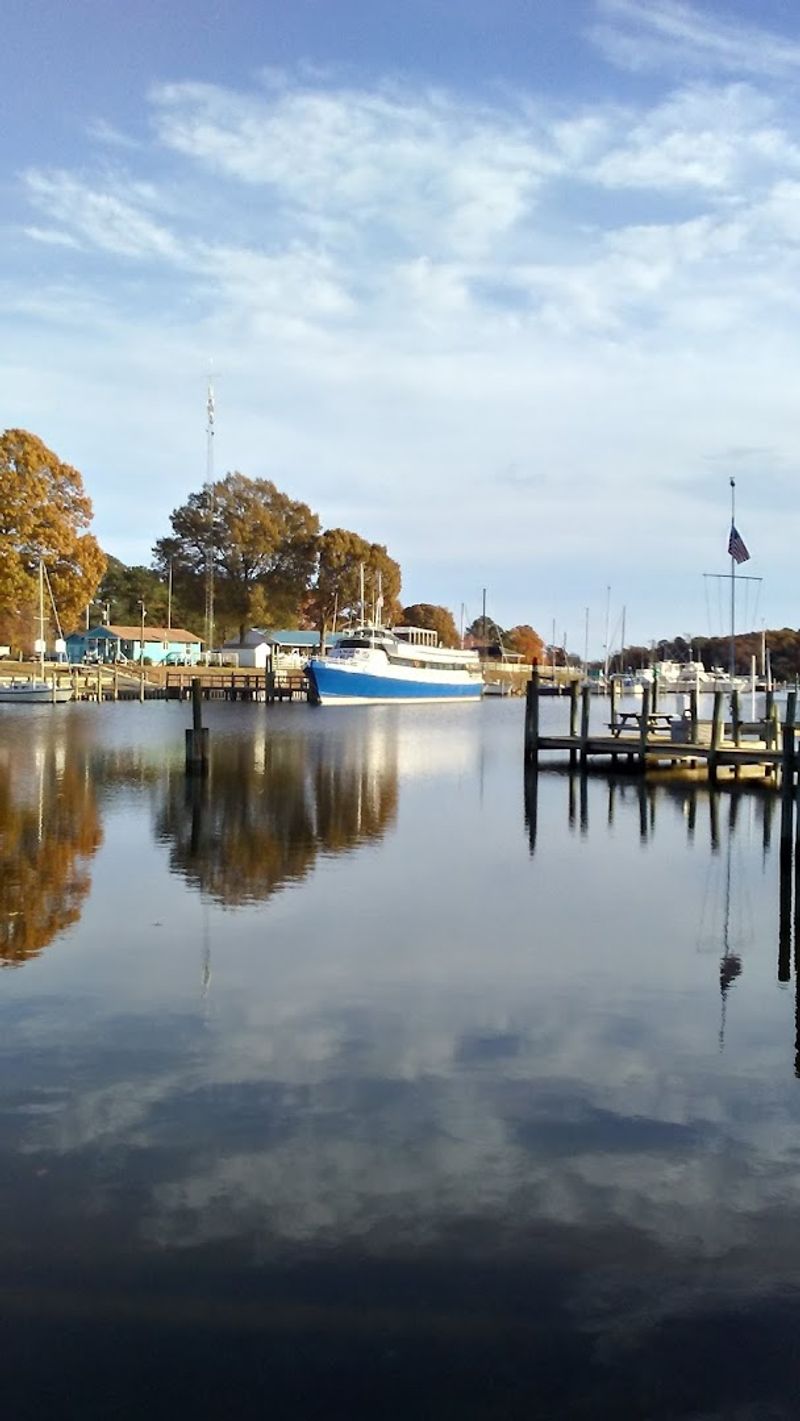
Menhaden fishing built this town into something special. Captain’s mansions line streets with widow’s walks and ornate details.
These Victorian beauties came from serious fishing money.
The menhaden industry still thrives here. Large vessels harvest these small fish for omega-3 oil and fertilizer.
It’s not glamorous, but it pays the bills.
Reedville Maritime Museum explains the local fishing heritage. Exhibits detail menhaden processing and boat-building traditions.
Restored vessels sit in the harbor for tours.
Millionaire’s Row showcases the most impressive historic homes. Sea captains competed to build the fanciest houses.
Architectural details demonstrate wealth earned from the sea.
Cockrell’s Creek provides protected anchorage for recreational boaters. Sailboats and powerboats share space with working vessels.
Sunsets reflect off calm water in brilliant colors.
Restaurants serve fresh seafood caught by local watermen. Crab cakes contain more meat than filler.
Fish and chips feature flaky white fish in crispy batter.
The town feels authentically working-class despite the fancy houses. Regular folks live and work here without pretension.
Watermen still leave before dawn to check crab pots.
Ferry service connects to Tangier Island during the tourist season. Day trips let you explore without staying overnight.
The boat ride itself offers great wildlife viewing.
Antique shops hide treasures in unexpected places. Maritime artifacts mix with vintage furniture and collectibles.
Haggling is expected and enjoyed.
Walking tours reveal architectural details you’d otherwise miss. Guides share stories about families who built this community.
History comes alive through personal anecdotes.
Few tourists discover Reedville despite its proximity to popular destinations. That keeps it genuine and unpretentious.
7. Deltaville
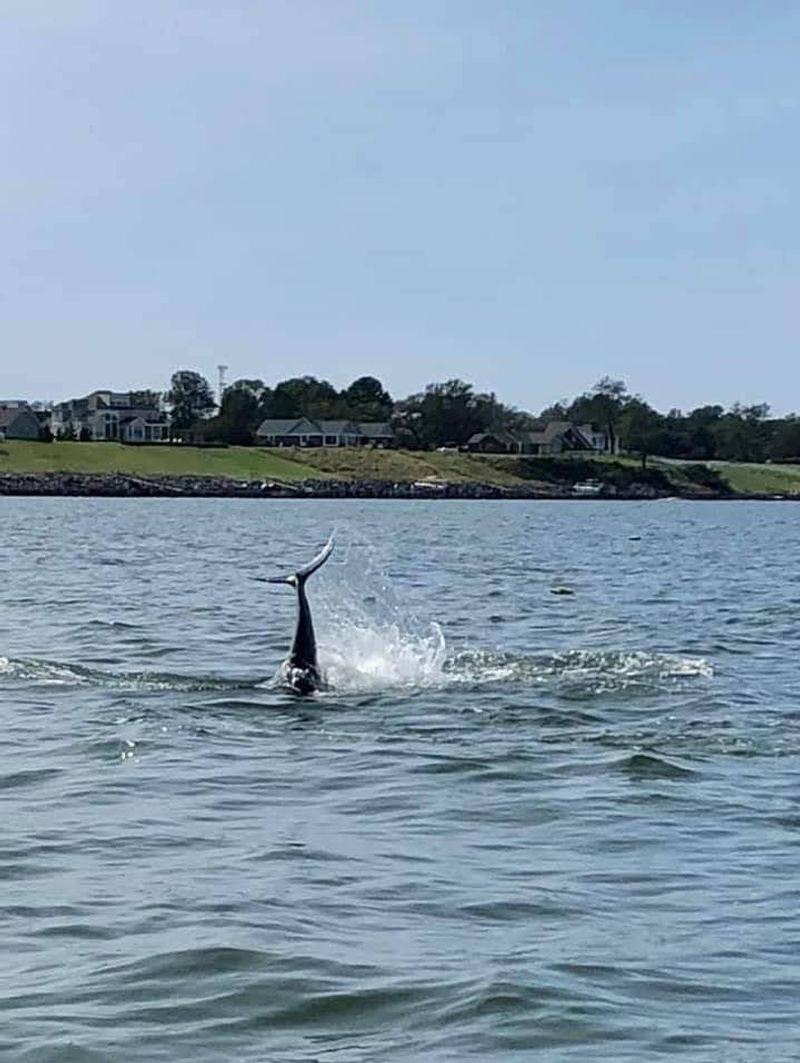
Boat builders and watermen share this quiet peninsula. Deltaville sits where the Rappahannock River meets the Chesapeake Bay.
Water surrounds you from almost every angle.
Marinas outnumber restaurants in this boating community. Serious sailors know Deltaville for quality repairs and provisioning.
Yards handle everything from routine maintenance to major refits.
Fishing remains central to local identity and economy. Charter captains guide clients to productive spots.
Coolers return filled with rockfish, flounder, and croaker.
The Jackson Creek area offers protected anchorage. Sailboats swing on moorings while crews relax below.
Peaceful nights feature only water lapping against hulls.
Crab shacks serve steamed blue crabs by the dozen. Mallets and picks become necessary tools.
Old Bay seasoning coats fingers and faces equally.
Birdwatching opportunities abound in the surrounding marshes. Ospreys dive for fish with incredible precision.
Egrets stand motionless, waiting for unwary prey.
The community hosts fishing tournaments throughout the season. Competitors weigh catches, hoping for prizes and bragging rights.
Everyone gathers afterward to swap stories.
Kayakers explore countless creeks and tributaries. Calm waters make paddling accessible for all skill levels.
Discoveries wait around every bend.
Sunrises paint the eastern sky in breathtaking hues. Early risers sip coffee, watching light spread across the water.
Mornings here feel sacred and unhurried.
No traffic lights interrupt your journey. Stop signs mark the only intersections.
Rush hour doesn’t exist in this vocabulary.
Local knowledge runs deep among longtime residents. Ask questions, and people share freely.
Strangers become friends over shared love of the water.
This isn’t a tourist destination with attractions and entertainment. Deltaville rewards those seeking authentic coastal living.
Simplicity becomes the main attraction.
8. Kilmarnock
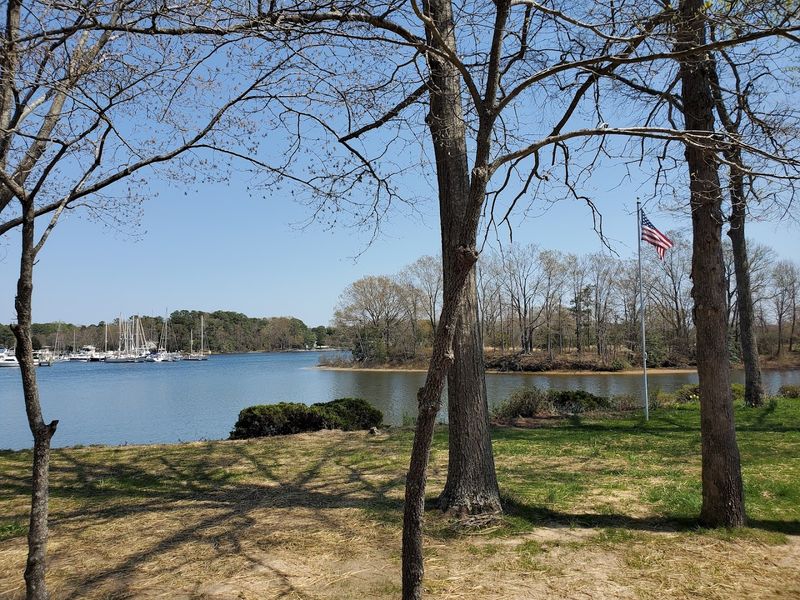
Strip malls and chain stores haven’t conquered this Northern Neck town. Kilmarnock maintains a small-town character despite modern pressures.
Local businesses still dominate the commercial landscape.
Main Street offers practical shopping without tourist kitsch. Hardware stores, pharmacies, and grocery markets serve actual residents.
You’ll find what you need without wading through junk.
The town serves as a hub for the surrounding waterfront communities. People drive in from rural areas for supplies and services.
Parking lots fill with pickup trucks and boat trailers.
Rappahannock River access lies just minutes away. Public landings provide free boat ramps and fishing piers.
Watermen and recreational boaters share the waterways peacefully.
Local restaurants cook comfort food done right. Meatloaf, fried chicken, and fresh vegetables fill plates.
Pies come homemade with flaky crusts.
The library anchors community life and learning. Kids gather for story time while adults browse new releases.
Free WiFi attracts students and remote workers.
Churches represent various denominations and architectural styles. Steeples punctuate the skyline above tree canopies.
Sunday services still draw significant attendance.
Farmers’ markets showcase regional produce and crafts. Tomatoes taste as actual tomatoes should.
Honey comes from hives kept by your neighbors.
Parks offer playgrounds and picnic areas for families. Kids swing and slide while parents chat on benches.
Simple pleasures cost nothing here.
The pace of life moves more slowly than in urban areas. Nobody honks if you hesitate at a stop sign.
Waving to strangers feels normal.
Historic markers dot the landscape explaining local significance. Civil War history runs deep through this region.
Battlefields and plantations lie within short drives.
This isn’t a beach town in the traditional sense. But water defines the culture and economy completely.