
These 9 Hidden New York Destinations Are Only Reachable By Ferry, And Most Locals Never Reach Them
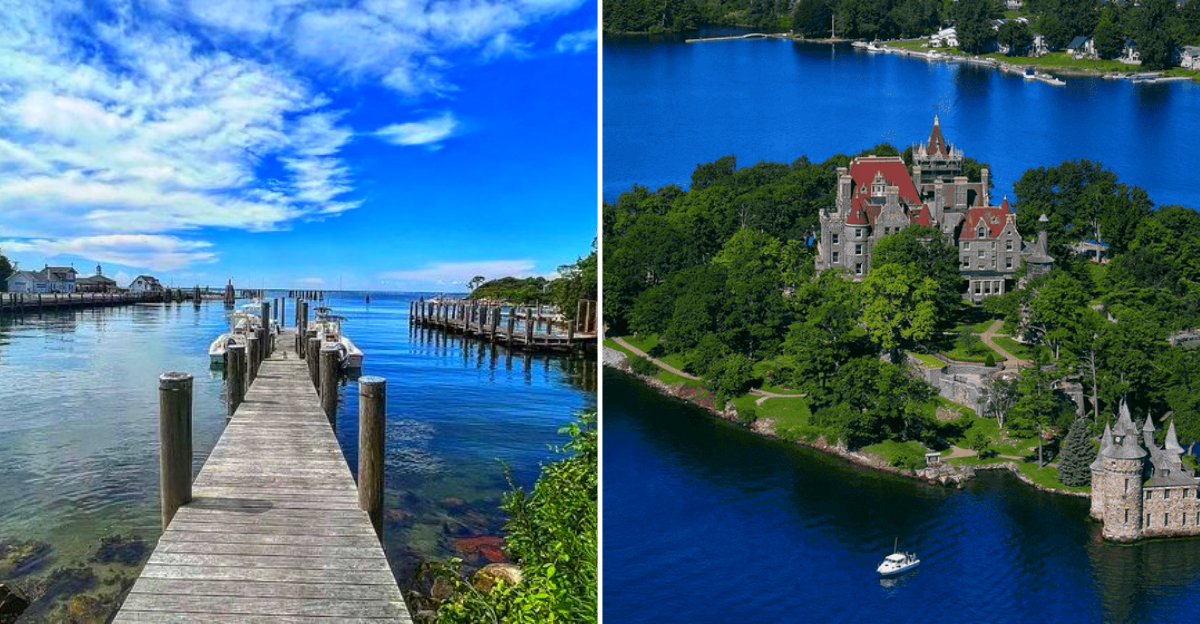
The ferry ride is the first filter and it works remarkably well. A destination that requires a boat to reach eliminates a category of casual visitor that other places spend considerable energy managing on arrival.
Nine destinations worth ferrying to exist and most locals have never set foot on any of them. Islands and waterfront communities cut off from the road network develop a self-sufficiency that shows up in the food and the architecture.
The ferry schedule becomes the clock everyone lives by. The population stays small enough that strangers get noticed and welcomed in equal measure.
New York contains entire worlds that a car will never reach and these nine are among the most extraordinary examples of what that kind of separation produces over time. Check the schedule.
Buy the ticket. Go before someone builds a bridge.
1. Governors Island (New York Harbor)
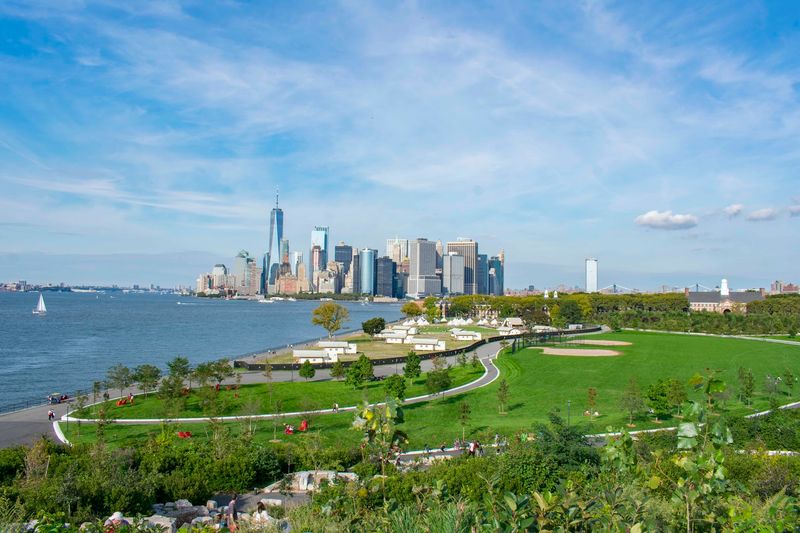
Eight minutes on a ferry and suddenly you are on a 172-acre car-free island with one of the best views of Manhattan money cannot buy. Governors Island sits just 800 yards off the tip of Lower Manhattan, and it feels like a completely different world.
Fort Jay and Castle Williams are still standing strong from the 1800s, and both are free to explore.
The hills on the island were actually built using dirt excavated from Manhattan construction projects. Climb to the top and you get sweeping city views that beat any rooftop bar.
There are 57-foot slides, a Hammock Grove, camping spots, and a rotating lineup of art installations and food vendors that changes throughout the season.
Best of all, entry is free before noon on weekends. The ferry departs from the Battery Maritime Building at 10 South Street in Manhattan, and also from Brooklyn Bridge Park.
An extraordinary number of lifelong New Yorkers have never made the trip, which means you will likely have more breathing room than you expect. Go early, stay late, and bring a bike if you can.
2. Bannerman Island (Pollepel Island, Hudson River)
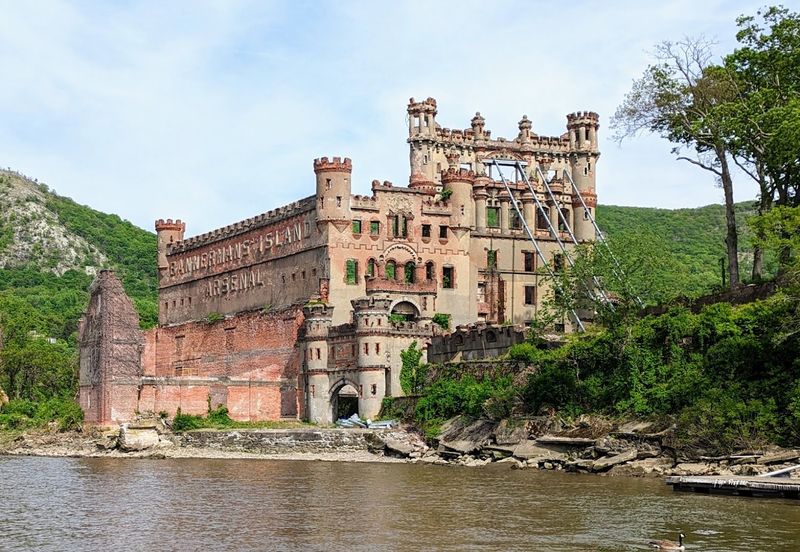
A ruined castle on a tiny island in the middle of the Hudson River sounds like something out of a fantasy novel, but Bannerman Island is completely real.
Francis Bannerman was a Scottish-born military surplus dealer who bought Pollepel Island after the Spanish-American War and designed the whole castle himself to store weapons and ammunition he had purchased from the government.
He modeled it after Scottish architecture, which is why it looks like something a medieval knight might ride past. After Bannerman passed away, an explosion and fire tore through the structure, and the island sat abandoned for decades.
The Bannerman Castle Trust eventually took over and now runs guided walking tours on weekend afternoons from May through October.
The ferry from Beacon, New York takes about 30 minutes and is genuinely half the fun of the trip. You get to watch the ruins appear through the river mist as you approach, which is a moment that stays with you.
The island also hosts outdoor movie nights and theatrical performances during the warmer months. Check the Bannerman Castle Trust website for updated tour schedules and booking information before you go.
3. Constitution Island (Hudson River, Near Cold Spring)
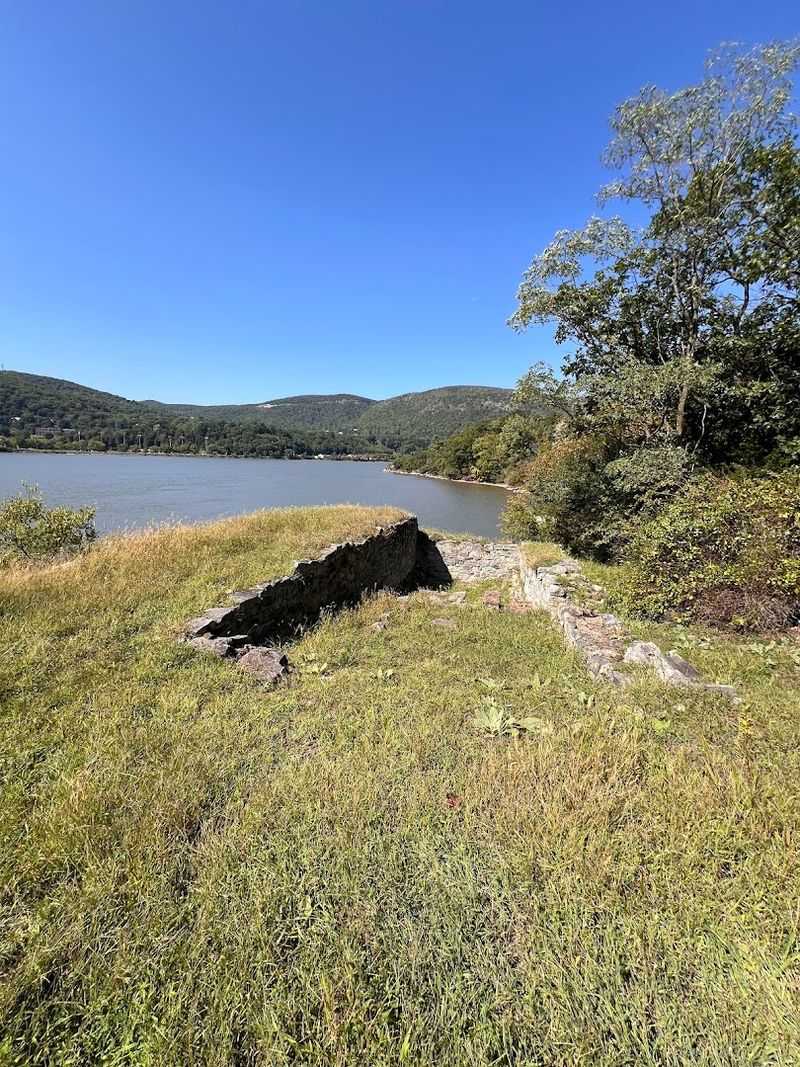
Constitution Island does not get nearly enough attention for how historically packed it actually is.
Sitting directly across the Hudson River from Cold Spring, New York, the 280-acre island is owned by West Point and holds some of the most significant Revolutionary War fortifications still standing in the country.
The Great Chain was anchored here in 1778 to physically block British warships from sailing north up the river.
Beyond the military history, the island was home to Susan and Anna Warner for much of the 1800s. Susan wrote one of the best-selling novels of the entire 19th century.
Anna wrote the hymn you probably learned as a child, “Jesus Loves Me.” Their home, the Warner House, is still on the island and part of the tour experience.
After a 12-year closure, Constitution Island reopened to the public for 2026 tours on selected Saturdays in summer and fall. The boat shuttle departs from the Cold Spring Metro-North parking area.
Attendance is strictly capped and registration is required in advance, so do not wait until the last minute to sign up. Spots fill fast, and this is genuinely one of the most underrated spots in all of New York State.
4. Hart Island (East River, The Bronx)
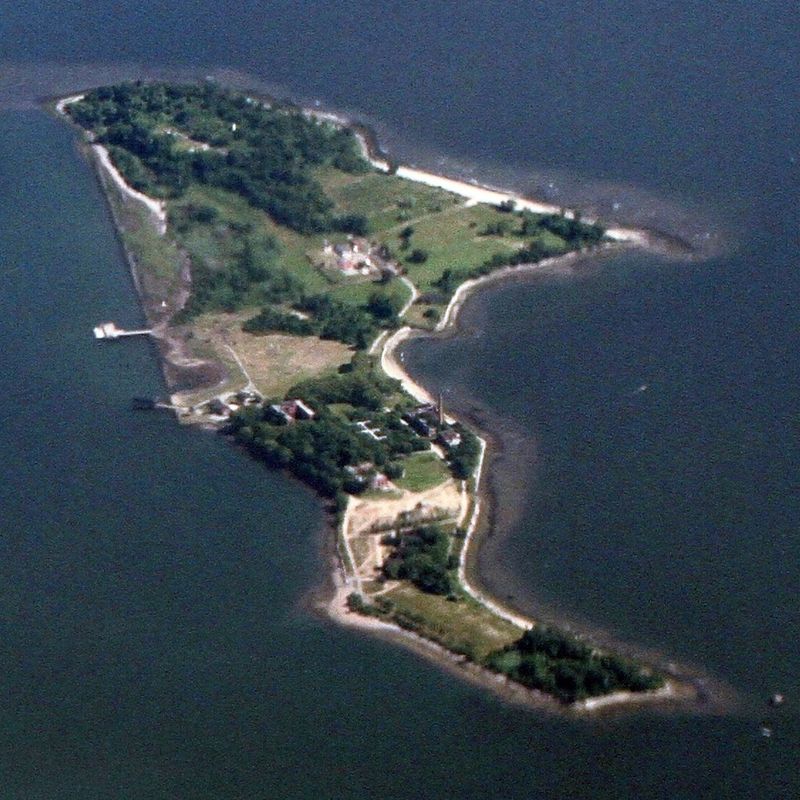
Hart Island holds a story that most New York City residents do not know exists right in their own backyard. Since 1869, the island has served as the city’s public cemetery, and over one million people are buried here in plain pine boxes in unmarked trenches.
Civil War soldiers, yellow fever victims, and unclaimed individuals from every era of the city’s history rest on this ground.
The Urban Park Rangers now run public history tours completely free of charge, and you reach the island by ferry from City Island in the Bronx. Tours operate on a lottery system, so you will need to register ahead of time through the NYC Parks website.
The experience is sobering, respectful, and unlike anything else the city offers.
Beyond the burial grounds, the island contains former Cold War missile defense structures, a decommissioned chapel, and long stretches of meadow that cover the graves in quiet green. There is a weight to walking on Hart Island that you feel immediately.
It is not a cheerful afternoon outing, but it is one of the most meaningful and historically rich places in New York. Some experiences remind you what a city really is, and this is one of them.
5. Watch Hill (Fire Island, Western Wilderness)
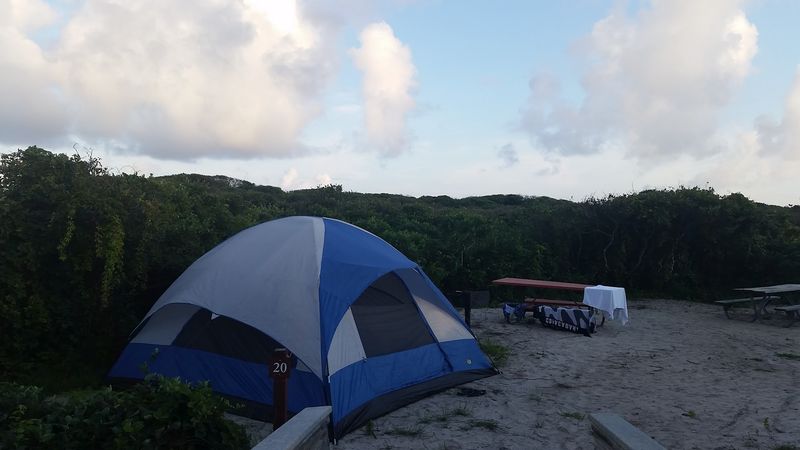
Most people who have heard of Fire Island are picturing the lively communities further east. Watch Hill is a completely different story, and that is exactly what makes it worth the trip.
Sitting on the western edge of the Otis Pike Fire Island High Dune Wilderness, this stretch of coastline holds the distinction of being the only federally designated wilderness area in all of New York State.
There are no cars, no paved roads, and no development beyond the campground. What you do get are 27 sand campsites, lifeguarded ocean beaches, a nature trail, a small marina, and a visitor center that actually gives you useful information.
The quiet here is the kind that city people forget exists.
The ferry from Patchogue, New York takes about 30 minutes and drops you off at the Watch Hill Visitor Center dock. From there, the wilderness is yours to explore on foot.
Camping reservations fill up fast in summer, so book through Recreation.gov well in advance. Bring everything you need because there are no convenience stores and no shortcuts.
Watch Hill rewards people who come prepared and punishes those who show up expecting a resort. Pack light, pack smart, and enjoy the wild side of Long Island.
6. Fishers Island (Long Island Sound)
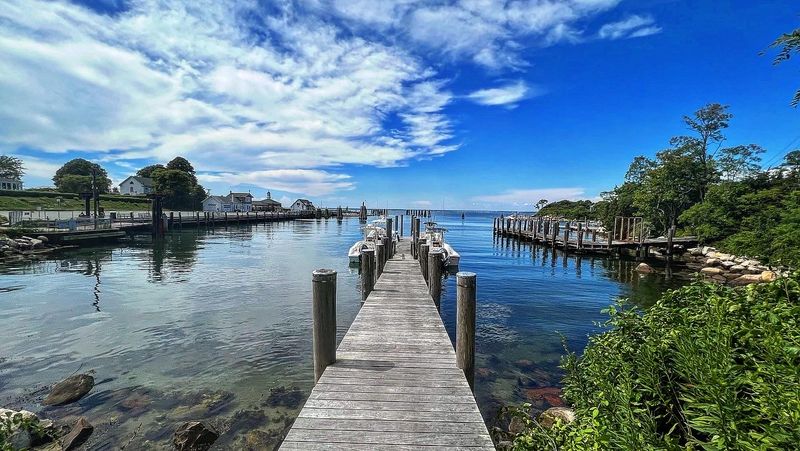
Fishers Island is technically part of New York State, but you cannot get there from New York without first going to Connecticut. That geographic quirk alone tells you everything about how off-the-map this place really is.
Nine miles long and home to fewer than 300 year-round residents, the island sits in Long Island Sound and has no chain stores, no real hotels, and essentially zero tourist infrastructure.
The beaches are clean and genuinely calm, the golf club is private and well-regarded, and the rest of the island is a quiet mix of houses, open fields, and water. It has the energy of a place that has deliberately chosen not to be discovered, and so far, it has succeeded.
Most New Yorkers have never even heard the name.
The year-round ferry runs from New London, Connecticut, and a seasonal ferry connects from Orient Point, New York at the tip of the North Fork of Long Island. The New London crossing is the more reliable and frequent option.
Fishers Island is not a destination for people who want a packed itinerary. It rewards those who enjoy slow mornings, long walks on uncrowded shores, and the rare pleasure of being somewhere that feels genuinely untouched.
That is a hard thing to find anywhere near New York City.
7. Heart Island (Boldt Castle, Thousand Islands)
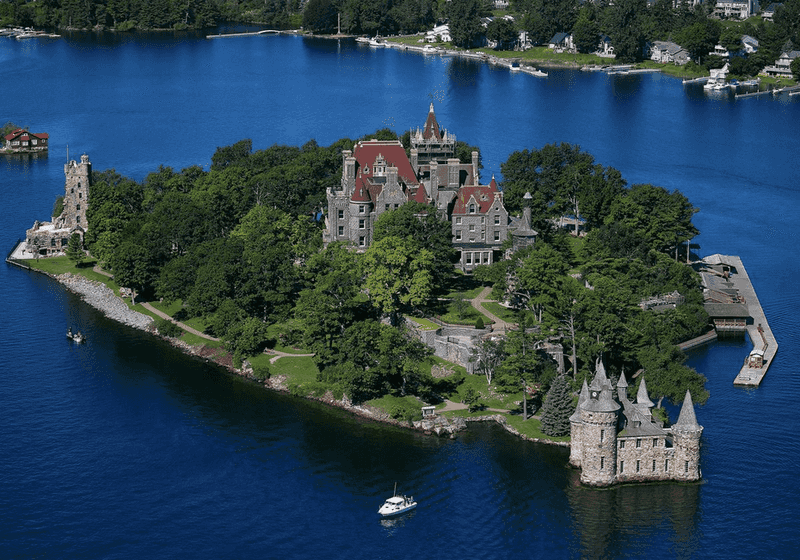
George Boldt ran the Waldorf Astoria Hotel in New York City, one of the most prestigious addresses in the country.
He was wildly successful, deeply in love with his wife Louise, and in the early 1900s he decided to build her a 120-room castle on a private island in the St. Lawrence River as a Valentine’s Day gift.
Construction was well underway when Louise passed away in January 1904.
Boldt stopped all construction the same day he received the news and never returned to the island. It sat completely abandoned for 73 years.
The Thousand Islands Bridge Authority eventually took over, restored much of the castle, and now operates it as a historic site open to the public.
Uncle Sam’s Boat Tours runs shuttles from Alexandria Bay, New York every half hour during summer months, and the ride itself is a scenic treat through the Thousand Islands.
The castle at 1 Heart Island, Alexandria Bay, NY 12413 is one of the most dramatic structures in the state.
The unfinished rooms carry a quiet sadness that no museum exhibit can replicate. You are walking through a love story that stopped mid-sentence. That is not something you forget after the ferry ride home.
8. Dark Island (Singer Castle, Thousand Islands)
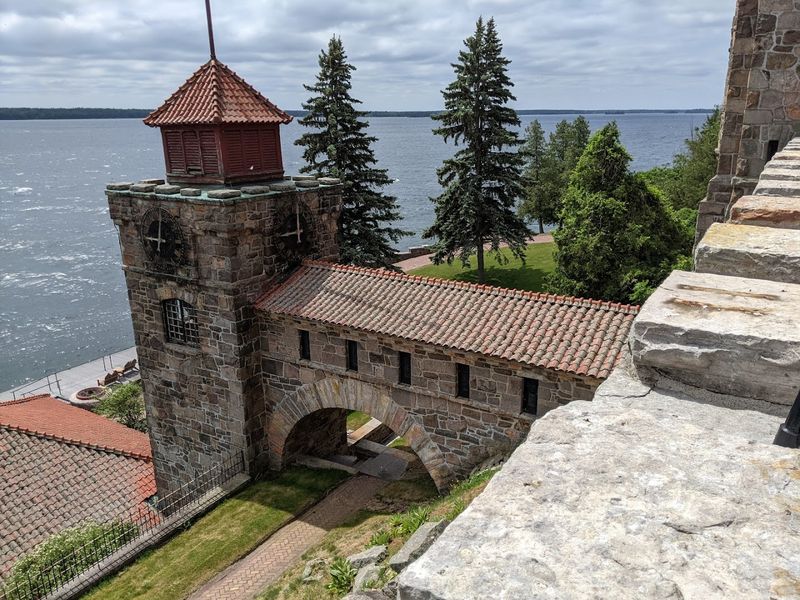
Boldt Castle gets most of the attention in the Thousand Islands, but Singer Castle on Dark Island is the one that will genuinely make your jaw drop.
Built for Frederick Bourne, the fifth CEO of the Singer Sewing Machine Company, the castle has 28 rooms, a five-story clock tower, a heated squash court, hidden passageways behind bookshelves, and a subterranean escape tunnel running beneath the island.
Yes, an actual secret tunnel. Bourne was not playing around.
The man ran a global company and apparently decided his vacation home needed the kind of features usually reserved for spy films. The castle was completed in the early 1900s and has been meticulously maintained by private owners who open it for seasonal tours.
Dark Island sits just yards south of the US-Canada border, which adds an extra layer of intrigue to the whole experience. Tours run seasonally and depart from the Chippewa Bay area in upstate New York.
Very few visitors outside the North Country region even know Singer Castle exists, which means tour groups stay small and the experience stays personal.
If Boldt Castle is the romantic tragedy of the Thousand Islands, Singer Castle is the eccentric genius version. Both are worth the trip, but only one has a hidden tunnel.
9. Valcour Island (Lake Champlain, Clinton County)
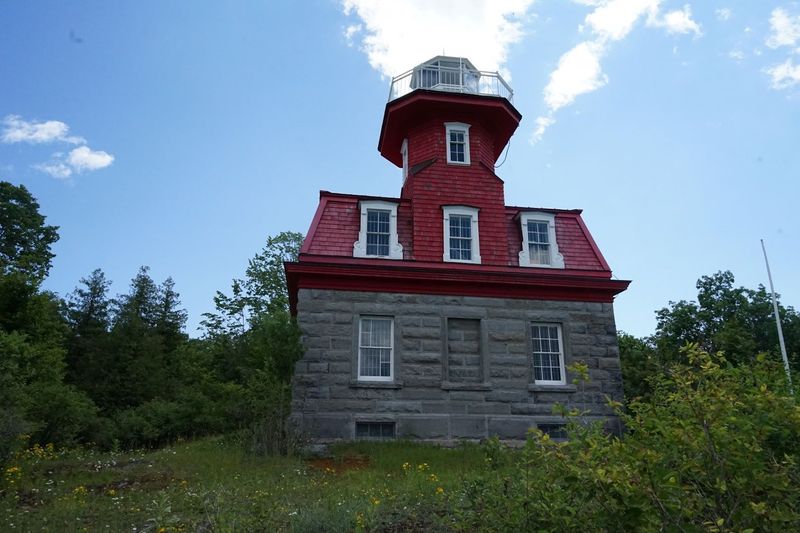
Not many people know the name Valcour Island, but the battle that took place in these waters in October 1776 may have changed the entire outcome of the American Revolution.
Benedict Arnold, before his infamous change of allegiance, commanded a small American fleet here against the British Navy.
His forces were heavily outgunned and ultimately retreated, but they held the British long enough to delay their southern advance by a full year.
That delay gave the Continental Army the time it needed to regroup and eventually win at Saratoga, which convinced France to enter the war on the American side. Historians widely consider Valcour Island a tactically brilliant defeat.
The Bluff Point Lighthouse still stands on the island’s southern tip and opens to visitors on select summer Sundays.
Valcour Island is managed by the New York State Department of Environmental Conservation and has hiking trails, sand beaches, and campsites available for overnight stays. A seasonal water taxi operates from the Plattsburgh, New York area, and private boats can also reach the island.
The crossing is short but the sense of stepping onto genuinely historic ground is immediate. Most New Yorkers have never heard of the Battle of Valcour Island. That is their loss and your opportunity.