
New York Beaches Where You Can Actually Find Ancient Fossils If You Know When To Go In 2026
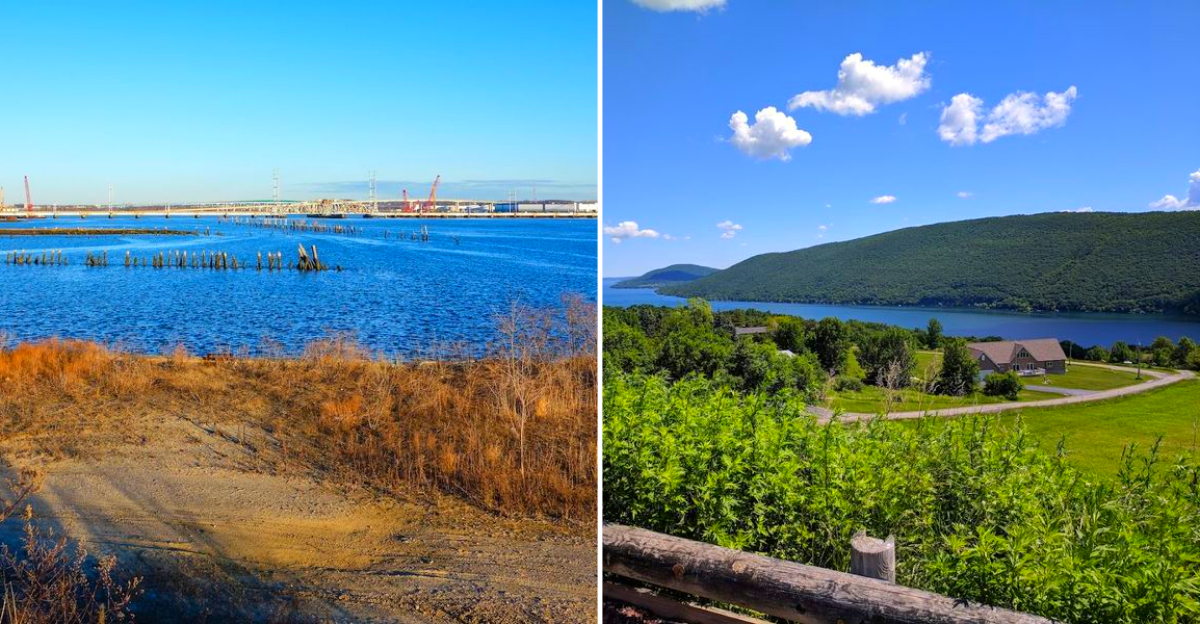
The beach looks completely different once you know what to look for. The same stretch of sand that a thousand people walked across last Saturday without stopping contains things that were alive before humans existed.
New York has beaches where that crouching down produces actual results and the key variable, as with most good things, turns out to be timing.
Low tide after a storm is when the fossils show up most reliably. The water pulls back further than usual and the wave action exposes material that calmer conditions keep buried. Shark teeth the size of a thumbnail sitting dark against the pale sand.
Ancient shell impressions pressed into rock that arrived on the beach from somewhere deeper and older than the shoreline itself.
New York’s geological history runs long and strange and these beaches sit at the points where that history keeps surfacing in 2026 for anyone patient enough to look.
1. 18 Mile Creek At Lake Erie (Hamburg, Erie County)
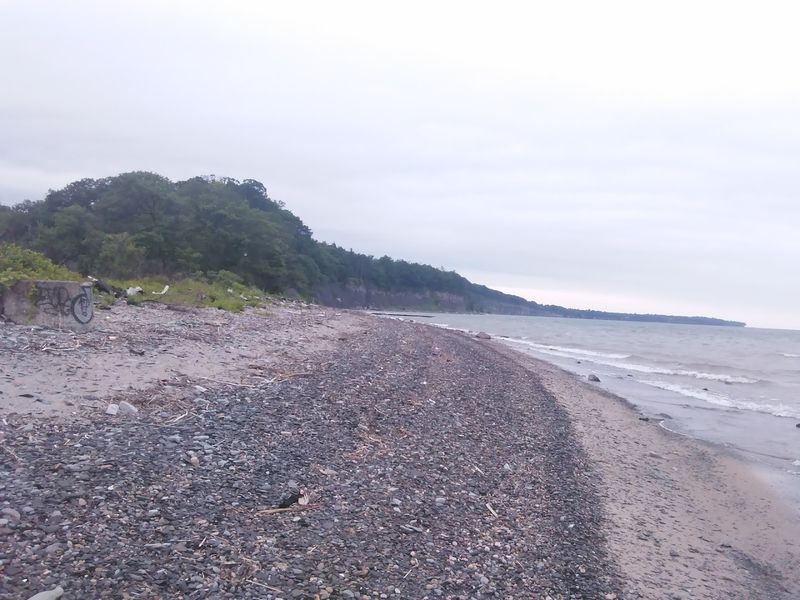
Forget gold rushes. The real treasure hunt in western New York happens along a stretch of ancient shale where 18 Mile Creek meets Lake Erie.
The formations here are called the Wanakah Shale and they clock in at roughly 385 million years old. Trilobites, horn corals, brachiopods, and crinoids are all documented finds at this site.
The trilobite species found here include Phacops, also known as Eldredgeops, along with Greenops and others. The New York State DEC officially recognizes this as a significant geological location.
You can access the public beach at the creek mouth, just off Old Lake Shore Road at the state fisherman parking area in Hamburg, Erie County.
One rule to respect: do not dig into the cliffs. The cliffs are private property and disturbing them is both illegal and unsafe.
The best strategy is to scan the loose material along the shore. Spring is the prime season here, right after winter ice and high water have done the hard work of eroding fresh shale onto the beach.
Heavy rain events also flush new material down to the shoreline throughout the year.
2. Penn Dixie Fossil Park And Nature Reserve (Hamburg, Erie County)
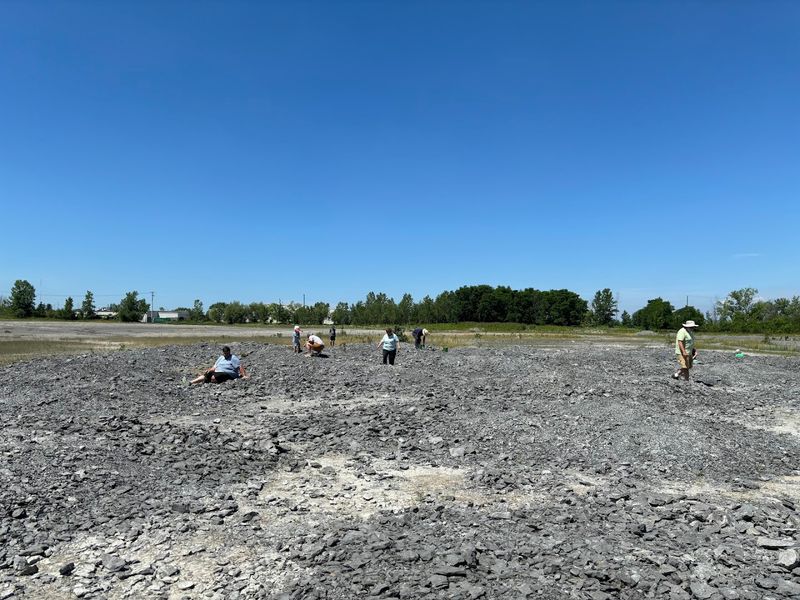
Certified by Guinness World Records as the largest public fossil dig on the planet, Penn Dixie is not playing around.
An old quarry at 4050 Big Tree Road in Hamburg exposes the same Devonian formations found at nearby 18 Mile Creek, but here everything is organized, guided, and genuinely fun for the whole family.
Corals, brachiopods, crinoids, cephalopods, and trilobites have all been documented on-site.
Tools are provided and expert guides walk you through what you are looking at. The park runs Junior Paleontologist Days during summer, which are exactly as cool as they sound.
Admission runs between ten and fifteen dollars, making it one of the most affordable outdoor science experiences in New York State.
Penn Dixie is open on weekends from May through October. The smartest move is to go in May or early June before the exposed rock dries out and the surface material gets picked over by summer crowds.
For anyone who has never gone fossil hunting before, this is the single easiest and most rewarding starting point in all of New York. You will leave with real fossils and a seriously upgraded appreciation for prehistoric oceans.
3. Canandaigua Lake Shoreline (Ontario County, Finger Lakes)
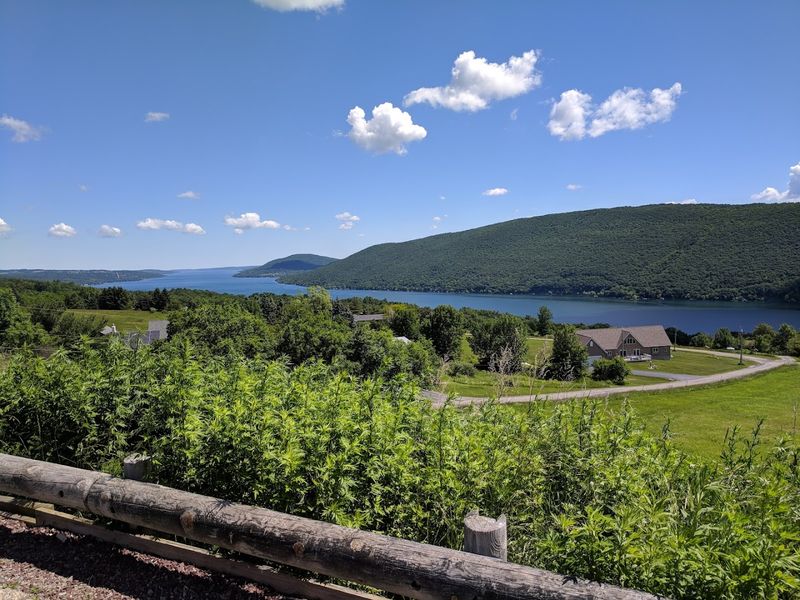
Not every great fossil beach sits next to an ocean. Canandaigua Lake in Ontario County has a documented history of fossil finds along its rocky shoreline, and a 2025 article specifically called it out as a legitimate public fossil hunting destination.
The lake sits on exposed Devonian Deep Run Shale, and that formation contains some genuinely exciting material.
Collectors have documented trilobites here, including the rare Bellacartwrightia species, which has been confirmed in Paleontological Research Institution collections from this exact location. Brachiopods and crinoid segments are also regular finds.
The key is to walk the rocky shore sections rather than the sandy beaches. You want to look where shale ledges are visible at the waterline.
Late summer and early fall are the best windows for Canandaigua. Water levels drop to their seasonal low during those months, and more rock gets exposed along the shore.
More exposed rock means more surface area to scan for fossils. Bring sturdy shoes because the shale ledges can be slippery.
Bring a small bag for your finds and a little patience, and Canandaigua will likely surprise you with what it gives up.
4. Cayuga Lake Shores (Tompkins And Seneca County, Finger Lakes)
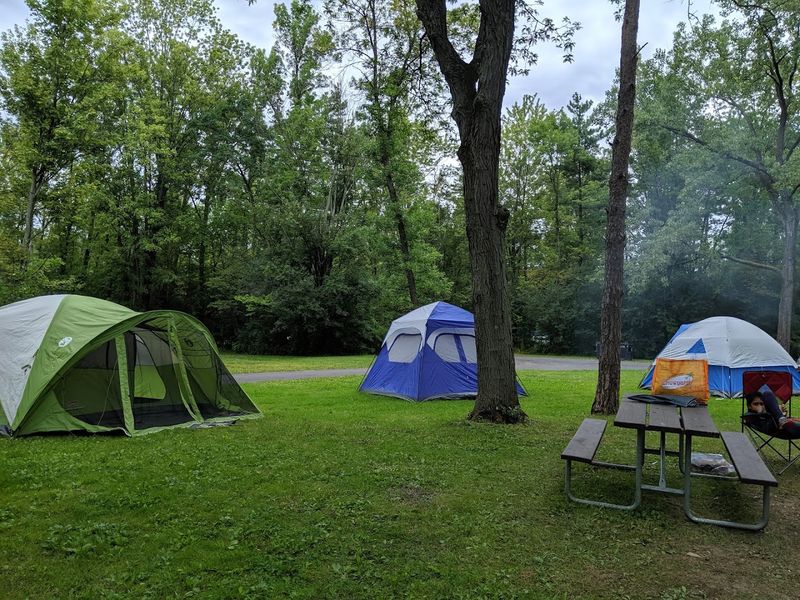
Cayuga Lake stretches 38 miles through the heart of the Finger Lakes, and along much of that distance, Devonian marine fossils are eroding right out of the shoreline rock. Collectors have documented trilobites of the Phacops variety here, along with rare blastoids, brachiopods, and corals.
That is a seriously stacked fossil menu for a freshwater lake.
The most productive sections are the rocky ledge areas along the western shore north of Ithaca. What makes Cayuga Lake even more interesting is its neighbor.
The Paleontological Research Institution, one of the country’s major fossil research centers, sits about two miles from the lake in Ithaca. The science community takes this location seriously.
Timing matters here just as much as location. Late summer through fall is the ideal window, when water levels drop and bedrock that was submerged all spring starts showing its face.
Early morning visits after a night of strong wave action are especially productive because fresh material gets turned over and deposited on the shore.
The PRI at 1259 Trumansburg Road in Ithaca is worth a visit before or after your shoreline walk, since their exhibits help you identify exactly what you are picking up.
5. Breezy Point And Jacob Riis Beach (Queens, Rockaway Peninsula)
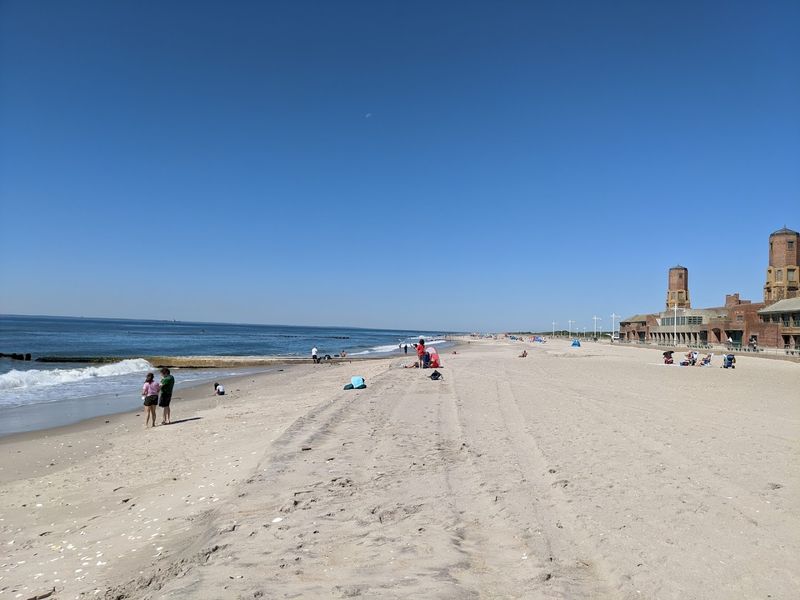
Ancient shark teeth washing up on a New York City beach sounds like something out of a science fiction novel, but it is completely real.
Breezy Point and Jacob Riis Beach on the Rockaway Peninsula are the only NYC ocean beaches with documented vertebrate fossil finds confirmed by American Museum of Natural History vertebrate paleontology staff.
Ancient shark teeth, whale ear bones, and shark vertebrae have all been recovered here.
The material arrives through longshore drift, carried from offshore deposits and deposited along the beach strand line. The place to look is in the dark pebble bands mixed in with shell material in the swash zone, that active strip of beach where waves wash up and pull back.
Shark teeth here are typically black, shiny, and triangular.
Timing is everything at Breezy Point. The 48 hours after a major coastal storm are the most productive window, when offshore sediment gets churned up and deposited on the beach.
Beach replenishment dredging operations are also worth tracking because they pull up deep-sea sediment that contains fossil material. A nor’easter followed by a low tide is basically a fossil hunter’s perfect morning.
Pack a mesh sifter and get there early before other beachcombers beat you to the strand line.
6. Staten Island South Shore (Richmond County, Raritan Bay)
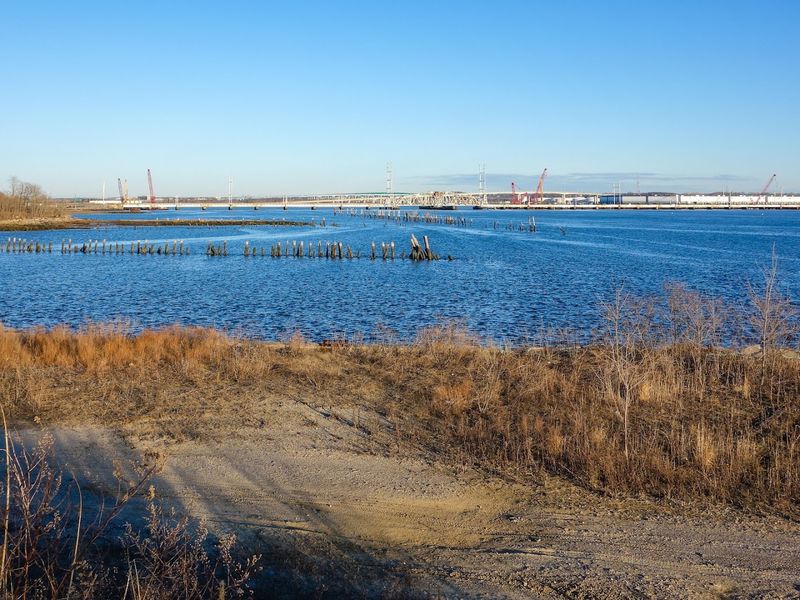
Staten Island gets overlooked in a lot of conversations about New York City, but its south shore has a fossil record that deserves serious attention.
The beaches along Raritan Bay have a documented history of marine fossil material washing ashore, including shark vertebrae, whale ear bones, large fish bones, and ancient coral.
Hunter College CUNY researchers have specifically documented and photographed fossil finds from these beaches.
South Beach and the beaches near Conference House Park in Tottenville are the spots most consistently tied to fossil finds. Conference House Park sits at the southern tip of the island, and the shoreline there gives you access to material coming in from the bay.
The strand line, that dark band of heavy material left by the highest recent wave action, is your primary hunting zone.
Low tide immediately after a storm is when the action happens. Offshore material gets deposited in that strand line, and heavier objects like fossil bone and ancient coral tend to concentrate there.
The fossils are not always obvious so slow down and look carefully. Black or dark brown bone fragments and rounded ear bone shapes are what you are scanning for.
Conference House Park is accessible at 7455 Hylan Boulevard in Tottenville, and parking is free.
7. Hudson River Shores (Mid-Hudson Valley, Kingston And Newburgh Area)
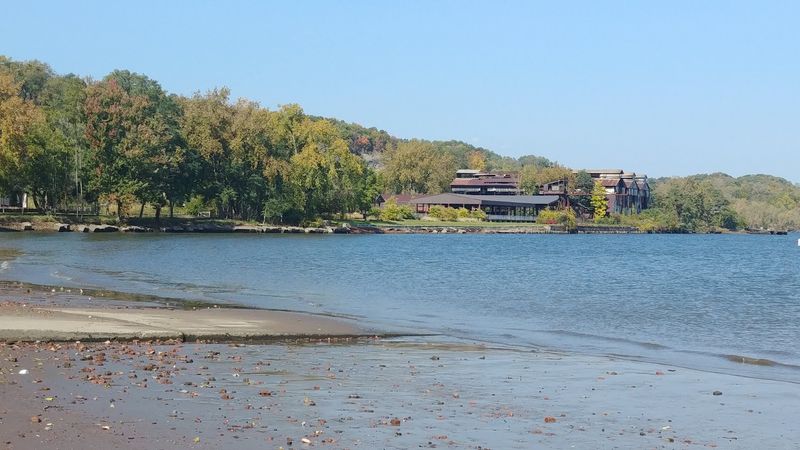
A river that cuts through hundreds of millions of years of rock formations is going to carry some interesting material.
The Hudson River slices through Devonian and Ordovician formations as it heads south, and ancient shark teeth have been documented washing up along its tidal shores by fossil collectors and confirmed by researchers.
The Hudson is basically a slow-moving fossil delivery system.
The Kingston, Newburgh, and Rhinecliff areas of the Mid-Hudson Valley are the most documented spots for this activity. DEC public fishing access sites along the river provide the clearest and most reliable public access to the riverbank.
You want to focus on gravel bars and rock ledge sections where the river scours the bank during high water.
May and June are the prime months here. Spring high water recedes during those weeks, dropping and exposing newly deposited gravel bars and freshly scoured rock ledges.
Material that got moved around during the high-water months settles into those gravel bars and waits for you to find it.
Shark teeth from the Hudson tend to be smaller than what you see in coastal finds, but they are just as genuinely old and just as satisfying to hold in your hand.
Wear waterproof boots because the riverbank gets muddy.
8. Seneca Lake Shores (Schuyler County, Finger Lakes, Watkins Glen Area)
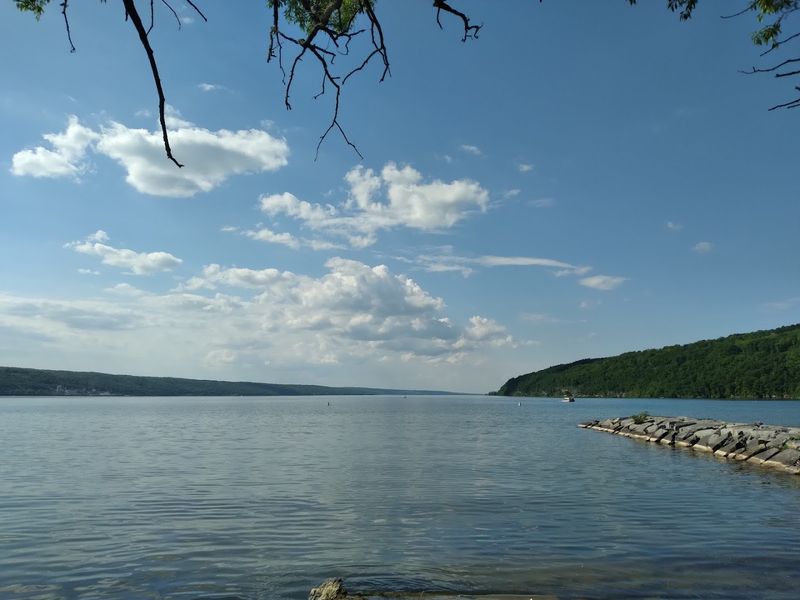
Seneca Lake has a geological advantage that most lakes simply cannot match.
The gorge creeks of the Watkins Glen area empty directly into the lake’s southern end, and those creeks run through some of the most fossil-rich gorge systems in the entire state.
Brachiopods, corals, crinoids, and occasional trilobite fragments wash down from the creek beds and accumulate right on the lake shore.
The public park areas at the south end of Seneca Lake near Watkins Glen are the most accessible entry points for fossil hunters.
The famous Watkins Glen State Park gorge trail itself is worth walking separately, since the gorge walls expose Devonian formations that tell you exactly what kind of material is heading downhill toward the lake.
The address for Watkins Glen State Park is 1009 North Franklin Street in Watkins Glen.
Two timing windows work well here. The first is after significant rain events in late spring and early summer, when creek flooding brings down fresh material from the gorge formations.
The second is late summer low water, when more of the rocky shoreline is exposed for walking and scanning. After a heavy rain, give the water a day to settle before you go so visibility is better and footing is safer along the shore.
9. Lake Ontario Shore At Wilson-Tuscarora State Park (Niagara And Orleans County)
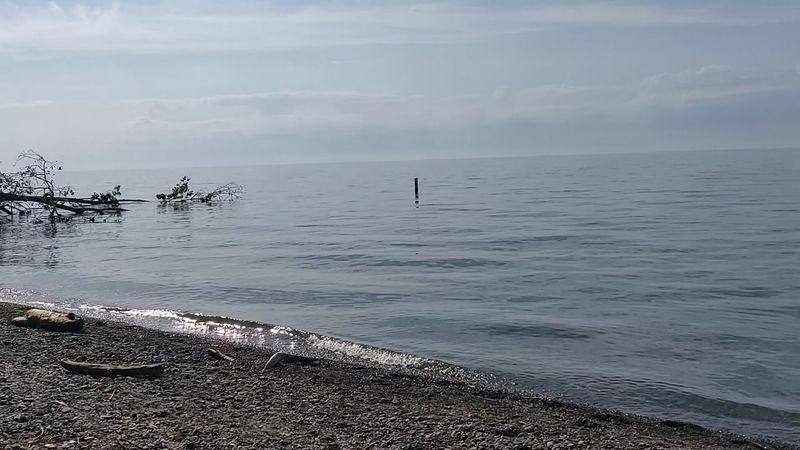
Lake Ontario winters are not gentle, and that is exactly what makes the south shore so productive for fossil hunters in spring. Along the Niagara and Orleans County stretch, exposed Silurian and Devonian limestone erodes onto the beach at several points.
Winter wave action and lake ice break those formations into slabs that wash up on the narrow rocky beach throughout the cold months.
Corals, brachiopods, and occasional trilobite fragments are the primary finds here. Wilson-Tuscarora State Park is the most consistently accessible entry point for this stretch of shoreline.
The park sits on Lake Ontario State Parkway in Wilson, New York, and provides parking and shoreline access without a complicated hike.
April and May are the ideal months to visit, right after ice-out and winter wave erosion have done their work. The shore looks genuinely different after a Lake Ontario winter.
Slabs that were locked under ice all season get deposited along the beach, and the freshly broken surfaces expose fossil material that was sealed inside the rock for the previous year.
Bring a small rock hammer if you want to split slabs and look at fresh surfaces, but always wear eye protection when doing so.
The fossils here reward patience and a careful eye.
10. Lake Champlain Shores At Point Au Roche State Park (Clinton And Essex County)
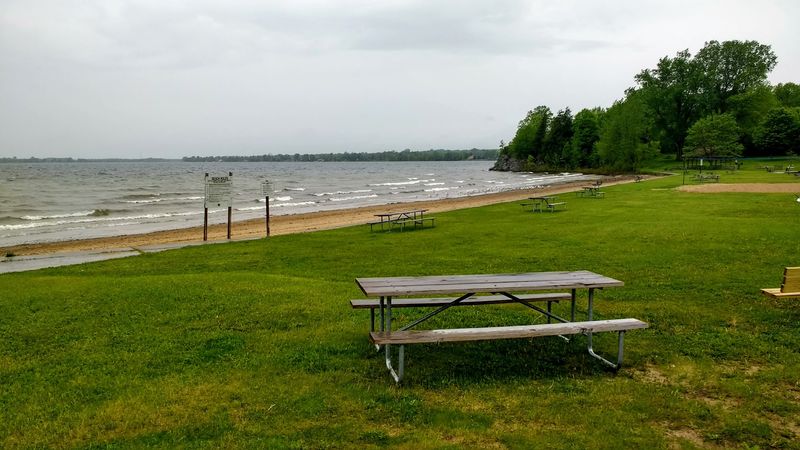
Most New York fossil sites deal in Devonian material from roughly 385 million years ago. Lake Champlain takes things considerably further back.
The New York side of the lake sits on Ordovician and Silurian limestone formations that are between 440 and 480 million years old. That is older than most of the state’s other fossil sites and it means you are finding a completely different community of ancient creatures.
Corals, crinoids, brachiopods, and gastropods erode from the exposed limestone ledges onto the lake shore on a regular basis. The Cumberland Head area near Plattsburgh and Point Au Roche State Park are the most accessible public entry points on the New York side of the lake.
Point Au Roche State Park is located at 463 Point Au Roche Road in Plattsburgh, Clinton County.
Spring after ice-out is the best time to visit, typically in May, when winter lake ice has scored and fractured new material from the limestone ledges and deposited it along the shore. Fall is also productive after a full summer of wave action has worked the rock.
The fossils here have a different look than Devonian finds elsewhere in New York, and that variety alone makes the North Country drive completely worth it. Bring a field guide so you can tell your crinoids from your gastropods.