
This Scenic Coastal Trail In Connecticut Is One Of The Best Walks That Tourists Rarely Discover
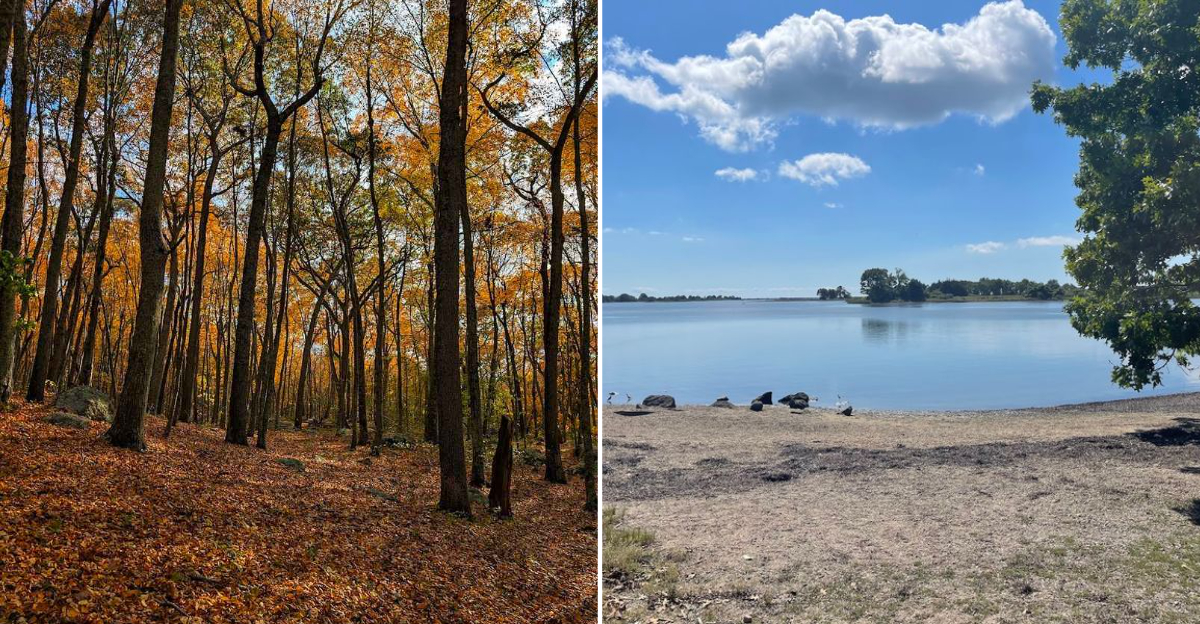
The trailhead doesn’t advertise itself from the road. Most people drive past it without slowing down.
Connecticut has coastline worth discovering beyond the obvious options, and this trail sits at the top of that list. The tourist circuit never quite reached this particular stretch of shore.
Walking here carries a quality that popular trails spend years trying to manufacture and rarely achieve. Quiet enough on a weekend morning to hear the tide without straining.
A coastal path that rewards the people willing to look past the familiar names. It has been doing so largely unnoticed for longer than it deserves.
Trail Routes And Difficulty Levels
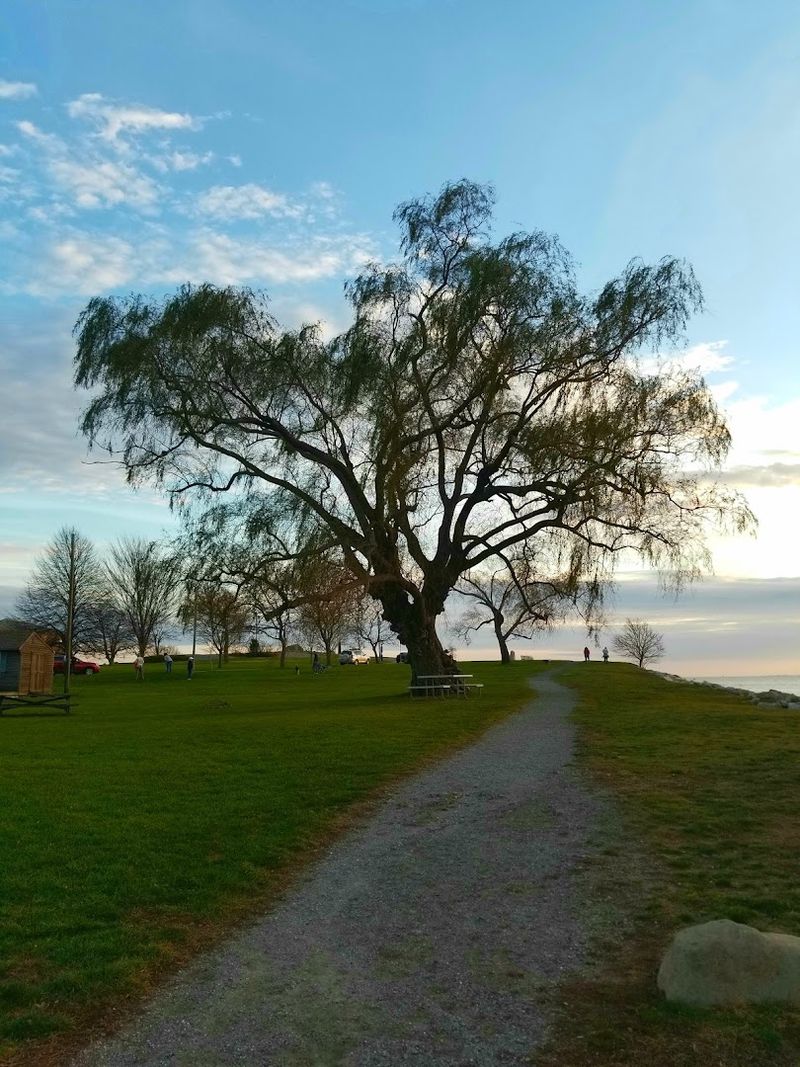
This spot is the main event here, and it is more approachable than you might expect. The trail runs between 3.45 and 3.7 miles with only about 146 to 190 feet of elevation gain.
That is pretty flat for a hike that feels this rewarding.
The path is a wide, packed gravel and dirt road for most of the route. Families with strollers have done the full loop without major trouble.
That said, some sections get bumpy and uneven, so sturdy shoes are a smart call.
You will pass along the Poquonnock River early on, then wind through wooded coastal forest before the trail opens up to sweeping Long Island Sound views. The loop is clearly laid out and hard to get lost on.
It connects to Haley Farm State Park via a pedestrian bridge, so you can extend the adventure if your legs are feeling ambitious.
The park is open daily from 7 AM to 7 PM. Connecticut residents with in-state plates park free, while out-of-state visitors pay a day pass fee.
Find the trailhead at 55 Depot Rd, Groton, CT 06340.
Native Flora And Coastal Vegetation
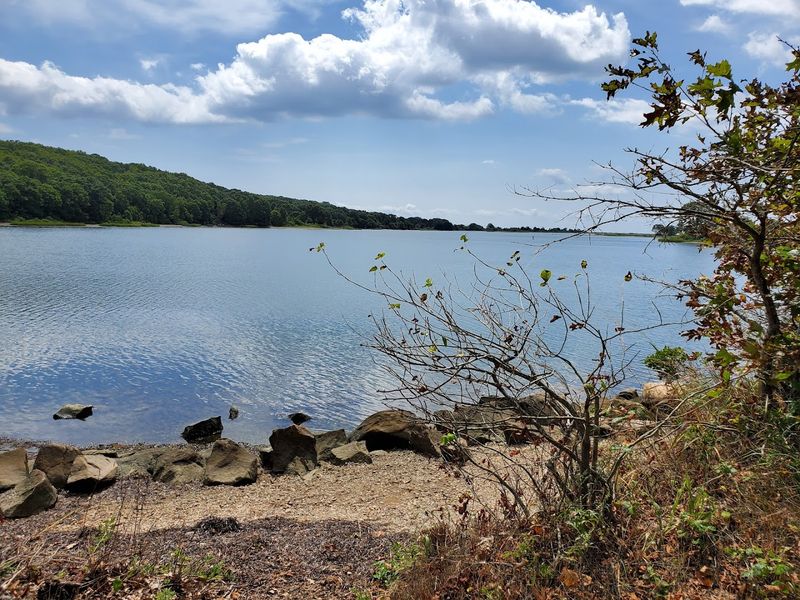
Bluff Point has been a designated Coastal Reserve since 1975, and that protection shows in every step of the trail. The plant life here is genuinely diverse and worth slowing down to notice.
You are walking through one of the last naturally functioning coastal ecosystems in Connecticut.
Oak and hickory trees dominate the wooded sections, creating a shady canopy that feels almost cathedral-like in summer. As the trail shifts toward the water, the landscape opens into beach and dune grasslands.
Coastal plain ponds and tidal wetlands pop up in between, each supporting its own unique mix of plants.
Salt marshes line portions of the route, full of cordgrass and other halophytes that thrive in brackish conditions. These marshes are not just pretty.
They act as natural filters for the estuary and provide critical habitat for nesting birds and juvenile fish. Offshore eelgrass beds extend the ecosystem even further beneath the water’s surface.
Some plant species found here are rare or regionally uncommon, which is part of why the park carries its Coastal Reserve designation. You are not just taking a walk.
You are moving through a living, protected landscape that took thousands of years to develop. Treat it accordingly, and do not pick or disturb any vegetation along the path.
Wildlife Sightings Along The Path
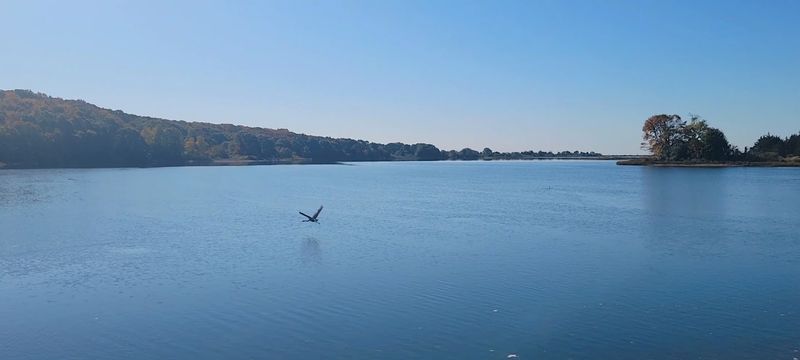
Over 200 bird species have been recorded at Bluff Point, which makes it a genuine hotspot for birdwatchers. Uncommon gulls, shorebirds, and migratory land birds all pass through or nest here, depending on the season.
Bring binoculars if you have them.
On the ground, deer are a common sight along the wooded sections of the trail. Coyotes, foxes, rabbits, raccoons, and opossums all call this park home.
Spotting one of them during an early morning walk is not unusual at all.
Head toward the beach, and the wildlife story shifts completely. Horseshoe crabs come ashore during the spring spawning season in numbers that are genuinely impressive to witness.
Clams, mussels, snails, and crustaceans occupy the intertidal mudflats and offshore areas. The variety of habitats packed into 800 acres is what makes this place so ecologically rich.
The park’s combination of coastal woodland, tidal wetlands, beach grasslands, and offshore eelgrass beds creates a layered habitat that supports rare and endangered species. Birdwatchers specifically target Bluff Point during fall and spring migration.
Early morning visits tend to produce the most wildlife activity before the trail gets busier with hikers and cyclists. Keep noise low and eyes open for the best chance at memorable sightings.
Seasonal Weather And Best Times To Visit
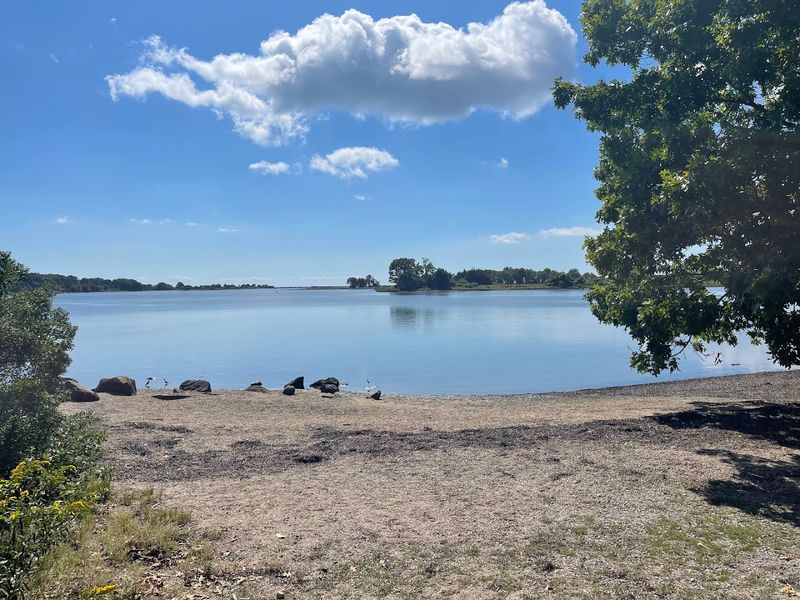
Bluff Point genuinely earns the label of a year-round destination. Each season brings something different to the trail, and none of them disappoint.
The park is open every day from 7 AM to 7 PM regardless of the month.
Summer brings warm temperatures and the busiest crowds. The beach at the end of the trail fills up with families, and the Long Island Sound sparkles on clear days.
Mornings are the best time to visit in July and August if you want breathing room on the path.
Fall is arguably the most scenic season at Bluff Point. The oak and hickory canopy turns gold and amber, and the cooler air makes hiking genuinely comfortable.
Migration season peaks in September and October, so birdwatchers especially love this time of year.
Winter visits are quieter and surprisingly peaceful. The bare trees open up sightlines you cannot get in summer, and the coastal views feel even more dramatic with cold gray skies.
Spring brings fresh green growth, returning migratory birds, and horseshoe crab spawning on the beach. Mud can be an issue on the trail after spring rain, so waterproof shoes are worth packing for April and May visits.
Every season at this park has its own character.
Historic Landmarks Near The Trail
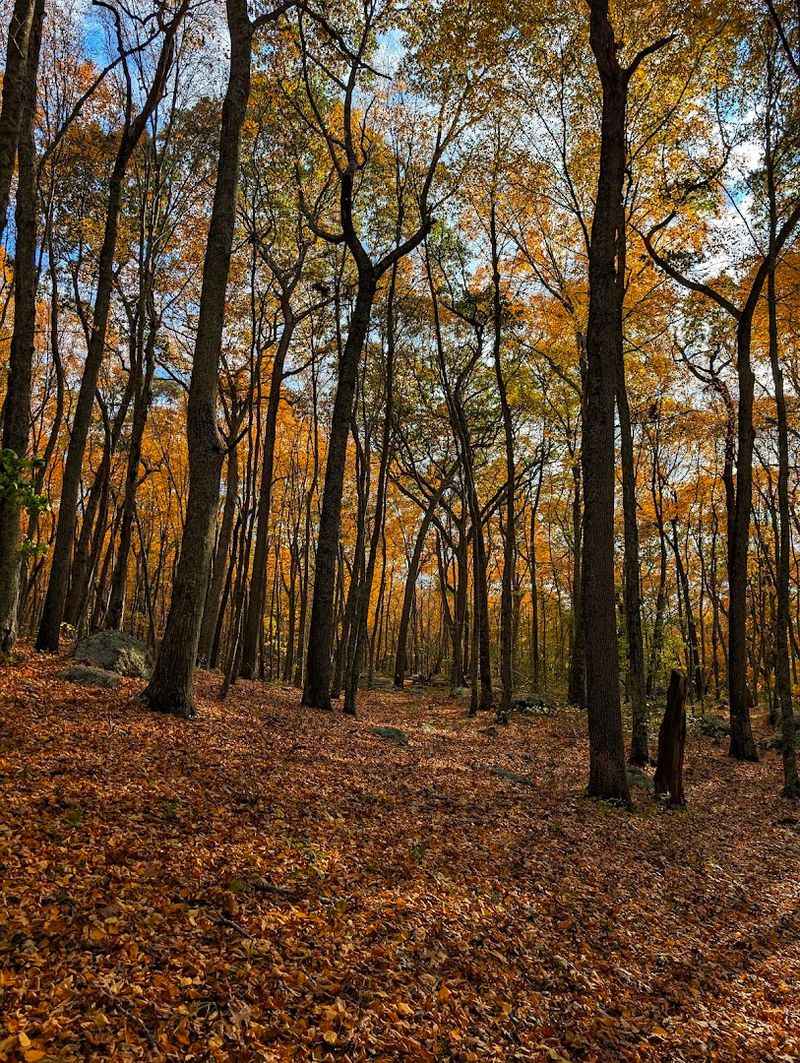
Bluff Point has layers of history hiding just beneath the surface, and the trail quietly reveals them if you pay attention. The most visible landmark is the foundation of the former Connecticut governor’s summer home, which sits near the high point of the loop.
It is a striking stone remnant surrounded by trees.
The park was once a working farmstead before it became protected land. Evidence of that agricultural past shows up in old stone walls running through the woods.
Those walls are easy to miss if you are moving fast, but they tell a real story about who shaped this land before conservation took over.
Summer cottages once dotted the landscape across the peninsula. Most of them were destroyed during the Hurricane of 1938, one of the most powerful storms to ever hit New England.
A few foundations remain scattered through the vegetation as quiet reminders of that catastrophic storm.
The area also had a significant railroad history. A large rail yard once operated nearby, complete with a roundhouse and employee hotel.
Coal remnants from old steam engines can still be spotted on the ground if you look closely. Sunset Rock, a massive glacial erratic boulder near the bluff, is another landmark worth finding.
It was deposited by continental glaciers thousands of years ago and offers a memorable perch with great views of the Sound.
Safety Tips For Coastal Walkers
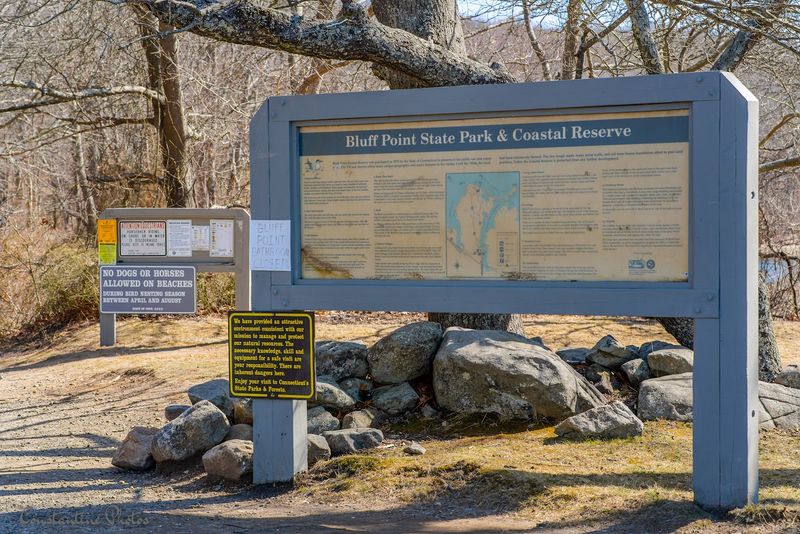
The trail at Bluff Point is rated easy, but that does not mean you should show up in flip-flops. The surface changes from packed gravel to dirt, rock, and exposed ledge in different sections.
Sturdy, closed-toe shoes with good grip are the right call every time.
Hydration matters more than people expect on this trail. There are no water fountains or concession stands anywhere along the route.
Pack more water than you think you need, especially on warm summer days when the exposed beach section offers zero shade.
Sun protection is important on the bluff and beach areas where tree cover disappears completely. Sunscreen, a hat, and sunglasses are worth bringing from spring through fall.
The water might look inviting, but there are no lifeguards on duty at any point in the park.
Ticks are present in the wooded sections, particularly during spring and summer. Check yourself and any kids or dogs thoroughly after the hike.
Dogs are welcome on the trail year-round on a leash but are not permitted on the beaches from April 1st through September 1st. The terrain near the bluff edge can be uneven and exposed, so stay on marked paths and keep children close in those areas.
Composting restrooms are available near the trailhead parking lot.
Photography Opportunities And Scenic Vistas
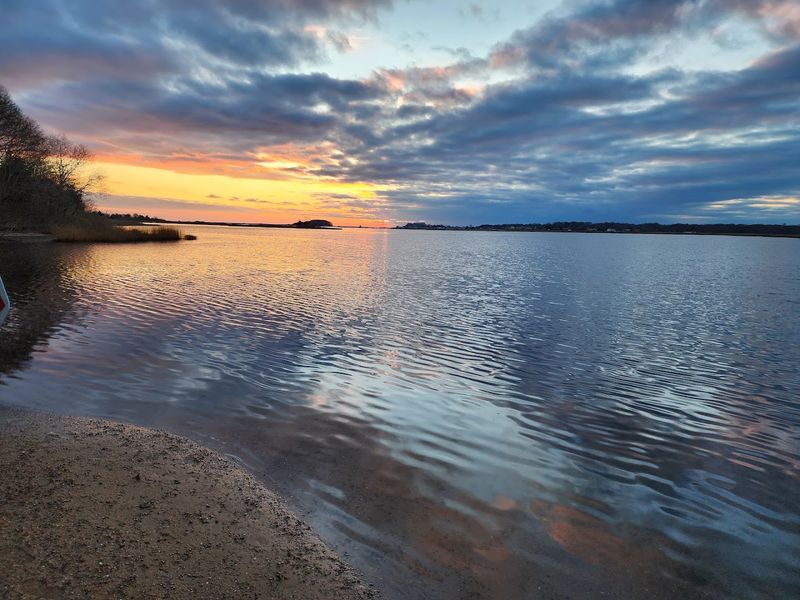
The overlook at the top of the Bluff Point loop is the kind of view that makes you stop mid-stride. Long Island Sound stretches out in both directions, and on clear days, you can see far across the water.
The light in the late afternoon turns everything golden.
The tombolo, that long, narrow sandy beach extending nearly a mile out toward Bushy Point, is one of the most photogenic geological features in Connecticut.
It photographs best from the bluff above, where you can frame the entire sandspit against the open Sound.
Early morning mist over the water adds a dramatic layer to those shots.
Sunset Rock, the massive glacial erratic boulder near the trail, is another natural subject worth framing. Its scale becomes clear when a person stands next to it, which makes for a great perspective shot.
The salt marshes along the Poquonnock River offer beautiful reflections in calm conditions.
Wildlife photography is a real draw here, too. Shorebirds work the mudflats at low tide, and great blue herons are spotted regularly along the marsh edges.
A telephoto lens helps with bird shots without disturbing the animals. The wooded sections of the trail in fall create tunnel-like compositions with colored canopy overhead.
Whatever your photography style, this park gives you genuine variety without any commercial clutter in the background.
Local Regulations And Preservation Efforts
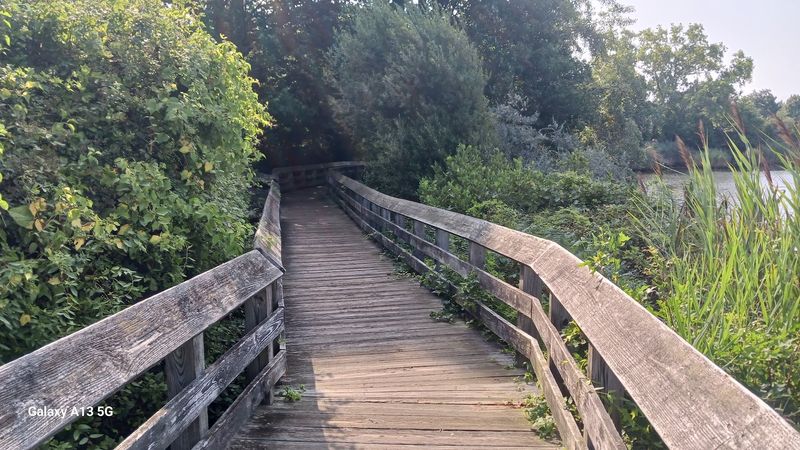
Bluff Point has carried its Coastal Reserve designation since 1975, making it one of the most protected natural areas in Connecticut. That status exists specifically to preserve its native ecological associations, geological features, and scenic qualities.
The rules in place are there to keep it functioning the way nature intended.
Access to the bluff itself is restricted to foot traffic and non-motorized vehicles only. No cars, ATVs, or motorized equipment are permitted beyond the parking area.
Mountain bikes and horses are welcome on designated sections, but motorized transport is a hard no throughout the protected zone.
Dogs must be leashed at all times on the trail. The beach restriction from April 1st through September 1st protects nesting shorebirds during their most vulnerable season.
Breaking that rule is not just a fine; it genuinely disrupts breeding cycles for species that are already under pressure.
Shellfishing is allowed with a valid permit, but harvesting without one is prohibited. The pack-in, pack-out rule applies to all trash since there are no waste bins along the trail.
Collecting plants, rocks, or any natural materials is not permitted under the Coastal Reserve designation. Parking fees for out-of-state vehicles help fund ongoing maintenance and preservation programs.
The park connects to Haley Farm State Park, and both areas benefit from coordinated conservation management that keeps this coastline wild and intact for future visitors.