
The Most Scenic River In Kentucky Where The Water Is So Clear You Can See Every Detail Below
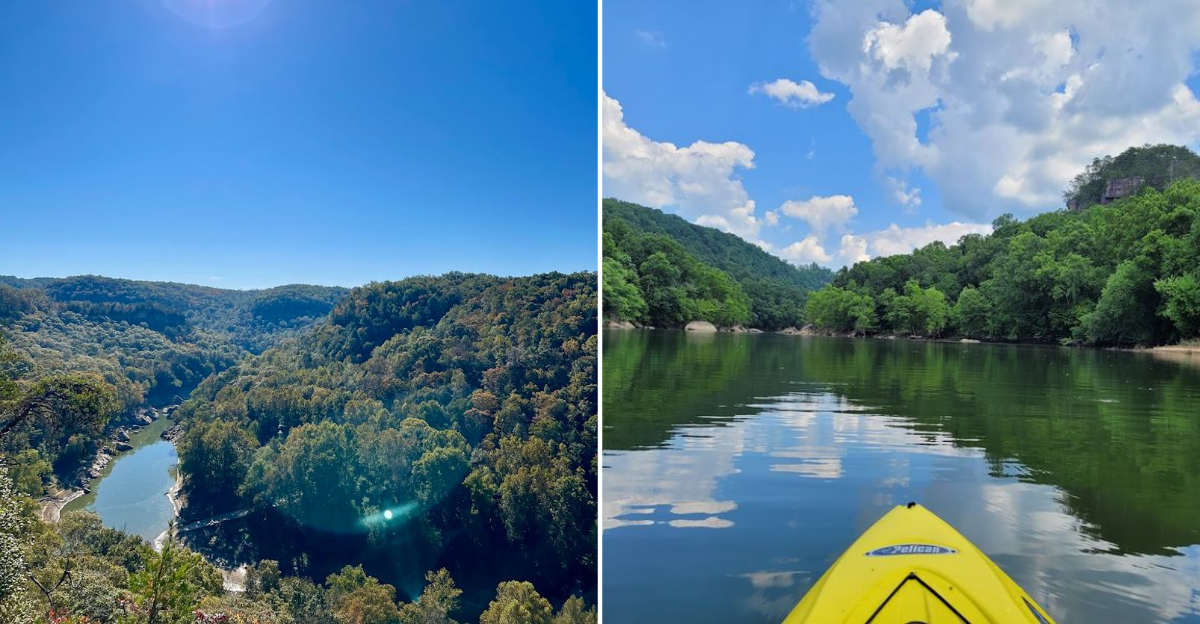
Clarity like this doesn’t belong in a description. It belongs in a moment, standing at the bank, looking down at a riverbed that has no business being this visible from the surface.
Rivers that earn their reputation through size and history exist everywhere. This one earns it through something quieter, water so transparent that the rocks below read like a map of everything the current has been moving around for centuries.
Photographers find it and run out of ways to explain why the images don’t fully capture it. First time visitors crouch at the edge and stay longer than they planned.
Kentucky has no shortage of beautiful waterways, but none that produce this specific kind of stillness in the people standing beside them.
Unique Ecosystems Supported By Clear River Water
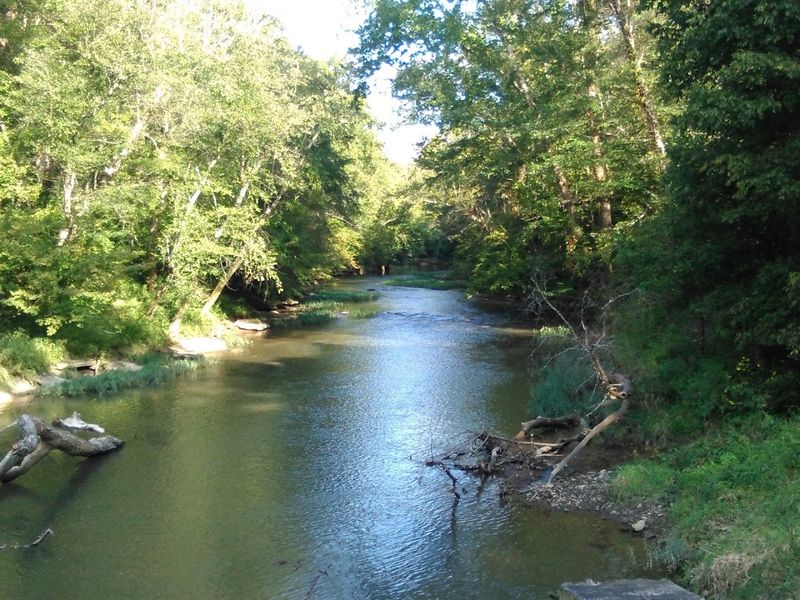
Clear water is not just pretty. It is the foundation of a thriving, complex ecosystem.
The Rockcastle River supports an incredible variety of life precisely because its water stays so clean. Sunlight penetrates deep into the river bed, fueling plant growth and feeding entire food chains from the bottom up.
Mussels filter the water naturally. Crayfish scuttle across visible gravel beds.
Smallmouth bass hunt in water so clear that even they seem to know they are being watched. The river hosts rare freshwater mussels found in very few places across the entire country.
This clarity also supports sensitive species that cannot survive in murky or polluted water. The presence of these indicator species tells scientists the river is genuinely healthy.
You can find the Rockcastle River flowing through Kentucky right inside Daniel Boone National Forest, Bee Rock Campground, or Rockcastle Riverside.
The surrounding forest acts like a giant sponge. It filters rainwater before it ever reaches the river.
Tree roots hold soil in place, preventing the sediment runoff that clouds most rivers. That natural filtration system is why the Rockcastle stays so remarkably clear even after moderate rainfall.
Few rivers in the eastern United States can claim this level of ecological balance. It is not luck.
It is a whole system working together perfectly every single day.
How Water Clarity Enhances Wildlife Observation Opportunities
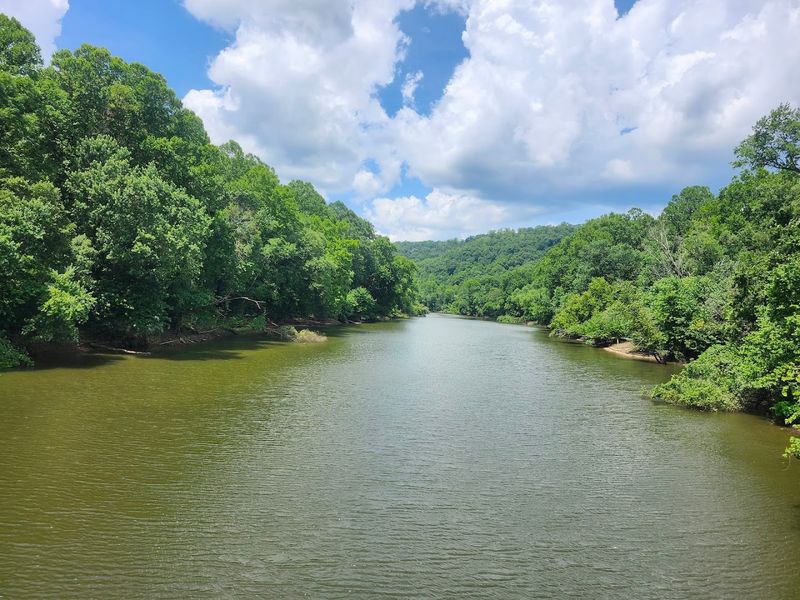
Watching wildlife here feels like cheating at nature. The water is so transparent that you can observe fish behavior from your kayak without even getting wet.
Great blue herons stand motionless in the shallows, staring down with surgical focus. They know exactly where their next meal is hiding.
Bald eagles circle overhead along the Rockcastle corridor. Spotting one is not rare here.
The river provides such reliable fishing that eagles return season after season. River otters occasionally pop up near the banks, looking genuinely surprised to see you floating past.
The clear water also changes how fish behave. Smallmouth bass are more cautious here than in murky rivers.
They can see you coming from a distance. That makes fishing a real skill test, not just luck.
Anglers who know this use lighter lines and smaller lures to avoid spooking fish.
From a canoe or kayak, you can watch minnows school in tight formations just below your hull. Turtles sit on submerged logs, visible even from several feet away.
The visual access to the water gives you is unlike anything you get on a typical river. Wildlife observation here does not require binoculars or patience.
It just requires showing up and paying attention to what the river reveals freely and generously below your boat.
Geological Features Visible Through Crystal Clear Waters
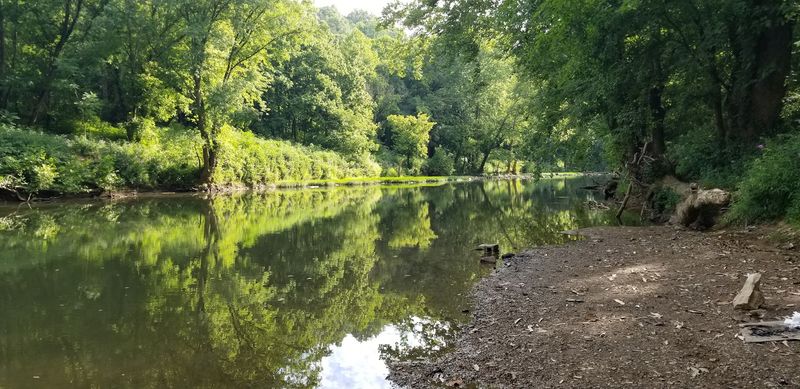
The name Rockcastle River did not come from nowhere. The cliffs along this river look like castle walls pulled straight from a fantasy novel.
In the Rockcastle Narrows section, cliff faces rise nearly 100 feet above the water. They are dramatic, ancient, and completely real.
Below the surface, the geology gets even more interesting. Through the clear water, you can see bedrock formations, layered sedimentary rock, and gravel beds shaped by thousands of years of current.
The river has been carving this landscape for a very long time. Every bend tells a geological story.
During fall and winter, when water levels drop, the Narrows section turns a stunning blue-green color. That color shift happens because the water is so shallow and clear that light bounces off pale limestone bedrock below.
It looks almost tropical. In Kentucky.
Genuinely wild.
The rock formations above water are just as impressive. Sandstone overhangs, carved by ancient water movement, jut out over the river in dramatic angles.
Some sections look like cathedral ceilings made of stone. Paddling through the Narrows feels like moving through a living geology textbook.
Every rock face shows a different era of Earth’s history. You do not need a science degree to appreciate it.
You just need to look up from the water occasionally and let the scale of it all actually register in your brain.
Recreational Activities Ideal For Rivers With Exceptional Transparency
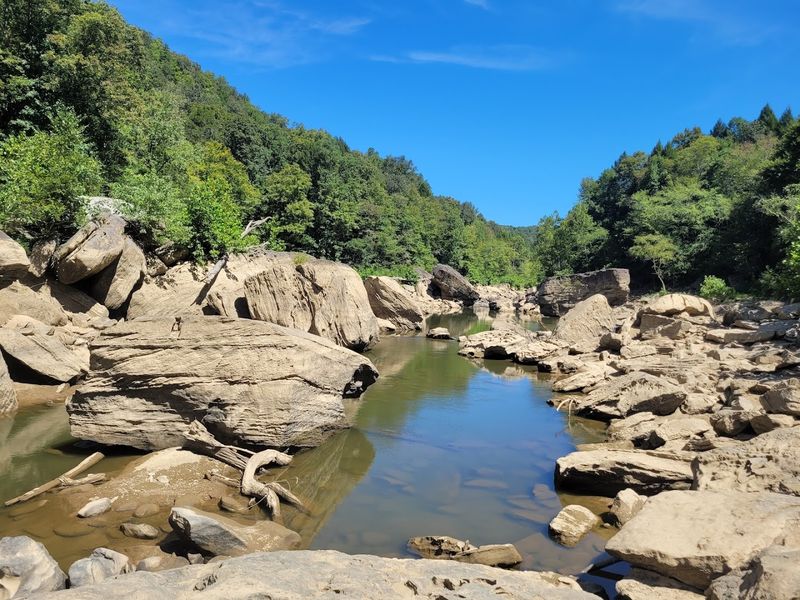
The Rockcastle River has a recreational activity for basically every skill level. Beginners love the stretch from Livingston to the I-75 Bridge.
It has Class I and II rapids, calm flatwater sections, and plenty of spots to pull over and swim. Families do this run regularly.
Experienced paddlers head straight for the Rockcastle Narrows. Class III and IV rapids wait there, plus those towering cliffs that make the whole experience feel cinematic.
Kayaking through the Narrows on a clear fall day is the kind of thing people talk about for years afterward.
Tubing is popular on the calmer sections. You just float, look down through the water at the river bottom, and let the current do the work.
Paddleboarding has also grown popular here because the clear water makes balance practice genuinely entertaining. You can see every rock you are about to drift over.
Fishing is serious business on the Rockcastle. Smallmouth bass, rock bass, and occasional walleye are the main targets.
The water clarity forces anglers to think carefully about their approach. Lighter tackle, longer casts, and slower presentations work best.
Camping is available at Bee Rock Campground and Rockcastle Campgrounds, making multi-day river trips completely practical.
Hiking trails like the Rockcastle Narrows Trail connect land-based explorers to the best river viewpoints without requiring a single paddle stroke from anyone.
Seasonal Changes Affecting River Water Purity And Appearance
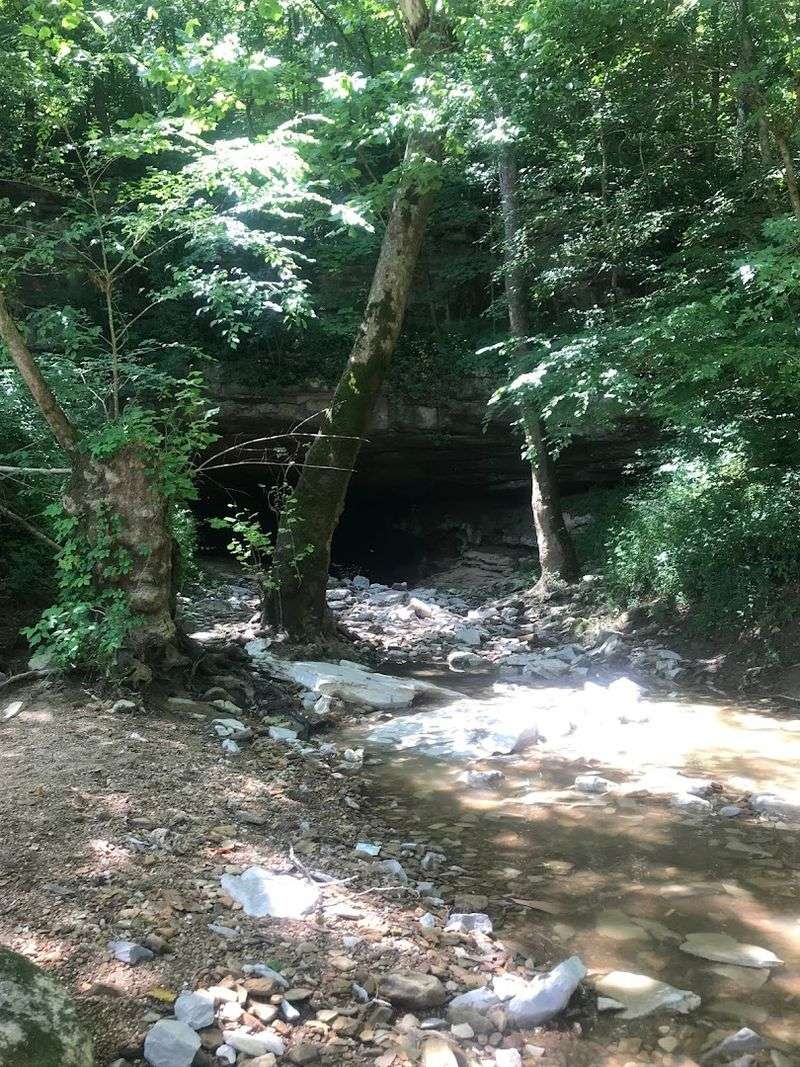
The Rockcastle River does not look the same year-round. Each season brings a noticeably different version of this river.
Fall is widely considered the best time to visit. Water levels drop, clarity increases dramatically, and the surrounding forest explodes into orange, red, and gold.
The combination is almost unfair in how beautiful it gets.
Winter keeps the water remarkably clear as well. Cold temperatures slow sediment movement and reduce algae growth.
The Narrows section turns that signature blue-green color during this period. It is quieter on the river in winter, which has its own appeal for people who prefer solitude over company.
Spring brings higher water from snowmelt and rainfall. The river runs faster and slightly murkier during peak spring flow.
Rapids become more intense. This is prime season for experienced whitewater paddlers who want the Narrows at full power.
Wildlife activity also peaks as animals emerge and feeding begins in earnest.
Summer is the busiest season on the Rockcastle. Water levels vary depending on rainfall.
After heavy summer storms, runoff can temporarily cloud the river. During dry stretches, clarity returns quickly.
Summer swimming is popular because the water stays refreshingly cool even in peak heat. The forest canopy shades large sections of the river, keeping temperatures manageable.
Each season offers something genuinely different, which is exactly why repeat visitors keep showing up all year long without getting bored.
Conservation Efforts Maintaining Pristine Water Conditions
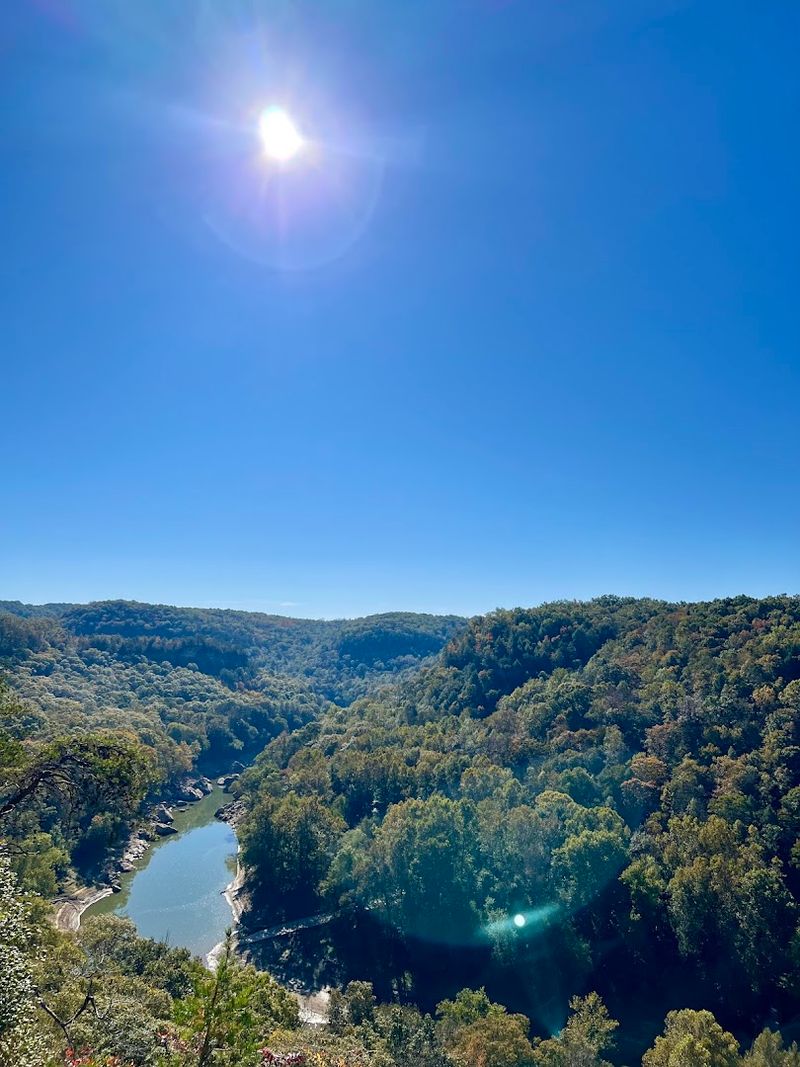
The Rockcastle River did not stay this clean by accident. Active conservation efforts have protected this waterway for decades.
A 15.9-mile segment of the river holds an official Kentucky Wild River designation. That status limits development and industrial activity along this corridor in meaningful, enforceable ways.
Daniel Boone National Forest management plays a major role. The forest service controls land use in the surrounding watershed, which directly affects water quality downstream.
Restrictions on logging, mining, and development near the river banks have preserved the natural filtration system that keeps sediment out of the water.
Local paddling and conservation groups also monitor the river regularly. Volunteer cleanup events remove trash and debris before it can cause long-term damage.
Water quality testing happens throughout the year to track any changes in clarity or chemical composition. The data collected helps managers respond quickly to potential threats.
The Kentucky Wild River designation also protects the scenic and recreational character of the river. Commercial development cannot simply move in and alter the natural experience.
That protection matters enormously for a river that depends on its pristine condition to support rare species and sensitive ecosystems. Conservation here is not just about keeping water clean for swimmers and paddlers.
It is about maintaining an entire biological community that took thousands of years to develop. The ongoing commitment from multiple groups working together is the real reason this river still looks the way it does today.
Impact Of Clear Water On Aquatic Plant Life And Growth
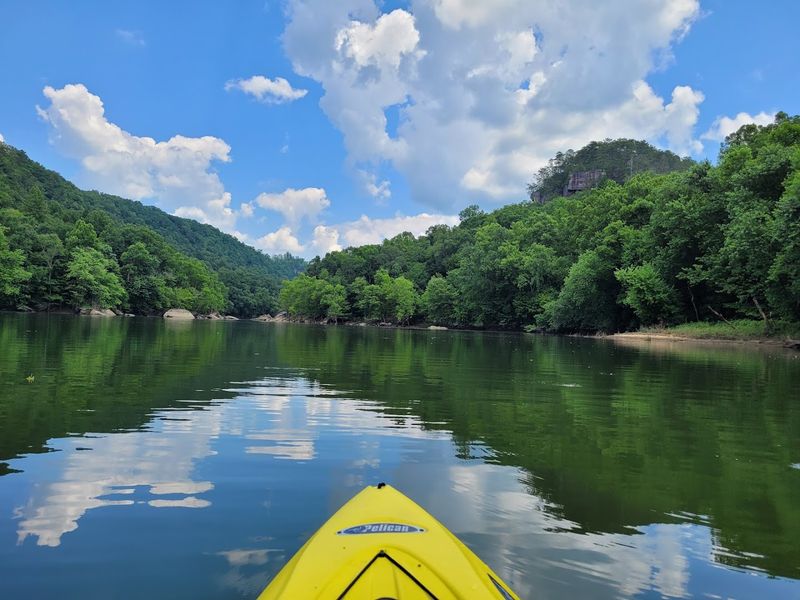
Sunlight is the engine of aquatic plant growth. In most rivers, murky water blocks light before it reaches the bottom.
The Rockcastle is different. Light penetrates deep into the water column, reaching the gravel beds and rocky substrate where plants anchor and grow.
That single factor changes everything about how plant life functions here.
Aquatic mosses coat submerged rocks in vivid green patches. Water cress grows in the shallower riffles.
These plants are not just decorative. They provide oxygen, shelter for juvenile fish, and food for invertebrates that form the base of the river food web.
Remove the plants, and the whole system weakens fast.
The clear water also allows photosynthesis to happen at greater depths than in typical rivers. Plants grow in places where they simply could not survive in cloudier conditions.
This extends productive habitat further into the river channel and creates more diverse zones for different species to occupy.
Algae growth stays controlled because the water moves well and stays relatively cool. Excessive algae blooms, which suffocate other plant life and deplete oxygen, are not a major problem on the Rockcastle under normal conditions.
The balance between light, current, temperature, and nutrient levels creates conditions where native aquatic plants thrive without being overwhelmed. That balance is fragile but remarkably stable when the surrounding watershed stays protected from harmful land use changes that would alter water chemistry.
Cultural And Historical Significance Of Scenic River Environments
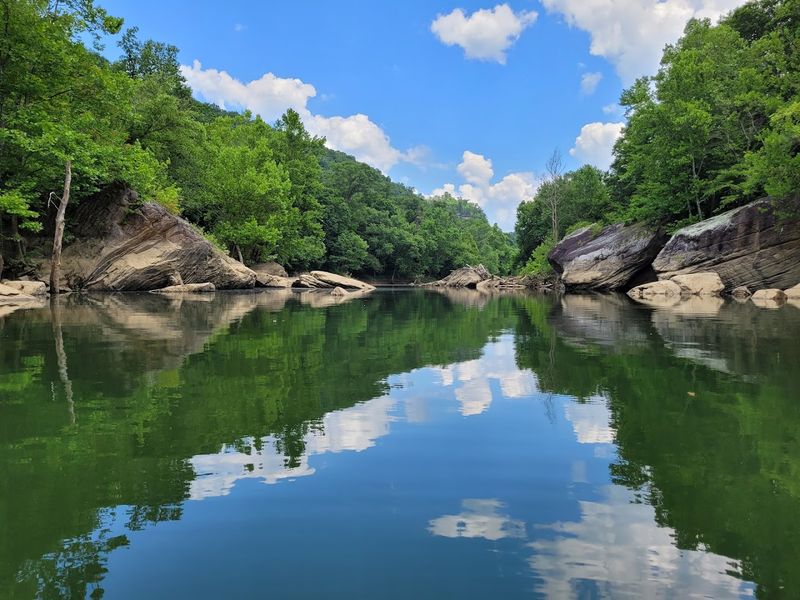
Rivers have always shaped human history. The Rockcastle River is no exception.
Native American communities used this waterway for travel, fishing, and settlement long before European explorers arrived in Kentucky. The river was a natural highway through rugged mountain terrain that would otherwise have been nearly impassable.
Early settlers followed river corridors into the interior of Kentucky. The Rockcastle provided fresh water, food from fishing, and a navigable route deeper into Daniel Boone country.
The name itself reflects how powerfully the landscape struck those early travelers. Castle-like rock formations rising from the riverbanks left a lasting impression on everyone who passed through.
The river corridor became part of the broader Appalachian cultural identity over generations. Fishing, floating, and living near the Rockcastle became traditions passed from parents to children across multiple generations of Kentucky families.
That cultural continuity gives the river meaning beyond its ecological value.
Today, the Rockcastle draws visitors who want to connect with a landscape that has remained largely unchanged for centuries. The wild river designation protects not just water quality but also the historical character of the corridor.
Paddling through the Narrows, you are moving through the same landscape that Daniel Boone and countless others navigated before you. That connection to history is quiet but real.
It adds a layer of meaning to every float trip that goes well beyond just enjoying clear water and good scenery on a sunny afternoon.