
Why This Hidden Hot Spring In Utah Remains One Of The State’s Best Kept Local Secrets
Coordinates get passed along with a specific request attached. Don’t share this with everyone.
Utah has hot springs that appear on every outdoor recreation list and hot springs that travel through quieter channels entirely. This one settled into the second category years ago.
The locals who know it have shown a remarkable collective discipline about keeping it that way. The soak itself justifies every mile of the approach.
Water temperature that arrives exactly right, a setting that the surrounding landscape frames without any additional help.
First time visitors leave with the same instinct that everyone before them developed, sharing the information carefully and always with the same implicit understanding attached.
Natural Mineral Composition Benefits
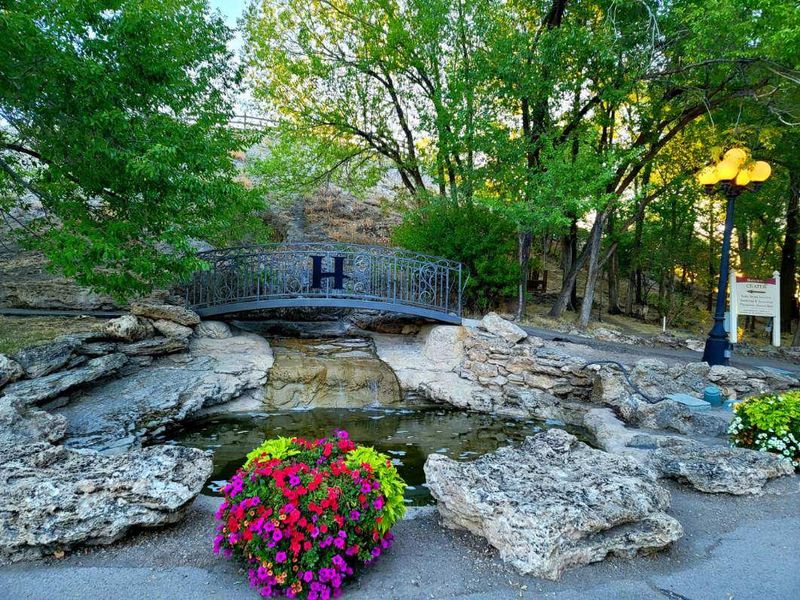
The water at The Crater is not your average pool water. It travels deep underground through an aquifer, picking up minerals along the way before rising naturally into the dome.
The result is a mineral-rich soak that feels noticeably different from tap water.
The spring pumps in roughly 135,000 gallons of fresh geothermal water every single day. That constant flow keeps the water clean and naturally refreshed.
You are not floating in stagnant water. It is a living, moving system.
Minerals like calcium and sulfur are present in the water. These have long been associated with relaxing sore muscles and softening skin.
Many visitors notice their skin feels different after a soak. It has a silky quality that regular pool water just does not have.
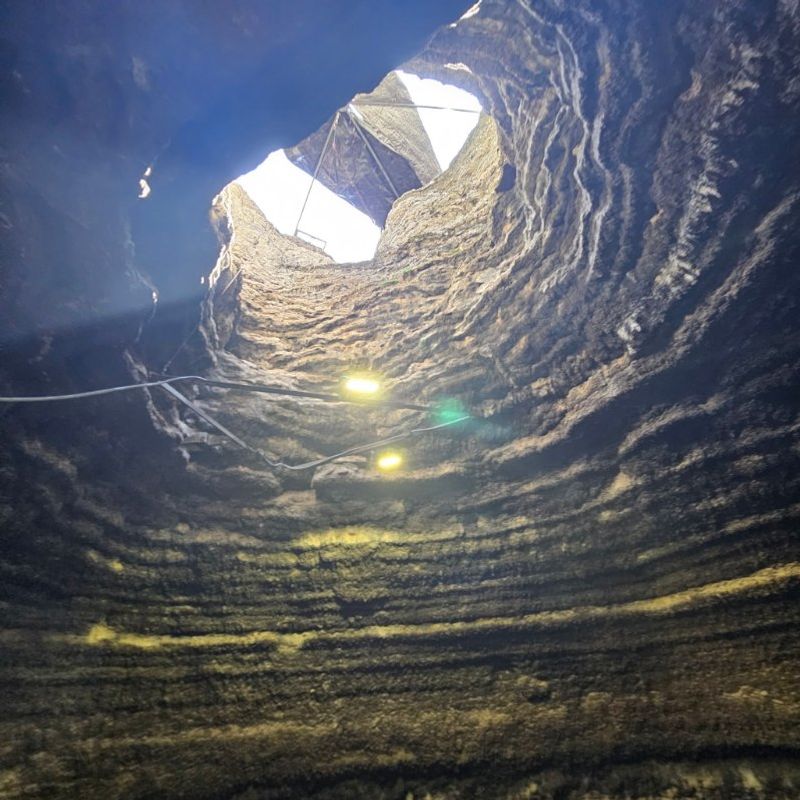
The limestone dome itself was built by those same minerals over thousands of years. Water deposited calcium carbonate layer by layer, forming the 55-foot-tall structure visible today.
That dome is essentially the mineral record of the spring’s entire history.
Find The Crater at Homestead at 700 Homestead Dr, Midway, UT 84049. The mineral water experience here is genuinely unlike anything else in the region.
It is worth understanding what makes the water special before you get in.
Seasonal Temperature Variations Effects
The water temperature inside The Crater stays between 90 and 96 degrees Fahrenheit all year. That consistency is one of the most impressive things about this place.
The geothermal source does not care what season it is outside.
In winter, the contrast between cold Utah air and warm water creates visible steam. Walking into the dome during January feels almost surreal.
The air outside can be freezing, but inside it is warm and humid. Your body adjusts fast.
Summer visits have a totally different vibe. The dome stays naturally cooler than the outdoor heat, so the water temperature feels refreshing rather than overwhelming.
It is a comfortable soak even on a hot July afternoon.
Spring and fall bring mild outdoor temperatures that make the transition in and out of the water easier. Many regulars say those shoulder seasons are their favorite times to visit.
Less crowd pressure and comfortable air temperatures make the experience smoother.
One thing to keep in mind is the air circulation inside the dome. It is enclosed, so humidity builds up.
Some people find it intense in summer. Others love that greenhouse warmth in winter.
Either way, the water temperature itself remains steady and reliable, no matter when you show up.
Optimal Times For Soaking And Relaxation
Booking early is the single most important tip for visiting The Crater. Sessions fill up fast, sometimes days or even weeks in advance.
Each time slot allows only around 20 people inside the dome at once. That cap keeps it calm and uncrowded.
Weekday mornings tend to be the least busy. If you can go on a Tuesday or Wednesday around opening time, you will likely have a quieter experience.
Weekend slots go quickly, especially Saturday mornings. Plan if your schedule is flexible.
Each session runs about 40 to 60 minutes. That might sound short, but it is actually the right amount of time.
The warm water and humid air inside the dome make you feel deeply relaxed well before the hour is up. Most people feel ready to leave naturally around that mark.
The Crater opens at 10:30 AM Monday through Friday and at 9:30 AM on weekends. Evening slots closer to 9:30 PM closing time can feel quieter, too.
Some visitors prefer the evening light filtering through the dome opening. It creates a moody, atmospheric glow.
Arriving a few minutes before your time slot is smart. Changing rooms are small and limited.
Getting settled before your session starts means you spend more time in the water and less time rushing around outside.
Surrounding Flora And Fauna Observations
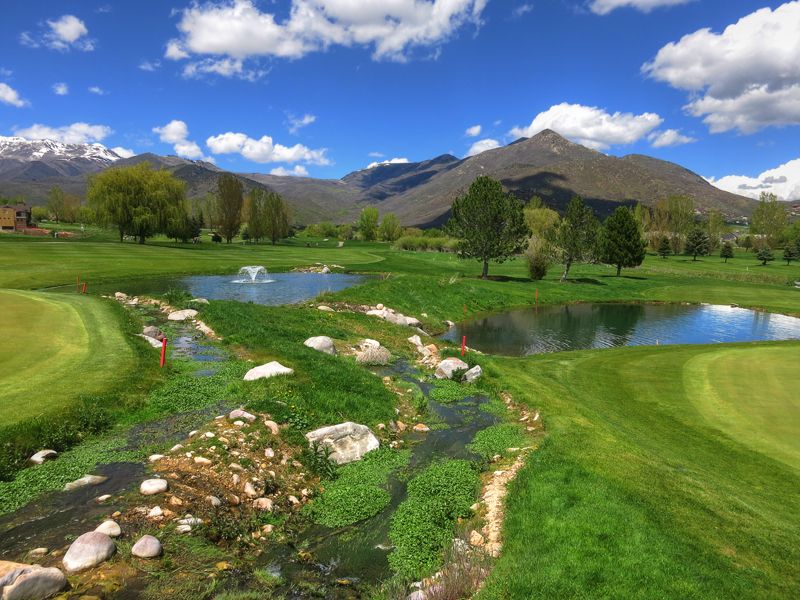
The Crater sits within the Heber Valley, one of the most scenic valleys in all of Utah. The Wasatch Mountains wrap around the area on multiple sides.
In every direction, there is something worth looking at before or after your soak.
The resort grounds include mature trees and open green spaces. Depending on the season, you might spot mule deer wandering near the property edges at dusk.
They are common in this part of Utah and not particularly shy around people.
Birds are active throughout the valley. Red-tailed hawks are frequently seen riding thermals above the mountains nearby.
Smaller songbirds fill the trees around the resort in spring and early summer. The natural soundtrack around the property is genuinely pleasant.
Wildflowers bloom across the valley floor from late spring through early summer. The meadows near Midway turn yellow and purple with native species.
The area around the dome itself is rocky and minimal, but the broader landscape more than compensates.
If you climb to the top of the dome during non-snow months, you get a 360-degree view of the surrounding valley. That vantage point is worth the short climb.
You can look down through the natural opening into the water below, which is both surprising and a little dizzying in the best possible way.
Historical Significance And Local Folklore
The story of The Crater starts over 10,000 years ago. Snowmelt from the Wasatch Mountains seeped deep into the earth, got heated by geothermal activity, and rose back up carrying dissolved minerals.
Those minerals built the limestone dome slowly, layer by layer, over millennia.
In 1886, a farmer named Simon Schneitter discovered the spring while working his land. He reportedly heard water and followed the sound to the dome.
Early visitors accessed the water by lowering themselves down by rope through the opening at the top. That is not a relaxing entry method by any modern standard.
Native Americans and cowboys used the spring long before the resort existed. The warm water was valued for its restorative qualities.
Local oral history connects the site to healing traditions, though formal documentation of those stories is limited.
Thousands of coins and other artifacts have been found in the silt at the bottom of the crater. Archaeological research is still ongoing.
People have been tossing wishes into this water for a very long time. The bottom of the spring is essentially a time capsule.
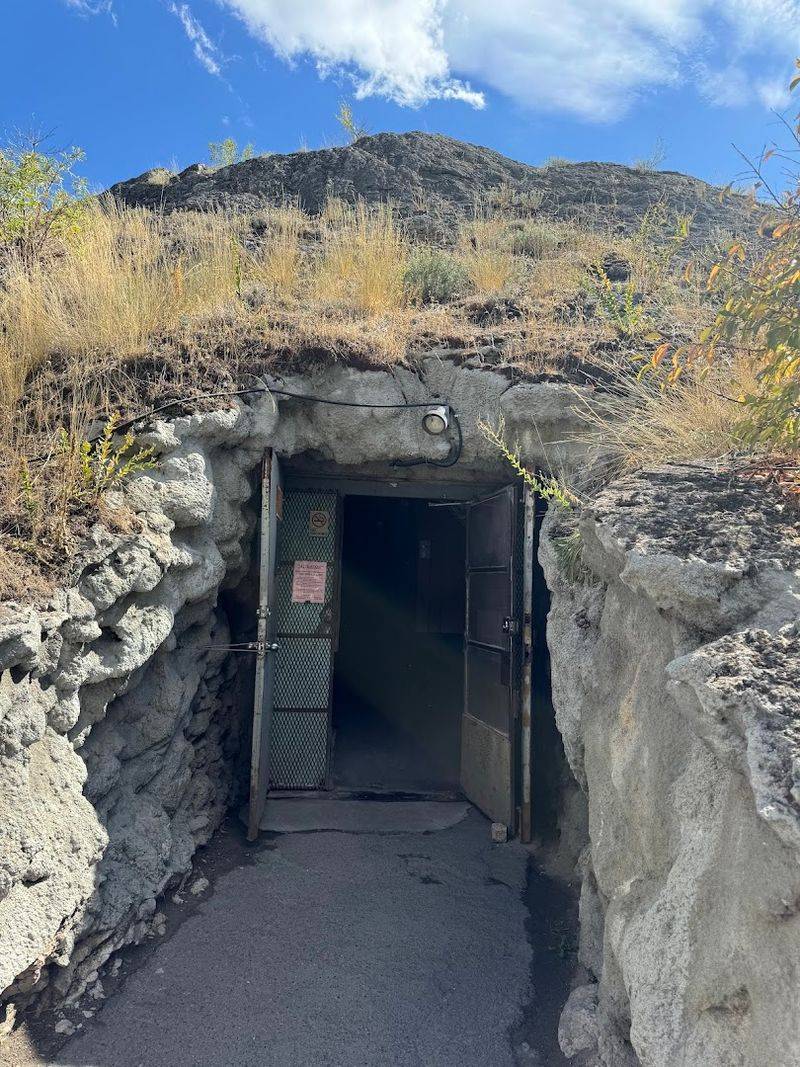
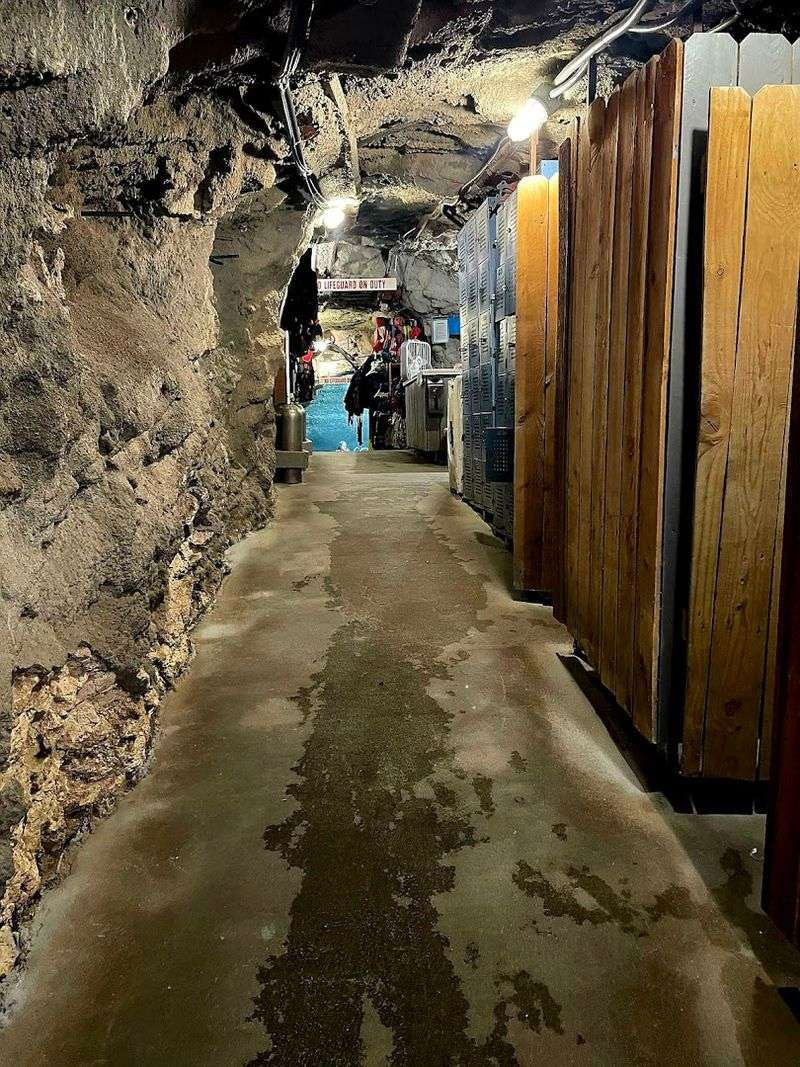
The tunnel that visitors walk through today was carved in the mid-1990s and officially opened on July 12, 1996. Before that, the rope was the only way in.
The film 127 Hours and the TV show The Bachelor have both used the location as a filming site.
Unique Geological Features Formation
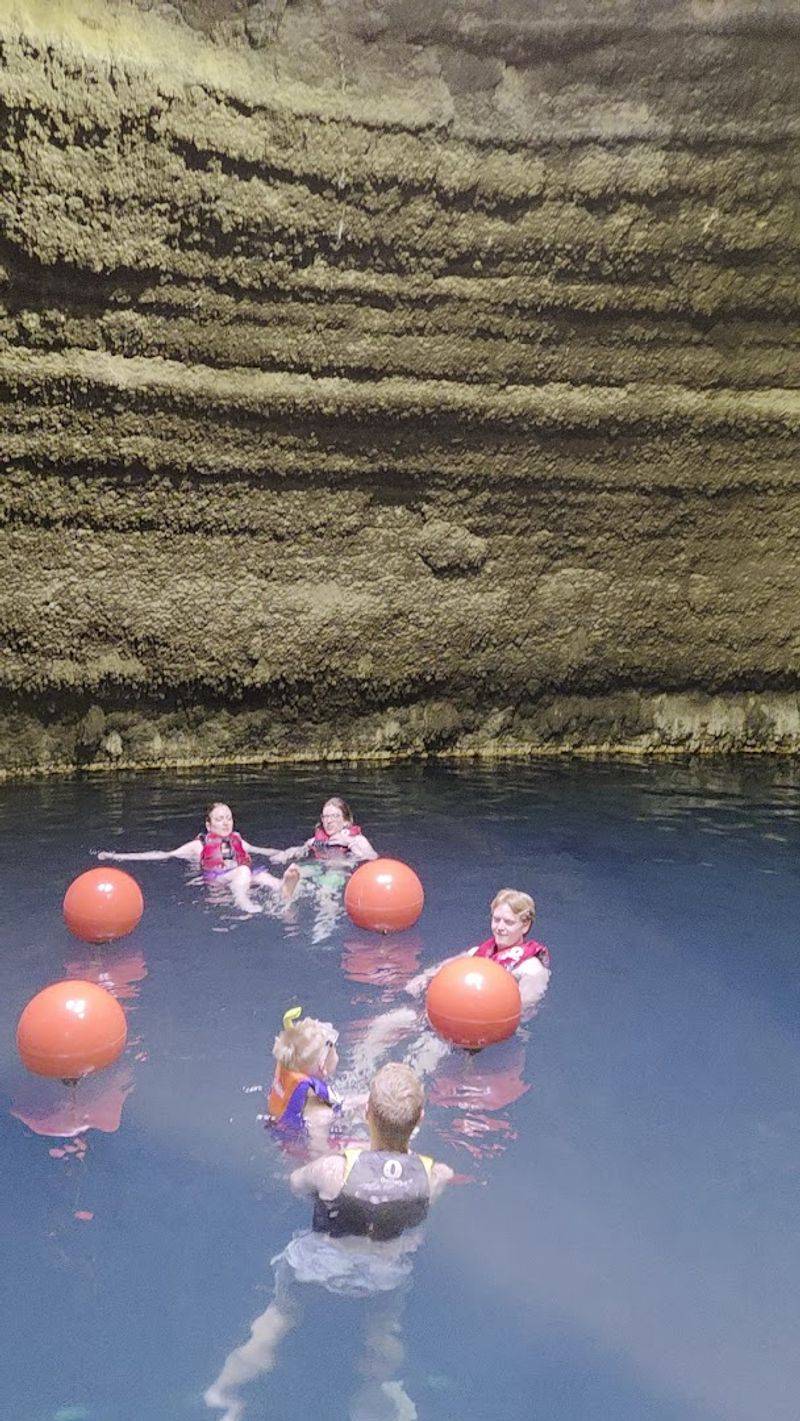
The dome itself is the geological headline here. Standing 55 feet tall and shaped like a beehive, it was formed entirely by mineral deposits from the rising geothermal spring.
No human hands shaped that dome. Nature built it over thousands of years without any assistance.
The spring sits 65 feet deep and stretches approximately 400 feet wide at its base. That scale is hard to fully appreciate until you are floating inside it.
The walls curve upward and inward above you, meeting at a circular opening at the top that lets in natural daylight.
Light from that opening changes throughout the day. Morning light hits the water at a different angle than afternoon light.
The glow shifts from golden to white depending on the time and cloud cover. Mounted lights supplement the natural light for scuba divers working deeper in the spring.
The limestone walls show visible layering from centuries of mineral deposits. You can see the geological record right there on the walls while you float.
It is like reading a slow-motion history book written in stone.
The aquifer feeding the spring is part of a larger geothermal system connected to the Wasatch fault zone. That geological context makes the site scientifically significant beyond its obvious visual appeal.
The Crater is not just pretty. It is a functional, active piece of Utah’s geological story still unfolding today.
Access Routes And Trail Difficulties
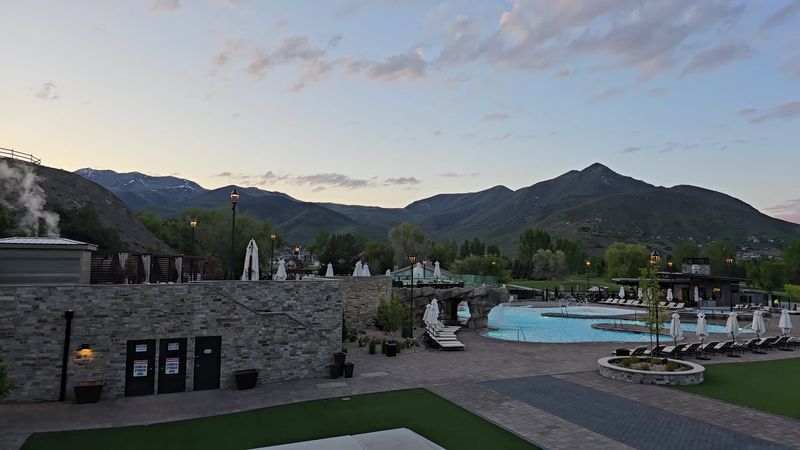
Getting to The Crater is straightforward once you know the layout. The address is on the Homestead Resort property, and parking is located right next to the dome.
The walk from the parking area to the entrance is short and flat. No hiking required.
The access tunnel carved through the side of the dome is 110 feet long. It slopes gently downward toward the water.
The path is lit and wide enough for groups to walk through comfortably. It is accessible for most visitors without mobility challenges.
From Salt Lake City, the drive takes under an hour via US-189 through Provo Canyon. The route is scenic and well-marked.
Midway itself is a small town, so traffic is rarely a problem outside of peak ski season weekends when nearby Park City draws bigger crowds.
Navigation on the resort property can be slightly confusing for first-timers. Signage has been noted as inconsistent, especially with ongoing resort construction.
Plugging the specific address into your navigation app and following signs for The Crater directly helps avoid confusion.
During the winter months, the road conditions in Heber Valley can be snowy or icy. All-wheel drive or snow tires are recommended from November through March.
The dome itself is unaffected by weather since it is enclosed, but getting there safely requires standard Utah winter driving preparation.
Facilities And Amenities For Visitors
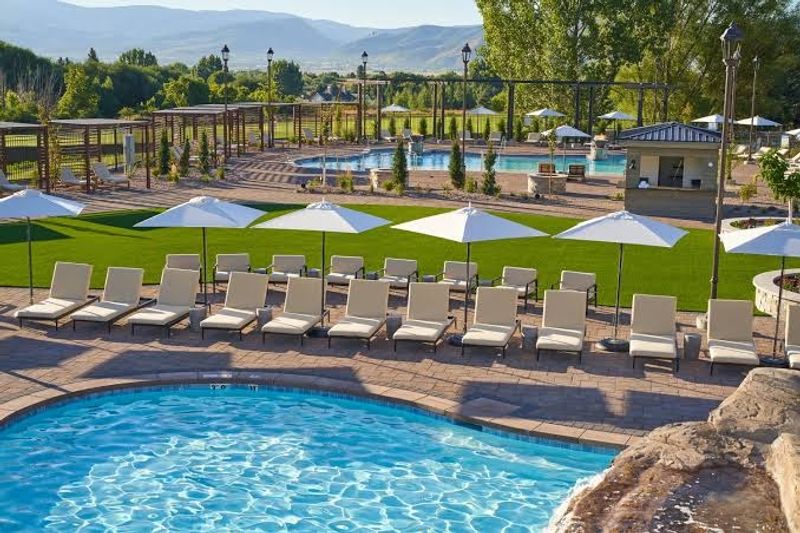
The facilities at The Crater are functional but minimal. There are four small changing rooms near the entrance.
They are built into the rock on one side, which makes them compact. Arriving in your swimsuit is genuinely the smarter move if you want to maximize your time in the water.
Lockers and shelves are available for storing belongings during your session. Personal flotation devices are provided and mandatory for all soakers and swimmers.
You do not have a choice on the life jacket. It goes on before you enter the water, full stop.
Snorkel equipment is available for rent on-site. Scuba gear and certification courses are also offered, making The Crater the only warm-water scuba destination in the continental United States.
That distinction alone makes it worth a visit for divers at any skill level.
There are no showers at the facility. The water does carry a mild sulfur and mineral scent, so plan accordingly for the drive home.
Bringing a dry bag for wet gear and a fresh change of clothes is a practical move that most repeat visitors figure out quickly.
Reservations are required and can be made through the official website at homesteadmidwayutah.com/adventures/crater. The phone number is 435-657-3840.
Book ahead because slots go fast.