
The Enchanting Riverwalk In Tennessee That Feels Like A Dream You Don’t Want To End
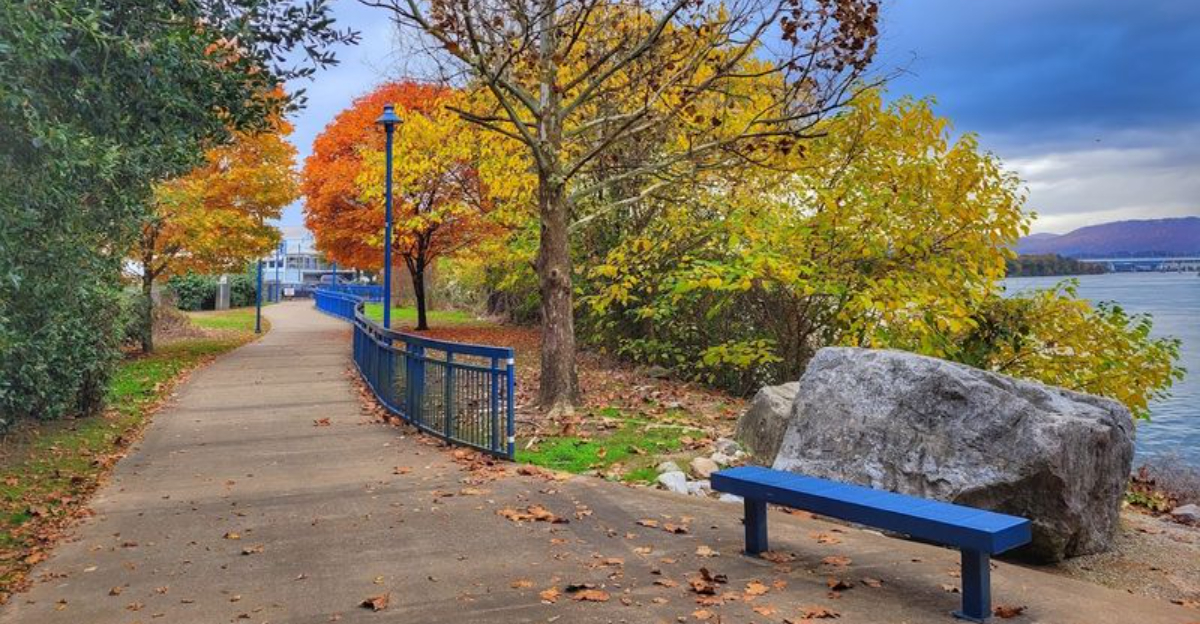
A good river walk does something sneaky to your sense of time. You start with a quick stroll, then suddenly the water, bridges, public art, and skyline have convinced you to keep going.
Along this Tennessee path, every bend gives you another reason to slow down. Bikes roll by, families pause for photos, and the river keeps moving beside you like it knows all the best stories.
Have you ever planned to walk for twenty minutes and ended up staying for hours? That is the feeling here.
The route feels easy, open, and full of small surprises, with places to sit, snack, watch boats, or just enjoy the breeze. It is simple in the best way.
No big production. Just water, movement, and a view that makes leaving feel like the hardest part.
The Scale And Scope Of The Riverwalk
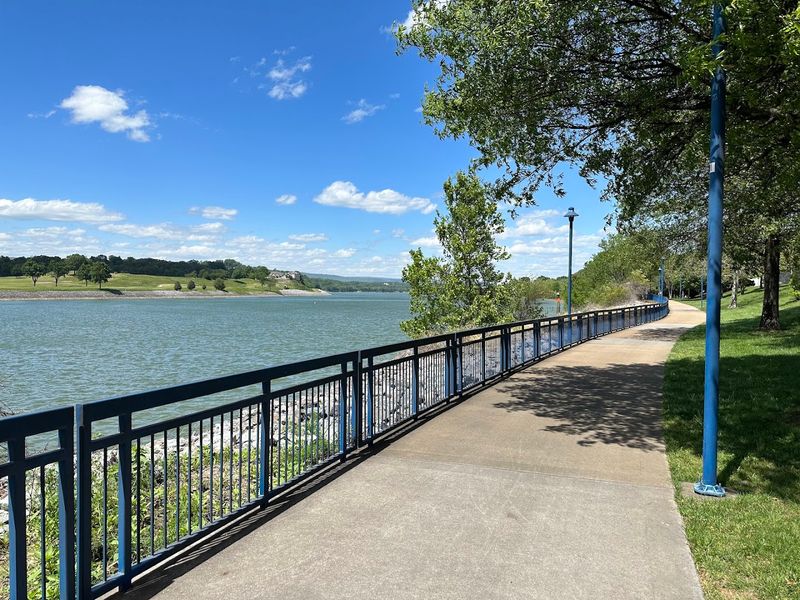
Eleven miles sounds like a lot. Add the connecting spurs, bike lanes, and extended paths, and the riverwalk stretches up to 19 miles along the southern bank of the Tennessee River in Chattanooga.
That makes it one of the longer urban greenways in the entire southeastern United States.
The path runs from Chickamauga Dam all the way through downtown Chattanooga and continues toward the historic St. Elmo neighborhood and Moccasin Bend. Along the way, it passes through parks, art districts, wetlands, and waterfront plazas.
Most of the surface is paved, with boardwalk sections and bridges providing variety throughout the journey.
Elevation changes are minimal, which means almost anyone can enjoy a long stretch without feeling worn out. Families pushing strollers, older adults out for a morning walk, and serious cyclists training for distance all share this corridor comfortably.
The path is also wheelchair accessible at most entry points, with restrooms available at regular intervals. Free parking exists at several trailheads, including the popular Amnicola Marsh area, making access straightforward for locals and first-time visitors alike.
Ross’s Landing And The History Beneath Your Feet
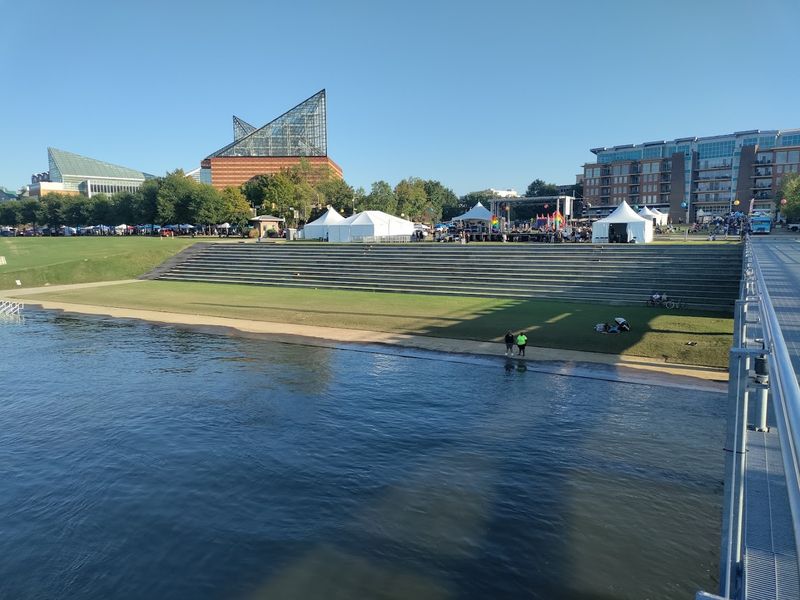
Before it was a public plaza with splash pads and amphitheater stages, this spot on the Chattanooga waterfront was a Cherokee trading post.
Ross’s Landing served as a major steamboat stop in the 19th century and carries a weight of history that most riverside parks simply do not have.
Today, it functions as one of the main downtown access points for the Tennessee Riverwalk. Families gather around the wading pools in summer, and the grassy areas fill up during concerts and seasonal festivals.
The amphitheater hosts everything from community events to ticketed performances throughout the year.
What makes Ross’s Landing particularly meaningful is a feature called The Passage. This memorial marks the beginning of the Trail of Tears, the forced relocation of thousands of Cherokee people in the 1830s.
It is presented through a series of stone and bronze elements that tell the story with quiet dignity. Spending a few minutes here before continuing down the Riverwalk adds real context to the landscape around you.
The address is 100 Broad Street, Chattanooga, TN 37402, and parking nearby is available though some spots carry a fee.
Walnut Street Bridge And The View That Stops Conversations
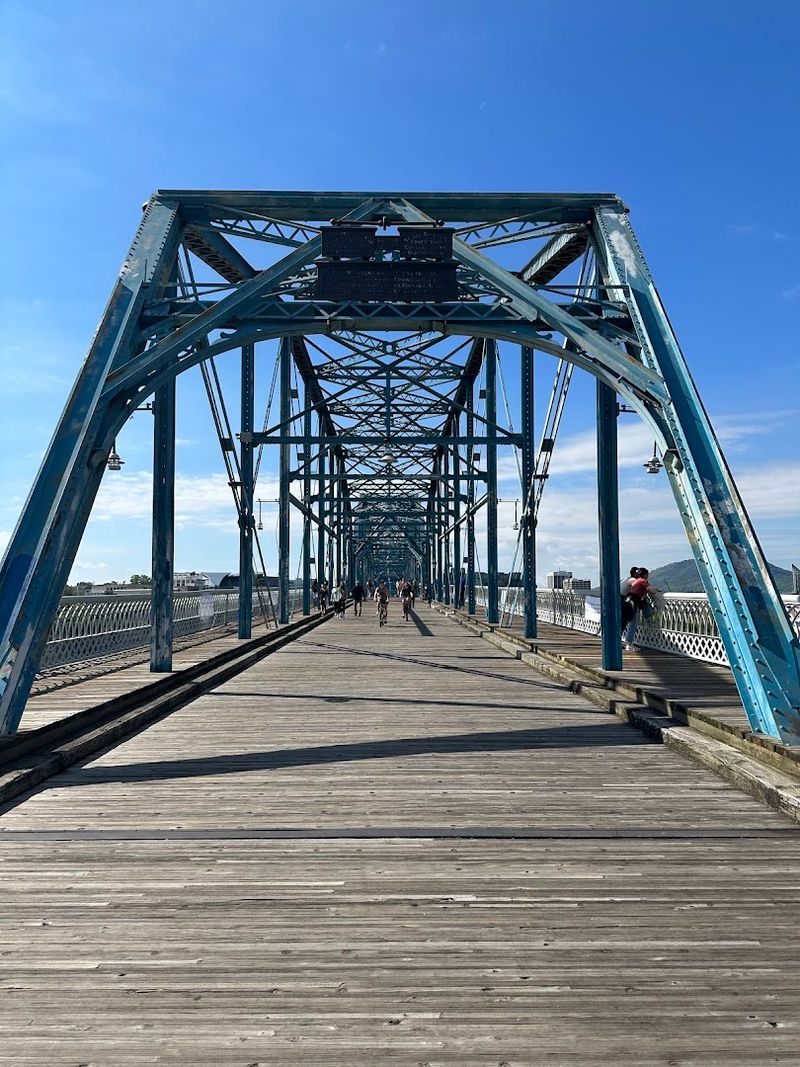
Built in 1890, the Walnut Street Bridge is one of the longest pedestrian bridges in the world. It stretches 2,376 feet across the Tennessee River, connecting downtown Chattanooga to the Northshore neighborhood on the opposite bank.
The bridge no longer carries vehicle traffic, which means the entire structure belongs to people on foot and on bikes.
Walking across it is one of those simple pleasures that somehow feels more significant than expected. The river spreads out in both directions, the city skyline rises to your left, and the green hills of the surrounding area fill the horizon.
On a clear morning, the light on the water is genuinely difficult to walk away from.
The bridge also connects the Riverwalk to Coolidge Park on the Northshore side, expanding the overall route considerably. Many visitors use it as a turnaround point, crossing over and back as part of a longer loop.
Others cross specifically to reach the restaurants and shops along Frazier Avenue. Either way, the Walnut Street Bridge earns its reputation as one of Chattanooga’s most beloved landmarks.
It is a structure that rewards anyone willing to slow down and look around.
Coolidge Park And The Carousel That Never Gets Old
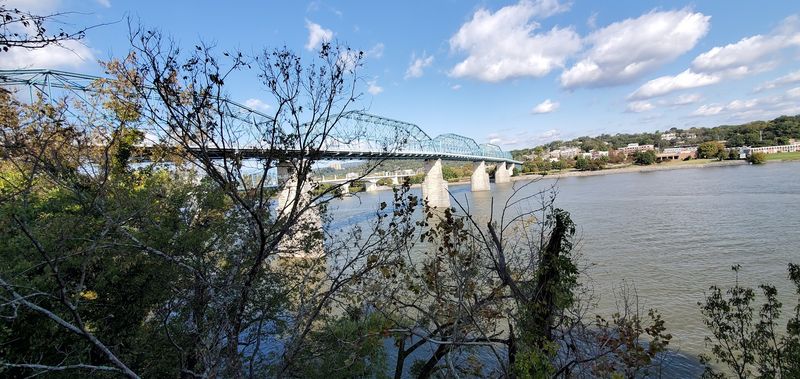
Coolidge Park sits on the Northshore side of the Tennessee River, accessible via the Walnut Street Bridge. It is one of those parks that manages to feel both lively and relaxed at the same time.
Children run through the fountains, adults stretch out on the grass, and the sound of the vintage carousel drifting across the lawn gives the whole place a warm, unhurried quality.
The carousel itself is a genuine antique, restored and operational, with hand-carved wooden animals that have been delighting visitors for generations. Rides are inexpensive, and the line moves quickly enough that waiting never feels like a chore.
The park also features open green space ideal for picnics, informal sports, and simply sitting near the river without any particular agenda.
For those continuing along the Riverwalk, Coolidge Park serves as a natural resting point before heading further east or looping back toward downtown. The park connects smoothly with the paved greenway path, so transitioning from open lawn to riverside trail takes no effort at all.
On weekends, the energy here picks up considerably, with food trucks, outdoor events, and a general sense that the whole city has decided to spend the afternoon outside together.
The Bluff View Art District And Its Quiet Cultural Pull
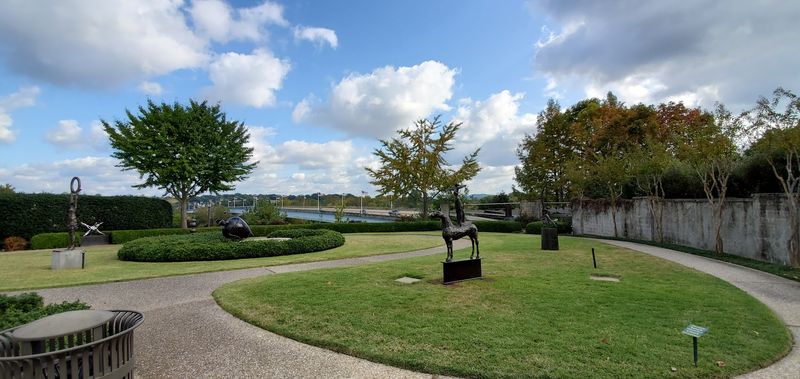
Perched on a limestone bluff above the Tennessee River, the Bluff View Art District operates at a pace that is noticeably slower than the rest of the Riverwalk.
The streets here are narrow, the courtyards are shaded by old trees, and the galleries feel like places where people actually look at things rather than photograph them and move on.
The Hunter Museum of American Art anchors the district with a permanent collection that spans more than three centuries of American painting, sculpture, and decorative arts.
The building itself is worth noting, a combination of a 1904 mansion and a striking modern addition that somehow works together without visual argument.
A sculpture garden outside the museum offers river views that are hard to beat in this part of the city.
Beyond the museum, the district holds several dining options with outdoor terraces, a coffee house, and a chocolate shop that draws steady foot traffic on weekend afternoons.
Italian-style courtyards connect the various buildings, giving the whole area a cohesive character that feels designed for lingering.
The Bluff View Art District sits near the eastern edge of downtown at 720 High Street, Chattanooga, TN 37403, and connects directly to the Riverwalk path below the bluff.
Amnicola Marsh And The Wildlife That Calls It Home
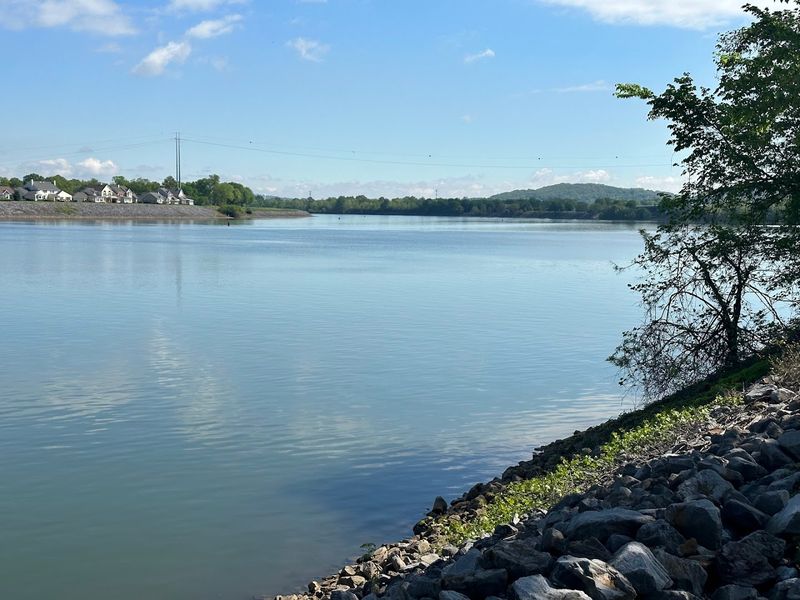
Not every part of the Tennessee Riverwalk feels like a city. The Amnicola Marsh section shifts the mood entirely, pulling the path away from downtown energy and into a quieter corridor of wetlands, tall grasses, and open water.
Birdwatchers consider this one of the more rewarding stretches of the entire greenway.
Great blue herons, egrets, and various species of waterfowl move through this area with impressive regularity. During migration seasons, the marsh attracts even more variety, and early morning visits tend to offer the best sightings before foot traffic increases.
The landscape here feels genuinely wild compared to the manicured parks further west on the trail.
Parking near the Amnicola Marsh is free, and several reviews from regular visitors specifically recommend this entry point as a smarter starting location than the busier paid lots near Ross’s Landing.
From here, heading east toward Chickamauga Dam covers the longest and least crowded section of the trail, while heading west brings you through the more populated downtown corridor.
For anyone who values a bit of open space and natural scenery alongside their urban trail experience, this section of the Riverwalk delivers something the rest of the path simply cannot replicate.
Cycling, Skating, And Every Other Way To Move Along The Path
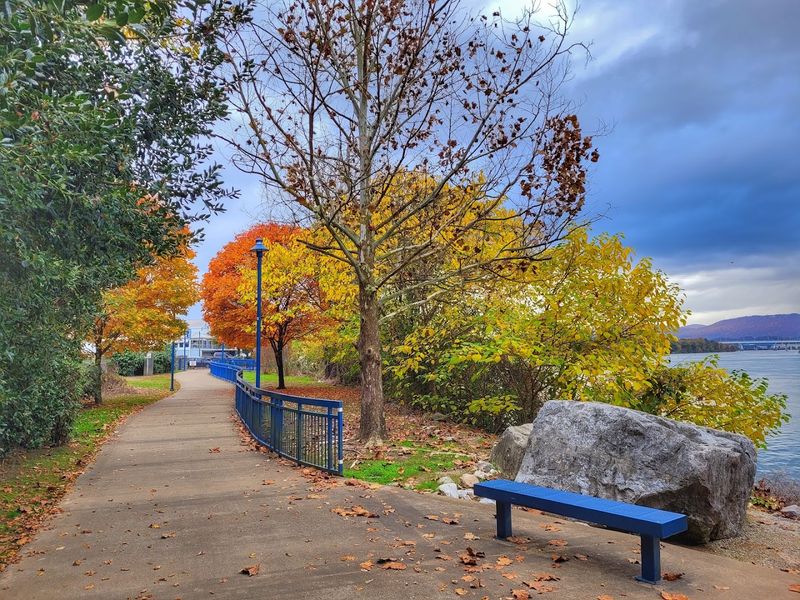
The Tennessee Riverwalk was built with movement in mind. Walking and jogging are the most common activities, but the wide paved surface accommodates cyclists, in-line skaters, and even families in those long multi-seat bikes that always seem to be having the best time.
The path is smooth enough for road bike tires and wide enough to pass without incident on most sections.
Bike Chattanooga stations are placed at regular intervals along the route, offering bicycle rentals for those who arrive without their own gear. The system is straightforward, the bikes are well-maintained, and the station locations are thoughtfully placed near major access points.
This makes spontaneous cycling possible even for visitors who had not planned ahead.
One honest note from regular users: the trail does involve some turns and direction changes, particularly near the Hunter Museum area and through downtown. Signage has improved over the years but still warrants attention.
Downloading a trail map before heading out is a practical move that prevents unnecessary backtracking. That said, getting slightly turned around on this particular path is not the worst outcome.
Many visitors report that an unexpected detour led them to a view or a cafe they would have otherwise missed entirely.
Fishing Piers And The Slower Rhythm Of The River
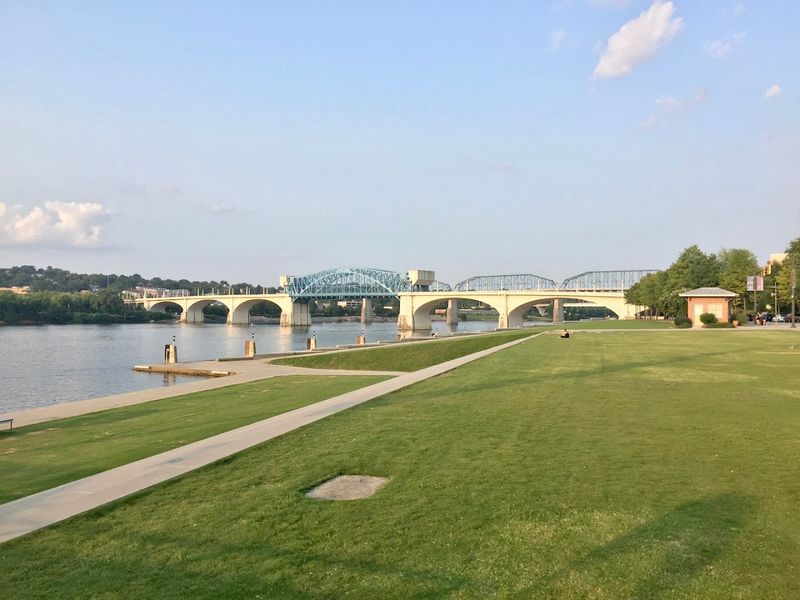
There is a different kind of visitor at the Tennessee Riverwalk, one who arrives before sunrise, sets up at the end of a pier, and measures the morning in casts rather than steps. Fishing is a genuine tradition along this stretch of the river, and the infrastructure for it is well developed.
Top fishing spots include the Coolidge Park Pier, Ross’s Landing, Blue Goose Hollow, and the area near Chickamauga Dam. Each location offers a slightly different experience in terms of depth, current, and species.
Catfish, bass, and crappie are among the commonly caught fish, and the river produces results consistently enough to keep regulars coming back through multiple seasons.
The piers are accessible to all skill levels, and no boat is required. Younger anglers find the setup approachable, and the flat, paved paths leading to each pier make access easy regardless of mobility.
Picnic areas near the dam add to the appeal for families who want to combine a fishing outing with a longer outdoor day.
The Chickamauga Dam area in particular has a relaxed, unhurried atmosphere that stands in pleasant contrast to the busier sections closer to downtown Chattanooga.
Moccasin Bend And The National Park At The Edge Of The Trail
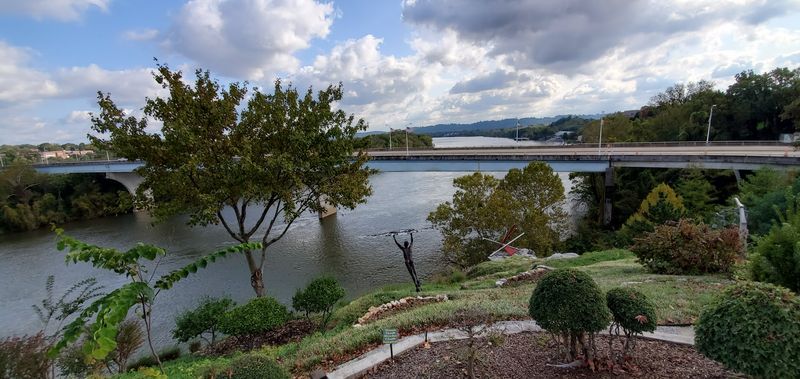
At the western end of the Tennessee Riverwalk, the path reaches toward Moccasin Bend, a dramatic loop in the Tennessee River that holds more than 10,000 years of continuous human history.
The site was designated a National Archaeological District and is now part of the Chickamauga and Chattanooga National Military Park system, making it one of the few nationally protected archaeological landscapes in the country.
The bend is visible from several points along the Riverwalk, and its distinctive horseshoe shape in the river is immediately recognizable from elevated viewpoints nearby.
Access to the interior of the bend has expanded in recent years as the national park designation brought increased attention and infrastructure improvements to the area.
For Riverwalk visitors, Moccasin Bend adds a layer of historical significance that goes well beyond the usual urban trail experience.
The land here was occupied by Native American communities across multiple prehistoric periods, followed by use during the Civil War era, all of which is documented through ongoing archaeological work.
Combining a walk along the Riverwalk with a stop at the Moccasin Bend overlook gives the visit a depth that most greenway trails simply do not offer. It is a reminder that the river has been central to life in this valley for a very long time.