
The Underrated Louisiana Trail That Takes You Through A Fairytale Forest To A Secret Shoreline
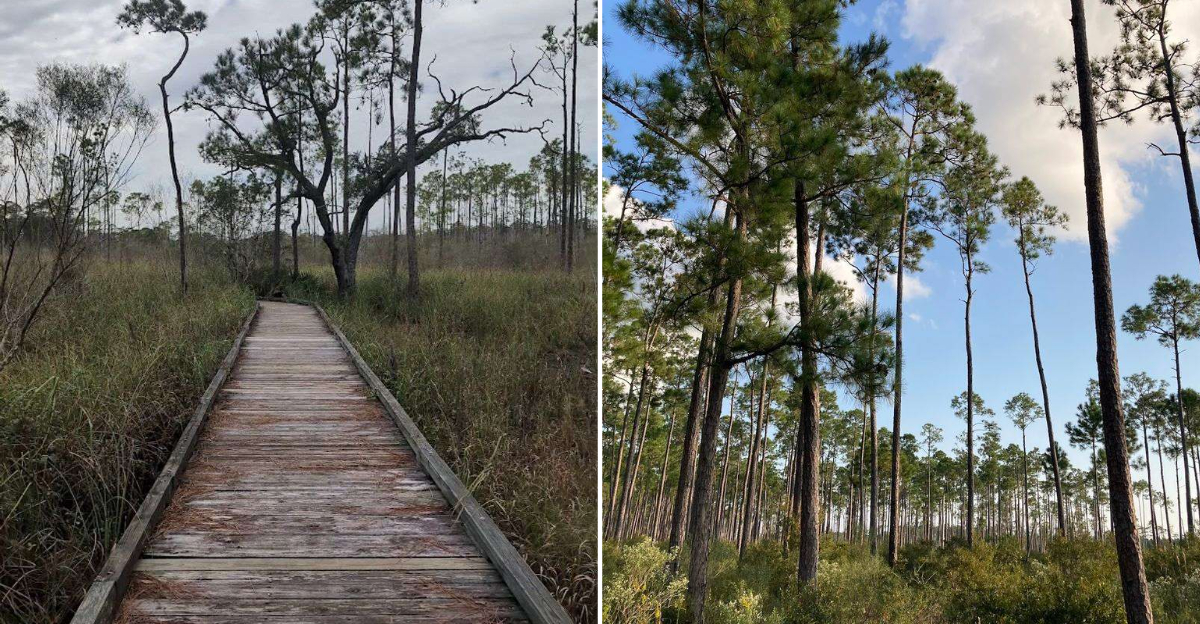
The canopy closes in within the first few minutes and the trail stops feeling like something that belongs on any official map. That quality holds all the way to the water.
Outdoor experiences in this part of the country tend to run loud and vivid, bayous that buzz and skies that perform. This trail operates in a completely different register.
The forest does something to the light that photographers try to capture and mostly fail to replicate on a screen. The shoreline at the end arrives without warning.
One moment the trees, the next an opening that the trail gave no indication was coming. Louisiana keeps this one close, and the people who found it have been returning that favor ever since.
Flora And Fauna Unique To The Trail
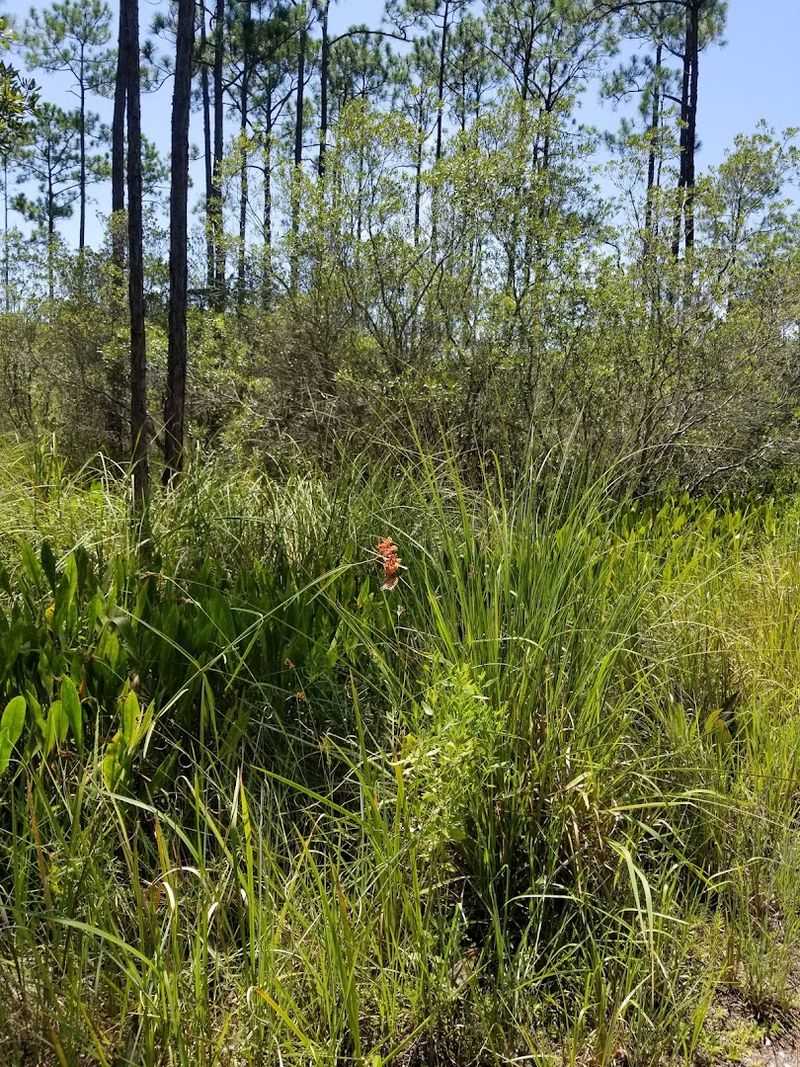
Entering Boy Scout Road Trail feels like flipping through a field guide that somehow came to life. The trail runs through Big Branch Marsh National Wildlife Refuge, and the plant variety here is genuinely impressive.
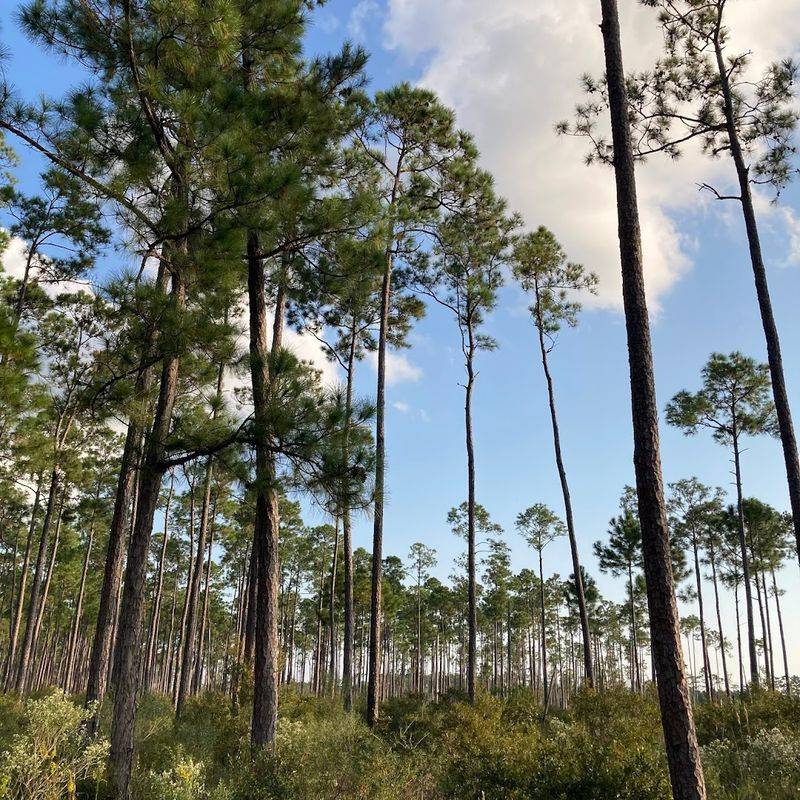
You move through longleaf-mixed pine savannah, hardwood hammocks, and old-growth oak cheniers all in one walk.
The pinewoods smell like Christmas. No exaggeration.
That sharp, clean pine scent hits you early on the trail. Wild blackberries, wild irises, and stunning lily ponds pop up along the way like little gifts.
The fauna matches the flora in terms of variety. Deer, rabbits, mink, otter, raccoon, muskrat, and nutria all call this refuge home.
You might spot a turtle sunning itself near the marsh edge. Monarch butterflies and swallowtail butterflies float through during migration season.
The endangered Red-cockaded Woodpecker lives here, too. Spotting one feels like winning a small wildlife lottery.
Snowy egrets, wood ducks, and Eastern kingbirds also make regular appearances. The biodiversity packed into this 4.5-mile trail is, honestly, remarkable for a spot most people drive right past.
Find the trail at Boy Scout Road Trail, Lacombe, LA 70445. The refuge manages the land carefully, which explains why the ecosystem feels so intact and alive.
Navigating Through The Forest Terrain
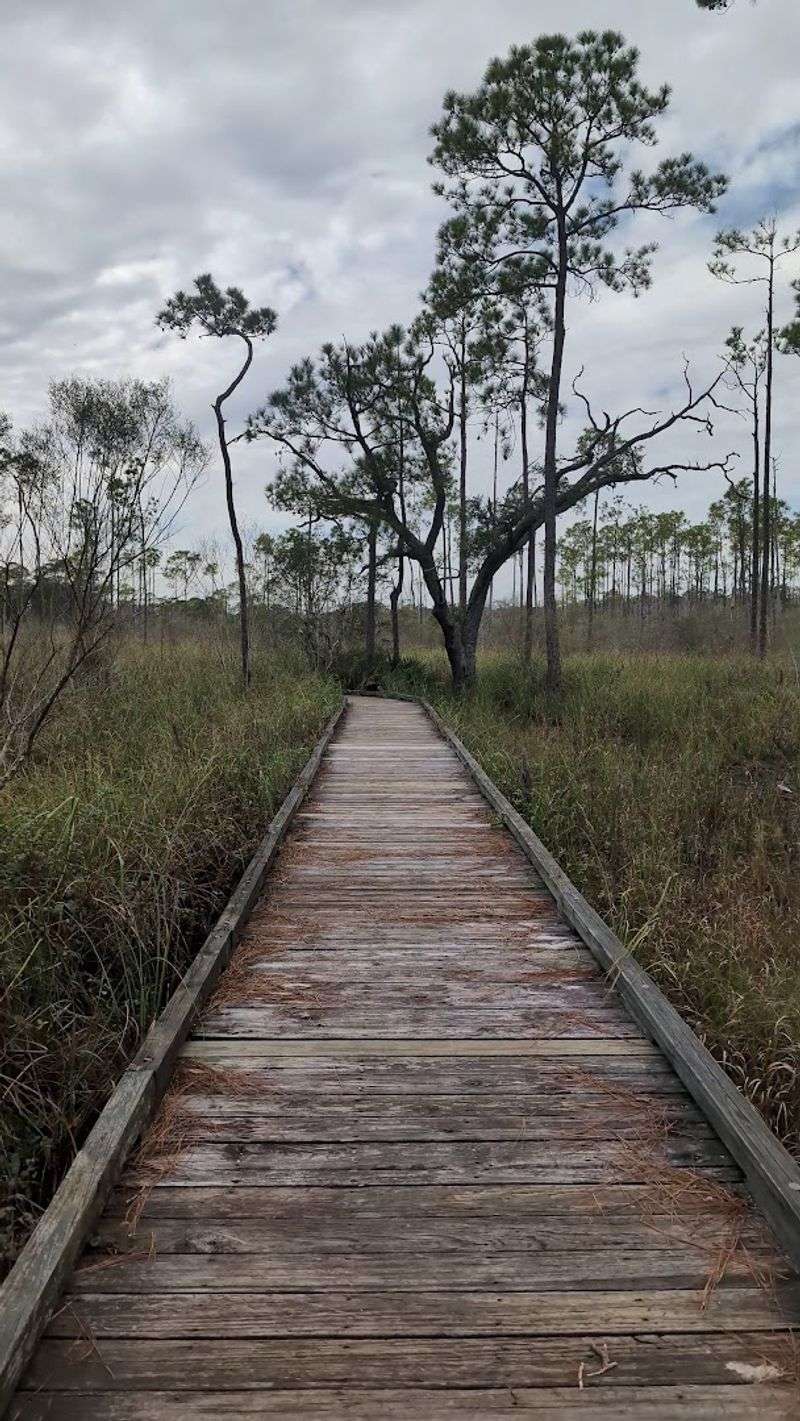
The trail starts with a half-mile raised boardwalk. It is handicapped-accessible, well-built, and offers immediate views over the marsh.
That boardwalk sets the tone for the whole experience.
Beyond the boardwalk, the path transitions to gravel and bare dirt. The terrain stays flat the entire way.
No steep climbs, no scrambling over rocks, no dramatic elevation drama. Just a steady, easy walk through changing landscapes.
The full out-and-back distance runs about 4.5 miles on the main route. Some hikers extend that to 5.8 or even 6.6 miles by taking optional singletrack paths.
One of those side paths leads directly to the edge of Lacombe Bayou, which is worth every extra step.
Navigation is simple. The trail does not twist into confusing junctions.
Follow the main road, and you eventually reach the bayou overlook. Benches appear along the way, which is thoughtful since the trail is wide open in sections with limited shade.
The biggest navigation challenge is post-rain flooding. Several inches of water can cover the path after heavy rainfall.
Waterproof shoes or trail sandals handle this well. The trail is open 24 hours every day, so an early morning start helps you beat both the heat and the bugs.
Plan your route before you arrive, and you will have zero issues.
Seasonal Changes Affecting Trail Scenery
Every season brings a different version of this trail. That is not a marketing line.
The marsh genuinely shifts its appearance month by month, which is part of why regular visitors keep coming back.
Spring is the showiest season. Wild irises bloom in purple clusters.
Lily ponds fill out with green pads and bright flowers. Migratory songbirds pass through, adding color and sound to the forest.
The temperatures are cooler, the bugs are manageable, and the light is soft and golden in the mornings.
Summer turns things up. Heat settles in hard by midday.
The forest canopy provides some shade in the wooded sections. Mosquitoes and ticks are active, so long sleeves and bug spray become essential gear rather than optional extras.
Fall brings migratory waterfowl and a shift in the marsh vegetation. The light changes quality, becoming warmer and more dramatic.
Photography becomes especially rewarding during this window. Temperatures drop to a comfortable hiking range.
Winter is quiet and peaceful. January visits feel almost meditative.
The crowds thin out completely. You can hear woodpeckers clearly without competing noise.
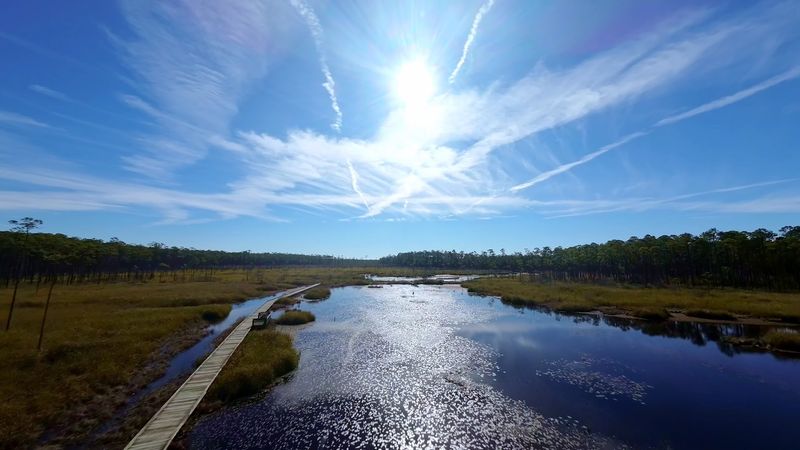
The boardwalk views over the open marsh look stark and beautiful with bare tree lines in the distance. Each season offers a genuinely different reason to return to this trail, which keeps it from ever feeling repetitive.
Trail Safety Tips And Best Practices
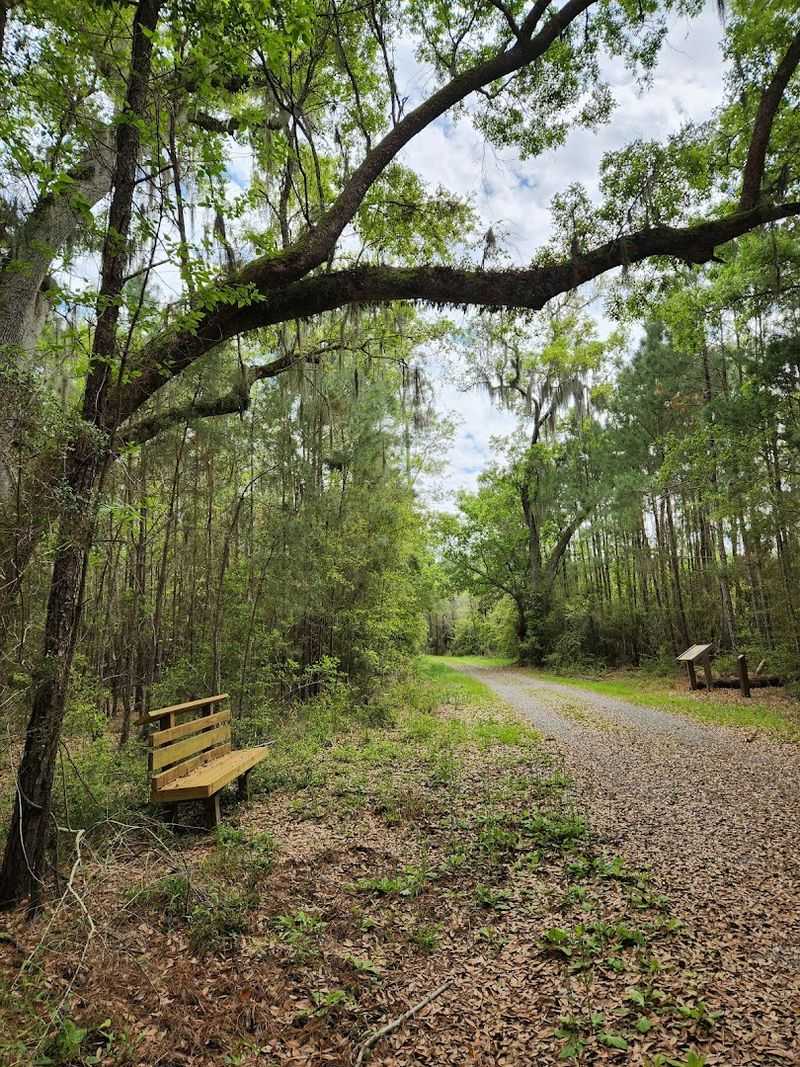
Safety on this trail is mostly about preparation. The trail itself is flat and beginner-friendly.
But the Louisiana environment adds a few specific challenges worth knowing before you show up.
Ticks and mosquitoes are active from spring through fall. Wear long pants, apply insect repellent, and do a tick check after your hike.
This is not optional advice. Bug pressure in summer can go from mild to overwhelming depending on recent weather conditions.
Flooding is the other big factor. After rain, the trail can have several inches of standing water across sections.
Waterproof footwear handles this fine. Checking weather forecasts before you go saves you from an unpleasant surprise.
The trail remains open 24 hours daily, but early morning visits before the heat builds are strongly recommended in warmer months.
There are no bathrooms or water sources on the trail. Bring enough water for your full planned distance.
A basic first aid kit is worth carrying. Cell service can be limited in the refuge, so download offline maps before heading out.
Sun protection matters on the open boardwalk section. A hat and sunscreen make a real difference when the canopy disappears over the marsh.
The trail is dog-friendly, so leash your pet and bring water for them, too. Respecting wildlife means staying on the path and keeping noise levels reasonable throughout your visit.
Wildlife Spotting Opportunities Along The Path
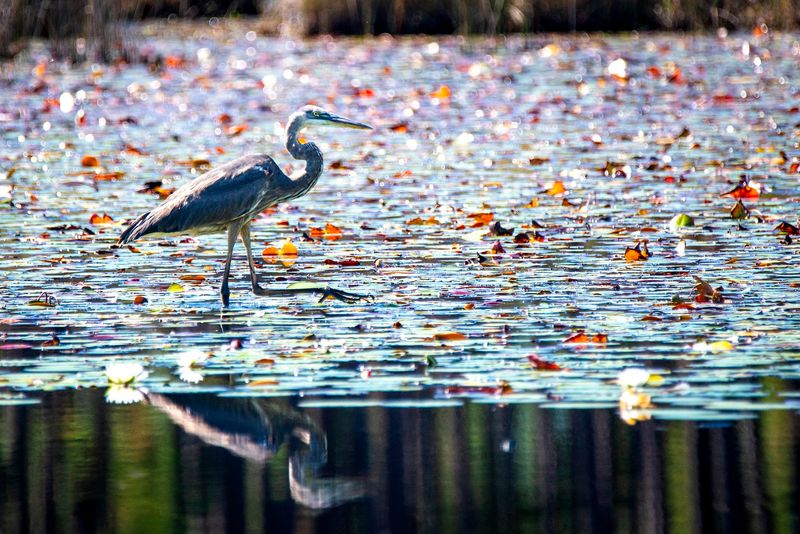
Wildlife spotting here has a high success rate. The Big Branch Marsh National Wildlife Refuge protects a wide range of species, and most of them are not particularly shy about being seen.
Birds dominate the experience for most visitors. Woodpeckers are everywhere.
The Red-cockaded Woodpecker is the celebrity of the refuge, and its presence here is significant since it is federally endangered. You can hear their calls clearly in the pine sections of the trail.
Multiple woodpecker species share the habitat, so even if the rare one stays hidden, you will still have plenty to watch.
Wading birds work the marsh edges throughout the day. Snowy egrets, little blue herons, and American bitterns are all regularly spotted.
Wood ducks prefer the quieter water areas near the bayou end of the trail. Shorebirds and migratory songbirds pass through in large numbers during spring and fall migration.
Mammals are present but more secretive. Deer occasionally cross the path, especially in the early morning or evening.
Nutria and muskrat swim through the marsh channels. Otter sightings happen but require patience and luck.
Bring binoculars. Seriously.
The marsh views from the boardwalk and overlooks reward anyone with optics. A small field guide to Louisiana birds adds real value to the experience.
Move quietly, pause often, and the trail reveals more than you expect on every visit.
Picnic And Rest Areas For Hikers
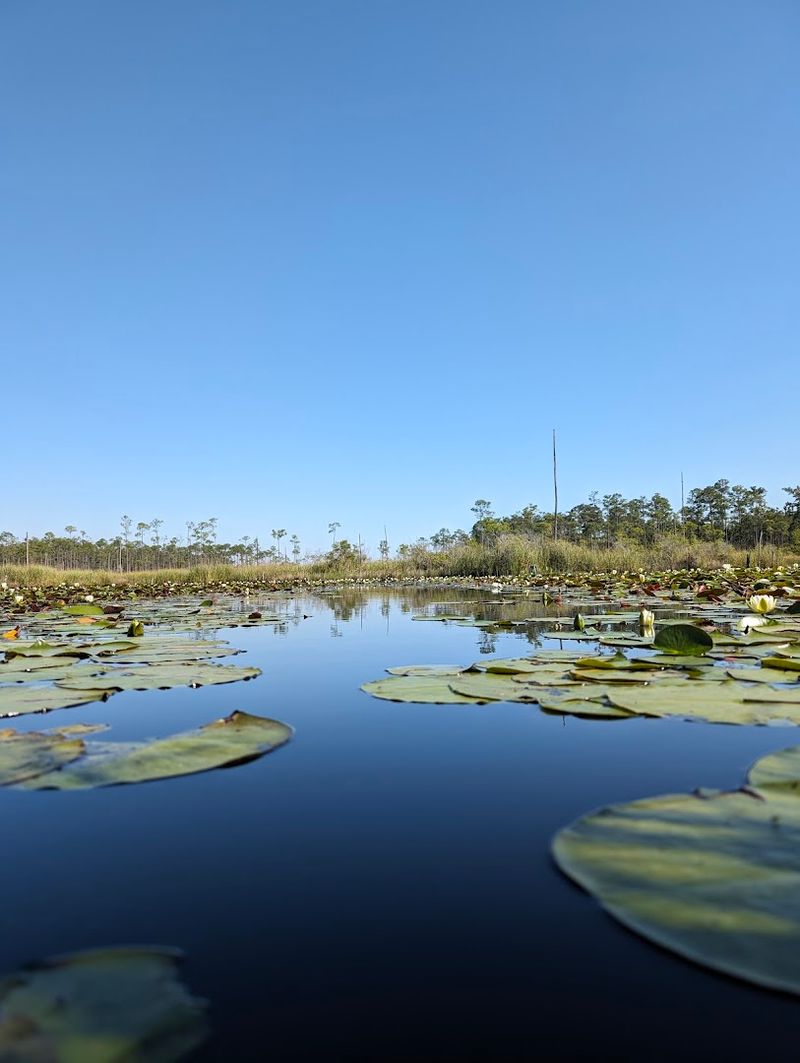
Rest stops along Boy Scout Road Trail are simple but well-placed. Benches appear at intervals along the route, giving hikers a chance to sit, breathe, and actually pay attention to the environment around them.
The boardwalk section offers natural stopping points with marsh views on both sides. Standing at the railing and watching the water for a few minutes often produces wildlife sightings that a fast walk would miss entirely.
The open design of the boardwalk makes it a natural place to pause and take in the landscape.
There are no official picnic tables or designated picnic areas on the trail. However, the benches near the bayou end of the trail make a genuinely pleasant spot to eat a packed lunch.
The views over Lacombe Bayou reward anyone who walks the full distance. Arriving at that overlook with a sandwich and some water feels like a fair trade for the miles covered.
No food vendors, no concession stands, and no water sources exist on site. Pack everything you need before arriving.
A cooler in the car waiting at the trailhead is a smart move for post-hike recovery, especially in summer heat.
The parking area is free and reasonably sized. Arriving early on weekends secures a spot without stress.
The trail atmosphere stays peaceful and quiet, which makes any rest stop feel restorative rather than just functional.
Photography Tips For Capturing The Landscape
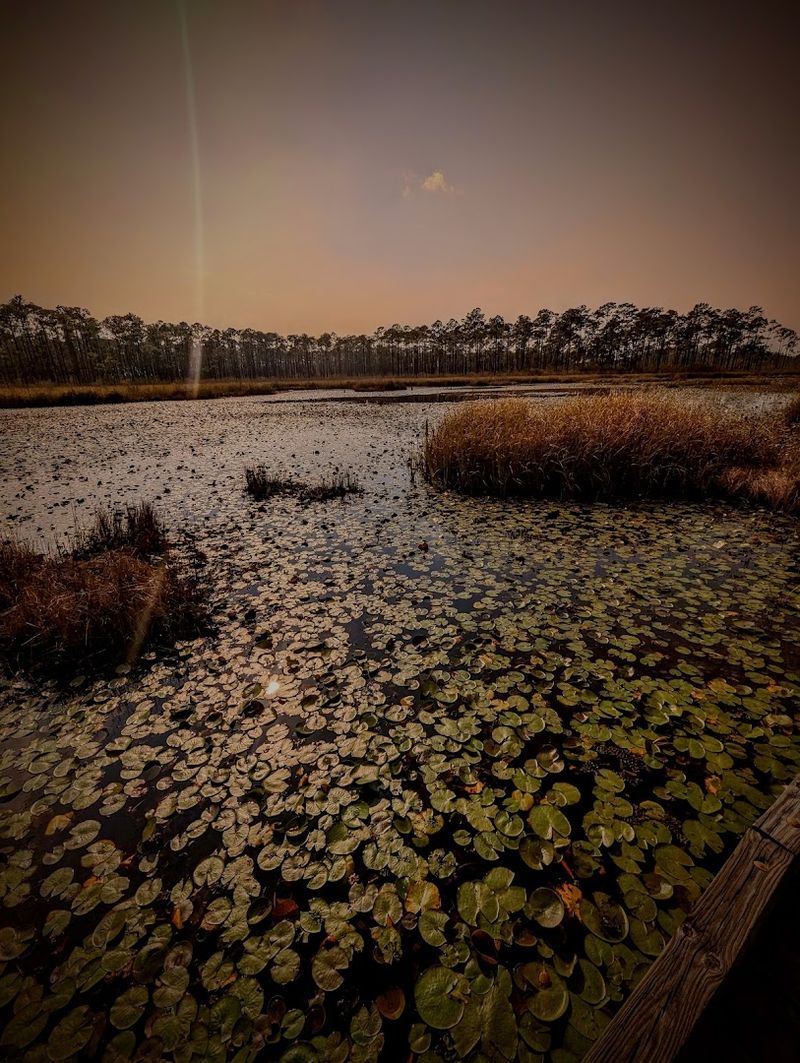
This trail is genuinely photogenic, and knowing when and where to shoot makes a significant difference in the results you bring home.
The landscape offers multiple distinct environments within a single walk, which keeps compositions varied and interesting.
Golden hour is the obvious recommendation. Sunrise light over the marsh is soft, warm, and reflects beautifully off the still water.
The boardwalk positions you directly above the marsh surface, which creates strong foreground interest for wide-angle shots. Sunset works well from the bayou overlook at the trail end.
Bring a telephoto or zoom lens for wildlife. Birds here are often perched at a distance across the marsh.
Getting clean shots of woodpeckers in the pines or herons at the water edge requires reach. A 200mm or longer focal length handles most situations comfortably.
The lily ponds appear mid-trail and deserve dedicated time. Shooting low to the water surface emphasizes the pads and flowers against the sky.
Early morning light on the ponds creates a fairytale quality that the trail is genuinely known for.
Overcast days reduce harsh shadows and work surprisingly well for forest sections. The pine canopy creates natural diffusion in bright conditions.
Macro photographers will find wildflowers, insects, and fungi worth exploring along the trail edges. Keep a lens cloth handy since humidity and marsh air affect glass quickly in warmer months.
Eco Friendly Practices To Preserve Nature
Big Branch Marsh National Wildlife Refuge exists because people decided this land was worth protecting. Keeping it in good shape requires visitors to make a few conscious choices while they are out there.
Pack out everything you bring in. No trash cans exist on the trail.
That granola bar wrapper, that empty water bottle, that coffee cup from the drive over. All of it comes back with you.
Leave No Trace principles apply here, and the trail reflects the respect visitors have shown it over the years.
Stay on the designated path. The habitats along this trail are sensitive.
Cutting through marsh vegetation or trampling the pine savannah edges damages plant communities that take years to recover. The boardwalk exists partly to keep foot traffic off the marsh floor, so use it as intended.
Wildlife observation means keeping a respectful distance. Do not approach nesting birds or feeding animals.
The Red-cockaded Woodpecker in particular is endangered, and disturbance near nesting trees causes real harm. Watch from the trail and use binoculars to get closer without getting closer.
Dogs are welcome but must stay leashed. An unleashed dog chasing wildlife undoes a lot of conservation work in a short time.
Picking up after your pet is non-negotiable on refuge land. Small choices add up across thousands of annual visitors, and this trail stays beautiful because most people make the right ones.