
10 Reasons Massachusetts Is Worth Exploring Beyond Boston While You Are Here For The World Cup
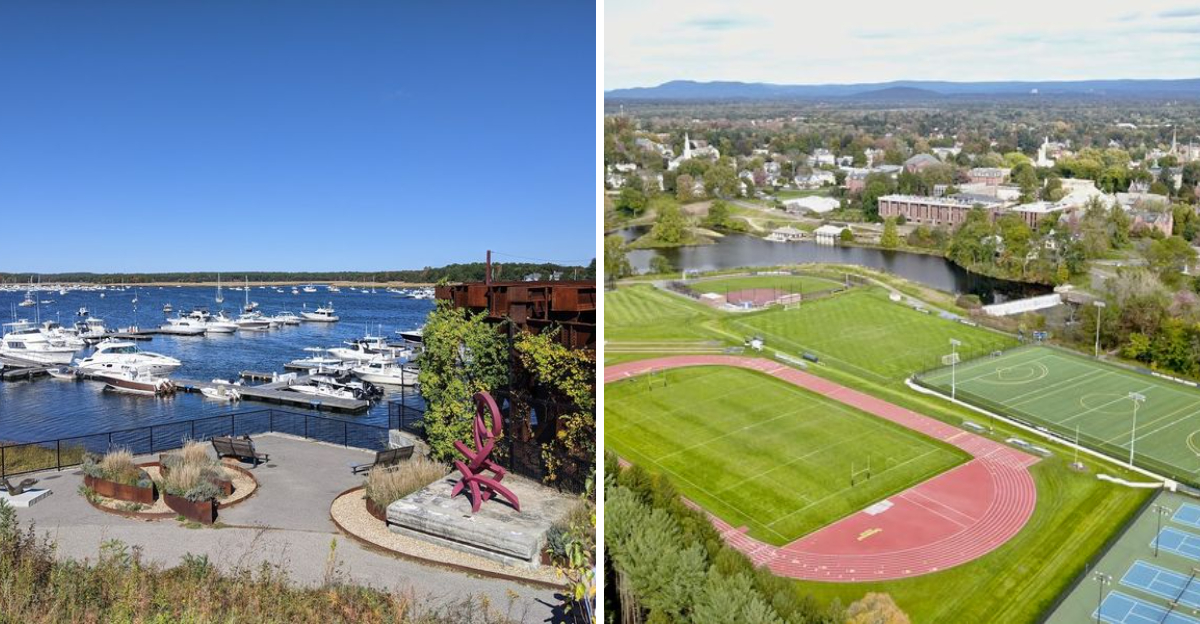
Boston is going to be electric this summer. The World Cup brings that kind of energy. But here is the thing about Massachusetts. It is so much more than one city.
Once you step outside Boston, the whole state opens up in ways most visitors never expect.
Scenic towns that look like postcards. History so thick you can almost touch it. Coastlines that go on forever. Mountains that turn gold and red in the summer heat. Why come all this way and only see one corner of it?
Massachusetts rewards the curious traveler, the one willing to rent a car for a day or hop a train and see what shows up. The matches will be unforgettable.
The memories you make between them might surprise you just as much. There is a lot of state out there waiting to be explored. This list is a good place to start.
1. Cape Cod
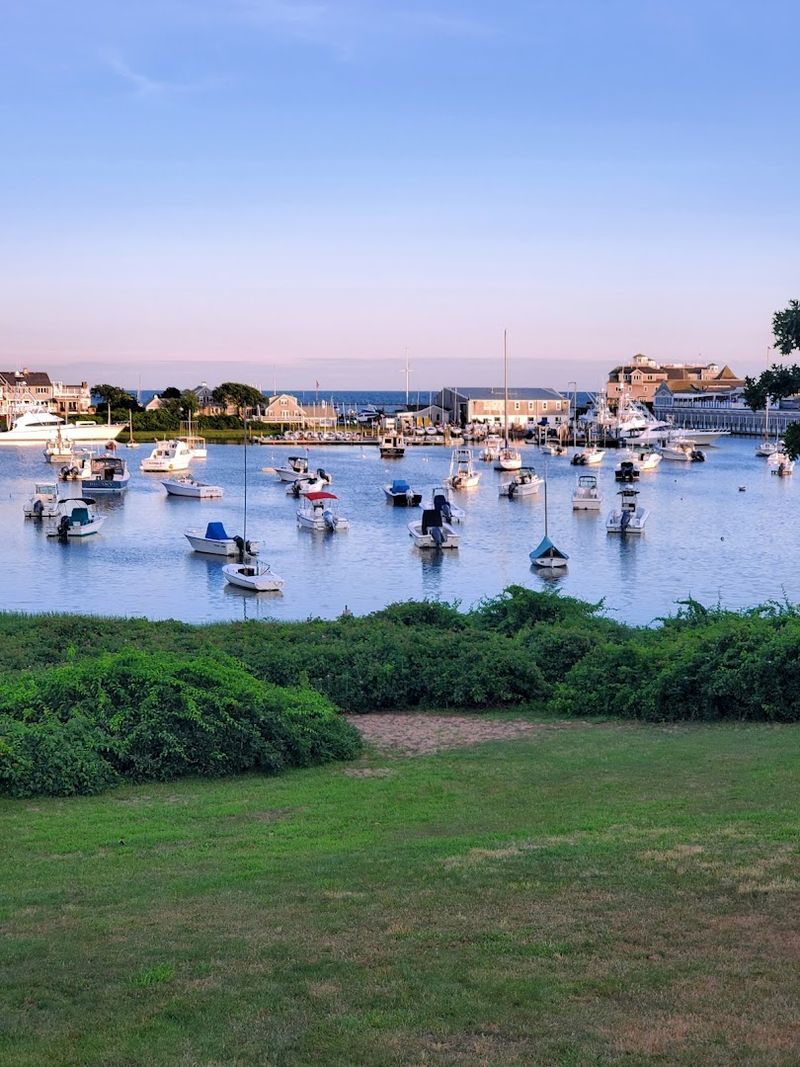
Sandy roads, salt air, and a pace of life that makes you forget you ever owned a smartphone.
Cape Cod stretches like a flexed arm into the Atlantic Ocean, about an hour and a half south of Boston, and it delivers one of the most recognizable coastal experiences in the entire United States.
The Cape Cod National Seashore protects over 40 miles of pristine Atlantic coastline, and walking those beaches feels like stepping into a postcard.
Provincetown, at the very tip of the Cape, is a lively, colorful town packed with art galleries, fresh seafood shacks, and whale watching tours that head out into open water in search of humpbacks and finbacks.
Route 6A, known as the Old King’s Highway, winds through historic towns lined with antique shops and saltbox homes that date back centuries. Chatham is worth a stop for its picturesque lighthouse and harbor seals lounging on the sandbars nearby.
If you want to get out on the water, kayak rentals are easy to find throughout the region.
The Cape works beautifully as either a day trip or an overnight stay. Accommodation ranges from cozy inns to beachfront cottages, and the local seafood, especially the clam chowder and lobster rolls, is reason enough to make the drive.
2. Martha’s Vineyard, Massachusetts
Reachable by a 45-minute ferry ride from Woods Hole, Martha’s Vineyard sits just off the southern coast of Cape Cod and operates on its own relaxed island schedule. It is one of those places where the moment the boat docks, your shoulders drop about three inches.
The island is made up of several distinct towns, each with its own personality. Edgartown is polished and elegant, with white-clapboard sea captains’ houses lining the streets.
Oak Bluffs is more colorful and lively, famous for its extraordinary Victorian gingerbread cottages painted in sherbet shades of pink, yellow, and mint green.
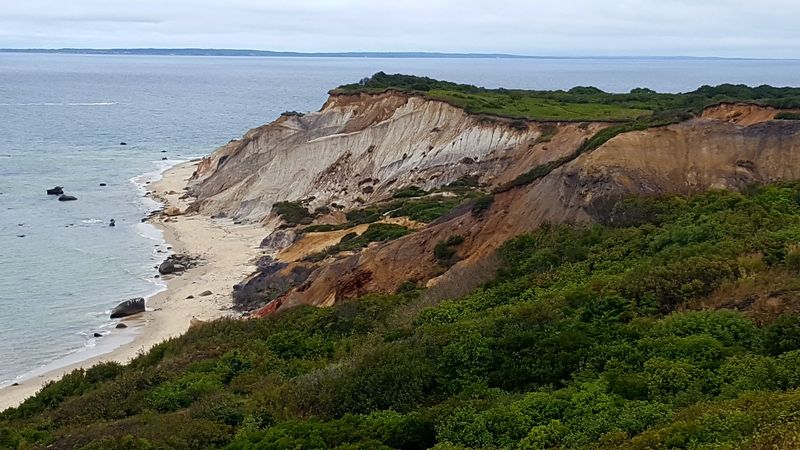
Aquinnah, on the western tip of the island, is home to dramatic red clay cliffs that rise above the ocean and carry deep significance for the Wampanoag Tribe, who have lived on this land for thousands of years. The cliffs are genuinely stunning and unlike anything else in New England.
Cycling is one of the best ways to get around the Vineyard, and dedicated bike paths connect the main towns. The beaches here are outstanding, and the sunsets over Menemsha Harbor draw crowds every evening for a reason.
A day trip is doable, but one night on the island will make you want to stay a week.
3. The Berkshires
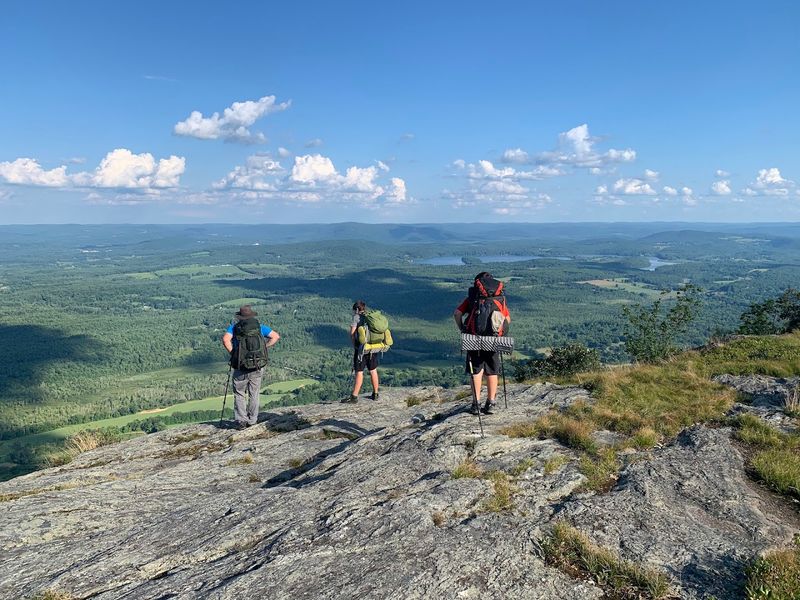
Western Massachusetts feels like a completely different world from the coast, and The Berkshires are the reason why.
Spread across the western edge of the state, this region of rolling hills, mountain lakes, and forested ridgelines has been drawing artists, musicians, and nature lovers for well over a century.
Mount Greylock is the highest point in Massachusetts at 3,491 feet, and the views from the summit stretch up to 90 miles on a clear day, covering five states.
The hiking trails up and around the mountain range from leisurely strolls to serious backcountry routes, so there is something for every fitness level.
Bash Bish Falls, tucked near the New York border in Mount Washington State Forest, is the tallest single-drop waterfall in the state and well worth the short hike to reach it.
In winter, Jiminy Peak Mountain Resort offers skiing and snowboarding, plus a mountain coaster that operates year-round.
Culturally, The Berkshires punch well above their weight. Tanglewood hosts the Boston Symphony Orchestra each summer in an outdoor setting that feels magical.
MASS MoCA in North Adams is one of the largest contemporary art museums in the country and fills a sprawling former factory complex with large-scale installations that are genuinely unforgettable.
4. Gloucester
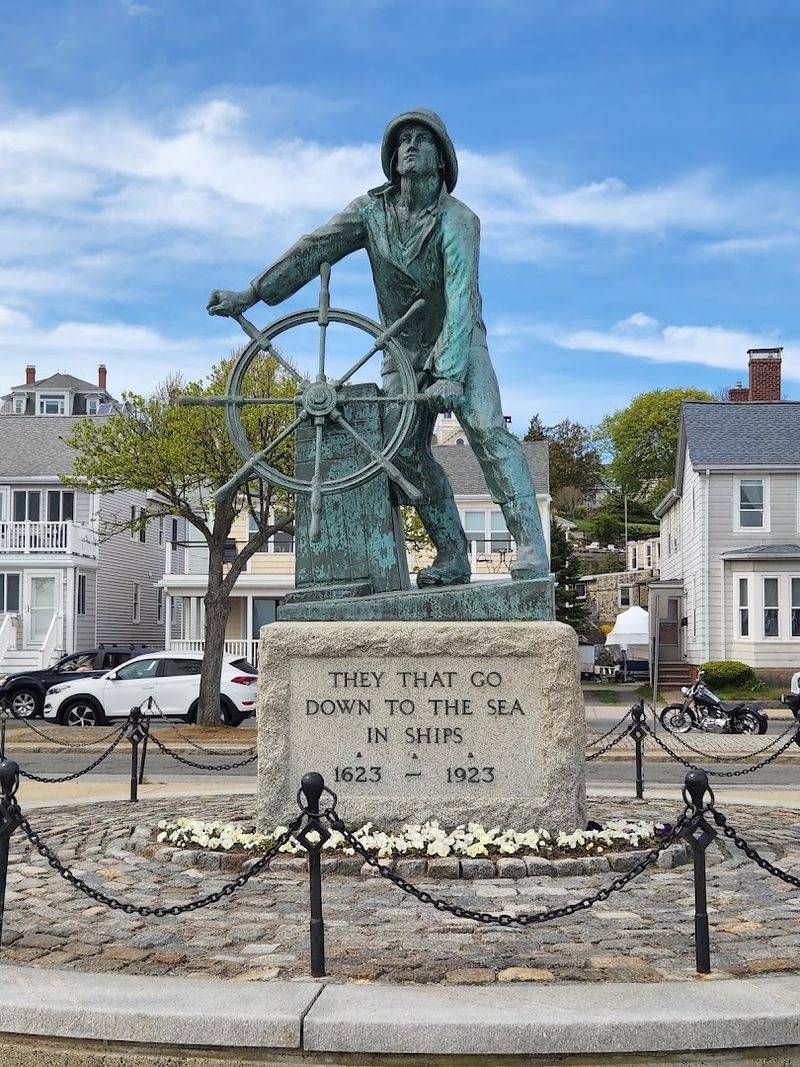
America’s oldest seaport has a salt-stained soul and a story that stretches back to 1623. Gloucester sits on Cape Ann, about an hour north of Boston, and it wears its fishing heritage with unmistakable pride.
The bronze Fisherman’s Memorial statue, known locally as “The Man at the Wheel,” stands at the harbor entrance as a tribute to the thousands of fishermen the sea has claimed over the centuries.
Wingaersheek Beach and Good Harbor Beach are two of the most beautiful stretches of sand on the entire Massachusetts coast. Good Harbor has a tidal island that appears at low tide, letting you walk out to it before the water rolls back in. Timing that crossing is half the fun.
Rocky Neck, one of the oldest working artist colonies in the United States, lines the eastern harbor with galleries, studios, and waterfront restaurants. Fresh seafood here is not a tourist gimmick.
It comes off the boats in the morning and onto your plate by lunch, and the difference is obvious.
The Cape Ann Museum downtown holds a remarkable collection of maritime paintings and Fitz Henry Lane’s luminous harbor scenes.
Gloucester rewards slow exploration, and the combination of natural beauty, working harbor energy, and creative culture makes it one of the most satisfying day trips from Boston.
5. Concord
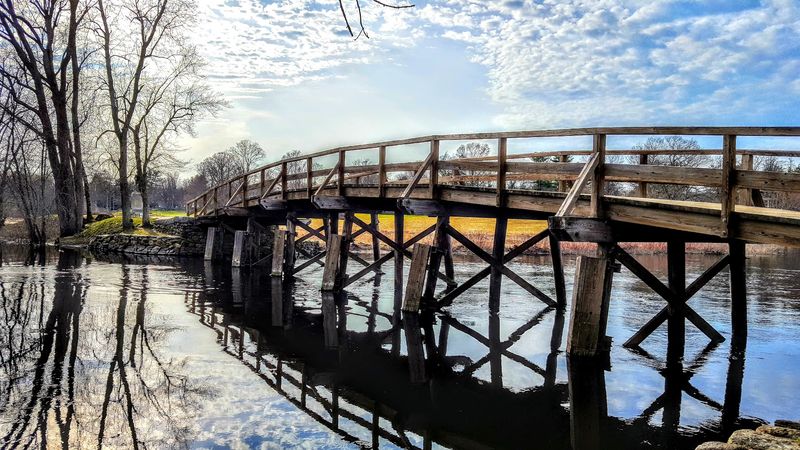
Two of the most important events in American history happened in this quiet town just 20 miles west of Boston, and walking the same ground where they unfolded is a genuinely moving experience.
On April 19, 1775, the first major battle of the American Revolution took place at Concord’s North Bridge, where colonial minutemen pushed back British forces in a confrontation that changed the world.
Minute Man National Historical Park preserves the Battle Road, a stretch of countryside where the fighting continued as British troops retreated toward Boston. The visitor center does an excellent job of explaining the events with exhibits, maps, and a film that brings the day to life.
The landscape itself, with its stone walls and meadows, looks remarkably similar to how it appeared 250 years ago.
Concord also has deep literary roots. Louisa May Alcott wrote “Little Women” at Orchard House, which still stands and offers guided tours.
Walden Pond, where Henry David Thoreau spent two years living simply and writing one of American literature’s most enduring works, is a short drive away and open for swimming and hiking.
The town center has excellent independent bookshops, cozy cafes, and a relaxed atmosphere that makes it easy to spend a full day here. Concord is the kind of place where history feels alive rather than locked behind glass.
6. Lowell
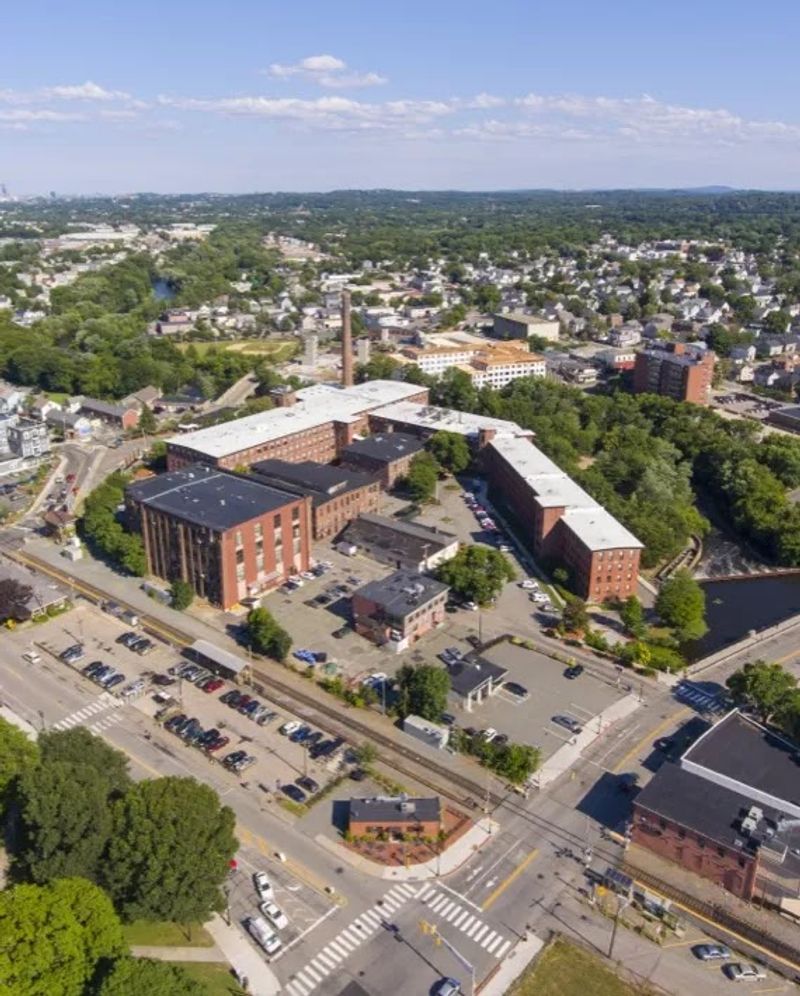
Few American cities have reinvented themselves as thoughtfully as Lowell.
Located about 30 miles northwest of Boston, Lowell was the birthplace of the American Industrial Revolution in the early 1800s, when a network of canals was engineered to power enormous textile mills that transformed the nation’s economy.
Today, those same canals and mill buildings form the backbone of a vibrant cultural district.
Lowell National Historical Park is one of the most underrated national parks in New England.
Rangers lead canal boat tours that glide through the original 5.6-mile canal system while explaining how the city’s mill girls, many of them young women from rural New England farms, powered an industrial empire.
The park’s visitor center inside a restored mill building is free to enter and genuinely fascinating.
The city has also become a proud hub for Southeast Asian culture, particularly Cambodian and Vietnamese communities, which means the food scene here is outstanding and authentic.
The Canalway Cultural District supports a growing network of artists, muralists, and performance venues.
Jack Kerouac, the Beat Generation writer behind “On the Road,” was born in Lowell, and the city honors his legacy with a series of granite sidewalk installations featuring his words scattered through downtown.
Lowell surprises nearly everyone who visits, and that surprise is exactly what makes it worth the trip.
7. Northampton
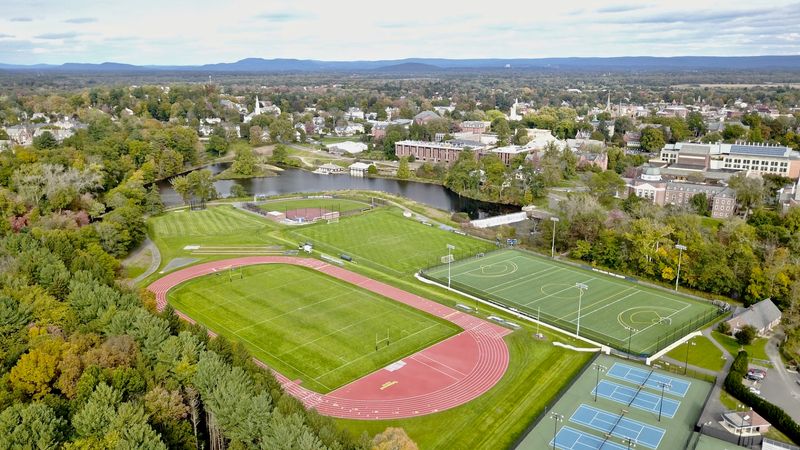
If a college town and a creative arts district had a very cool, socially conscious child, it would look something like Northampton.
Sitting in the Pioneer Valley along the Connecticut River in central-western Massachusetts, Northampton is home to Smith College and surrounded by the other four colleges of the Five College Consortium, which gives the whole region an intellectual, energetic buzz.
Main Street is one of the most enjoyable stretches of independent retail in the state.
Bookshops, vinyl record stores, handmade jewelry studios, and farm-to-table restaurants line the blocks, and there is almost always something happening, whether it is a street performer, a gallery opening, or a farmers market overflowing with Pioneer Valley produce.
The Northampton arts scene is serious and diverse. The Academy of Music Theatre, built in 1891, hosts live music, film screenings, and theatrical performances in a beautifully restored Victorian hall.
Thornes Marketplace, a converted department store, houses dozens of small independent businesses across multiple floors and is worth an hour of wandering on its own.
The surrounding countryside offers excellent cycling along the Norwottuck Rail Trail, which follows a former railroad bed for 10 miles through farmland and river views.
Northampton is the kind of town that grabs you by the sleeve and insists you stay longer than you planned, and you will be glad you listened.
8. Old Sturbridge Village
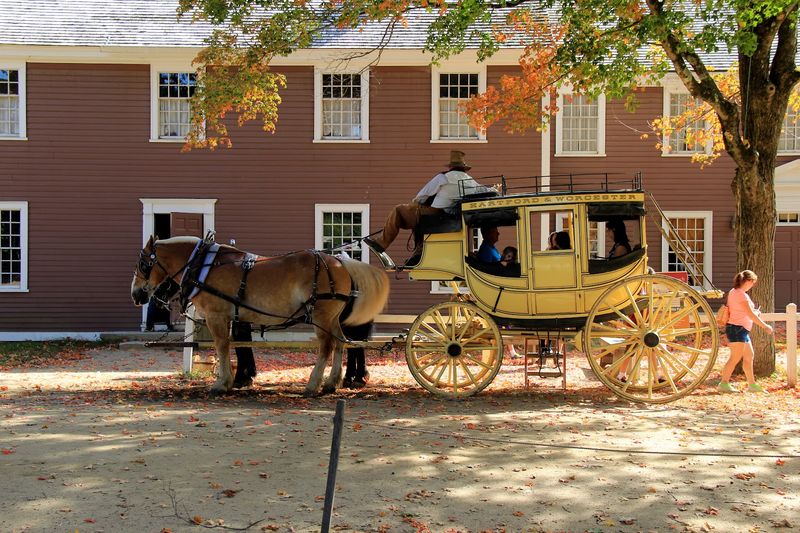
Stepping through the entrance of Old Sturbridge Village is one of the most effective time travel experiences available in the northeastern United States.
Located in Sturbridge in south-central Massachusetts, about an hour and 15 minutes from Boston, this living history museum recreates a New England farming community from the 1830s across more than 200 acres of authentic landscape.
Over 40 original historic buildings were relocated from sites across New England and reassembled here to create a genuinely immersive environment.
Costumed historians, called interpreters, live and work in the village as though the year is 1830, demonstrating blacksmithing, pottery, printing, farming, and cooking using period-accurate tools and techniques.
You can talk to them, ask questions, and watch skills that were once essential to everyday survival.
The village operates seasonally with special events throughout the year, including a popular Thanksgiving program, Civil War-era demonstrations, and evening lantern tours that completely change the atmosphere of the grounds.
Families with children tend to love it most, but the depth of historical detail keeps adults fully engaged as well.
The working farm is one of the highlights, with heritage breed animals including Oxen, sheep, and pigs roaming the grounds. Old Sturbridge Village is the kind of place that turns a vague sense of curiosity about American history into something real, tangible, and surprisingly entertaining.
9. Newburyport
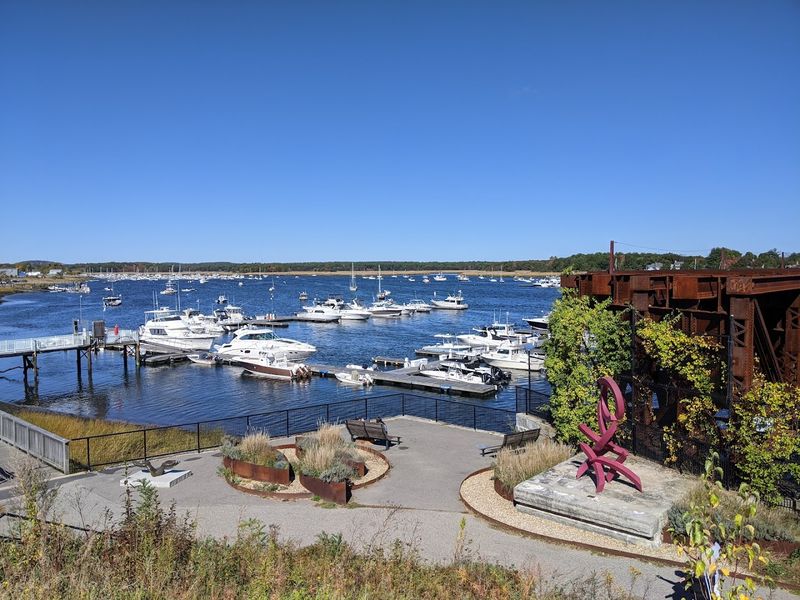
There is a very good reason Newburyport consistently appears on lists of the most charming small cities in America.
Situated where the Merrimack River meets the Atlantic Ocean, about 35 miles north of Boston near the New Hampshire border, this compact city of around 18,000 people packs an extraordinary amount of beauty, history, and culinary quality into a very small footprint.
The downtown historic district is a showcase of Federal-style architecture, with brick buildings from the late 18th and early 19th centuries lining streets that feel almost impossibly well-preserved.
The waterfront along Inn Street and Market Square is lined with independent restaurants, boutiques, and coffee shops that hum with activity on weekends.
Lobster rolls and oysters here are exceptional, sourced fresh from the surrounding waters.
Plum Island, connected to Newburyport by a short causeway, holds the Parker River National Wildlife Refuge, a barrier island with miles of beach, dunes, and one of the best shorebird migration sites on the entire East Coast.
Birdwatchers come from across the country during spring and fall migration seasons to see species that pass through in remarkable numbers.
The Clipper City Rail Trail offers a scenic cycling route through the city, and whale watching cruises depart from the waterfront during the warmer months. Newburyport earns every bit of its reputation and rewards visitors who take the time to slow down and explore on foot.
10. Hingham
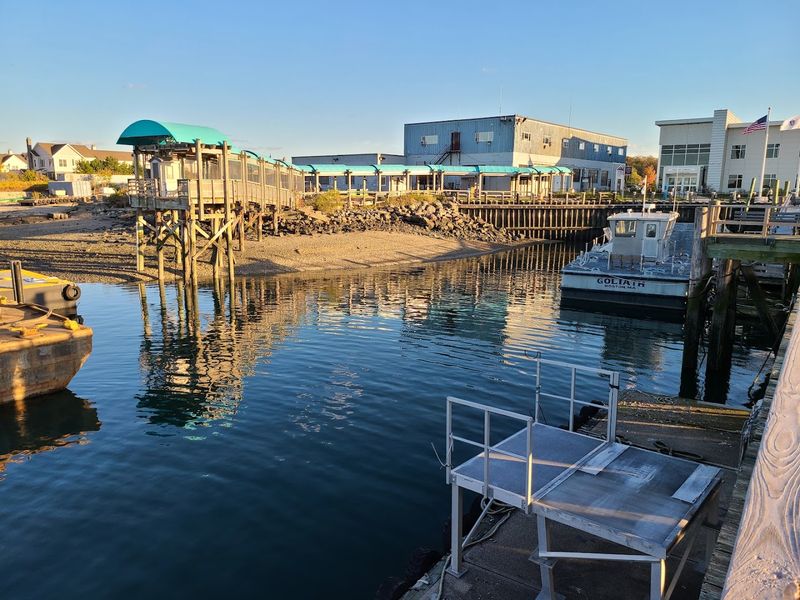
Just 15 miles south of Boston and accessible by commuter ferry from Long Wharf, Hingham is one of those South Shore towns that locals guard like a favorite secret.
The ferry ride alone, which takes about 35 minutes across Boston Harbor and offers a stunning view of the city skyline receding behind you, is worth the trip before you even step ashore.
Downtown Hingham, known as the Square, centers on a walkable cluster of independent shops, farm-to-table restaurants, and the kind of relaxed, friendly energy that big cities spend millions trying to manufacture.
The Old Ship Church, built in 1681, is the oldest continuously operating church in the United States and a remarkable piece of living architectural history that still holds services today.
World’s End, a 251-acre reservation managed by The Trustees of Reservations, sits at the edge of Hingham Harbor and offers some of the most scenic walking paths in eastern Massachusetts.
The landscape was designed by Frederick Law Olmsted, the same man behind New York’s Central Park, and the rolling drumlins, tree-lined carriage paths, and harbor views make every walk feel like a painting.
Hingham also provides quick access to the Boston Harbor Islands State Park, where you can catch a seasonal ferry to explore historic forts, sandy beaches, and open ocean views just minutes from one of America’s great cities.