
The Clearest And Bluest Lake In Massachusetts Is Almost Too Pretty To Be Real
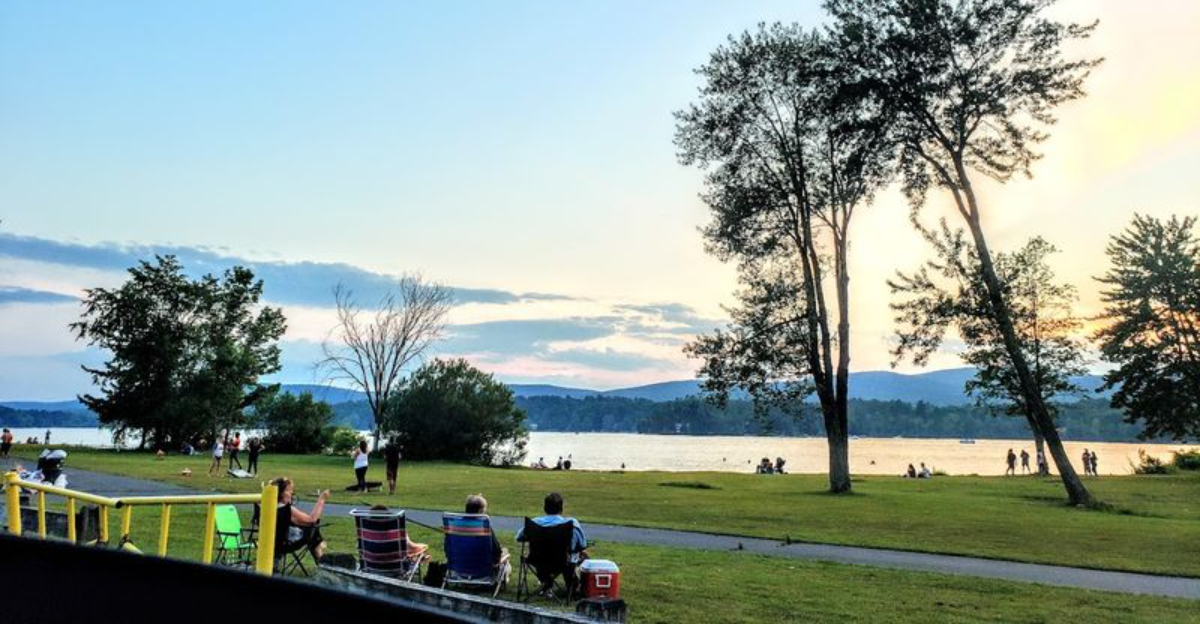
Water this blue feels like it should come with a filter warning. Massachusetts is famous for coastal views, old towns, and summer crowds, but this lake brings a different kind of calm the second it comes into sight.
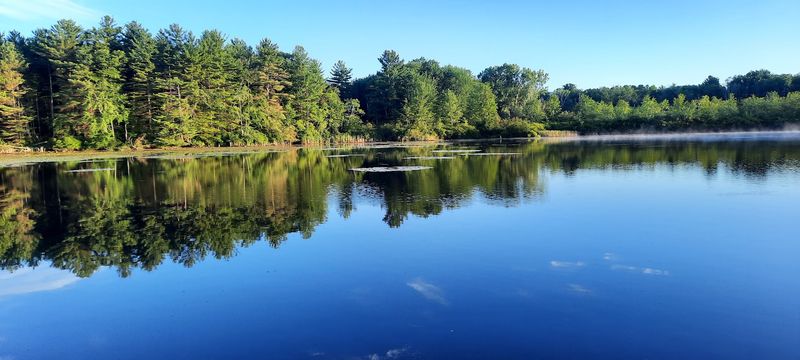
The surface can shift between glassy, bright, and deeply blue, depending on the light. Trees frame the shoreline, hills rise nearby, and the whole scene feels much farther from daily noise than it actually is.
It is the sort of place where a quick stop can become an afternoon without much convincing. People come to swim, paddle, fish, sit by the water, or simply stare for a while because honestly, that counts as an activity here.
Nothing feels overdone. Nothing needs to shout. Just clear water, open sky, and a view that makes you check your camera roll twice. A quiet Massachusetts lake day does not get much prettier than this.
Water Clarity That Earns Every Compliment
Few lakes in New England can genuinely back up a claim like this one.
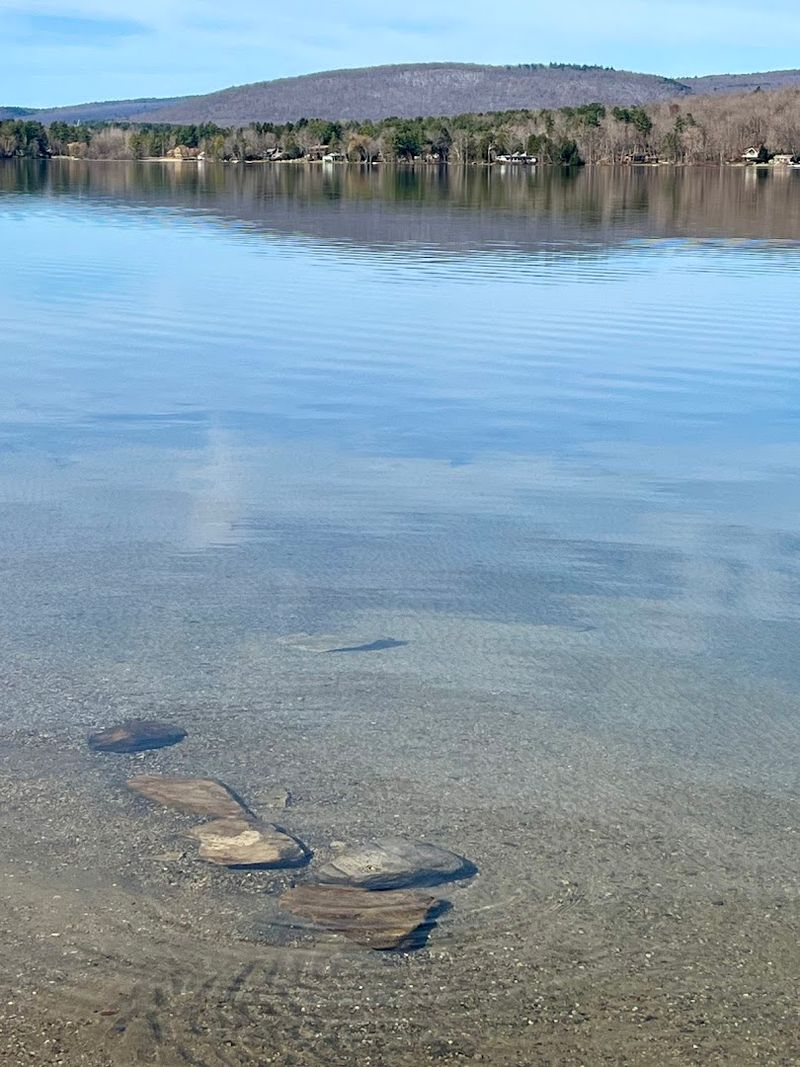
The lake sits in Pittsfield, MA 01201, and its water transparency reaches approximately 17 feet, which means you can peer down and watch the rocky lakebed shift beneath the surface with unusual detail. That kind of clarity is not accidental.
The lake covers between 617 and 653 acres and has a maximum depth of 72 feet. Its southern basin tends to run deeper and cleaner, offering the most impressive visibility.
Swimmers and kayakers consistently note how far they can see below them, even in the middle of the lake.
The Lake Onota Preservation Association, known as LOPA, actively monitors water quality throughout the year. Their efforts help maintain the conditions that give the lake its signature transparent appearance.
When sunlight hits the surface at the right angle, the water shifts from soft turquoise to a rich, saturated blue that photographs almost unrealistically well.
Visitors who come expecting something pleasant tend to leave genuinely surprised by how striking the lake actually looks in person.
Ranked Among The Bluest Waters In The Entire Country
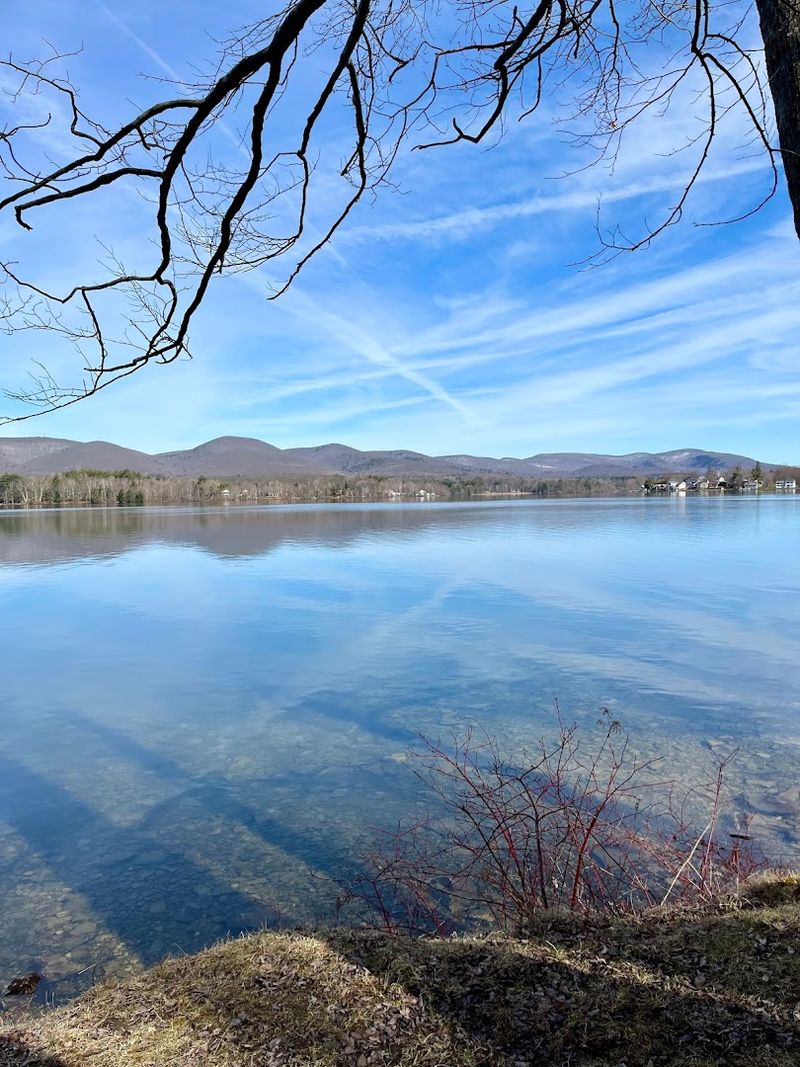
Being called one of the bluest lakes in Massachusetts is a solid compliment on its own. But Lake Onota goes further than that.
One national ranking placed it at number 53 for bluest water across the entire United States, which puts it in genuinely rare company for a freshwater lake in the Northeast.
The color comes from a combination of depth, water composition, and the clarity that allows light to penetrate and reflect in ways that produce that vivid, almost electric blue tone.
Standing at the shore on a calm morning, the surface looks less like a lake and more like something you would find in a travel magazine spread about coastal destinations far south of Massachusetts.
The surrounding Berkshire hills frame the view with a steadiness that makes the color appear even more concentrated. In autumn, the foliage adds layers of amber and red to the backdrop, creating a contrast against the blue water that feels almost theatrical without any effort.
Visitors who have seen dozens of lakes across New England tend to pause at Lake Onota in a way they do not pause at others. The color genuinely earns that reaction.
Burbank Park Gives Everyone A Proper Welcome
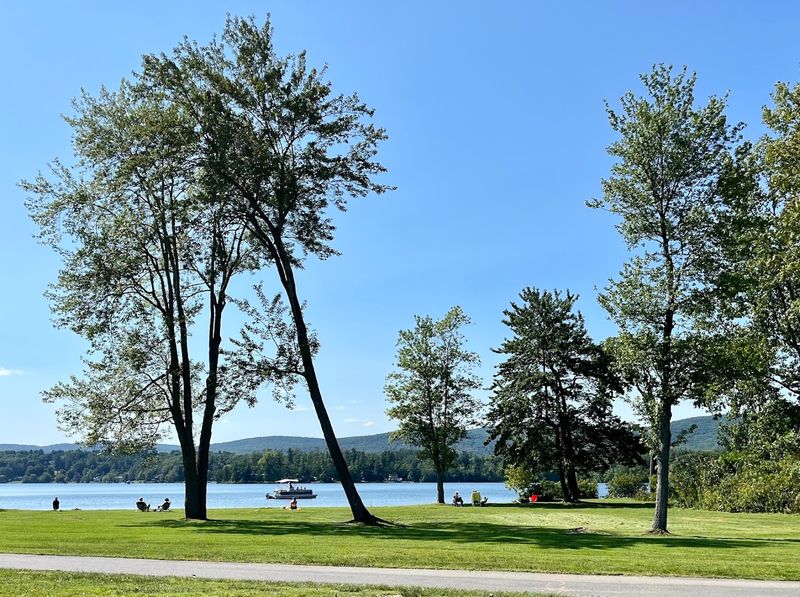
Public access to a lake this appealing could easily have been handled poorly. Fortunately, Burbank Park on the eastern shore of Lake Onota does the job with genuine care.
The park includes a swimming beach, a boat launch, a fishing pier, and picnic areas, all of which are free to use without an entry fee.
Parking is generous and sits close to the water, which matters when you are hauling kayaks, coolers, or fishing gear.
Families with young children tend to gravitate toward the beach area, while anglers work the fishing pier with a patience that seems almost meditative against the backdrop of open water and hills.
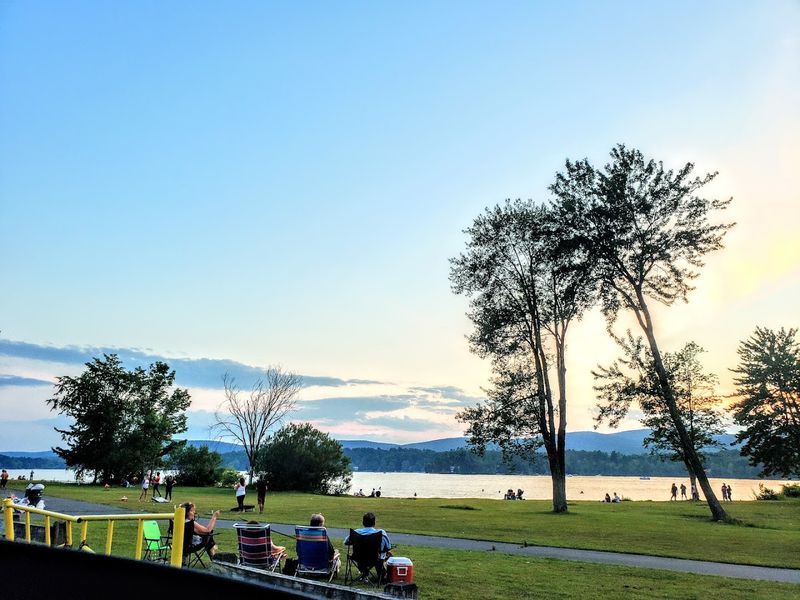
The park also features a children’s play area, and on warmer evenings, the lakeside fills with people grilling, walking, and simply sitting near the water.
Some visitors jog or rollerblade along the surrounding paths, and occasional live music events at the lake draw crowds who stay well past sunset.
Changing facilities are available during peak season, which removes one common frustration associated with lakeside visits. Burbank Park functions less like a municipal amenity and more like a well-organized invitation to spend a full day outdoors without worrying about logistics.
Fishing At Lake Onota Rewards Patience And Skill
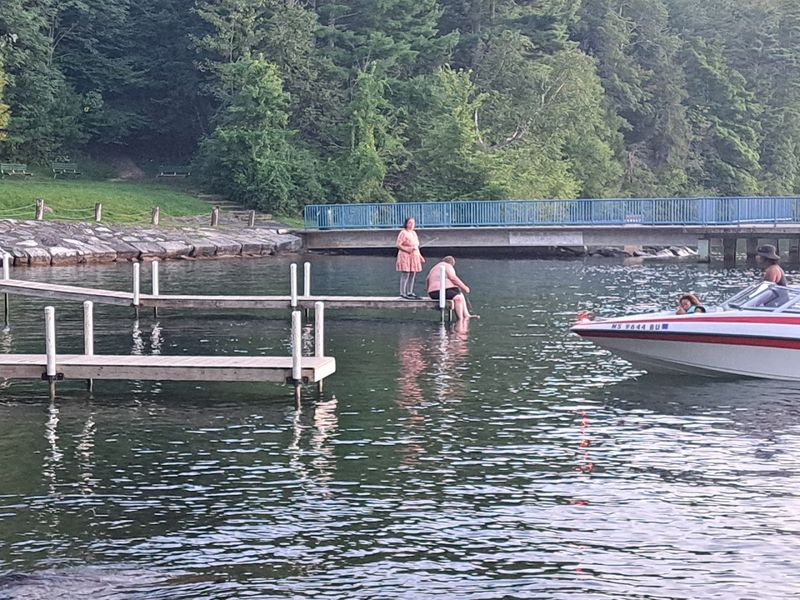
Lake Onota has a well-established reputation among anglers in western Massachusetts. The lake supports a healthy population of largemouth bass, smallmouth bass, yellow perch, chain pickerel, and other species that attract both casual weekend fishers and more serious competitive anglers.
The fishing pier at Burbank Park provides a stable and accessible platform for those who prefer to stay on land.
Boat fishing is equally popular, and the lake’s size gives anglers enough room to find quieter coves and deeper sections without feeling crowded.
The south basin, with its greater depth, tends to hold fish differently than the shallower north end, so experienced visitors often move between zones depending on the season and time of day.
Early mornings on the lake carry a particular atmosphere. The surface sits flat and silver before the wind picks up, and the hills reflect in the water with a stillness that feels almost private.
Even visitors who do not fish tend to linger near the pier just to watch. Several reviews from regular visitors mention returning to Lake Onota season after season specifically for the fishing, describing it as one of the more reliable and rewarding spots in Berkshire County.
Boating And Water Sports Keep The Lake Lively
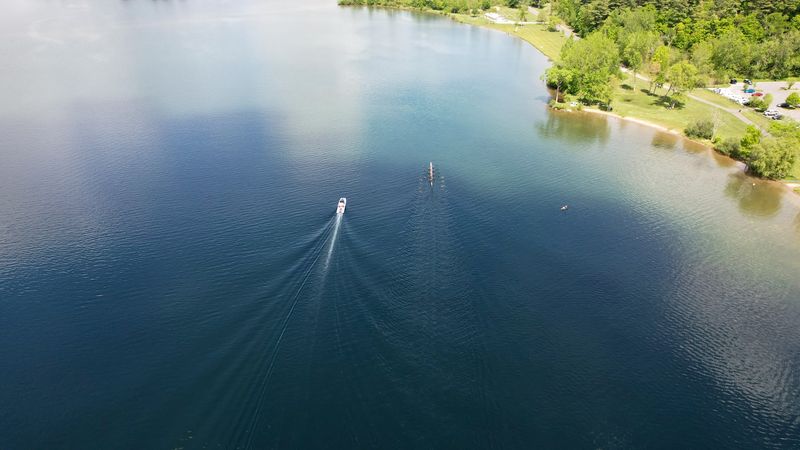
A lake of 617 acres gives water sports enthusiasts genuine room to operate.
Lake Onota accommodates sailing, water skiing, motorboating, kayaking, and paddleboarding, and on busy summer weekends, all of these activities tend to share the water simultaneously with a casual ease that speaks to how well the space is used.
Kayakers often hug the shoreline, moving slowly enough to notice the rock formations below the surface and the birds working the shallows. Paddleboarders congregate near calmer sections, while motorboats and water skiers take advantage of the open center of the lake.
The boat launch at Burbank Park handles the traffic without significant bottlenecks on most days.
Sailing on Lake Onota has a particular charm because the surrounding hills funnel and shift the wind in ways that keep experienced sailors engaged.
The views from the water looking back toward the hills are consistently described by visitors as among the best perspectives the lake offers.
One longtime visitor summed it up simply: beautiful lake, expansive views all around, surrounded by mountains. That kind of straightforward enthusiasm tends to appear repeatedly in accounts from people who have spent real time on the water here.
The Berkshire Hills Frame Every View With Purpose
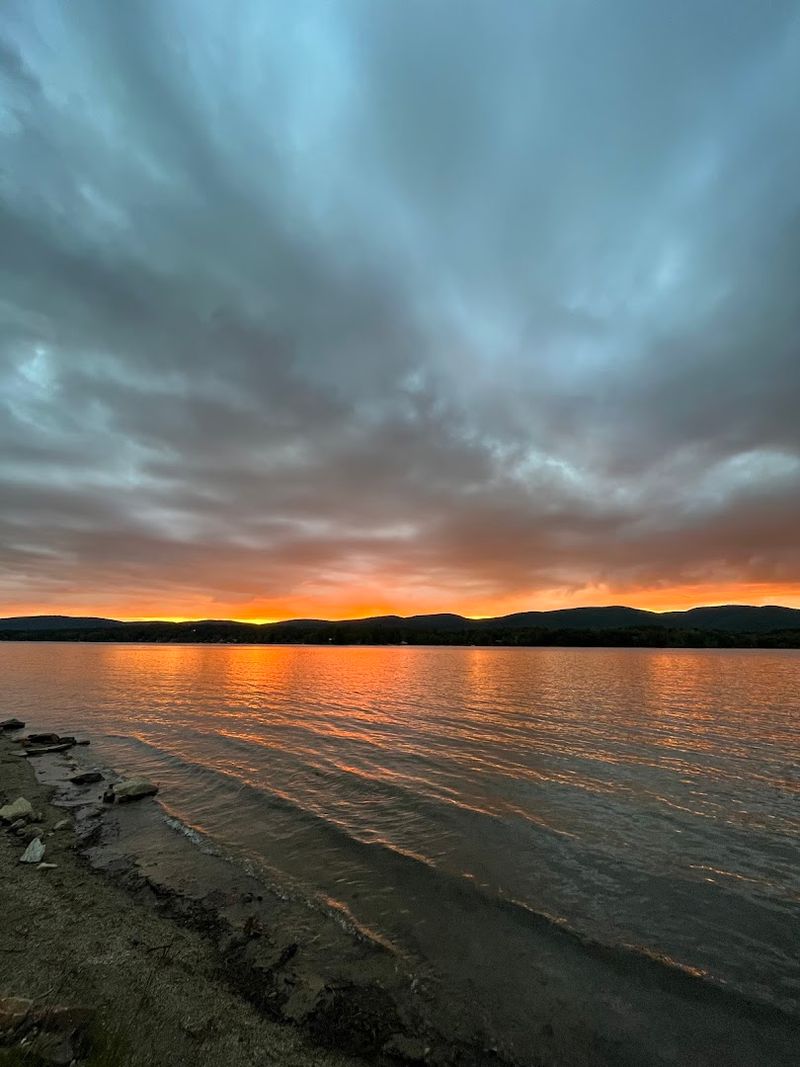
Geography plays a significant role in what makes Lake Onota feel different from other lakes in the region. The Berkshire Hills rise steadily around the lake, providing a natural frame that gives every view a sense of depth and containment.
Nothing about the landscape feels accidental or arbitrary.
In summer, the hills hold their green with a density that softens the edges of the sky. By late September and into October, the foliage turns in stages, moving from bright yellow at the upper elevations down through orange and deep red closer to the shoreline.
The reflection of those colors in the lake’s clear water creates a visual layering that photographers and casual visitors alike find difficult to walk away from quickly.
Winter offers its own version of the same scene. When the lake freezes completely, the hills and bare trees surrounding it take on a stark, clean quality that several visitors have compared to watching a film still come to life.
The ice stretches flat and white across the full length of the lake while the hills stand dark against a pale sky. It is the kind of winter landscape that reminds you why people choose to live in places with actual seasons rather than chasing warmth year-round.
Sunsets At Lake Onota Arrive Without Warning And Stay Long
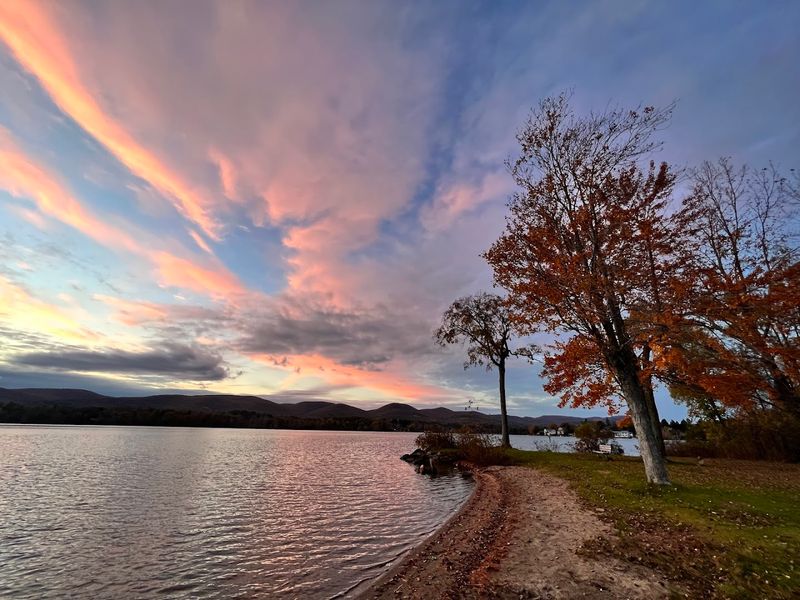
Several visitors who have spent time at Lake Onota mention the sunsets specifically, and not in the passing way people mention sunsets at ordinary places.
The combination of open water, elevated surrounding hills, and the western orientation of certain viewing spots creates conditions where the evening light performs with unusual intensity.
The sky above the Berkshire Hills catches color early, well before the sun actually drops below the ridgeline.
That extended golden period gives the lake surface time to shift through several distinct shades, from warm amber to a deep copper that eventually settles into a soft violet as the light fades.
People who come for a quick evening walk often end up staying considerably longer than they planned.
Burbank Park offers clear sightlines toward the western hills, making it one of the better positions for watching the transition. Benches and open grass areas give visitors comfortable places to settle in without feeling rushed.
A few reviews describe the sunset experience at Lake Onota as one of the primary reasons they return repeatedly, which says something meaningful about a lake that already has so many other qualities competing for attention.
Sunsets here are not a bonus feature. They function more like a scheduled event that the lake takes seriously.
Water Quality Management Keeps The Lake Honest
A lake this popular and this visually impressive carries a real responsibility to maintain its quality over time. Lake Onota is classified as a mesotrophic lake, which means it sits in a middle range of nutrient levels that can shift toward problematic conditions if left unmanaged.
The Lake Onota Preservation Association monitors the water consistently throughout the year to track changes before they become serious problems.
Cyanobacteria blooms have been documented in the northern basin in recent years, which represents one of the more common challenges facing lakes with high recreational use and surrounding development.
The lake also undergoes chemical treatments periodically to control invasive aquatic vegetation, a management practice that has become standard for many freshwater bodies in the Northeast.
The south basin generally maintains higher water clarity than the north, partly because of its greater depth and partly because of how water circulation differs between the two sections.
Visitors who pay attention to these distinctions often choose the southern areas for swimming and kayaking during periods when conditions in the north basin are less favorable.
The ongoing monitoring and active management reflect a community that genuinely values what it has, rather than simply enjoying the lake’s appearance while assuming the quality will sustain itself without effort.
A Year-Round Destination That Holds Its Character Through Every Season
Most lakes in New England earn their visitors during summer and spend the rest of the year quietly waiting. Lake Onota operates on a different schedule.
Each season delivers a version of the lake that feels complete rather than reduced, and regular visitors tend to develop preferences for specific times of year based on what they value most about the experience.
Spring brings the hills back to green gradually, and the water clarity becomes especially sharp as temperatures rise and recreational traffic builds. Summer fills Burbank Park with swimmers, boaters, and picnickers who make use of nearly every available feature the park offers.
Autumn delivers the foliage display that the Berkshires are widely known for, and the lake surface captures those colors in a reflection that doubles every impressive view.
Winter transforms the lake into something quieter and more private. The frozen surface draws visitors who come simply to stand on the ice and look outward at the hills, an experience that one reviewer described as straight out of a movie.
That seasonal range is part of what gives Lake Onota its lasting appeal. It does not rely on a single selling point or a single time of year. The lake simply continues being itself across all four seasons, and that consistency is its own form of distinction.