
8 North Carolina Beaches That Preserve The Natural Beauty Of The Atlantic Coast
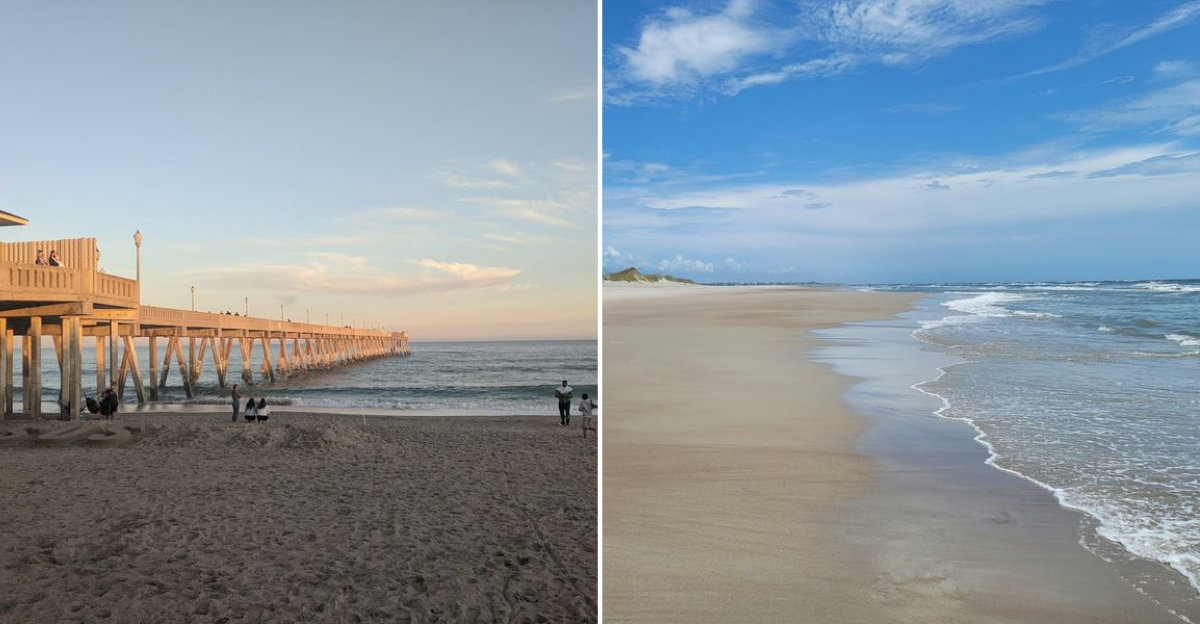
The Atlantic arrives here without much interference between the water and whoever is standing at the edge of it. That simplicity is harder to find along this coastline than it used to be.
North Carolina holds stretches of shore that the development conversation never fully won. The beaches on this list earned their place through what they kept out as much as what they kept in.
Dunes that run the way dunes are supposed to run. Shoreline that doesn’t require navigating around anything built to obscure it.
Each beach here delivers the Atlantic Coast experience that most visitors assume no longer exists until they’re standing in the middle of it. The natural beauty here isn’t managed or curated.
It simply remained while everything around it changed. Crowds stay lighter than the quality deserves, which is the detail that keeps these beaches feeling the way they do season after season.
The people who found them tend to return without needing much convincing, and tend to share the information with the same care they use when the thing being shared is genuinely worth protecting.
1. Ocracoke Beach
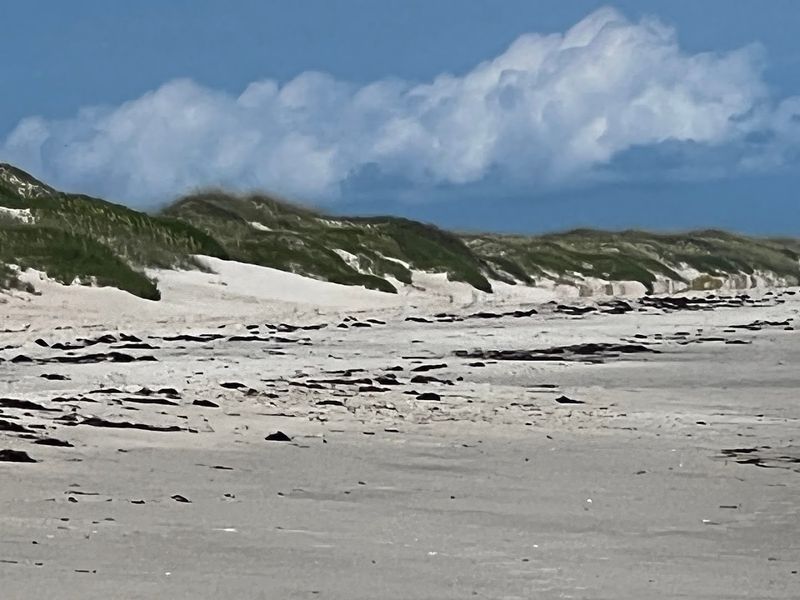
Getting to Ocracoke Beach already feels like an adventure. You have to take a ferry to reach it, and that boat ride alone sets the tone perfectly.
Once you arrive, the beach just stretches out in front of you with almost no one around. It is part of the Cape Hatteras National Seashore, which means development is not allowed here.
Wild ponies actually roam parts of this island. Spotting one near the dunes is one of those moments you will talk about for years.
Shelling here is fantastic. The tides bring in fresh deposits constantly, and since crowds are rare, you are not competing with fifty other people for the good finds.
The vibe on Ocracoke is slow, quiet, and almost otherworldly. There are no massive resort hotels or loud beachside bars crowding the shoreline.
Blackbeard the pirate once called this island home. History literally washed up on these shores, and that story adds a layer of cool to every walk you take.
Sunsets here are something else entirely. The sky turns every shade of orange and pink, and with no artificial light pollution, the stars that follow are jaw-dropping.
If you love nature and want a beach that feels genuinely untouched, Ocracoke is your answer.
2. Corolla Beach
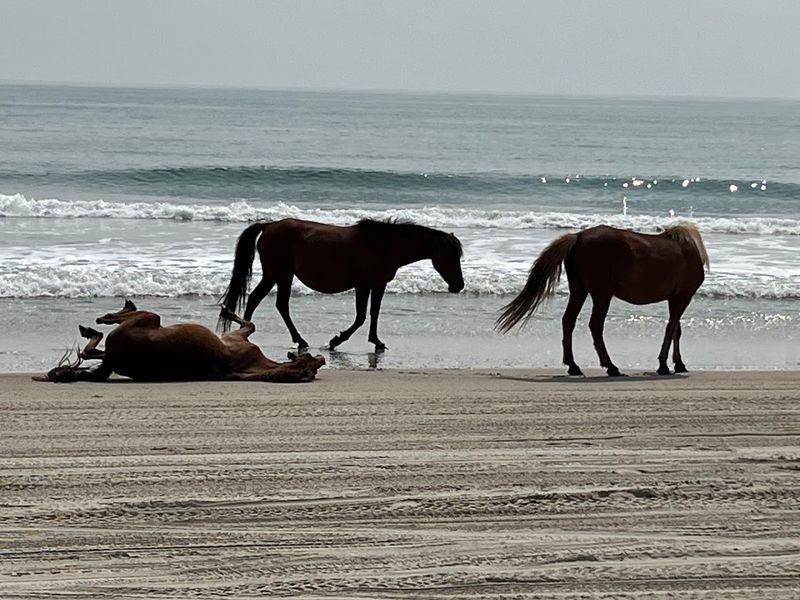
Corolla Beach is where wild horses and the Atlantic Ocean share the same address. Herds of Spanish mustangs roam freely along the northern Outer Banks here, and it is absolutely surreal.
The northern stretch near Carova is only reachable by four-wheel-drive vehicles. You drive right on the sand, and suddenly civilization disappears behind you.
These horses are descendants of Spanish Colonial mustangs brought over centuries ago. They have survived hurricanes, harsh winters, and everything the coast has thrown at them.
The beach itself is wide and uncrowded. There are no paved roads or commercial strips in the far north section, just miles of open sand and rolling surf.
Wildlife watching is incredible up here. Shore birds, pelicans, and the occasional dolphin offshore make every beach walk feel like a nature documentary.
The Currituck Beach Lighthouse is nearby and worth a visit. Climbing to the top gives you a panoramic view of the barrier island that is genuinely breathtaking.
Photographers love this stretch for good reason. The combination of wild horses, golden dunes, and Atlantic waves creates images that look almost too beautiful to be real.
If you want a beach that feels raw and alive, Corolla delivers every single time.
3. Cape Lookout
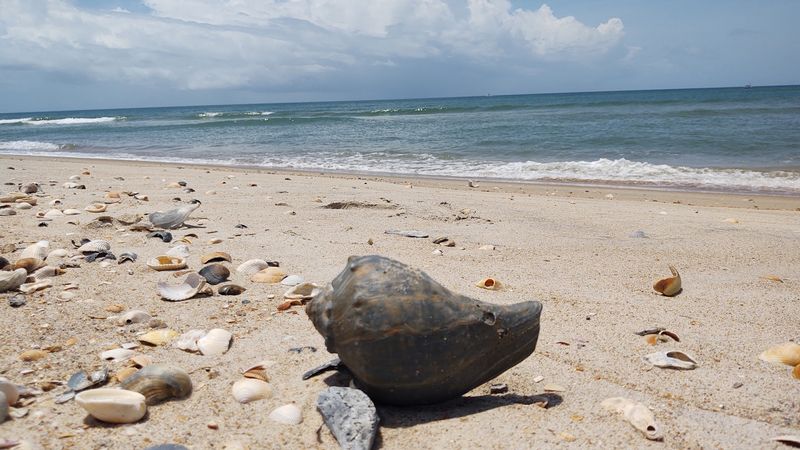
Cape Lookout National Seashore protects 56 miles of barrier island beach that has never seen a hotel or a parking lot. That alone should get you excited.
You can only reach it by ferry from Harkers Island or Beaufort. That short boat ride keeps the casual tourists away and leaves the beach to people who actually mean it.
The iconic diamond-patterned lighthouse is one of the most photographed structures on the entire East Coast. Standing next to it while waves crash nearby feels genuinely historic.
Shelling here is legendary among serious collectors. Every tide deposits fresh shells along the shore, and with no development nearby, the supply never runs out.
Wild horses from the nearby Shackleford Banks sometimes swim across the inlet to visit. Watching that happen is one of those rare, unscripted nature moments.
There are no roads, no electricity, and no running water on these islands. That sounds extreme until you realize how freeing it actually is.
Camping is allowed on the national seashore, and sleeping under those stars with nothing but ocean sounds around you is deeply restorative. Bring everything you need because there are no stores.
Cape Lookout is proof that leaving a place alone is sometimes the greatest gift you can give it.
4. Emerald Isle Beach
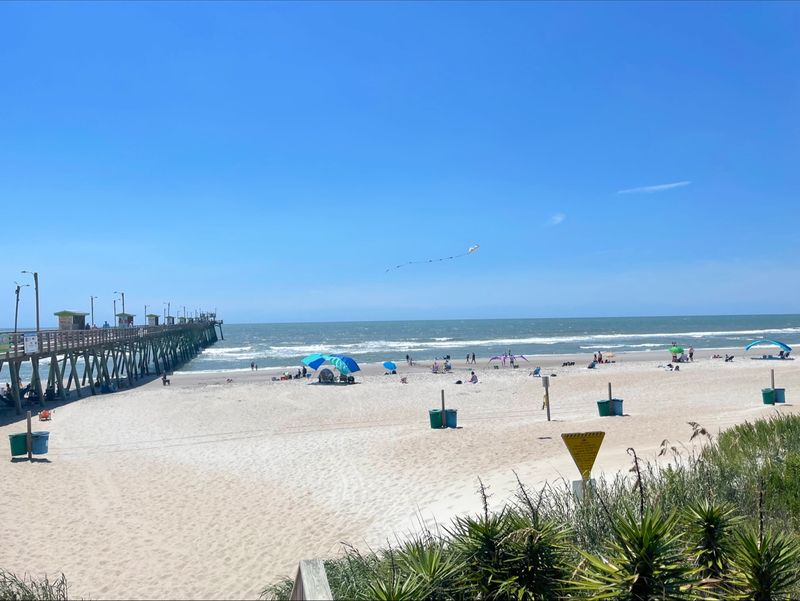
Emerald Isle gets its name from the stunning blue-green color of the water, and yes, it absolutely lives up to that name. The ocean here has a clarity that makes you do a double-take.
Crystal Coast locals have been coming here for generations. There is a relaxed, unhurried energy that feels different from busier North Carolina beach towns.
The beach stretches for miles along Bogue Banks, and the town has worked hard to keep overdevelopment in check. Wide natural dunes line much of the shoreline, protecting the ecosystem behind them.
Sea turtle nesting season brings out passionate volunteers every summer. Watching a nest get carefully monitored and protected is a reminder of how seriously this community takes conservation.
The surf is consistent and fun. Beginner surfers love it here because the waves are forgiving, and the water temperature stays warm well into the fall months.
Fishing from the Emerald Isle pier is a beloved local tradition. Anglers line up before sunrise, thermoses in hand, waiting patiently for whatever the ocean decides to offer that day.
Kayaking through the back marshes gives you a completely different perspective of the island. You paddle through tall grasses and spot herons standing perfectly still like living statues.
Emerald Isle rewards the visitors who slow down and pay attention.
5. Wrightsville Beach
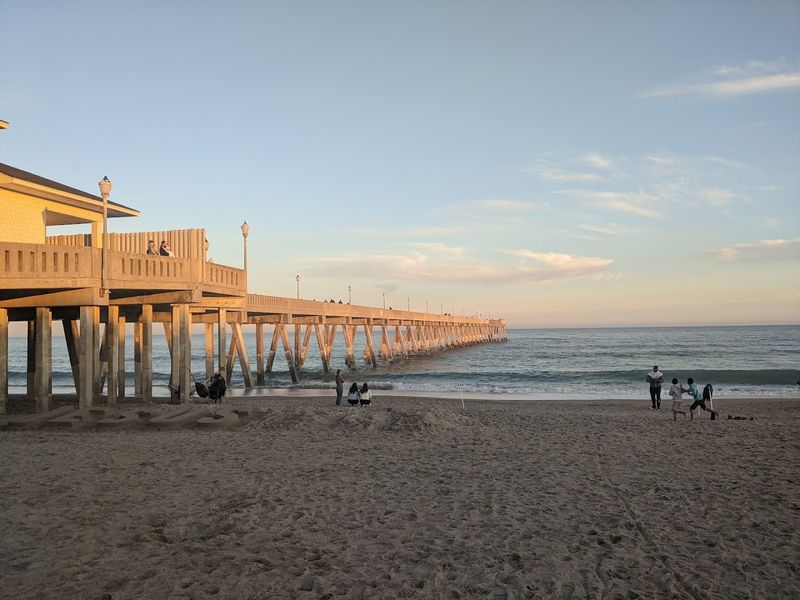
Wrightsville Beach has a reputation for being one of the cleanest and most well-maintained beaches on the entire East Coast. That reputation is completely earned.
The community here takes coastal preservation seriously. Local volunteers run regular beach cleanups, and the results are visible every single time you walk the shoreline.
Surfers have loved this spot for decades. The consistent Atlantic swells make it a go-to destination for longboarders and shortboarders alike, and the surf culture here feels authentic and welcoming.
The Intracoastal Waterway runs right behind the island. Paddleboarding and kayaking through that calm water while watching pelicans glide overhead is one of those simple joys that sticks with you.
Wrightsville is compact and walkable. You can explore the whole island on a bike, grab fresh seafood from a local spot, and still make it back to the beach before sunset.
The Mason Inlet area at the northern end of the island is a protected habitat. Shorebirds nest there seasonally, and access is carefully managed to preserve the ecosystem.
Fall is genuinely one of the best times to visit. The crowds thin out, the water stays warm, and the light on the ocean turns this incredible shade of gold in the late afternoon.
Wrightsville Beach proves that a popular beach can still be natural.
6. Long Beach
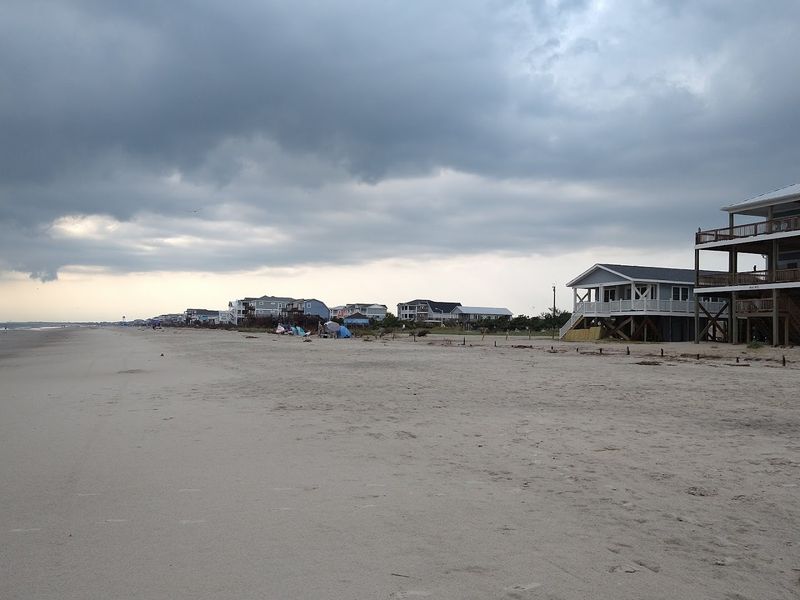
Oak Island is home to Long Beach, and this place has a personality all its own. It is laid-back, unpretentious, and genuinely gorgeous in a way that does not need any filter.
The beach here is wide and naturally preserved. Dunes covered in sea oats line the shore, and the town has taken deliberate steps to limit overdevelopment along the coastline.
Two lighthouses serve the area, including the Oak Island Lighthouse, which is one of the most powerful lighthouses in the entire country. Standing near it while the ocean stretches out behind you is pretty epic.
Loggerhead sea turtles nest here every summer. The island has an active turtle watch program, and if you are lucky enough to witness a nest emergence, you will never forget it.
Fishing is a massive part of life on Oak Island. Locals will tell you exactly where the best spots are, and they are not shy about sharing tips with enthusiastic visitors.
The vibe here skews local over tourist, which is honestly refreshing. You get the feeling that people come to Oak Island because they genuinely love it, not just because it showed up on a list.
Shelling along the southern tip of the island is especially rewarding at low tide. The mix of shells, fossils, and shark teeth that washes up here keeps collectors coming back season after season.
Long Beach is the kind of place that grows on you fast.
7. Bear Island
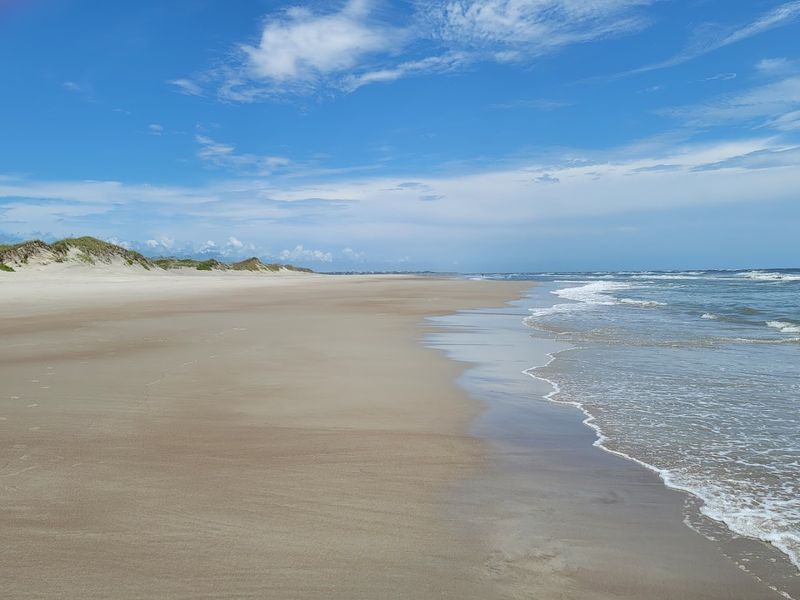
Bear Island is not easy to get to, and that is exactly the point. You reach it only by ferry or private boat, and the moment you step off, you realize the effort was completely worth it.
Hammocks Beach State Park covers 1,500 acres here, and almost none of it has been developed. Wide, white beaches stretch in both directions with nothing but dunes and sky as far as you can see.
Loggerhead sea turtles nest on Bear Island in significant numbers. The park carefully monitors nesting sites, and the low human traffic here gives the turtles a real fighting chance.
The maritime forest behind the dunes is dense and full of wildlife. Deer, foxes, and countless bird species call this island home, making every hike feel like a genuine wildlife encounter.
Camping on Bear Island is one of those bucket-list experiences. You fall asleep to the sound of waves and wake up to a sunrise that has absolutely no competition.
The beach itself is wide and virtually crowd-free on most days. Even during peak summer, the ferry limits how many people can visit at once, which keeps the whole experience feeling special.
Shelling here is rewarding and unhurried. Nobody is rushing past you, and the tides deliver fresh material constantly to the shoreline.
Bear Island is the kind of place that reminds you why wild spaces matter so much.
8. Regional Public Beach Access – Kitty Hawk
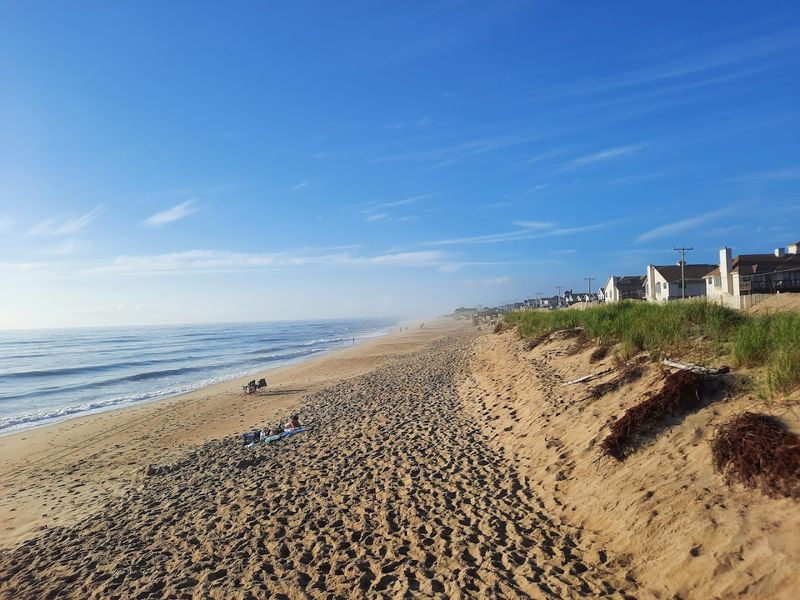
Kitty Hawk is where the Wright Brothers first flew, and the beach here carries that same spirit of wide-open possibility. Standing on this shoreline, it is easy to see why they chose this spot.
The regional public beach access point off N Va Dare Trail gives you direct entry to one of the most naturally preserved stretches of Outer Banks beach. No massive resort complexes, no packed parking structures.
The dunes here are classic Outer Banks terrain. Tall, wind-sculpted, and covered in sea oats, they form a natural barrier that has protected this coastline for centuries.
Pelicans fly in formation just above the surf line, and it never gets old watching them. The birdlife along this stretch of beach is genuinely impressive year-round.
Kitty Hawk Beach tends to be less crowded than its neighbors, Kill Devil Hills and Nags Head. Locals know this, and they take full advantage of the extra breathing room.
The water here is clean and relatively calm compared to other Outer Banks spots. Families with kids appreciate the gentler surf, and swimmers enjoy longer sessions without fighting heavy waves.
Sunrise on this beach is something you should set an alarm for. The eastern-facing shoreline means the sun climbs straight out of the Atlantic, painting the whole sky before most people are even awake.
Kitty Hawk Beach is history, nature, and the Atlantic all rolled into one. Visit the Regional Public Beach Access at 3840 N Va Dare Trail, Kitty Hawk, NC 27949.