
The Waterfront Bike Path In New Jersey With Incredible Skyline Views At Every Turn
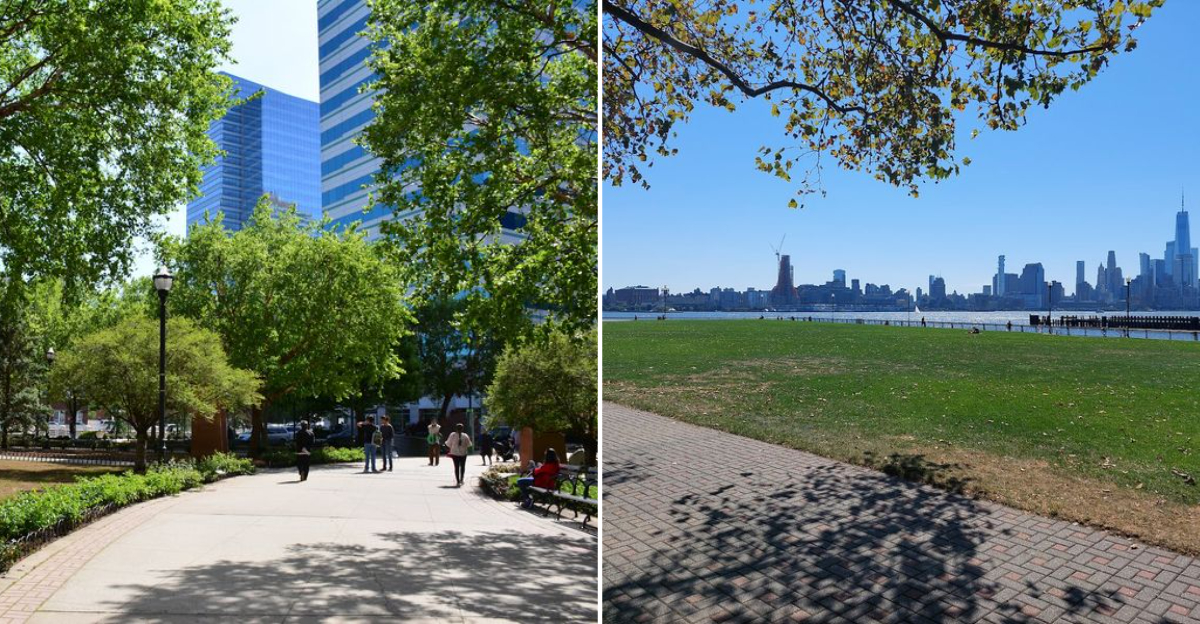
The skyline appears without warning on the first turn and doesn’t let go for the rest of the ride. Most cyclists slow down before they’ve consciously decided to.
New Jersey waterfront paths have their advocates, but this one operates on a visual scale that separates it from the rest of the conversation.
The skyline views here aren’t a feature of the ride, they are the ride, arriving from angles that change often enough to keep the same route feeling new.
Casual riders and serious cyclists share the path without much conflict over pace. The scenery has a way of leveling the difference between the two.
A bike path that earns its reputation through what sits on the horizon rather than what’s under the wheels, and delivers that view consistently enough to bring people back before the previous ride has fully faded.
Planning Your Cycling Route Along The Water
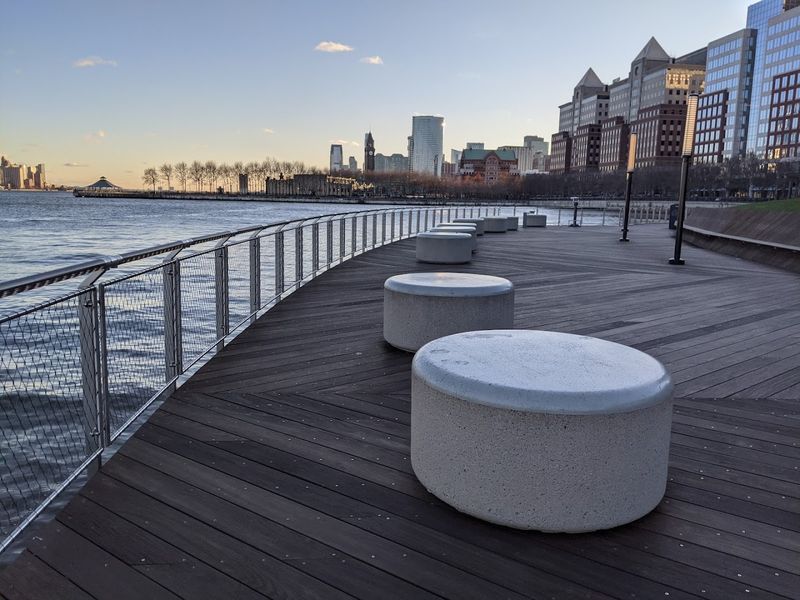
Starting strong on the Hudson River Waterfront Walkway means knowing what you are getting into before you clip in. The path spans roughly 18.5 to 22 miles.
It connects nine municipalities from Bayonne all the way up to Fort Lee near the George Washington Bridge.
The walkway is mostly flat and paved. That makes it friendly for beginners and casual riders alike.
You do not need to be a competitive cyclist to enjoy every mile of this route.
A smart starting point is the Jersey City waterfront near Exchange Place. From there, you can head south toward Liberty State Park or north toward Hoboken and beyond.
Each direction offers its own set of landmarks and views.
CitiBike NJ has bike share stations along the waterfront. So even if you did not bring your own ride, you are covered.
Grab a bike, pick a direction, and start moving.
Gaps still exist in certain sections of the continuous path. Checking the Hudson River Waterfront Conservancy website before you go helps you plan around those breaks.
A little prep goes a long way on a long trail like this.
The address to start your adventure is Hudson River Waterfront Walkway, Jersey City, NJ 07310. The path is open 24 hours, seven days a week, with free public access at all times.
Best Times Of Day For Skyline Photography
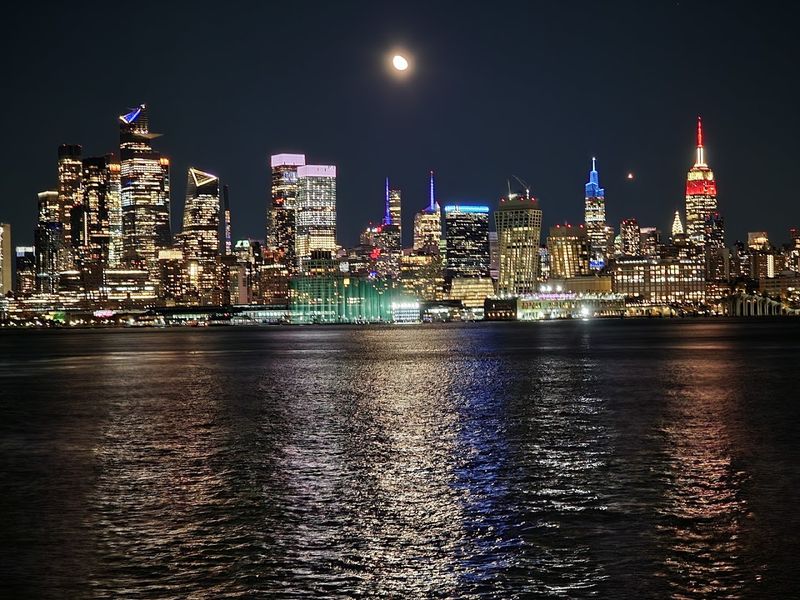
The Manhattan skyline from the Hudson River Waterfront Walkway is not just a view. It is a full-on visual event that changes every hour of the day.
Knowing when to show up makes all the difference for your photos.
Sunrise is the real hidden spot here. During spring, the earliest golden hues start appearing around 4:30 in the morning.
The light hits One World Trade Center and the Empire State Building in a way that feels almost unreal.
The spot near the Water’s Soul sculpture at Newport is widely considered one of the best panoramic locations on the entire walkway. That 80-foot sculpture by artist Jaume Plensa frames the skyline beautifully.
It gives your photos a dramatic foreground element.
Sunset is equally stunning and far more crowded. The golden light reflects off the glass towers across the river.
Colors shift from orange to deep purple within minutes, so stay ready.
Night photography here is absolutely worth the effort. The city lights create a mirror effect on the water.
Long exposure shots from the walkway produce incredible results with minimal gear.
Overcast days actually work well for detail shots. The diffused light reduces harsh shadows on the buildings.
Always check the weather forecast before heading out for a dedicated photography session along the path.
Essential Gear For Trail Biking
Riding the Hudson River Waterfront Walkway without the right gear is like showing up to a picnic without food. You can do it, but you will regret it fast.
Packing smart makes the whole ride smoother and more enjoyable.
A properly fitted helmet is non-negotiable on any urban trail. Even on flat, paved paths, accidents happen.
Protect your head every single time you ride, no exceptions.
Bring a water bottle or hydration pack, especially on warmer days. The path has no regular water fountains at every stop.
Dehydration creeps up on you faster than you think when you are moving and sweating.
Padded cycling gloves reduce hand fatigue on longer stretches. A small saddle bag with a basic repair kit is also worth having.
Flat tires do not care how scenic the trail is.
Sunscreen is your best friend on a waterfront path. There is very little shade along many sections of the walkway.
The sun reflects off the river, which doubles your exposure without warning.
Comfortable athletic shoes with good grip make a real difference. Avoid open-toed sandals on a bike, full stop.
Bring a light windbreaker too, since the river breeze can get surprisingly cool even on warm afternoons along the New Jersey waterfront.
Safety Tips For Urban Trail Riders
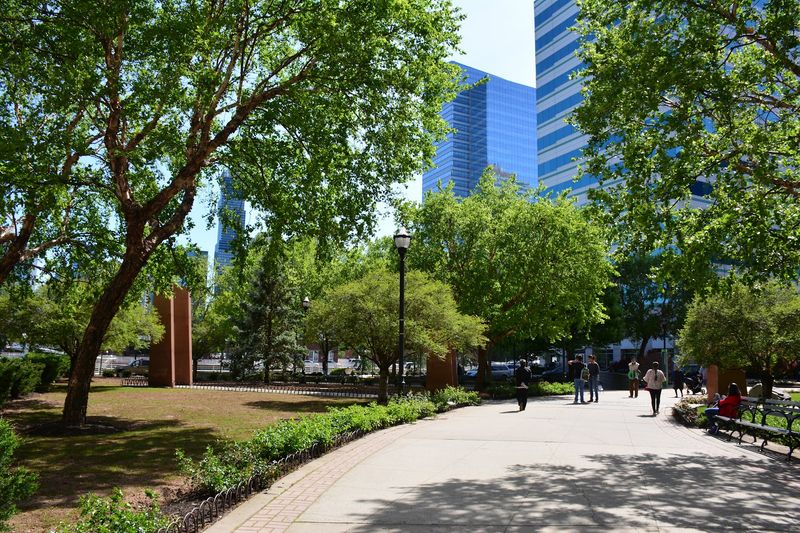
Urban trail riding is a different experience compared to backcountry cycling. The Hudson River Waterfront Walkway mixes cyclists, joggers, dog walkers, and families all in one shared space.
Knowing how to navigate that mix keeps everyone safe and happy.
Always call out when passing pedestrians. A simple “on your left” goes a long way.
Most people appreciate the heads-up and will move accordingly without any drama.
Keep your speed reasonable in high-traffic areas. The walkway gets busy on weekends, especially near Exchange Place and Newport Green Park.
Slowing down in crowded spots is just good trail etiquette.
Stay aware of your surroundings at all times. Earbuds in both ears block out important sounds.
One earbud out while riding is the smarter move on a shared path like this.
Lights matter more than you think, especially at night. The walkway is open 24 hours, and low-light conditions reduce visibility fast.
A front white light and rear red light are basic must-haves after dark.
Watch for gaps or uneven pavement in certain sections of the path. The walkway is still being developed in some areas.
Staying alert and riding at a pace you can control prevents most avoidable spills on the trail.
How To Spot Local Wildlife On Paths
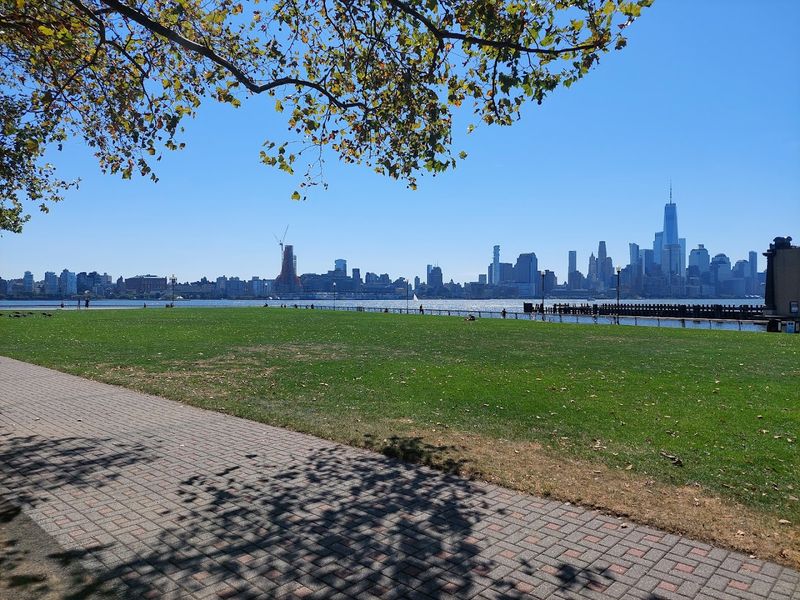
Wildlife spotting on the Hudson River Waterfront Walkway is one of those unexpected bonuses that catches most riders off guard. You come for the skyline views and end up watching a duck waddle across your path like it owns the place.
And honestly, it kind of does.
Waterfowl are the most common sighting along the walkway. Ducks, geese, and herons frequent the shoreline regularly.
Early morning rides increase your chances of catching them before the trail gets busy.
Cormorants and egrets appear near the piers and along quieter stretches of the path. They tend to perch on rocks or low structures along the waterline.
Move slowly and quietly if you want a closer look without scaring them off.
The Hudson River itself supports a surprising variety of fish and marine life. Ospreys sometimes dive for fish near the open water sections.
Watching that happen in front of the Manhattan skyline is genuinely wild.
Butterflies and small songbirds appear in the green spaces near Liberty State Park and Newport Green Park. These areas have more vegetation than the paved sections.
They create small pockets of natural habitat right along the urban waterfront.
Bring binoculars if wildlife is a priority for your ride. A small field guide app on your phone also helps with identification.
The variety of species you can spot here will surprise most people expecting just a city view.
Accessibility Features Along Popular Bike Routes
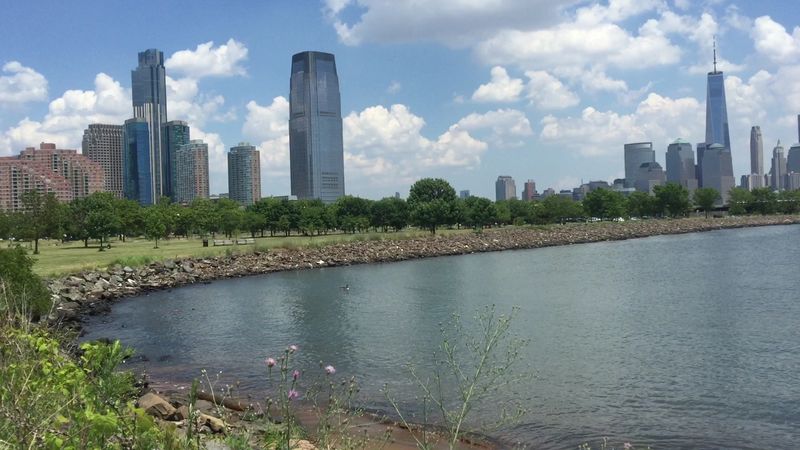
The Hudson River Waterfront Walkway was designed with broad public access in mind. Most sections are flat, paved, and wide enough to accommodate a range of users.
That makes it one of the more inclusive outdoor spaces in the entire New Jersey waterfront area.
Wheelchair users will find many sections of the path very manageable. The predominantly flat terrain reduces barriers for those with mobility challenges.
Smooth pavement throughout most of the route keeps the ride or roll comfortable.
The path connects to public transit at multiple points. The Hudson-Bergen Light Rail and PATH train both provide access to the walkway.
This means you do not need a car to reach the trail from many surrounding neighborhoods.
Parking areas near Liberty State Park and Newport offer additional access for those who drive. Bike share stations from CitiBike NJ are positioned at convenient intervals.
Renting on-site removes the challenge of transporting your own equipment.
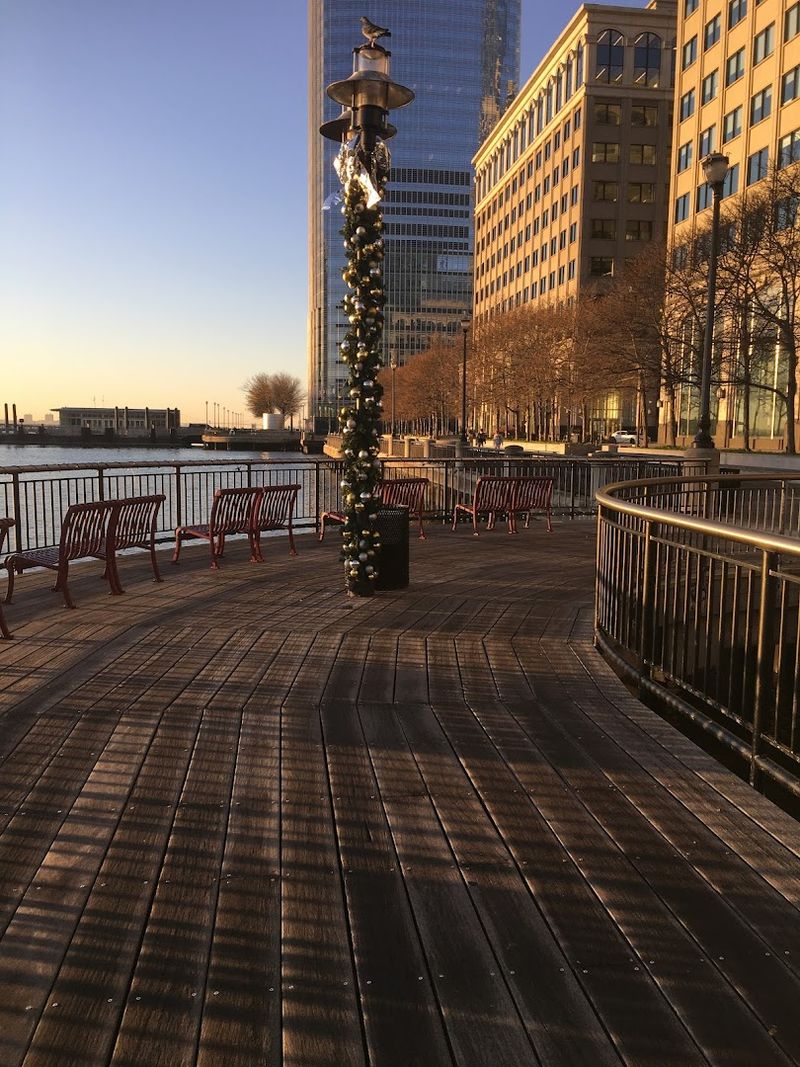
Rest areas with benches and seating are scattered throughout the walkway. These spots give everyone a chance to pause, breathe, and take in the view.
Families with strollers also use these sections comfortably.
Signage along the path helps users navigate between sections. Clear markers indicate distances and nearby landmarks.
The overall design reflects a genuine effort to make this waterfront space welcoming for as many people as possible.
Environmental Benefits Of Trail Preservation
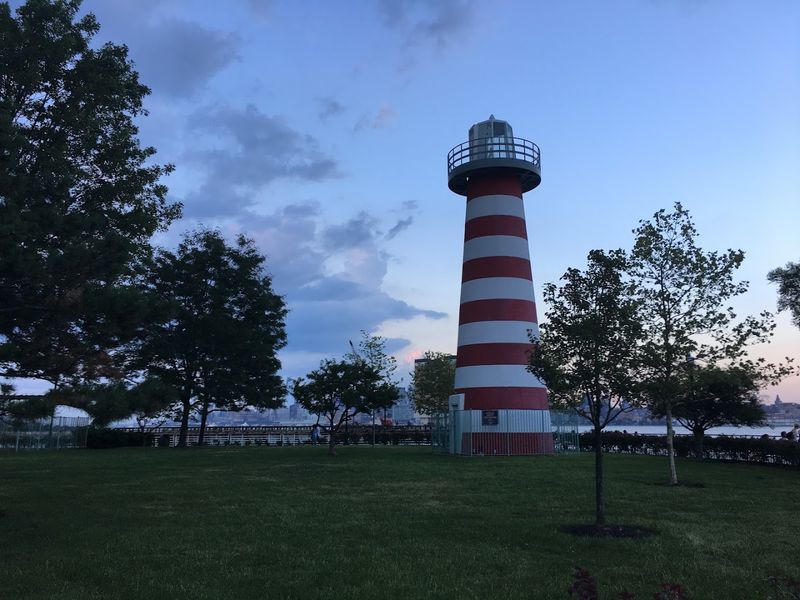
Preserving the Hudson River Waterfront Walkway is not just about keeping a nice path clean. It plays a real role in protecting the environmental health of the entire Hudson River corridor.
The stakes are higher than most trail users realize.
The walkway was born from a 1988 New Jersey state law. That law required waterfront property owners to build public walkway sections when property use changed.
It was a smart policy that turned private development into public environmental gain.
Green spaces along the walkway help filter stormwater runoff before it reaches the river. Vegetation along the path reduces erosion and stabilizes the shoreline.
These natural buffers protect water quality in ways that benefit the whole ecosystem.
Urban trails like this one reduce car traffic by offering viable commuting and recreation alternatives. Fewer cars mean lower emissions in a densely populated area.
That adds up to real air quality improvements over time.
The Hudson River Waterfront Conservancy oversees ongoing construction and maintenance of the path. Their work ensures that environmental standards are upheld as the trail continues to expand.
Responsible stewardship keeps the walkway functional and ecologically sound.
Trail preservation also protects the habitat corridors used by migratory birds and local wildlife. Green spaces along urban waterfronts are rare and valuable.
Keeping them intact supports biodiversity in an otherwise heavily developed region of New Jersey.
Incorporating Exercise And Relaxation On Your Ride
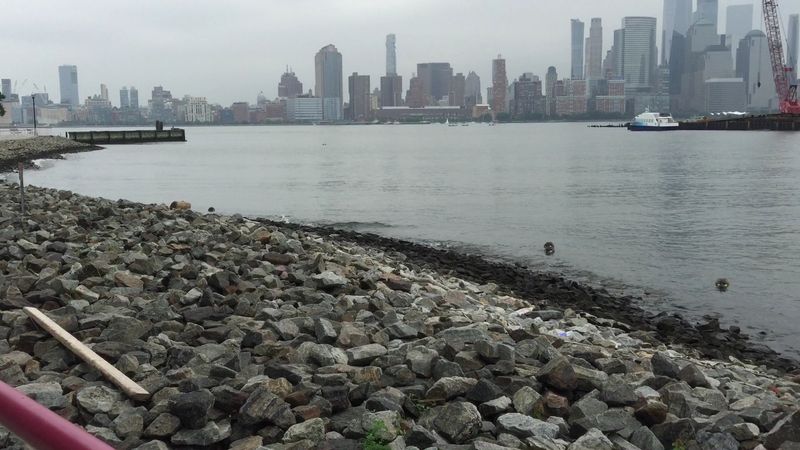
One of the best things about the Hudson River Waterfront Walkway is that it does not force you to choose between working out and unwinding. You can push hard for a few miles and then coast to a complete stop at a waterfront bench.
Both modes are fully supported here.
The flat, paved surface makes it easy to control your intensity. Sprint a section near Exchange Place, then slow down to a casual cruise near J.
Owen Grundy Park. Your ride can be as intense or as mellow as you want it to be.
Stretching spots exist naturally along the path. Piers and open grass areas near Liberty State Park invite you to stop and breathe.
Take five minutes to stretch after a longer ride and your legs will thank you later.
Newport Green Park has an artificial sandy beach area that is perfect for post-ride relaxation. Families use it regularly, and the atmosphere is genuinely calm.
Sitting near the water after a long ride feels like a proper reward.
The walkway also has tables and chairs at various points along the route. Bringing a small snack or a coffee to enjoy at a waterfront table is a common move.
It turns a workout into a full experience rather than just exercise.
Balancing effort and rest is what makes this trail so reusable. You can come back every week and have a completely different kind of ride each time.