
10 Tennessee River Towns That Deserve A Weekend Trip
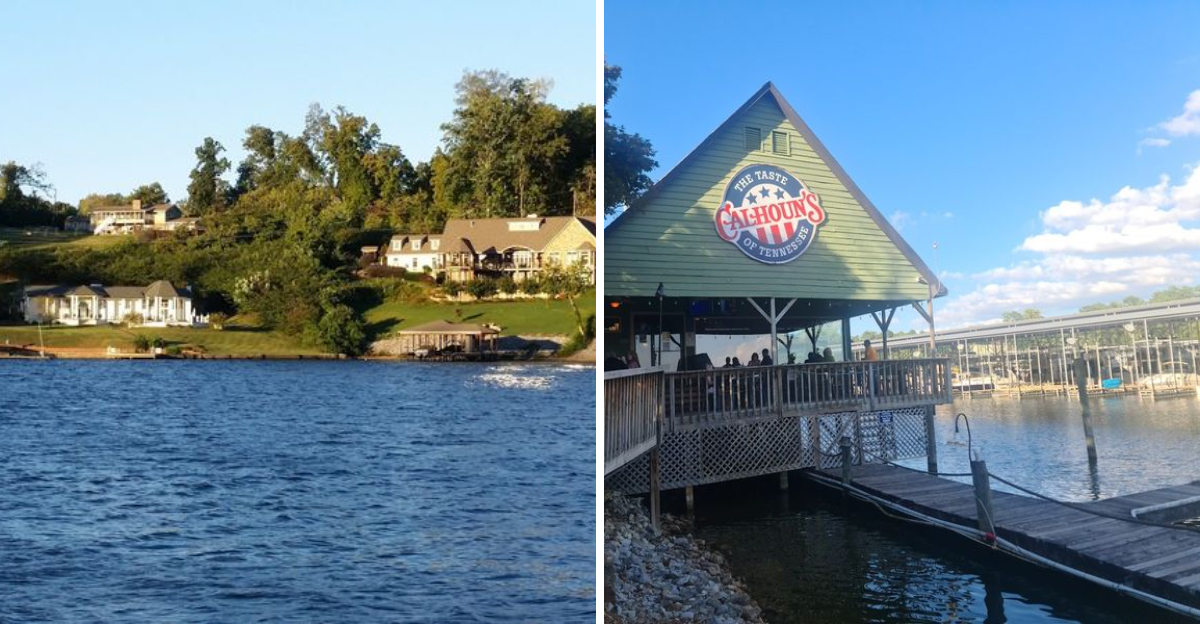
Tennessee knows how to do small towns well. The kind where the main street still has a hardware store, the diner has been open for decades, and the river sits just close enough to make everything feel a little more alive.
River towns have a personality all their own. They move slower, look better at golden hour, and tend to stick with you longer than the places everyone else is visiting.
These ten towns each bring something different to the table. History, waterfront parks, local spots worth finding, and scenery that earns the drive.
A weekend in any one of them is the kind of trip that reminds you why road tripping through Tennessee never gets old. Pack a bag, pick a direction, and let the river do the rest.
1. Savannah
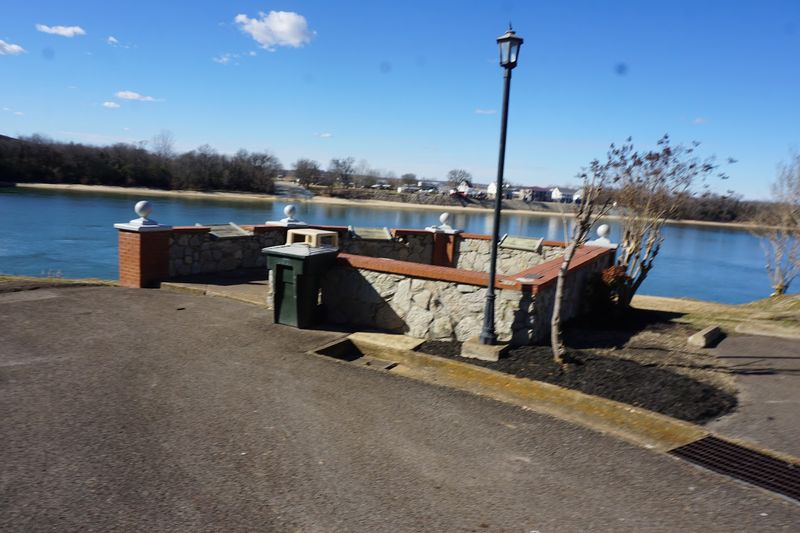
Right at the edge of southwest Tennessee, Savannah has been keeping a low profile for years, and honestly, that is part of its charm.
The town sits along a wide, peaceful stretch of the Tennessee River, and its downtown still has that old-school, unhurried feeling that bigger cities have long since traded away.
History lovers will find plenty to explore here. Savannah is the closest town to Shiloh National Military Park, one of the most significant Civil War battlefields in the entire country, and the drive out to the park takes you through rolling countryside that feels like stepping back in time.
Back in town, the Tennessee River Museum is a surprisingly rich stop, covering everything from ancient Native American culture to the river’s role in shaping the region’s economy and identity.
Local diners like The Hickory Pit serve up Southern comfort food that will make you want to cancel your return trip. Nearby Pickwick Lake draws anglers from across the state, particularly those chasing largemouth and smallmouth bass in clear, productive water.
Savannah rewards the kind of traveler who enjoys wandering through antique shops without a agenda, stopping to chat with locals, and watching the river move at its own pace.
2. Loudon
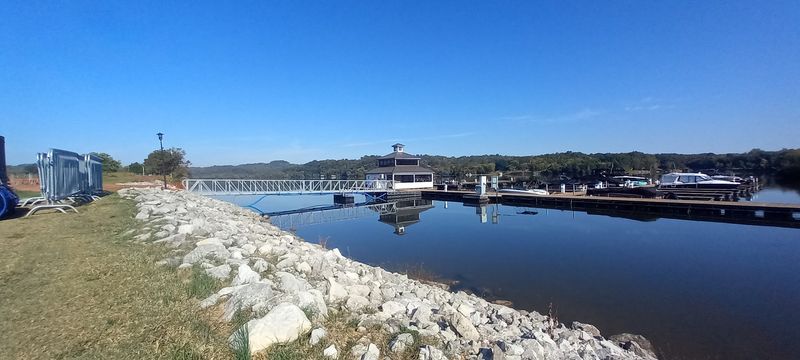
Less than thirty minutes south of Knoxville, Loudon is the kind of river town that makes you wonder why you ever bothered with the big city in the first place.
The downtown area is genuinely walkable, lined with quaint shops, local restaurants, and friendly faces who actually hold the door open for strangers.
Water access here is exceptional. Fort Loudoun Lake and Tellico Lake both border the area, offering outstanding opportunities for kayaking, boating, and fishing without the shoulder-to-shoulder crowds you might find at more famous lakes.
History runs deep in Loudon as well. Fort Loudoun, a carefully reconstructed 18th-century British colonial fortification, sits nearby and offers hiking trails, a small museum, and paddlecraft rentals for those who want to explore the water on their own terms.
The Loudon Theatre brings a touch of culture to the town, hosting local productions and community events throughout the year. Families with kids will appreciate Jellystone Park at Watts Bar Lake, a short drive away, which packs in camping, water activities, and outdoor fun.
Loudon may not have a famous skyline, but it has something better: a genuine small-town personality that sticks with you long after you have driven home.
3. Clifton
Clifton sits on a particularly scenic bend of the western Tennessee River, and the town wears its beauty without any fuss or fanfare.
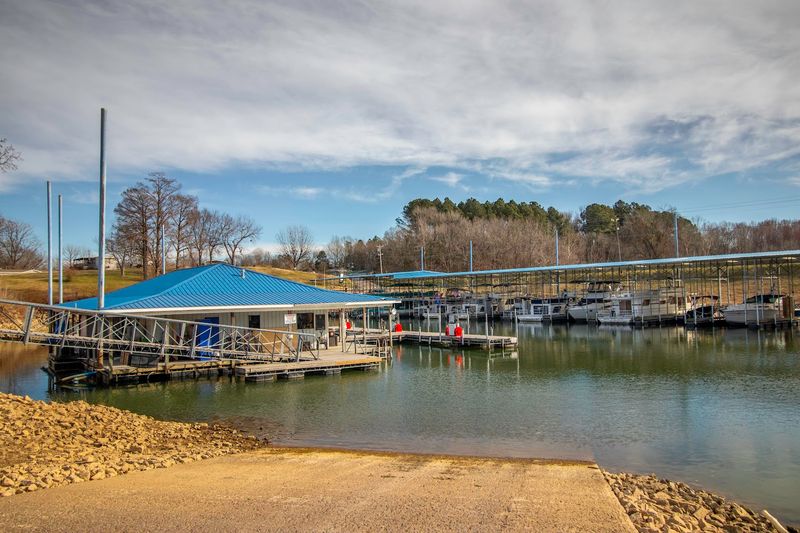
The Clifton Marina and RV Park is the social hub of the waterfront, offering boat ramps, pontoon rentals, and a riverfront grill where you can eat lunch while watching herons glide across the water.
Main Street has a personality all its own. Victorian bed and breakfasts, unique local shops, and a relaxed pace make it the kind of place where you can spend a full afternoon just wandering without any particular destination in mind.
Clifton also carries real historical weight. The town has connections to Civil War history and the Trail of Tears, and that layered past gives it a depth that goes well beyond its modest size.
The Stribling Museum offers a thoughtful look into local heritage, and it is the kind of small museum that actually surprises you with how much it covers. Golfers will be happy to find the Ross Creek Landing Golf Course nearby, which rolls through beautiful riverside terrain.
A municipal park with a splash pad right on the river rounds out the family-friendly options, making Clifton a genuinely well-rounded stop for a weekend that mixes relaxation, history, and outdoor fun.
4. Dayton
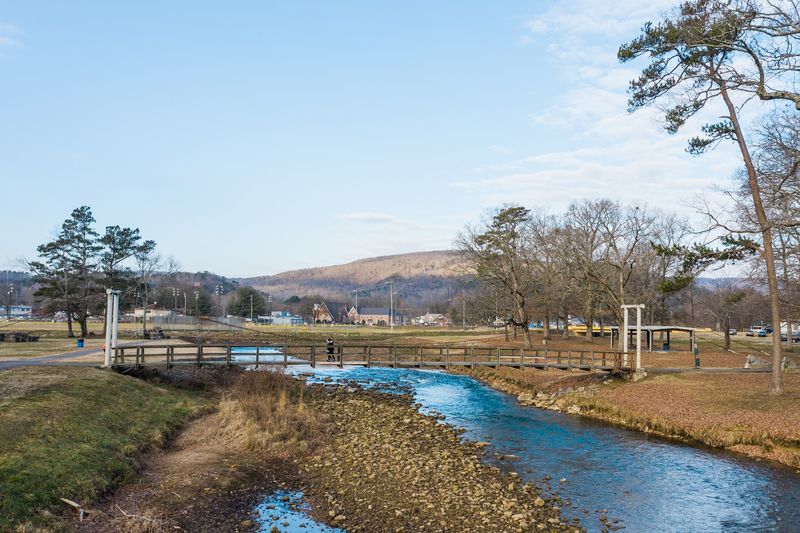
Dayton carries two nicknames, and both of them tell you something important about the town’s personality.
“Bass Town U.S.A.” reflects its prime position on Lake Chickamauga, a Tennessee River reservoir that consistently produces trophy-sized bass and hosts major fishing tournaments that draw anglers from across the country.
The second nickname, “Monkeytown,” points to one of the most famous courtroom dramas in American history.
The 1925 Scopes Trial, which put the teaching of evolution on trial in a public school, took place right here at the Rhea County Courthouse, and the building still stands as a museum worth visiting.
Downtown Dayton has a relaxed, approachable energy. Antique stores, boutiques, and local restaurants fill the blocks around the courthouse, and Point Park offers a pleasant walking trail and picnic spots with views toward the water.
Every spring, the Tennessee Strawberry Festival transforms the town into a celebration of local agriculture, live music, and community pride. It draws thousands of visitors and has been running for decades, which says a lot about how seriously Dayton takes its traditions.
Whether you come for the fish, the history, or the strawberries, Dayton offers more layers than its small footprint would suggest, and that element of surprise is exactly what makes it worth the trip.
5. Kingston
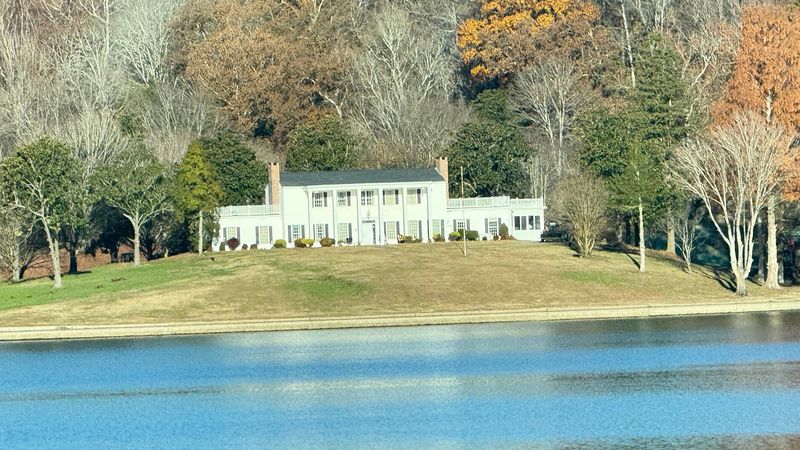
Kingston holds a piece of American history that most people have never heard of, and that is a shame, because the story is genuinely fascinating.
For a single day in 1807, Kingston served as the capital of Tennessee, the result of a treaty agreement with the Cherokee Nation that briefly moved the seat of government to this riverside location.
That one-day capital status gives Kingston a quirky historical distinction that no other town in the state can claim.
The town sits along the shores of Watts Bar Lake, a beautiful section of the Tennessee River system that offers excellent fishing, boating, and camping opportunities.
The lake’s broad, calm stretches make it particularly appealing for kayakers and paddleboarders who want a peaceful morning on the water.
Fort Southwest Point, established here in 1797 as a federal frontier outpost, has been carefully reconstructed and offers visitors a tangible connection to the early American frontier. Walking through the site gives you a real sense of how remote and strategic this river crossing once was.
Kingston’s downtown is quiet and approachable, with local shops and a friendly community atmosphere that rewards slow exploration. Panoramic views of the lake from the surrounding hillsides are among the best in the region, especially in the golden light of late afternoon.
6. South Pittsburg
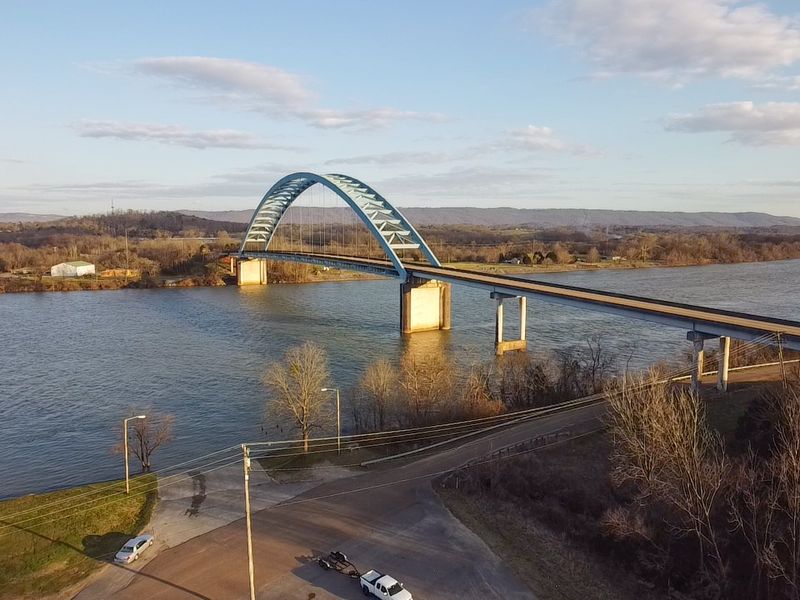
South Pittsburg sits on the Tennessee River in Marion County, right in the shadow of the Cumberland Plateau, and it punches well above its weight for a town of its size.
The town is perhaps best known as the home of Lodge Cast Iron, the oldest American manufacturer of cast iron cookware still operating today.
The Lodge Factory Store draws visitors from across the country, and the National Cornbread Festival, held annually in the spring, turns South Pittsburg into a culinary celebration that is equal parts delicious and delightfully absurd.
The festival includes a cornbread cook-off, live music, and a crowd of enthusiastic food lovers who take their skillet bread very seriously. It is one of those small-town events that somehow feels like the most fun you have had all year.
Beyond the cast iron fame, South Pittsburg has a charming historic downtown with brick storefronts and a walkable main street. The Tennessee River is easily accessible here, and the surrounding landscape offers excellent hiking in nearby Prentice Cooper State Forest.
Sweeping views of the Tennessee River Gorge are within reach for hikers willing to put in some effort on the trails.
South Pittsburg rewards curiosity, and visitors who scratch beneath the surface of this small river town consistently leave with a full stomach and a surprisingly good story to tell.
7. Lenoir City
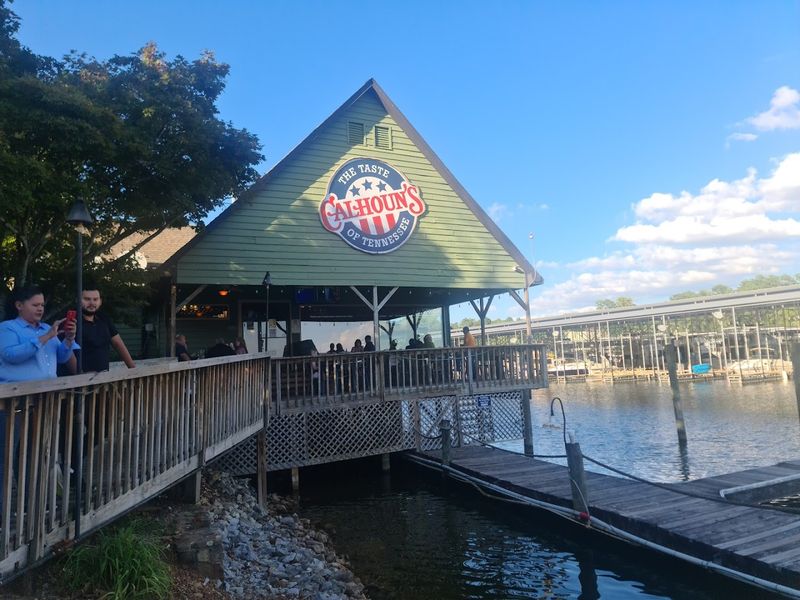
Sitting at the meeting point of Fort Loudoun Lake and the Tennessee River, Lenoir City has the kind of water access that outdoor enthusiasts spend years searching for.
The town is about twenty-five miles southwest of Knoxville, close enough to the city for convenience but far enough away to feel like a genuine escape from urban noise and traffic.
Boating and fishing are the primary draws on the water, with the lake offering calm conditions that are ideal for everything from competitive bass fishing to a casual afternoon on a pontoon with family.
The shoreline is dotted with marinas and boat launches that make getting on the water simple and straightforward.
Lenoir City’s downtown has been quietly building its identity, with local restaurants and shops that reflect the community’s pride in its river heritage.
The surrounding area has strong ties to the Tennessee Valley Authority’s history, which reshaped this entire region during the 20th century and brought electricity and flood control to communities that desperately needed both.
Hiking and cycling trails connect parts of the town to the broader greenway network, and the scenic drives through the surrounding countryside are worth doing with the windows down.
Lenoir City is the kind of place that grows on you gradually, and most visitors find themselves planning a return trip before they have even left.
8. Linden
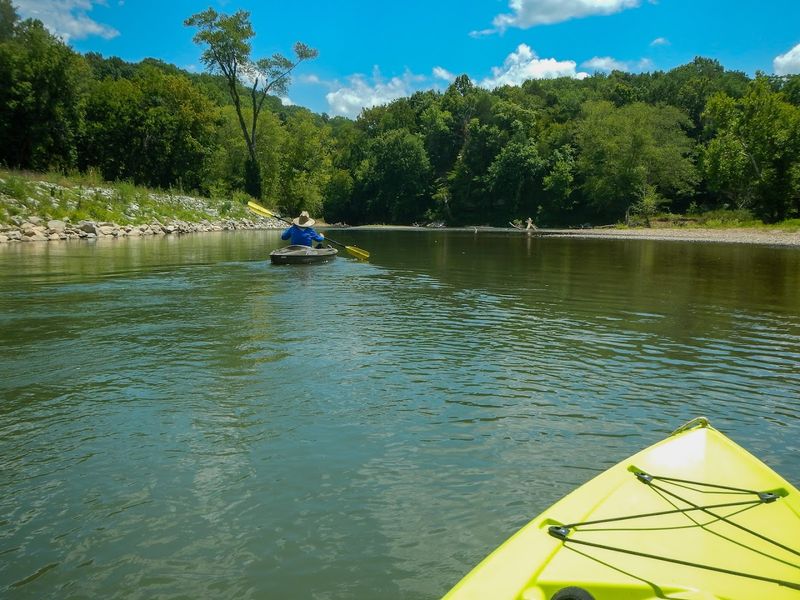
Linden is a town that the modern world seems to have politely agreed to leave alone, and for visitors seeking genuine quiet, that is the best possible recommendation.
It sits near the confluence of the Buffalo River and the Tennessee River, giving it access to two distinct waterways that each offer their own character and recreational appeal.
The Buffalo River is a favorite among canoeists and kayakers, with clear, shallow water that winds through forested valleys at a pace that encourages you to put down your phone and simply look around.
Outfitters in the area make it easy to plan a paddle trip even if you have never been on a river before.
Linden itself is a small county seat with a courthouse square and a handful of local businesses that give it a dignified, unhurried atmosphere.
The town serves as a good base for exploring the broader Tennessee River country in this part of the state, where the landscape opens up into wide bottoms and wooded bluffs.
Fishing on the Tennessee River near Linden is productive, particularly for catfish and crappie, and the riverbanks offer peaceful spots for an early morning cast. If your version of a perfect weekend involves more birdsong than background noise, Linden belongs on your short list.
9. Harrison
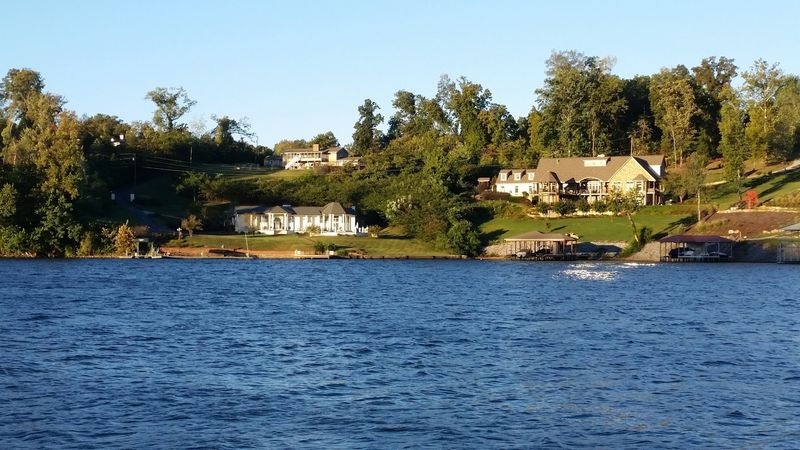
Harrison is a small community on the northern shore of Chickamauga Lake, a Tennessee River reservoir in Hamilton County, and it has built a quiet reputation as one of the best spots in the region for lakeside recreation.
The lake itself is massive, stretching over 36,000 acres and offering some of the most consistent bass fishing in the entire Tennessee River system.
Tournament anglers know Harrison Bay well, and the state park that bears the community’s name draws campers, boaters, and swimmers throughout the warmer months.
Harrison Bay State Park is the centerpiece of the area, featuring a full-service marina, boat ramps, a swimming area, and camping facilities that range from primitive tent sites to more comfortable options for families who prefer a few more amenities.
The park’s trails wind through mixed forest along the lakeshore, offering pleasant walks with occasional water views that remind you exactly why you made the trip.
Birdwatching here is particularly rewarding in spring and fall, when migratory species pass through the area in impressive numbers.
Harrison is close enough to Chattanooga to combine the two into one well-rounded weekend, giving you the energy of a larger river city alongside the calm of a true lakeside community.
It is the kind of pairing that makes you feel like you have genuinely gotten the most out of your time on the Tennessee River.
10. Soddy-Daisy
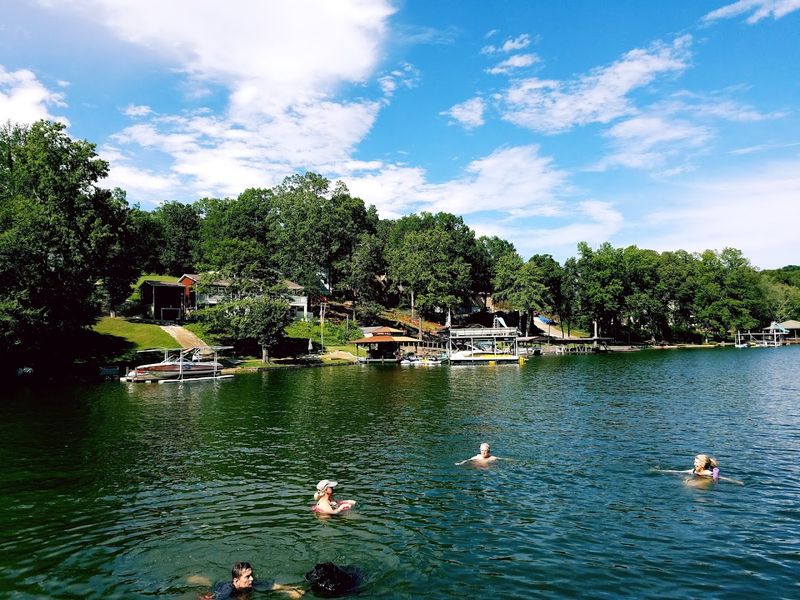
The name alone is worth the trip, but Soddy-Daisy has far more going for it than a memorably unusual combination of words.
Soddy-Daisy is a community that has grown up around the water without losing its small-town character in the process. The lake is the main attraction, offering swimming, boating, fishing, and waterfront picnicking just minutes from residential neighborhoods.
Soddy Lake Park is a popular local gathering spot, giving families a green, accessible place to enjoy the outdoors without driving far.
The surrounding area has a strong sense of community identity, and local events throughout the year bring residents and visitors together in ways that feel genuinely welcoming rather than staged for tourism.
The town’s proximity to Chattanooga, about twenty miles to the south, means you can easily combine a quiet lakeside morning in Soddy-Daisy with an afternoon exploring the larger city’s museums, riverwalks, and restaurants.
That flexibility makes it an especially smart anchor point for a Tennessee River weekend.
Fishing on Chickamauga Lake near Soddy-Daisy is consistently productive, with crappie, catfish, and bass all well represented in the water.
When the sun drops behind the Cumberland Plateau and the lake surface goes still and golden, Soddy-Daisy delivers exactly the kind of moment that makes you glad you took the scenic route.