
The Best Italian Restaurant In Nevada Isn’t On The Strip And That’s Exactly The Point
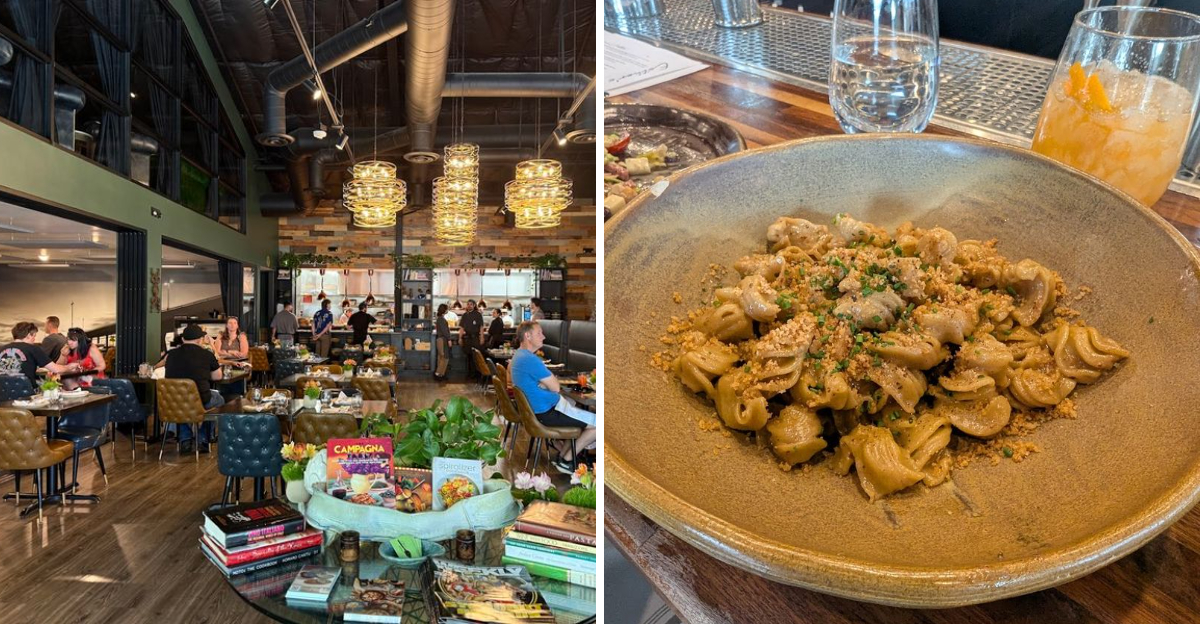
Great Italian food in Las Vegas does not require a celebrity name, velvet rope, or casino address. A neighborhood dining room proves that point with handmade pasta, blistered wood-fired pizzas, and seasonal ingredients treated with real care.
Nevada locals arrive hungry, often waiting for a table because the cooking has earned serious loyalty. Fresh bread begins the meal, while sauces, cheeses, and carefully chosen produce keep each plate interesting.
Chef James Trees created the restaurant as a love letter to his hometown, giving the Arts District a place that feels polished without losing its warmth. Every detail comes across as thoughtful rather than showy.
That balance makes dinner feel exciting, comfortable, and unmistakably local, which can be hard to find near the Strip.
The Restaurant Sits In The Las Vegas Arts District
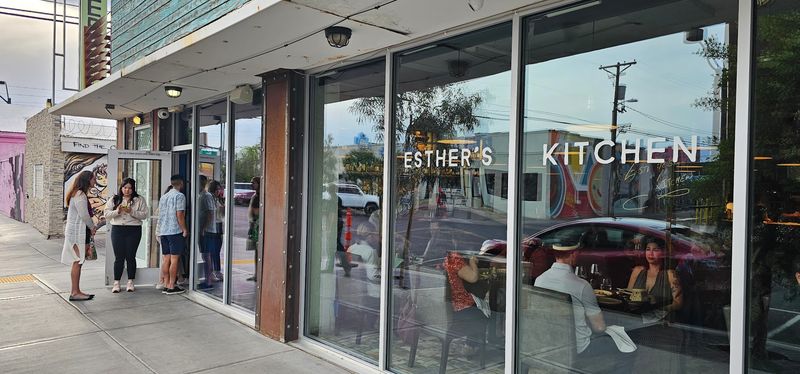
Finding Esther’s Kitchen means venturing into a part of Las Vegas that feels worlds away from neon lights and slot machines. The Arts District stretches along South Main Street, where galleries, vintage shops, and independent restaurants create a vibe that locals have protected and nurtured for years.
Street murals cover building walls, and the energy shifts from tourist frenzy to genuine community.
Esther’s Kitchen calls 1131 S Main St home, positioned right in the heart of this creative neighborhood. The restaurant occupies a space that blends into the district’s aesthetic while standing out for all the right reasons.
Large windows let you peek inside at the open kitchen, where chefs work visible to everyone passing by.
Parking requires either finding street spots or using nearby paid lots, a small price for escaping the Strip’s chaos. The surrounding area invites exploration before or after your meal, with coffee shops and art spaces within easy walking distance.
This location choice was deliberate, placing great food where a real community gathers rather than where tourists expect to find it.
Chef James Trees Opened It In His Hometown
James Trees grew up in Las Vegas, watching the city transform while maintaining his own vision of what dining could become here. After training in kitchens across the country and absorbing lessons from Italian culinary traditions, he returned home with a mission.
Opening Esther’s Kitchen in 2018 represented both a professional goal and a personal statement about his city’s potential.
Trees built his restaurant on principles that prioritize ingredient quality, technique, and hospitality over flashy gimmicks. His background includes time at respected establishments where he learned that great cooking starts with respect for the product and the process.
Bringing those values to Las Vegas meant challenging assumptions about what the city’s dining scene could support.
The chef’s presence remains visible throughout the restaurant, whether he’s overseeing the kitchen or connecting with guests. His commitment to Las Vegas shows in every detail, from sourcing relationships with local suppliers to creating a workplace culture that values his team.
Trees proves that world-class talent doesn’t need to leave town to make an impact worth celebrating.
The Name Honors A Family Inspiration

Every restaurant name carries a story, and Esther’s Kitchen connects directly to Chef James Trees’ family history. Esther was his grandmother, a woman whose approach to cooking and feeding people left a lasting impression on him.
Her kitchen represented warmth, generosity, and the understanding that food creates connections between people who gather around a table.
Choosing to name his restaurant after her wasn’t about nostalgia alone but about honoring the values she embodied. Esther’s cooking style focused on making people feel welcome and cared for, principles that Trees translated into his professional philosophy.
The name serves as a daily reminder of why hospitality matters as much as culinary skill.
This personal touch distinguishes Esther’s Kitchen from corporate concepts or trend-chasing ventures. Guests dining here participate in something that extends beyond a single meal, connecting to generations of home cooking traditions.
The name itself sets expectations for the kind of experience waiting inside, one rooted in genuine care rather than manufactured ambiance or celebrity branding.
Seasonal Italian Cooking Drives The Menu
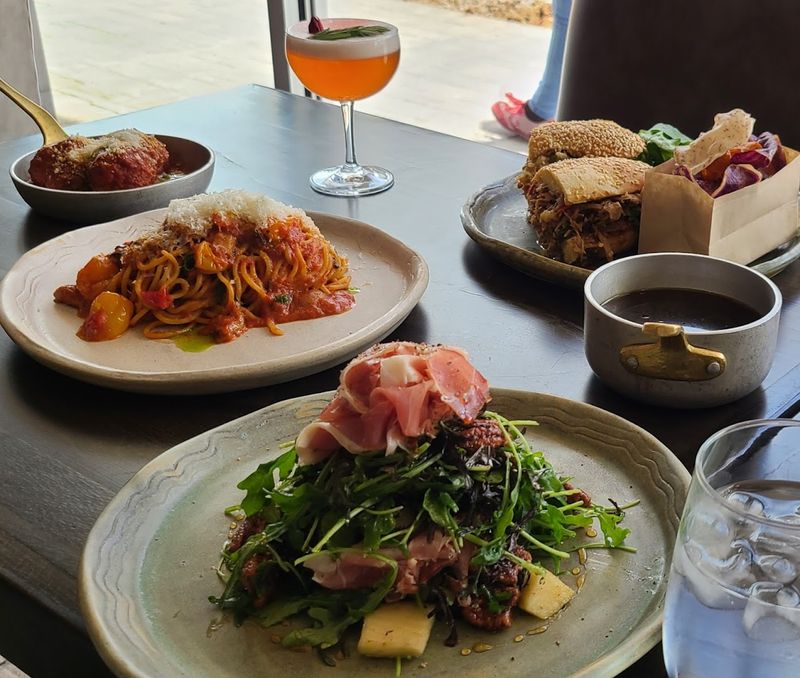
Italian cuisine respects the calendar, and Esther’s Kitchen follows that wisdom by building menus around what’s actually in season. Spring brings different possibilities than fall, and the kitchen adjusts its offerings to match the best available ingredients.
This approach requires flexibility and strong relationships with suppliers who understand the commitment to quality over convenience.
Seasonal cooking means the menu evolves throughout the year, giving regular guests reasons to return and discover new preparations. A summer tomato tastes completely different from a winter root vegetable, and the kitchen treats each ingredient with techniques that highlight its natural characteristics.
This philosophy connects directly to Italian culinary traditions where regions cook what grows nearby during its peak season.
The commitment extends beyond produce to proteins, dairy, and even olive oils selected for their seasonal qualities. Diners benefit from ingredients at their absolute best, prepared by cooks who understand how to coax out maximum flavor.
Seasonal menus also keep the kitchen staff engaged and creative, preventing the boredom that comes from repeating the same dishes endlessly throughout the year.
Handmade Pasta Is One Of Its Biggest Reasons To Go
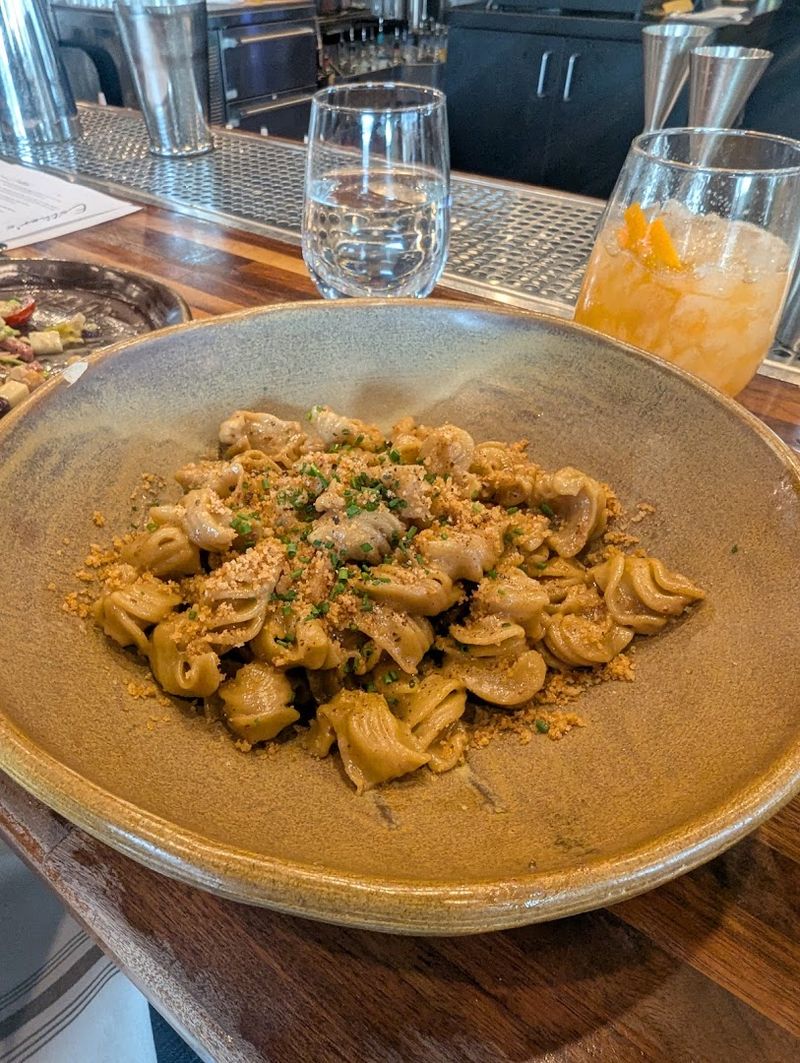
Walking past this Nevada spot, you can often watch pasta being rolled, cut, and shaped through the windows facing Main Street. The restaurant makes its pasta in-house daily, a labor-intensive process that dramatically affects the final dish.
Dried boxed pasta has its place, but fresh pasta offers a texture and flavor that justifies the extra effort required to produce it.
Different shapes suit different sauces, and the kitchen matches each preparation thoughtfully. Ridged rigatoni catches hearty meat sauces in its grooves, while delicate agnolotti cradles rich fillings without overwhelming them.
The pasta itself contributes flavor beyond just being a vehicle for sauce, with a tender bite that signals careful preparation.
Guests regularly mention the pasta as a highlight, noting the difference between what Esther’s serves and what passes for Italian food elsewhere. The kitchen’s commitment to this fundamental element demonstrates respect for tradition while allowing creativity in seasonal variations.
Each pasta dish represents hours of work before it ever reaches a plate, a dedication that diners can taste in every forkful.
The Sourdough Bread Service Has A Following Of Its Own
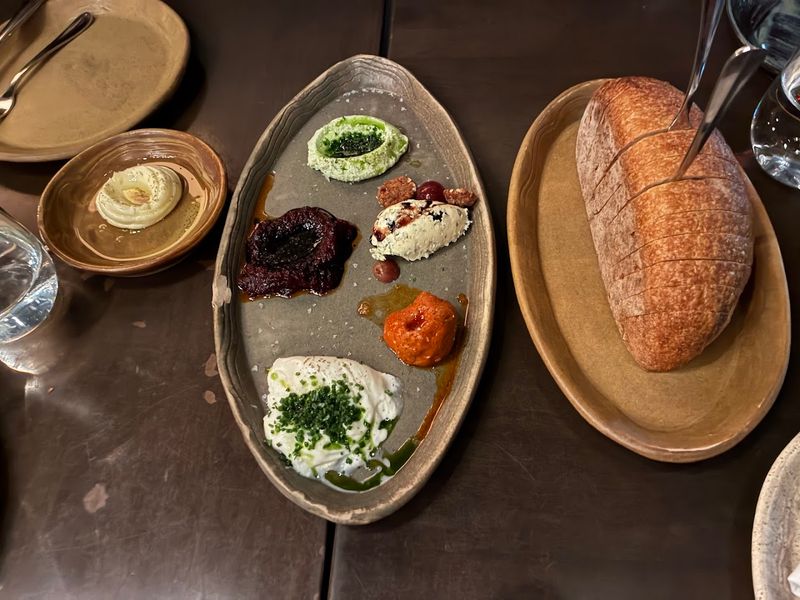
Bread service at many restaurants amounts to an afterthought, but Esther’s Kitchen turns it into an event. The house-made sourdough arrives with a crackling crust and an interior that balances chew with airiness.
This bread demands attention, and the kitchen supports it with accompaniments that range from cultured butter to more adventurous spreads that change with the menu.
The sourdough program requires maintaining a starter, timing fermentation perfectly, and baking throughout service to ensure optimal freshness. Guests can order the bread with optional spreads including chicken liver, burrata, beet conserva, or basil ricotta, each preparation adding different dimensions.
Some diners admit to making entire meals around the bread service, and it’s easy to understand why after the first bite.
This attention to bread reflects the restaurant’s overall philosophy that every component matters. The sourdough has developed its own reputation, with guests specifically requesting it and expressing disappointment on the rare occasions when it sells out.
Bread this good becomes memorable, turning a simple starter into something people discuss long after leaving the restaurant.
The Restaurant Moved Into A Larger Main Street Space
Success creates pleasant problems, and Esther’s Kitchen outgrew its original location faster than anyone anticipated. The restaurant relocated to a larger space at 1131 S Main St, expanding capacity while maintaining the intimate atmosphere that made it special.
This move allowed for a bigger kitchen, more seating, that extends the experience beyond dinner service.
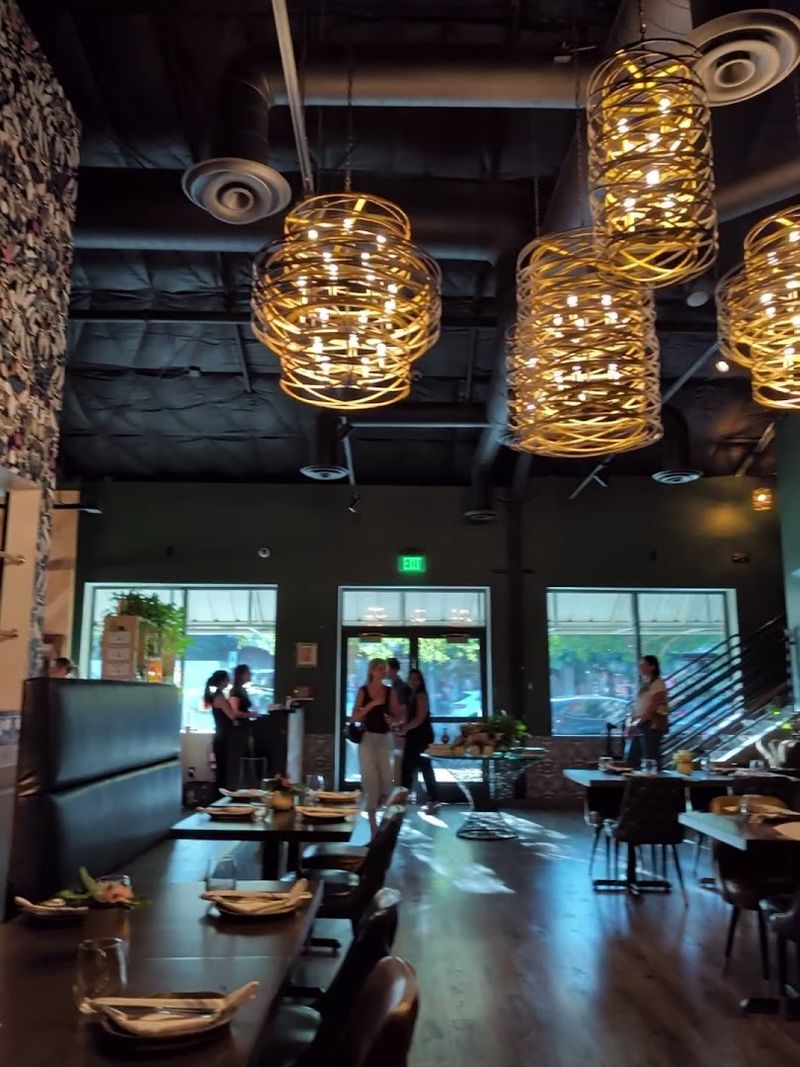
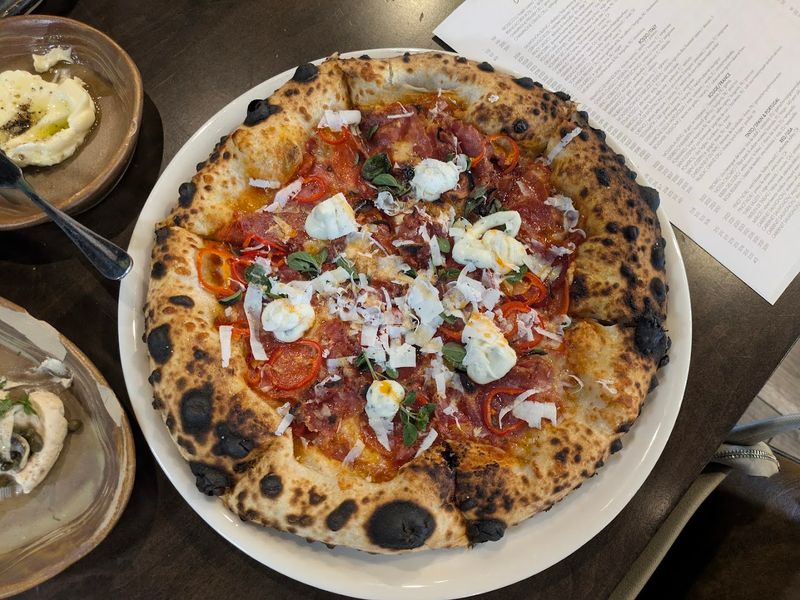
The expanded space features an open kitchen that puts cooking on display, letting diners watch pizza dough get stretched and pasta get plated. High ceilings and large windows create an airy feeling despite the crowds that fill tables during peak hours.
The design balances industrial elements with warm touches, avoiding the cold warehouse aesthetic that plagues some modern restaurants.
Moving to a larger Nevada location demonstrated confidence in the concept and the community’s appetite for this style of dining. The expansion also created opportunities for the team, adding positions and allowing staff to grow within the organization.
Despite the increased size, Esther’s Kitchen retained the neighborhood restaurant spirit that distinguished it from corporate operations or Strip behemoths.
It Proves Great Vegas Dining Exists Far Beyond The Strip
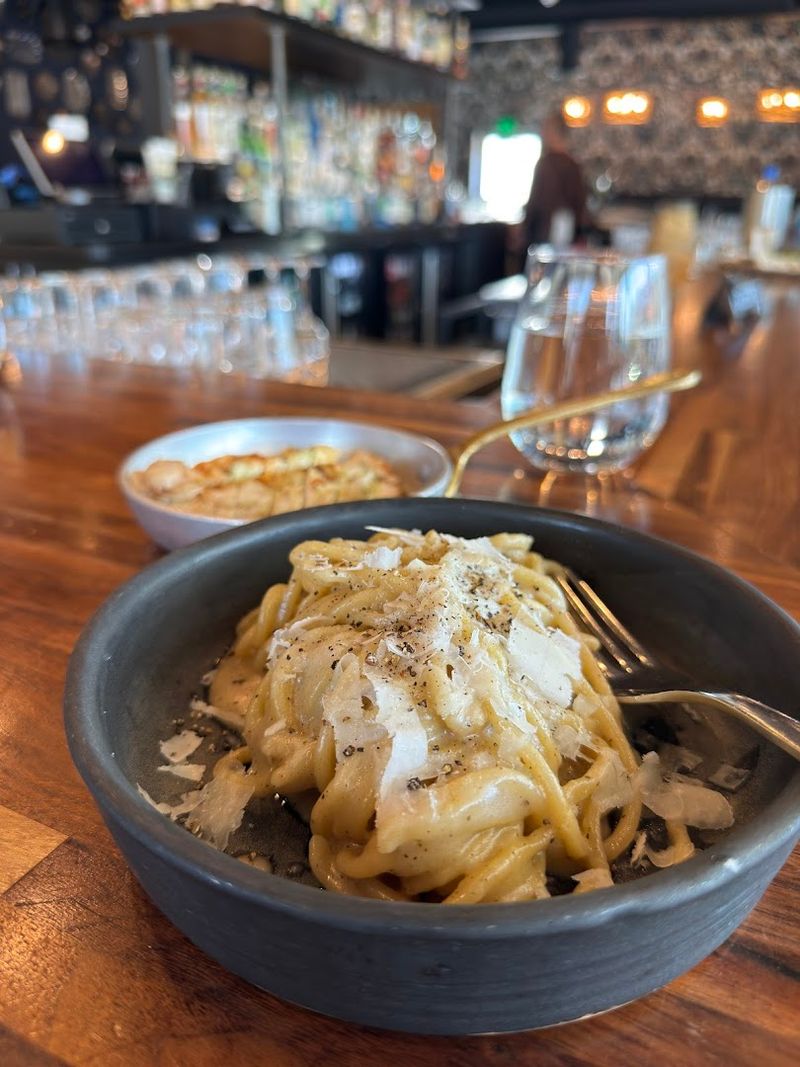
Las Vegas dining conversations typically center on celebrity chefs, expensive tasting menus, and restaurants designed to separate tourists from their money. Esther’s Kitchen operates in a completely different universe, proving that the city supports serious cooking outside the resort corridor.
The restaurant’s success challenges the narrative that locals only eat at chain restaurants while visitors get the good stuff.
Pricing at Esther’s remains reasonable compared to Strip equivalents, with pasta dishes and entrees that don’t require taking out a loan. This accessibility matters, turning Esther’s into a place where people celebrate special occasions but also just grab dinner on a Tuesday.
The restaurant’s popularity among locals sends a clear message about what Las Vegas residents actually want from their dining scene. Great ingredients, skilled preparation, and genuine hospitality trump gimmicks and celebrity endorsements every time.
Esther’s Kitchen represents a dining culture that exists parallel to the Strip, one that visitors increasingly seek out for more authentic experiences.
Lunch Dinner And Weekend Brunch Keep It Busy All Week
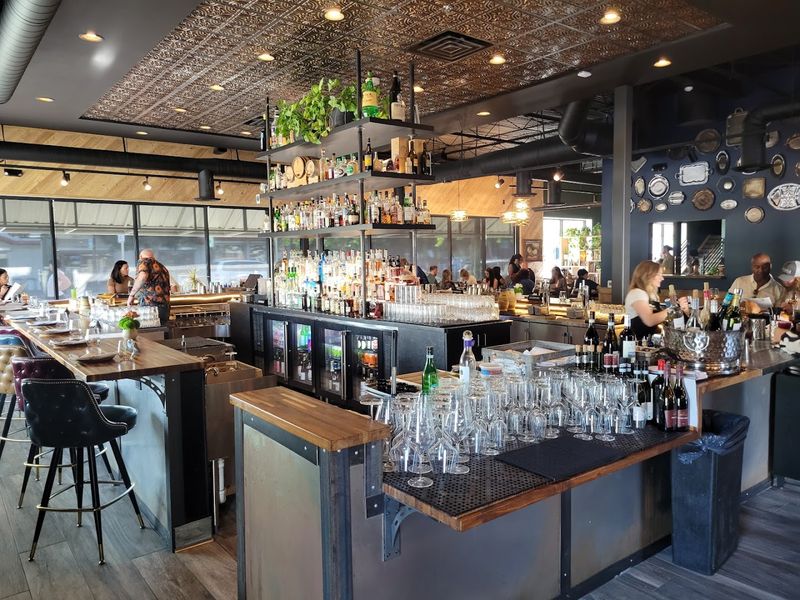
Esther’s Kitchen operates multiple dayparts, opening for lunch Tuesday through Sunday and serving dinner nightly. Weekend brunch starts at 10 AM on Saturdays and Sundays, drawing crowds who appreciate Italian-influenced breakfast dishes.
This schedule means the restaurant maintains energy throughout the week, with different crowds discovering the space at different times.
Lunch service offers a more relaxed pace than dinner, with natural light flooding through those big windows and a menu that includes sandwiches alongside pasta options. Dinner brings a different atmosphere as the lighting shifts and the space fills with groups celebrating or couples enjoying date nights.
Brunch combines elements of both, with a festive weekend vibe and dishes that bridge breakfast and lunch traditions.
Operating this many services requires a substantial team and careful planning to maintain consistency across different menus and times of day. The kitchen adapts its approach while maintaining the standards that define the restaurant.
Making reservations is strongly recommended for any service, as walk-ins often face significant waits during peak periods throughout the week.
The Menu Blends Italian Tradition With West Coast Ingredients
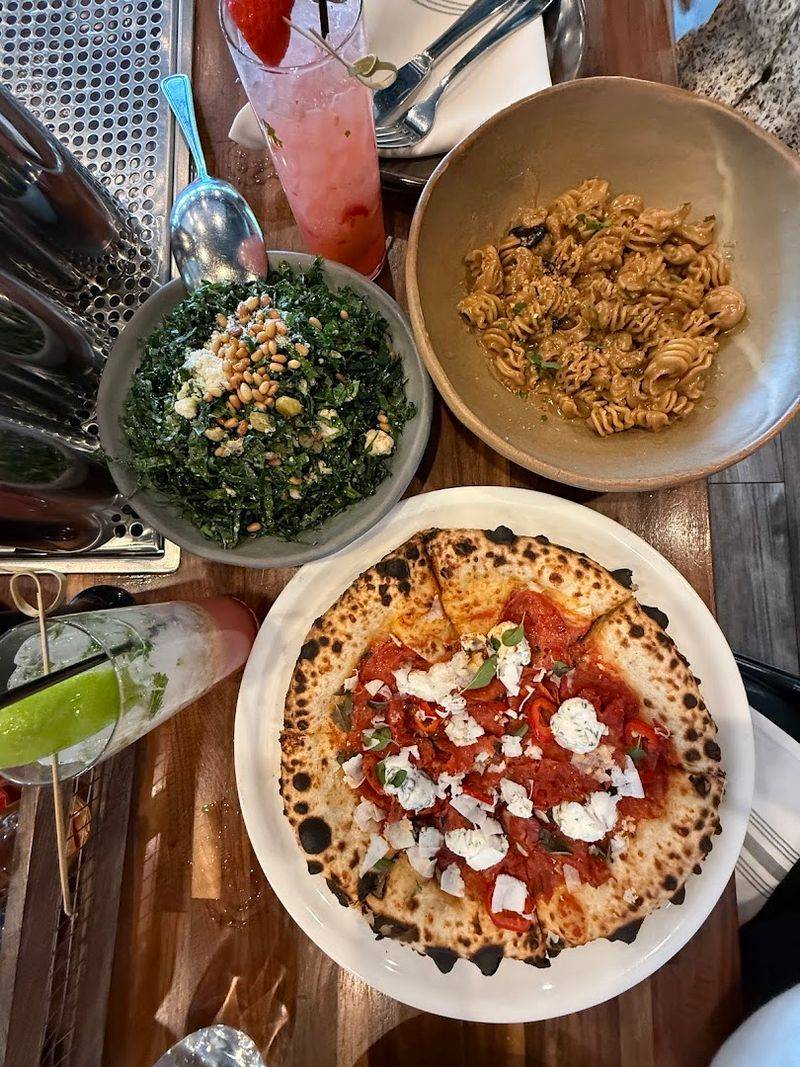
Italian cooking provides the foundation at Esther’s Kitchen, but the menu doesn’t limit itself to strict regional authenticity. Chef Trees incorporates West Coast ingredients and sensibilities, creating dishes that honor Italian techniques while embracing what’s available locally and seasonally.
This fusion feels natural rather than forced, respecting tradition without being enslaved by it.
California’s agricultural bounty influences vegetable selections, while seafood choices reflect what’s swimming in Pacific waters rather than the Mediterranean. The kitchen treats these ingredients with Italian methods, applying centuries of culinary wisdom to products that might never appear on a Roman trattoria menu.
This approach keeps the food interesting and rooted in place rather than attempting to recreate dishes better eaten in Italy.
The blend works because the underlying principles remain consistent even as specific ingredients change. Italian cooking at its core emphasizes quality ingredients treated simply to highlight their natural characteristics.
That philosophy translates perfectly to West Coast products, creating a menu that feels both familiar and distinctive to anyone who understands food beyond rigid categories.