
This 4.4 Mile New York Hike Takes You To A 115 Foot Waterfall You Can Swim In
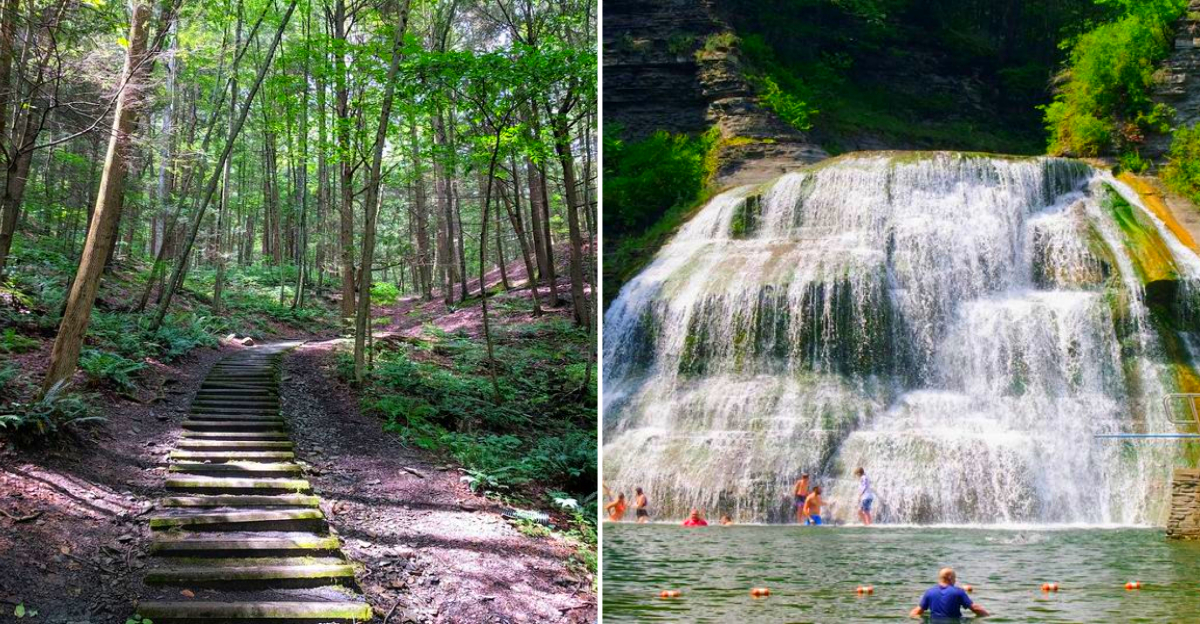
Four point four miles out and the same back. That is the deal and it is an extremely good one given what waits at the halfway point.
A 115 foot waterfall dropping into a pool cold enough to make a person gasp and clear enough to see the bottom from the bank. New York is full of hikes that promise a payoff and this one actually delivers one worth the round trip.
The trail earns the waterfall gradually. The sound arrives before the sight does, which is the correct order for something this size.
By the time the full drop comes into view the legs have already decided the effort was worth it. Swimming here is the kind of experience that relocates a hot summer afternoon into a completely different category.
Bring water shoes. Bring someone worth sharing it with. Leave early enough to have the pool mostly to yourself before the rest of New York figures out what is up here.
Why This Gorge Hike Stands Apart From The Rest
Not every hike earns a permanent spot in your memory, but some trails have a way of rewriting your idea of what a walk in the woods can be. The Gorge and Rim Trail Loop is exactly that kind of trail.
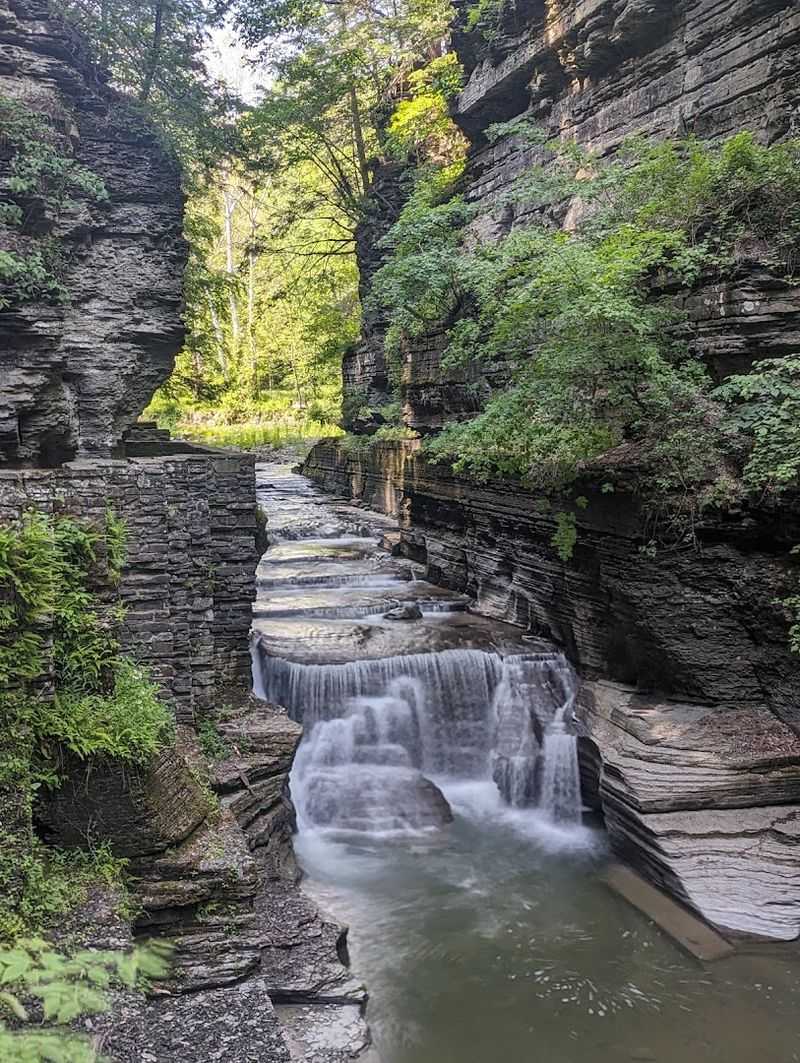
Carved by centuries of water cutting through layered shale and sandstone, the gorge feels ancient in the best possible way.
Twelve waterfalls line the route, each one different from the last. Some spill gently over mossy ledges, while others crash down with serious force.
The sound of moving water follows you the entire way, which makes the hike feel almost meditative.
The trail combines two distinct paths into one satisfying loop. The Gorge Trail keeps you close to the water at the bottom, while the Rim Trail offers elevated views from above.
Together, they give you two completely different perspectives of the same stunning landscape. Few trails in the northeastern United States pack this much variety into a single outing.
The rock walls, the ferns, the cool air rising from the creek below — all of it adds up to something genuinely remarkable. Sturdy shoes and a full water bottle are your two best friends here.
Robert H. Treman State Park And Where To Find It
Robert H. Treman State Park sits at 105 Enfield Falls Rd, Ithaca, NY 14850, right in the middle of one of the most scenically rich corners of upstate New York.
The park is named after a local conservationist who helped preserve this land for public use, and honestly, the man deserves a standing ovation for that decision.
The park holds a 4.8-star rating, which is not an easy score to earn when you are dealing with steep stairs and cold water. It opens at 7 AM daily and closes at 9 PM, giving you a solid window to plan your visit.
Parking is available at both the lower and upper entrances, and the entrance fee paid at one location covers you for the full day.
The lower entrance near the park office is where most hikers begin the Gorge Trail. The upper entrance leads to the historic Old Mill, a beautifully preserved structure with a working water wheel and a small museum inside.
Both starting points connect to the same loop, so your choice really comes down to personal preference. Either way, you are in for a genuinely rewarding outdoor experience in the Finger Lakes.
The Gorge Trail And Its Waterfall Parade
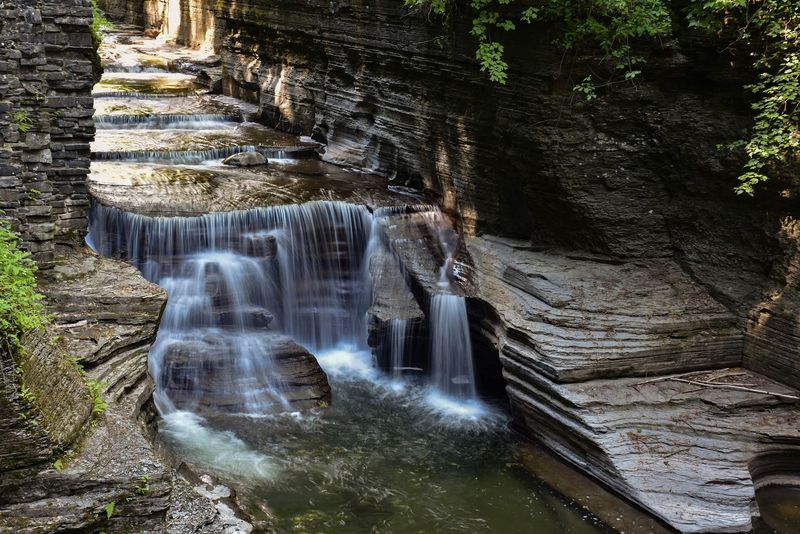
The Gorge Trail is the showstopper of the two paths, and that is not a close competition. Starting near the lower park office, the trail follows Enfield Creek through a deep, narrow gorge lined with dramatic shale walls that seem to lean in from both sides.
The air down here is noticeably cooler, which feels like a reward on a warm summer afternoon.
Along the way, you pass waterfall after waterfall, each framed by ferns, mossy boulders, and the kind of scenery that makes you stop and stare more than once. Stone steps and wooden bridges guide you through the rougher sections, and the trail is well-maintained throughout.
That said, sturdy footwear is essential because the rocks can be slippery when wet.
The undeniable highlight of the Gorge Trail is Lucifer Falls, a thundering 115-foot cascade that earns every bit of its dramatic name. Reaching it feels like arriving at a natural amphitheater built entirely by water and time.
A viewing area lets you take in the full height of the falls without craning your neck awkwardly. The gorge section of the loop covers roughly half the total distance and rewards every single step with visual payoff that is hard to match anywhere else in New York.
Lucifer Falls And The Drama Of 115 Feet
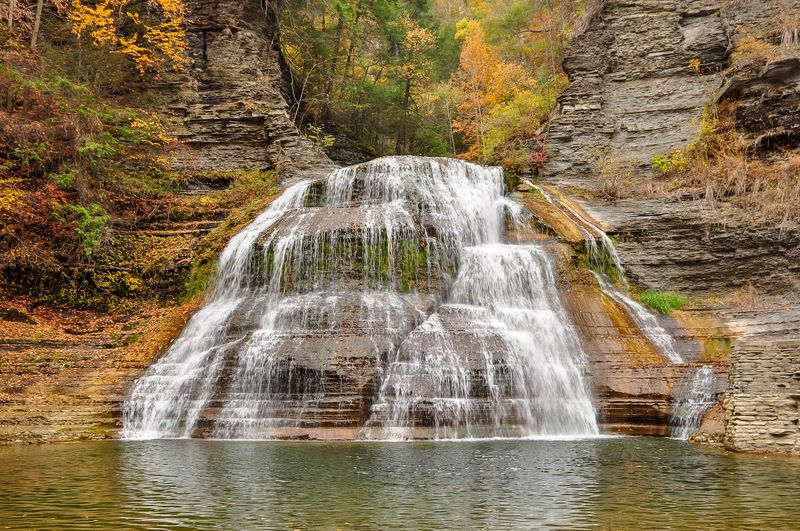
Few waterfalls in New York carry a name with this much personality, and Lucifer Falls absolutely lives up to the billing. Standing at 115 feet tall, it is the crown jewel of the entire park and the moment most hikers are building toward from the first step of the trail.
The falls drop in a long, powerful sheet over layered rock that has been shaped over thousands of years.
Getting there via the Gorge Trail puts you right at the base, where the spray reaches your face and the roar fills your ears completely. Getting there via the Rim Trail gives you a bird’s-eye view from a dedicated viewing deck above.
Doing both, which the loop naturally allows, means you experience the falls from two completely different angles. That kind of double perspective is genuinely rare on a single hike.
The best time to visit for maximum water flow is spring, when snowmelt and rain keep the creek running strong. Summer visits still deliver a beautiful falls, though the volume may be lighter during dry stretches.
Fall foliage frames the gorge in warm color and adds a completely different kind of drama to the scene. No matter the season, Lucifer Falls has a presence that is hard to shake once you have seen it up close.
Swimming At Lower Falls And The Natural Pool
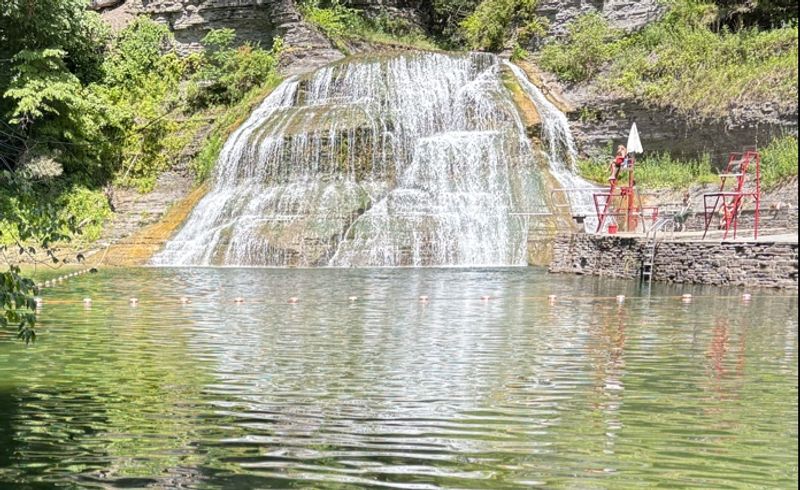
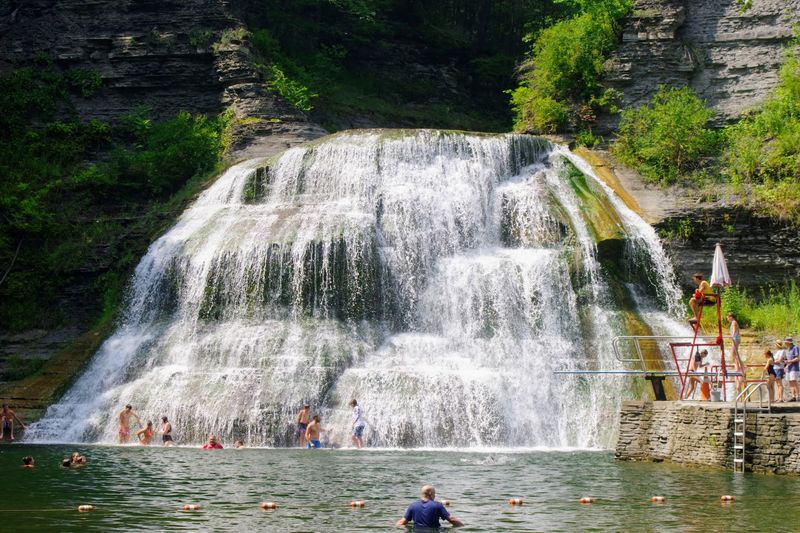
Here is where the trail earns its legendary status among summer hikers. At the base of Lower Falls, also called Enfield Falls, a natural swimming pool waits at the end of the lower section of the park.
The water is cold, clear, and fed directly by the creek flowing through the gorge above. On a hot day, it is the kind of cold that takes your breath away in the best possible way.
The swimming area is supervised by lifeguards during the season, which typically runs from late May through early September. A diving board is set up at the pool, and the whole setup feels like a classic summer camp dream brought to life.
Visitors are only permitted to swim in this designated area, keeping the rest of the gorge and creek protected for everyone to enjoy.
Bringing a towel and a dry change of clothes is strongly recommended. Many hikers plan their swim as a reward after completing the full loop, and that strategy works beautifully.
The park asks that you stay within the marked swimming zone for both safety and preservation reasons.
The pool is well-maintained and the surrounding area is kept clean, making the whole experience feel genuinely welcoming for families, solo hikers, and everyone in between.
The Rim Trail And The View From Above
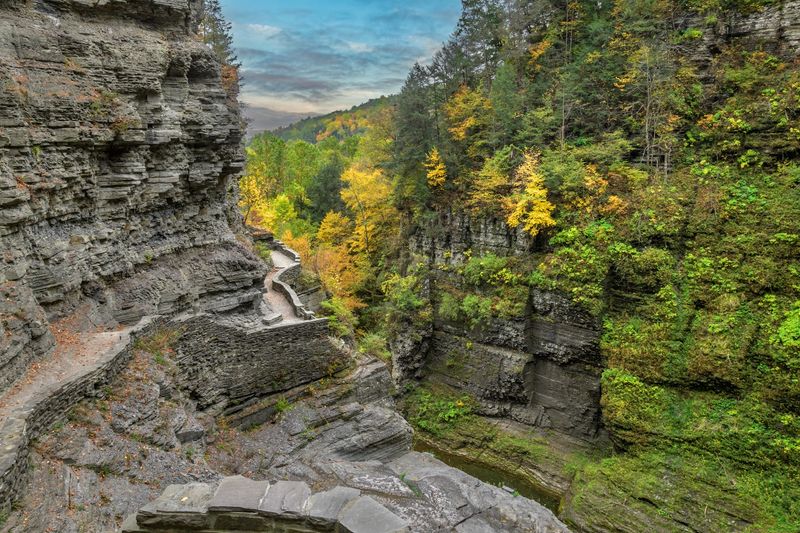
After the gorge pulls you in close and personal with every waterfall along the route, the Rim Trail offers a completely different kind of reward.
Running along the top edge of the gorge, the path moves through shaded woodland with periodic overlooks that let you peer down into the dramatic landscape below.
The elevation change is real, and the staircase sections will remind your legs that they are working.
Most experienced hikers recommend descending the Rim Trail rather than climbing it, especially if your knees have opinions about steep grades. Starting from the lower park office, taking the Gorge Trail up, and then returning via the Rim Trail makes the elevation work in your favor.
The total loop covers roughly 4.4 miles and takes most hikers between two and three hours depending on pace and photo stops.
The Rim Trail also passes through sections of forest that feel quieter and more removed from the gorge crowds below. Birdsong fills the canopy, and the filtered light through the leaves creates a calm that contrasts nicely with the energy of the gorge.
Fossil hunters have spotted interesting specimens in the exposed rock walls along the route, though all natural features are protected and must be left in place.
The rim section rounds out the loop beautifully and sends you back to the trailhead feeling genuinely accomplished.
Trail Tips And What To Bring For The Full Loop
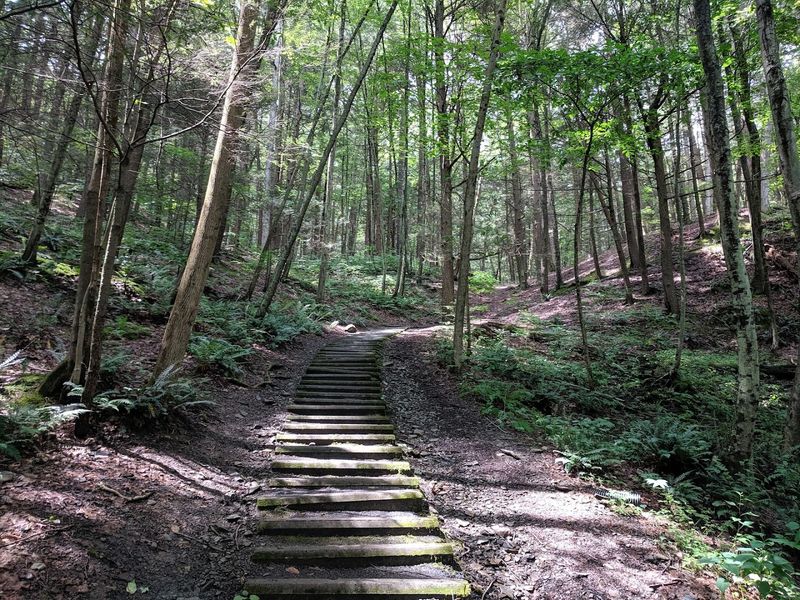
Preparation makes a real difference on a trail like the Gorge and Rim Loop. The terrain mixes flat creek-side walking with stone steps, rocky ledges, and steep climbs, so footwear with solid grip is non-negotiable.
Trail runners or light hiking boots work well, and anything without ankle support will leave you regretting the choice by mile two.
Water is essential, especially on warm days when the humidity inside the gorge can be surprisingly high. Pack more than you think you need.
Snacks are a good idea too, since the loop takes a couple of hours and the park does not have food vendors along the trail itself. A small day pack handles everything comfortably without weighing you down.
The park is open daily from 7 AM to 9 PM, so early morning visits reward you with quieter trails and softer light for photos. Weekday visits tend to be less crowded than weekends, particularly during summer.
If swimming is on your agenda, check the park’s schedule in advance since lifeguard hours can vary. Bug spray is worth packing from late spring through summer, as the gorge environment is exactly the kind of lush, shaded habitat that insects enjoy.
Arriving prepared means you spend the whole hike enjoying the scenery rather than managing avoidable discomfort.