
This Charming Hawaii Beach Community Offers Spectacular Views Without The Crowds
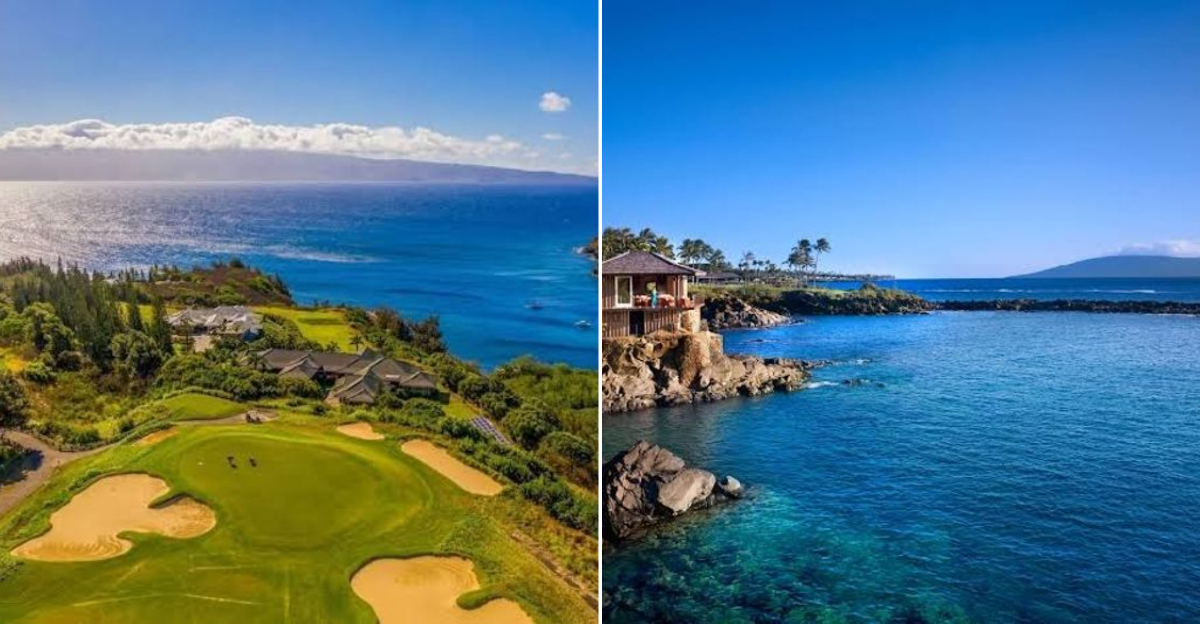
Somewhere between the resort strips and the overtouristed overlooks, this beach community exists on its own quiet terms. The views here did not get lesser just because fewer people showed up to photograph them.
Morning light hits the water differently when there is no crowd competing for the same angle. This Hawaii community figured that out early and has been benefiting from the oversight ever since.
The kind of place that rewards arrival without an agenda. No checklist, no peak hour strategy, just a shoreline that delivers something genuinely spectacular without requiring anything complicated in return.
Crowds have a way of flattening an experience into something generic and forgettable. This community avoided that fate entirely, holding onto the kind of coastal character that most beach destinations quietly surrendered years ago.
One Of America’s Best Kept Coastal Secrets
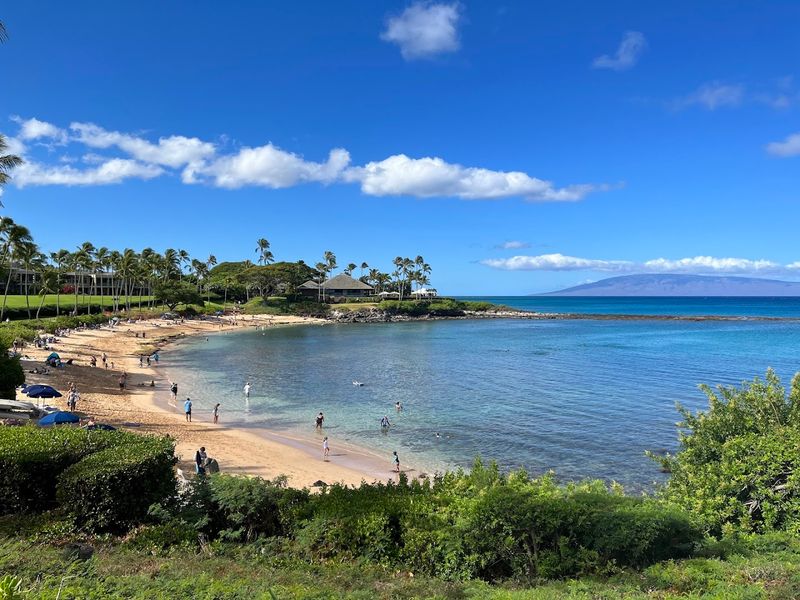
Kapalua Bay earned its reputation quietly. No flashy billboards announce it, and no theme-park atmosphere greets you at the shoreline.
What you get instead is one of the most consistently calm, clear, and beautiful bays in the entire United States, tucked along the northwest coast of Maui in West Maui’s prestigious Kapalua resort area.
The bay forms a natural crescent shape, protected on both sides by rocky lava headlands that block strong currents and keep the water remarkably gentle. Swimmers of all skill levels feel comfortable here.
Snorkelers absolutely love it because the visibility underwater can stretch dozens of feet, revealing colorful reef fish, sea turtles, and vivid coral formations just a short paddle from shore.
The sand itself is soft and golden, and the beach stays relatively uncrowded even during peak travel months. Kapalua Bay sits within the Kapalua resort community on West Maui, placing it within easy reach of excellent restaurants and shops.
Parking is available nearby, and facilities including restrooms and outdoor showers make a full beach day comfortable.
Sunrise here paints the water in shades of pink and orange that feel almost unreal. Afternoon light turns the bay into a glittering turquoise jewel.
Kapalua Bay has been named Best Beach in America by the Travel Channel and Best Beach in the World by Condé Nast Traveler.
If you are visiting Maui and want one beach experience that genuinely lives up to the hype without the chaos, Kapalua Bay delivers every single time.
The Edge Of The Pacific
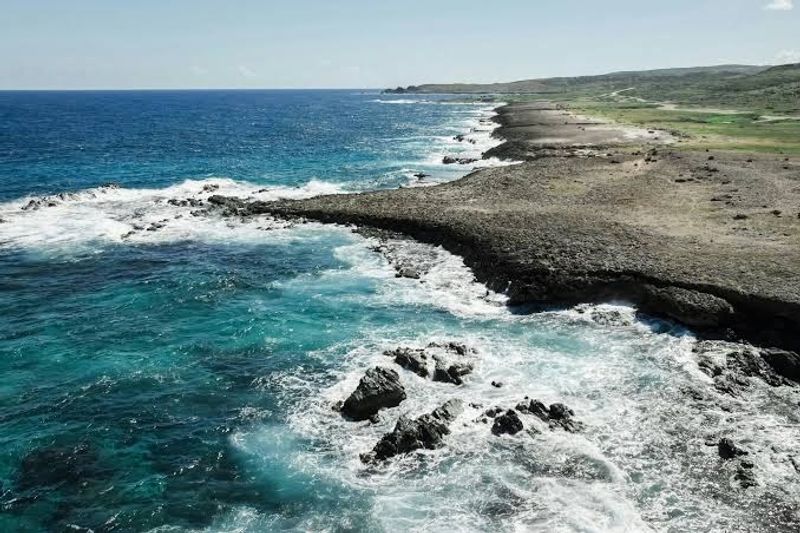
Few walks in Hawaii match the raw drama of the Kapalua Coastal Trail. This 1.76-mile trail follows volcanic cliffs above the Pacific, with sweeping ocean views and neighboring islands visible on clear days.
The trail connects several beaches in the Kapalua resort area and passes through some of the most visually striking coastal scenery on all of Maui.
The path is paved in sections and mostly flat, making it accessible for families, older visitors, and anyone who wants spectacular scenery without a strenuous hike. Morning walks here are especially rewarding.
The air is cool, the light is golden, and humpback whales are frequently spotted offshore during winter months between November and April. Watching a whale breach from a clifftop trail is a memory that sticks with you for years.
Starting near Kapalua Bay and ending near D.T. Fleming Beach, the trail passes through ironwood forests and along open lava rock coastline.
Benches along the route invite you to sit and absorb the scenery without rushing. The trail sits within the broader Lahaina area of West Maui, making it easy to combine with a beach day or a meal in nearby Napili or Kapalua village.
Bring water, wear good shoes, and go early. The views reward every single step you take along this remarkable stretch of coastline.
The Crescent Cove That Feels Like A Postcard
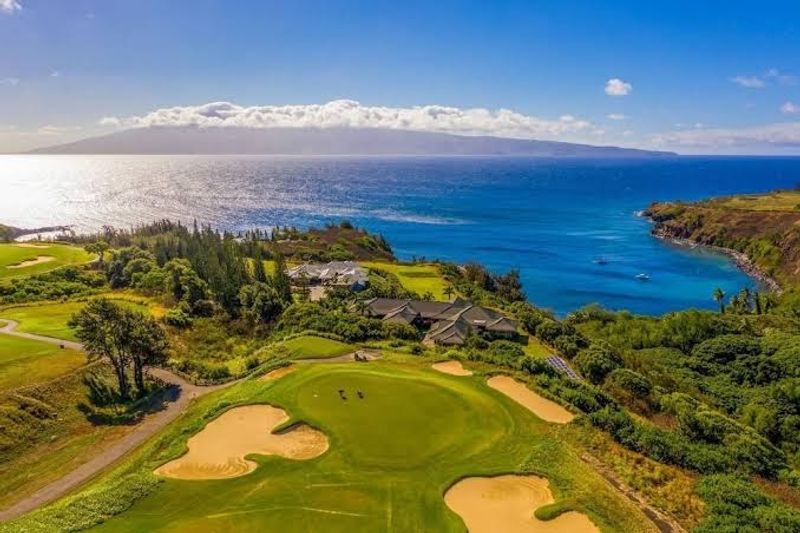
Napili Bay is the kind of place that makes you forget your return flight exists. This crescent-shaped bay in West Maui offers a relaxed coastal escape far from the area’s busier resort beaches.
The shoreline curves gently, the water is usually calm and clear, and the whole atmosphere encourages you to slow down completely.
Sea turtles are a regular presence here. They cruise lazily along the shallows with total indifference to the humans watching them, which makes every snorkeling session feel like a nature documentary.
The sandy bottom is clean, the water visibility is excellent, and even beginner snorkelers feel confident exploring the bay. Swimmers appreciate how protected the cove feels compared to more exposed beaches along the coast.
Napili sits close enough to Lahaina that day trips are simple and stress-free. The surrounding community has a residential, unhurried quality that keeps the tourist density low.
Small condo properties line the hillside above the bay, and a few casual dining spots are within easy walking distance. Sunset at Napili Bay is genuinely special.
The western-facing shoreline captures the full color show as the sun drops toward the horizon over the open Pacific.
Couples, families, and solo travelers all seem equally at home here, which says a lot about how welcoming and versatile this beautiful little bay truly is.
Wide, Wild, And Wonderfully Uncrowded
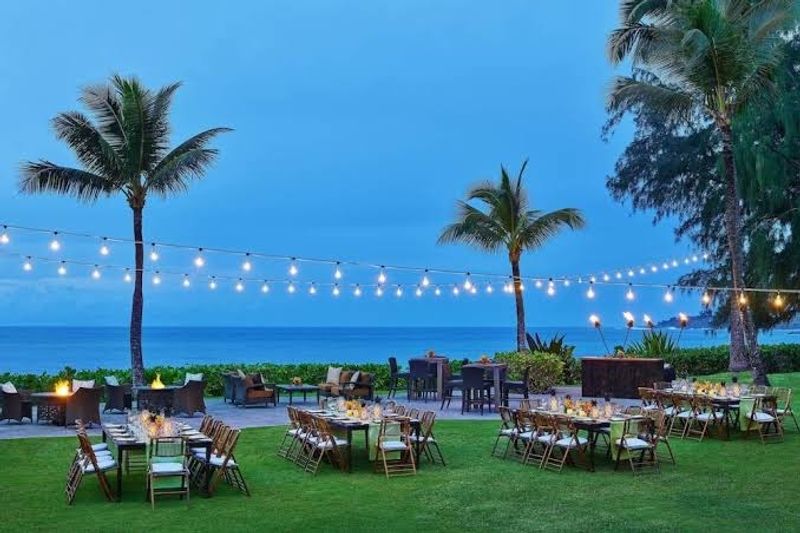
D.T. Fleming Beach stretches wide and generous along the northwestern edge of Maui, just north of the Kapalua resort area.
It was once named America’s best beach by a well-known coastal researcher, yet somehow it remains far less crowded than its reputation might suggest.
The beach is long, the sand is pale and soft, and the ironwood trees lining the back of the shore create natural shade for anyone who needs a break from the sun.
The waves here can be more energetic than at Kapalua Bay, making it a favorite among bodyboarders and those who enjoy a bit of ocean action. A lifeguard is on duty, which adds a layer of comfort for families with younger kids.
Picnic tables and shower facilities are available, so spending a full day here is genuinely practical and comfortable without requiring much planning.
The beach sits within the broader Lahaina district of West Maui, just a short drive from Napili and Kapalua village. Morning light, green hills, and volcanic cliffs create a picture-perfect coastal setting.
Whale watching from the shoreline during winter is a real possibility. On calm days, the water turns a vivid shade of blue that seems almost digitally enhanced but is completely, wonderfully real.
D.T. Fleming is the kind of beach that regulars return to year after year without hesitation.
A Marine Sanctuary Worth Every Step
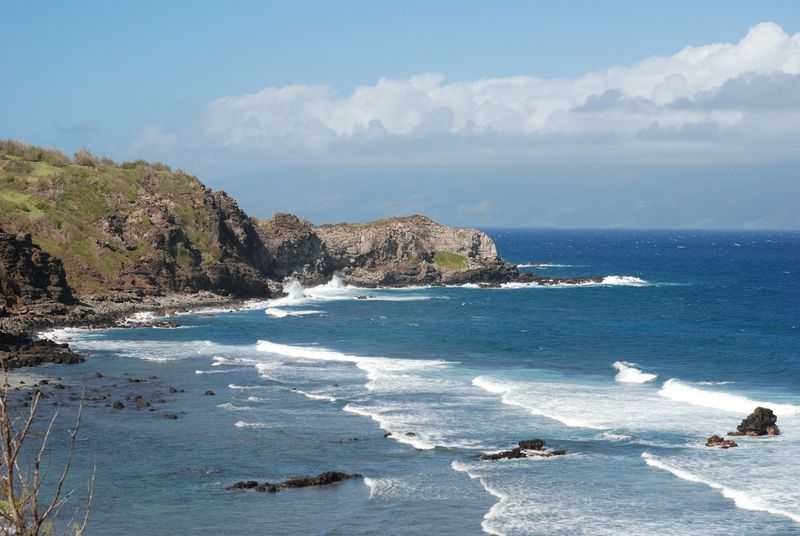
Honolua Bay operates by its own rules. There is no sandy beach, no lifeguard stand, and no resort infrastructure waiting for you.
What exists instead is one of the most extraordinary marine conservation areas in all of Hawaii, located just north of Kapalua along the West Maui coastline near Lahaina.
The entry involves a short walk through dense jungle vegetation down to a rocky shoreline, and every step of that walk builds anticipation appropriately.
Once in the water, the experience is transformative. The bay is a designated Marine Life Conservation District, which means fishing is prohibited and the underwater ecosystem has been allowed to thrive undisturbed for decades.
Coral formations are dense and colorful, and the fish population is genuinely astonishing. Spinner dolphins occasionally visit the bay.
During winter months, the bay also serves as one of Maui’s most celebrated surf breaks, drawing professional surfers from around the world to ride its powerful right-hand waves.
The lush green cliffs around Honolua Bay plunge sharply into the ocean, creating a striking, almost prehistoric contrast between jungle and sea. Kayakers and paddleboarders explore the outer edges of the bay when surf conditions allow.
The lack of commercial development is precisely what makes this place so special and so worth protecting.
Visiting Honolua Bay requires a bit of effort, but the payoff in natural beauty and marine life encounters is completely unmatched anywhere along this coastline.
The Local Secret Right Next To Kaanapali
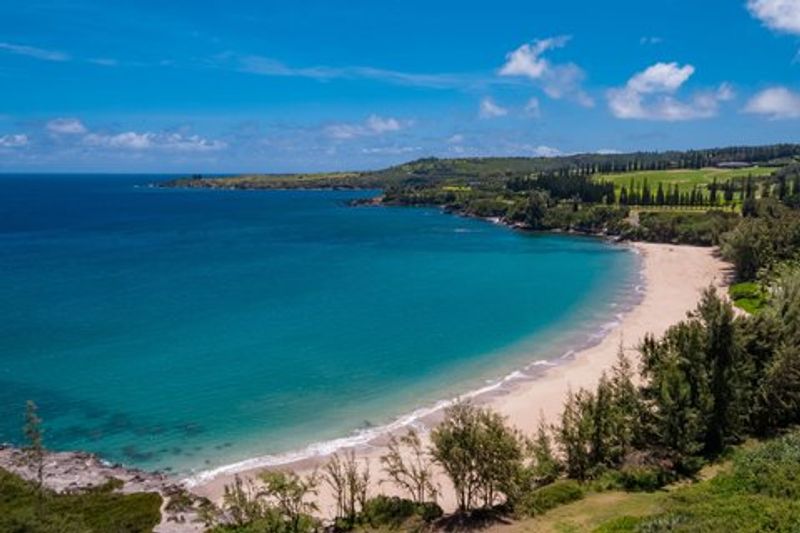
Most visitors to West Maui head straight for Kaanapali Beach and never look one mile further north. That is genuinely good news for anyone who discovers Kahekili Beach Park, also known locally as Airport Beach.
This stretch of coastline sits just above Kaanapali and offers nearly identical scenery with a fraction of the foot traffic.
The sand is golden, the water is calm and clear, and the whole place carries a peaceful, unhurried energy that Kaanapali lost somewhere around the third resort construction project.
Snorkeling at Kahekili is exceptional. The rocky reef areas along the edges of the beach host a thriving community of sea turtles, eels, and reef fish that seem completely unbothered by human visitors.
The turtles in particular are remarkably easy to spot, often resting on the sandy bottom in shallow water just yards from shore.
Facilities include showers, restrooms, and picnic tables, which makes planning a full beach day here straightforward and comfortable.
The park sits within the Lahaina district of West Maui, making it easily accessible from the main highway. Parking is free, which is a genuine luxury by Maui beach standards.
Sunset views from Kahekili are spectacular, with the ocean stretching west toward the horizon and the neighboring island of Molokai visible on clear evenings.
Families, couples, and solo beach lovers all seem to discover this place and immediately wonder why they did not come here sooner on their trip.
The Dramatic Secret Beach Of South Maui
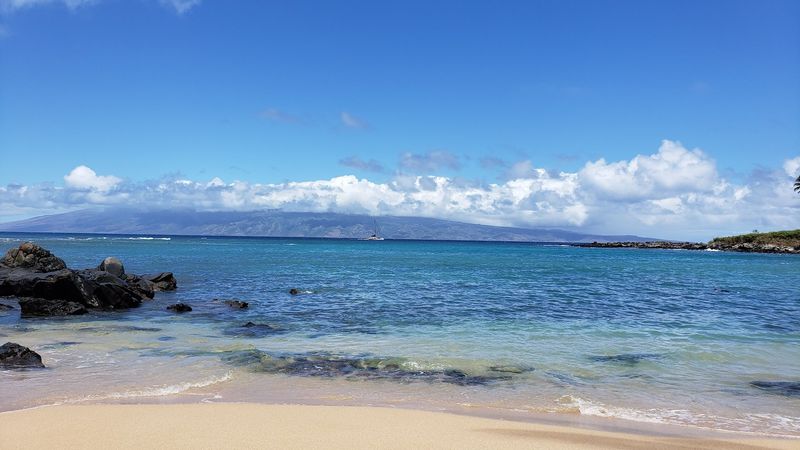
Makena Cove goes by several names. Some call it Secret Beach.
Others know it as Paako Cove. Locals just call it one of the most visually dramatic spots on all of Maui.
Located in South Maui, this tiny hidden cove is enclosed on both sides by jet-black lava rock formations that contrast sharply with the powdery white sand and vivid turquoise water inside. The visual impact is immediate and genuinely jaw-dropping.
Reaching the cove requires a short walk through a narrow path between lava rocks, which effectively filters out casual visitors who are not willing to make the small effort.
The result is a beach that feels private, intimate, and surprisingly untouched given its growing reputation. Photography enthusiasts make special trips here for the dramatic natural framing that the lava walls provide.
Couples frequently choose this spot for engagement photos and small ceremonies because the scenery does all the decorating automatically.
Whale watching from the cove during winter months is a real highlight. Between November and April, humpback whales migrate through these waters, and the cove’s elevated lava rock edges offer excellent viewing spots.
Sunset visits here are particularly memorable as the fading light turns the black lava warm amber and the water shifts through shades of gold and purple.
Makena Cove sits south of the Lahaina area but is absolutely worth the extra drive time for anyone chasing Maui’s most photogenic and peaceful coastal moments.
Why The Views Near Lahaina Are Unmatched
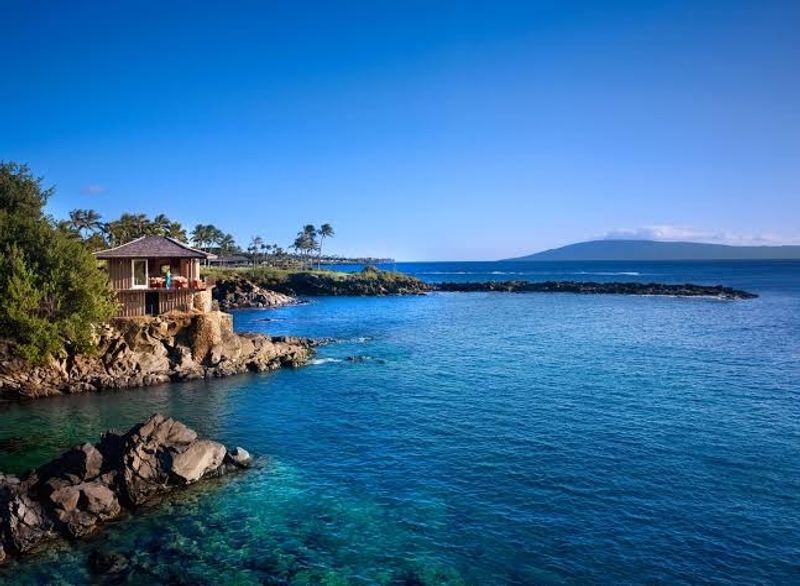
West Maui has a geographic advantage that no amount of resort marketing can manufacture. The coastline faces due west, which means every clear evening delivers a front-row seat to one of the most spectacular sunset displays on earth.
From Kapalua down through Napili, Kahekili, and the Kaanapali corridor near Lahaina, the entire western shore transforms into a natural light show that draws people to the water’s edge without any invitation needed.
The neighboring islands of Molokai and Lanai sit directly offshore, creating layered silhouettes against the glowing sky as the sun descends.
On clear evenings, visitors may catch the rare green flash as the sun disappears below the horizon. Humpback whales occasionally breach in the golden foreground during winter months, adding a layer of spectacle that feels almost unfairly beautiful.
Each beach community along this stretch offers its own sunset personality. Kapalua feels elevated and dramatic above its cliffs.
Napili Bay catches the color low and wide across the water. Kahekili Beach Park offers open sightlines with minimal obstruction.
The Lahaina area has long been one of Maui’s most iconic sunset-viewing destinations, a tradition that continues in the surrounding coastal communities.
Bringing a light jacket for the post-sunset breeze is genuinely recommended, because once the colors appear, leaving early feels completely impossible.