
This Red Rock Nevada Playground Has 200 Miles Of Off-Road Trails Built For Serious Adventure
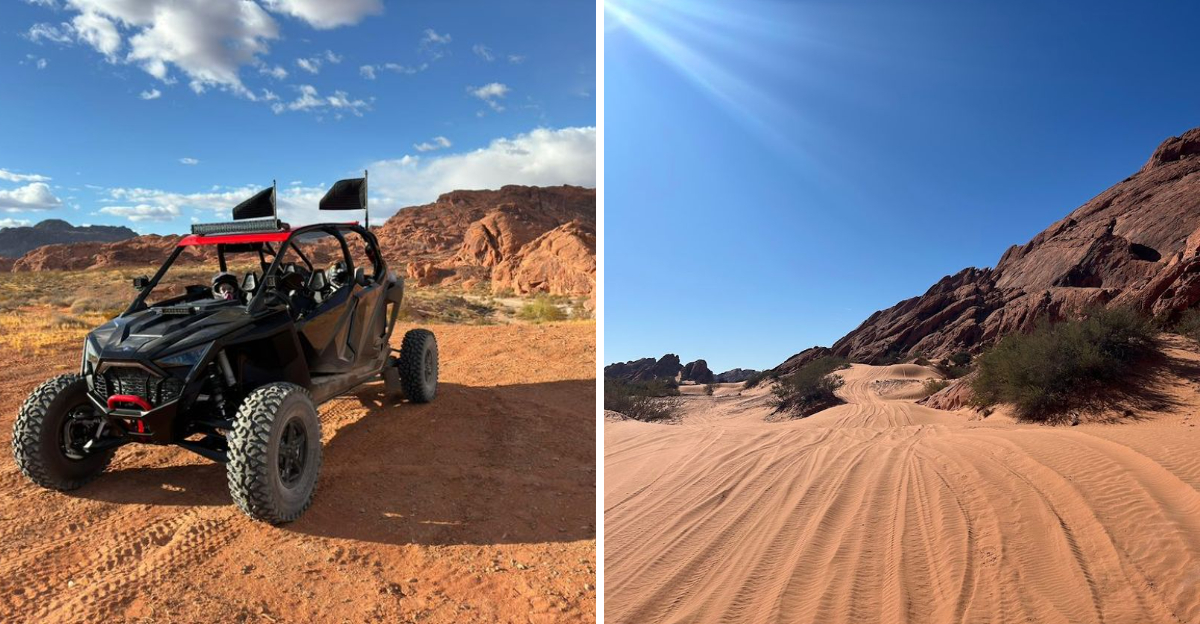
Red sand has a way of making every tire track feel a little more dramatic. Out in the Nevada desert, this off-road playground gives riders space to rumble through rock, sand, washes, and wide-open country without feeling boxed in.
The scenery does half the talking, with red sandstone ridges, dusty trails, and blue sky stretching farther than your weekend plans. What makes it even better is the freedom.
You are not stuck looping around a tiny course or paying for a polished park experience. Here, the terrain feels raw, roomy, and built for people who actually want to drive, climb, turn, and explore. Close enough to Las Vegas for a serious day trip, it still feels far away.
The Trail Network Spans More Than 200 Miles
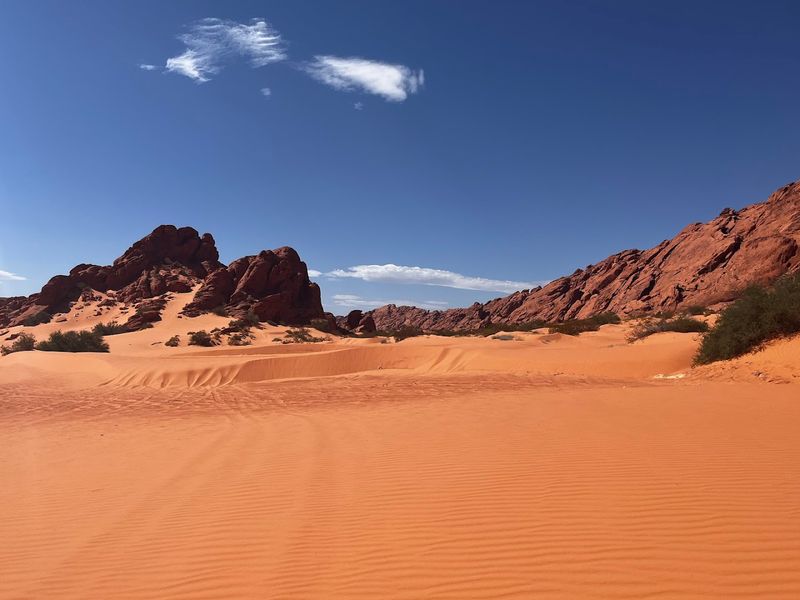
More than two hundred miles of interconnected trails carve through this desert playground, offering enough variety to keep riders busy for days. The network branches in every direction, from wide main routes suitable for cautious beginners to narrow technical paths that demand full attention.
Some trails loop back to the main staging area, while others push deeper into the backcountry where the landscape feels untouched.
The sheer scale of the system means you can ride all morning without covering the same ground twice. Trails connect to side spurs, which lead to hidden washes and overlooks that reward exploration.
The BLM maintains the main routes, but many secondary paths form naturally from years of use.
Riders often spend multiple days mapping out favorite sections, discovering new lines with each visit. The trail density increases near the main entrance off Unnamed Road, then spreads outward across the 45,000-acre area.
This layout gives everyone room to find their comfort zone without feeling pressured by more aggressive riders.
Red Sandstone Formations Make The Whole Area Feel Cinematic
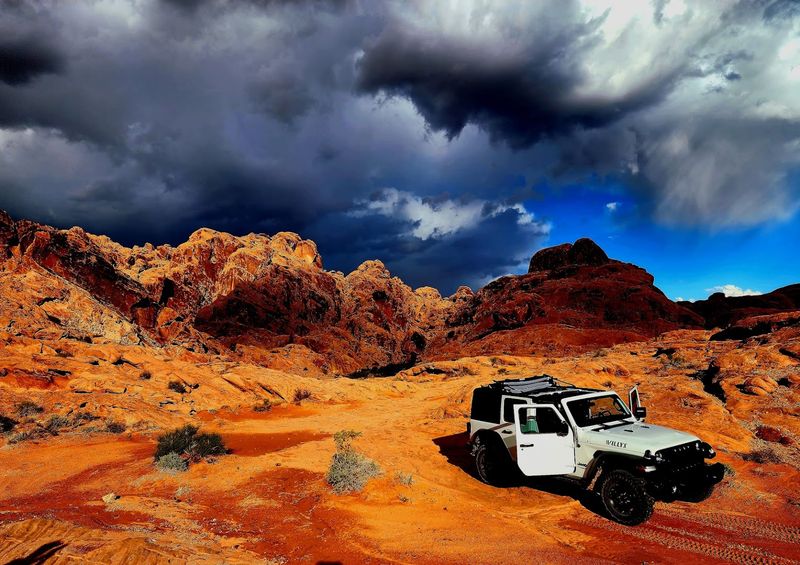
The geology here mirrors the famous Valley of Fire, with towering red sandstone formations that glow orange in morning light and deepen to crimson by sunset. These ancient rocks have been sculpted by wind and water into shapes that look almost deliberate, creating natural monuments along many of the trails.
Riding past these formations adds a visual drama that elevates the experience beyond simple dirt biking.
The color palette shifts throughout the day as the sun moves across the sky. Early riders see softer pink tones, while afternoon light brings out the deeper reds and purples in the rock.
Shadows cast by the formations create constantly changing patterns on the ground.
Photographers and casual riders alike pause frequently to absorb the scenery, which rivals any national park for sheer visual impact. The rock walls rise suddenly from flat desert floor, creating natural corridors that funnel wind and frame distant mountain views.
This cinematic quality makes every ride feel like movement through a carefully designed film set rather than random wilderness.
Riders Can Find Routes For ATVs, Jeeps, SUVs And Motorcycles
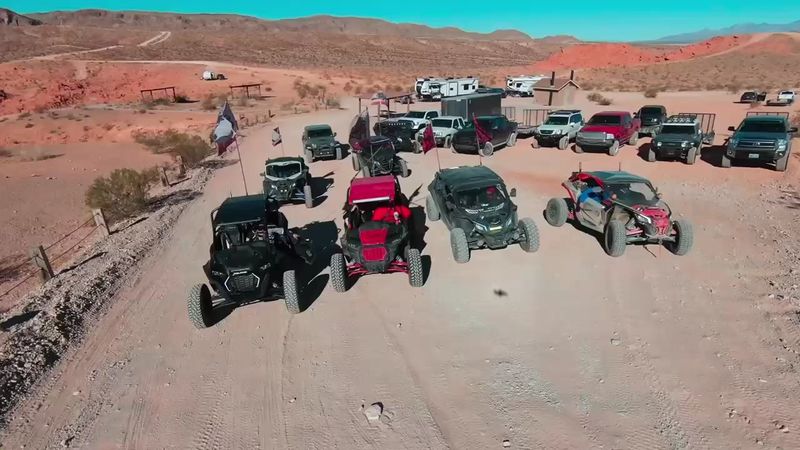
The trail system accommodates nearly every type of off-road vehicle, from nimble dirt bikes to full-size Jeeps with lift kits. ATVs handle the tighter trails with ease, while side-by-sides dominate the wider routes where speed becomes part of the fun.
Stock SUVs with four-wheel drive can tackle many of the main loops, though drivers should air down tires and proceed with reasonable caution.
Motorcycles find their sweet spot on the narrower single-track sections where larger vehicles cannot follow. Dual-sport bikes excel here, offering the range to explore distant corners of the system without carrying extra fuel.
Families often bring multiple vehicle types, allowing different skill levels to ride together on routes that suit everyone.
The diversity of allowed vehicles creates a social atmosphere at the main staging area, where riders compare equipment and share trail recommendations. Tour groups frequently bring rental UTVs from nearby Moapa Valley, introducing newcomers to the sport in a relatively forgiving environment.
This multi-vehicle approach keeps the trails active without favoring any single riding style.
The Terrain Shifts From Sandy Washes To Rocky Crawls
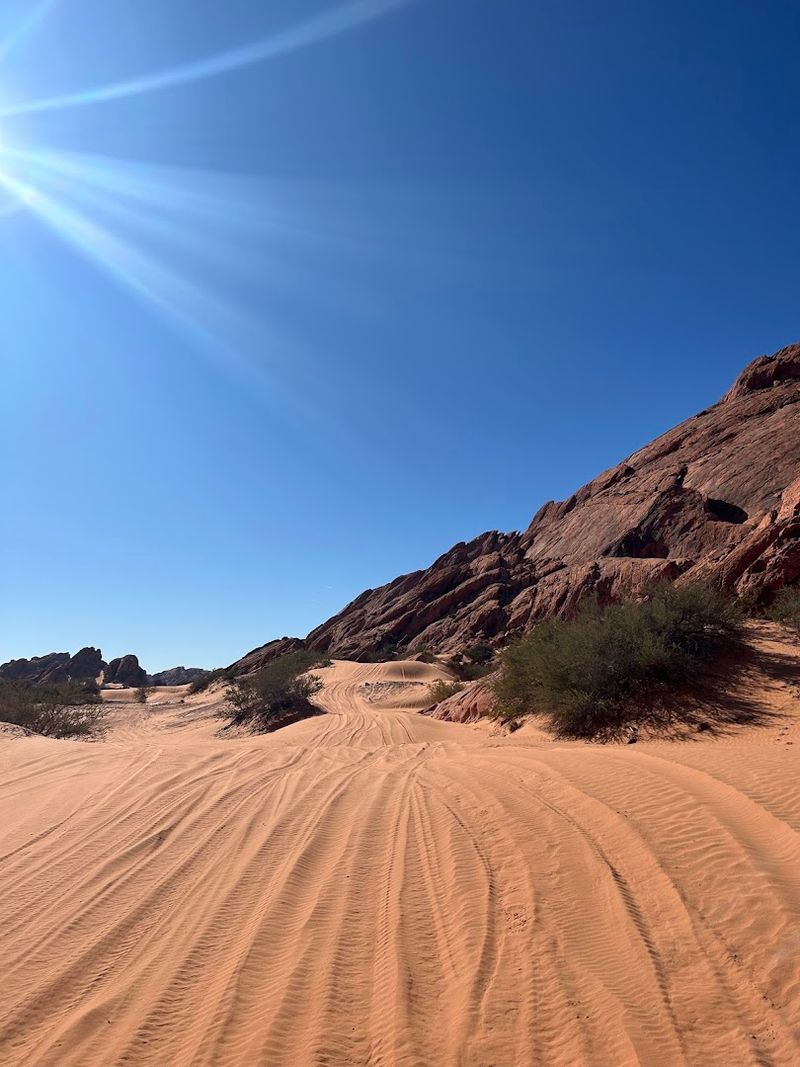
Riders encounter constant terrain changes that demand different techniques within the same loop. Sandy washes require momentum and a light touch on the throttle to avoid bogging down, while rocky sections slow the pace to a crawl as drivers pick careful lines through boulder fields.
This variety prevents the monotony that plagues some single-terrain trail systems.
The west side of the main loop runs primarily through sand, creating a flowing experience where vehicles can lean into turns and maintain steady speed. The east side introduces washboard roads and embedded rocks that test suspension systems and rider patience.
Some sections combine both elements, with sand filling gaps between larger stones.
Rain transforms the character of these trails dramatically, turning dry washes into sticky mud that clings to tires and undercarriages. Seasonal flooding rearranges sand deposits, creating new challenges that keep regular visitors on their toes.
The terrain diversity also means that mechanical failures rarely strand riders completely, as easier alternate routes usually exist nearby for limping back to camp.
Beginners Can Ride Here But Experts Still Get A Challenge
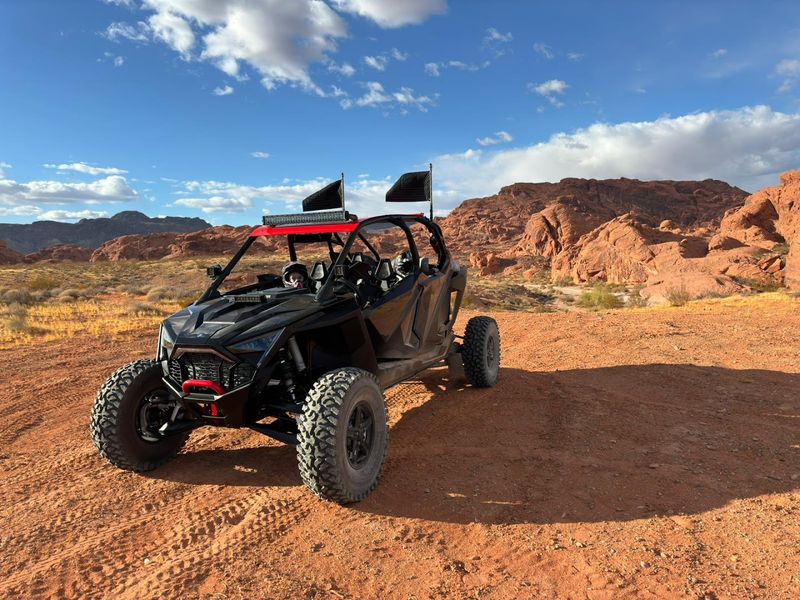
The trail system spreads its difficulty across a spectrum wide enough to welcome nervous first-timers while still humbling experienced rock crawlers. Beginners stick to the wider routes near the main entrance, where gentle grades and predictable surfaces build confidence without creating genuine danger.
These introductory trails allow new riders to learn vehicle handling in a forgiving environment.
Advanced sections hide in the side branches, where steep climbs and off-camber descents separate casual riders from committed enthusiasts. One particular climb on the east loop has earned a reputation for stopping unprepared vehicles, visible in the multiple tire tracks where drivers backed down after reconsidering their line choice.
Technical rock gardens demand precise wheel placement and often require a spotter walking ahead.
This range of difficulty means groups with mixed skill levels can start together on main routes, then split up as stronger riders peel off toward harder challenges. The lack of mandatory difficult sections prevents beginners from getting trapped beyond their ability, a common problem at other trail systems with limited route options.
The Main Routes Branch Into Side Trails Built For Bigger Thrills
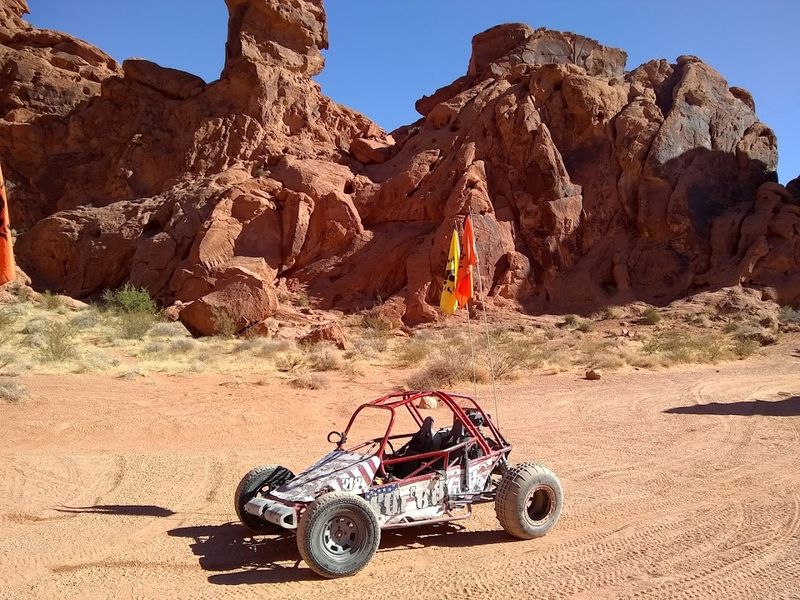
Primary trails serve as highways through the system, but the real entertainment often waits down the unmarked side trails that branch off at irregular intervals. These offshoots lead to technical features that would overwhelm beginners on the main routes, allowing the trail system to serve multiple audiences simultaneously.
Some side trails dead-end at scenic overlooks, while others loop back to rejoin the main network after a challenging detour.
Riders with GPS units or downloaded trail maps can identify these branches in advance, planning routes that hit specific features. Others prefer spontaneous exploration, taking promising-looking turns to see where they lead.
The side trails tend to be narrower and less maintained, with natural obstacles that shift position after each rainstorm.
Local riders have named certain side trails based on their characteristics or memorable incidents that occurred there. These informal names spread through word of mouth at the staging area, creating a folk geography that supplements official BLM maps.
The branching structure keeps the main routes from becoming congested while concentrating more aggressive riding in specific zones.
Ancient Petroglyphs Add History To The Desert Adventure
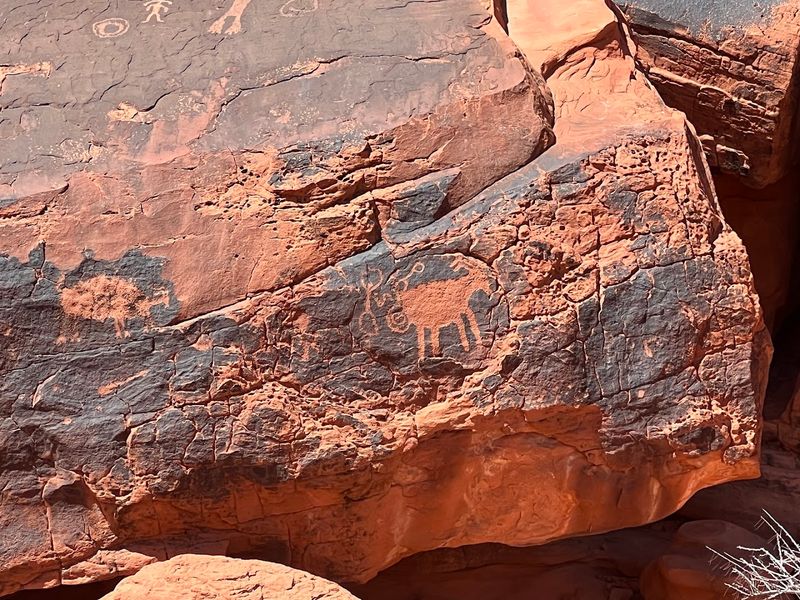
Indigenous rock art appears along several trails, offering a tangible connection to the humans who inhabited this desert long before motorized vehicles existed. These petroglyphs depict animals, geometric patterns, and human figures pecked into the dark desert varnish that coats many rock faces.
Riders who take time to search cliff bases often discover additional examples beyond the marked sites.
The petroglyphs add educational value to what might otherwise be purely recreational riding, particularly for families with children curious about desert history. Some riders make these cultural sites their primary destination, using the west loop trail for an out-and-back journey that avoids the roughest terrain.
The rock art remains surprisingly well-preserved, protected by its remote location and the respectful behavior of most visitors.
Viewing these ancient markings while sitting on a modern machine creates an interesting temporal contrast. The same red rocks that challenged ancient travelers now serve as playground features for weekend warriors.
BLM signage near major petroglyph sites provides basic interpretation without excessive development that might compromise the wilderness character.
The Location Near Valley Of Fire Makes The Scenery Even Better
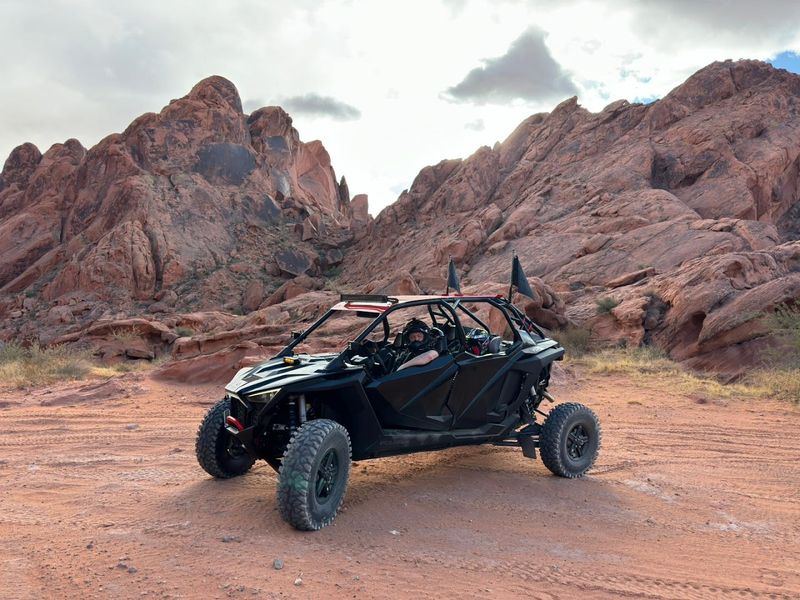
Logandale Trails shares the same dramatic geology as Valley of Fire State Park, located just a few miles away, but without the vehicle restrictions that keep motorized recreation out of the state park. This proximity means riders experience park-quality scenery while enjoying freedoms unavailable in more regulated areas.
The red sandstone formations continue across both landscapes, creating visual continuity that makes the entire region feel connected.
Many visitors combine trips to both locations, hiking in Valley of Fire during morning hours before returning to Logandale for afternoon riding. The contrast between protected parkland and open recreation area highlights different land management philosophies applied to similar terrain.
Both approaches have merit, though off-road enthusiasts clearly prefer the permissive attitude at Logandale.
The shared geology means that riders essentially get Valley of Fire scenery without entry fees, camping restrictions, or vehicle limitations. This value proposition attracts budget-conscious travelers and those who prefer dispersed camping over developed campgrounds.
The scenic quality rivals any paid attraction in southern Nevada, making the free access feel almost too good to be true.
More Than 45,000 Acres Give Riders Room To Spread Out
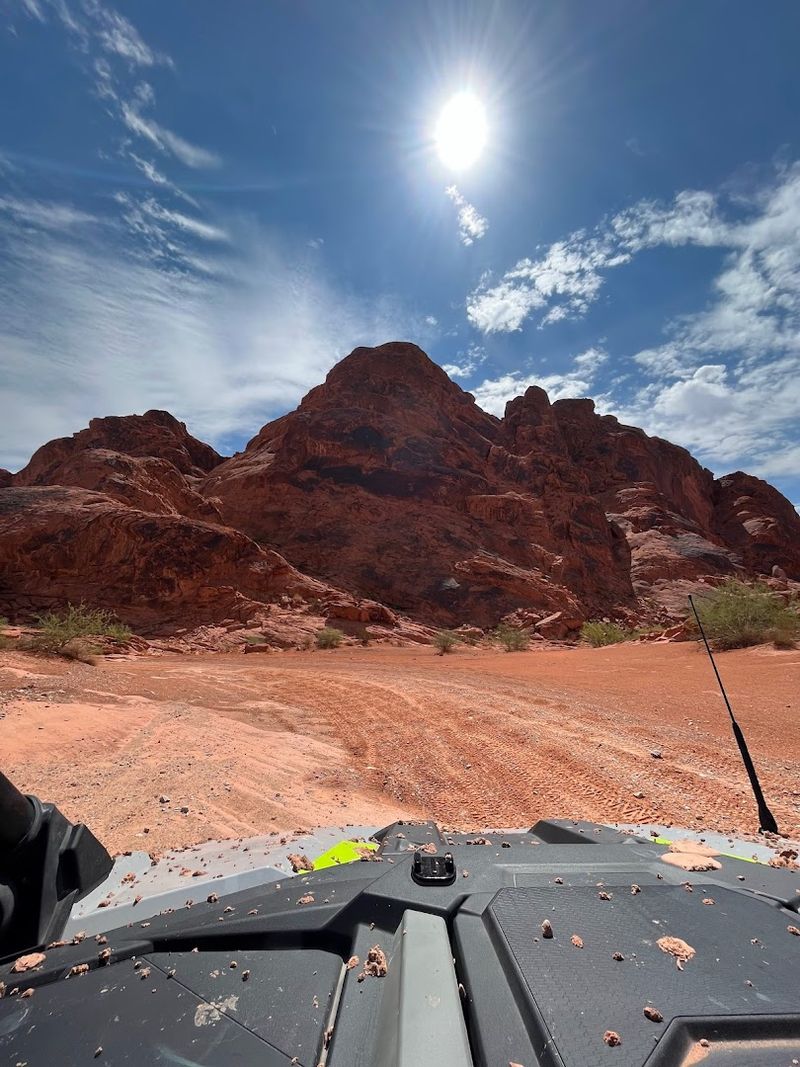
The massive acreage prevents the crowding that plagues smaller trail systems, particularly during peak winter months when southern Nevada weather attracts maximum visitors. Even on busy weekends, riders can find solitude by pushing beyond the first few miles of main trails.
The scale allows for genuine exploration rather than simply following predetermined loops in sight of other riders.
This space also accommodates free camping throughout the area, though most visitors cluster near the main trailhead where vault toilets and established campsites provide basic amenities. Adventurous campers disperse into the backcountry, finding private spots among the rocks where generator noise and dust from passing vehicles become non-issues.
The BLM allows camping anywhere within the recreation area, subject to basic leave-no-trace principles.
The acreage figure becomes meaningful when compared to smaller off-road parks that pack too many riders into limited space. Here, the land absorbs visitor impact without feeling overused or degraded.
Multiple groups can ride simultaneously without crossing paths, creating a sense of personal discovery that enhances the overall experience beyond simple trail riding.
The Trails Are Not Just For OHVs
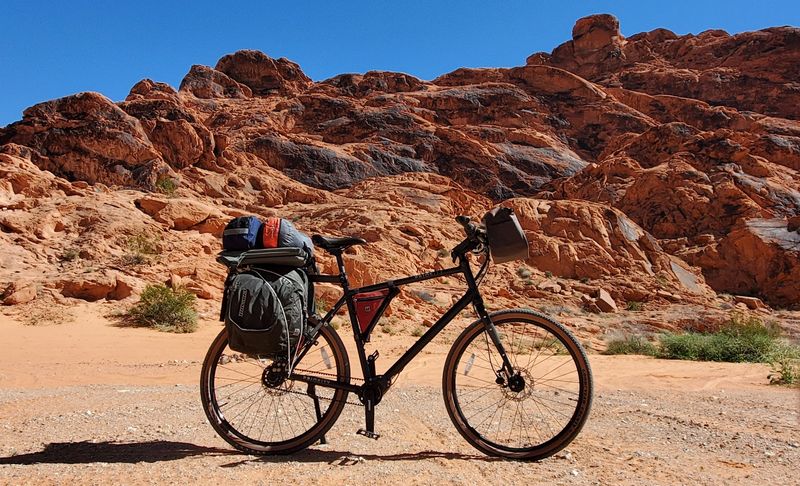
Mountain bikers and hikers also use the trail system, though they remain a minority compared to motorized users. The shared-use designation requires all trail users to exercise courtesy and awareness, particularly on blind corners where faster vehicles might encounter slower human-powered travelers.
Most interactions remain friendly, with riders generally respectful of more vulnerable trail users.
Cyclists appreciate having access to the same dramatic scenery that motorized users enjoy, pedaling through landscapes normally reserved for vehicles in many desert areas. The sandy sections prove challenging on bikes, requiring strong legs and good bike handling skills.
Some mountain bikers specifically seek out the Logandale system because it offers less competition for trail space than popular bike-only areas.
Equestrian use occurs occasionally, though horses remain rare compared to other user groups. The multi-use approach reflects BLM management philosophy that emphasizes shared access over exclusive designation.
This openness creates occasional conflicts but generally works well due to the large acreage that allows different users to self-separate based on preferred terrain and desired experience.
Desert Wildlife And Native Plants Make The Ride Feel Alive
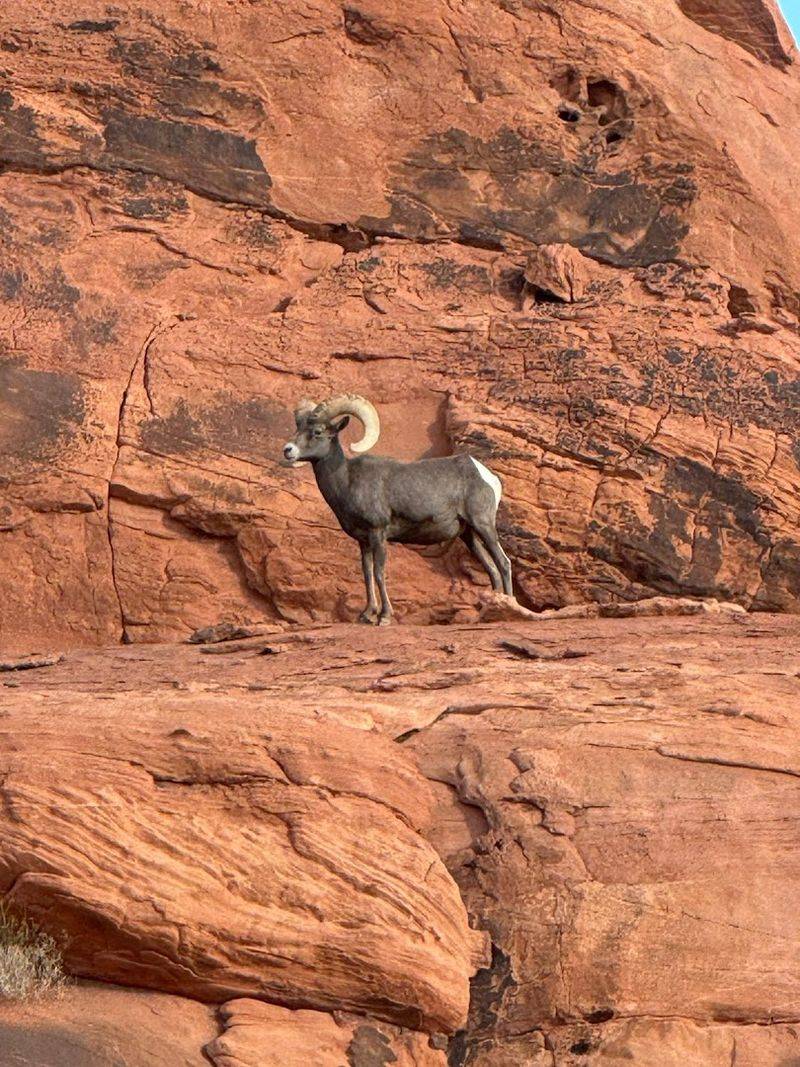
Bighorn sheep appear regularly enough that spotting them becomes a realistic possibility rather than a lottery-odds event. These magnificent animals navigate the rocky terrain with casual grace that makes even expert riders feel clumsy by comparison.
Other wildlife includes desert tortoises, various lizard species, and occasional coyotes that watch from safe distances as vehicles pass.
Native vegetation dots the landscape despite the harsh conditions, with creosote bushes, barrel cacti, and scattered Joshua trees adding green accents to the dominant red and tan color scheme. Spring wildflowers transform certain areas into surprising color displays after wet winters, though most visitors arrive during the drier months when blooms have faded.
The plant life reinforces the sense of riding through living desert rather than barren wasteland.
Bird species range from common ravens to occasional golden eagles soaring on thermal currents above the rock formations. Riders who pause engines to check maps or consult GPS often notice the desert soundscape that motorized noise usually masks.
This wildlife presence adds depth to the experience, reminding visitors that they are guests in an ecosystem that functions independently of human recreation.
The Area Feels Remote Without Being Too Far From Las Vegas
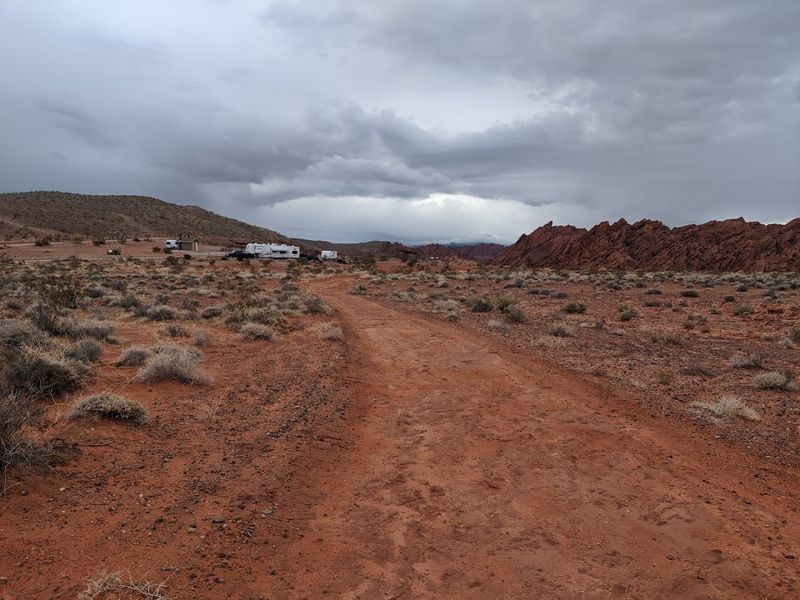
Las Vegas sits roughly an hour away, close enough for day trips but distant enough that the desert feels genuinely isolated. This proximity makes Logandale accessible to urban riders who want adventure without committing to multi-day expeditions into deeper wilderness.
The drive northeast from the city transitions quickly from suburban sprawl to open desert, creating a psychological separation that enhances the escape factor.
Cell phone service remains spotty throughout the trail system, adding to the remote atmosphere while occasionally causing navigation challenges for riders dependent on phone-based GPS. This limited connectivity forces a healthy disconnection from daily digital distractions, though it also means that mechanical breakdowns or injuries require self-reliance until returning to areas with signal.
Most riders appreciate the forced unplugging as part of the experience.
The location also positions Logandale as a convenient stop for travelers heading between Las Vegas and Utah destinations like Zion National Park. Many visitors discover the area by accident while passing through the region, then return specifically for longer riding sessions.
The combination of accessibility and authentic remoteness creates an ideal balance for weekend warriors and serious enthusiasts alike.