
Indiana’s Most Beautiful River Is So Clear You Can See Straight To The Bottom
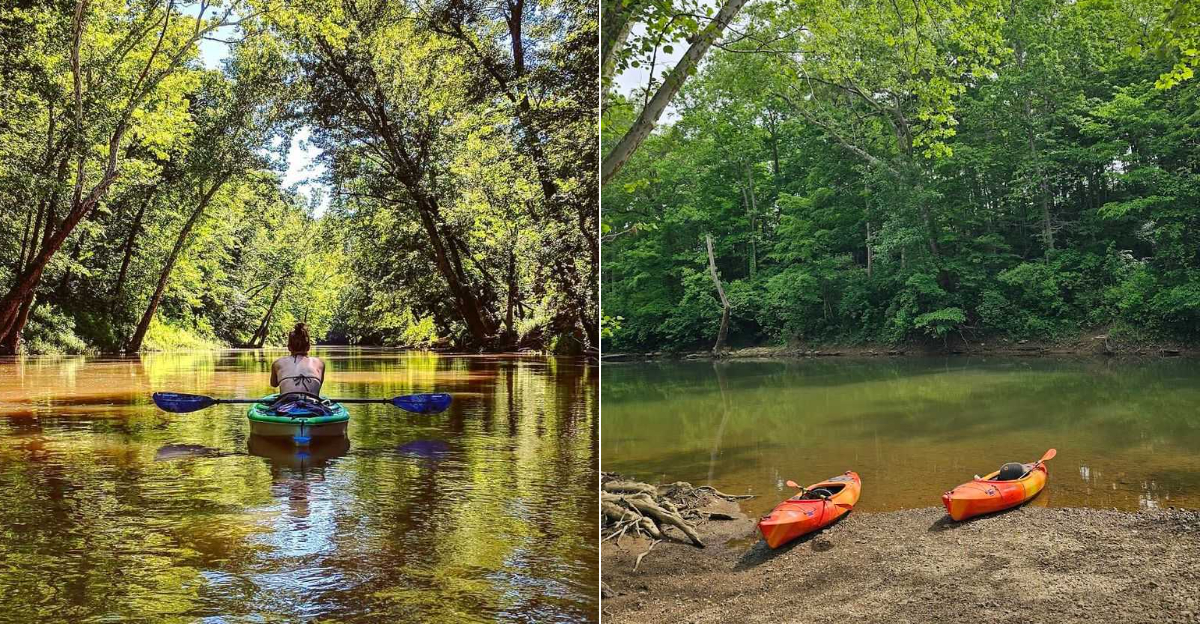
Clear water changes the whole experience of being outdoors. In Indiana, this remarkable river invites visitors to slow down and enjoy views that are easy to miss in a faster world.
A kayak ride here feels less like transportation and more like exploration. How often do you get the chance to look straight through the water and spot what is happening beneath the surface?
Each bend brings something new to admire along the shoreline. Towering rock formations, quiet stretches of water, and peaceful scenery make it easy to forget about the clock.
This is the kind of outing that rewards curiosity and a little extra time. Pack a sense of adventure, leave room for a few unplanned stops, and enjoy one of the most beautiful river journeys Indiana has to offer.
Crystal Clear Water Magic
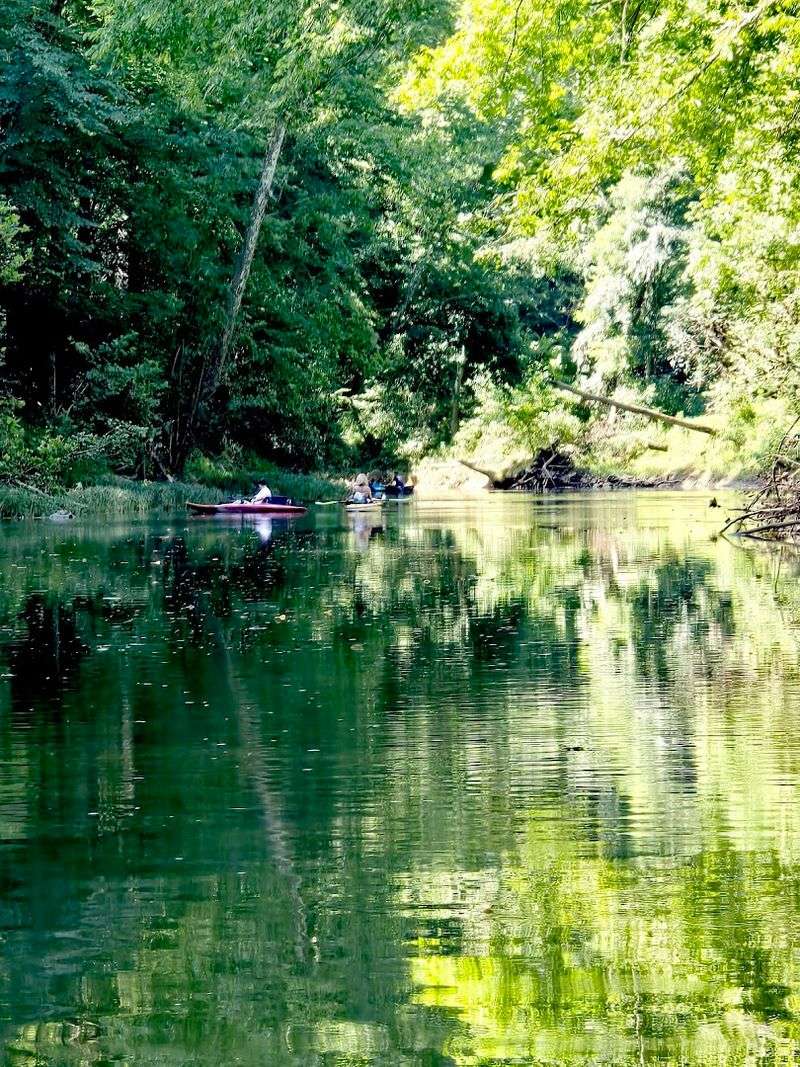
You can see every pebble, every fish, every ripple on the limestone floor beneath your kayak. That kind of clarity is rare in any river, anywhere.
The secret behind this stunning transparency is the river’s heavy reliance on underground water sources. Subterranean springs feed the Blue River constantly, pushing cold, filtered water up through the limestone and into the channel.
The result is water that stays remarkably clear almost year-round.
After heavy rainfall, visibility drops temporarily. But on a calm sunny day, the water takes on a faint blue tint that gives the river its name.
Visitors say it looks too perfect to be real.
Fishermen love this feature for obvious reasons. You can actually spot your target before you cast.
Kayakers love it because watching the riverbed scroll beneath you feels almost hypnotic.
Have you ever floated over water so clear it felt like floating on air? That is exactly what the Blue River delivers.
Indiana does not have many places quite like this, which makes every visit feel like a privilege worth protecting.
First Protected Indiana Stream
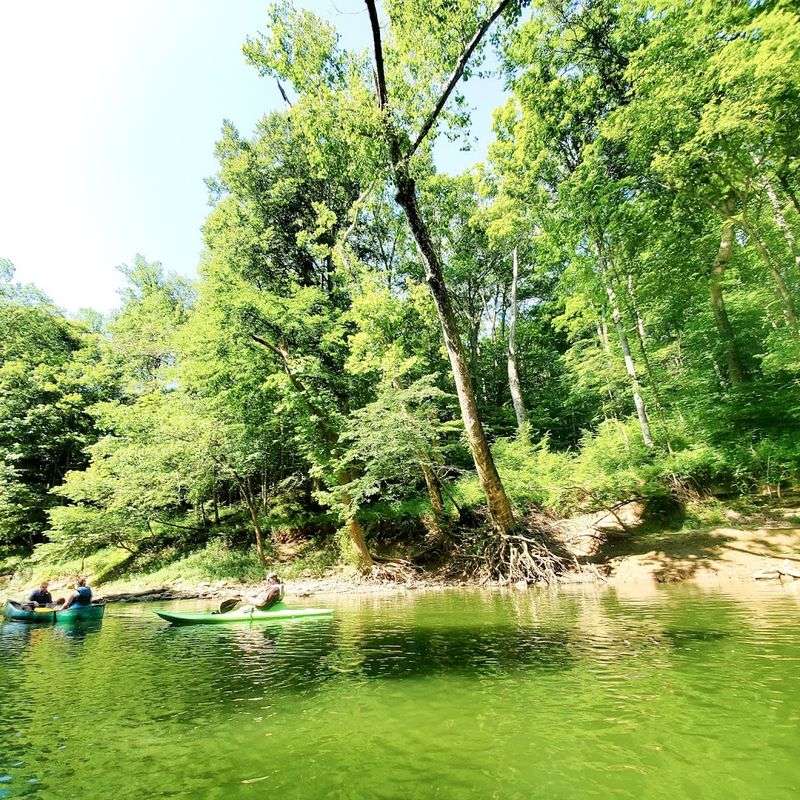
History has a way of showing up in unexpected places. The Blue River earned a milestone in 1973 that no other Indiana waterway had claimed before it.
It became the first stream in Indiana protected under the Natural Scenic and Recreational Rivers Act. That designation was not handed out casually.
The river had to prove it was worth protecting, and it clearly made a strong case.
That legal protection has kept the surrounding land largely undeveloped. The thick forests, limestone bluffs, and cave-dotted hillsides you see today exist partly because of that 1973 decision.
Generations of paddlers and hikers have benefited from it without even knowing.
Visitors say the undeveloped shoreline is one of the most striking things about the experience. There are no condos, no parking lots pressing up against the water.
Just trees, rock, and river.
What does it mean to paddle through a place that Indiana decided was too special to change? It means every bend you round looks like it did decades ago.
That kind of preservation is something worth celebrating every time you push off from the bank.
Kayak And Canoe Heaven
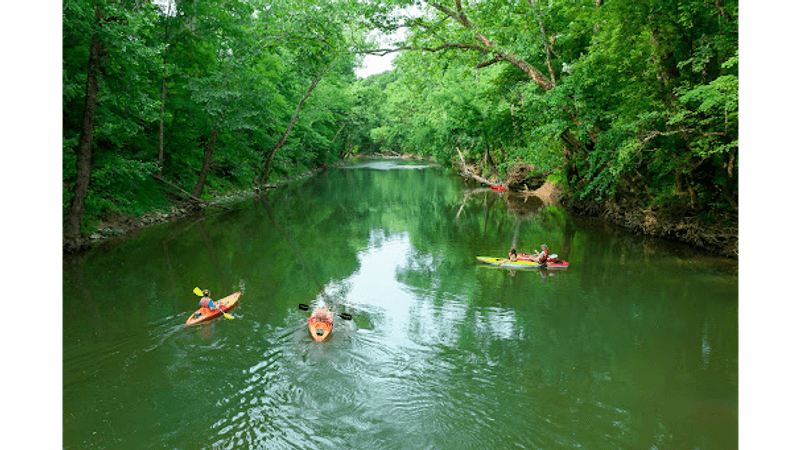
Flat water, clear visibility, and a river that moves at a pace you can actually enjoy. The Blue River is practically designed for paddling.
Multiple public access points make it easy to plan trips of different lengths. Several local outfitters operate along the river, offering canoe and kayak rentals along with shuttle services so you do not need to worry about getting back to your car.
That kind of convenience makes the river accessible even for first-timers.
The most celebrated stretch runs between Milltown and Rothrock’s Mill. Paddlers who have done this section repeatedly say it never gets old.
Around every bend there is something new, a limestone wall rising from the water, a deep pool that changes color in the afternoon light, or a great blue heron standing absolutely still in the shallows.
Depth varies by season and rainfall, so checking conditions before you go is always smart. After rain, the current picks up and the water level rises.
On drier days, some shallow riffles require a bit of maneuvering.
Can you think of a better way to spend a Saturday than floating through one of Indiana’s most beautiful river corridors? Pack a snack, wear sunscreen, and let the current do most of the work.
Limestone Bluffs And Caves
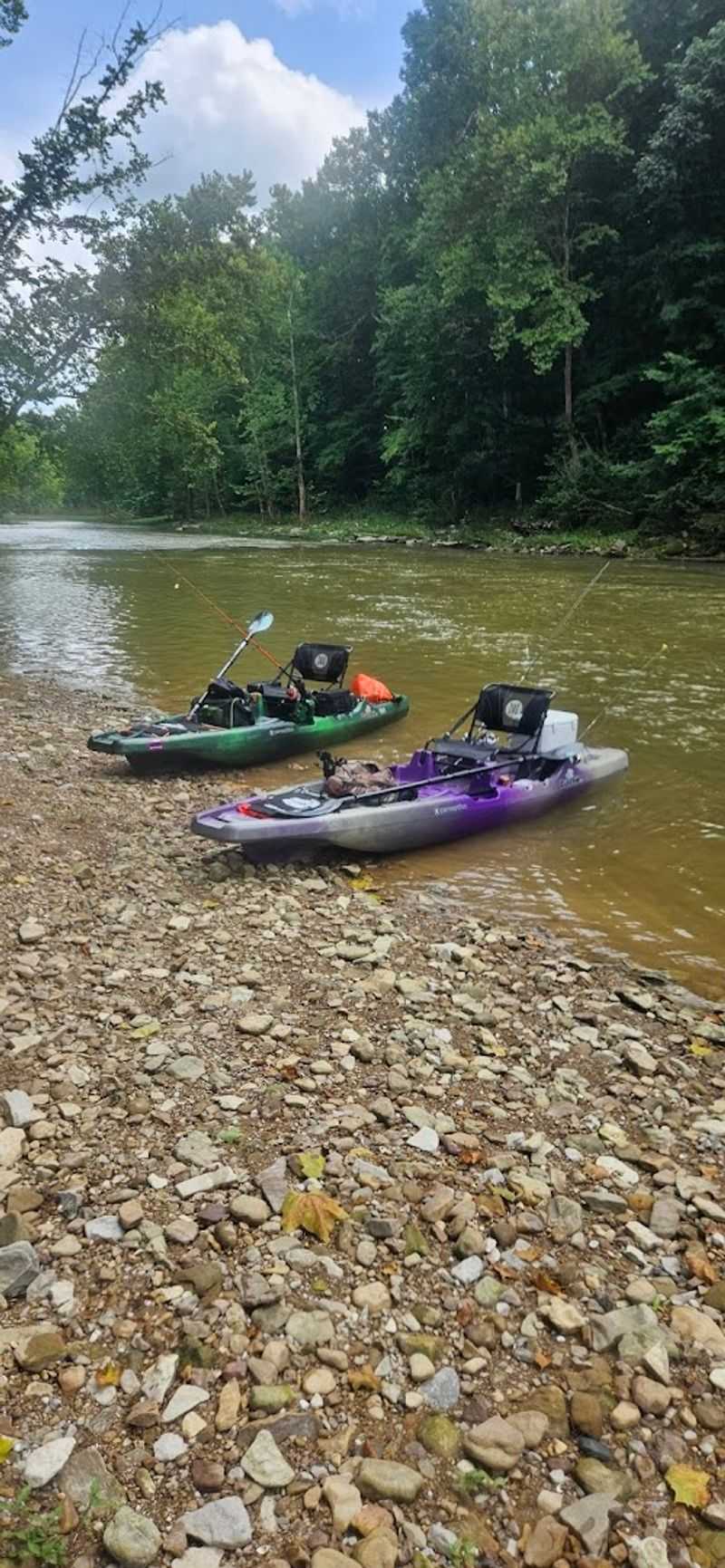
The geology along the Blue River is genuinely jaw-dropping. Tall limestone bluffs shoot straight up from the water’s edge in some sections, creating walls of ancient rock draped in moss and ferns.
Southern Indiana sits on a karst landscape, which means the bedrock is riddled with caves, sinkholes, and underground passages. The Blue River corridor is full of these features, and many of them are visible right from the water.
Paddlers often spot cave openings tucked into the bluffs as they float past.
The caves are part of the reason the river stays so clear. Water filters through the limestone underground for miles before emerging as springs along the riverbank.
That natural filtration system is working constantly, even when you cannot see it.
Hikers exploring the surrounding hills can find additional cave formations and dramatic overlooks. The terrain here is steep and wooded, nothing like the flat farmland most people picture when they think of Indiana.
Have you ever floated past a cave entrance while sitting in a kayak? It is the kind of moment that makes you want to stop paddling and just stare.
The Blue River offers that experience around almost every limestone bend.
Fishing Like A Pro
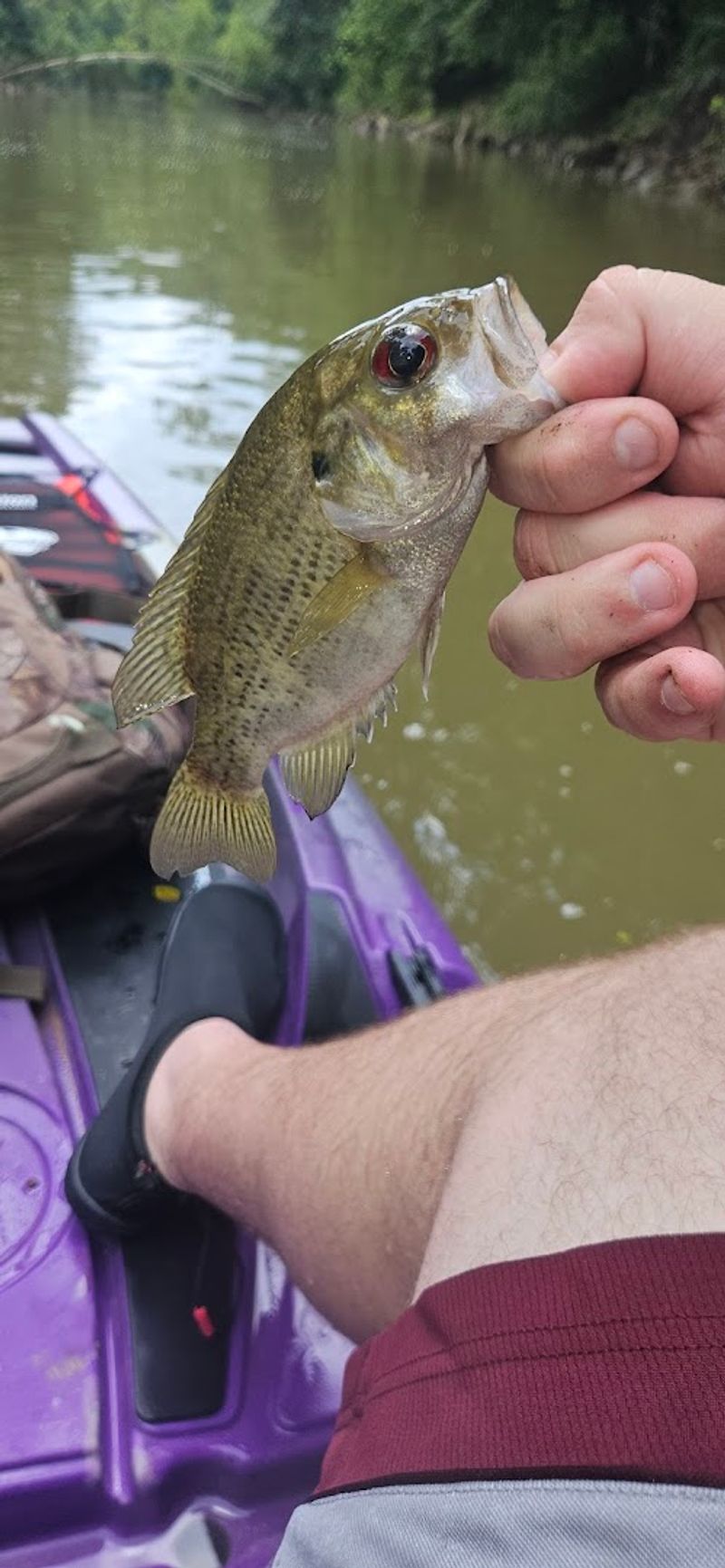
Anglers who fish the Blue River for the first time often come back the very next weekend. That says everything you need to know about what this river offers.
The clear water creates conditions similar to a spring creek fishery. You can watch fish holding in current seams, feeding in pools, and darting through riffles.
Smallmouth bass are the main attraction, and they grow well in the cold, oxygenated water the river provides. Visitors say the fishing here feels more like a puzzle than a lottery.
The varied habitat makes a real difference. Deep corner pools hold larger fish during warmer months.
Shallow riffles and rocky runs attract active feeders. Large boulders scattered across the riverbed create natural ambush points that experienced anglers know to target.
Because the water is so clear, presentation matters more than usual. Fish can see your approach, your line, and your lure with unusual precision.
That challenge is exactly what keeps serious anglers coming back season after season.
Indiana is not the first state people think of for world-class fishing, but the Blue River has a way of changing that assumption fast. What is the best fish you have ever spotted from above the water before casting?
Milltown To Rothrock’s Run
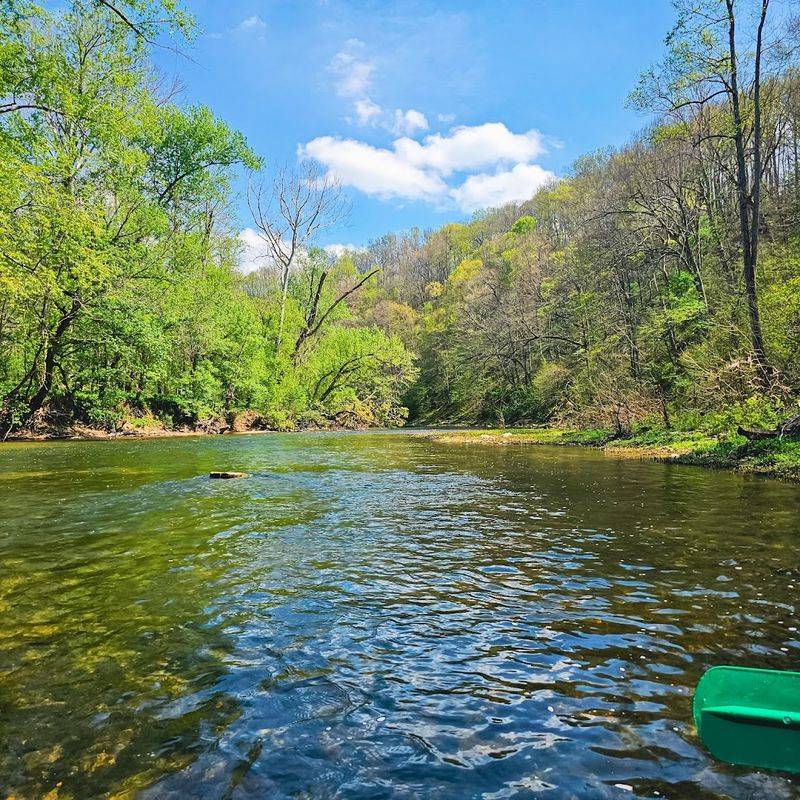
Ask any local paddler which stretch of the Blue River is their favorite, and most will point you toward the same answer without hesitating.
The section between Milltown and Rothrock’s Mill is widely considered the most scenic corridor on the entire river. Old iron bridges appear along the way, and visitors say the sight of those historic structures reflected in the clear water is something that sticks with you long after the trip ends.
The lower section approaching Rothrock’s is particularly beloved among those who have paddled it multiple times. The bends get tighter, the bluffs get taller, and the sense of being truly deep in nature gets stronger with every stroke.
Families with older kids, couples, and solo paddlers all find something to love about this section.
The takeout and parking at Rothrock’s has seen changes over the years as the family that once ran it has moved on. Checking current access information before your trip is a smart move to avoid surprises at the end of a long paddle.
Some river trips are just transportation from point A to point B. This one is an experience you plan around, photograph obsessively, and talk about at dinner for the next two weeks.
Wildlife Along The Banks
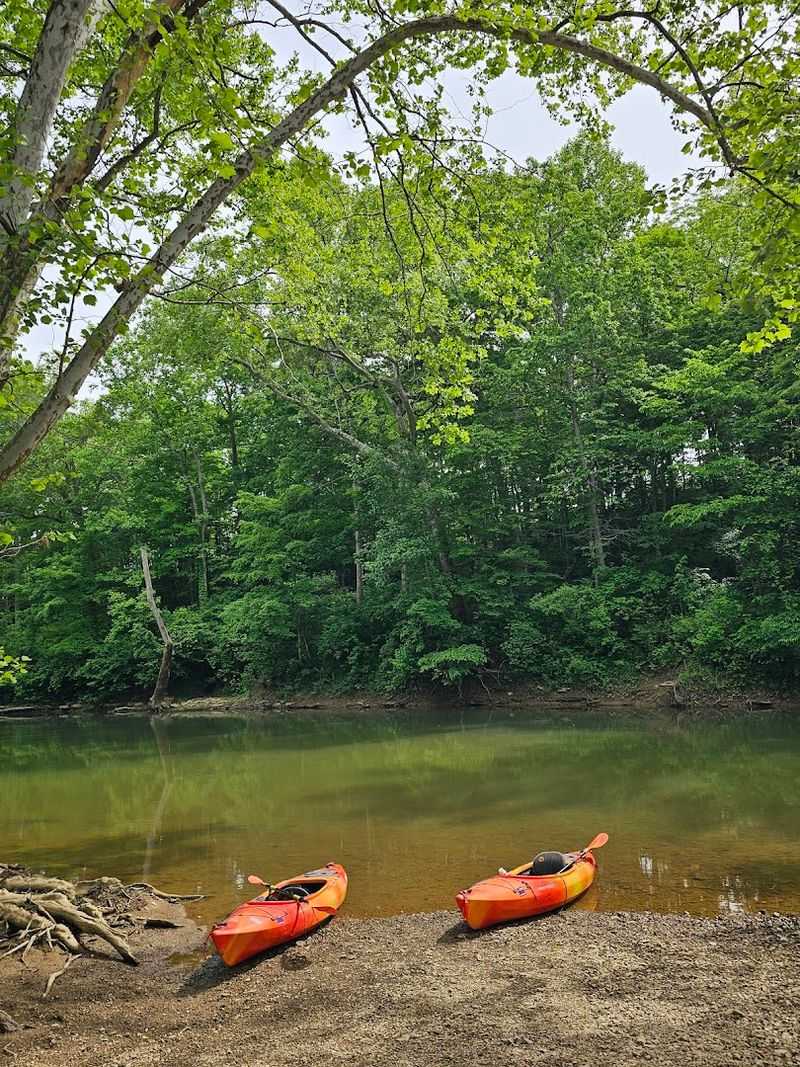
The Blue River does not just offer beautiful water. It offers a front-row seat to one of the most diverse wildlife corridors in southern Indiana.
Great blue herons are almost guaranteed sightings on any paddle. They stand motionless in the shallows, watching the water with complete patience, and then lift off with a slow, prehistoric wingbeat that never gets old to watch.
River otters have been spotted in quieter sections, slipping in and out of the water with effortless speed.
The heavily wooded banks support populations of white-tailed deer, wild turkey, and a remarkable variety of songbirds. Early morning paddlers often catch the full symphony of a southern Indiana forest waking up around them.
Turtles line every sunny log along the river. Muskrats build their lodges in the quieter backwaters.
Kingfishers dart low across the surface in flashes of blue and rust.
Indiana’s natural world is alive and well along this river, and it shows up without any effort on your part. You just have to float quietly and pay attention.
What is the most surprising animal you have ever spotted from a kayak? The Blue River has a good chance of adding a new one to your list.
Best Time To Visit
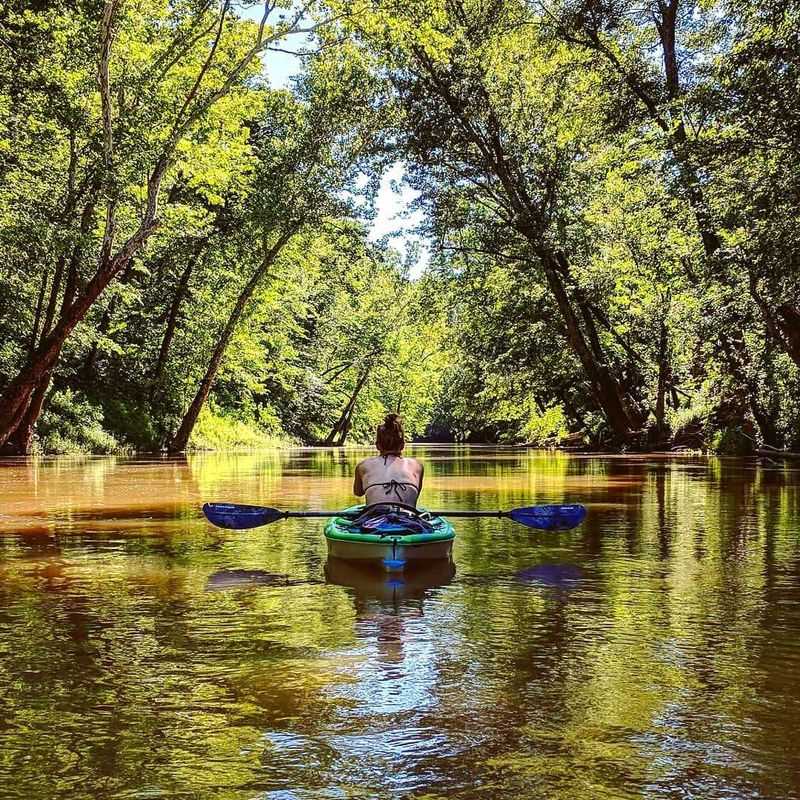
Timing your visit to the Blue River makes a genuine difference in what you experience. The river changes personality with the seasons, and each one has something worth showing you.
Spring brings higher water levels and a faster current, which makes for exciting paddling and great fishing as fish become more active after winter. The forest along the banks explodes into green during May, and the contrast against the pale limestone is genuinely striking.
Summer is the most popular season for a reason. Water levels drop to comfortable depths for kayaking, the water temperature warms slightly, and the long daylight hours give you plenty of time on the river.
Weekdays are noticeably quieter than weekends if you prefer a more solitary experience.
Fall might be the most underrated season on the Blue River. The hardwood forest turns orange, red, and gold, and those colors reflect in the clear water below in a way that feels almost too beautiful to be real.
Visitor traffic drops significantly after Labor Day.
Winter visits are for the truly adventurous. The bare trees open up long views of the bluffs, and the river runs at its clearest when rainfall is low.
Indiana in winter along this river is cold, quiet, and completely worth it if you dress right.