
This Tiny River Town In West Virginia Is The Kind Of Place You Never Want To Leave
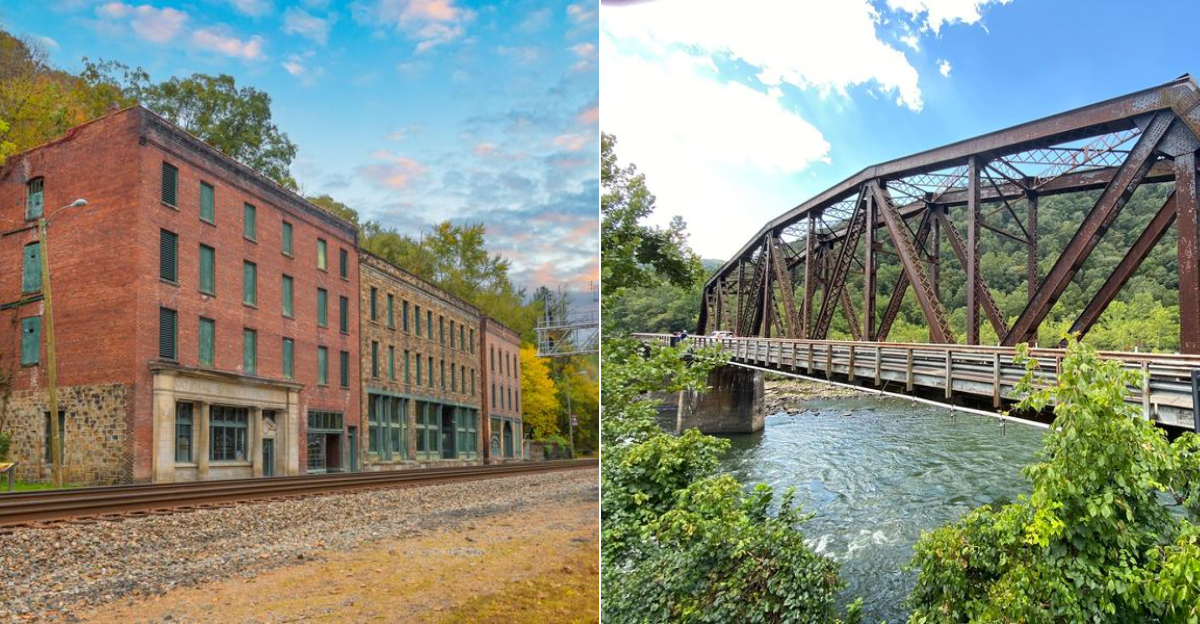
Getting away from the crowds can feel surprisingly rewarding. In West Virginia, one tiny riverside community offers the kind of day that makes visitors slow down and pay attention to every detail around them.
The scenery grabs attention right away, but the stories behind it are just as fascinating. How often do travelers find a place where history, nature, and adventure all share the same stretch of river?
Every walk reveals something worth noticing. Old buildings, dramatic cliffs, and peaceful views create the perfect excuse to put the phone away and enjoy the moment.
This is not a stop that needs a packed itinerary to be memorable. Spend a little time exploring, take plenty of photos, and discover why so many visitors leave West Virginia wishing they had planned a longer stay.
A Town Frozen In Time
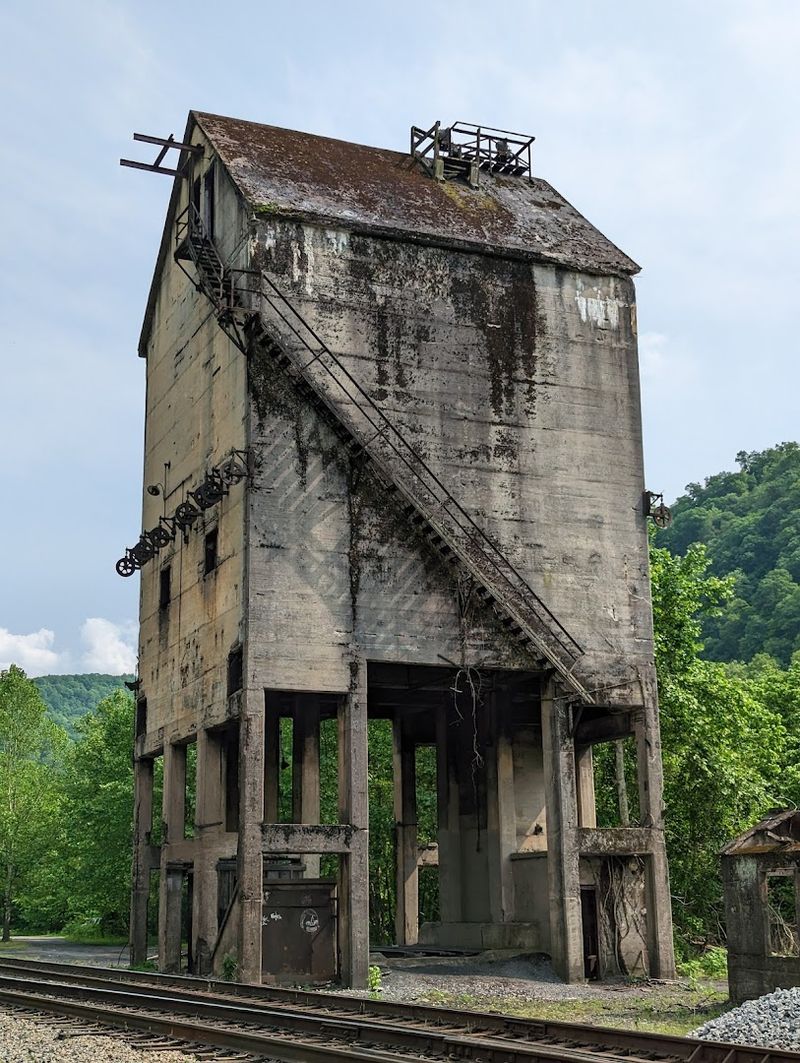
Established in the late 1800s and named for Captain W.D. Thurmond, this tiny town once punched far above its weight class.
At its peak in the 1920s, more coal passed through Thurmond than through Cincinnati, making it one of the most economically powerful stops on the entire Chesapeake and Ohio Railway.
Up to 15 passenger trains rolled through daily, and the town roared with commerce, ambition, and energy. Banks, hotels, and commercial buildings lined the streets, serving miners, railroad workers, and travelers from across the region.
Can you imagine this quiet riverside spot once being louder than most American cities?
Then came a series of devastating fires in the 1920s and 1930s, followed by the rise of automobiles and the railroad’s shift to diesel engines in the 1940s. The town began to empty out slowly but surely.
Today, Thurmond is listed on the National Register of Historic Places, and roughly 80 percent of the town is managed by the National Park Service as part of New River Gorge National Park and Preserve. Walking its streets feels like reading a history book written in brick and steel.
The 2020 census recorded a population of just five people, making Thurmond one of the smallest incorporated towns in the entire United States.
The Depot That Still Has Stories To Tell
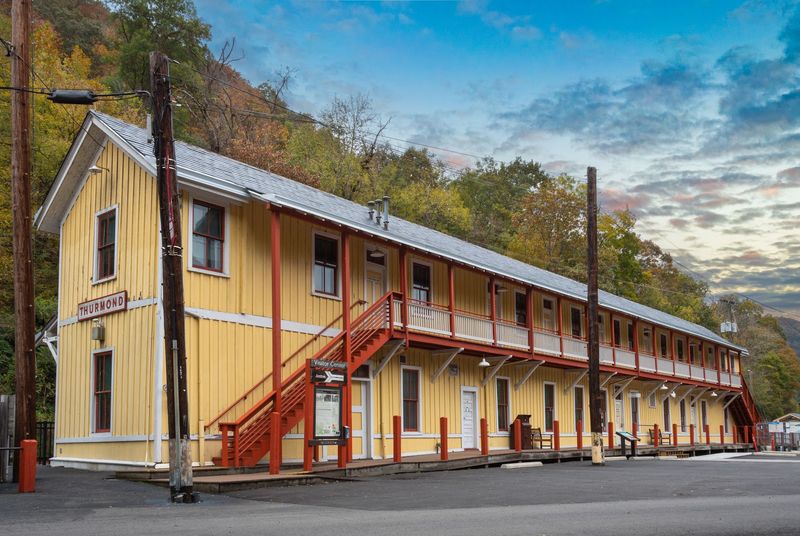
Right at the heart of Thurmond stands the restored Thurmond Depot, a handsome brick building that once served as the nerve center of a booming railroad economy. Today it operates as a summer visitor center for New River Gorge National Park and Preserve, welcoming curious travelers who want to understand what made this place so remarkable.
The depot remains on the Amtrak Cardinal route, which passes through three times a week, though visitors should check current Amtrak conditions before planning to board here.
Inside, exhibits trace the rise and fall of the coal and railroad economy that shaped this entire region. Old photographs show crowded platforms, stacked freight cars, and well-dressed passengers waiting under the same roof you are standing beneath right now.
The National Park Service rangers stationed here during summer months are incredibly knowledgeable and genuinely enthusiastic about sharing the depot’s layered past. Stop in, ask questions, and pick up a trail map while you are at it.
The depot sits right along West Virginia 25901, making it one of the easiest and most rewarding first stops on any Thurmond visit. It sets the tone for everything else you are about to discover.
A Natural Stage Set Around You
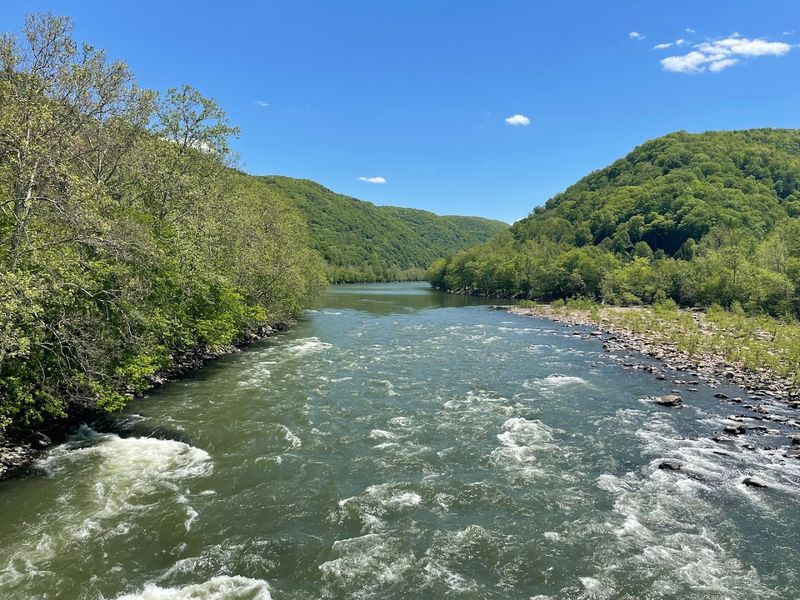
The New River is one of the oldest rivers in North America, and from Thurmond, you get a front-row seat to its slow, powerful presence. The gorge walls rise sharply on both sides, draped in dense Appalachian forest that shifts color with every season.
Spring brings soft greens, autumn turns the whole canyon into a canvas of orange and red.
Standing at the river’s edge near town, the scale of the gorge becomes immediately clear. These are not gentle hills.
These are ancient, dramatic walls of rock and forest that make you feel wonderfully small. Have you ever stood somewhere and felt the landscape physically take your breath away?
The New River itself offers some of the most exciting whitewater rafting in the eastern United States, with sections ranging from calm floats to serious rapids. Outfitters operating in the broader New River Gorge area can set you up with guided trips that suit every experience level.
Fishing is also a beloved activity here, with smallmouth bass and other species drawing anglers throughout the warmer months. Boating on calmer stretches gives paddlers a unique water-level view of the gorge walls and the historic structures of Thurmond itself.
The river does not just frame the town. It defines it, shapes it, and gives it a pulse that you can feel the moment you arrive at West Virginia 25901.
Hiking Trails That Lead To Discoveries
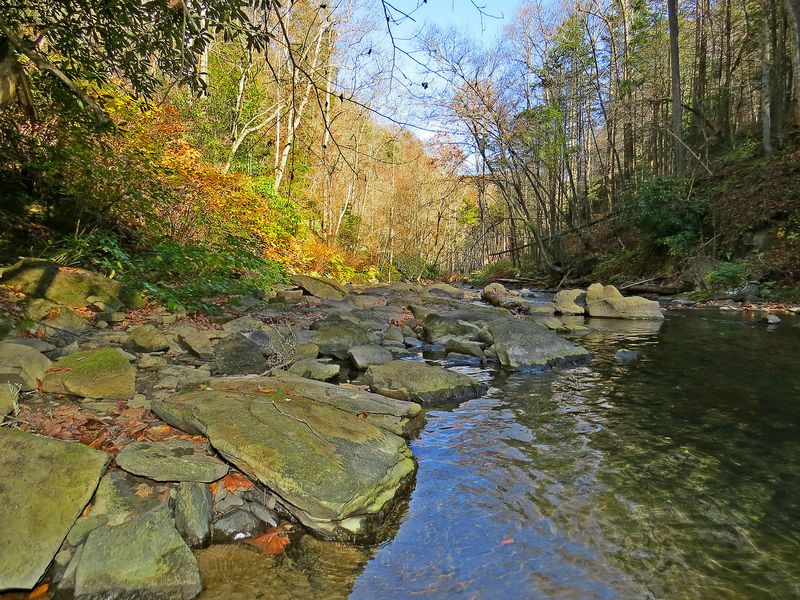
Thurmond is surrounded by trail networks that reward every type of hiker, from the casual stroller to the serious backcountry explorer. The Rend Trail is one of the most popular options near town, following old railroad grades through forest and offering river views that make every step worthwhile.
The trail system connects Thurmond to nearby historic sites and natural landmarks, so you are never just walking through trees. You are walking through layers of Appalachian history, past remnants of old mining operations, crumbling structures, and landscapes that have barely changed in a hundred years.
Does the idea of hiking through a place that feels genuinely undiscovered appeal to you?
Trail conditions vary by season, so checking in with the ranger station at Thurmond Depot before heading out is always a smart move. Rangers can point you toward trails that match your fitness level and highlight any seasonal highlights worth seeking out.
Beyond the Rend Trail, the broader New River Gorge National Park trail system includes routes to the Kaymoor Mine Site and Ruins, a hauntingly well-preserved industrial complex that offers some of the most dramatic scenery in the entire park. The Grandview Overlook is another nearby highlight, delivering sweeping panoramic views of the gorge that no photograph fully captures.
Thurmond serves as a natural starting point for all of it, making it more than just a destination. It is a basecamp for serious Appalachian adventure.
Historic Architecture You Can Walk Through
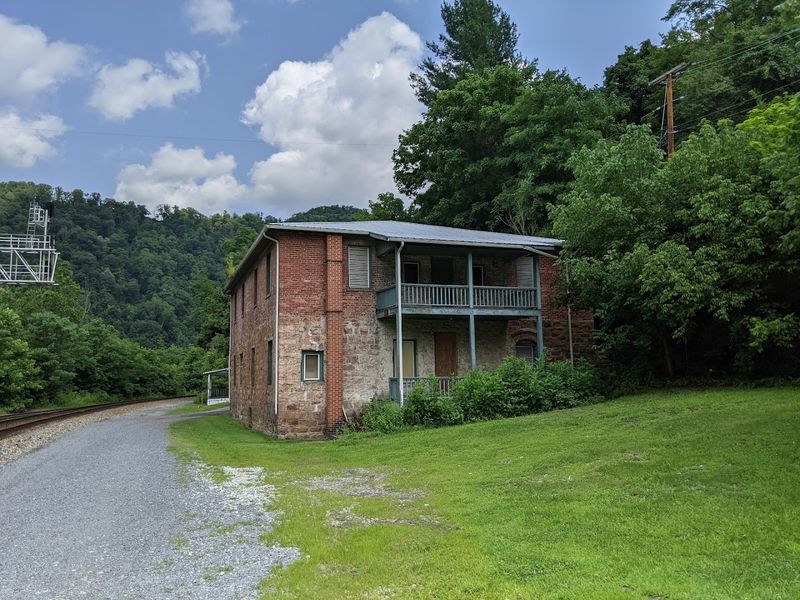
Most ghost towns leave you staring at foundations and faded photographs. Thurmond is different.
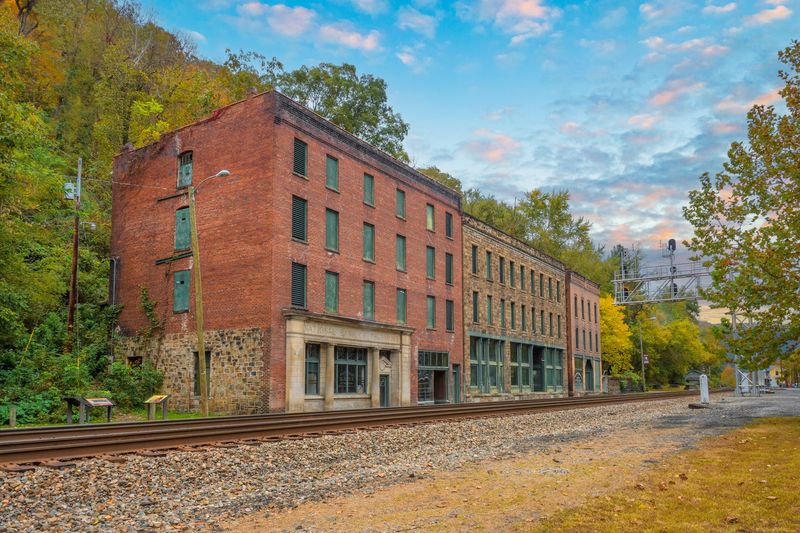
A remarkable number of original structures still stand, giving visitors a tangible, three-dimensional sense of what this place once looked like at full capacity. Old banks, commercial storefronts, a church, residential homes, and coal and rail infrastructure all survive in various states of preservation.
Walking the short main street of Thurmond feels like moving through a carefully curated outdoor museum, except nothing is behind glass and no one is asking you to stay on a marked path. The National Park Service manages the site thoughtfully, preserving what remains without turning it into a theme park version of itself.
Is there anything more satisfying than a historic site that trusts you to explore it honestly?
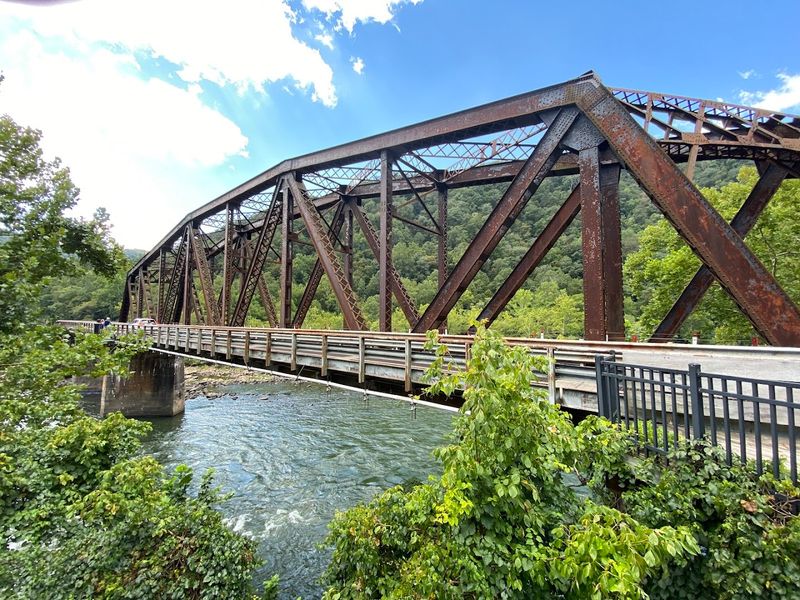
The Thurmond Rail Bridge is one of the architectural highlights worth seeking out, offering both a striking visual landmark and a reminder of the engineering ambition that made this valley so productive. Photographers find it especially compelling in early morning light, when mist rises from the river below.
Each building tells a fragment of a larger story about industrial ambition, community life, and the eventual quiet that settled over the valley. The textures, the weathered wood, the old signage still visible on certain walls.
All of it adds up to a visit that stays with you long after you have driven back out of the gorge and returned to the noise of ordinary life.
The Legendary Dun Glen Hotel
Every great town has at least one legendary story, and Thurmond has a particularly colorful one attached to the old Dun Glen Hotel. Located just outside the incorporated town limits, this upscale resort was once the social hub of the entire New River Gorge region, drawing visitors from far beyond the coal fields.
The Dun Glen was famously associated with gambling and high-stakes card games, and according to local legend, it was reportedly the site of the world’s longest poker game. Whether that claim holds up to historical scrutiny or not, the reputation stuck, and it tells you everything about the kind of energy this valley once generated.
Does a place with a story like that not immediately make you want to know more?
The hotel no longer stands, but its legend adds a rich layer of social history to any visit. It serves as a reminder that Thurmond was never just an industrial outpost.
It was a full community with ambition, entertainment, and a social scene that rivaled towns many times its size.
Asking rangers at the depot about the Dun Glen often opens up a broader conversation about the town’s social history that goes well beyond the coal and railroad narrative. The human stories of Thurmond are just as compelling as the industrial ones, and the Dun Glen Hotel sits right at the center of the most entertaining chapter in the whole collection.
Nearby Wonders Worth Adding To Your Itinerary
Thurmond is a destination in its own right, but the surrounding area packs in an impressive number of additional stops that make a longer visit very easy to justify. The Historic Sewell Town Site sits nearby and offers another window into the region’s coal-era past, with remnants that complement what you see in Thurmond itself.
Sandstone Falls, located along the New River, is one of the most visually striking natural landmarks in all of West Virginia. The falls stretch wide across the river in a series of rocky drops surrounded by lush green scenery, and the viewing platforms make it accessible for visitors of all mobility levels.
Have you ever seen a waterfall that feels more like a natural amphitheater than a single dramatic plunge?
Hawks Nest State Park is another nearby highlight, offering a gondola tramway, a lodge, a museum, and sweeping views of the New River Gorge from a dramatically different vantage point than Thurmond provides. The contrast between the two experiences is striking and genuinely enriching.
The Grandview Overlook, managed by the National Park Service, delivers one of the most photographed views in the entire park system. Pair it with a morning at Thurmond and an afternoon at Sandstone Falls, and you have the kind of full day that turns a short trip into a lasting memory.
The region around West Virginia 25901 rewards every extra hour you are willing to give it.
Practical Tips For First-Timers
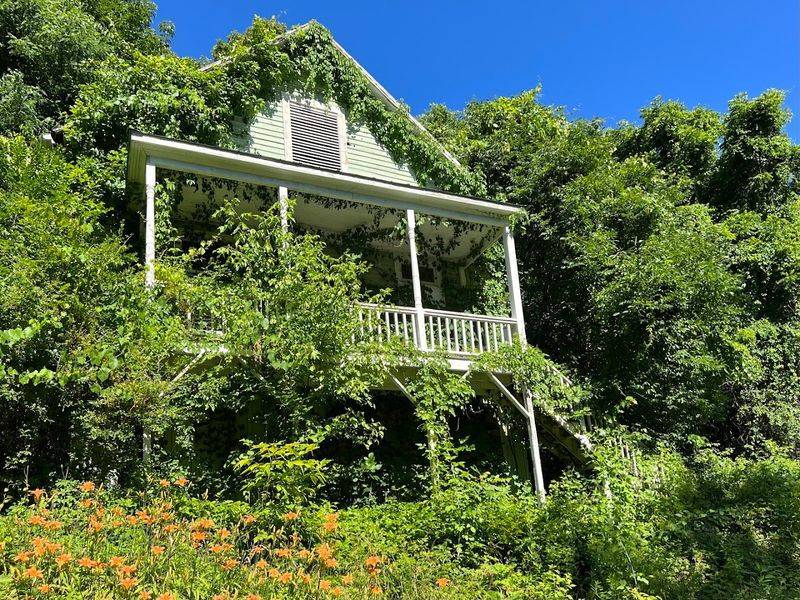
Getting to Thurmond requires a bit of commitment, and that is honestly part of the appeal. The town sits deep in the New River Gorge, accessible via a winding road that rewards patient drivers with increasingly dramatic views as you descend toward the river.
Give yourself extra time and do not rush the approach.
The best times to visit are late spring through early fall, when the Thurmond Depot visitor center is open and staffed by National Park Service rangers. Summer brings the fullest experience, with interpretive programs, guided walks, and the chance to catch an Amtrak train rolling through.
Fall is arguably the most beautiful season visually, when the gorge walls turn gold and crimson around the old brick buildings. Could there be a better backdrop for a photograph?
Wear comfortable walking shoes, bring water, and pack a snack since there are no restaurants or shops in Thurmond itself. Cell service is limited, so downloading offline maps before arrival is a practical step that many first-time visitors wish they had taken.
The Thurmond Depot address is in West Virginia 25901, and the National Park Service website offers updated seasonal hours and event listings. Parking is available near the depot, and the flat terrain around the main historic area is manageable for most visitors.
Thurmond rewards the curious, the patient, and the people who show up ready to let a quiet place speak at its own pace.