
Handmade Quilts Become Fine Art At This Beautiful Massachusetts Museum
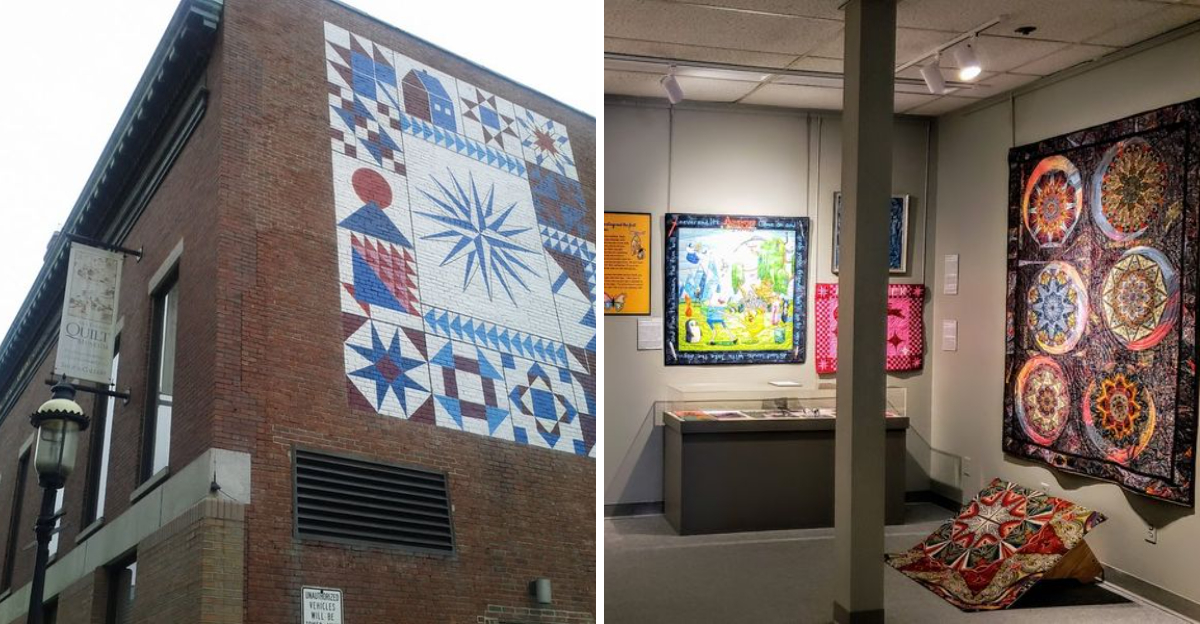
Fabric can tell a story long before anyone reads a label. A single stitch can carry patience, memory, skill, and a little bit of stubborn love. That is what makes this Massachusetts museum such a special stop.
Here, quilts are not treated like old blankets folded away for safekeeping. They hang like paintings.
Bright patterns, careful borders, family traditions, bold designs, and tiny details all get the attention they deserve. You may walk through expecting something quiet and simple, then suddenly realize every piece has its own voice.
There is history here, but it never feels dusty. The colors still pop. The craftsmanship still feels alive. Even visitors who know nothing about quilting can find themselves slowing down to look closer.
Art lovers, makers, history fans, and anyone who appreciates handwork will leave seeing quilts in a whole new way.
A Historic Building That Sets The Stage Perfectly
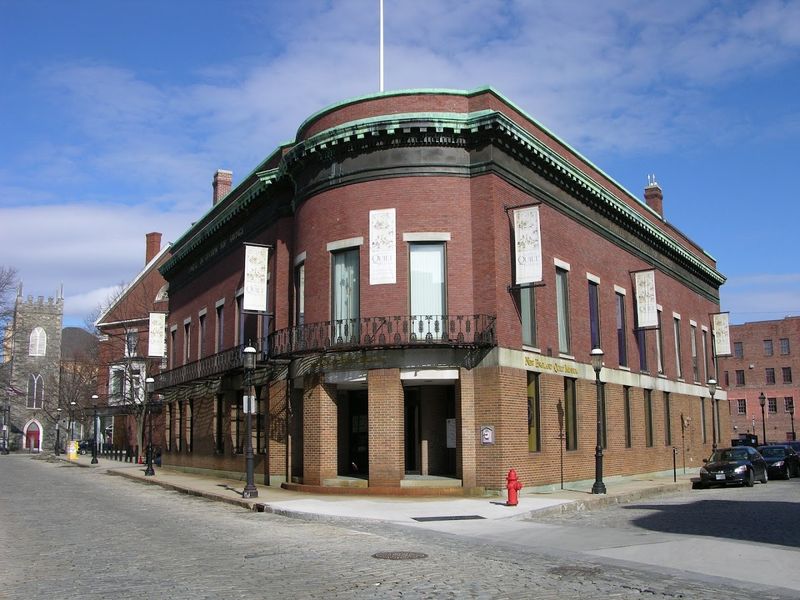
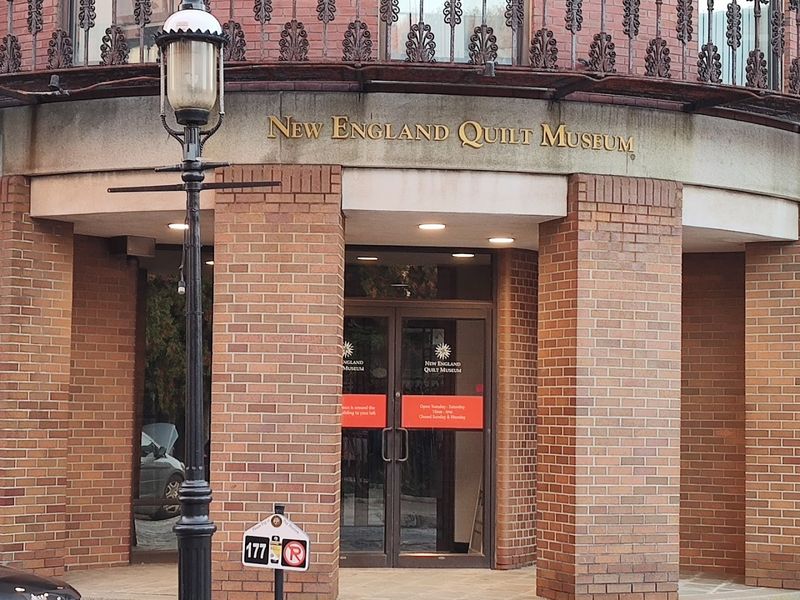
Before you even go inside, the building itself makes a statement. This museum occupies a beautifully renovated Greek Revival structure dating back to 1845, originally built to serve as the Lowell Institute for Savings.
The bones of the place carry real age, and the renovation honors that without trying to disguise it.
Lowell, Massachusetts, is no ordinary backdrop for a museum like this. The city is recognized as the birthplace of the American Industrial Revolution, a former cotton mill town where textile production once defined daily life for thousands of workers.
Placing a quilt museum here feels less like coincidence and more like a deliberate act of cultural memory.
The address sits within the city’s historic district, meaning the surrounding streets carry their own architectural character.
Visitors often take a moment outside before entering, absorbing the Greek columns and the quiet dignity of a building that has outlasted its original purpose.
That sense of continuity, of old walls holding new meaning, gives the museum an atmosphere that modern buildings rarely manage to produce on their own.
The Museum’s Origins And Its Place In American Quilt History
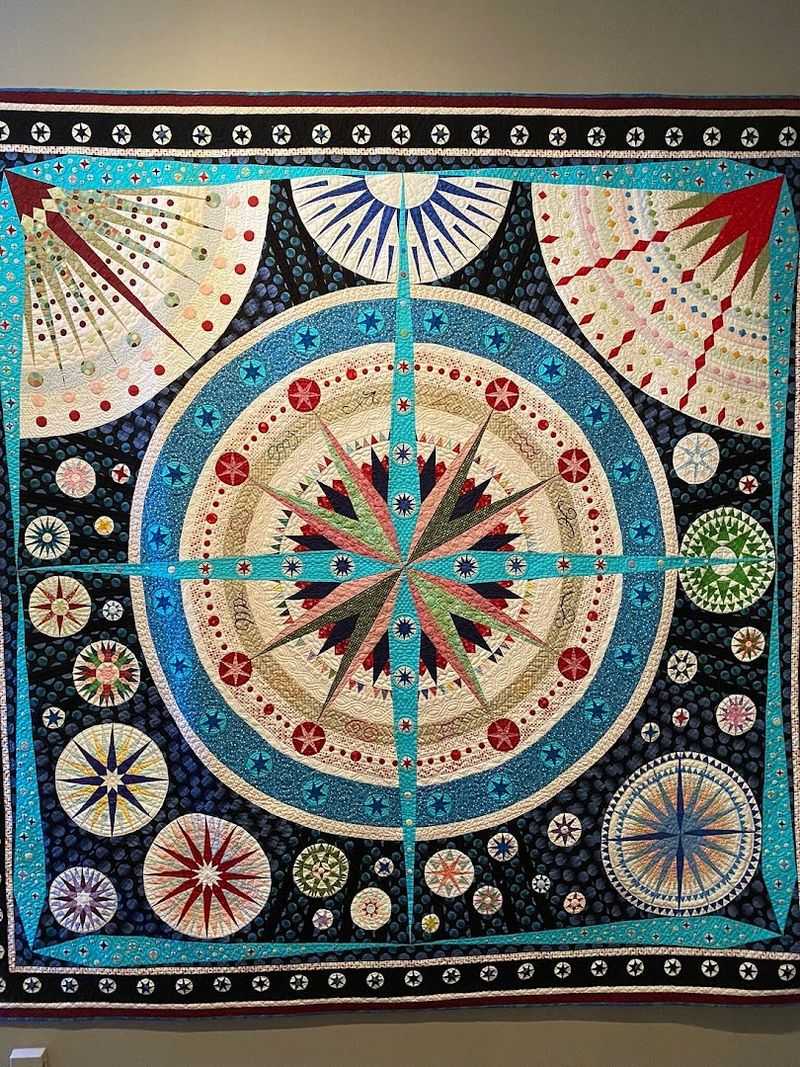
Founded in 1987 by members of the New England Quilters Guild, the New England Quilt Museum holds a distinction that most visitors do not expect: it is the second-oldest quilt museum in the entire United States.
More remarkably, it remains the only institution in the entire Northeast dedicated solely to quilts and textile arts.
That kind of singular focus creates a depth of experience that broader art museums simply cannot replicate. Every curatorial decision, every exhibition, every label on every wall has been made with quilts at the center.
The result is a place that treats the medium with genuine scholarly seriousness while remaining completely accessible to casual visitors.
The museum’s founding mission has stayed consistent across nearly four decades: to preserve, interpret, and celebrate American quilting, both past and present.
It uses quilts and the narratives surrounding quilt making as a form of historical documentation, not just decorative art. That framing matters.
It asks visitors to look at a pieced cloth and consider who made it, under what circumstances, and what they were trying to communicate.
That is not a craft question. That is a fine art question, and the museum asks it with quiet confidence every single day.
Over 450 Quilts Spanning 250 Years Of Craftsmanship
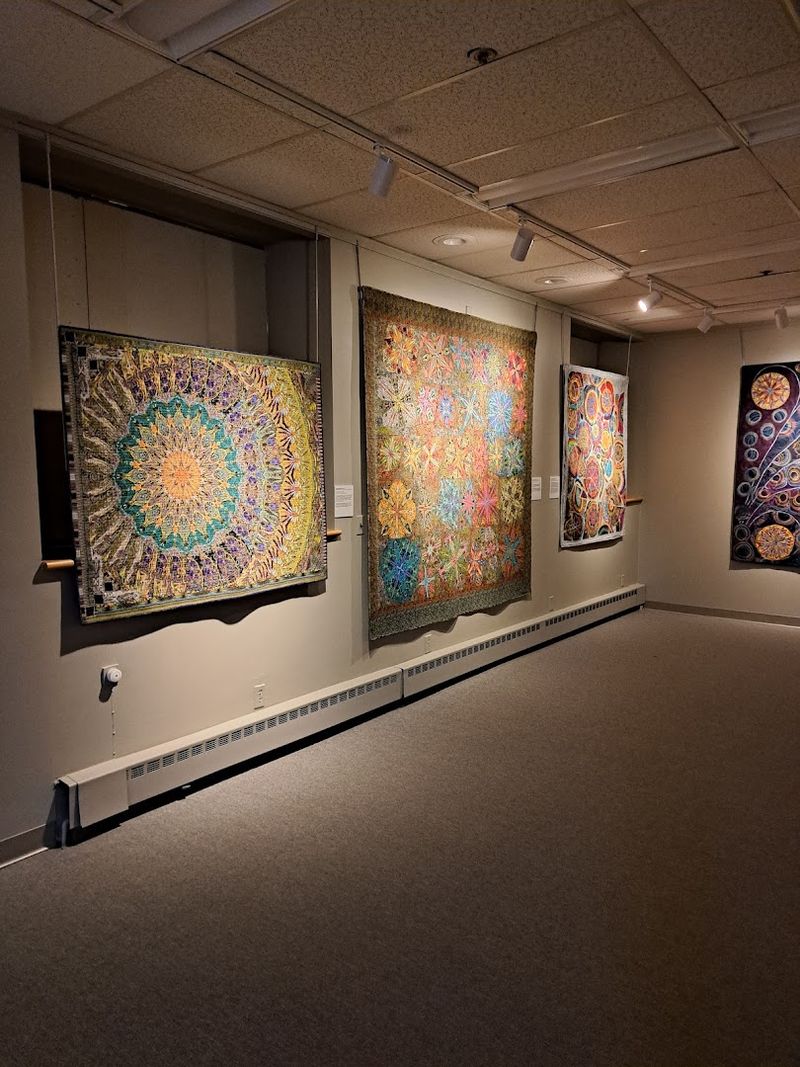
The permanent collection at the New England Quilt Museum contains more than 450 antique and contemporary quilts, historical textiles, and related objects.
The range spans 250 years of quilt history, from late 18th-century pieces to boldly experimental contemporary art quilts made by living artists working today.
Among the notable acquisitions are early contemporary works that helped define what quilt art could become.
“Archipelago,” made in 1983 by Nancy Halpern, represents the kind of piece that expanded what quilters believed was possible with fabric.
“Bloodroot,” created in 1986 by Ruth McDowell, is recognized for its two-sided, three-dimensional concept, a construction approach that challenges everything a viewer assumes about how a quilt is supposed to behave.
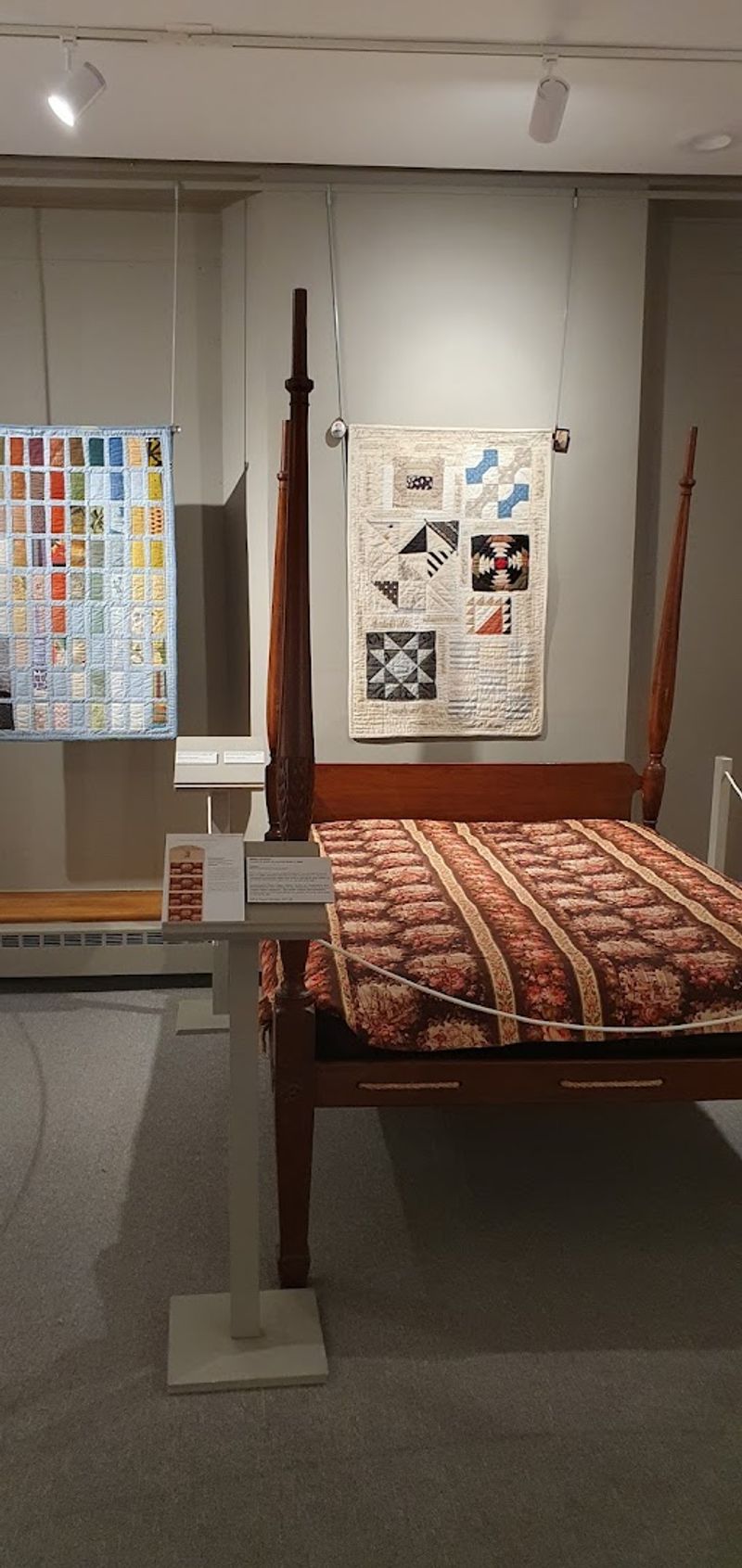
The collection carries particular strength in 19th-century New England quilts, which connects naturally to the region’s deep textile heritage.
Magnifying glasses are available for close-up viewing, and visitors who take advantage of that detail quickly discover a level of precision in the stitching that is genuinely hard to comprehend.
The craftsmanship in these older pieces reflects hours of patient, deliberate work, the kind of dedication that deserves to be seen in a proper gallery, not folded away in a cedar chest.
How Lowell’s Textile Past Gives The Museum Its Meaning
Context is everything in a museum, and the New England Quilt Museum has more contextual richness than almost any comparable institution.
Lowell became the center of American textile manufacturing in the early 19th century, drawing thousands of workers, many of them young women from rural New England, into massive cotton mills that operated along a network of canals.
The raw cotton that passed through those mills ended up in fabric that eventually found its way into homes across the country. Quilts made from that fabric were not luxury items.
They were practical objects that people made with care, with intention, and sometimes with extraordinary artistic ambition.
Placing a museum dedicated to that tradition inside a city built on cotton production creates a conversation between industrial history and domestic creativity that feels entirely earned.
Visitors who spend time in Lowell before or after the museum often find that the city itself deepens the experience.
The Lowell National Historical Park, the canal system, and the surrounding mill buildings all reinforce the idea that fabric was once the engine of this entire region.
The museum at 18 Shattuck St becomes one chapter in a much longer story, and Lowell provides the rest of the pages.
Rotating Exhibitions That Keep Every Visit Fresh
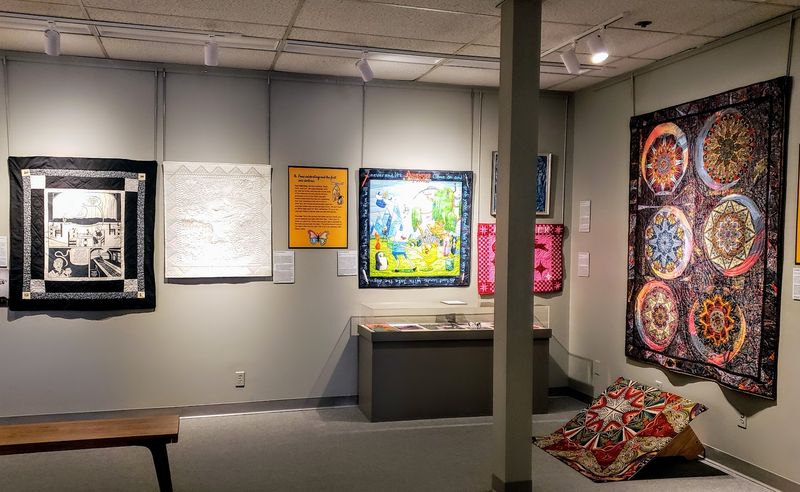
One of the most compelling reasons to visit the New England Quilt Museum more than once is the pace at which its exhibitions change.
The museum presents eight to ten changing gallery exhibitions annually, which means a visit in spring and a visit in autumn can feel like two entirely different museums.
A rotating selection from the permanent collection is always on display in the Nancy Donahue Gallery, providing continuity for returning visitors while new temporary exhibitions bring fresh perspectives.
Past exhibitions have celebrated America’s pioneering art quilters, artists who often arrived with classical fine art training and chose fabric as their primary creative medium instead of paint or clay.
Current exhibitions running through mid-2026 include “Tiny Pieces – Vast Visions,” featuring works by Deb Cashatt, Susan J. Lapham, Niraja Lorenz, and Irene Roderick. “Soul Stories. Threads of Existence.” runs concurrently and carries a very different emotional register.
Later in 2026, “Commemorative American Quilts: Selections from the Centennial, Bicentennial and Beyond” takes the gallery in a historical direction.
Checking the museum’s schedule at neqm.org before visiting is genuinely worthwhile, because the programming is thoughtful and the themes are never predictable or repetitive.
Classes, Workshops, And A Library For Serious Learners
The New England Quilt Museum operates as more than a passive viewing space.
It actively supports education through classes, lectures, and workshops that bring quilting techniques and textile history to visitors who want to engage beyond just looking at finished work.
The programming serves both beginners and experienced quilters, which makes it genuinely inclusive.
The museum’s library provides a resource for researchers, students, and curious visitors who want to go deeper into the history and technique of quiltmaking.
Collections like this are rare, and having a dedicated library within the museum reinforces its identity as a serious institution rather than a casual attraction.
The museum also serves as a key location for the Massachusetts Quilt Documentation Project, known as MassQuilts, which works to identify and preserve historic quilts across the entire state.
That kind of archival mission connects individual visitors to a much larger effort, one that treats quilts as primary historical documents worthy of systematic preservation.
For anyone interested in American material culture, folk art history, or regional craft traditions, the museum’s educational offerings represent a resource that extends well beyond the gallery walls and into genuinely substantive territory.
The Gift Shop Surprises Almost Every Visitor Who Enters
Museum gift shops carry a reputation for overpriced trinkets that have only a loose connection to what is on display upstairs.
The shop at the New England Quilt Museum has consistently defied that expectation, earning specific praise in visitor reviews for its affordability and the quality of what it stocks.
Handmade goods line the shelves alongside books, fabric remnants, and quilting supplies. Past visitors have mentioned finding large bags of fabric remnants for just a few dollars.
The selection reflects the museum’s identity: practical, creative, and connected to the actual work of making things by hand.
The shop occupies the entrance level, so visitors pass through it on the way in and on the way out.
That layout encourages browsing without pressure, and the staff maintains the same friendly, knowledgeable tone that characterizes the rest of the museum experience.
For anyone looking for a gift that carries real meaning, something made by hand and rooted in a specific craft tradition, this shop offers options that are genuinely harder to find elsewhere.
It functions as a small extension of the museum’s larger mission, putting textile art directly into people’s hands.
What Visitors Say About Their Time Inside These Walls
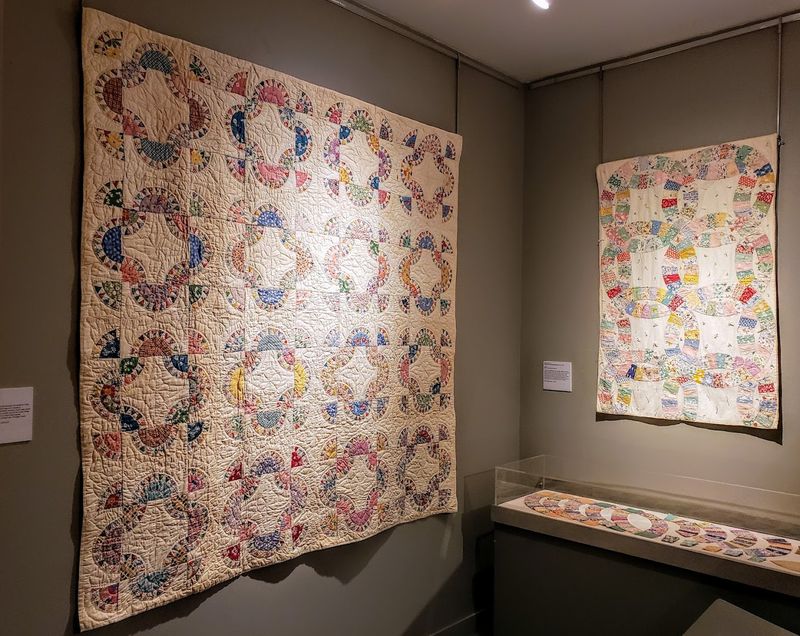
What stands out in the written feedback is not just the praise for the quilts themselves, but the consistent appreciation for the staff, the atmosphere, and the sense of discovery that the museum produces.
One visitor described it as an “absolutely fascinating glimpse of an often overlooked, sometimes forgotten art form,” calling it a real highlight of a visit to Lowell.
Another mentioned returning every year in March specifically for the color, a detail that says something meaningful about how the museum functions as a genuine seasonal anchor for some visitors.
Several reviews note that the museum works well for people who do not quilt and have no prior interest in textile arts.
The exhibitions are designed with enough context and visual impact that a complete newcomer can engage with the work on purely aesthetic terms.
Docents are present on most days and described as knowledgeable without being overbearing.
The museum is also air-conditioned, equipped with an elevator, and has restrooms available, practical details that matter when planning a visit.
Planning Your Visit To This One-Of-A-Kind Massachusetts Destination
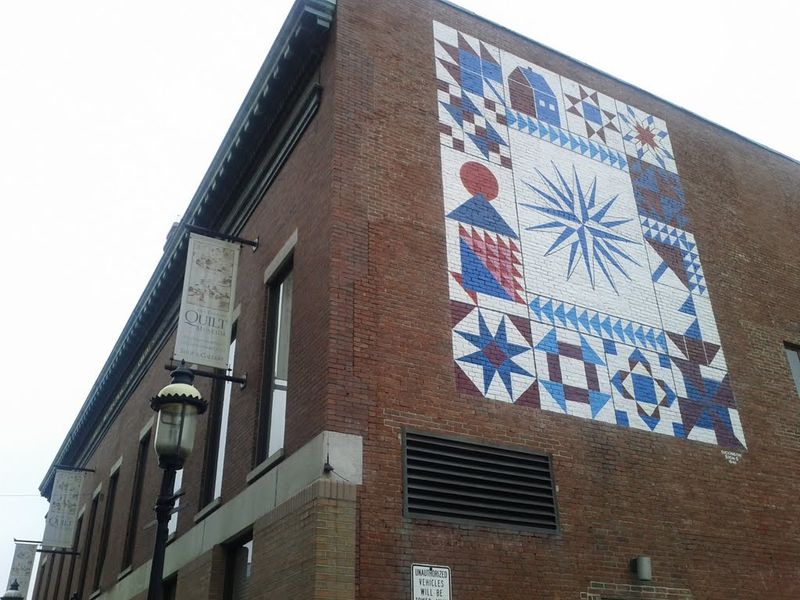
The New England Quilt Museum is open Tuesday through Saturday from 10 AM to 4 PM. It is closed on Sundays and Mondays, so planning around those days will save a wasted trip.
Admission is priced at around nine dollars for adults, which places it firmly in the category of cultural experiences that deliver far more value than the ticket suggests.
Parking along Shattuck Street and the surrounding blocks is available but tends to fill up by mid-morning on busy days, particularly around 11:30 AM on weekends.
Arriving early gives visitors both a parking advantage and a quieter gallery experience before tour groups and weekend crowds arrive.
The museum can be reached by phone at 978-452-4207 or online at neqm.org.
A Victorian garden sits diagonally across the street from the museum entrance, leading to a Streetcar Museum, which makes the surrounding area worth exploring after the quilts have been seen.
Several restaurants within easy walking distance offer good options for lunch. Life Alive, mentioned by multiple visitors, is directly across the street.
A visit here fits naturally into a broader day in Lowell, a city that rewards curiosity at nearly every corner.