
This Scenic Colorado Drive Feels Like You’ve Entered A Painting That’s Almost Too Beautiful To Be Real
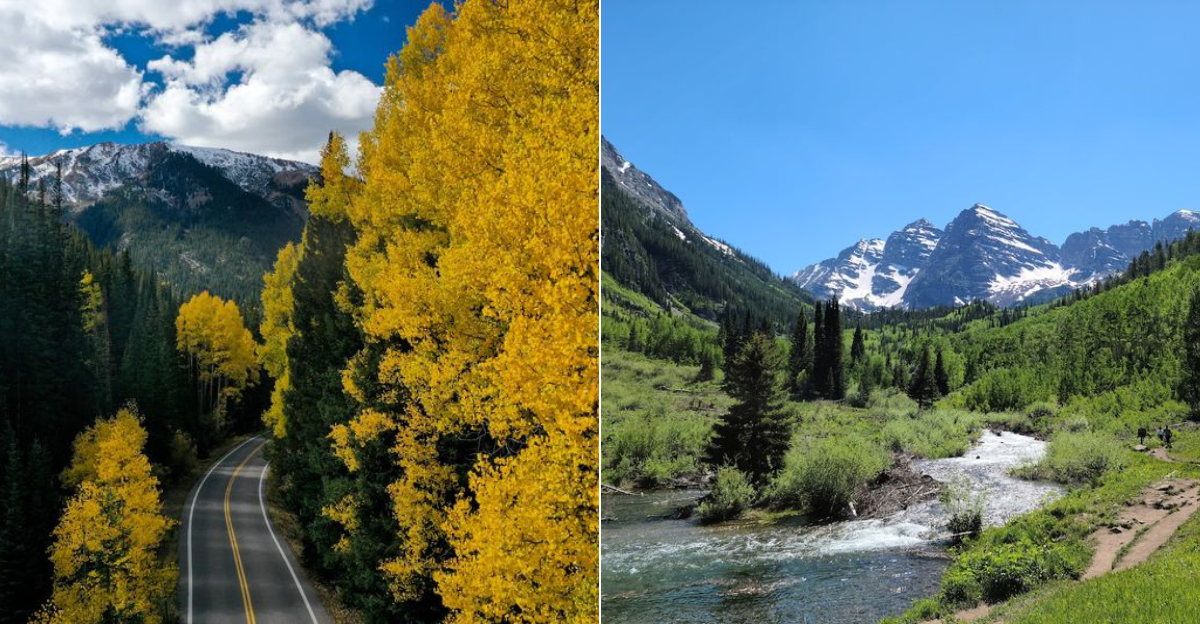
Some views do not need a big introduction to make people stop talking. In Colorado, this mountain scene grabs attention fast with red peaks, still water, and a reflection that feels almost too perfect.
Morning is when the magic works best. How could anyone rush away when the lake is calm, the peaks are glowing, and the whole scene feels ready for one more photo?
The visit can be gentle or adventurous, depending on the trail you choose. A short loop keeps things easy, while a longer path adds forest, fresh air, and a bigger sense of reward.
Plan ahead, start early, and give the day room to unfold. Colorado turns this mountain outing into the kind of break that makes travelers feel lucky they came.
The View That Launched A Million Photographs
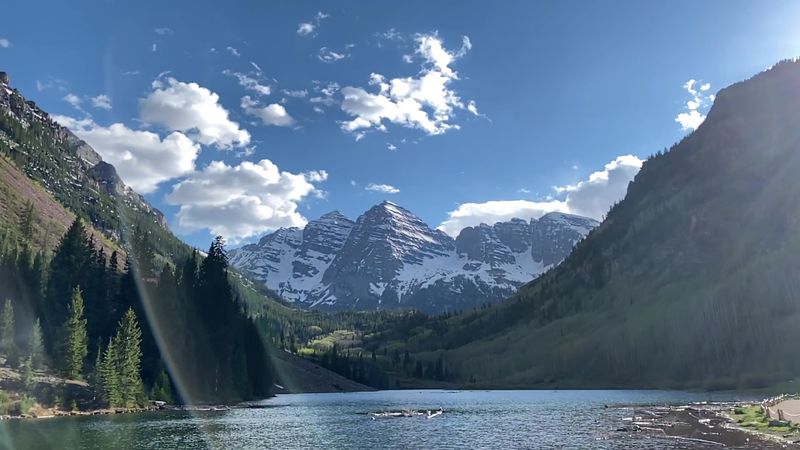
Some views earn their reputation honestly, and Maroon Bells has been doing exactly that for decades. The twin peaks, Maroon Peak and North Maroon Peak, both soar above 14,000 feet and carry a deep, rusty red color that comes from iron-bearing hematite in the rock.
That color is not a filter or a trick of the light.
Below the peaks sits Maroon Lake, a glacial basin carved out during the Ice Age. On a calm morning, the water acts like a mirror, reflecting the mountains so clearly that photos look almost digitally altered.
Visitors regularly say that no image they had seen beforehand could have prepared them for the real thing.
The Maroon Bells Scenic Area sits along Maroon-Snowmass Trail in Aspen, Colorado, about 10 miles from downtown Aspen. It is part of the Maroon Bells-Snowmass Wilderness within the White River National Forest.
Rated 4.9 stars by more than 1,500 visitors, this place consistently ranks as one of the most photographed mountain scenes in all of North America. Have you ever stood somewhere so beautiful that you forgot to take a photo?
This might be that place.
Why Early Morning Is The Only Time That Matters
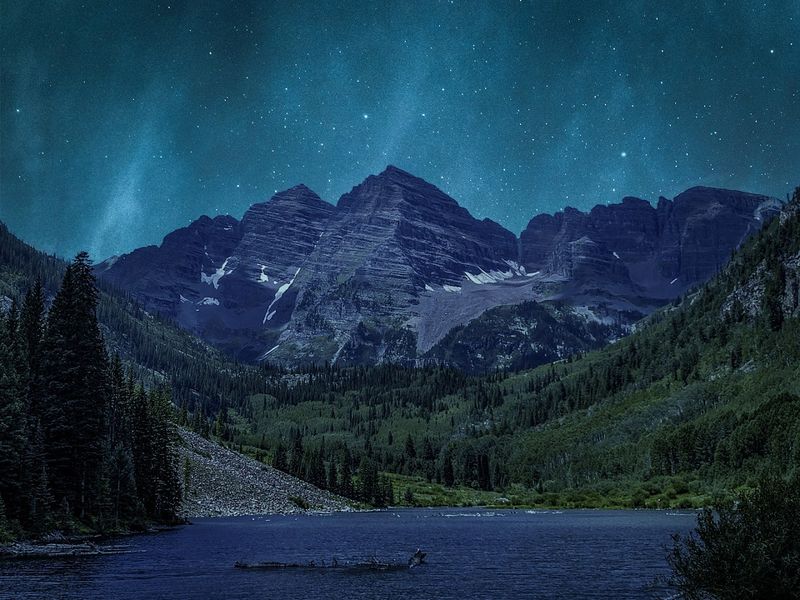
There is a specific kind of magic that happens at Maroon Lake right around sunrise. The water is completely still, the crowds have not yet arrived, and the peaks begin to glow with a warm orange light known as alpenglow.
That orange wash over the dark red rock is something photographers chase for years.
One recent visitor described watching the entire valley come to life during a Memorial Day sunrise as the most memorable moment of their life. That is a bold statement, and yet it is one you will hear repeated by almost everyone who makes the early effort to get there before 8 a.m.
Arriving early also gives you access before the private vehicle restrictions kick in. During peak season, private cars are not allowed between 8 a.m. and 5 p.m., so an early arrival means you can drive yourself in and enjoy the calm before the shuttle crowds arrive.
The lake surface stays smooth in the morning before afternoon winds pick up, which is critical for getting that iconic, crystal-clear reflection shot. Could waking up at 5 a.m. actually be the best decision of your entire trip?
At Maroon Bells, the answer is almost certainly yes.
Getting There Without The Headache
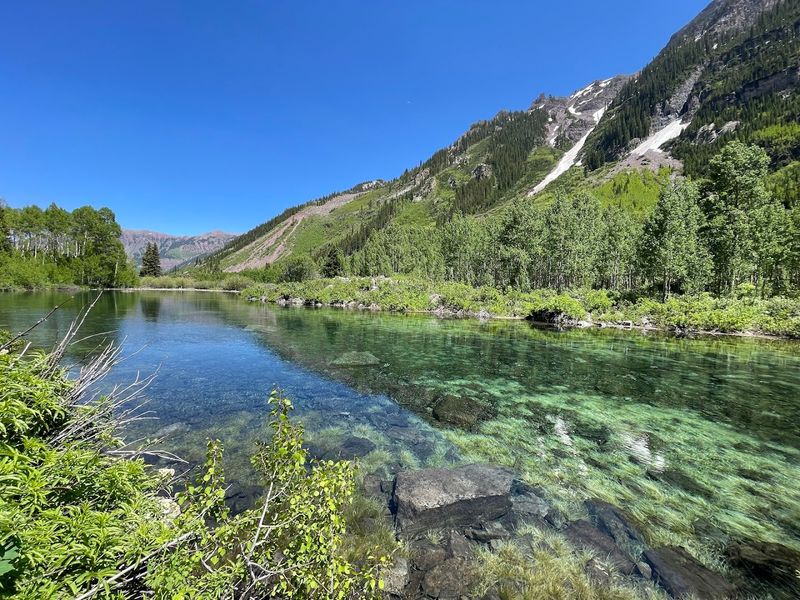
Planning your visit in advance is not optional here, it is the difference between a smooth, enjoyable trip and a frustrating turnaround at the gate. During peak season, which runs from late May through early October, private vehicles are restricted from entering between 8 a.m. and 5 p.m.
The most popular solution is the shuttle bus, which departs from Aspen Highlands and costs around $16 per adult for a round trip.
Parking at the Aspen Highlands lot varies by duration, check current rates when booking as they change seasonally.
Cyclists also have a fantastic option. The ride up Maroon Creek Road from Aspen is uphill but manageable, and several visitors describe the downhill return as an absolute highlight of their trip.
You will still need an entrance pass. Winter visits are possible but require either a 10-mile hike or a snow shuttle that costs significantly more.
For most visitors, a summer or fall shuttle booking made well ahead of time is the easiest and most rewarding way to experience this iconic Colorado destination. What is your preferred way to arrive in style?
Trails For Every Type Of Explorer
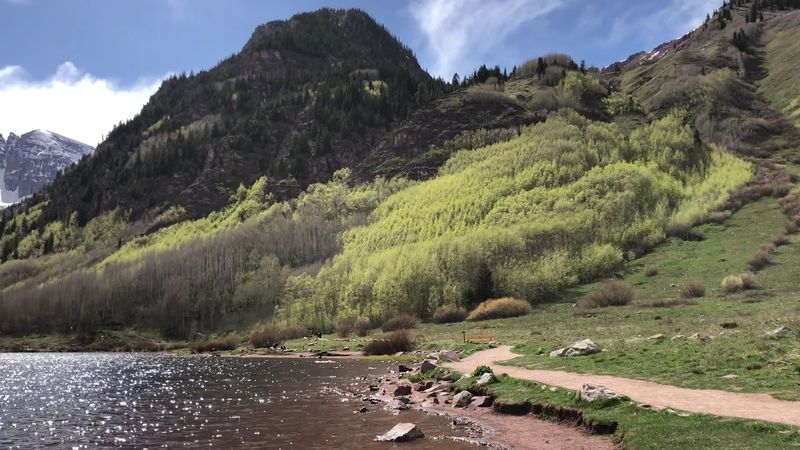
Not every great destination requires you to be an elite athlete, and Maroon Bells proves that beautifully. The easiest option is the Maroon Lake Scenic Trail, a roughly one-mile loop around the lake itself.
It is flat, well-maintained, and delivers the full visual impact of the Bells without requiring serious fitness. Almost any visitor can handle it.
For those wanting a bit more, the Crater Lake Trail is a moderate 3.6-mile round trip that climbs through aspen forests and brings you closer to the base of the peaks. The trail gets rocky in sections, so hiking poles are a smart addition to your pack.
One reviewer spotted raspberry bushes along the trail and marveled at beavers dragging aspen branches near the river, which is not something you see every day.
Crater Lake sits just over 10,000 feet in elevation, so the altitude is real and worth respecting. Take your time, drink more water than you think you need, and stop often because the views keep changing as you climb.
There is no potable water available once you leave the trailhead, so carry everything you need from the start. Whether you walk one mile or three, every step at Maroon Bells feels like it was designed to reward you.
Which trail will you tackle first?
The Seasonal Show That Never Gets Old
Maroon Bells does not have just one great season. It has four completely different performances, and each one is worth planning a separate trip around.
Late May through early October brings lush greenery, rushing streams from snowmelt, and a landscape that feels impossibly alive. Mid-July through early August is when wildflowers take over the meadows in waves of color.
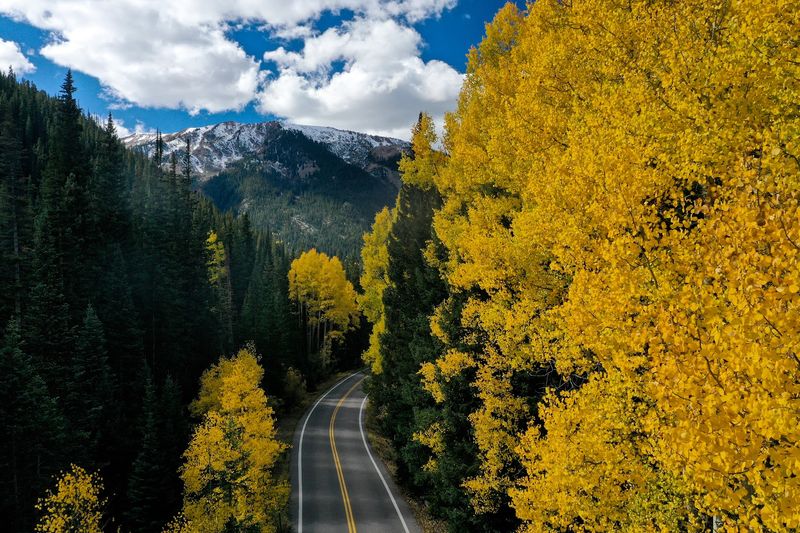
Then comes the showstopper. Late September through early October transforms the entire area into something that looks like a painter went completely wild with a yellow and gold palette.
The aspen groves surrounding the peaks turn brilliant gold, and that warm color against the dark maroon rock creates a contrast that visitors consistently describe as unreal. It is the most popular time to visit for good reason.
Winter brings a completely different atmosphere. The road closes several miles from the lake, access becomes limited, and the area feels remote and hushed under snow.
Some visitors find the winter version hauntingly beautiful, though the logistics are more challenging and considerably more expensive. Spring visits in May can still include snow on the trail, so check conditions before heading out.
No matter which season pulls you in, Maroon Bells has a version of itself that will absolutely hold up to any expectation you arrive with. Which season speaks to you the most?
Wildlife That Shares The Stage
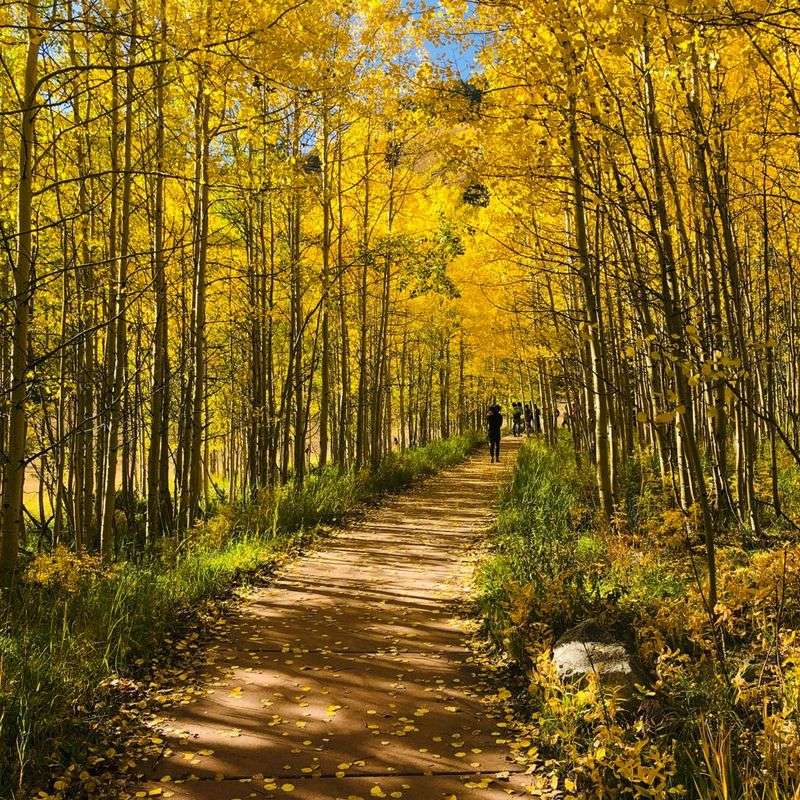
The scenery at Maroon Bells is extraordinary on its own, but the wildlife adds a layer of life that makes the experience feel genuinely wild. Mule deer are commonly spotted grazing near the lake and along the trail edges.
Bighorn sheep occasionally appear on the rocky slopes above, and red fox have been seen moving through the aspen groves.
Beavers are particularly active in the lake area. Several visitors have mentioned watching them drag aspen branches through the water, which is one of those small, remarkable moments that sticks with you long after the trip is over.
One reviewer admitted they initially thought the beaver-cut trees were a human landscaping project, which is a fair mistake when you see how clean the cuts are.
Birds fill the trees and skies throughout the warmer months, and porcupines have also been spotted along the trails. Bears are present in the area as well, and the shuttle operators will specifically remind you not to bring bear spray on the bus.
That detail alone tells you something about how genuinely wild this environment is. The forest service takes wildlife protection seriously here, and visitors are expected to do the same by staying on designated trails and keeping a respectful distance from any animals they encounter.
What is the most exciting wildlife encounter you could imagine having on a hike?
Rules That Actually Protect The Magic
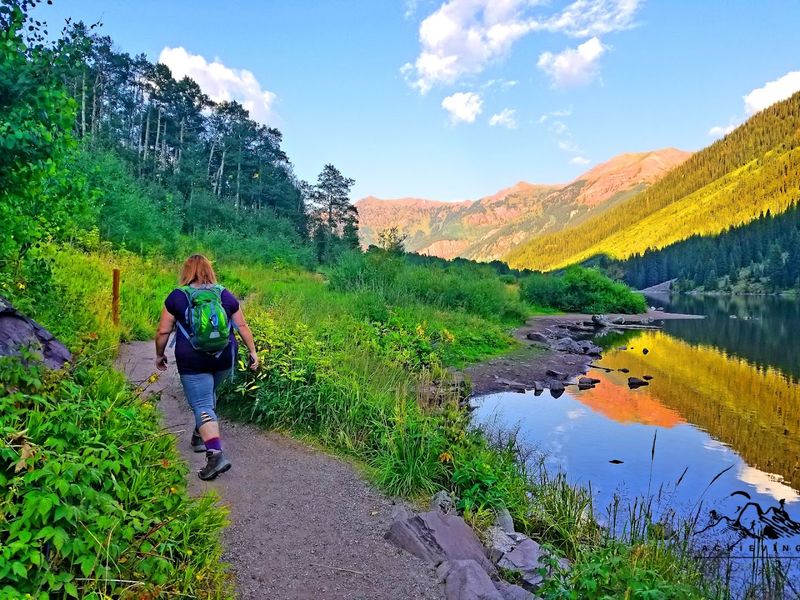
There is a reason Maroon Bells still looks as spectacular as it does in photos taken decades ago. The rules in place are not there to frustrate visitors.
They exist because fragile alpine environments can be permanently changed by careless behavior, and the people who manage this area take that responsibility seriously.
Swimming, kayaking, boating, fishing, and wading are all prohibited in Maroon Lake. The lake is a protected glacial environment, and keeping it pristine is what allows that famous mirror reflection to remain so clear and undisturbed.
Staying on the designated trails is also strictly enforced, and forest service rangers are present and active in the area. One reviewer watched a group walk past the rope fence near the lake and noted how blatantly disrespectful it felt given the clear signage everywhere.
These boundaries are not suggestions. Repeated violations of trail rules in places like this are exactly how beautiful areas lose their protected status over time.
The good news is that following the rules costs you nothing and actually improves your experience. The views from the trail are just as spectacular as anything you might see by wandering off it.
Respecting this place is how you help ensure the next generation of visitors gets to experience the same jaw-dropping scenery you came all this way to see. Does knowing a place is this carefully protected make you want to visit it more?
Practical Tips That Will Make Your Trip Smoother
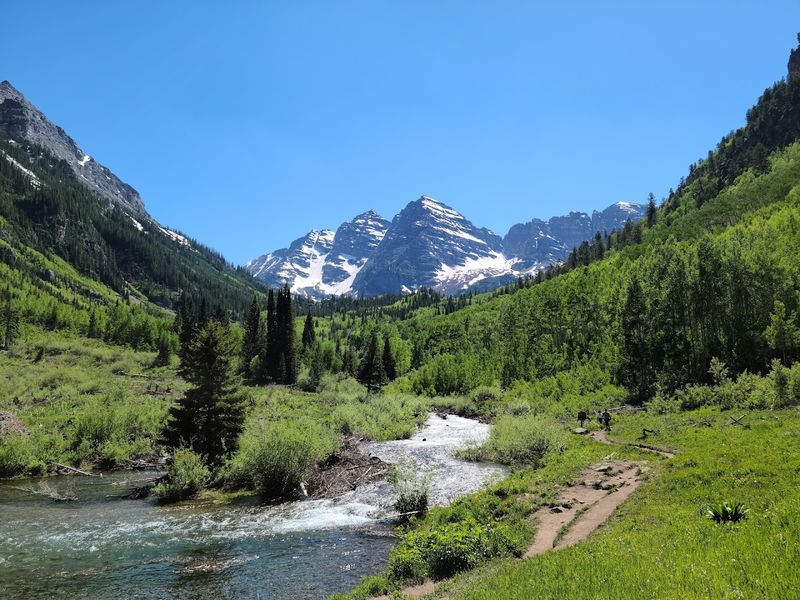
Maroon Lake sits at 9,580 feet above sea level, and Crater Lake is just over 10,000 feet. If you are coming from a lower elevation, your body will feel the difference faster than you expect.
Altitude can cause headaches, fatigue, and shortness of breath even in otherwise healthy people, so give yourself a day to adjust before attempting the longer trails.
Carry far more water than you think you will need. Once you leave the trailhead, there is no access to safe drinking water anywhere along the route.
Pack snacks and a light lunch as well, since food services at the site are limited or sometimes unavailable entirely. Layered clothing is essential because mountain weather in Colorado can shift from sunny and warm to cold and stormy within an hour.
Make your reservations well in advance, whether that is a parking pass or a shuttle ticket. Summer and fall dates fill up fast, sometimes weeks or even months ahead.
Comfortable, supportive footwear is a must, especially if you plan to do the Crater Lake Trail, which includes sections of loose and uneven rock. Bring a camera, but also give yourself a few minutes to just stand still and take it all in without a screen in front of your face.
Some moments at Maroon Bells are simply better experienced with your own eyes first. Are you ready to start packing?