
Driving This Florida Bridge Is One Of Those Experiences You Talk About For A Long Time
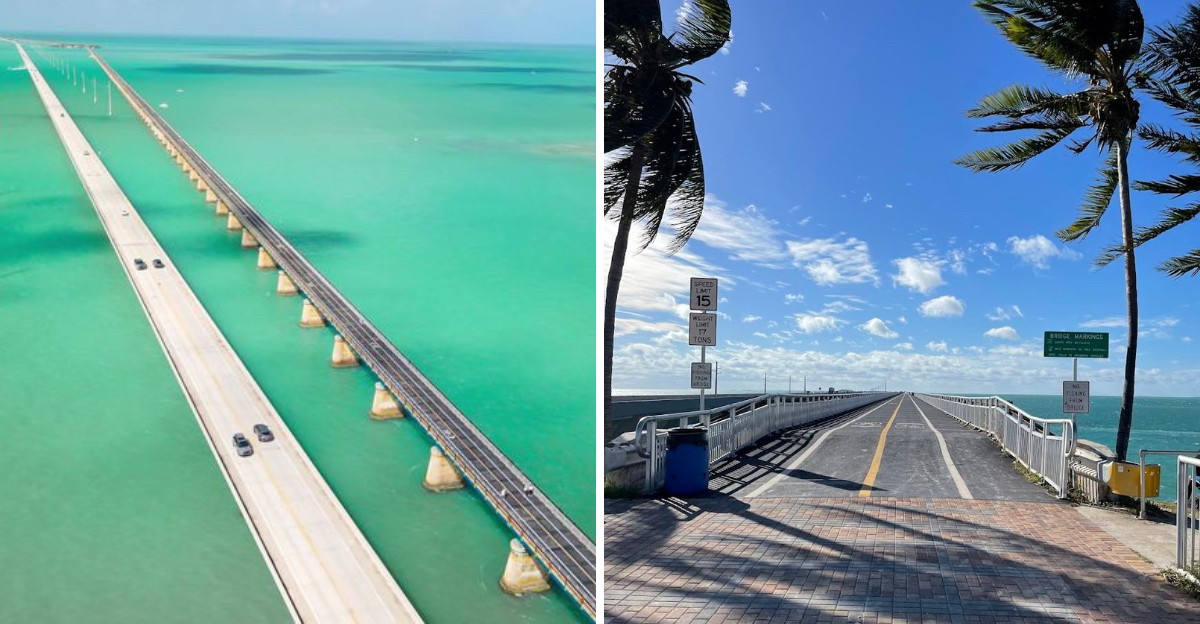
Forget everything you think you know about driving a bridge. Land disappears on both sides.
Open water stretches ahead, behind, and as far as the eye can reach in every direction. That is what happens on the Seven Mile Bridge, and that is exactly why people cannot stop talking about it.
The water shifts from turquoise to deep navy. Florida hands you a lot of beautiful drives, but this one operates on a completely different level.
It runs along the Overseas Highway, threading through the Florida Keys above open water. Cross it once and you will already be planning the return trip.
Time it for sunrise. Walk the restored historic span alongside.
Either way, this drive earns every mile it takes to get there.
A Bridge That Feels Like Driving On Water
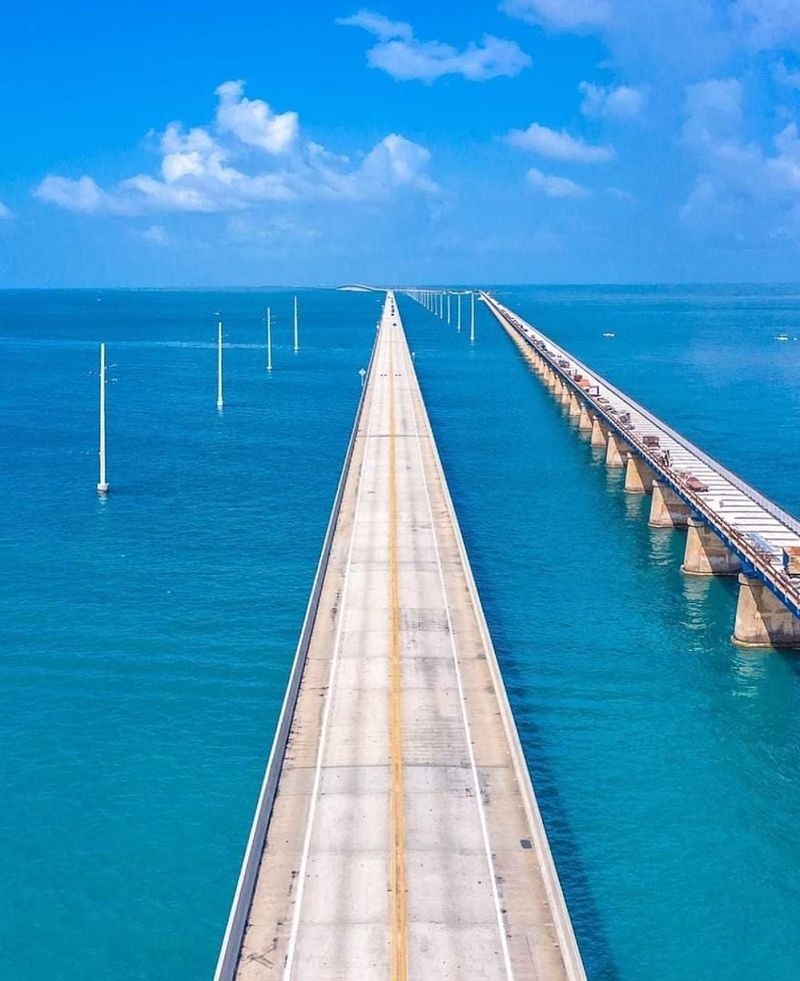
Few things in road travel match the raw thrill of watching land disappear behind you while more ocean stretches ahead. That is exactly what happens on the Seven Mile Bridge, one of the most talked-about drives in all of Florida.
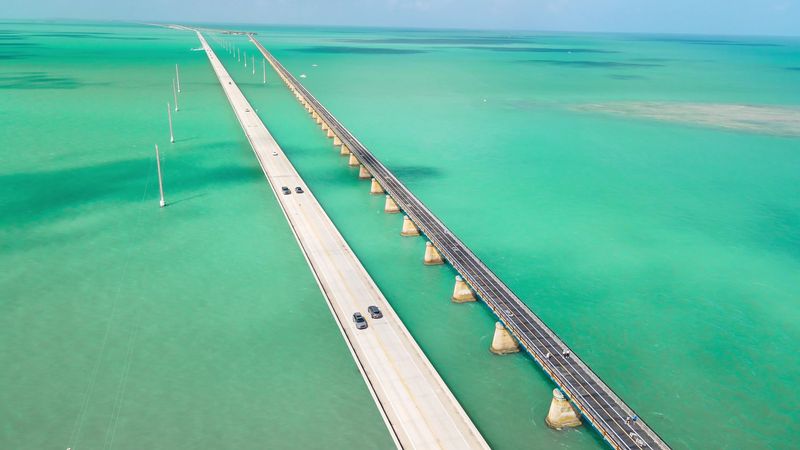
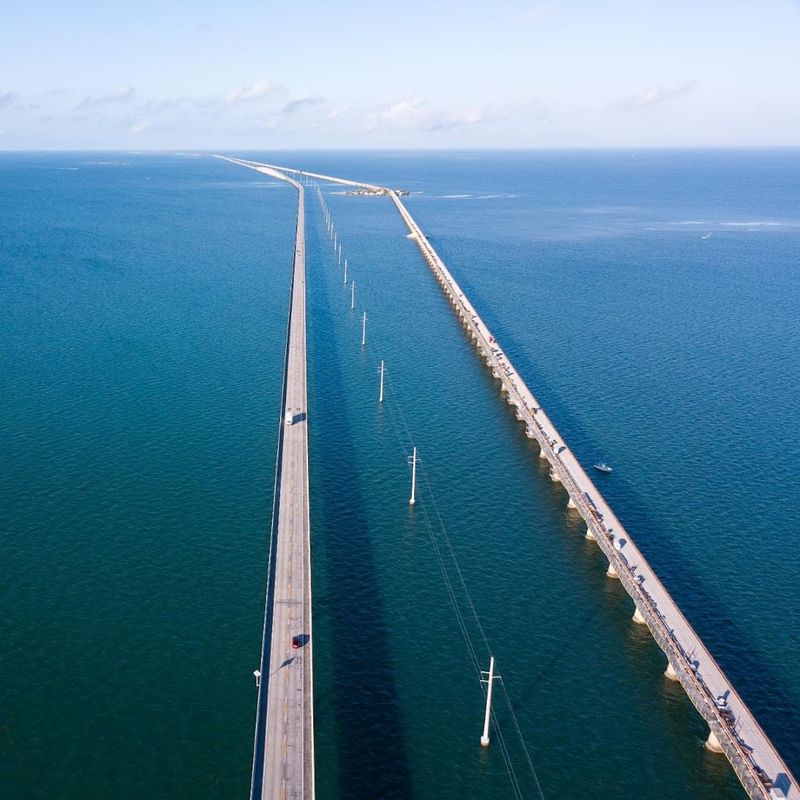
The modern bridge runs approximately 6.79 miles across open water, connecting Knights Key to Little Duck Key. It is part of the famous Overseas Highway, US-1, which threads the Florida Keys together like beads on a string.
The water surrounding the bridge shifts in color constantly. Deep navy fades into electric turquoise, and on clear days, the visibility is almost disorienting in the best possible way.
Drivers often describe the sensation as gliding across the surface of the ocean rather than crossing a bridge. The guardrails are low enough that the water feels incredibly close.
It is one of those experiences that photos never quite capture, but people never stop trying.
The Engineering Story Behind The Span
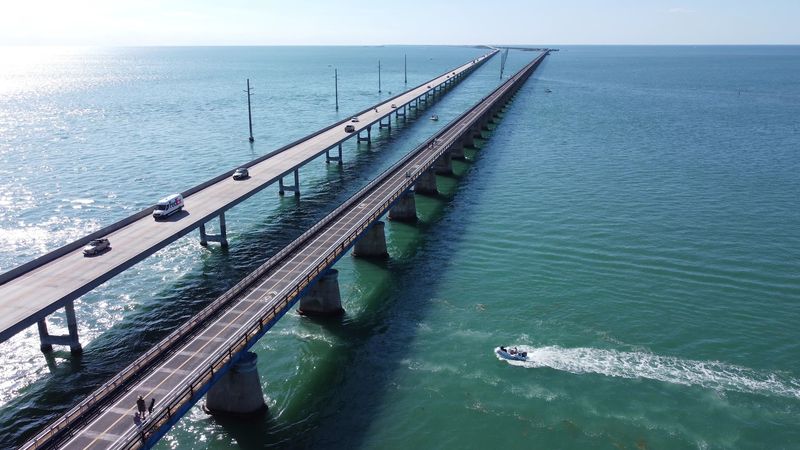
Built between 1978 and 1982, the modern Seven Mile Bridge was considered one of the longest bridges in the world at the time of its completion. That is not a small claim for a structure sitting in the middle of the Florida Straits.
The bridge is a precast, prestressed concrete box-girder design with 440 individual spans. Near its center, it rises in a gentle arc to provide about 65 feet of clearance for boats passing underneath.
That arc is subtle from a car, but noticeable enough to give drivers a brief elevated view of the surrounding water. It adds a quiet drama to the crossing that most people do not expect.
The construction required serious engineering innovation. Working over open ocean, in Florida heat, dealing with tides and weather, made every phase of the project complicated.
The result is a structure that handles heavy tourist traffic every single day while still managing to feel elegant from a distance.
The Old Bridge And Its Remarkable Past
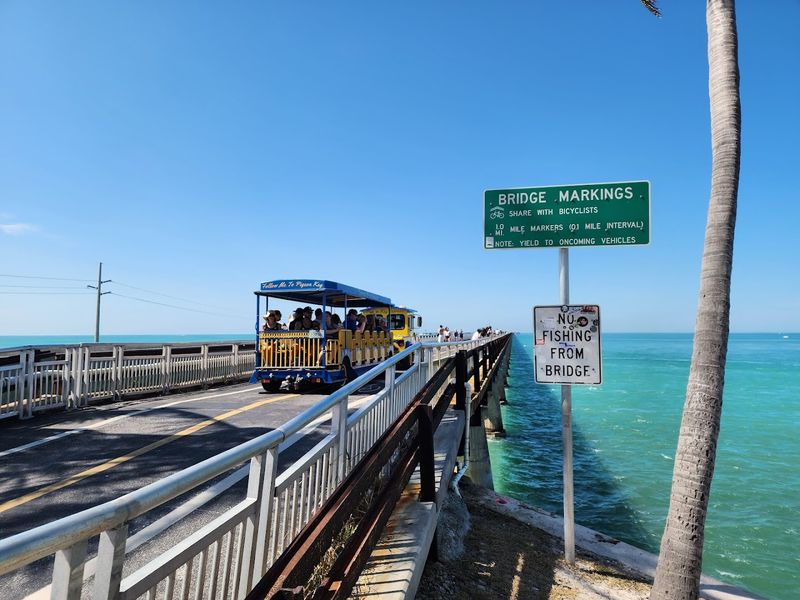
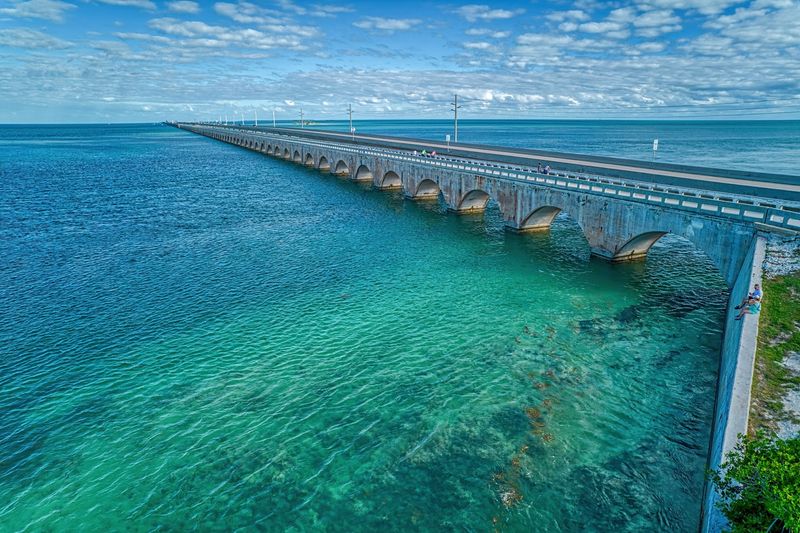
Running parallel to the modern bridge is a ghost of the past. The original Seven Mile Bridge was built between 1909 and 1912 as part of an ambitious railroad extension to Key West, known as the Overseas Railroad.
That project was considered so daring at the time that it earned the nickname the Eighth Wonder of the World. Crews worked across open water, battling heat, storms, and logistics that seemed nearly impossible for the era.
After a powerful hurricane struck in 1935, the railroad was badly damaged. The line was eventually sold, and the old bridge was converted into a road highway, reopening in 1938.
Florida drivers used it for decades before the modern span took over.
The historic bridge was added to the National Register of Historic Places in 1979. It now stands as a preserved landmark, a reminder of how much human determination went into connecting these islands long before anyone had modern construction equipment.
Walking And Biking The Historic Span
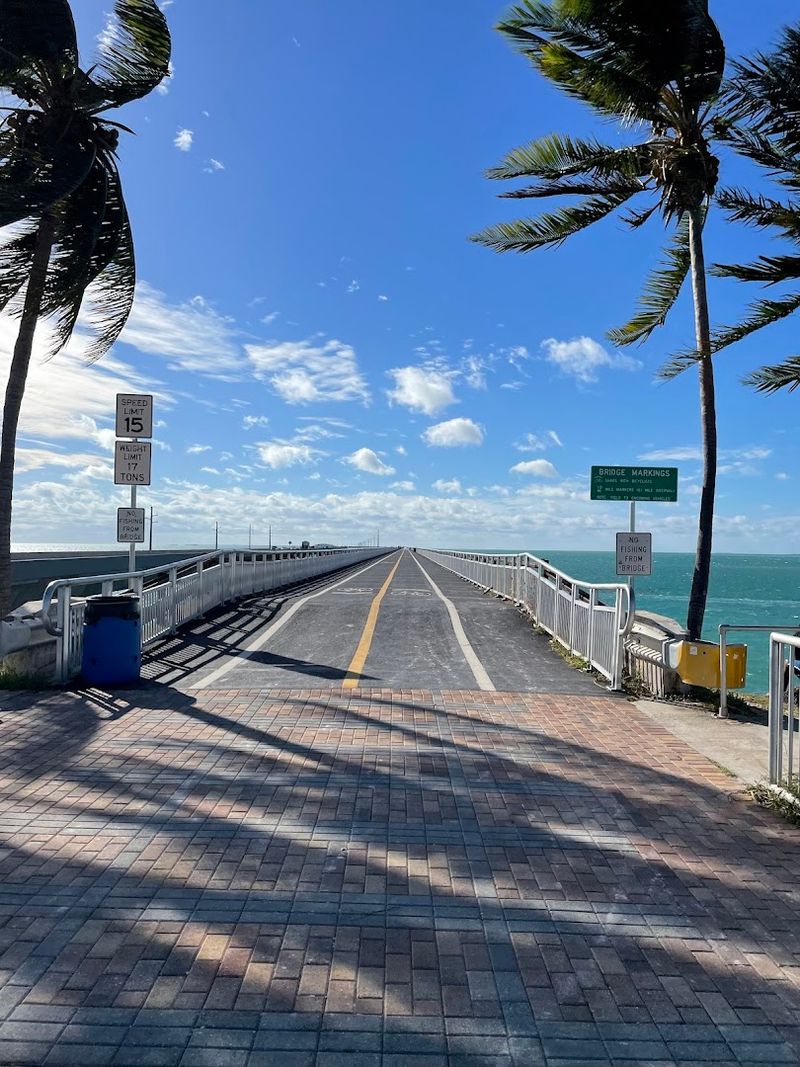
The old bridge did not simply fade away. A 2.2-mile section between Marathon and Pigeon Key was carefully restored and reopened for pedestrians and cyclists in January 2022.
That stretch offers some of the most jaw-dropping scenery in all of Florida without requiring a car at all. Walking it means being completely surrounded by open water, with no traffic noise and nothing blocking the view in any direction.
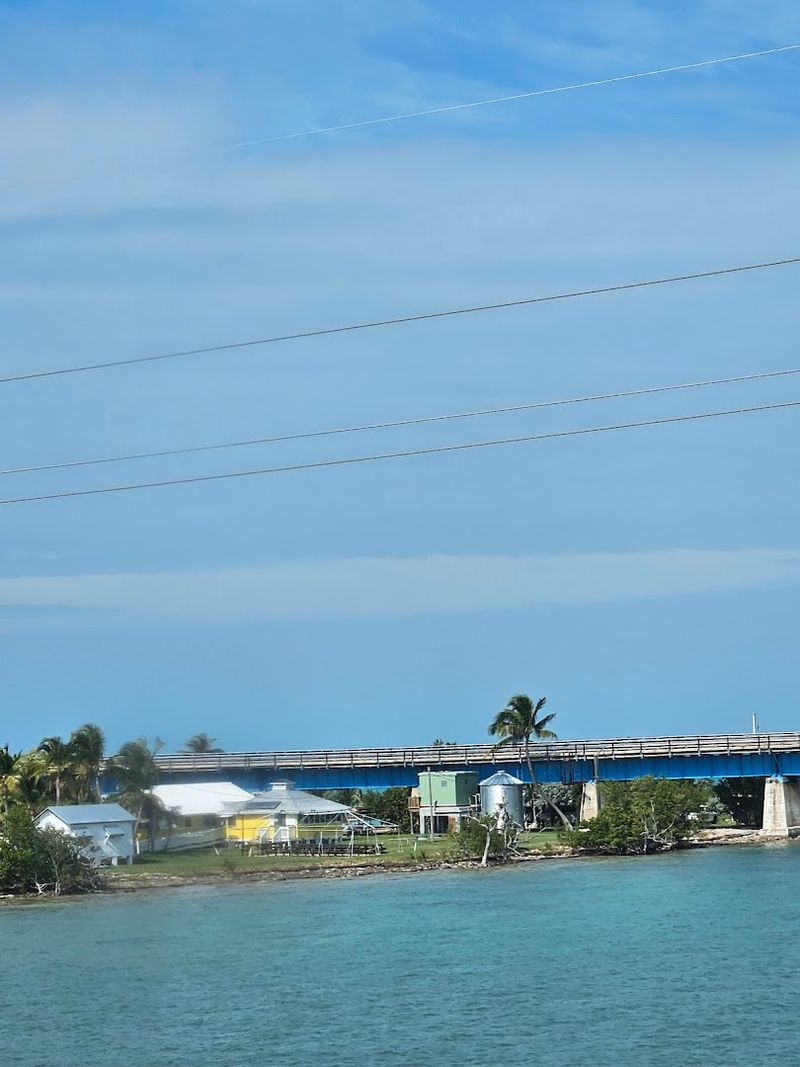
The path includes historical information along the way, giving walkers context for what they are standing on. Pigeon Key, accessible from the old bridge, features a museum dedicated to the history of the railroad era and the workers who built it.
Cyclists find the old bridge particularly rewarding. The flat, straight path makes for an easy ride, and the views more than compensate for any effort.
Sunrise and early morning visits tend to offer cooler temperatures and softer light, which makes the whole experience feel even more cinematic.
What Drivers Actually See From Behind The Wheel
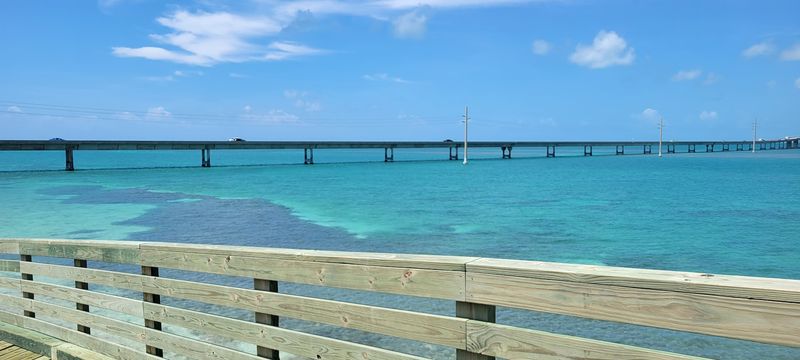
Most people expect a bridge to feel like a bridge. The Seven Mile Bridge has other ideas.
From the driver’s seat, the guardrails almost disappear into the peripheral vision, leaving an unobstructed panorama of ocean on both sides.
The water color changes depending on depth and time of day. Shallow areas glow a brilliant green-blue, while deeper sections turn darker and more intense.
On a sunny Florida afternoon, the contrast is almost too vivid to believe.
The bridge itself is wide, well-maintained, and straightforward to drive. Most people find it far less intimidating than they imagined.
The crossing typically takes around 10 to 15 minutes under normal traffic conditions.
What catches drivers off guard is the openness. There are no trees, no buildings, no hills.
Just water, sky, and the road ahead. That simplicity is exactly what makes the experience so memorable.
People who cross it once almost always want to cross it again on the return trip.
Best Times To Cross For Maximum Impact
Timing matters more than most people realize when crossing the Seven Mile Bridge. The experience shifts dramatically depending on the hour and the season.
Sunrise is widely considered one of the best times to make the crossing. The light hits the water at a low angle, turning everything golden and soft.
The road tends to be quieter in the early morning, which makes the whole thing feel more personal and less rushed.
Sunset runs a close second. The western sky ignites in shades of orange and pink, and the reflection across the water creates a scene that feels almost painted.
Florida sunsets in the Keys are famously dramatic, and this bridge frames them perfectly.
Midday crossings are still beautiful but can feel more crowded during peak tourist season. Weekday mornings tend to offer the smoothest traffic flow.
Regardless of timing, daylight is strongly recommended over nighttime for anyone making the crossing for the first time.
Practical Tips Before You Hit The Bridge
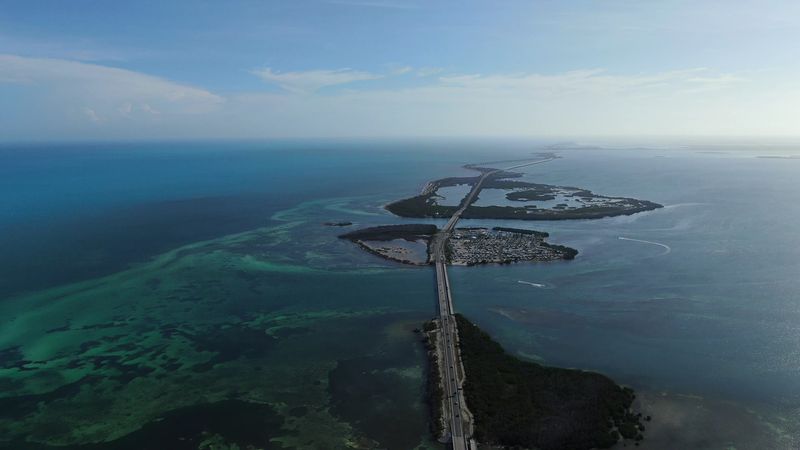
A little preparation goes a long way before crossing the Seven Mile Bridge. The good news is that this drive is genuinely accessible and requires no special skills or vehicles.
There is no toll to use the bridge, which makes it an easy addition to any Florida Keys road trip without budget concerns. Drivers simply stay on US-1 and follow the flow of traffic straight onto the span.
Stopping on the active bridge for photos is not permitted except in emergencies. Pull-offs before and after the bridge offer better and safer opportunities for capturing the scenery.
Planning ahead for those stops saves frustration mid-crossing.
High-profile vehicles like RVs and trucks should be aware of crosswinds, which can be noticeable on the open span. Keeping both hands on the wheel and maintaining steady speed is sensible advice for any driver.
The bridge handles tourist traffic every day, so the road surface is reliably maintained and clearly marked throughout the entire crossing.
Wildlife Spotted From The Bridge
The ocean around the Seven Mile Bridge is alive in ways that surprise first-time visitors. This stretch of Florida water is home to a remarkable variety of wildlife that shows up regularly near and under the span.
Sea turtles are among the most exciting sightings. They surface periodically near the bridge, and spotting one from a moving car is the kind of moment that makes passengers grab each other’s arms.
Dolphins are also common in these waters and sometimes swim alongside boats passing beneath the span.
Pelicans glide low over the water with impressive precision. Rays are frequently visible in the shallower sections, their wide flat shapes easy to identify from above.
Various species of fish gather near the bridge structure, making the water visible from the old pedestrian span particularly fascinating to watch.
Wildlife sightings are never guaranteed, but the odds are favorable. The Florida Keys ecosystem is exceptionally rich, and the bridge corridor sits right in the middle of it.
The Seven Mile Bridge Run Every April
Once a year, the Seven Mile Bridge transforms from a car crossing into a running track. Every April, the bridge closes to vehicles for roughly 2.5 hours on a Saturday morning to host the Seven Mile Bridge Run.
The event began in 1982 to commemorate the Florida Keys bridge rebuilding project. It has grown steadily over the decades into one of the most unique road races in the entire country.
Runners cover the full length of the bridge with open ocean on both sides the entire way.
The course is flat, which sounds easy until the wind kicks in from across the open water. Participants describe it as one of the most visually stunning race routes they have ever experienced, even when conditions get breezy.
Spectators line the starting and finishing areas near Marathon. The event draws participants from across Florida and beyond.
For anyone who loves running or simply wants an unusual way to experience the bridge, this annual event is worth planning a trip around.
Why This Bridge Stays In The Memory Long After The Drive
Most drives fade from memory within a day or two. The Seven Mile Bridge tends to stick around much longer.
People bring it up in conversations weeks after a Florida Keys trip, often without being prompted.
Part of it is the visual scale. The bridge stretches so far that the opposite end is barely visible at the start.
The sense of being suspended between two worlds, land behind and land ahead, with nothing but ocean in between, is genuinely hard to shake.
Part of it is also the simplicity. No toll booths, no complicated navigation, no stress.
Just a straight road across one of the most beautiful bodies of water in the United States. Florida has no shortage of scenic drives, but this one operates on a completely different level.
The bridge sits at US-1 near Marathon, FL 33050, and is available to anyone passing through the Keys. It asks for nothing except a few minutes of attention, and it gives back something that lasts considerably longer.