
Pick Your Own, Eat As You Go, And Leave This Illinois Berry Farm With A Full Heart And Full Hands
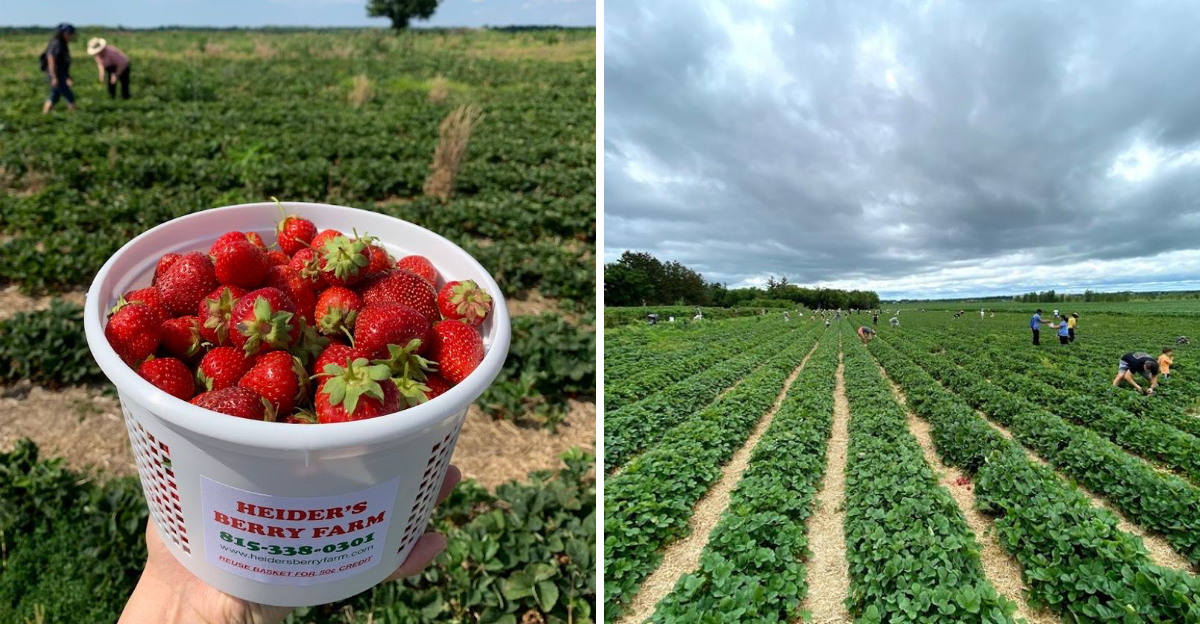
Real berries taste nothing like what supermarkets sell. Illinois fields give you something far better, and this six-generation farm is exactly the kind of place that turns one quiet afternoon into a story people keep telling for years.
Strawberries that smell like summer should smell. Red raspberries, black raspberries, and a rare purple variety that catches first-timers completely off guard.
Picnic tables sit under shade trees, chickens roam the property, fresh jams wait in the shop, and the fields reward anyone willing to slow down and actually look. Illinois countryside does not often hand you an afternoon this unhurried, this delicious, and this worth repeating.
Come hungry, leave with full hands, and plan your return before you even reach the car.
Six Generations Deep And Still Going Strong
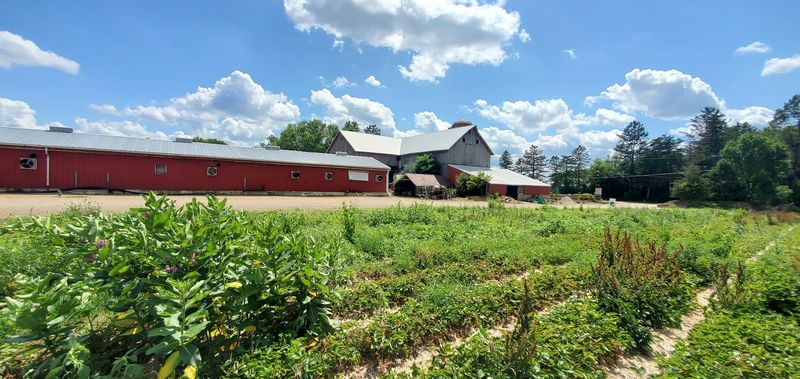
Some farms sell produce. Heider’s Berry Farm sells something harder to bottle: a living piece of Illinois agricultural history.
The Heider family has worked this land for six generations, which means the roots here go far deeper than any berry bush planted in the fields.
That kind of longevity does not happen by accident. It takes consistent care, honest practices, and a genuine love for what the land produces.
Visitors often sense this the moment they arrive at 1106 N Queen Anne Rd, Woodstock, IL 60098. The place feels looked after, not just operated.
The farm has evolved over the decades without losing its soul. New additions like a shaded picnic area and expanded shop have been folded in naturally.
What visitors find today is a farm that honors its past while staying genuinely welcoming to anyone walking through the gate for the very first time.
The Berry Lineup That Keeps People Coming Back
Four berry varieties. One farm.
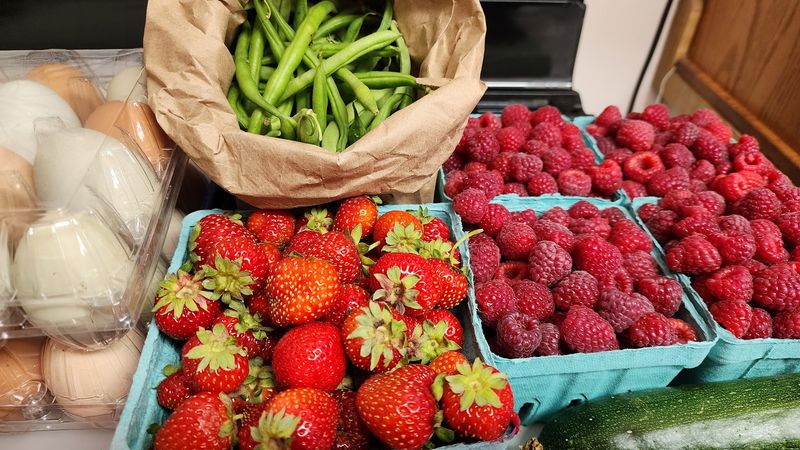
Zero reasons to settle for the bland, waxy options at the supermarket. Heider’s grows strawberries, red raspberries, black raspberries, and royalty purple raspberries, giving visitors a lineup that feels almost indulgent.
The royalty purple raspberry is the quiet showstopper of the group. Many visitors have never encountered this variety before arriving, and the deep, floral flavor tends to convert skeptics immediately.
Black raspberries bring a bolder, earthier bite that stands apart from the more familiar red.
Strawberries typically come first, kicking off the season in the second week of June. Raspberries follow in late June or early July.
A fall season then extends the picking window from mid-to-late August all the way through the first hard freeze, often stretching into October. Illinois summers and early falls, it turns out, are very good to berry lovers willing to show up and pick.
Raspberry Picking Is Its Own Kind Of Thrill
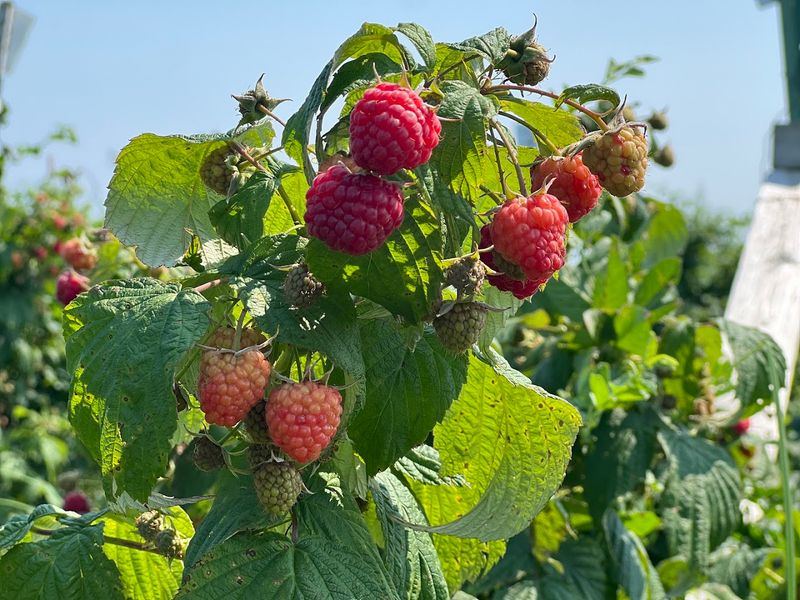
Raspberry picking demands a little more patience than strawberries, and that is precisely what makes it satisfying. The bushes are thorny, so light gloves are a smart call.
But once the rhythm sets in, the rows reveal an almost absurd abundance of fruit just waiting to be claimed.
Red raspberries, black raspberries, and the striking royalty purple variety all become available from late June or early July. Each type grows in its own section of the farm, and the staff is happy to point pickers toward whichever rows are most ready on a given day.
Checking the farm’s social media before heading out is always a good move, since berry readiness can shift quickly.
The flavor difference between varieties surprises most people. Red raspberries are bright and tangy.
Black raspberries carry a deeper, almost jammy taste. The purple royalty sits somewhere in between, with a floral complexity that tends to be the one visitors talk about long after the drive home through Illinois countryside.
Strawberry Season Kicks Off Summer The Right Way
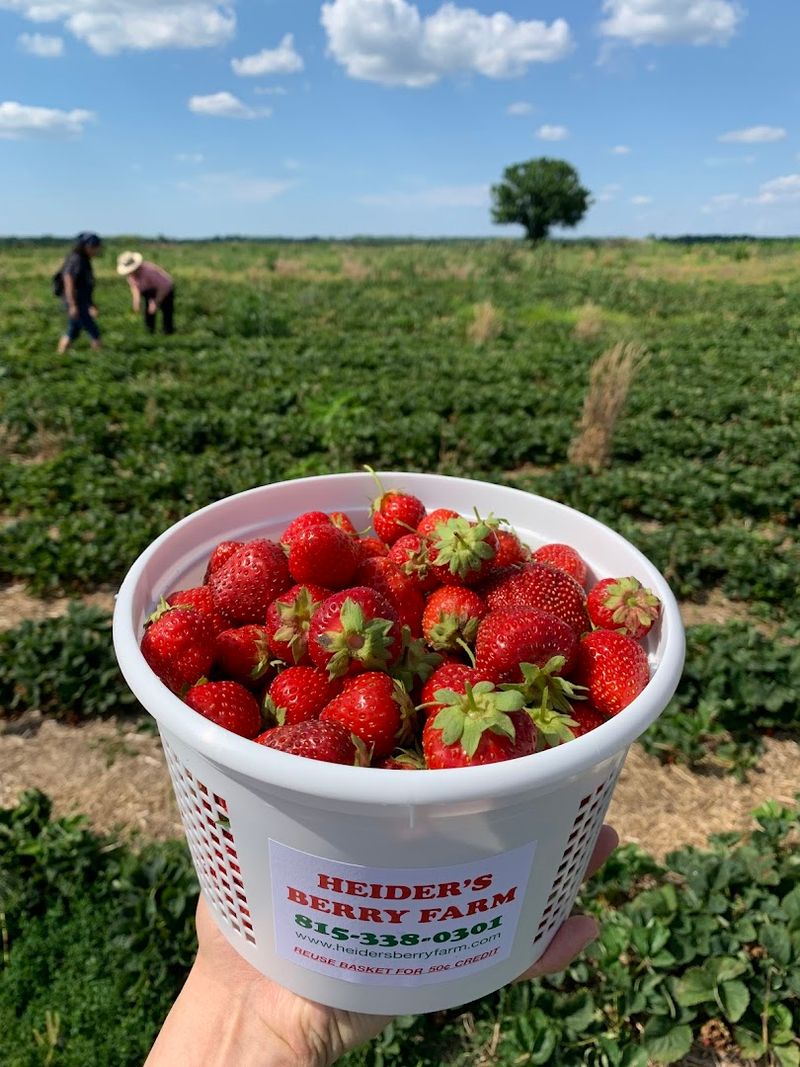
Strawberry season at this Illinois farm is not a quiet affair. When June arrives and the fields ripen, there is a palpable energy that draws families, couples, and curious first-timers out to Woodstock.
The strawberries here are described by visitors as fragrant and intensely sweet, a far cry from the firm, flavorless variety shipped to chain stores.
Baskets are provided for picking, sized specifically for strawberries, so there is no need to bring anything except enthusiasm and maybe a hat. The fields are accessible, with paths that work for strollers and wheelchairs, meaning no one in the group has to sit this one out.
For those who arrive toward the end of the strawberry window, the hunt for ripe fruit becomes part of the fun. Rows that have been picked over still yield hidden gems tucked under leaves.
That extra effort, according to more than a few visitors, makes the reward taste even sweeter once the basket is finally full.
Fall Picking Season Extends The Fun Way Past Summer
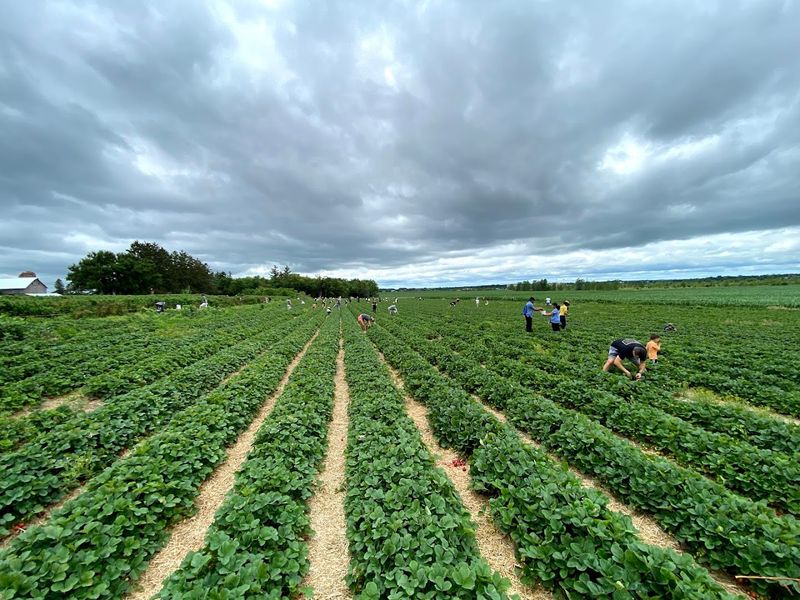
Most people assume berry season ends when summer does. At this Woodstock farm, that assumption is happily wrong.
A fall picking season runs from mid-to-late August until the first hard freeze, typically landing somewhere in mid-to-late October, depending on what Illinois weather decides to do that year.
Red raspberries make a second appearance during the fall window, giving visitors who missed the summer rush a genuine second chance at the fields.
Strawberries also return for an autumn round, giving visitors who missed the June rush a genuine second chance. The fields during this period have a different feel, cooler air, softer light, and noticeably fewer crowds than peak summer days.
Fall picking tends to attract a more relaxed crowd. Families looking for a low-key weekend outing find that the farm pairs beautifully with the changing season.
The picnic area under a large shaded tree becomes especially appealing when temperatures drop to a comfortable range. Packing a lunch and spending a full afternoon here during fall is a completely reasonable and rewarding plan.
No Fee At The Gate And No Stress At The Farm
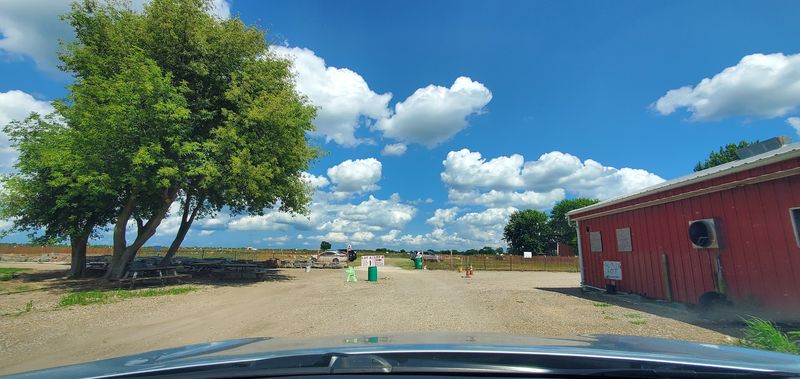
Pulling up to a destination and discovering there is no entrance fee and no parking charge is a small but genuinely pleasant surprise. This farm keeps things uncomplicated from the very first moment of arrival.
Visitors simply park, grab a basket, and head into the fields.
Baskets are provided at no upfront cost. Payment happens after picking, based on what was actually collected.
That structure removes any pressure to rush or overpick to justify an admission fee, and it makes the whole experience feel more like a casual outing than a ticketed attraction.
The farm accepts cash, credit cards, Apple Pay, and Google Pay, so there is no need to make a special stop at an ATM before heading out. Pre-picked berries are also available at checkout for anyone who wants to supplement their haul or simply prefers to skip the fields entirely.
Illinois farm visits do not get much more low-barrier than this.
What Else Is On The Farm Besides Berries
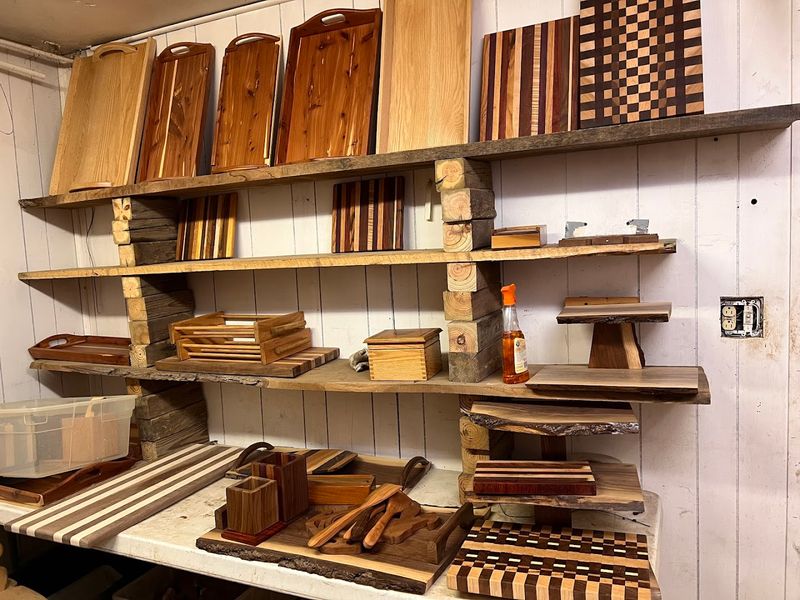
Berries are the headline act, but the supporting cast at this farm is worth the attention too. The on-site shop carries homemade jam, rhubarb, and seasonal vegetables like zucchini, cucumbers, and eggplant.
For anyone who wants to stock the kitchen beyond fruit, there is plenty to browse at checkout.
Handcrafted wood creations add an unexpected dimension to the visit. Wooden swings, gliders, and children’s tables made on the property have found homes with visitors who came for raspberries and left with a piece of functional art.
Each piece is handmade and carries a story behind its construction.
Chickens and roosters roam the property, giving younger visitors an impromptu agricultural education without any extra planning. The farm also occasionally stocks snacks and souvenirs in the expanded shop.
Visitors who arrive expecting only a berry field often leave pleasantly surprised by how much there is to explore across this Illinois property before they even think about heading home.
Farming Practices Worth Knowing Before You Pick
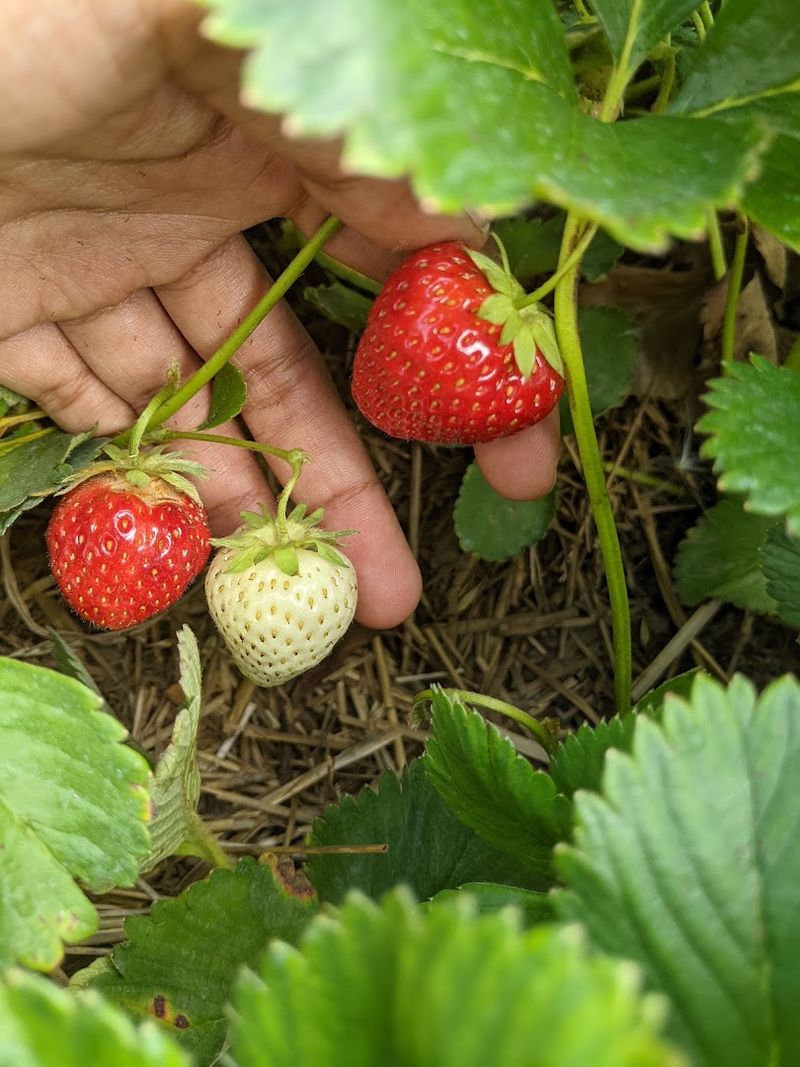
Heider’s Berry Farm is not certified organic, and the farm is upfront about that. What it does use is an integrated pest management system, a method that applies sprays only when truly necessary and never after the berries have formed.
That distinction matters to a lot of visitors who want to know what they are putting in their baskets.
Integrated pest management focuses on monitoring and prevention rather than routine chemical application. It is a more thoughtful approach than blanket spraying, and it means the berries in the field have not been treated once they reached the stage visitors are actually picking and eating.
For families with young children or anyone who likes to snack directly from the vine while walking the rows, this is reassuring information. The farm’s transparency on this point reflects the same straightforward, no-pretense attitude that runs through everything else about how this Illinois property is managed and presented to the public.
The Picnic Area Makes It A Full Day Out
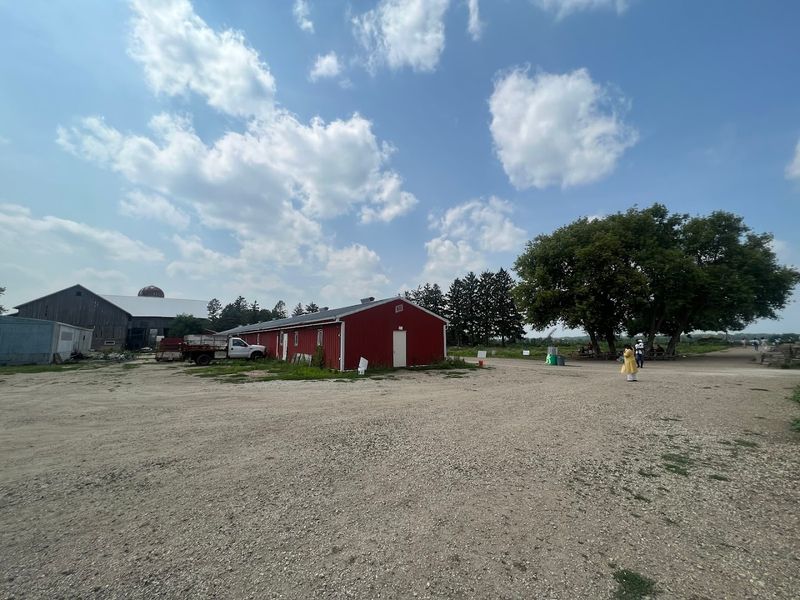
Picking berries works up an appetite, and this farm has the answer ready. A shaded picnic area sits beneath a large tree on the property, complete with benches where visitors can unpack a lunch, rest their feet, and eat whatever they just picked straight from the basket.
Packing a lunch and spending the better part of a day here is not just possible, it is actively encouraged. The combination of picking, browsing the shop, watching the chickens, and sitting in the shade under that tree adds up to an afternoon that feels full without being rushed or overscheduled.
The picnic area is especially popular with families who want to stretch the visit beyond a quick in-and-out trip. On cooler fall days, the shade is less critical but the bench space is still appreciated.
For anyone driving out from the Chicago area, about an hour away in Illinois, turning the trip into a proper half-day outing makes the drive feel entirely worthwhile.
Accessibility And Practical Tips For First-Time Visitors
First-time visitors often have the same questions. Can we bring a stroller?
Is the terrain manageable? Will there be restrooms?
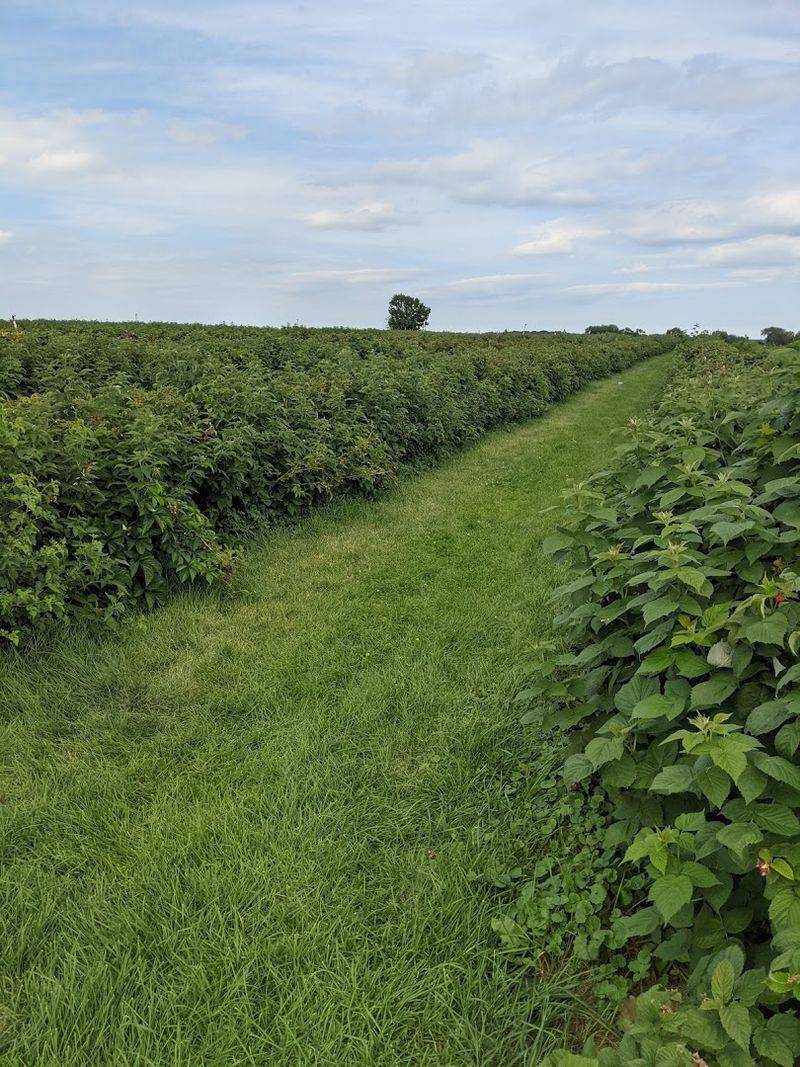
The short answers at this farm are yes, yes, and yes. Paths throughout the property are stroller and wheelchair friendly, which removes a common barrier for families with young children or visitors with mobility needs.
Restrooms are available on site. Checking the farm’s Facebook page or Instagram before the visit is strongly recommended, since daily updates on berry availability and picking conditions are posted there.
Showing up on a day when a particular berry is not ready is an easy and avoidable disappointment.
Dogs are not permitted in the fields, so planning accordingly if bringing a pet is important. Wearing a hat and sunscreen is genuinely useful advice for summer visits, since the fields are open and the Illinois sun does not hold back.
Light gloves can also help when picking raspberries from thorny bushes. A little preparation makes the whole experience run smoothly.
Why The Drive To Woodstock Is Worth Every Mile
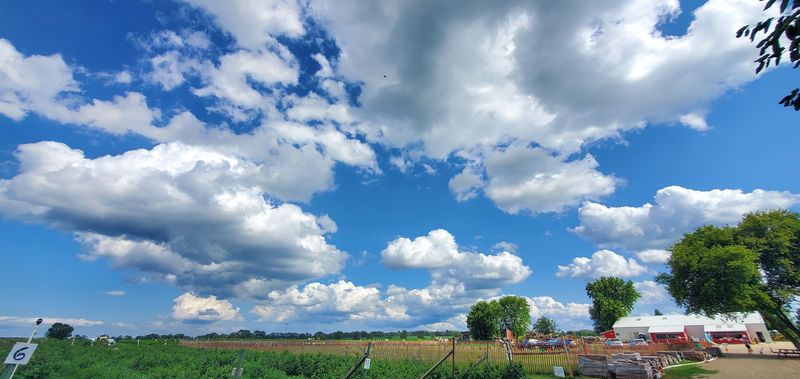
Woodstock, Illinois, sits about an hour from Chicago, far enough to feel like a real escape but close enough to make it a reasonable day trip without an overnight bag. The drive out through the Illinois countryside sets the tone before the farm even comes into view.
Visitors consistently describe the trip as worth it, and not just for the berries. The combination of fresh air, open fields, and a farm that genuinely feels unhurried and unpolished in the best possible way makes the distance feel like part of the experience rather than an obstacle to it.
For city dwellers craving a reset that does not require a long weekend or a complicated itinerary, this farm offers exactly the right kind of uncomplicated joy. Leaving with full hands, berry-stained fingers, a jar of homemade jam, and maybe a wooden swing is not a bad outcome for a single afternoon spent in the Illinois countryside around Woodstock.