
This Tennessee Gorge Hike Takes You To A 75-Foot Waterfall You Can Swim Beneath
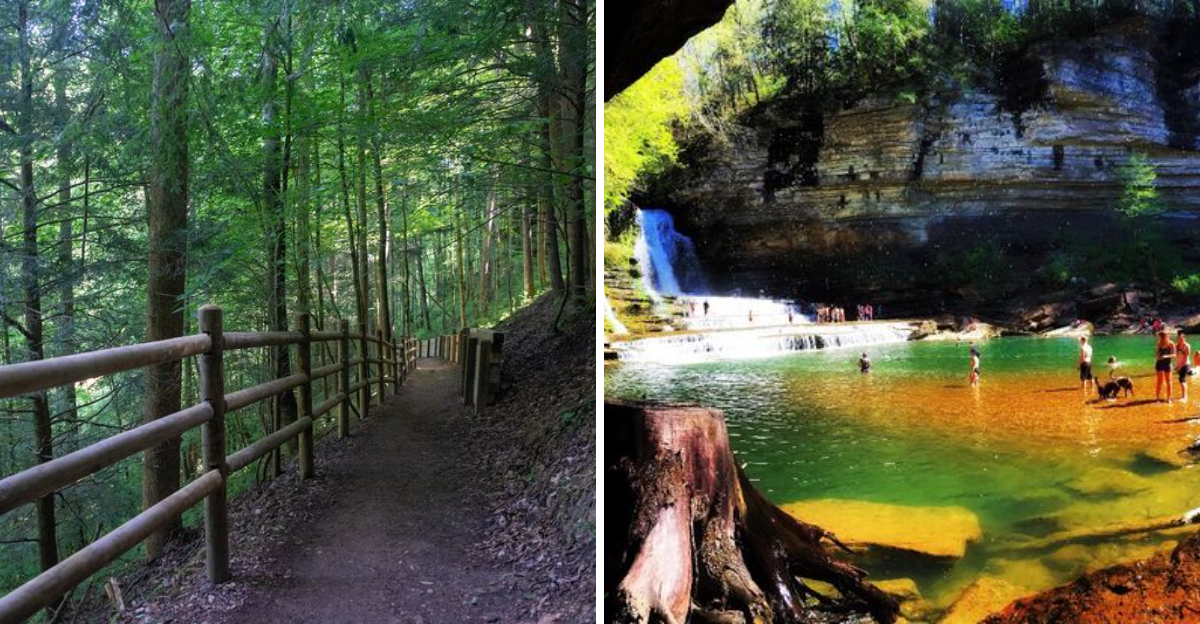
Tennessee has waterfalls. And then it has this one.
A gorge hike that winds through wild, rocky landscape before delivering you to a 75-foot cascade dropping into a swimmable pool below.
It’s dramatic, it’s beautiful, and it’s the kind of place that makes you forget you had anything else planned today.
The trail isn’t a walk in the park, but that’s what makes arriving feel so good. You earn the view here, one boulder scramble at a time.
Families tackle it, solo hikers love it, and anyone who makes it to the base of that falls tends to stay longer than expected.
Pack the right shoes, bring more water than you think you need, and prepare to spend the rest of the day explaining to people why they need to go.
This Waterfall Delivers On Every Expectation
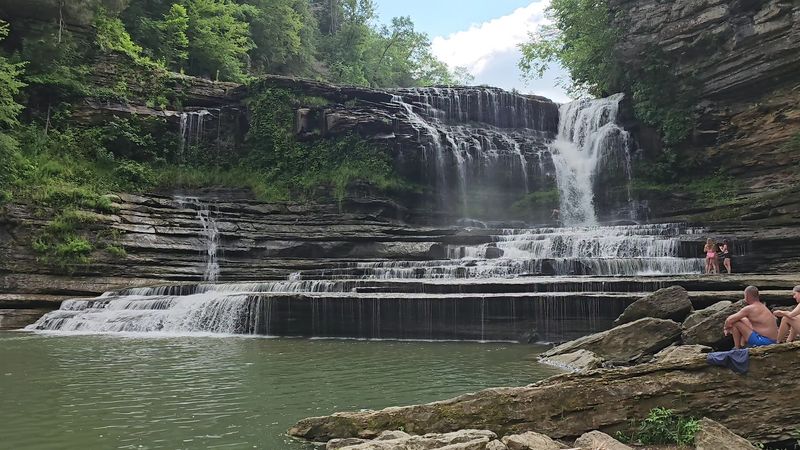
Standing at 75 feet tall, this waterfall is not just a pretty backdrop for a photograph.
It is recognized as the eighth largest waterfall in Tennessee by water volume, a distinction that carries real weight when you see the force with which the water hits the pool below.
The sound alone is disorienting in the best possible way.
The falls draw visitors from across the Southeast and beyond. Travel + Leisure magazine named the swimming hole at its base one of the tenth best in America, which tells you something about the quality of the experience waiting at the bottom of that gorge.
The park sits nine miles north of Cookeville, Tennessee, and was established in 2011. Despite being relatively young as state parks go, it has built a loyal following fast.
People come back. They bring their families. They plan their weekends around it. That kind of loyalty is earned, not manufactured.
Getting A Gorge Access Permit Before You Go
Before anyone sets foot on the trail toward the base of the falls, a Gorge Access Permit is required.
The park enforces this system to manage the number of visitors entering the gorge at any given time, which keeps the experience safer and more enjoyable for everyone.
Permits can fill up quickly, especially on summer weekends, so booking online in advance is strongly recommended.
The permit fee runs around seven dollars per person for the gorge access, though fees can vary by season and group size. Arriving early in the morning gives you the best chance of securing a spot and avoiding the midday rush.
Weekday visits, particularly Monday through Thursday, tend to offer a noticeably quieter experience on the trail and at the falls.
Rangers at the park take permit compliance seriously, and for good reason. The gorge is a dynamic environment with real hazards, and controlling foot traffic helps prevent accidents.
Before heading down, visitors are required to watch a safety video that covers the key risks of the hike.
It takes only a few minutes and covers information that genuinely matters once you are navigating boulders and creek crossings on the way in.
Two Trail Options For Every Type Of Hiker
Two primary routes lead down into the gorge at Cummins Falls State Park. The shorter path measures one mile one way, making for a two-mile round trip.
The longer route stretches 1.5 miles one way, totaling three miles out and back. Both trails are classified as strenuous, so the difference in distance does not translate to a difference in difficulty.
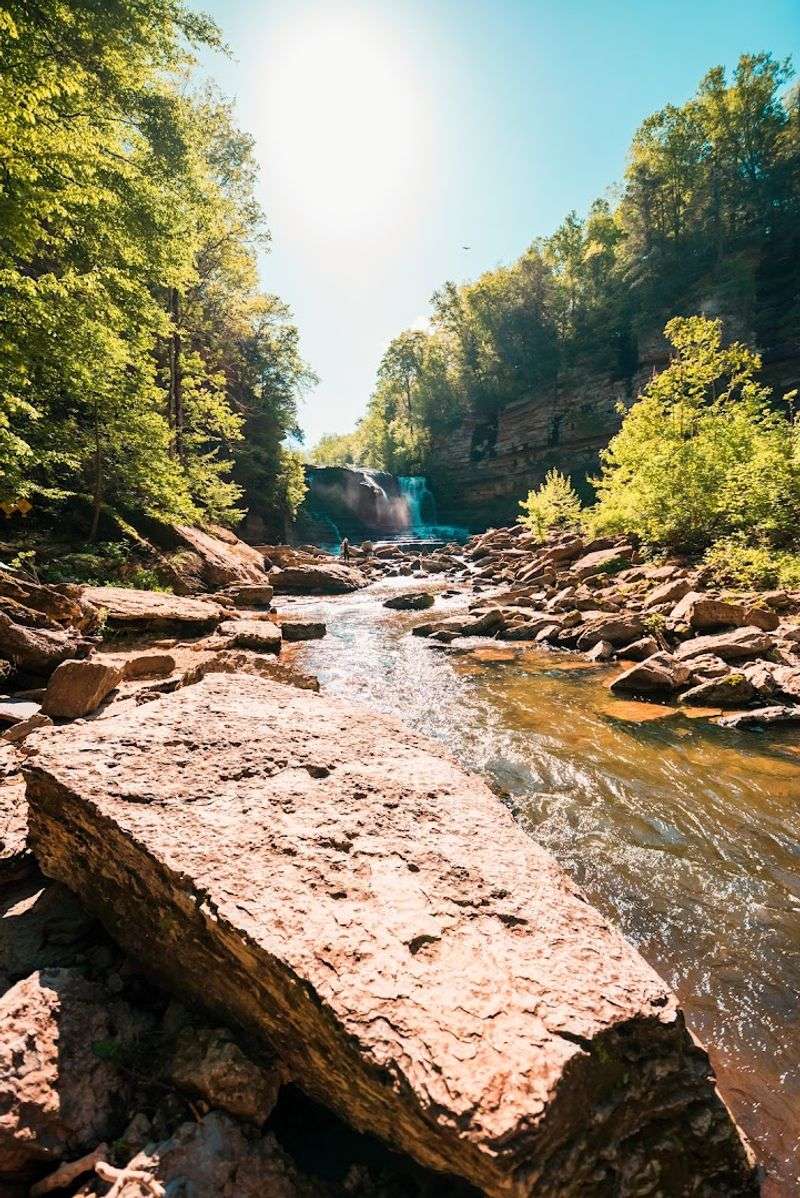
The terrain on either path includes steep elevation changes, uneven footing, large boulders that require scrambling, and multiple creek crossings where the water can reach waist or even chest height depending on recent rainfall.
There is no single defined trail once you enter the creek bed. You read the terrain and move accordingly, which is part of what makes the experience feel genuinely adventurous rather than routine.
One reviewer noted that the hike down took nearly an hour with kids stopping along the way, while the return trip clocked in at about 35 minutes. That tracks with the general experience.
Going down is slower because the terrain demands attention. Coming back up is harder on the legs but faster in pace.
Either way, the effort is real, and the destination at the end of both trails is absolutely worth it.
What The Gorge Actually Feels Like Underfoot
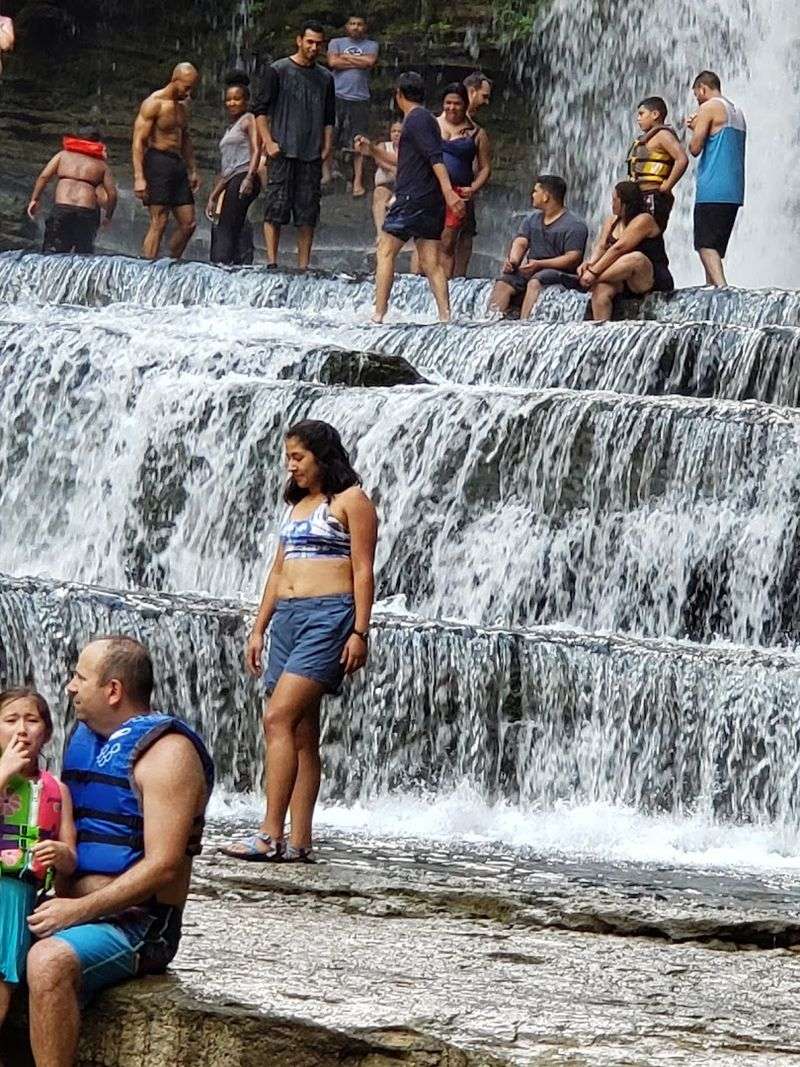
Reading a trail description and actually walking through the Cummins Falls gorge are two very different experiences.
The creek bed is the trail for much of the journey, which means your feet are wet long before you reach the falls.
Water shoes with solid grip are not optional here. They are the single most important piece of gear you can bring.
The rocks underfoot range from smooth river stones to jagged boulders, and the combination of algae, flowing water, and uneven surfaces creates conditions where confident footing matters constantly.
Visitors who have attempted the gorge in flip-flops or casual sneakers almost universally report struggling.
Hybrid water-land shoes with rubber soles designed for wet rock are the practical choice.
Boulders near the base of the falls require actual scrambling, meaning hands and feet both engaged, to reach the closest viewpoint.
Some visitors stop at the pool and enjoy the falls from a comfortable distance. Others climb closer for a more immersive experience with mist in their faces. Both approaches are valid.
The gorge rewards whatever level of commitment you bring to it, but it never pretends to be easy. That honesty is part of its appeal.
Swimming Beneath A Waterfall That Demands Respect
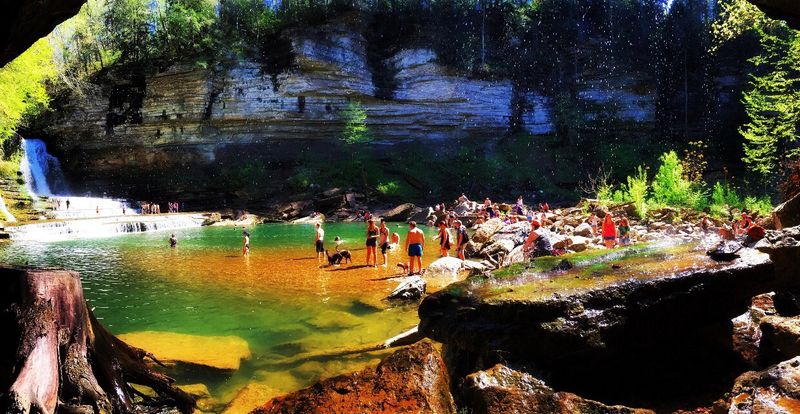
The pool at the base of Cummins Falls is cold, clear, and exhilarating.
After a strenuous hike through the gorge, sliding into that water feels like the most logical reward the natural world has ever offered.
The falls crash down from 75 feet above with enough force to create a constant mist that cools the air around the entire swimming area.
Rock shelves surrounding the pool offer spots for wading, resting, and taking in the full scale of the falls from a dry vantage point.
More adventurous swimmers gravitate toward the deeper sections of the pool, while families with young children tend to stay on the shallower rock ledges where footing is easier to manage.
The variety of the space means it works for different comfort levels at the same time.
Safety rules here are firm and sensible. Children under 12 are required to wear a life jacket while swimming, and the park provides life vests near the gorge for this purpose.
Children under five are actively discouraged from visiting the waterfall area due to the physical demands of the hike and the hazards near the water.
The park closes the falls at 5 PM, so planning your arrival with that cutoff in mind keeps the day from feeling rushed.
The Overlook Trail For A Different Kind Of View
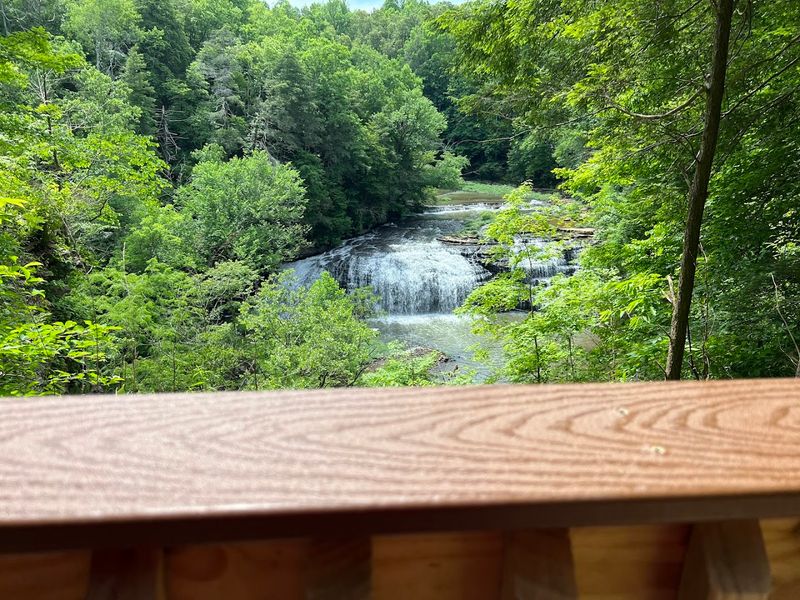
Not every visit to Cummins Falls needs to end with wet shoes and a boulder scramble.
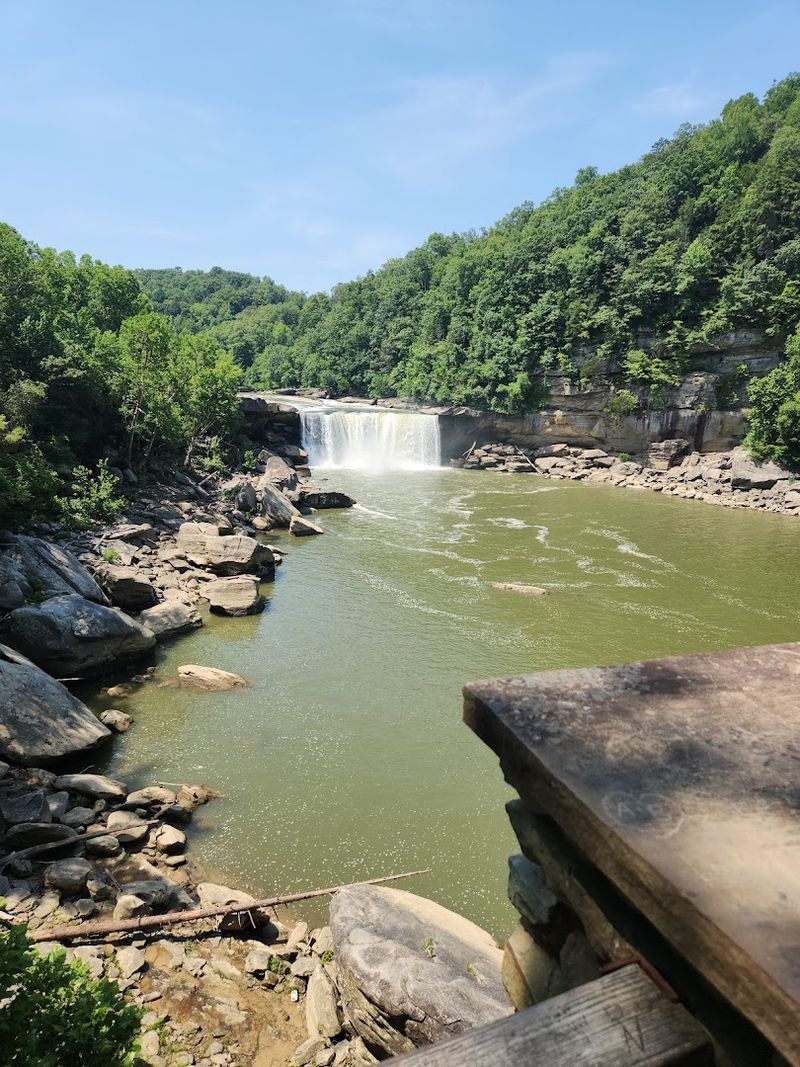
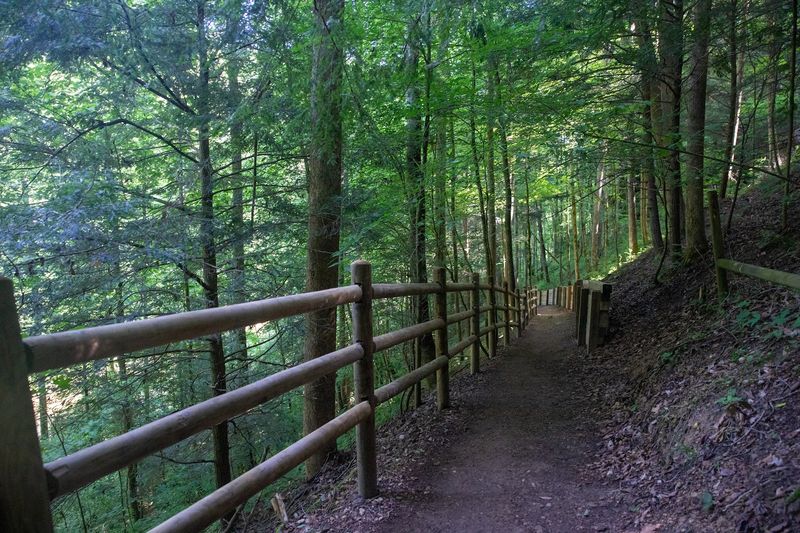
The park offers an overlook trail that provides a bird’s-eye view of the falls without requiring a Gorge Access Permit or strenuous hiking.
This path is mostly flat, paved in sections, and accessible to visitors with mobility limitations, including those in wheelchairs.
The overlook experience is genuinely rewarding in its own right. Seeing the full 75-foot drop from above gives a sense of the falls’ scale that is actually harder to appreciate when you are standing at the base looking up.
The perspective is different, and for visitors who are not physically prepared for the gorge hike, it offers a meaningful connection to the place without the risk.
Families with very young children, older adults, or anyone recovering from an injury often find the overlook to be the right choice.
The concrete sidewalk leading to the viewpoint makes it one of the more inclusive natural attractions in Tennessee.
Rangers and staff at the park are helpful in directing visitors toward the option that best matches their physical readiness, and they do so without any judgment.
Both experiences, the gorge and the overlook, tell true stories about this waterfall.
When To Visit And How To Beat The Crowds
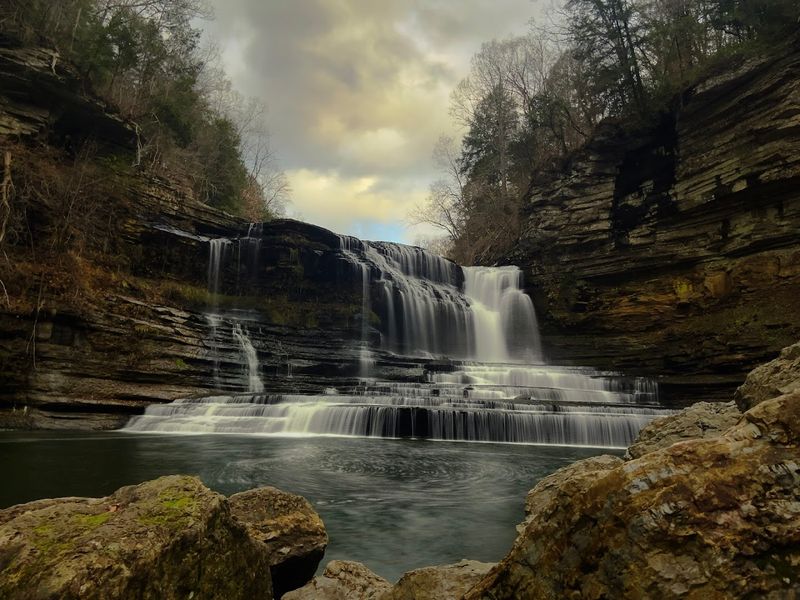
Cummins Falls State Park sits nine miles north of Cookeville, Tennessee, putting it within roughly 75 minutes of Nashville and about two hours from Clarksville.
That proximity to major population centers means summer weekends can get genuinely crowded.
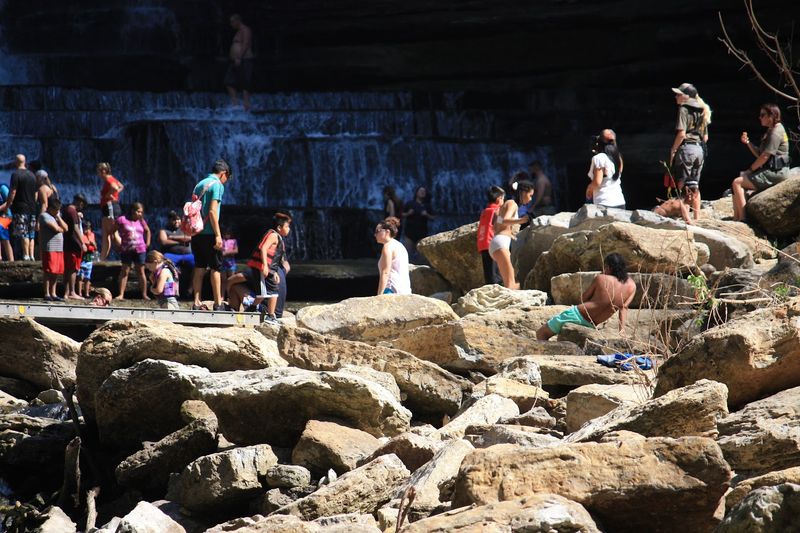
One longtime visitor described it as the most crowded hike they had ever been on, with lines forming at the base of the falls during peak periods.
The most reliable strategy for a calmer visit is a midweek trip, ideally arriving at the park when it opens in the morning.
Weekday crowds are noticeably thinner, the permit process moves faster, and the experience at the falls feels more personal.
Holiday weekends, particularly around Memorial Day, the Fourth of July, and Labor Day, bring the heaviest traffic of the year.
Fall visits offer a compelling alternative to summer. The swimming is colder, but the gorge takes on a different kind of beauty as the surrounding hardwoods change color.
Winter visits are possible for those interested in seeing the falls in a quieter, more raw state, though the creek crossings require extra caution in lower temperatures.
The park remains open year-round, and each season offers a genuinely different experience of the same remarkable place.
What To Pack For A Day In The Gorge
Preparation makes a measurable difference at Cummins Falls. The gorge does not have trash cans or bathrooms along the trail, so everything you bring in comes back out with you.
A reusable water bottle is essential given the physical demands of the hike, and snacks that pack small and provide steady energy, like trail mix or energy bars, keep the trip comfortable without adding bulk to your bag.
A dry bag or waterproof pouch for your phone, wallet, and keys is a practical investment.
Creek crossings can be deeper than expected after rain, and protecting electronics from an accidental submersion is far easier than dealing with a waterlogged phone on the trail.
A change of dry clothes left in the car for after the hike is one of those small decisions that feels brilliant at the end of the day.
The park prohibits alcohol in the gorge, so leave that out of the pack entirely.
Sunscreen and insect repellent are worth applying before you head down, as the gorge offers limited shade in some sections and the summer insects can be persistent.
Life vests for children are provided at the gorge, which removes one logistical concern for parents.
The park store just outside the entrance sells ice cream, drinks, and sandwiches for a satisfying post-hike reward.
Why This Place Stays With You Long After You Leave
There is a particular quality to places that require effort to reach.
Cummins Falls earns its place in memory not just because of the waterfall, though the falls are genuinely spectacular, but because of everything the gorge asks of you before you get there.
The boulder scramble, the cold creek crossings, the slick rocks, the steep descent all of it builds a story that belongs to the person who made the trip.
Visitors have gotten engaged here in the quiet of a winter morning. Families have returned year after year, watching children grow confident enough to navigate the same rocks that once required a hand to hold.
The creek runs clear with fish visible in the shallows, and the sound of the falls carries through the gorge long before the waterfall comes into view. That anticipation is part of the experience.
Cummins Falls State Park has drawn steady praise across years and seasons, which says something genuine about the place. It is not a destination that relies on novelty.
It earns its reputation through the actual experience of being there, which is the only kind of reputation worth having. Plan the trip. You will not regret it.