
The Florida Swimming Paradise With Crystal Clear Waters Perfect For Summer Adventures
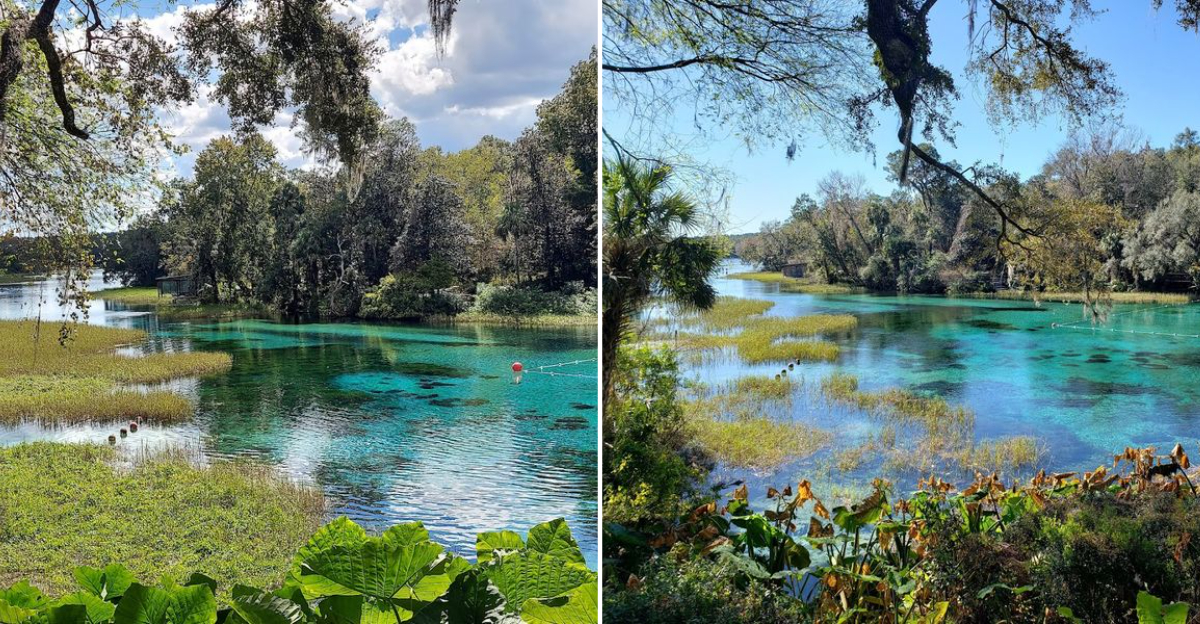
Crystal clear water in Florida is not a guarantee, but a discovery, and this swimming spot proves it, making every wrong turn worth it. Summer here operates at a different frequency entirely.
Underwater visibility this sharp produces a specific kind of stillness in first-time swimmers. The bottom appears close enough to touch from the surface, and the reflex to reach down happens before logic catches up.
Families, solo swimmers, and anyone who packed a bag and pointed toward the water all arrive at the same conclusion within minutes. This place earns its reputation without requiring any embellishment from the people recommending it.
Florida has no shortage of places to get wet in summer. Finding one that genuinely justifies the word paradise requires patience, and this swimming spot rewards that patience completely.
Water Clarity And Unique
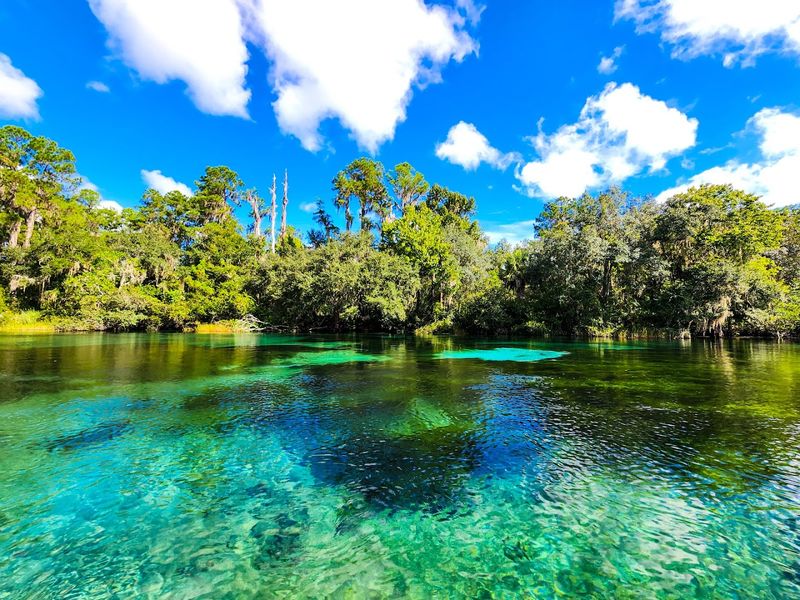
The water at Rainbow Springs is honestly something you have to see to believe. Visibility near the headsprings can reach over 250 feet.
That is not a typo.
The springs pump out anywhere from 65 million to 600 million gallons of water every single day. All of that water forms the headwaters of the Rainbow River, which runs 5.7 miles before joining the Withlacoochee River.
The color is a deep sapphire blue that almost looks fake in photos. First-time visitors often stop and stare for a solid minute before saying anything.
Water temperature stays at a steady 72 degrees Fahrenheit year-round. That means it feels refreshing in July and surprisingly warm in January.
This consistency comes from the spring vents deep underground. The water has been filtering through limestone for years before it ever reaches the surface.
Rainbow Springs holds the title of Florida’s fourth-largest first-magnitude spring. It earned National Natural Landmark status in 1972, an Aquatic Preserve designation in 1986, and was named an Outstanding Florida Waterway in 1987.
You can find Rainbow Springs State Park at 19158 SW 81st Pl Rd, Dunnellon, FL 34432. Arrive early because this place fills up fast on weekends.
Popular Summer Adventures To Try
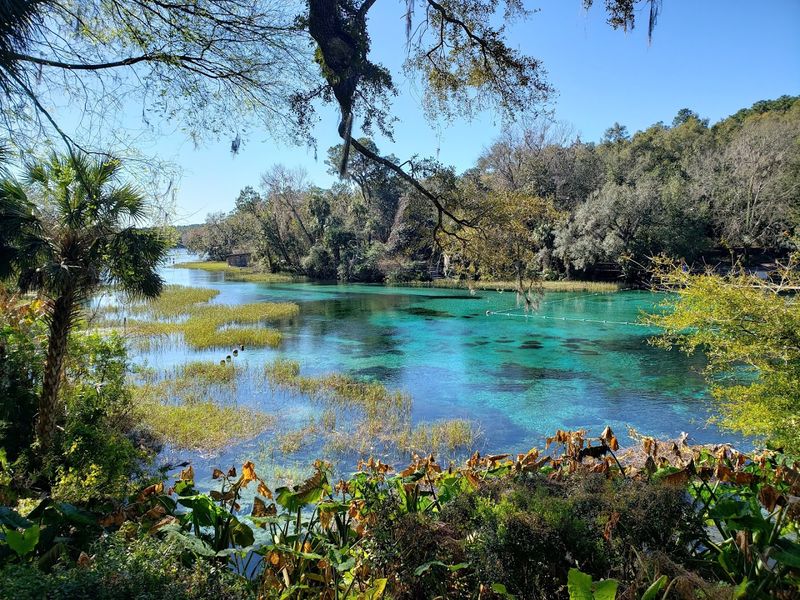
Summer at Rainbow Springs is basically an adventure menu with something for everyone. Tubing is the crowd favorite, especially from April through October.
You rent a tube, hop on a tram, and float two miles down the Rainbow River for about two hours.
It is relaxed, scenic, and genuinely fun. No coolers or disposable containers are allowed on the river.
The rules exist to keep the water as clean as it is today.
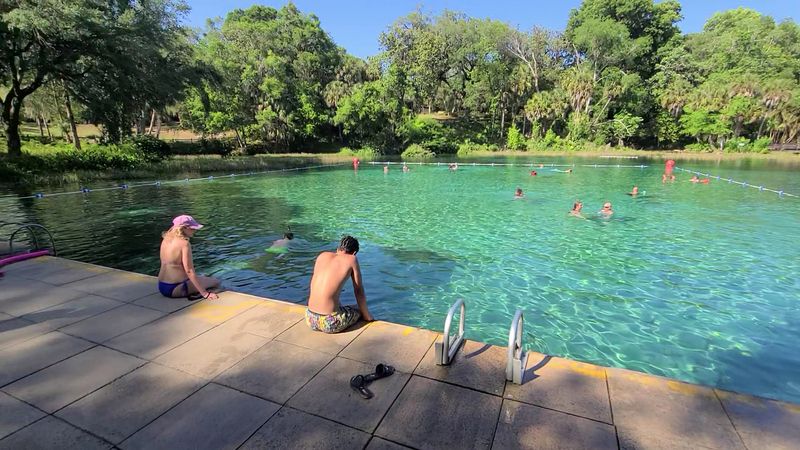
Swimming at the headsprings is another highlight. The designated area has a depth ranging from 5 to 18 feet.
Snorkeling is allowed inside the buoyed zone, and the views underwater are wild.
You will spot fish, turtles, rock formations, and aquatic plants all in one look. Inflatables like rafts are not permitted in the swimming area.
Life preservers and noodles are fine, though.
Kayaking and canoeing are popular options, too. You can rent vessels near the headsprings launch or bring your own.
Clear kayak tours are available as well, starting from KP Hole and heading upstream.
Stand-up paddleboarding is another option worth trying. The calm, clear water makes it easy for beginners.
Hikers and birders also have nature trails and gardens to explore throughout the park.
Local Flora And Fauna To Observe
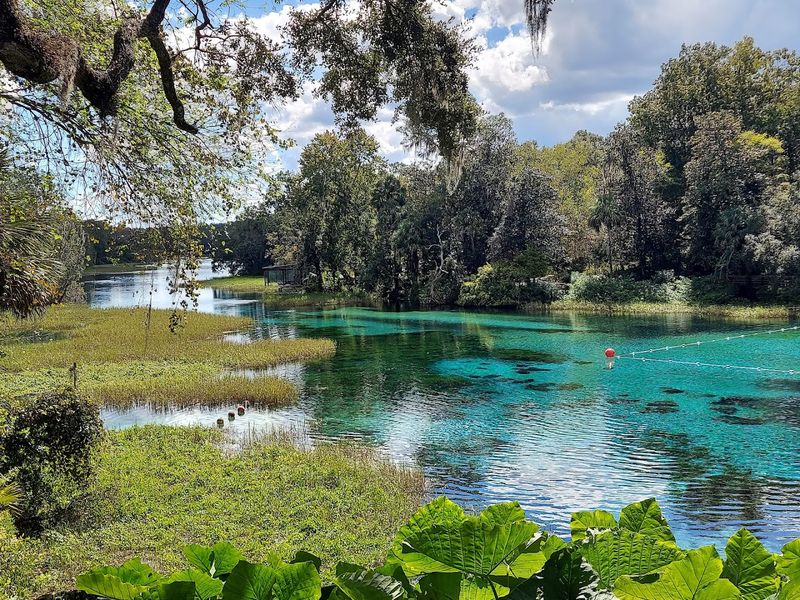
Rainbow Springs is not just about the water. The wildlife here is genuinely impressive.
Otters pop up along the river banks and are often spotted playing near the water’s edge.
Turtles are everywhere. You will see them sunbathing on logs or gliding slowly through the clear water.
Alligators also live in the park, so keep a respectful distance and stay alert.
Bird watchers have a field day here. Herons, egrets, ospreys, and anhingas are common sightings along the river.
The tree canopy along the banks shelters dozens of species throughout the year.
Underwater, the ecosystem is equally rich. Native aquatic plants such as eelgrass and tape grass form dense beds along the riverbed.
These plants are crucial for water clarity and aquatic life.
Fish species, including largemouth bass, bluegill, and mullet, cruise through the spring waters. Manatees occasionally visit during cooler months.
Spotting one is a genuine treat.
The park’s upland areas feature native Florida vegetation, including saw palmettos, live oaks, and cypress trees. The man-made waterfalls and gardens near the headsprings add a layered, almost lush feel to the landscape.
Every corner of this park has something alive and moving. It rewards slow walkers and curious observers equally.
Bring binoculars and a waterproof camera.
Safety Tips For Swimming And Boating
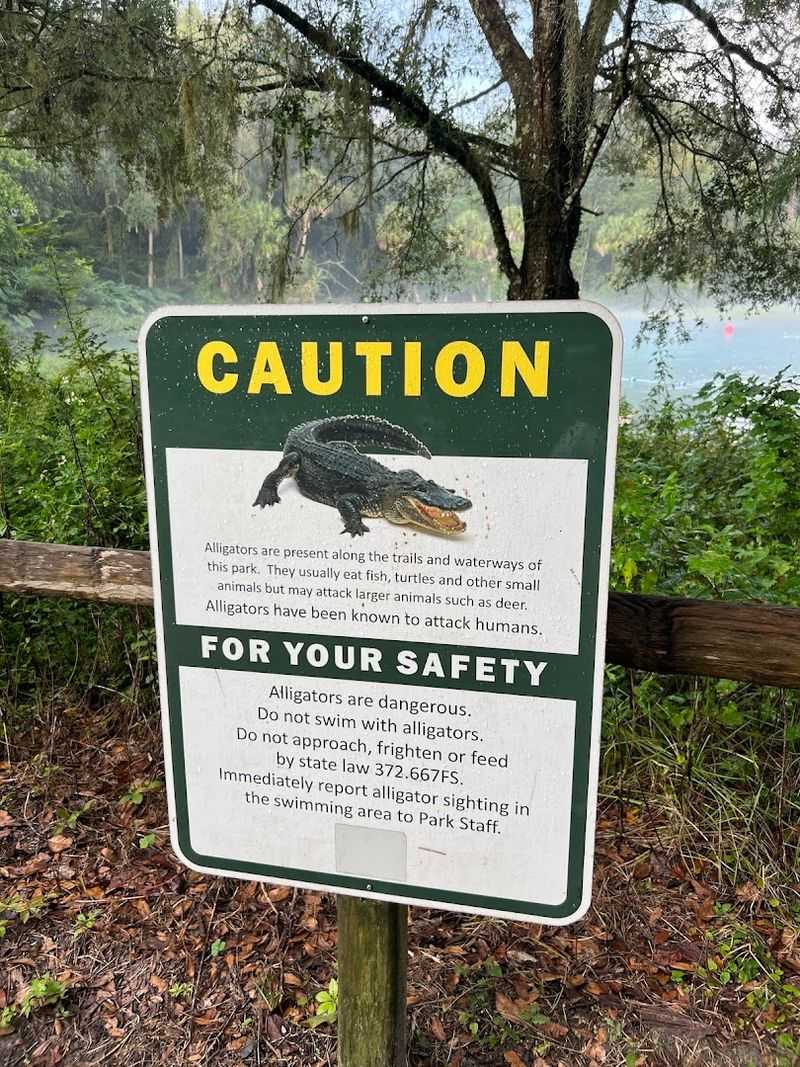
Safety at Rainbow Springs is something every visitor should take seriously. There are no lifeguards on duty at the headsprings swimming area.
That means you are responsible for yourself and anyone you bring.
Children should wear life preservers in the water at all times. The depth ranges from 5 to 18 feet, which can surprise younger swimmers.
Even confident adults should stay within the buoyed swimming zone.
Alligators live in Florida waterways, including areas near Rainbow Springs. Never swim outside of designated zones.
If you spot an alligator, back away calmly and report it to park staff.
For boaters and paddlers, stay aware of other visitors on the water. The river gets busy during peak summer months.
Slow, controlled paddling keeps everyone safer and protects the river’s ecosystem.
Avoid launching or landing in unmarked areas along the river. Portaging is required in certain sections.
Follow posted signs and ask park staff if you are unsure about any route.
Wear water shoes if possible. The spring bottom can be slippery and rocky in spots.
Sunscreen is a must, but choose reef-safe formulas to protect the aquatic environment.
Stay hydrated, especially during long tubing or paddling sessions. The Florida sun is intense from May through September.
Drink water before you feel thirsty, and take regular breaks in the shade.
Best Picnic Spots And Scenic Views
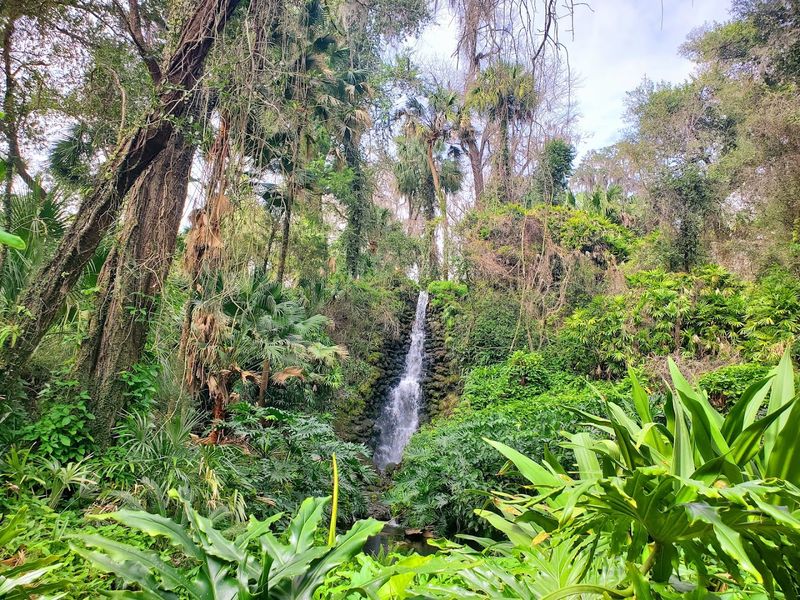
Picnicking at Rainbow Springs is a genuinely pleasant experience. The park has tables, grills, and pavilions spread throughout the grounds.
You do not need to haul in fancy gear to have a great afternoon.
The area near the man-made waterfalls is one of the prettiest spots in the entire park. The waterfalls were built during the old amusement park era and have aged beautifully.
They create a backdrop that makes every photo look professionally staged.
The gardens surrounding the headsprings area are well-maintained and colorful. Native plantings attract butterflies and birds throughout the warmer months.
Walking through them before or after a swim is a relaxing way to spend time.
Along the river, shaded banks offer natural resting spots for paddlers. Many visitors pull up their kayaks and eat lunch on the grass.
The sound of moving water and birdsong makes it feel miles away from any city.
Sunrise and early morning are the best times for scenic views. The light hits the water at angles that make the blue color almost glow.
Fewer crowds in the morning mean better photos and more peaceful moments.
Sunset views near the headsprings area are worth sticking around for. The park closes at sunset, so you can time your last swim or walk accordingly.
It wraps up a full summer day in the best possible way.
Seasonal Changes And Their Impact
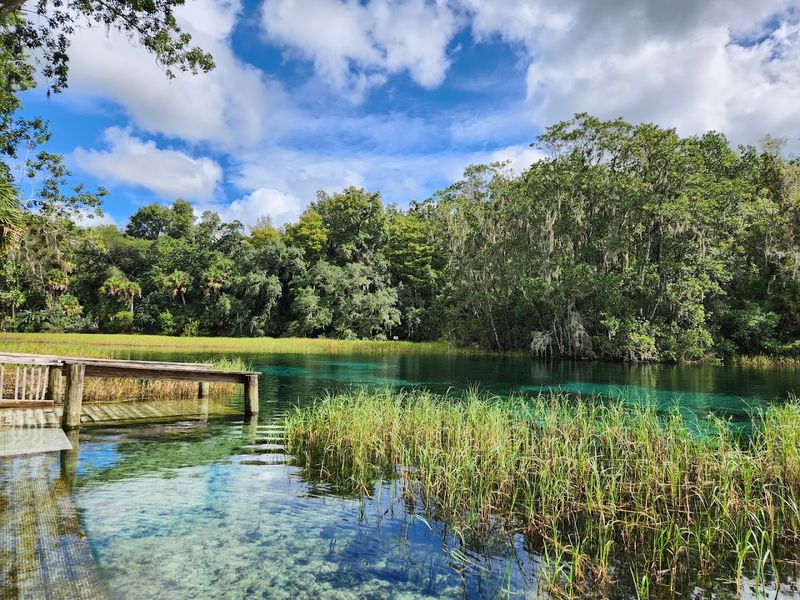
Rainbow Springs operates year-round, and each season brings something different to the experience. Summer is the busiest time by far, especially June through August.
Expect full parking lots, long tubing lines, and a lively, energetic crowd.
The park may close to new visitors once it hits capacity on peak summer days. Arriving before 9 AM on weekends is genuinely good advice.
Weekday visits offer a noticeably more relaxed atmosphere.
Fall brings fewer visitors and cooler air temperatures. The water stays at 72 degrees regardless of season, which makes autumn swimming surprisingly comfortable.
The surrounding foliage begins to shift, adding color to the riverbanks.
Winter is when manatees sometimes appear in the spring-fed waters. They seek out warm water as temperatures drop in the surrounding rivers.
Spotting one from the bank or while snorkeling is a memorable experience.
Spring is a sweet spot between the cold and the summer rush. Wildflowers bloom in the upland areas, and bird activity picks up significantly.
The tubing season typically kicks off in April.
Rainfall during the summer can affect river water levels and clarity temporarily. After heavy storms, visibility may decrease for a short period.
The spring vents quickly restore the water’s characteristic clarity once conditions stabilize.
Planning your visit around the season genuinely improves the experience. Each time of year offers a different version of Rainbow Springs.
No single visit tells the whole story.
Equipment Rentals And Visitor Services
Rainbow Springs makes it easy to show up without a trunk full of gear. Tube rentals are available at the tubing entrance, which is located a few miles from the main headsprings area.
A tram service shuttles tubers to the starting point on the river.
Canoe and kayak rentals are offered near the headsprings launch area. You can also bring your own vessel if you prefer.
Portaging is required in certain sections, so ask staff about the current route details before launching.
Clear kayak tours are an option for visitors who want a guided experience. These tours typically start from KP Hole and head upstream along the Rainbow River.
The transparent kayak bottom gives you an underwater view without getting wet.
The park has a concession stand for food and drinks. A gift shop and visitor center are also on site.
Both are good first stops when you arrive to get oriented and pick up any last-minute supplies.
As of April 29, 2026, day-use reservations are required for all visitors entering the main headsprings and swimming entrance. Book ahead, especially for weekend trips.
The entrance fee is just $2.00 per person, which is genuinely one of the best deals in Florida.
A separate campground facility handles overnight guests. It accommodates both RV and tent campers.
Amenities include showers, restrooms, and laundry facilities for longer stays.
Conservation Efforts And Environmental Care
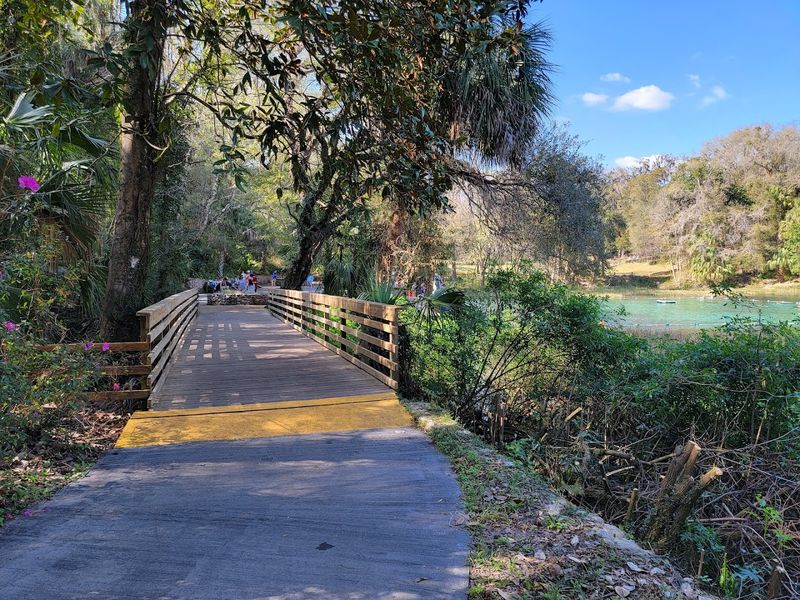
Rainbow Springs earned its protected status for good reason, and the conservation work here is ongoing. The park was designated a National Natural Landmark in 1972.
That recognition pushed efforts to preserve the spring ecosystem for future generations.
Water quality is actively monitored throughout the Rainbow River system. Nutrient pollution from surrounding land use is one of the biggest threats to spring clarity.
Park managers work with state agencies to address runoff from agriculture and development nearby.
Invasive plant species are regularly removed from the river and the surrounding uplands. Hydrilla and other non-native aquatic plants can choke out native vegetation if left unchecked.
Volunteer removal events happen periodically and welcome public participation.
Rules against coolers and disposable containers on the river are strictly enforced. These restrictions exist specifically to reduce litter and water contamination.
They work, and the river stays remarkably clean because of them.
The tubing operation itself is managed to minimize environmental impact. Tram services reduce vehicle traffic near the river.
Tube rentals are controlled so the river never gets overcrowded.
Native plant restoration projects continue along the riverbanks. Replanting native grasses and trees helps stabilize soil and filter water naturally.
These efforts directly support the aquatic life that makes the river so visually stunning.
Visiting responsibly is the simplest form of conservation. Pack out everything you bring in.
Leave the water exactly as clear and clean as you found it.