
Locals Claim This Popular New Jersey Lake Town Is No Longer The Peaceful Escape It Once Was
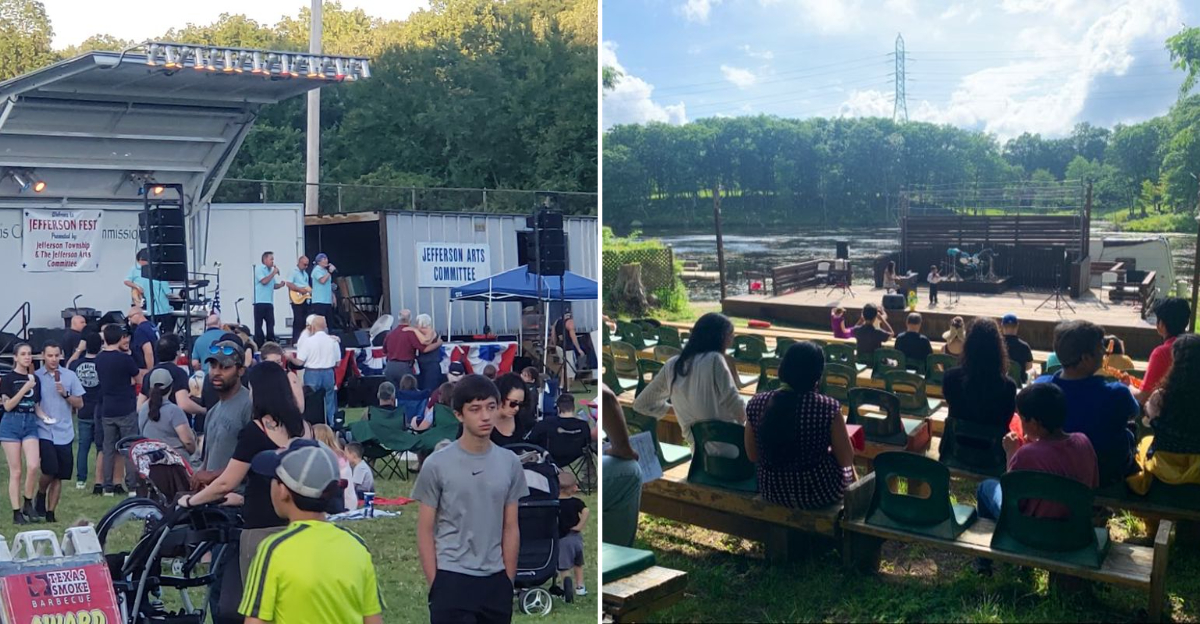
Something shifted here, and the people who remember what this New Jersey lake town used to be are not quiet about it. The weekends that once belonged to the community now belong to everyone else.
Traffic that builds before noon, shoreline that fills faster than it empties, and a pace that bears no resemblance to the one that made this place worth loving in the first place. The locals notice every difference.
Long term residents describe the change with the particular weariness of people who watched it happen gradually and could not find the moment to stop it. One summer looked like the last normal one only in retrospect.
Lake towns built on tranquility have a fragile relationship with their own popularity. This one is currently navigating that tension, and the people with the longest memories are the least optimistic about how it resolves.
Historical Overview Of The Lake Town
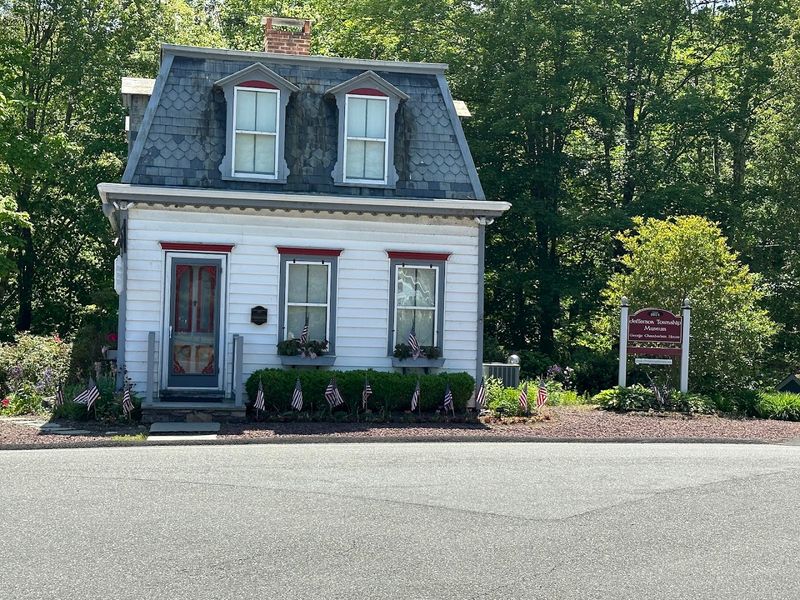
This place has a story that goes back well over two centuries. Formally established in 1804 and named after President Thomas Jefferson, it sits in the northernmost corner of Morris County, bordering both Passaic and Sussex counties.
At its heart is Lake Hopatcong, New Jersey’s largest freshwater lake, and Jefferson holds more of its shoreline than any other municipality around it.
The township’s connection to the lake as a recreational destination took shape in the 1880s, when passenger rail service arrived at Nolan’s Point.
City dwellers came up from New York looking for fresh air, and grand hotels rose along the shoreline to meet them.
What followed was a true resort era. Seasonal life built up around the water, and Jefferson became known as a summer destination worth the journey.
Over time, those hotels burned down one by one, and the cottages that replaced them gradually converted into permanent homes. Summer communities became year-round neighborhoods.
Local businesses followed, and Jefferson grew from a seasonal escape into a real, rooted township with its own schools, fire departments, and identity built around the lake.
For generations, residents knew every cove and trail. Boating, fishing, and swimming were not attractions.
Today, longtime residents will tell you something has shifted. The crowds are bigger, the noise is louder, and the quiet that once defined Jefferson is harder to find than it used to be.
What once felt like a community is starting to feel like a destination. For the people who built their lives here, that difference is not a small one.
Changes In Community Activities
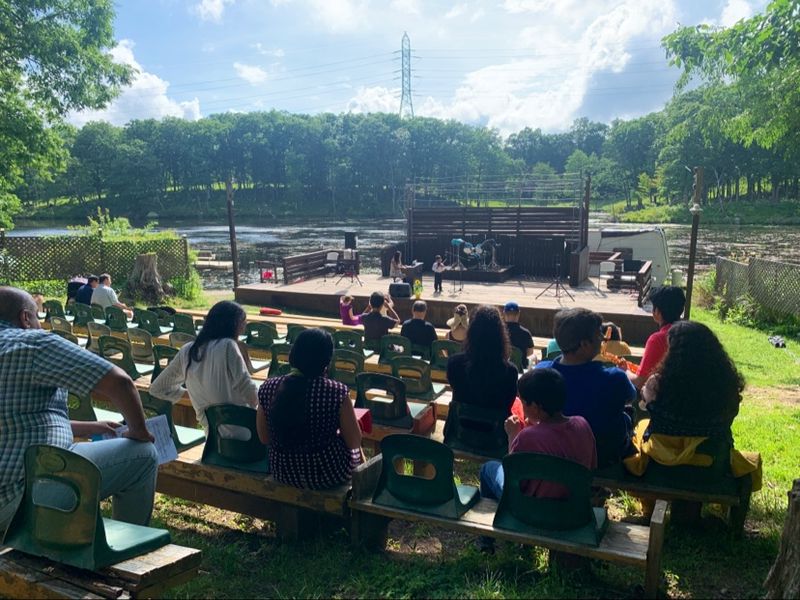
Community life around Lake Hopatcong has always had to negotiate the push and pull between residents and visitors.
Neighbors knew each other by name, weekend plans meant fishing at dawn or a casual boat ride, and the lake felt like it belonged to the people who lived on it. That easy rhythm is harder to find now.
The tension is not entirely new. Speed restrictions on parts of the lake were being debated as far back as 1922 due to complaints about heavy weekend traffic.
Overcrowding at Hopatcong State Park was already a headline issue in the summer of 1953. What has changed is the scale and the feeling that the balance has tipped further than most longtime residents are comfortable with.
Today, the lake draws visitors from across the region, many of them looking for high-energy water sports, loud gatherings, and a day of entertainment.
Quieter activities like kayaking, fishing, or birdwatching increasingly share space with a crowd that has different priorities. For residents who built their lives around the lake, that shift is noticeable in ways that are hard to put into words.
Community groups still organize local events and cleanups, and neighbors still show up for them. That part has not changed.
But competing with peak-season tourist traffic makes organizing harder every year, and the sense of ownership that longtime residents once felt over their own waterfront has quietly eroded.
Kids who grew up swimming in those coves are not gone. But some of them now avoid the lake entirely during summer weekends.
That says something on its own.
Impact On Local Wildlife Habitats
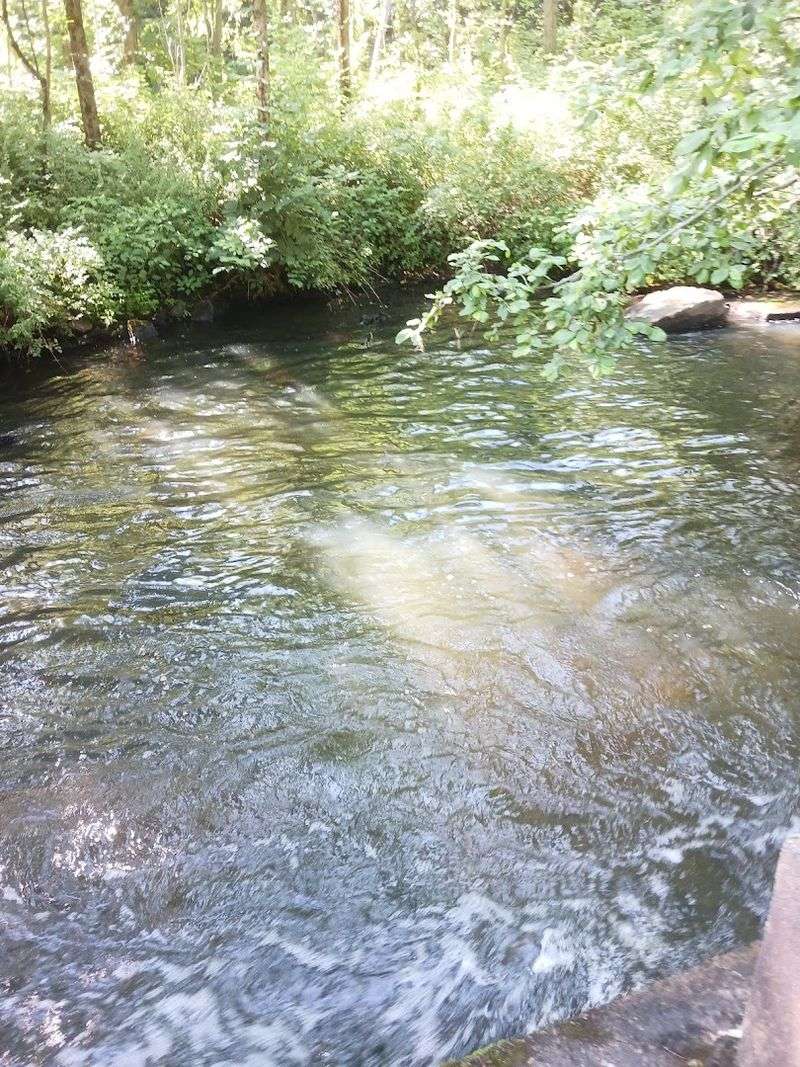
Wildlife around Lake Hopatcong is paying a steep price for all the growth. The lake ecosystem is under real stress.
Harmful algal blooms have become a recurring nightmare for the area. Animals that depend on clean water are struggling badly.
In 2019, the lake experienced its worst harmful algal bloom in over two decades. Phosphorus flushed in by intense storms fueled a cyanobacteria outbreak that closed beaches across large sections of the lake for most of that summer.
The blooms choke out oxygen and cloud the water. Fish populations and aquatic plants take the hardest hit.
Wetlands around the lake have shrunk significantly due to development. Wetlands act like natural filters for runoff and pollution.
When they disappear, water quality drops sharply. Frogs, herons, and native fish lose critical habitat almost overnight.
Shorebirds that once nested along quiet coves now compete with boat traffic. Nesting seasons get disrupted by noise and wake patterns.
Some species have simply stopped returning to areas they once called home. That kind of displacement is difficult to reverse.
Conservation groups are paying close attention to these shifts. The Lake Hopatcong Foundation and Lake Hopatcong Commission have been actively working on water quality restoration alongside environmental engineers.
Pilot treatments launched in spring and fall 2025, funded by the U.S. Army Corps of Engineers, aim to reduce algal blooms in shallow shoreline areas.
But wildlife recovery takes time, and the pressure keeps building each summer season.
Development And Urban Sprawl Effects
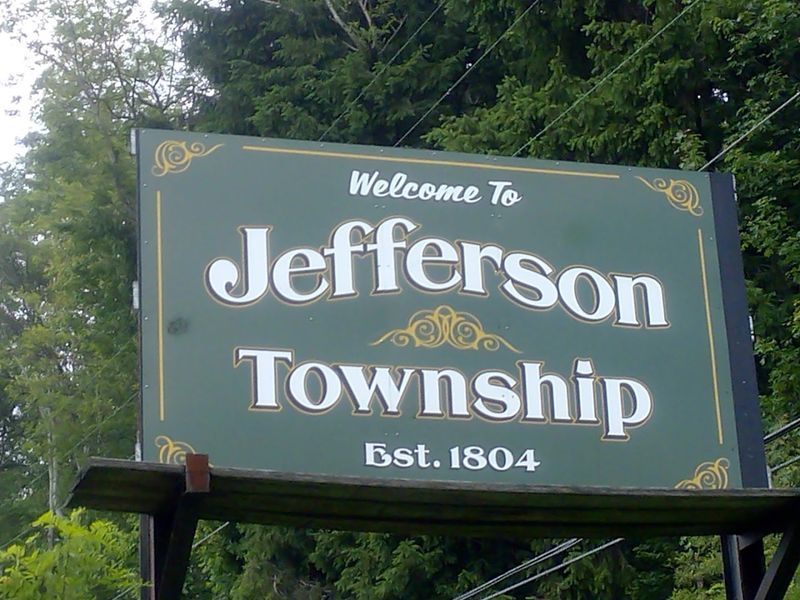
Jefferson Township looks nothing like it did a few decades ago. Small seasonal cottages have been torn down.
Larger, year-round homes now dominate the shoreline. The scale of construction has completely reshaped the character of the township.
Residential growth brought more people and more pavement. Stormwater runoff increased dramatically as a result.
Impervious surfaces like driveways and rooftops push pollutants directly into the lake. That runoff is one of the biggest drivers of algae growth today.
Commercial development followed the residential boom. New businesses opened to serve the influx of residents and tourists.
While economic activity grew, environmental costs grew alongside it. The balance between growth and conservation in Jefferson has never felt more fragile.
Local zoning decisions have been controversial for years. Some residents argue that approval processes move too fast.
Others say development is necessary for economic survival. The debate splits the Jefferson community along generational and financial lines.
Infrastructure across the township has struggled to keep pace. Roads built for a quieter era now handle far heavier loads.
Parking areas overflow on summer weekends. Much of Jefferson Township’s lakefront still lacks municipal sewers, leaving older septic systems to handle far more demand than intended.
The pressure on this system is visible and growing with each passing construction season.
Cultural Events And Community Engagement
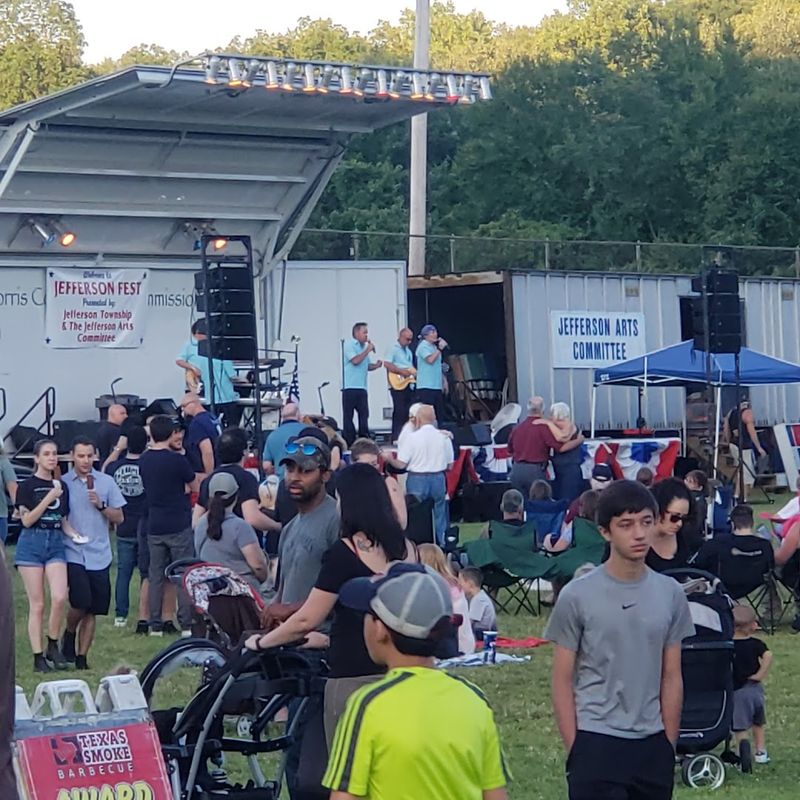
Jefferson Township has always had a cultural identity tied to the water. Local events once reflected that identity clearly.
Fishing derbies, community picnics, and seasonal celebrations were staples. They brought people together in a genuinely organic way.
Today, the event calendar looks busier than ever on paper. More festivals and public gatherings have been added over the years.
But longtime locals say the feel has shifted. Events that used to draw neighbors now draw strangers.
The Lake Hopatcong Commission and local organizations still work hard. They coordinate outreach, environmental education, and community programs.
Their efforts keep some of that original spirit alive. It takes real dedication to maintain that in a changing landscape.
Younger generations are engaging differently with the township. Social media has amplified Jefferson’s visibility far beyond the region.
That exposure brings new visitors but also new expectations. Managing those expectations alongside local values is an ongoing challenge.
Cultural engagement in Jefferson is not disappearing entirely. It is evolving, sometimes uncomfortably.
Community members who have been there for decades are adapting. New residents bring fresh ideas, but integration with existing traditions takes patience.
Finding common ground between old and new remains one of Jefferson Township’s most interesting ongoing conversations.
Shifts In Recreational Offerings
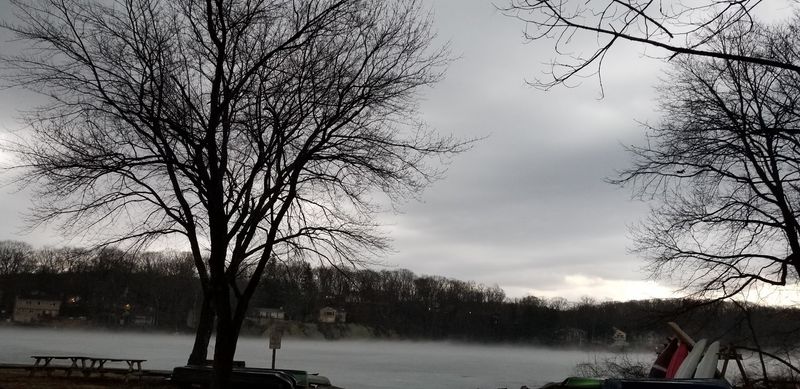
Recreation at Lake Hopatcong has always been a big draw. Swimming, boating, and fishing defined the experience for generations.
Those activities are still available, but the context around them has changed considerably.
More boats mean more noise, more wake, and more competition for space. Areas like Byram Cove are known for heavy weekend traffic, prompting voluntary boating guidelines to ease congestion.
Hundreds of boats congregating in one spot create real safety and noise concerns.
Quieter recreational options have been squeezed out gradually. Anglers who once enjoyed peaceful early mornings now deal with heavy boat traffic.
Paddleboarders and kayakers navigate wakes from motorized vessels constantly. The recreational landscape has tilted heavily toward high-energy activities.
Local authorities have had to respond to the shift. The New Jersey State Police and Morris County Sheriff’s Office now patrol the lake actively.
Specific speed and waterskiing restrictions apply to several coves during peak weekend hours. Enforcement happens, but keeping up with the volume of visitors is a constant effort.
Some newer recreational programs have been introduced to balance things out. Environmental education tours and guided nature walks have gained traction.
These offerings attract visitors interested in the lake’s natural side. They represent a hopeful direction for recreation that does not come at the expense of the environment or longtime residents.
Environmental Challenges And Efforts
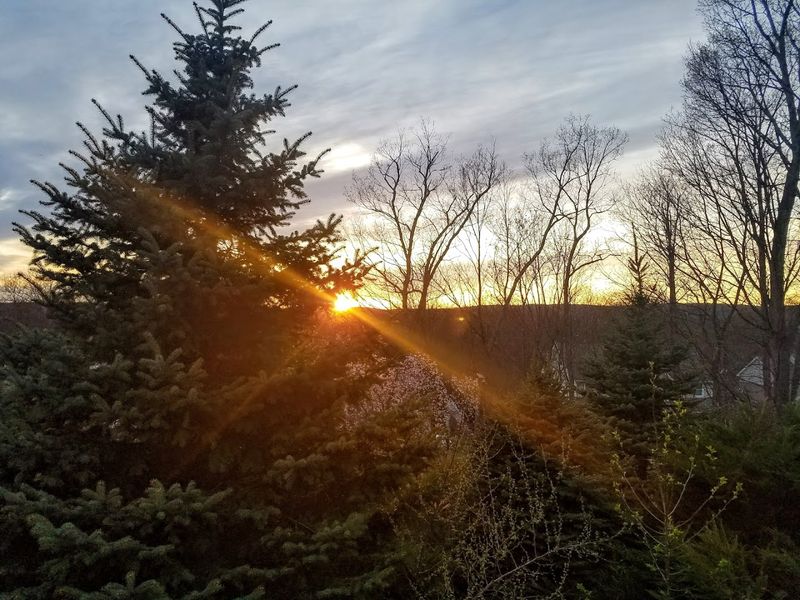
The environmental story at Lake Hopatcong is complicated and urgent. The lake has faced serious water quality issues for years.
Harmful algal blooms have triggered public health advisories repeatedly. In 2019, the worst bloom in over two decades forced beach closures across large sections of the lake for most of that summer.
Those closures are not just inconvenient. They signal deeper ecological problems.
Phosphorus from stormwater runoff, fertilizers, and aging septic systems feeds algae growth. Warmer temperatures linked to climate patterns make the blooms worse and more frequent.
Efforts to fight back are real and ongoing. The Lake Hopatcong Foundation and Lake Hopatcong Commission have led watershed protection projects alongside environmental engineers.
Phosphorus-binding treatments target nutrient buildup directly in the lake. Pilot projects testing innovative algae control strategies launched in spring and fall 2025, funded by the U.S.
Army Corps of Engineers.
Community volunteers have shown up consistently for cleanup events. Residents collect trash, monitor water clarity, and report pollution sources.
That grassroots involvement makes a measurable difference over time. It also reflects how much people genuinely care about the lake’s future.
State and county agencies have increased attention to the watershed. Funding for environmental restoration has grown in recent years.
But experts agree that long-term improvement requires sustained commitment. Quick fixes do not work for ecosystems this complex.
The progress being made is real, but the environmental pressure from development and tourism keeps the challenge from getting easier anytime soon.
Transportation And Accessibility Changes
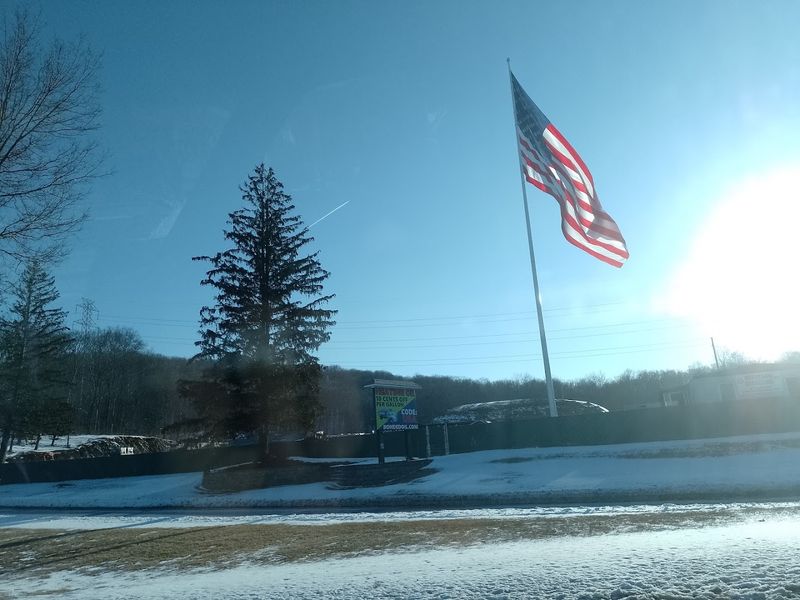
Getting to Jefferson Township used to be a straightforward trip. Roads were manageable, and parking was rarely a problem.
That experience has changed noticeably for anyone arriving on a summer weekend. Routes like Route 15 and I-80 now see significant congestion near the township.
Traffic incidents and delays have become part of the seasonal reality. Residents who live near major access routes feel the impact daily.
A quick errand can turn into a frustrating wait during peak visitor hours. That friction adds stress to everyday life for locals.
Parking infrastructure around the lake has not kept up with demand. Overflow parking spills onto neighborhood streets.
Residents find their roads blocked and their driveways crowded. It is a small issue that adds up to a big quality-of-life problem over a whole summer.
Public transportation options to Jefferson are limited. Most visitors arrive by personal vehicle, which compounds the traffic situation.
There is no convenient train or bus service that connects the township to major metro areas efficiently. That gap pushes more cars onto already-strained roads.
Some local planners have discussed transportation improvements. Better traffic management systems and designated parking zones have been proposed.
Progress on those fronts moves slowly. Meanwhile, Jefferson residents navigate the seasonal surge as best they can.
Accessibility improvements would benefit everyone, but the conversation is still more planning than action at this point.