
The Gorgeous Historic Town That Every Massachusetts Resident Should Visit At Least Once
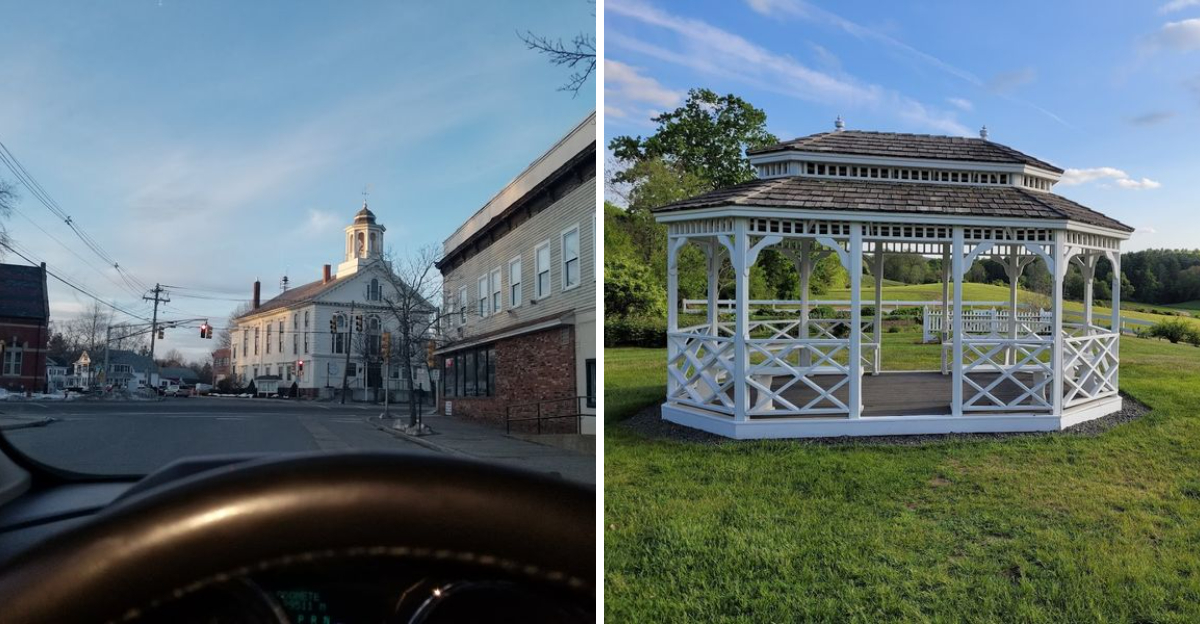
A town common can tell a whole story the moment you arrive. Massachusetts has many historic places, but this quiet beauty moves at its own pace.
Old homes line the roads. Trees shade the green. Church steeples, weathered markers, and graceful buildings give the town a lived-in character that feels honest.
Nothing fights to be noticed. That is the charm.
You may arrive expecting a quick look, then notice how easy it is to linger near the common, wander past old architecture, and think about the generations that shaped the place.
It feels peaceful without feeling sleepy. Pretty without trying too hard. History sits beside daily life here, which makes the visit feel personal.
Massachusetts residents who enjoy small towns with depth, scenery, and a slower rhythm will find plenty to love in this graceful historic stop.
The Town Common That Puts Every Other Green Space To Shame
Not every town can claim one of New England’s most beautiful commons, but this one does so with complete confidence.
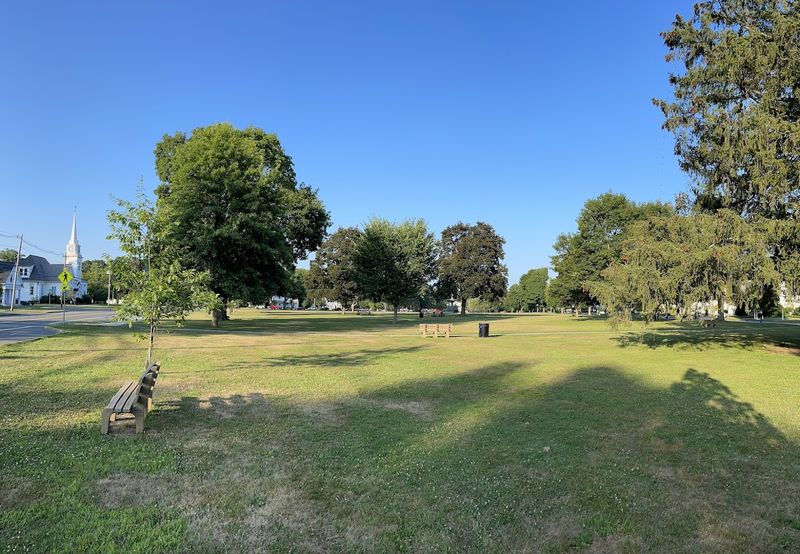
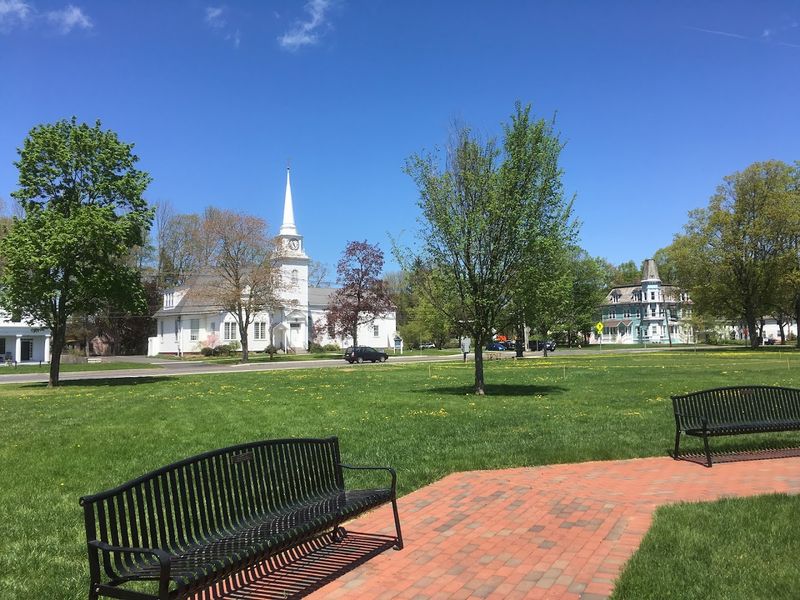
The West Brookfield Town Common stretches generously through the center of town, offering visitors a rare combination of open green space, architectural charm, and quiet atmosphere that feels almost impossible to find anywhere near a major highway.
The 1886 Rice Memorial Fountain stands near the center, crafted from stone and full of old-world detail.
A decorative bandstand anchors another corner of the common, and mature shade trees provide cover for the park benches scattered throughout.
A baseball field sits along one edge, giving the space a lived-in quality that goes beyond mere decoration.
Surrounding the common are well-preserved Federal, Colonial, and Victorian homes that frame the green like a painting.
Walking the perimeter takes only a few minutes, but most visitors find themselves lingering far longer.
The common is located along Central Street and serves as the social and geographic heart of the entire town.
Come on a summer afternoon and you may catch a concert or simply enjoy the kind of stillness that reminds you why small towns still matter.
The West Brookfield Center Historic District And Its 211 Buildings
In 1990, the National Register of Historic Places officially recognized what locals had known for generations.
The West Brookfield Center Historic District contains 211 historic buildings, making it one of the more impressive concentrations of preserved architecture in central Massachusetts.
Few towns of this size can claim such a dense record of the past still standing in usable condition.
Walking through the district feels less like a museum visit and more like an accidental time slip.
Federal-style homes with symmetrical facades sit beside Victorian-era structures with decorative woodwork.
Colonial buildings anchor corners where stagecoaches once stopped for the night. The architectural variety is genuine, not curated, which makes the experience feel honest.
The district runs along and around Central Street, and most of its significant buildings are within easy walking distance of one another. There is no admission fee, no guided tour required, and no schedule to follow.
Visitors can simply walk, observe, and appreciate. Photography enthusiasts will find no shortage of compelling subjects.
History teachers have brought students here for decades, and the district continues to reward anyone who arrives with even a modest sense of curiosity about how American towns actually developed over three centuries of continuous use.
Ye Olde Tavern And The Long History Of Hospitality On The Post Road
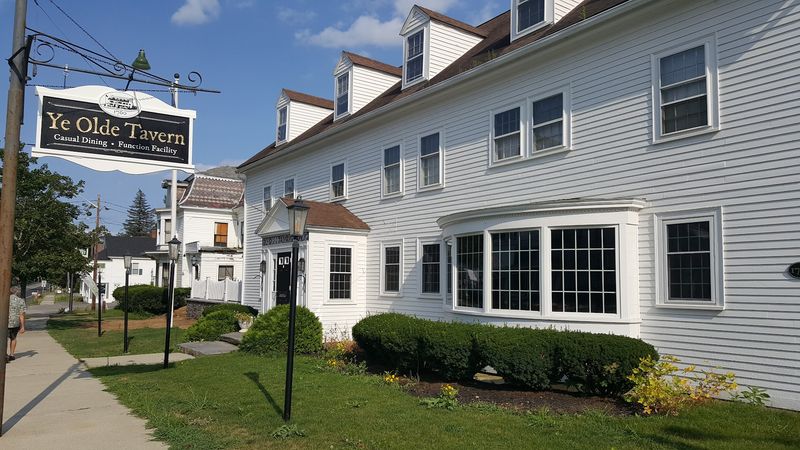
Established in 1760, Ye Olde Tavern has been welcoming travelers longer than the United States has existed as a country.
Also known as Hitchcock Tavern, this landmark sits along what was once the Boston Post Road, the primary stagecoach route connecting Worcester and Springfield.
For weary travelers crossing central Massachusetts, this tavern was a known stopping point, a place to rest, eat, and exchange news from the road.
The building itself carries all the physical evidence of its age.
The structure has been maintained with care, and its presence on the street still communicates the same quiet authority it must have had when horse-drawn coaches pulled up outside.
Few places in Massachusetts can offer a dining or drinking experience with this much genuine historical weight behind it.
The tavern is located on Central Street in West Brookfield, and it remains one of the most photographed buildings in town.
Visiting here is less about nostalgia and more about standing in a space where actual history unfolded, not dramatized history or reconstructed history, but the real kind.
For anyone interested in colonial-era New England and the social culture of early American travel, this address alone is worth the drive from Worcester or Springfield.
The Merriam-Gilbert Public Library And Its Remarkable Origins
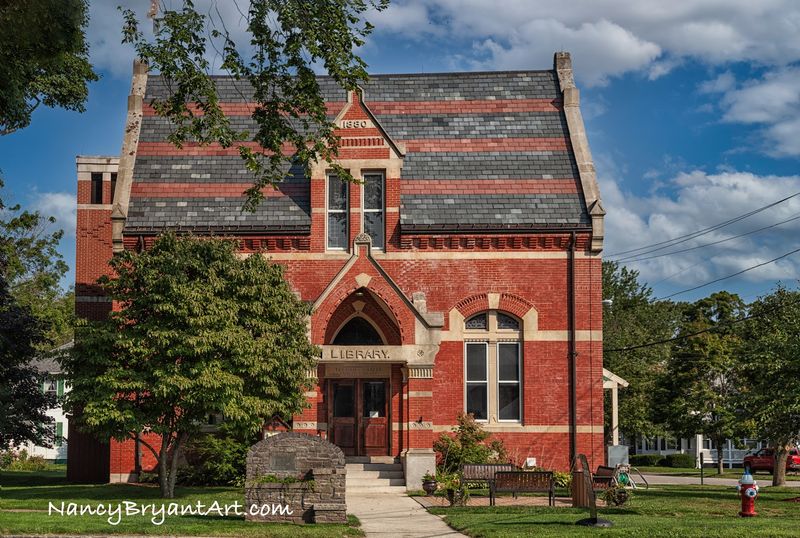
Most small-town libraries have modest origins. West Brookfield’s Merriam-Gilbert Public Library does not.
Built in 1880 and funded in large part by Charles Merriam, one of the brothers behind the famous Merriam-Webster Dictionary, the library carries a literary legacy that most institutions in much larger cities would envy.
The Merriam family grew up in West Brookfield, and their connection to the town runs deeper than a single donation.
The building itself is a fine example of Victorian civic architecture, with brick construction, arched windows, and a measured dignity that suits a place meant for serious reading.
Inside, the library continues to serve the local community while maintaining its historical identity.
The combination of function and heritage is something worth appreciating in a world where old buildings are frequently demolished in favor of glass and steel replacements.
The library is an easy stop during any visit to the town common area.
For anyone who grew up consulting a Merriam-Webster Dictionary in school, standing inside this building adds a quiet personal dimension to the visit.
The library is open to the public, and its small size makes it feel approachable rather than institutional.
It is the kind of place where you genuinely feel the weight of words and the people who valued them.
Rock House Reservation And A 10,000-Year-Old Human Story
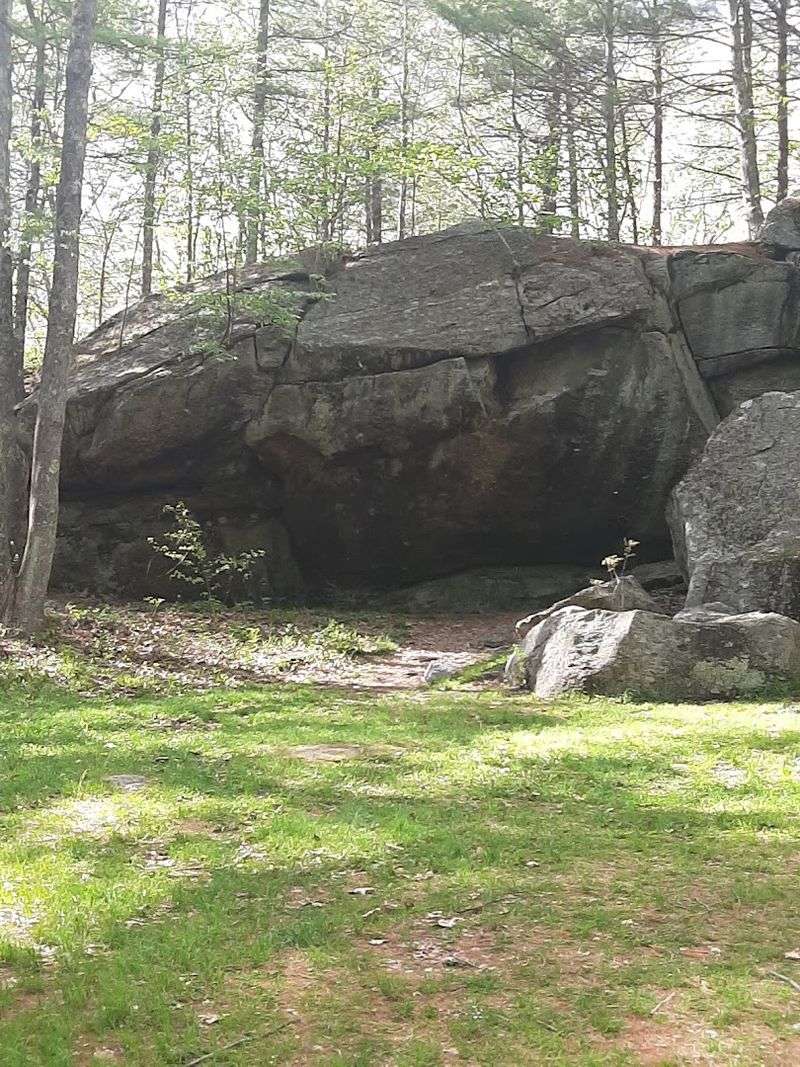
Long before any European set foot in Massachusetts, people were already living in West Brookfield.
Rock House Reservation preserves a massive natural rock shelter that served as a winter camp for Indigenous peoples approximately 10,000 years ago.
That figure is not a rough estimate. Archaeological evidence confirms that humans used this site consistently, making it one of the oldest documented human habitation sites in the region.
The reservation is managed by The Trustees of Reservations and offers hiking trails that lead visitors through forested terrain to the rock shelter itself.
The formation is genuinely impressive, with enormous overhanging boulders creating a protected space that would have been both practical and significant for the people who relied on it seasonally.
Standing beneath the rock overhang, the shelter from wind and weather is immediately apparent even today.
Rock House Reservation is located off Route 9 in West Brookfield, and the trails are accessible to hikers of moderate fitness. The site is free to visit, though donations support ongoing preservation.
Few places in Massachusetts compress so much human time into a single acre of land.
For families, school groups, and anyone with an interest in pre-colonial New England, this reservation offers an experience that no museum exhibit can fully replicate. The land itself is the exhibit.
Lake Wickaboag And The Quiet That Most Travelers Are Searching For
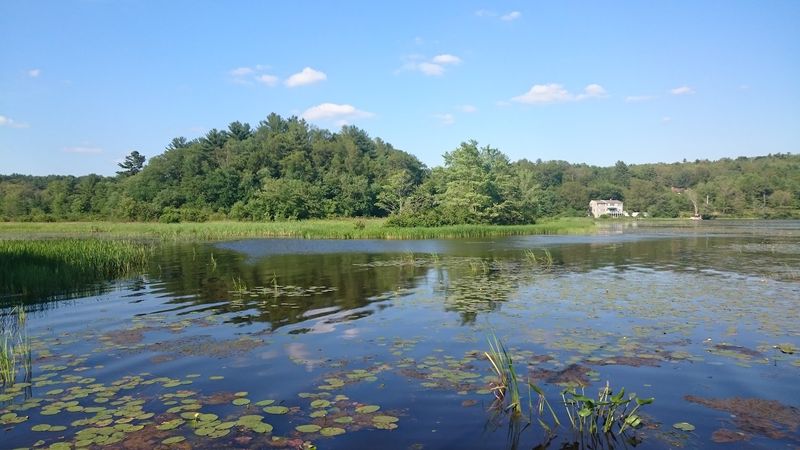
There is a particular quality of stillness that certain lakes hold in the early morning, when the water is flat and the surrounding trees have not yet begun to move in the breeze.
Lake Wickaboag in West Brookfield has exactly that quality, and it holds it through most of the day.
The lake sits just outside the town center and offers a visual and atmospheric contrast to the historic architecture along Central Street.
Visitors often describe the lake as reminiscent of an Adirondack setting, which is a meaningful comparison given how far north most people travel to find that kind of scenery.
The surrounding landscape is largely undeveloped, which preserves the lake’s secluded character.
Fishing, kayaking, and quiet observation are the primary activities here, and all three reward patience over speed.
Lake Wickaboag is accessible from Route 9, and the surrounding area offers spots to sit and observe the water without any particular agenda.
For Massachusetts residents accustomed to crowded state park beaches and reservation-required boat launches, the relative calm of Wickaboag feels like a genuine discovery.
The town itself benefits from the lake’s presence, drawing visitors who arrive for the history and stay longer because of the water.
It is the kind of natural feature that quietly defines a town’s entire character.
The Asparagus Heritage Festival And A Food History Worth Celebrating
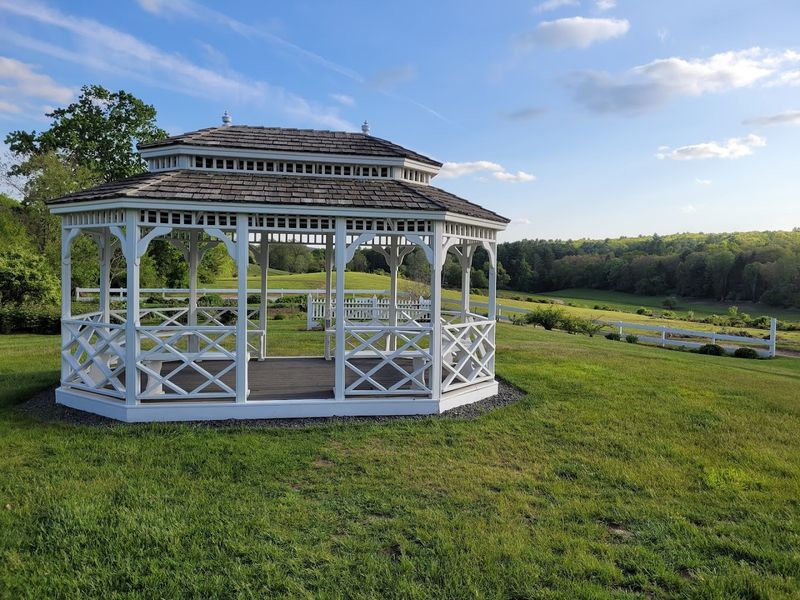
West Brookfield holds a food history claim that most people have never heard, which is part of what makes it so enjoyable to share.
Local historical records indicate that Diederik Leertouwer introduced asparagus to the New World right here in West Brookfield, between 1794 and 1798.
That makes this small central Massachusetts town the birthplace of commercial asparagus cultivation in America, a distinction that deserves far more attention than it currently receives.
The town celebrates this history annually through the Asparagus and Flower Heritage Festival, held on the town common.
The event combines local vendors, flower displays, live music, and community activities into a single afternoon that manages to be both educational and genuinely fun.
It draws visitors from across the region who appreciate the combination of outdoor setting and local historical context.
Leertouwer himself is buried in the Old Indian Cemetery in West Brookfield, which adds another layer of historical continuity to the story. The festival is typically held in late spring, timed to coincide with asparagus season.
For anyone who has ever eaten asparagus without knowing its American origin story, attending this festival offers a satisfying correction to that gap in knowledge.
Small-town festivals rarely carry this much actual historical substance beneath the surface-level fun.
West Brookfield Town Hall And The Civic Architecture Of 1859
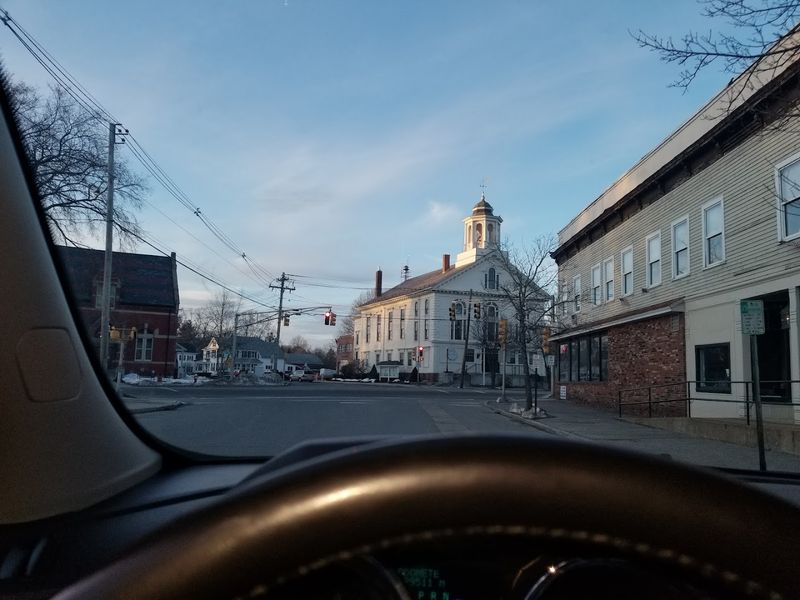
Built in 1859, the West Brookfield Town Hall represents a period in American civic life when public buildings were designed to communicate permanence and community investment.
The structure stands near the town common and contributes to the architectural coherence that makes the entire Central Street corridor feel like a single, unified statement about local identity and historical continuity.
The building has served the town for over 160 years, which is a kind of institutional longevity that deserves acknowledgment on its own terms.
It predates the Civil War, which means the people who first used it were navigating a country in genuine crisis.
Knowing that context changes how you look at the building. The walls absorbed more than routine town meetings.
Town Hall is located on Central Street in West Brookfield, MA 01585, and is part of the broader West Brookfield Center Historic District.
Visitors passing through the town will find it easy to include in any walking tour of the common area.
The building is not a dramatic landmark in the way that large urban courthouses can be, but its modest scale and careful preservation make it emblematic of what West Brookfield does well across the board.
It keeps its history intact, maintains its buildings honestly, and lets the record speak without embellishment.