
9 Massachusetts Bucket List Destinations Beyond The Beaches
Beach towels get plenty of attention, but they are not the whole story.
Massachusetts has mountain views, old villages, garden paths, waterfalls, museums, and quiet places that make a road trip feel bigger than a day at the shore.
The fun part is realizing how much variety fits inside one state.
You can start with a high lookout, wander through a living history village, stand near rushing water, or spend an afternoon surrounded by art and flowers.
None of it requires sand in your shoes. These destinations show a different side of Massachusetts, one filled with scenery, history, creativity, and fresh reasons to keep driving.
Some stops feel peaceful. Others feel grand. All of them give you something worth remembering after the trip is over.
Beaches may get the summer spotlight, but these bucket list places prove the inland adventures are just as exciting.
1. Mount Greylock State Reservation, Lanesborough
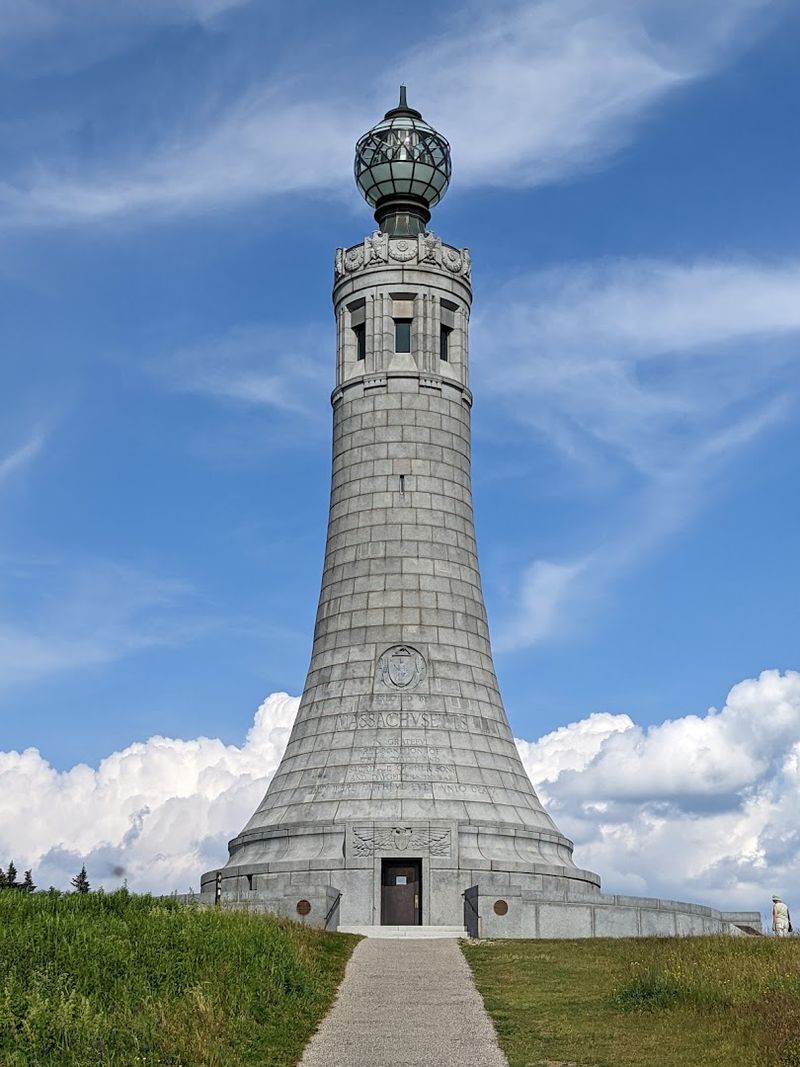
Standing at 3,491 feet, Mount Greylock is the highest point in Massachusetts and the crown jewel of the Berkshires, and the views from the top are the kind that make you stop mid-sentence and just stare.
The 12,500-acre reservation became the state’s first wilderness park back in 1898, so this place has been wowing visitors for well over a century.
On a clear day, you can see up to 90 miles in every direction, potentially spotting five different states at once.
Getting to the summit is easy for those who prefer a scenic drive rather than a workout.
A 16-mile paved auto road winds its way up and is typically open from mid-May through early November, though vehicles longer than 22 feet are not allowed on the road.
Hikers will find over 50 miles of trails to explore, including a stretch of the famous Appalachian Trail that crosses the summit.
The reservation also contains the state’s only subalpine taiga-boreal forest, a rare ecosystem that supports plants and animals you won’t find anywhere else in Massachusetts.
Bascom Lodge, perched near the top, offers seasonal dining and lodging so you can soak in the sunrise without rushing back down.
The Veterans War Memorial Tower at the peak is open daily from Memorial Day weekend through Indigenous Peoples Day.
Few places in New England deliver this kind of raw, open-sky drama.
2. Old Sturbridge Village, Sturbridge
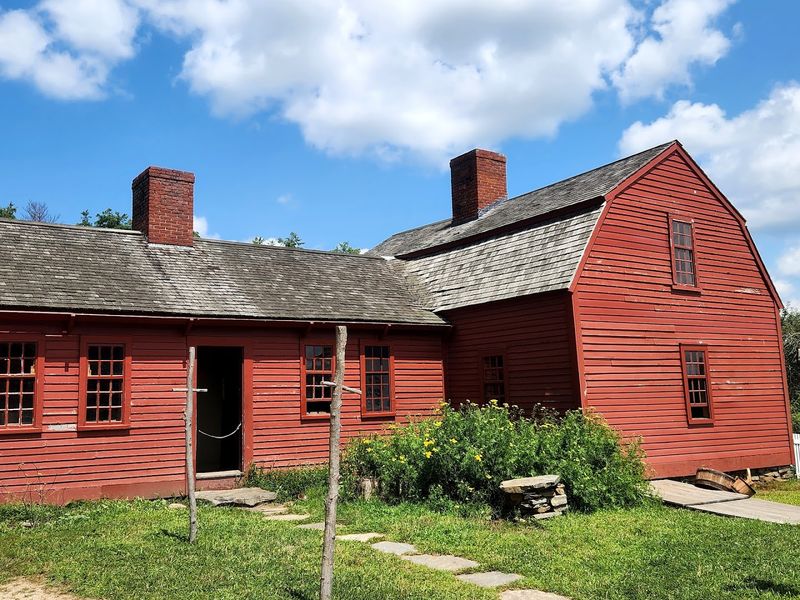
Imagine walking into a fully functioning 1830s New England town where the blacksmith is actually hammering iron, the miller is grinding grain, and the farmer is tending heritage-breed livestock, and that is exactly what Old Sturbridge Village delivers.
Spread across more than 200 acres in Sturbridge, this is the largest outdoor living history museum in the entire Northeast.
The site features between 40 and 59 historical buildings, many of which were carefully transported from other parts of New England to recreate an authentic rural community.
Costumed historians bring the 1830s to life through demonstrations of pottery, printing, blacksmithing, and other trades that defined early American life.
Visitors can roll up their sleeves too, with hands-on activities like spinning wool and husking corn available throughout the grounds.
The working farm is a genuine highlight, home to heritage breeds of cattle, sheep, pigs, and chickens that were common to the era.
Water-powered mills for grinding grain, sawing wood, and preparing wool add another layer of authenticity that history buffs will absolutely appreciate.
The village is organized into a Center Village, a Mills Area, and a Countryside section, giving the whole experience a natural, unhurried flow.
Whether you spend two hours or a full day here, Old Sturbridge Village manages to make the past feel genuinely alive, not just preserved behind glass.
It is the kind of time travel that actually works.
3. Natural Bridge State Park, North Adams
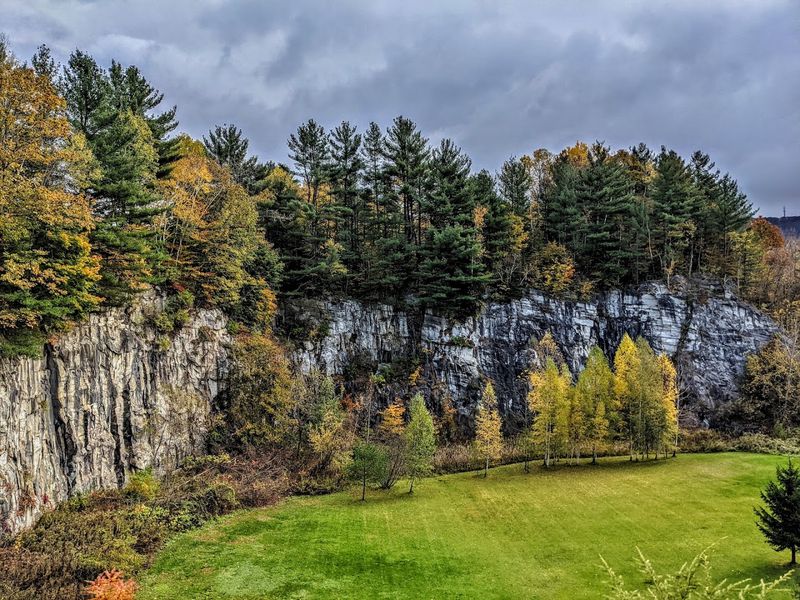
North Adams is already known for its thriving arts scene, but just outside town sits a geological marvel that has been quietly impressing visitors for thousands of years.
Natural Bridge State Park protects the only natural white marble arch bridge in North America, a formation carved out by glacial meltwater more than 13,000 years ago.
The bridge spans a narrow, dramatic gorge known as Hudson Chasm, where a rushing stream has cut deep into the white marble below.
The contrast between the bright stone and the dark, shadowy gorge is striking enough to make even casual visitors reach for their cameras.
Walking the short trail around the site gives you multiple vantage points to appreciate the scale of what nature built here without any human help.
The park itself is compact, making it an easy stop rather than a full-day commitment, which is great for travelers already exploring the wider Berkshires region.
It pairs naturally with a visit to nearby Mass MoCA, one of the largest contemporary art museums in the country, also located in North Adams.
Admission is typically low-cost, and the park is open seasonally from late spring through early fall.
The combination of geology, history, and sheer visual surprise makes Natural Bridge State Park one of those stops that punches well above its weight.
You will likely spend less than an hour here and still talk about it for years afterward.
4. The Mount, Lenox
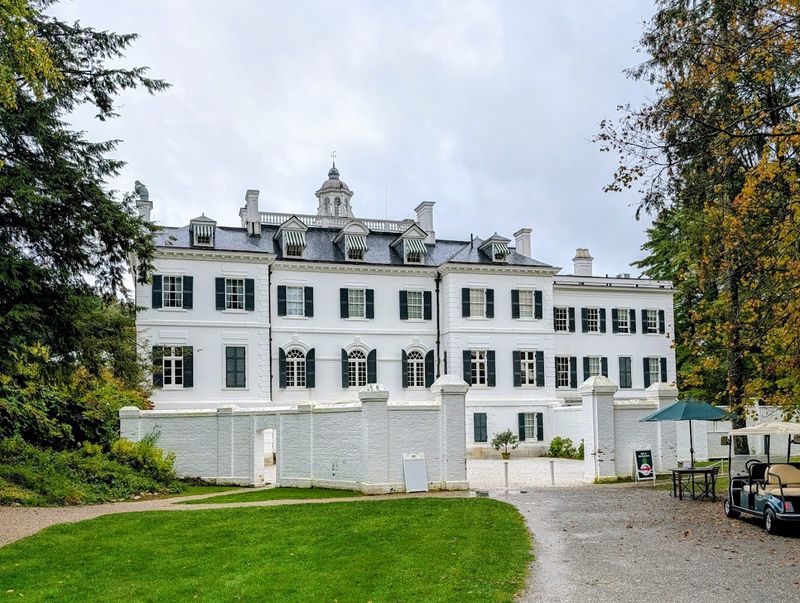
Built in 1902 by novelist Edith Wharton, The Mount in Lenox stands as one of the most beautifully preserved literary estates in the country, and it reflects the sharp, deliberate mind of the woman who designed it.
Wharton based the home’s layout on her own principles of architecture and interior design, drawing from a book she co-authored before construction even began.
The result is a graceful three-story mansion with formal Italian gardens, a French flower garden, and a walled kitchen garden that together feel like walking through a living work of art.
Tours of the interior offer a fascinating look at how Wharton lived and worked, including the bedroom where she wrote in longhand each morning before the rest of the household stirred.
She produced some of her most celebrated fiction here, including The House of Mirth.
The grounds alone are worth the visit, especially in summer when the gardens are in full bloom and the Berkshire hills provide a soft green backdrop.
Guided tours run seasonally and cover both the house and the landscape design in detail.
The Mount also hosts a lively calendar of literary events, outdoor theater performances, and cultural programs throughout the warmer months.
It is a place that rewards slow exploration rather than a quick walk-through.
For anyone who loves books, architecture, or simply beautiful spaces, this Lenox landmark has a way of making a quiet afternoon feel genuinely memorable.
5. New England Botanic Garden At Tower Hill, Boylston
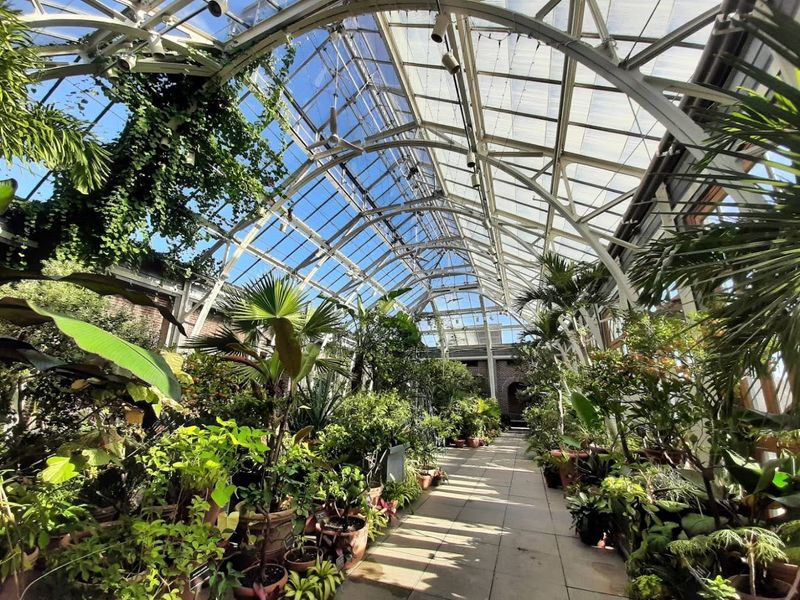
The New England Botanic Garden at Tower Hill offers something that most gardens simply cannot, a sense of wide-open space paired with meticulously curated plant collections that change with every season.
The garden spans over 1,000 acres, though the cultivated areas are thoughtfully organized to feel manageable and welcoming rather than overwhelming.
Highlights include a gorgeous orangerie filled with tender plants, a cottage garden overflowing with color in summer, and a Systematic Garden that organizes plants by their botanical family relationships.
Fall is a particularly magical time to visit, when the surrounding hills ignite with foliage and the garden’s meadow plantings take on warm amber and rust tones.
Winter visits are rewarding too, thanks to the heated conservatories that keep tropical and subtropical plants thriving even during Massachusetts snowstorms.
The garden also maintains a working apple orchard and a lawn lined with heritage apple varieties, which adds an agricultural dimension that sets it apart from purely ornamental gardens.
Educational programs for children and adults run year-round, covering topics from seed saving to landscape design.
Because Tower Hill sits at an elevation, the views of the Wachusett Reservoir from certain points on the property are genuinely breathtaking.
It is the kind of place where an hour can quietly become three without you noticing.
Whether you are a passionate gardener or someone who simply enjoys a beautiful walk, Tower Hill has a way of slowing the world down in the best possible way.
6. Bash Bish Falls State Park, Mount Washington
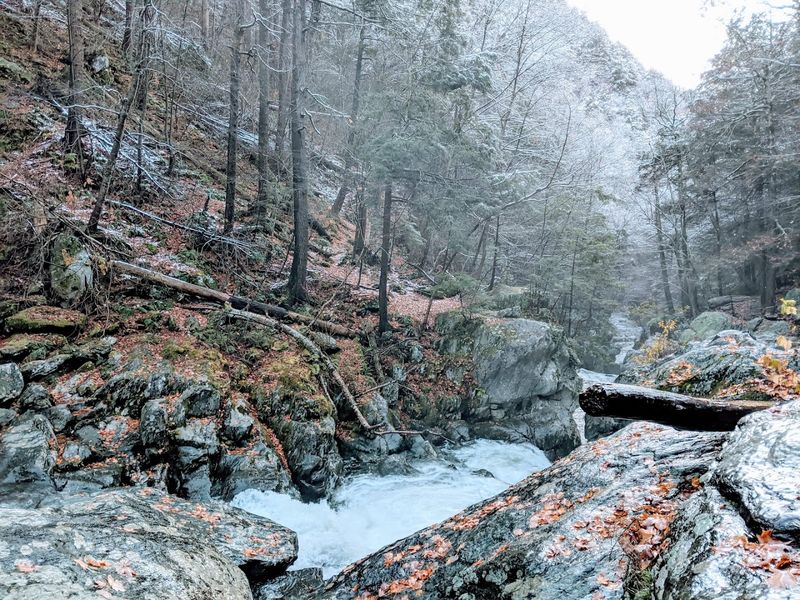
Bash Bish Falls is the kind of place that feels almost too dramatic to be real, a powerful waterfall splitting around a massive boulder before crashing into a clear pool below.
At roughly 60 feet, Bash Bish is the tallest single-drop waterfall in Massachusetts.
The surrounding gorge amplifies the sound and spectacle in a way that makes the moderate hike down to the base feel absolutely worthwhile.
The trail from the main parking area takes about 30 to 45 minutes each way and passes through a dense, beautifully forested landscape.
The area sits within Bash Bish Falls State Park, which borders Taconic State Park in New York, making it a natural crossroads between two states.
The park is open year-round, though the trails can be icy in winter, so proper footwear matters a great deal during colder months.
Spring brings the most dramatic water flow as snowmelt feeds the stream, while summer fills the area with hikers and photographers chasing that perfect shot.
Autumn wraps the whole gorge in fiery color, making it one of the more photogenic spots in the entire Berkshires region.
Swimming in the pool at the base of the falls is not permitted, but simply standing near the water and feeling the cool mist on your face is more than enough reward.
Bash Bish has a way of making even the most seasoned traveler pause and feel genuinely small in the best sense.
7. deCordova Sculpture Park And Museum, Lincoln
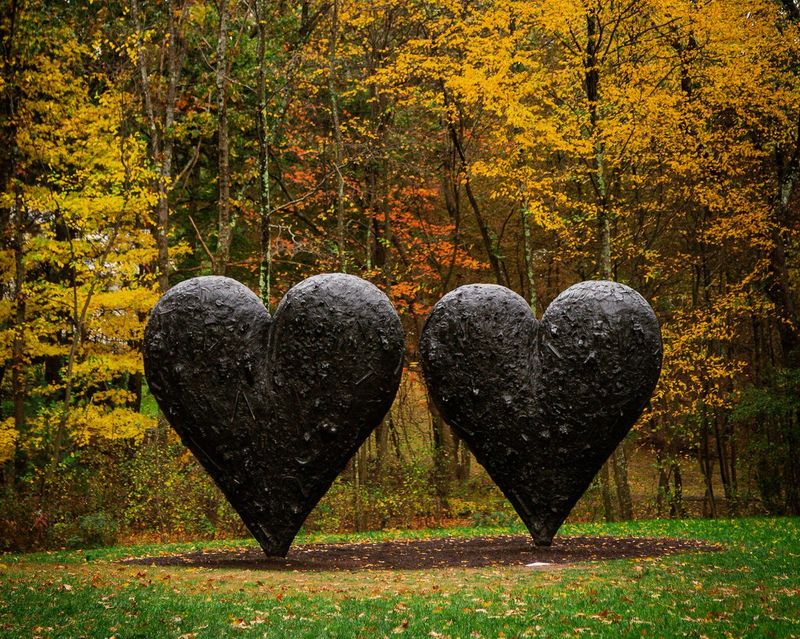
Art that lives outdoors has a different energy than art behind glass, and deCordova Sculpture Park and Museum in Lincoln makes the most of that difference across 35 acres of rolling New England landscape.
The park features more than 70 large-scale sculptures displayed throughout the grounds, with the collection rotating regularly so that returning visitors always find something new.
Artists from across the country and around the world have placed their work here, and the variety of styles, materials, and themes keeps every corner of the park genuinely surprising.
Inside the museum building, rotating exhibitions spotlight contemporary art in more traditional gallery settings, offering a nice balance between the outdoor experience and the indoor one.
The combination means you can spend a few hours moving between the open air and the galleries without the visit ever feeling repetitive.
Lincoln itself is a quiet, conservation-minded town about 20 miles west of Boston, making deCordova an easy day trip from the city without the downtown crowds.
The park sits beside Flint’s Pond, and on calm days the water reflects the sculptures in a way that doubles the visual impact.
Families tend to love the outdoor setting because children can move freely around the sculptures rather than tiptoeing through hushed gallery rooms.
The museum hosts a full calendar of events including outdoor concerts, family workshops, and artist talks throughout the year.
deCordova is proof that a great art experience does not have to feel formal or intimidating to be genuinely meaningful.
8. Fruitlands Museum, Harvard
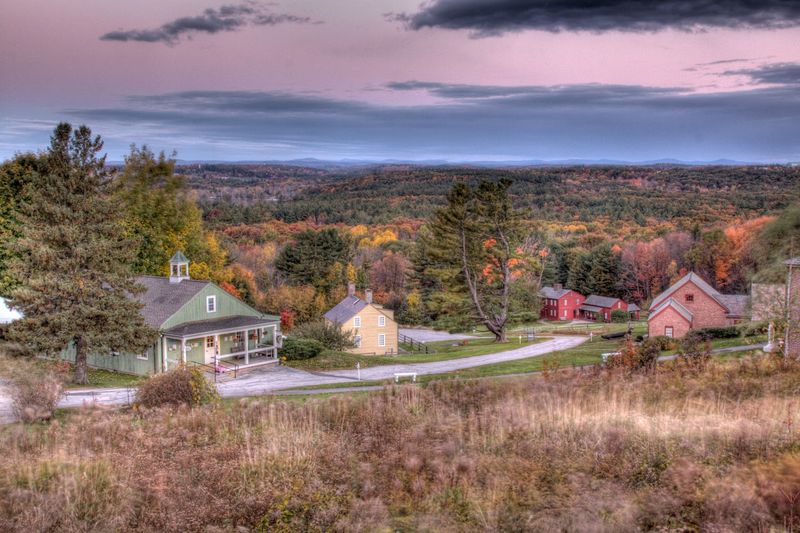
Few places in Massachusetts carry as many layers of idealism, failure, and fascinating history as Fruitlands in the town of Harvard.
A group of 19th-century philosophers once tried to build a utopian community and lasted just seven months before giving up.
The short-lived commune was founded in 1843 by Bronson Alcott, father of Little Women author Louisa May Alcott, and a handful of like-minded thinkers who believed they could live entirely off the land without harming any living creature.
The experiment collapsed quickly, but the farmhouse where it all happened still stands and is now part of a remarkable museum campus.
Today, Fruitlands encompasses the historic farmhouse, a Native American collection, a collection of Shaker artifacts, and a gallery dedicated to Hudson River School landscape paintings.
The combination is unusual but works beautifully, with each collection telling a different story about how 19th-century Americans searched for meaning and community.
The hilltop setting is one of the most spectacular in central Massachusetts, with sweeping views across open farmland toward distant ridgelines.
The grounds are open for hiking and picnicking, which makes the visit feel relaxed rather than rushed.
Fruitlands is located about 35 miles west of Boston and is open seasonally.
For travelers who love history with a touch of philosophical intrigue, this Harvard, Massachusetts landmark delivers a story unlike anything else on this list.
9. Quabbin Reservoir, Belchertown
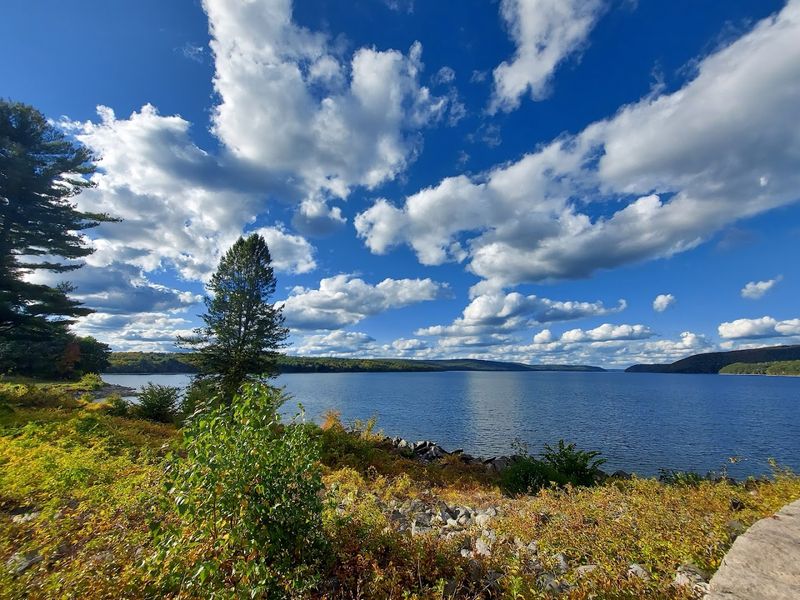
There is something quietly extraordinary about Quabbin Reservoir near Belchertown, a place so deliberately kept wild that four entire towns were disincorporated and flooded in the 1930s to create it.
The reservoir was built to supply drinking water to the Boston metropolitan area, and the surrounding watershed is protected with unusual strictness, which is exactly why the landscape here feels so untouched and vast.
The result is one of the largest inland bodies of water in New England, stretching across roughly 38 square miles and surrounded by more than 56,000 acres of protected forest.
Wildlife thrives at Quabbin in ways that surprise first-time visitors.
Bald eagles nest here year-round, and the reservoir is one of the most reliable spots in Massachusetts to spot them soaring over open water.
White-tailed deer, coyotes, and river otters are also regularly seen along the trails.
Hiking and fishing are the primary activities, with designated access points around the reservoir offering trails that range from easy lakeside walks to longer routes through deep forest.
Fishing permits are required and can be obtained through the state, with the reservoir known for producing trophy-sized lake trout and landlocked salmon.
The Quabbin Visitor Center near Belchertown offers exhibits on the reservoir’s history, including the story of the four lost towns, which adds a poignant human dimension to an already compelling natural landscape.
Quabbin rewards patience and quiet attention, making it the perfect final destination on a bucket list built for explorers who like their adventures a little off the beaten path.