
Why This Indiana Amish Town Is One Of The Most Unique Places To Visit In The Midwest
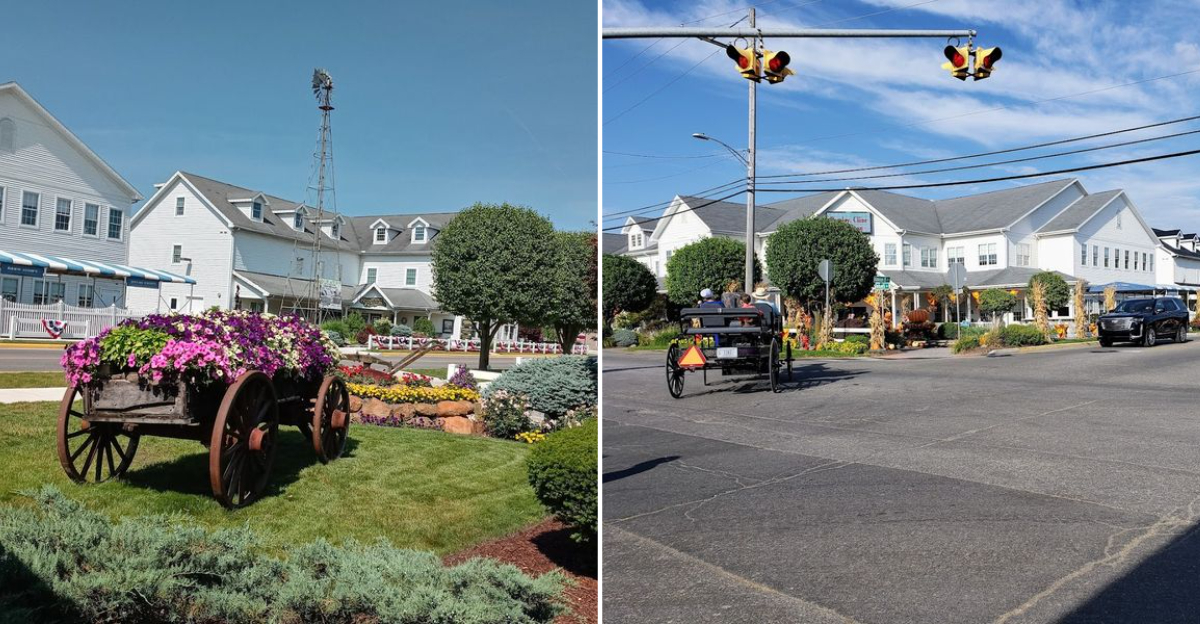
Arriving in this Indiana town requires a quiet internal adjustment that most visitors do not anticipate needing. The pace here does not negotiate with the one brought in from outside, it simply continues at its own rhythm until the visitor finds a way to match it.
Horse drawn buggies moving at the speed of intention rather than convenience reframe an entire afternoon. What felt like slow suddenly starts feeling correct.
The food, the craft, and the particular attention applied to ordinary tasks here carry a weight that mass production spent decades trying and failing to replicate. Every purchase feels like a small conversation rather than a transaction.
The Midwest contains multitudes that most road trip itineraries never uncover. This Amish town sits among its most singular offerings, a place that changes something small but permanent in everyone who slows down enough to actually see it.
Geological Formation Of Cliff Side Dwellings
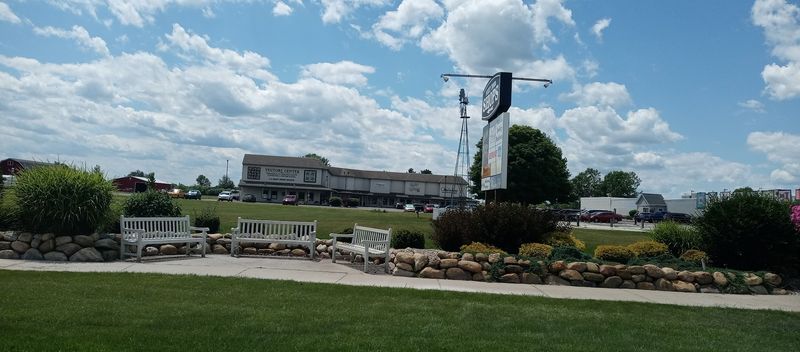
This place sits within a landscape shaped by glacial movement thousands of years ago. The flatlands of LaGrange County hide a surprising geological story.
Layers of sediment, limestone, and ancient rock formations tell that story quietly beneath your feet.
The region’s geology influenced where early inhabitants chose to build. Cliff-adjacent formations in surrounding counties show evidence of wind and water carving.
These natural shelters became ideal spots for early human settlement long before European contact.
Rock layers here date back to the Paleozoic era. That means some of the stone underfoot is hundreds of millions of years old.
Visitors walking near natural outcroppings can actually see those ancient layers stacked like pages in a book.
Glacial till deposited across northern Indiana created unique soil compositions. That same till helped shape small ridges and low bluffs near waterways.
The Pigeon River, which runs near Shipshewana, carved its own modest path through this glacially shaped terrain.
Understanding the geology adds real depth to any visit here. It explains why certain areas feel elevated or sheltered.
It also explains why ancient peoples found this corner of Indiana so livable.
Historical Significance Of Ancient Homes
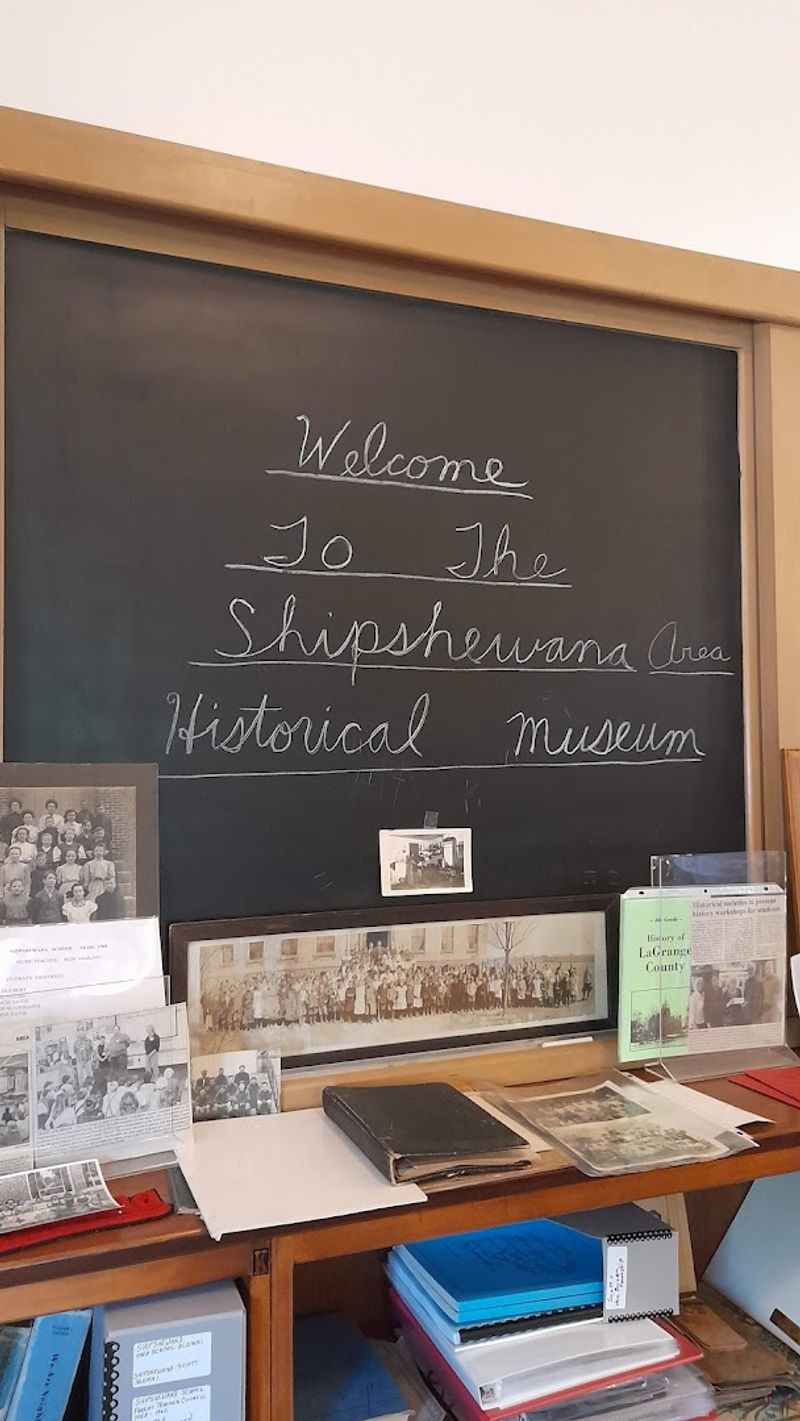
Shipshewana carries history in almost every corner. The town is named after Chief Shipshewana of the Potawatomi people.
His legacy lives on through a memorial near Shipshewana Lake and through a Blessing Quilt displayed in Town Hall.
The Potawatomi were known as the Keepers of the Sacred Fire in the Great Lakes region. That title alone says a lot about their cultural importance.
Their presence here predates the Amish settlers by generations.
When Amish families began arriving in LaGrange County in the 1800s, they built homes meant to last. Simple wooden structures, hand-cut timber, and practical layouts defined their architecture.
Many of those original building styles still influence construction in the area today.
The Menno-Hof Interpretive Center brings this layered history to life. Interactive exhibits walk visitors through Amish and Mennonite origins, struggles, and present-day practices.
It is one of the most honest and thoughtful historical museums in the Midwest.
History here is not behind glass. It is in the fields, the barns, and the back roads.
Old homes still stand on working Amish farms throughout LaGrange County. Visiting them feels less like a museum trip and more like reading a letter written long ago.
That personal quality is what makes Shipshewana’s history feel so alive and worth exploring.
Flora And Fauna Along The Trail
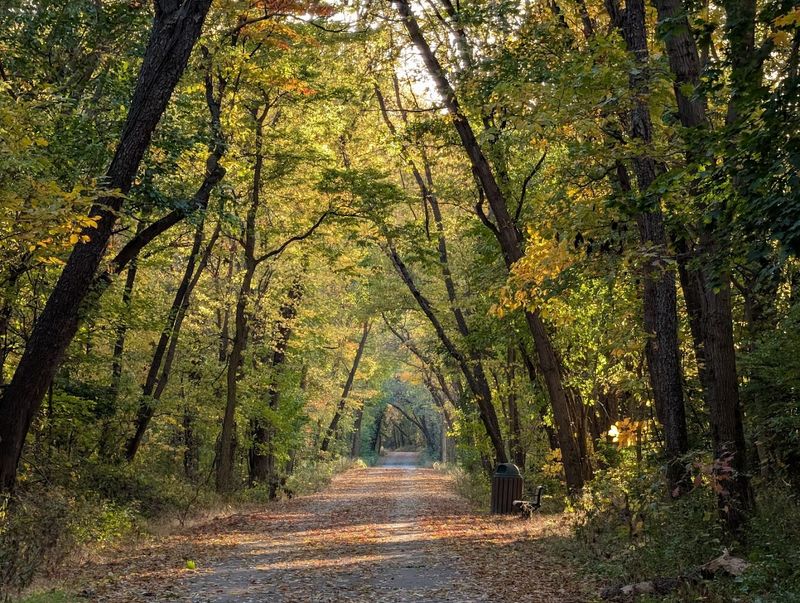
The Pumpkinvine Nature Trail is where Shipshewana shows off its natural side. This trail winds through fields, wetlands, and wooded stretches across LaGrange County.
It is a favorite for walkers, cyclists, and anyone who just needs fresh air.
Wildflowers bloom along the trail edges from spring through early fall. You will spot Queen Anne’s Lace, black-eyed Susans, and wild bergamot if you look closely.
These native plants attract pollinators by the thousands during peak season.
Birds are a major draw here, too. Great blue herons are common near the Pigeon River corridor.
Red-tailed hawks circle overhead, and songbirds fill the tree lines with noise from dawn onward.
White-tailed deer are spotted frequently near the trail edges at dusk. Groundhogs, foxes, and wild turkeys also make regular appearances.
None of this is staged or managed for tourists. It is just nature doing its thing in northern Indiana.
The trail connects several communities and crosses farmland that has been worked for generations. Watching a horse-drawn plow in a nearby field while you walk the trail is a genuinely surreal experience.
It is the kind of contrast that reminds you Shipshewana operates on its own timeline. The trail is free to use and accessible from multiple entry points throughout the county.
Preservation Efforts For Rock Structures
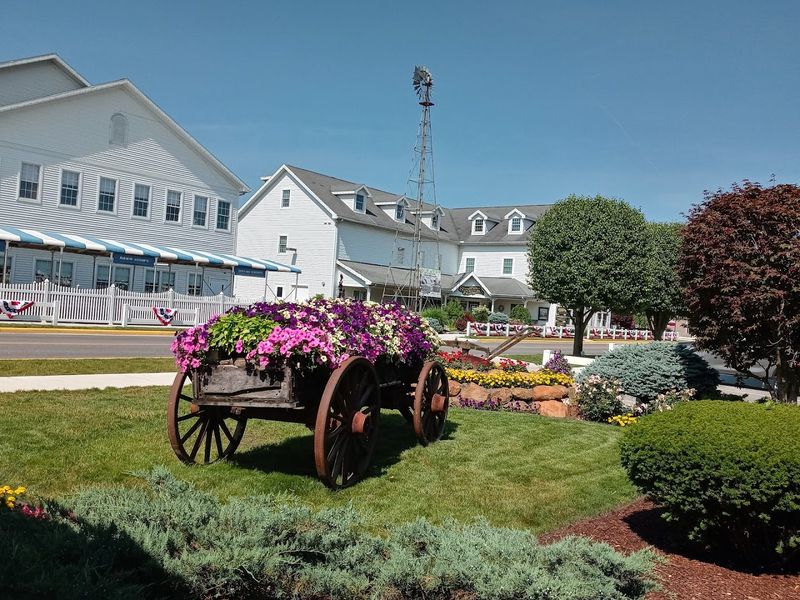
Preserving old structures in Shipshewana is taken seriously by both residents and local organizations. The Amish community builds to last, but even durable buildings need care over time.
Several historic barns and stone foundations in LaGrange County have received preservation attention in recent years.
The Menno-Hof Interpretive Center itself is a preserved space. It houses original artifacts, tools, and records that document Amish and Mennonite life over centuries.
Keeping those items intact requires ongoing effort and community support.
LaGrange County also maintains records of historically significant properties. Local historical societies work to document structures before they are lost to weather or development.
Photography and archival mapping have become important tools in that process.
Barn quilts are another form of preservation worth mentioning. These painted geometric patterns on barn sides serve as public art and cultural memory.
Visitors can follow a self-guided barn quilt trail throughout the county and see dozens of them.
Rock foundations from early settler homesteads still dot the countryside. Some are partially hidden by overgrown vegetation.
Others have been stabilized and marked with simple informational signs for visitors. Walking past one of these old foundations is a quiet but powerful moment.
It connects you to people who built something with their hands and expected it to outlast them. In Shipshewana, that expectation has often been met.
Trail Accessibility And Safety Tips
Getting around Shipshewana on foot or by bike is genuinely enjoyable. The Pumpkinvine Nature Trail is mostly flat, which makes it accessible for a wide range of visitors.
Paved and packed-gravel sections make it manageable for strollers and casual cyclists alike.
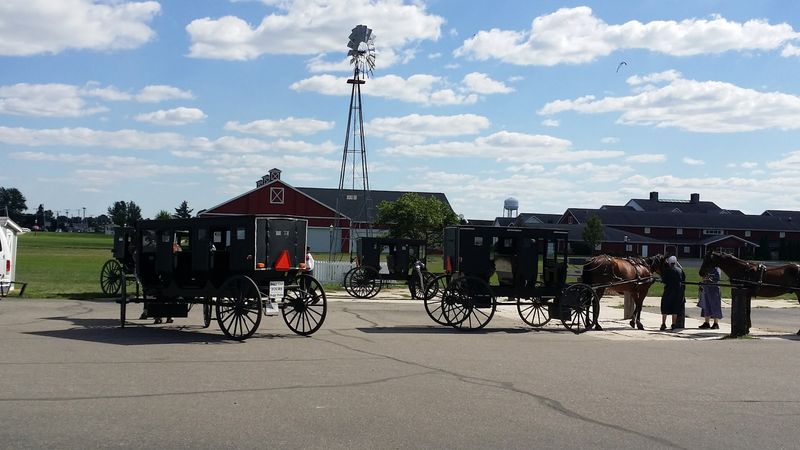
Road safety is something to keep in mind here. Amish horse-drawn buggies share the roads with cars throughout LaGrange County.
Drivers should slow down, give buggies plenty of space, and never honk near horses. That last one is just common courtesy and basic safety combined.
Trail markers are placed at regular intervals along the Pumpkinvine route. Signage helps visitors navigate between towns and know their distance from key landmarks.
It is a well-maintained trail, but bringing a basic map or downloading the route beforehand is still a smart move.
Water and snacks matter more than people expect on longer trail sections. Stretches between access points can be longer than they look on a map.
Pack more than you think you need, especially in summer heat.
Cell service can be spotty in rural parts of LaGrange County. Telling someone your planned route before heading out is a practical habit.
The trail is generally safe and well-traveled, but being prepared always beats being surprised. Comfortable shoes, sunscreen, and a good attitude will carry you far on any Shipshewana outdoor adventure.
Cultural Insights From Past Inhabitants
The Potawatomi people shaped this land long before it had a name on any American map. Chief Shipshewana’s story is remembered through local memorials and community traditions.
His name living on as the town’s identity is not a small thing. It is a deliberate act of remembrance.
When Amish settlers arrived in the 1800s, they brought their own deep cultural framework. Faith, community, and simplicity were not just values.
They were the operating systems for daily life. That same framework still runs this community today.
The Menno-Hof Interpretive Center offers the most structured look at Amish and Mennonite culture available in the region. Exhibits cover persecution in Europe, the journey to America, and modern practices.
It is educational without being preachy, which is a difficult balance to strike.
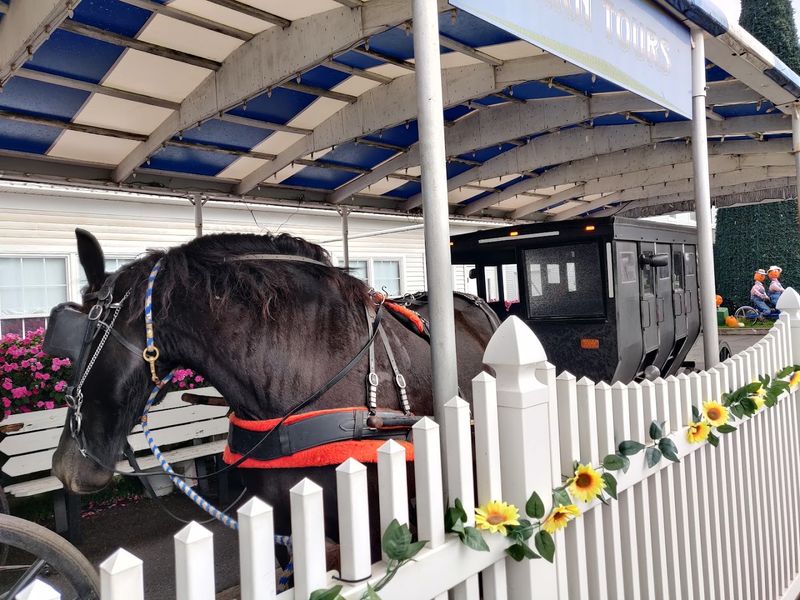
Guided buggy rides give visitors a physical sense of what slower transportation actually feels like.
Dining in an Amish home, when arranged through local tour operators, offers a glimpse into daily rhythms that most Americans have never experienced.
These are not performances. They are real households sharing real hospitality.
Cultural understanding here comes from watching and listening more than talking. The Amish do not seek attention or explanation.
But they are open to respectful curiosity. That openness, paired with genuine community pride, makes Shipshewana one of the most culturally rich small towns in the entire Midwest.
Photography Opportunities Along Scenic Views
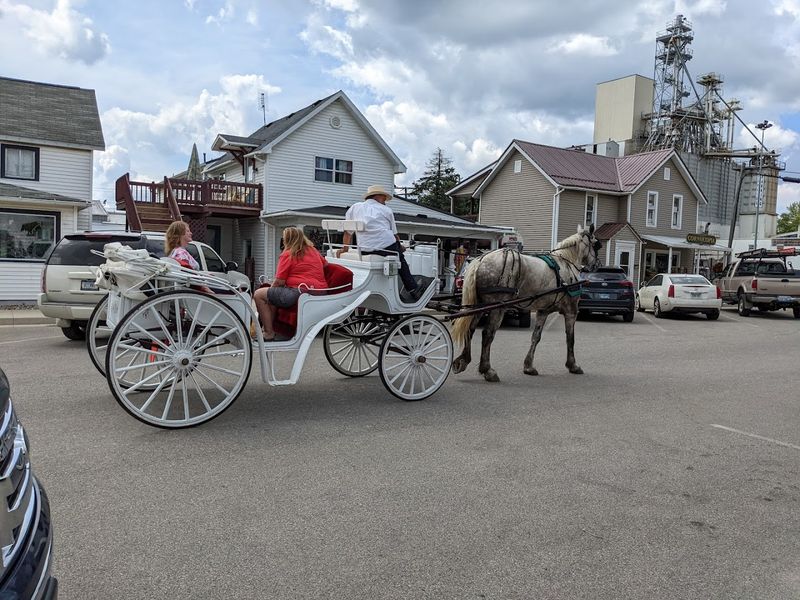
Shipshewana is a photographer’s dream, and that is not an exaggeration. Horse-drawn buggies moving along country roads against open farmland backdrops create images that look like paintings.
The lighting in northern Indiana during golden hour is genuinely spectacular.
The barn quilt trail offers colorful, graphic subjects that photograph beautifully in any light. Each quilt pattern is unique, and the weathered barn wood behind them adds texture that cameras love.
You can build an entire photo series just from that trail alone.
The Shipshewana Flea Market is another rich visual environment. Rows of vendors, handmade goods, and the energy of hundreds of people browsing together create dynamic street-photography opportunities.
Candid shots here tell real stories without needing any staging.
Shipshewana Lake provides reflective water shots, especially in early morning when mist sits low over the surface. The memorial near the lake adds a quiet, contemplative subject for more thoughtful compositions.
Sunrise there is worth setting an alarm for.
One important note on photography etiquette: many Amish residents prefer not to be photographed. This is a sincere religious belief, not shyness.
Respecting that boundary is non-negotiable. Focus your lens on landscapes, architecture, markets, and animals instead.
There is more than enough visual richness here to fill a memory card without ever crossing a line. Shipshewana rewards photographers who are patient and respectful.
Best Seasons For Exploring The Area
Every season in Shipshewana has something real to offer. Summer is the most popular time to visit, and for obvious reasons.
The flea market runs Tuesdays and Wednesdays from May through September, drawing massive crowds across its 40 acres of vendors.
Fall is arguably the most beautiful season here. LaGrange County farmland turns gold and amber from September through October.
Harvest activity picks up on Amish farms, and the whole area takes on a warm, productive energy that feels different from summer tourism.
Winter slows things down considerably. Many shops and attractions reduce hours or close temporarily.
But for visitors who prefer quiet, winter offers a rare chance to see Shipshewana without the crowds. Snow on Amish farmsteads creates a stillness that is hard to describe and even harder to forget.
Spring brings the area back to life gradually. Wildflowers begin appearing along the Pumpkinvine Trail by April.
Farms start their planting cycles, and the rhythm of the community shifts into a higher gear. It is a great time for trail walking and early-season market browsing.
Weekdays are consistently less crowded than weekends, regardless of season. Planning a Tuesday or Wednesday visit during flea market season gives you the full experience without shoulder-to-shoulder navigation.
Shipshewana rewards visitors who plan and choose their timing with a little thought and flexibility.