
This Scenic Virginia Route Takes You Through Eight Charming Historic Small Towns In One Day
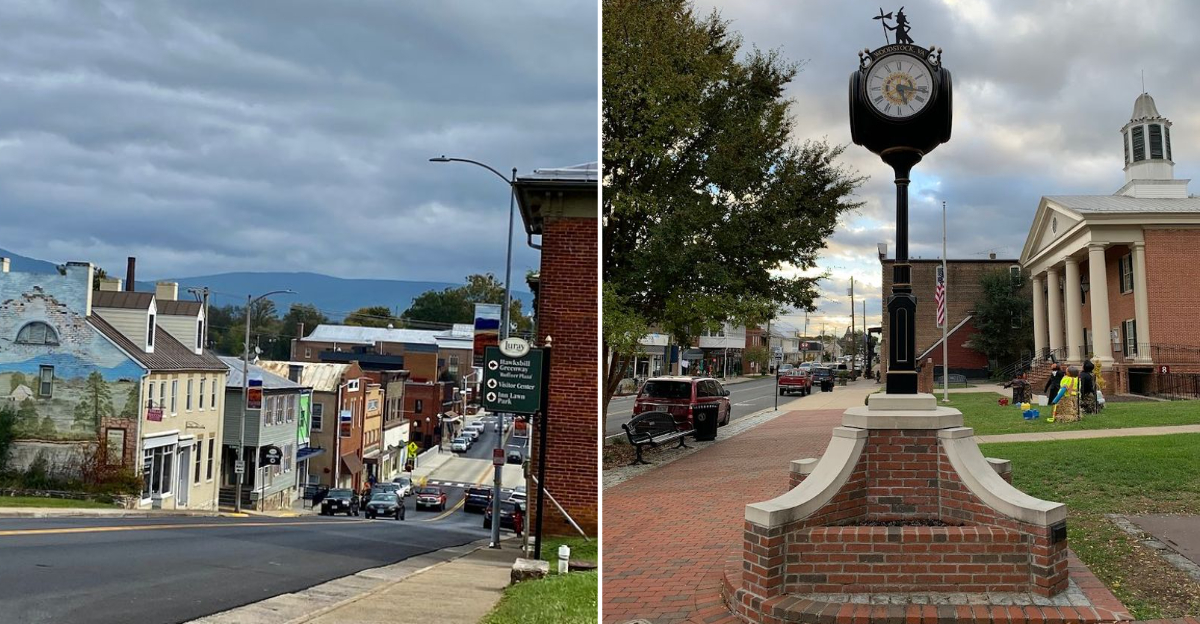
Eight historic small towns connected by a single scenic route sounds like the kind of itinerary that takes weeks to plan. Virginia assembled it naturally, and the only real requirement is a full tank and a willingness to stop whenever something earns it.
Each town along this route carries its own chapter of history without repeating what the previous one already said. The cumulative effect of moving through them in sequence produces something no individual stop could deliver alone.
Main streets older than the highway system, enduring architecture, and communities shaped by more than seasonal tourism. The route connects all of it without forcing a single mile.
A day trip to this historically dense area rarely asks so little of the traveler in return. Virginia laid out the road, preserved the towns, and left the rest entirely up to whoever shows up with enough curiosity to follow it through.
1. Washington (Little Washington)
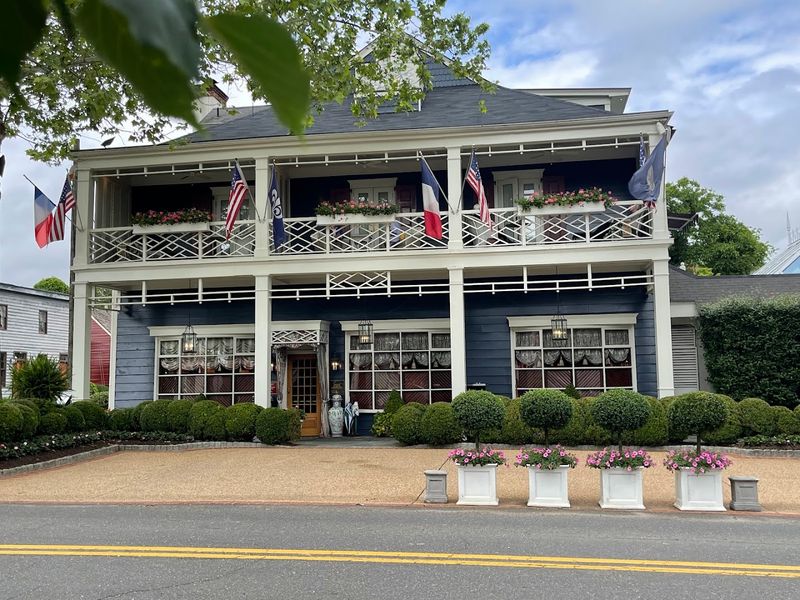
The smallest town named Washington in America packs an enormous punch. Little Washington, Virginia, sits at the foot of the Blue Ridge Mountains and looks like it was painted by someone who really loved colonial architecture.
Founded in 1749, it holds the distinction of being surveyed by a teenage George Washington himself.
The streets here are quiet in the best possible way. You can walk the entire downtown in about fifteen minutes, but you will want to slow down and actually look around.
Historic buildings line the road, and the whole place feels genuinely frozen in a more graceful era.
The Inn at Little Washington is world-famous and has drawn food lovers from across the country for decades. Even if you are not dining there, the surrounding area rewards curious visitors with beautiful scenery and local shops worth browsing.
The Rappahannock County Visitor Center is a great first stop for maps and local tips.
Photographers especially love this town at golden hour. The light hits the old storefronts in a way that makes every shot look effortless.
Bring a camera and wander without a plan, because the best moments here happen when you least expect them.
History fans will appreciate that this is the oldest of the twenty-eight towns named Washington in the United States. That fact alone makes it worth a stop.
2. Sperryville
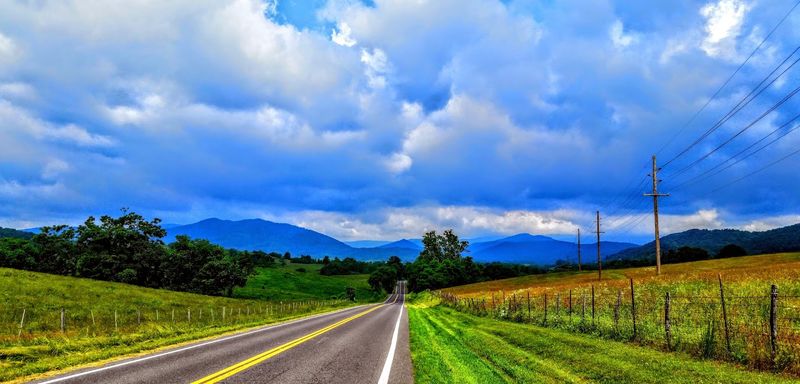
Right at the gateway to Shenandoah National Park, Sperryville is the kind of place that surprises you. You come expecting a quick pit stop and end up spending two hours browsing antique shops and chatting with locals who clearly love where they live.
The Thornton River runs right through town, adding a peaceful soundtrack to the whole visit.
Sperryville has a laid-back artistic energy that you can feel the moment you park your car. Local galleries, handmade pottery studios, and farm-to-table spots sit side by side along the main road.
It is small, but every square foot feels intentional and full of character.
The Rappahannock County Farmers Market draws serious crowds on weekends. Fresh produce, local honey, handmade goods, and friendly vendors make it a highlight of any visit.
Even on a weekday, the town has a warm, welcoming vibe that makes strangers feel like regulars.
Hiking trails into Shenandoah National Park are just minutes away from the town center. Old Rag Mountain, one of Virginia’s most iconic hikes, starts not far from here.
So if you want to stretch your legs between town stops, this is your perfect opportunity.
Sperryville also has a growing reputation as a destination for outdoor enthusiasts and creative types alike. It is the rare town that appeals to both the adventure-seeker and the slow-travel crowd.
Honestly, it is hard not to love it.
3. Flint Hill
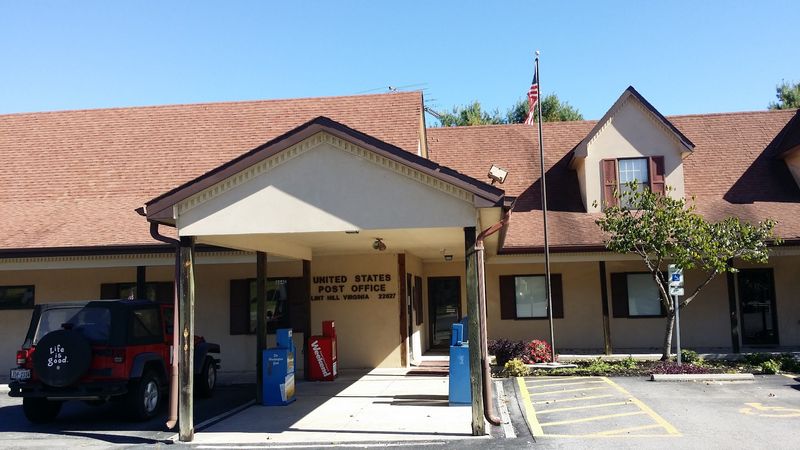
Flint Hill is the kind of town that people drive through without realizing they should stop. That is a mistake.
Nestled in Rappahannock County, this tiny community has a quiet dignity that rewards anyone willing to slow down and pay attention. The landscape alone is worth the detour.
The town sits in a valley surrounded by farmland and forested hills that look straight out of a painting. Historic buildings dot the landscape, and the general pace of life here feels refreshingly unhurried.
There is no rush in Flint Hill, and that is exactly the point.
One of the most notable spots is the historic Flint Hill Public House, which has been a gathering place for the community for generations. The building itself tells a story about rural Virginia life that no museum exhibit could fully capture.
It is living history, right in front of you.
Rappahannock County as a whole has resisted overdevelopment in a way that makes Flint Hill feel like a genuine treasure. No chain restaurants, no big box stores, just real community life playing out in a beautiful setting.
That authenticity is increasingly rare and completely worth celebrating.
If you are the type who loves discovering places before they become popular, Flint Hill is your spot. It has not been discovered by the masses yet, and locals seem perfectly happy keeping it that way.
Come see it while it still feels like a secret.
4. Luray
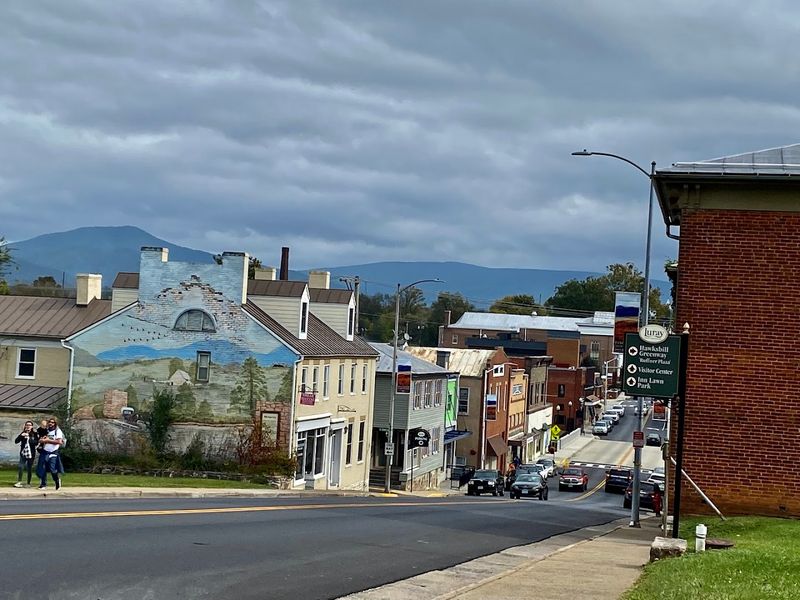
Everyone knows Luray for its famous caverns, and honestly, the hype is completely justified. The Luray Caverns are the largest in the eastern United States, and they have been wowing visitors since 1878.
But the town of Luray itself deserves just as much attention as what lies underground.
Downtown Luray has a genuinely charming main street lined with local shops, historic buildings, and restaurants that serve real food made by real people.
The Shenandoah Valley surrounds the town, creating views that make you want to pull over every five minutes. This place is visually generous in a way that feels almost unfair.
The Luray Valley Museum is a wonderful stop for history lovers. It tells the story of the Shenandoah Valley through artifacts, photographs, and exhibits that cover Native American history all the way through the Civil War era.
You learn a lot and leave feeling genuinely informed.
Outdoor adventures are everywhere near Luray. The Shenandoah River is just minutes away and popular for kayaking, tubing, and fishing.
Skyline Drive, one of the most scenic roads in America, is also easily accessible from town. You could spend three days here and still not run out of things to do.
The town also hosts a lively farmers’ market and various seasonal festivals that bring the community together in the most wholesome ways. Luray has that rare combination of natural beauty and genuine small-town warmth.
5. Front Royal
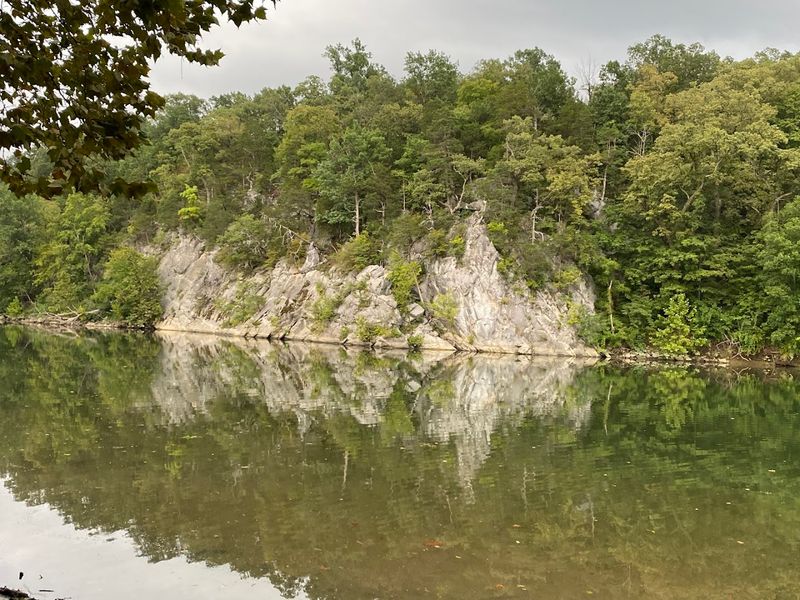
Front Royal earned its nickname as the Canoe Capital of Virginia, and the Shenandoah River running right through town makes that title completely believable. But even if you never touch a paddle, Front Royal offers plenty of reasons to linger.
The Blue Ridge Mountains frame the town in every direction, making even a casual walk feel dramatic.
The historic downtown along East Main Street has a scrappy, authentic energy that feels very different from more polished tourist destinations. Independent shops, local diners, and community murals give Front Royal a personality that is entirely its own.
It is the kind of place where locals actually talk to visitors and mean it.
Civil War history runs deep here. The Belle Boyd Cottage, home of the famous Confederate spy, is one of the most fascinating historic sites in the Shenandoah Valley.
Belle Boyd was only seventeen when she began her espionage career, which makes her story both remarkable and completely wild.
Skyline Drive begins right at Front Royal, making it the official northern gateway to Shenandoah National Park. Even a short drive along the ridge offers views that will make your jaw drop on cue.
Deer are basically everywhere, so keep your eyes open and your camera ready.
The Warren Heritage Society Museum is another excellent stop for anyone curious about local history. The town also hosts a vibrant arts community with galleries and events throughout the year.
Front Royal rewards curious visitors who take time to wander beyond the obvious.
6. Strasburg
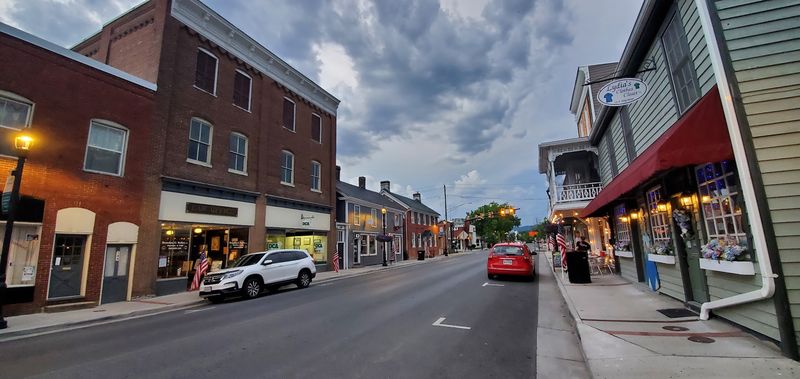
Strasburg calls itself the Antique Capital of Virginia, and after walking through town for twenty minutes, you will not argue with that claim. The density of antique shops here is genuinely impressive.
You can find Civil War relics, Victorian furniture, vintage pottery, and things you cannot even identify but absolutely want to own.
Founded in 1761 by German settlers, Strasburg has a heritage that shows up in its architecture and community character. The historic downtown along East King Street is compact but packed with personality.
Every building seems to have a story, and locals are usually happy to share a few chapters.
The Strasburg Museum is housed in a former steam pottery plant, which is already a cool fact before you even walk inside. The museum covers local history, Native American artifacts, and the town’s industrial past in an engaging and accessible way.
It is the kind of museum that does not make you feel like you are studying for a test.
Crystal Caverns at Hupp’s Hill is a nearby attraction that often gets overlooked in favor of Luray, but it absolutely deserves attention. The caverns sit beneath a Civil War battlefield, and the combination of geology and history in one spot is genuinely unique.
History and science fans will both leave happy.
Strasburg also sits along the Shenandoah River, offering easy access to fishing, kayaking, and riverside picnicking. The surrounding countryside is gorgeous in every season, but especially stunning during fall foliage.
7. Woodstock
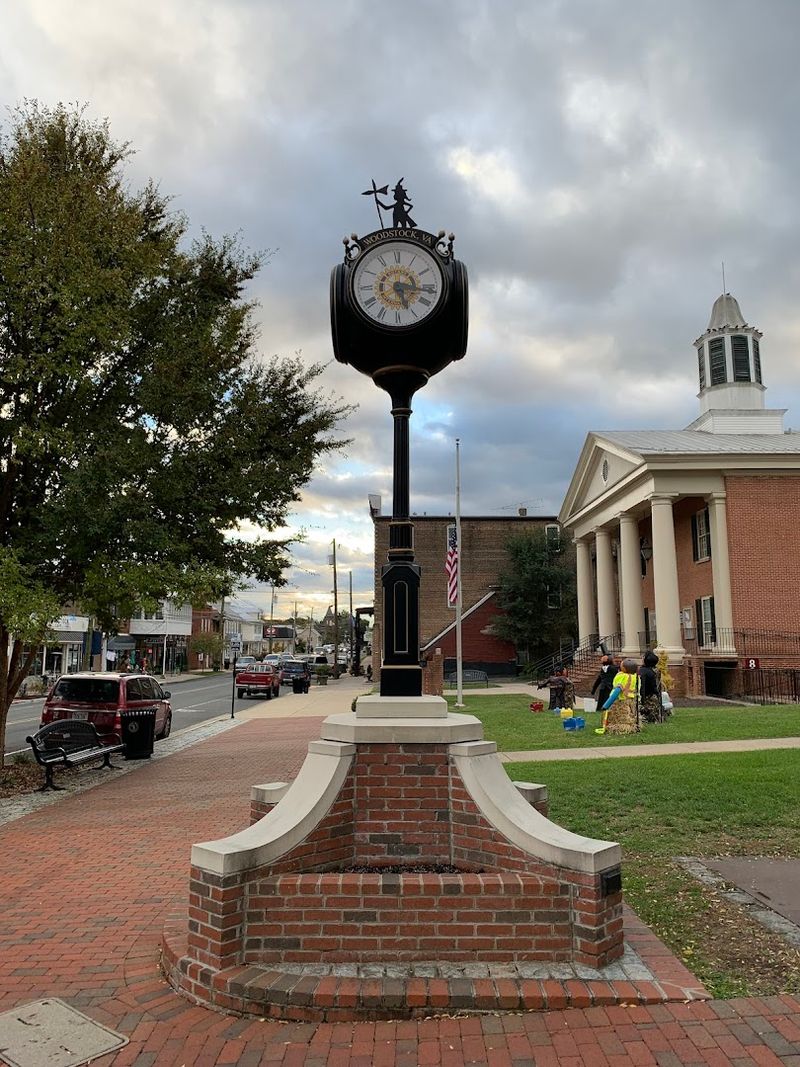
This place has one of the most photographed courthouses in Virginia, and once you see it, the reason is obvious. The 1795 Shenandoah County Courthouse is a stunning example of early American architecture and still serves as an active courthouse today.
That combination of beauty and functionality is genuinely rare.
The town sits in the heart of the Shenandoah Valley, surrounded by farmland and mountain ridges that shift color with every season. Woodstock is the kind of place where the scenery competes with the history for your attention, and both sides win.
It is hard to decide where to look first.
Woodstock Tower, perched on Massanutten Mountain nearby, offers a panoramic view of the famous Seven Bends of the Shenandoah River. The hike to the tower is moderate and completely worth every step.
When you reach the top and see those seven river curves laid out below you, it feels like a reward the universe planned specifically for you.
The downtown area along South Muhlenberg Street has local shops, bakeries, and community gathering spots that reflect the genuine character of a working small town. This is not a tourist simulation of small-town life.
It is actual small-town life, happening right in front of you.
Woodstock also has a rich Civil War history, with several significant engagements fought in the surrounding area. The Shenandoah Valley Battlefields National Historic District includes sites near town that history enthusiasts will find deeply compelling.
8. Edinburg
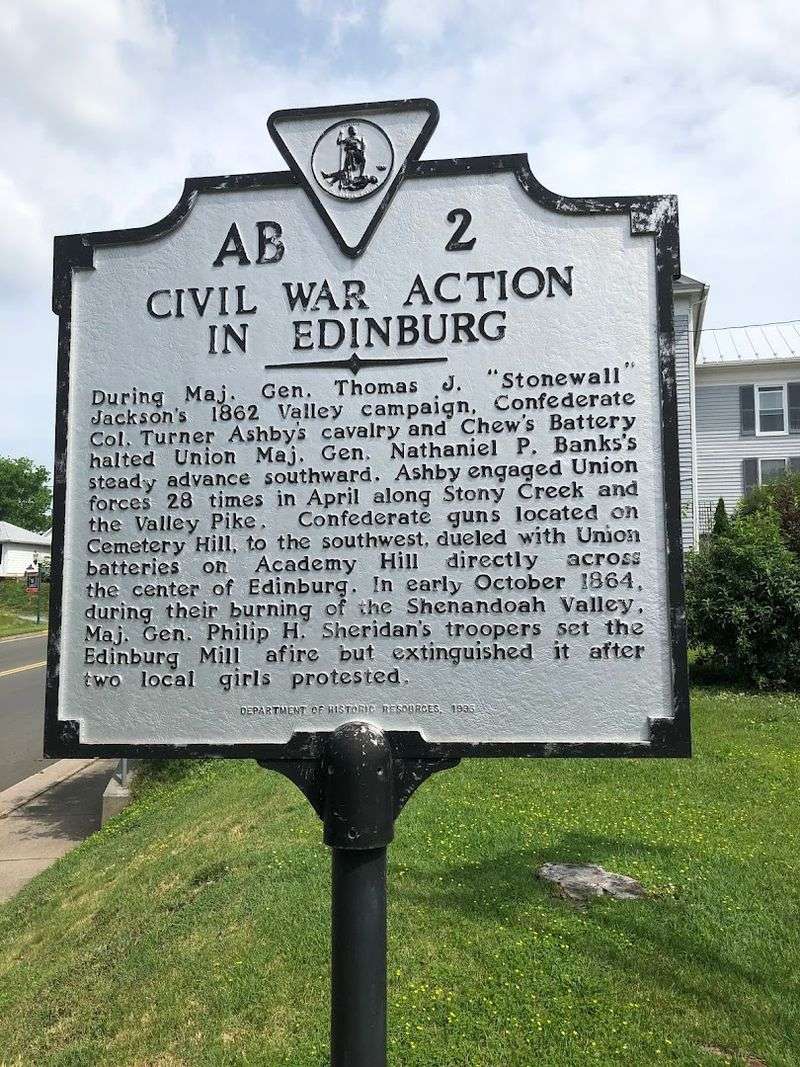
Edinburg is the kind of town that makes you wonder why more people do not talk about it. Sitting quietly in the southern end of this route, this little Shenandoah Valley community has a mill, a creek, and a personality that is completely its own.
The Edinburg Mill, built in 1848, still stands along Stoney Creek and is one of the most picturesque historic structures in the valley.
The town has a laid-back, unpretentious atmosphere that feels genuinely welcoming. No one here is trying too hard to impress visitors, which somehow makes the whole experience more impressive.
It is the small-town equivalent of someone who is effortlessly cool without even trying.
Edinburg holds a special place in Civil War history. Union General Philip Sheridan ordered the burning of the Shenandoah Valley in 1864, and Edinburg was among the communities affected.
The fact that the old mill survived makes it even more remarkable as a symbol of resilience and community pride.
The Shenandoah Valley Folklife Festival is held in Edinburg each fall and celebrates regional music, crafts, and food traditions that stretch back generations. If your road trip happens to land on festival weekend, consider yourself extremely lucky.
The energy is warm, festive, and completely authentic.
Nature lovers will appreciate that Edinburg sits near several hiking trails and natural areas that offer easy access to Shenandoah Valley scenery. The creek running through town is perfect for a quiet moment of reflection before you hit the road again.