
This 1889 Tennessee Schoolhouse Was Restored To Honor The Queen Of Rock ‘N’ Roll
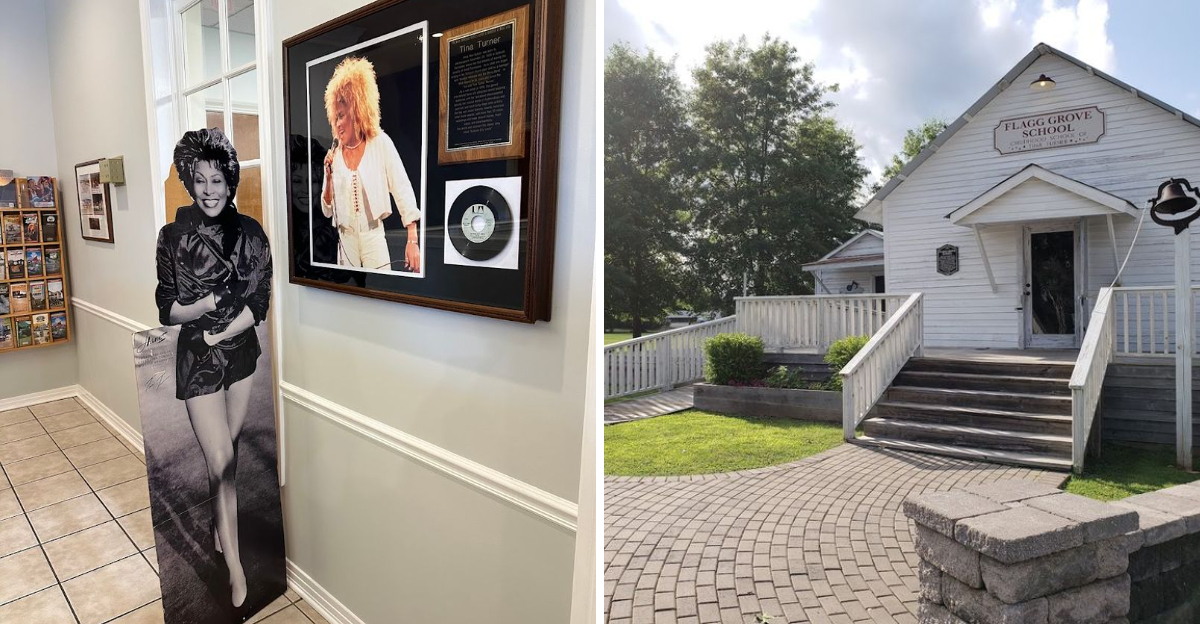
A classroom can hold more than old desks and chalkboards. Sometimes it carries the beginning of a voice that later shakes the whole world.
Tennessee has one 1889 schoolhouse with that kind of power, and its story reaches far beyond its wooden walls.
What once served local children now stands as a tribute to a girl who grew up nearby and became the Queen of Rock ‘N’ Roll.
The building was moved, restored, and filled with pieces of a life that turned grit, talent, and fire into music history. It feels personal because it is.
Every board, photo, and memory connects a quiet rural beginning to a stage presence nobody could ignore. Visitors come for the legend, but they leave thinking about the place that helped shape her first steps.
The School And Its Remarkable Origins
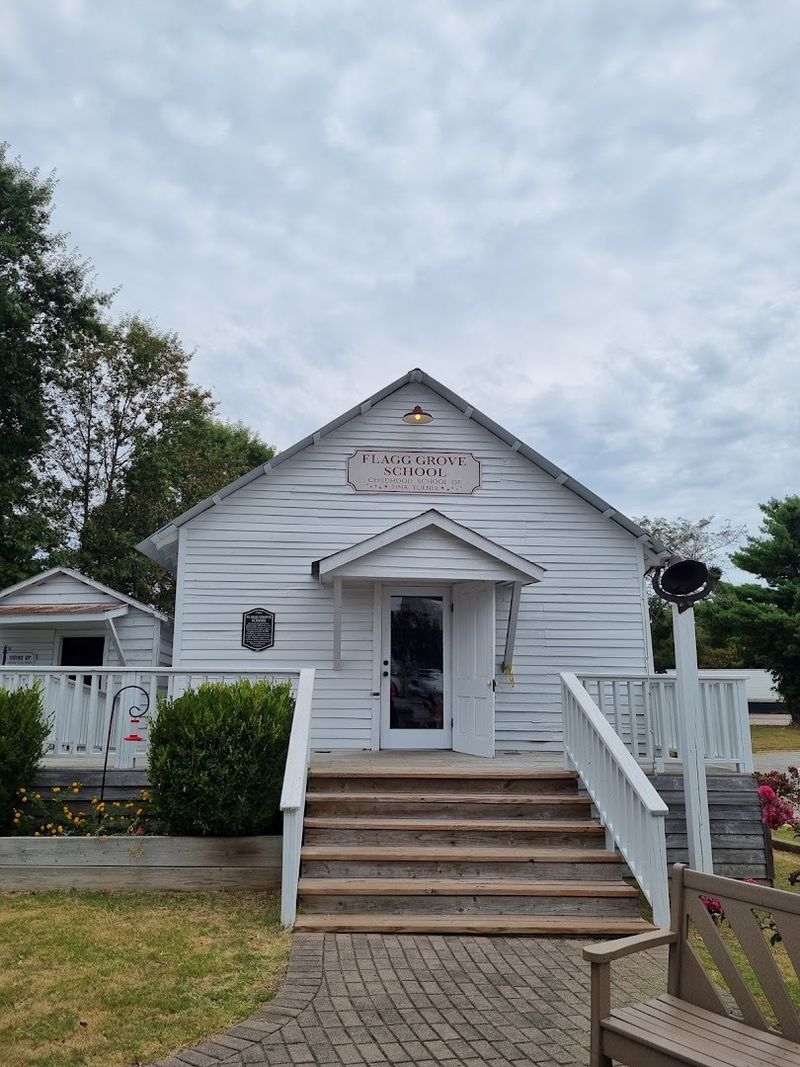
Long before anyone called her Tina Turner, a quiet girl from Nutbush sat inside a single room with wooden floors and chalky walls, learning everything she could.
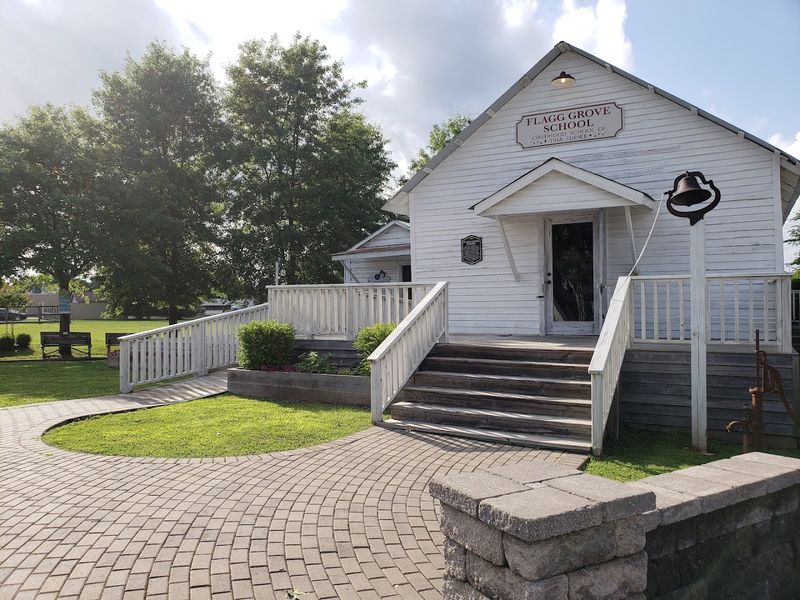
That room was the Flagg Grove School, built in 1889 by Benjamin B. Flagg, the great-uncle of the woman who would one day sell out arenas around the world.
Flagg sold the land to school trustees, and the building became one of the first formal schools for African Americans in the South.
Students initially paid a dollar per month to attend, making it a subscription school before it eventually joined the public school system.
The school served its community for decades, giving children in Nutbush access to education during a time when such opportunities were limited and hard-won.
It closed in the late 1960s and was later used as a barn and corn crib, almost disappearing entirely from history.
In 2012, preservationists stepped in and moved the structure to its current home at the West Tennessee Delta Heritage Center, where it was carefully restored and opened as a museum in September 2014.
Tina Turner’s Personal Contributions To The Museum
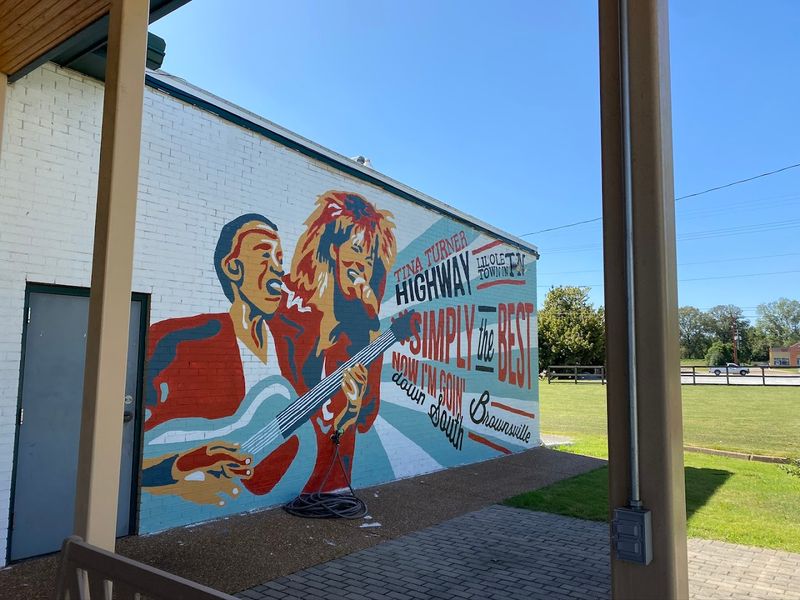
Tina Turner did not simply lend her name to this museum. She gave it pieces of her life.
When the project began taking shape, she made a personal financial donation and sent a collection of memorabilia that transformed the restored schoolhouse into something genuinely moving.
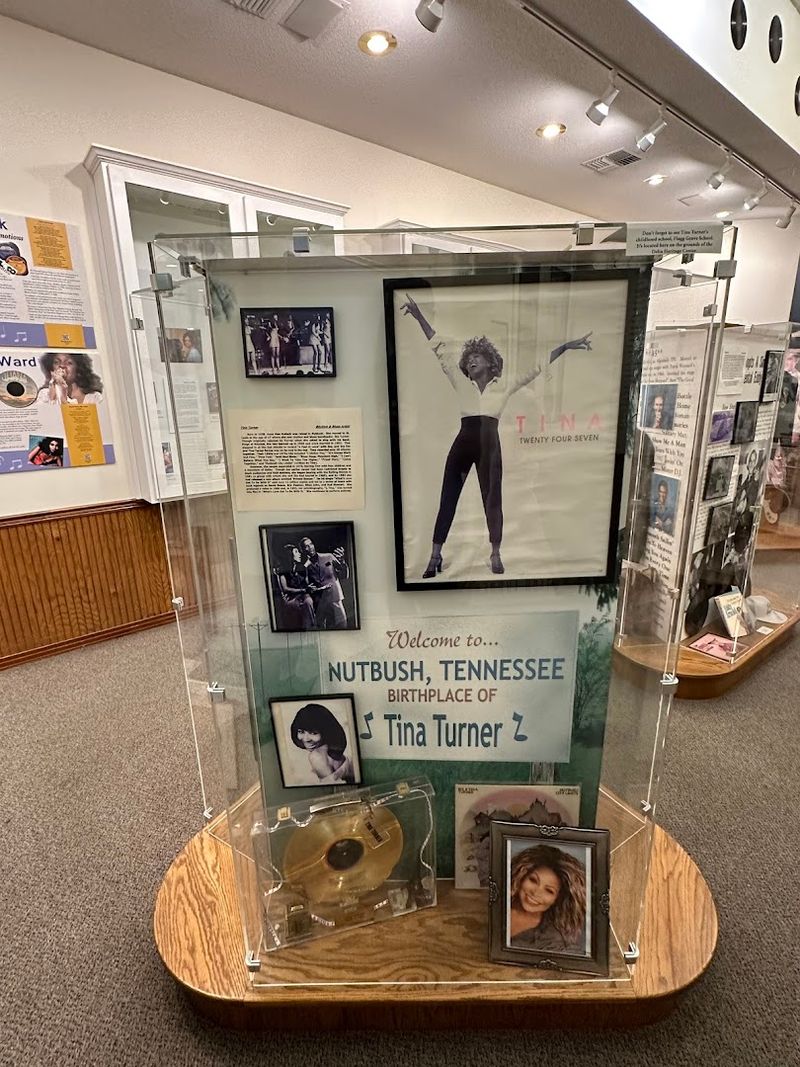
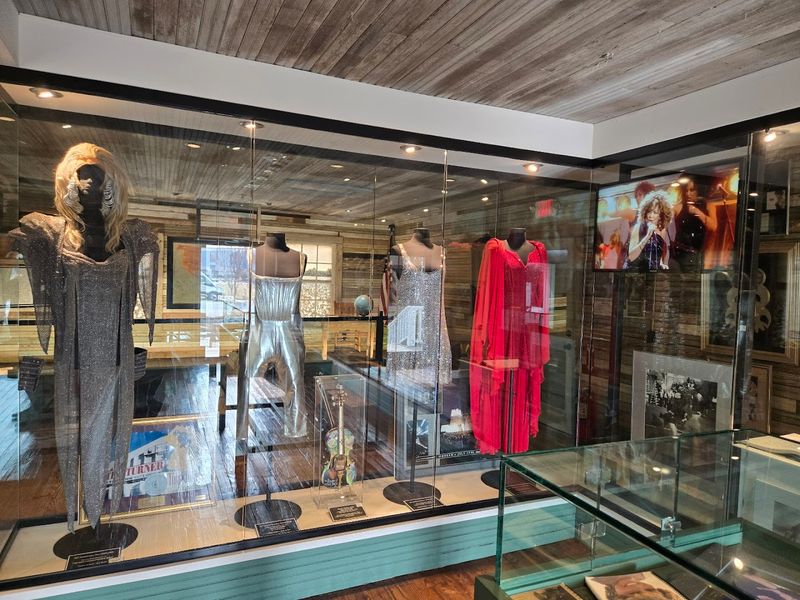
Among the items on display are costumes worn during her legendary concerts, gold records that represent her extraordinary commercial success, and her high school yearbook, which offers a rare and personal glimpse into her younger years.
These are not reproductions. They are the real objects from a real life.
Seeing a sequined stage costume hanging inside the same walls where a young Anna Mae once practiced arithmetic creates a contrast that is quietly powerful.
The journey from that small desk to those glittering outfits represents ambition, resilience, and an extraordinary talent that refused to be contained by circumstance.
Turner’s active involvement in the museum’s creation signals how much this place mattered to her personally, and that sense of genuine connection comes through clearly for every visitor who walks through the door.
What The Original Classroom Tells Us About History
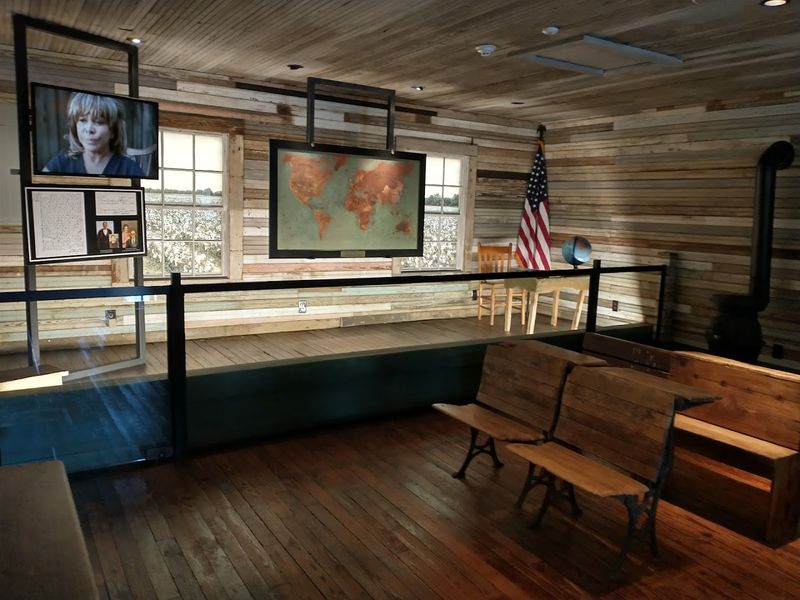
Some museum exhibits feel assembled. This one feels inherited.
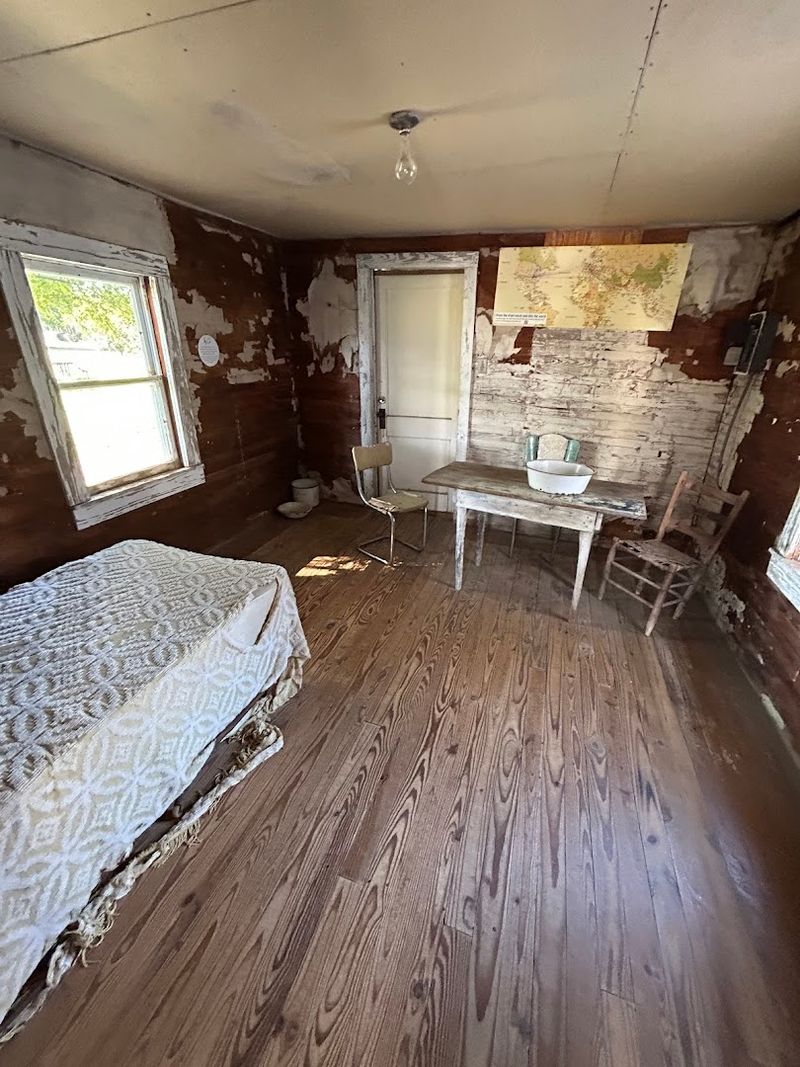
The Flagg Grove School retains original student desks and an authentic chalkboard, both of which give visitors a tangible connection to the educational experience of African American students from the 1940s through the early 1960s.
Running your eyes across those small desks, it becomes easy to imagine the daily rhythms of that classroom.
Children arriving early, the scratch of chalk on a board, lessons delivered with care by teachers who understood the weight of what they were doing.
Education in this context was not just practical. It was an act of persistence.
The museum makes a point of presenting this history honestly and with dignity.
Visitors leave with a fuller understanding of what rural Black education looked like in the mid-twentieth century South, not as a footnote to Tina Turner’s story, but as its own important chapter.
The fact that one of those students grew up to become a global icon adds a layer of meaning, but the classroom’s story stands firmly on its own terms, independent of celebrity.
The West Tennessee Delta Heritage Center As A Whole
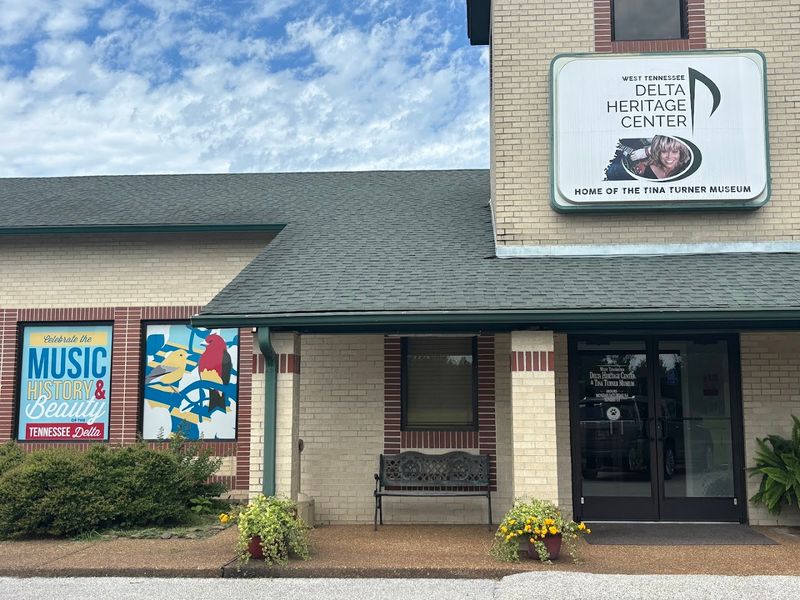
The Tina Turner Museum is the centerpiece, but the West Tennessee Delta Heritage Center offers considerably more than a single exhibit.
The main building houses several distinct sections covering the history of cotton production, the wildlife and ecology of West Tennessee, and a dedicated area celebrating the region’s rich musical heritage.
Cotton shaped this part of Tennessee in ways that are still visible today, economically and culturally.
The center’s cotton exhibit explains the industry with clarity and historical depth, making it accessible to visitors of all ages.
The music section broadens the picture further, introducing guests to other significant artists who came from this corner of the state.
Taken together, the center functions as a layered portrait of a region that has contributed far more to American culture than most people realize.
The Tina Turner exhibit draws visitors in, but the surrounding displays reward those who take the time to explore.
Located at 121 Sunny Hill Cove in Brownsville, the center sits just off Interstate 40, making it a natural and worthwhile stop on any drive between Nashville and Memphis.
Admission, Hours, And Planning Your Visit
One of the most appealing things about this destination is its accessibility. Admission to the West Tennessee Delta Heritage Center is free, supported entirely by voluntary donations.
A donation jar sits near the exit, and a small gift shop offers T-shirts, magnets, mugs, and other souvenirs for those who want to show their support with a purchase.
The museum is open Monday, Thursday, and Friday from 9 AM to 5 PM, Wednesday from 10 AM to 5 PM, and Sunday from 1 to 5 PM. It is closed on Tuesdays and Saturdays, so planning ahead is worthwhile.
A visit typically takes between 30 minutes and an hour, though curious visitors often find themselves staying longer.
Staff members are consistently described as knowledgeable, welcoming, and genuinely enthusiastic about sharing the history of the area. Free coffee is sometimes available, adding a warm touch to the experience.
For those planning a road trip along I-40, this stop requires minimal detour and delivers real cultural substance.
You can reach the center by phone at +1 731-779-9000 or visit westtnheritage.com for the latest information.
The Sleepy John Estes Connection On The Same Grounds
Tina Turner is not the only legend honored at this site.
On the same grounds as the Flagg Grove School stands the preserved home of Sleepy John Estes, a blues musician of considerable historical significance who was born in Haywood County, Tennessee in 1899.
Estes was known for his deeply emotional vocal style and his ability to turn everyday hardship into song.
His recordings from the 1920s through the 1960s influenced generations of blues and rock musicians, and his story is as rooted in this West Tennessee soil as any artist who ever came from the region.
Having both the Estes home and the Flagg Grove School on the same property creates an unexpected and rewarding dialogue between two very different musical legacies that share the same geographic origin.
Visitors who arrive focused on Tina Turner frequently leave talking about Sleepy John Estes as well, which is exactly the kind of discovery that makes a museum visit feel genuinely enriching.
The center does a thoughtful job of presenting both figures with equal respect and historical care.
Tennessee’s Music Pathways And Why This Stop Matters
The Tina Turner Museum at Flagg Grove School holds official status as a location along Tennessee’s Music Pathways, a statewide initiative that maps and celebrates the places where significant musical history was made.
This designation places the museum in distinguished company, alongside sites connected to Johnny Cash, Elvis Presley, and other towering figures in American music.
Being part of the Music Pathways network means the museum is recognized not just locally but as a site of genuine national cultural importance.
It draws visitors who are actively tracing the roots of American music, and it gives the story of Tina Turner’s origins the formal recognition it deserves.
For music travelers moving through Tennessee, the center represents a stop that connects personal biography to broader cultural geography.
Tina Turner’s journey from a one-room schoolhouse in Nutbush to international stardom is, in many ways, a story about what American music is and where it comes from.
The Music Pathways designation affirms that this story belongs on the map, permanently and officially, for future generations to find and appreciate.
The Gift Shop, Souvenirs, And Supporting The Museum
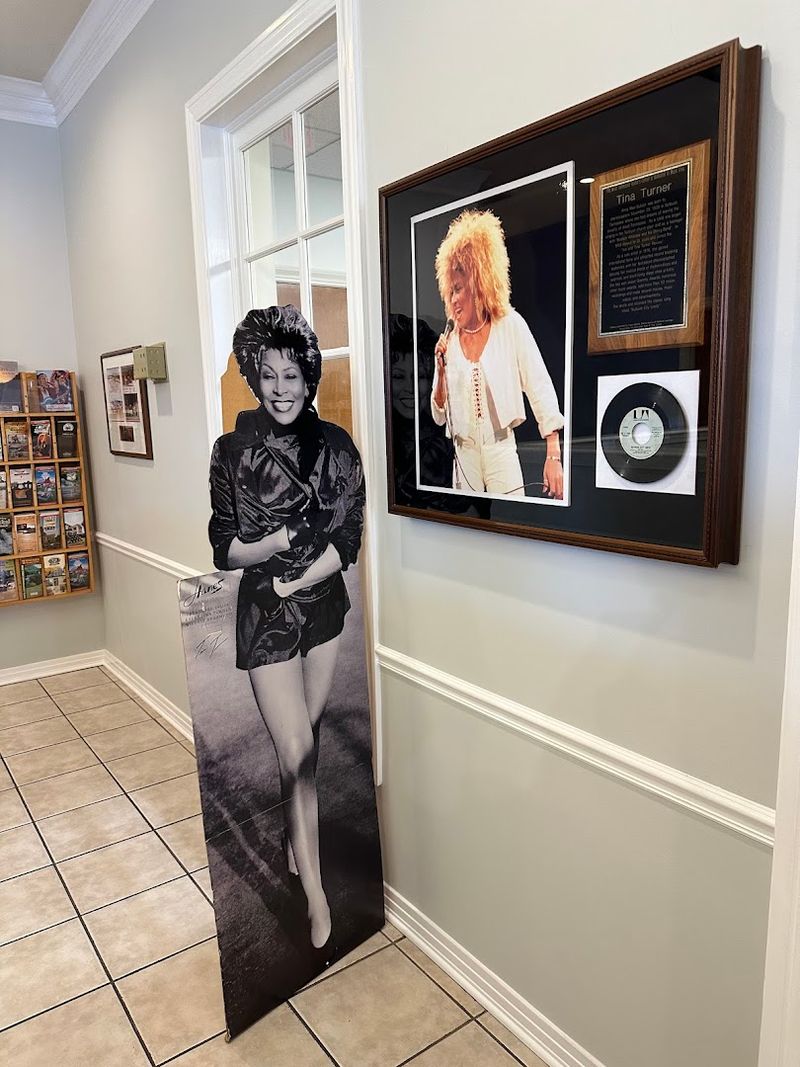
A small but well-stocked gift shop sits inside the center, offering visitors a way to take something home and simultaneously support the museum’s continued operation.
Items include T-shirts, magnets, mugs, and other keepsakes, all themed around Tina Turner and the broader heritage of West Tennessee.
Since admission is donation-based, the gift shop plays a meaningful role in keeping the lights on. For visitors who do not carry cash, buying a souvenir is an easy and satisfying way to contribute.
The selection is modest but thoughtful, and the quality is generally solid, though some visitors have noted that smaller items like keychains can be fragile.
Supporting a free museum through a purchase feels more personal than simply buying a ticket.
It creates a small but direct connection between the visitor and the institution, which is part of what makes the experience at this center feel different from a standard museum visit.
The staff are happy to help with selections and often share additional stories about the exhibits while you browse, turning a quick stop at the register into one more memorable moment from the visit.
Why Brownsville, Tennessee Deserves A Place On Your Map
Brownsville is not a city that announces itself loudly. It sits in Haywood County in West Tennessee, close enough to Memphis to catch its cultural gravity but distinct enough to have developed its own identity.
For travelers on I-40, it is easy to pass without stopping. That would be a mistake.
The West Tennessee Delta Heritage Center gives the town a cultural anchor that connects it to stories far larger than its population might suggest.
African American history, blues music, rock and roll royalty, cotton agriculture, and regional ecology all find space within a single, well-maintained complex just off the highway.
There is something quietly satisfying about discovering that a place this small holds this much history.
Brownsville rewards the curious traveler who is willing to take the exit and spend an hour walking through rooms that most people drive past without knowing they exist.
The food options nearby are plentiful, the museum is easy to navigate, and the staff make every visitor feel genuinely welcome.
It is the kind of stop that ends up being the one you tell people about long after the rest of the trip has faded from memory.