
Washington Has A Lake That Used To Be Peaceful And Is Now At The Center Of Something Much Bigger
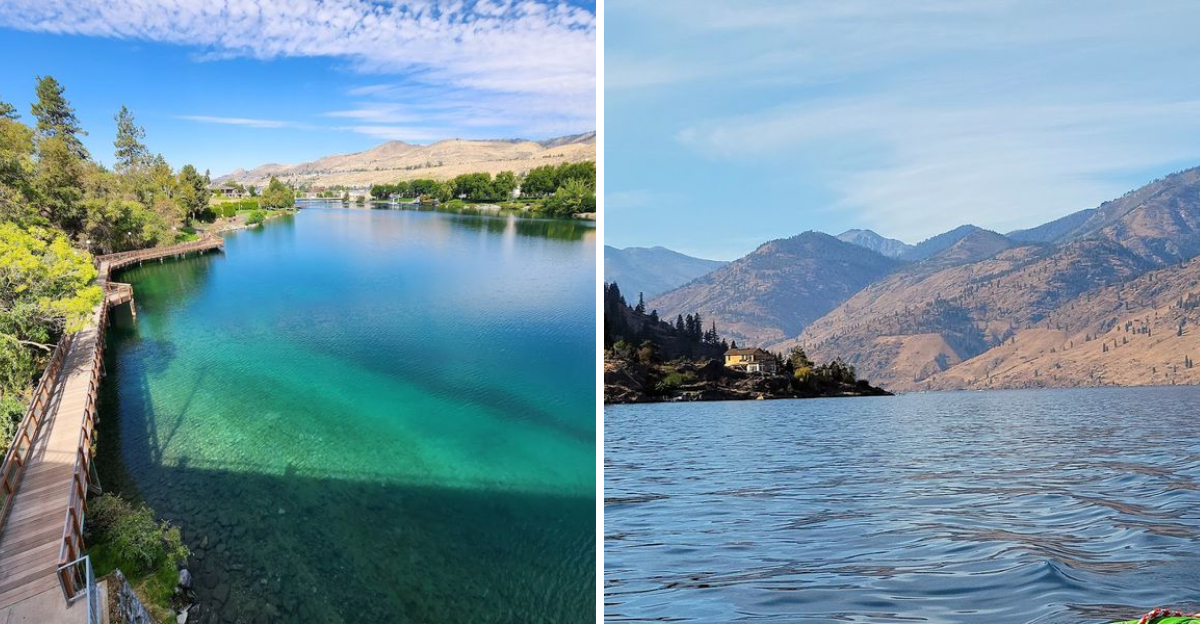
You are here because you already love lakes. But Washington has one that will completely rewire how you think about them.
Carved by glaciers thousands of years ago, it plunges nearly 1,500 feet at its deepest point. That makes it the third deepest lake in the country.
And it is fighting for its life. Washington is reckoning with something serious here.
The water looks impossibly blue and clear, with surrounding peaks rising dramatically overhead. But underneath that postcard surface, decades of pesticide runoff, invasive aquatic plants, and heavy overtourism pressure are all building.
The community, the conservationists, and the landscape itself are caught in the middle. Plan your trip, pay attention, and come ready to be surprised by how layered this place truly is.
A Lake Deeper Than Most People Realize
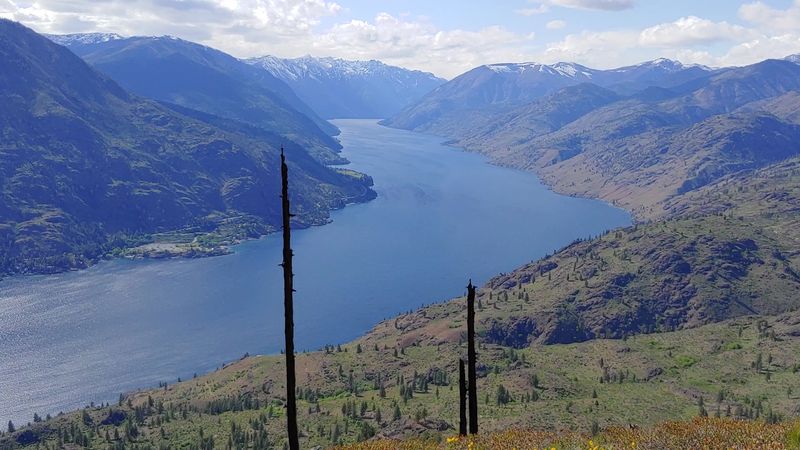
Lake Chelan is not just a pretty face. At roughly 1,486 feet deep, it ranks as the third deepest lake in the United States and one of the deepest in the world.
That depth is not just a fun trivia fact. It shapes everything about the lake, from its temperature to the way water moves through it.
The lake stretches about 50 miles long and sits along the eastern edge of the Cascade Mountains in north-central Washington.
Glaciers carved this basin thousands of years ago, and the water is still fed by snowmelt and mountain streams. The clarity of the water is remarkable.
Visibility can reach impressive depths on a calm day.
That same depth also makes the lake harder to study and protect. Pollutants that enter the water can sink and settle in ways that are difficult to track or remove.
The sheer scale of the lake is part of what makes every environmental challenge here feel so significant and so hard to solve quickly.
The DDT Problem Nobody Expected To Last This Long
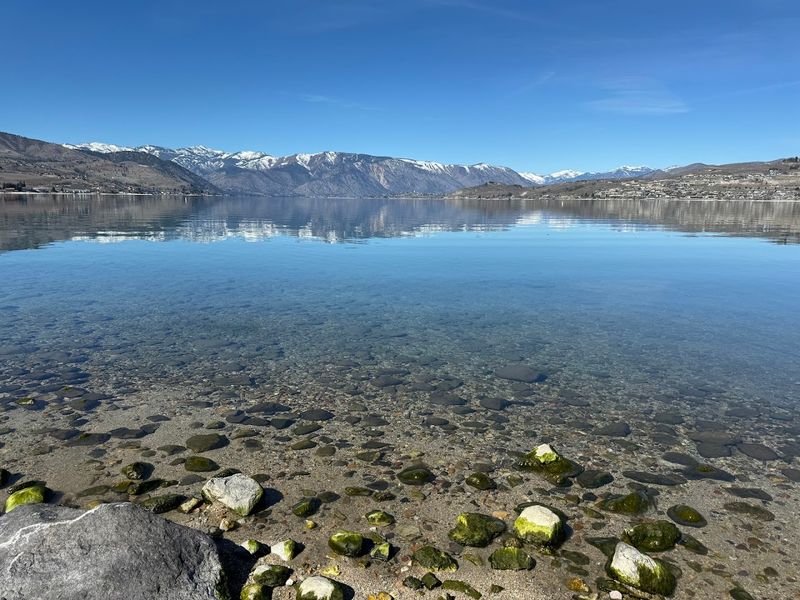
Here is a fact that stops most people cold. Lake Chelan currently holds the highest concentration of DDT in the entire nation.
That is not a historical footnote. It is happening right now.
From the 1940s through the 1970s, apple orchards in the Lake Chelan Valley used massive amounts of DDT as a pesticide. An estimated 80,000 kilograms were applied across the valley over those decades.
DDT was banned in the United States in 1972, but the chemical did not simply disappear.
It soaked into the soil. It moved through groundwater, streams, and drainage systems.
It kept finding its way into the lake year after year.
Studies conducted in 2010 and again in 2021 showed no measurable decline in DDT levels in the lake. Natural recovery, without active intervention, is projected to take well over 100 years.
Plans are currently being developed to reduce contamination through wetland treatments and better understanding of how DDT continues to enter the water system in Washington.
Invasive Species Are Knocking At The Door
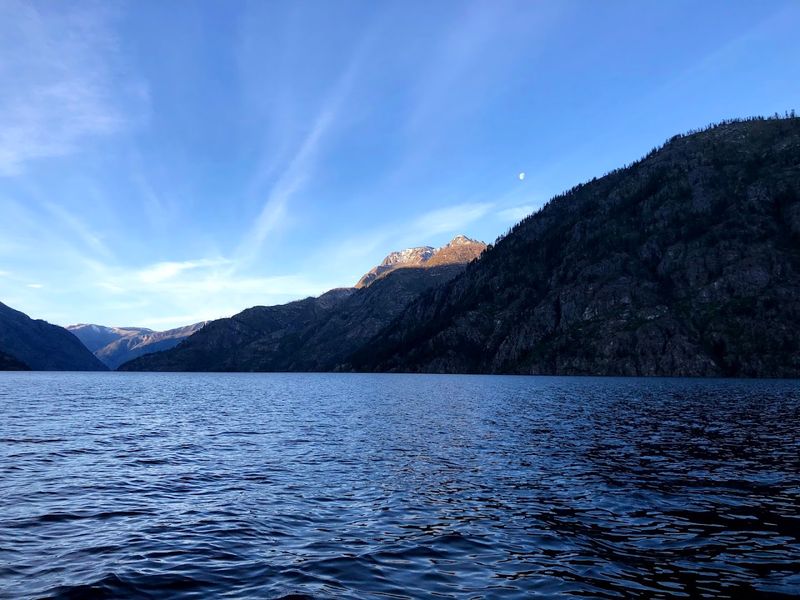
Eurasian watermilfoil is already here. Nearly 500 acres of this invasive aquatic plant have been documented in Lake Chelan, and it is spreading.
Curly-leaf pondweed has also taken hold in parts of the lake.
These plants might not sound alarming at first. But invasive aquatic species can completely transform a lake ecosystem.
They crowd out native plants, reduce oxygen levels, and disrupt the food chain for fish and other wildlife.
The bigger fear, though, is zebra and quagga mussels. These tiny mollusks have devastated lakes across the Midwest and East Coast.
They clog water intake pipes, damage boat engines, and filter out the microscopic organisms that native species depend on.
They have not been confirmed in Lake Chelan yet, but the risk is real and taken seriously. Organizations like the Chelan Basin Conservancy and Keep It Blue Lake Chelan are working to monitor the lake and prevent new introductions.
Boat inspections at access points are a key part of keeping these mussels out of Washington waterways.
Over Two Million Visitors And A Town Feeling The Pressure
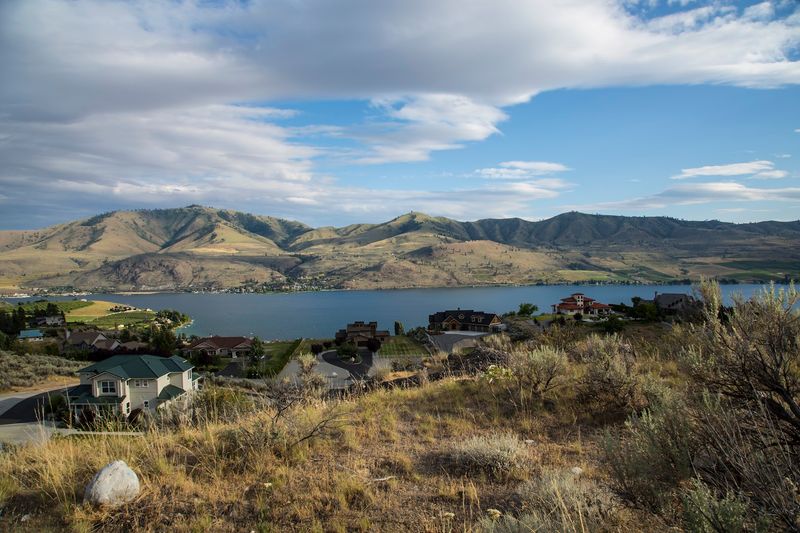
Visitor totals for the region now exceed two million annually, a number that sounds like a success story but creates real logistical challenges for a small town like Chelan.
Lake Chelan draws visitors from across Washington and beyond, generating hundreds of millions of dollars in economic impact for the region each year. That money supports local businesses, restaurants, and lodging.
But the infrastructure was not built for this volume.
Roads get congested. Parking fills up fast.
Water and sewer systems strain under peak summer demand. Lake access points become packed on weekends, and residents who live here year-round find their daily routines disrupted from June through September.
The term used by planners and locals alike is “overtourism.” It describes what happens when visitor numbers outpace a destination’s ability to absorb them gracefully. Prices for goods and services rise.
Public spaces feel less public. The quiet that once defined life here gets harder to find.
Finding a balance between welcoming visitors and protecting the quality of life for residents is now one of the central conversations happening in the community around this beloved Washington lake.
Chelan Butte And The Battle Over The Skyline
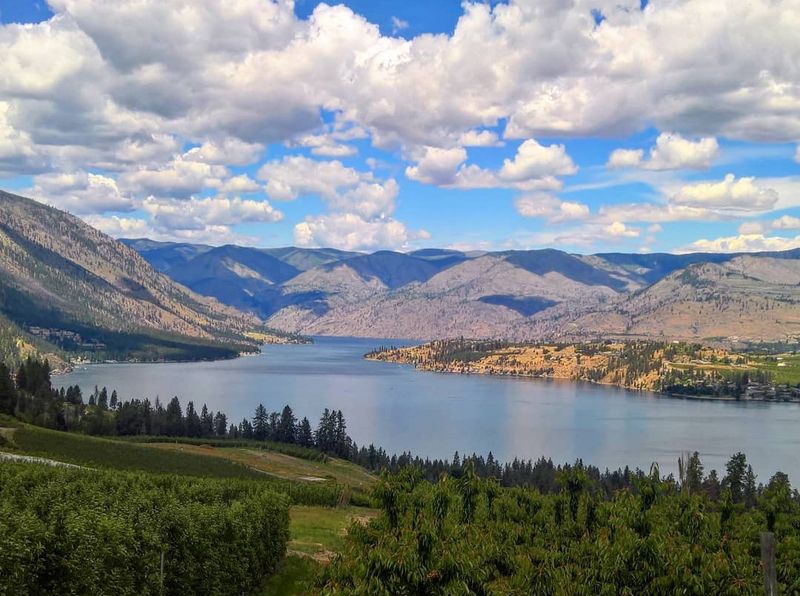
Chelan Butte rises dramatically above the city and the lake, offering one of the most iconic views in all of north-central Washington. For locals, it is more than scenery.
It is a landmark tied to identity.
Plans to develop privately owned portions of the Butte have sparked significant public concern. Proposals have included tourist accommodations and hundreds of residential homes built into the hillside.
Critics worry about what that would mean for water supply, air quality, and the visual character of the area.
Development on steep, dry hillsides also raises practical concerns. Stormwater runoff from construction and paved surfaces can carry sediment and pollutants directly into Lake Chelan below.
That adds another layer of pressure to a water body already dealing with contamination challenges.
Groups like the Chelan Basin Conservancy have been working to facilitate land preservation efforts on the Butte. The goal is to keep critical portions of this landmark undeveloped and protected for future generations.
The outcome of this debate will shape what Chelan looks like for decades to come.
Wildfire Season Keeps Getting Harder To Ignore
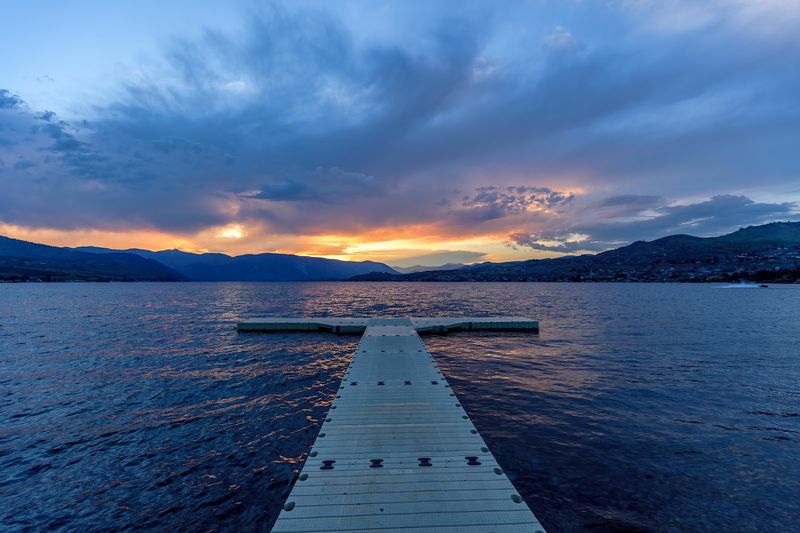
Wildfire is not a new threat in this part of Washington. The landscape around Lake Chelan is dry, steep, and highly combustible during summer months.
But the frequency and intensity of fires in recent years have raised the stakes considerably.
Past fires like the Stayman Flats and Twenty-Five Mile fires have left marks on the community and the surrounding landscape. Smoke from nearby fires regularly blankets the valley, affecting air quality and, in some years, discouraging visitors from making the trip.
Beyond the immediate danger to homes and infrastructure, wildfires affect the lake itself. Burned hillsides lose vegetation that normally holds soil in place.
After heavy rains, ash and sediment wash into streams and eventually into the lake, adding to the water quality challenges already present.
Rural response times for firefighting remain a concern, and local officials continue working to improve resources and coordination. For residents and visitors alike, wildfire smoke has become a seasonal reality that shapes how and when people experience this part of Washington each year.
The Shoreline Fight That Went All The Way To The Supreme Court
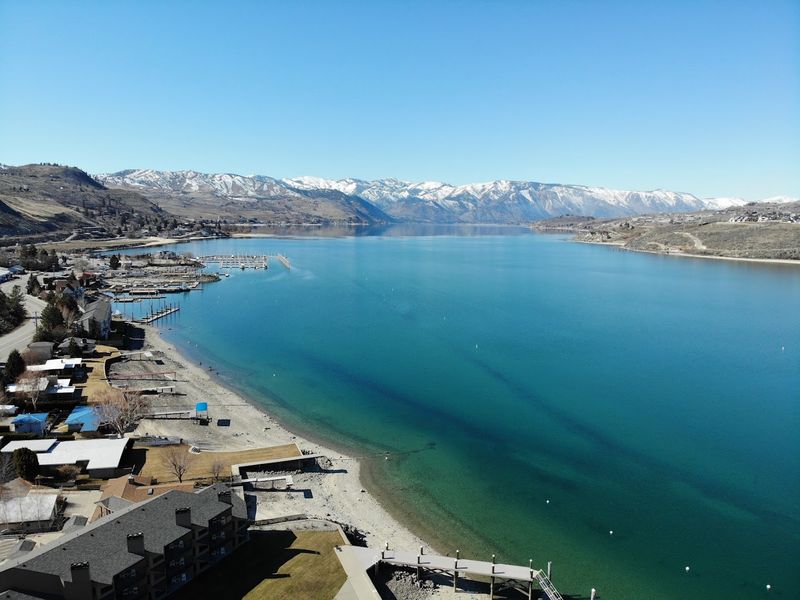
Property rights along Lake Chelan have been a source of legal tension for years. A 2018 Washington Supreme Court case brought that tension into sharp focus.
The case, involving the Chelan Basin Conservancy and a private holding company, centered on shoreline fills that had been placed in the lake before 1969. The question was whether those fills were legal under current law and how the public trust doctrine applied to them.
The public trust doctrine holds that certain natural resources, including navigable waters, are held in trust by the state for the benefit of the public. When private development encroaches on those resources, the legal lines can get complicated fast.
The ruling clarified how the Shoreline Management Act interacts with those older fill situations. It had significant implications for property owners around the lake and set a precedent for how similar disputes might be handled in the future.
Shoreline management remains an active and sometimes contentious issue in Washington. As development pressure grows around Lake Chelan, the boundaries between private use and public access will likely keep generating debate.
What The Water Actually Looks Like Up Close
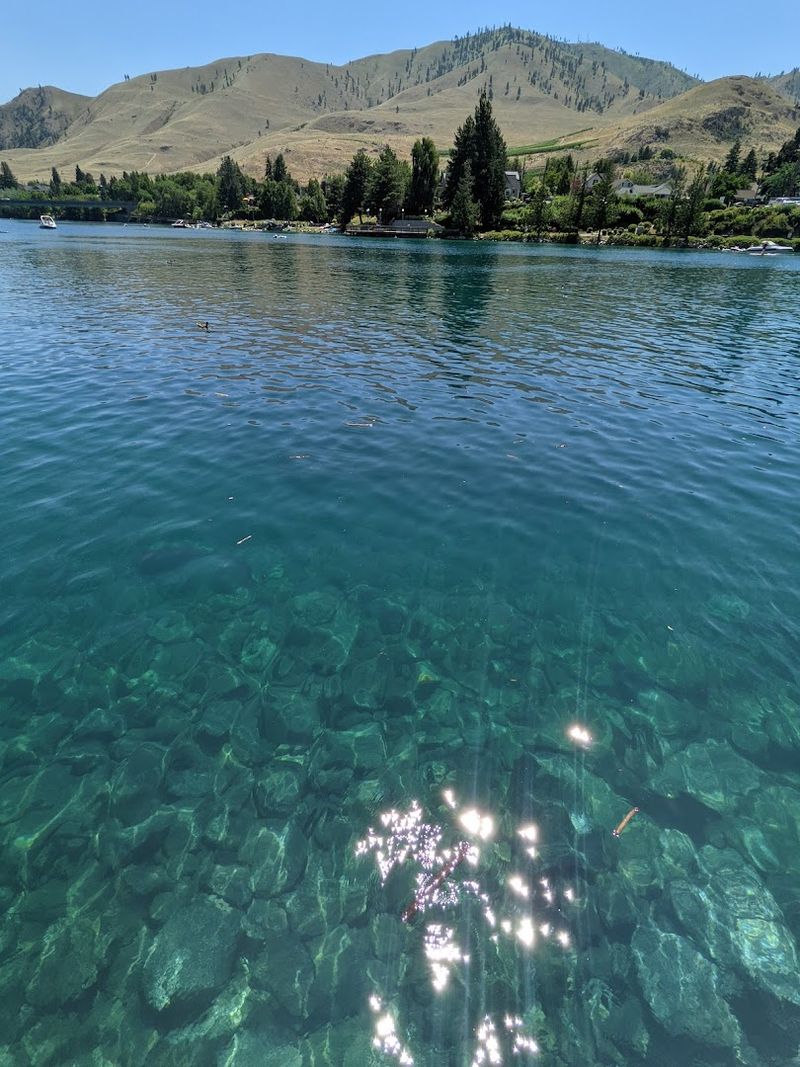
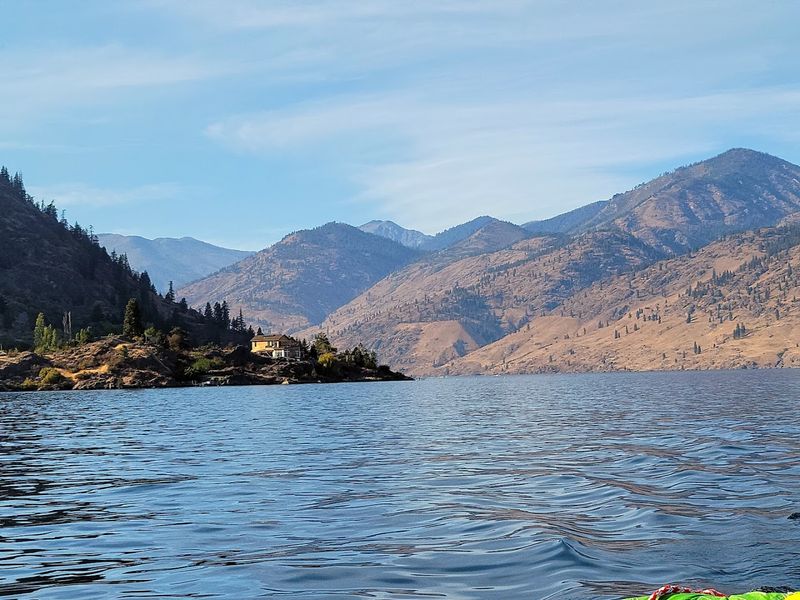
Whatever challenges surround it, the water itself is still striking. Lake Chelan is fed by glacier and snowmelt from the Cascades, which keeps it cold and remarkably clear even during busy summer months.
Visibility beneath the surface can be impressive. The cold temperature also means swimmers feel it immediately.
This is not a warm, shallow swimming hole. It is a deep, cold, glacially fed body of water that commands a little respect.
From the surface, the color shifts depending on depth and light. Near the shore it can appear turquoise.
Further out, it deepens to a rich blue that reflects the surrounding mountains and sky. Photographs taken here tend to look almost too good to be real.
That visual quality is part of why people keep coming back. It is also part of why the environmental issues feel so jarring.
Seeing water this clear while knowing it carries some of the highest DDT concentrations in the country creates a strange kind of dissonance that is hard to shake once you know the full picture.
Getting To The Lake And Getting Around Once You Are There
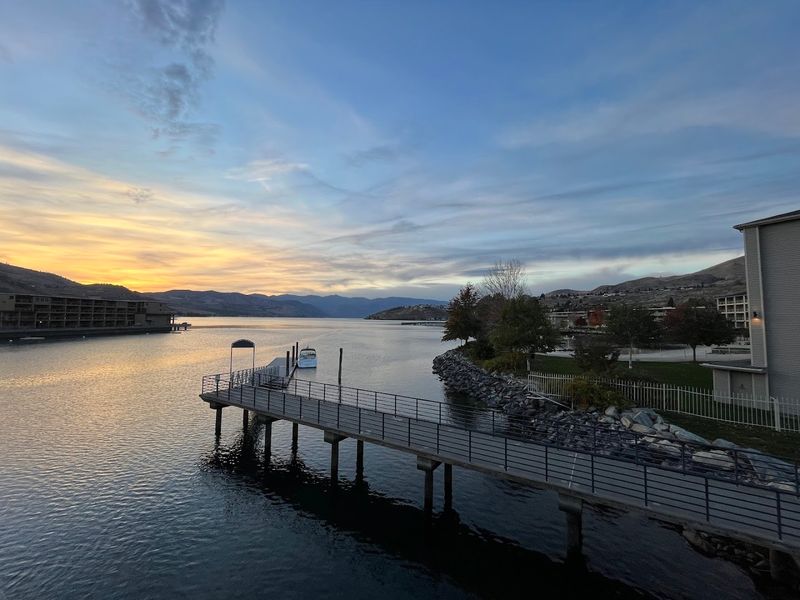
Lake Chelan sits in north-central Washington, roughly a three-hour drive from Seattle. The town of Chelan is the main gateway, and most visitors arrive by car via US-97 Alt heading north from Wenatchee or east over Stevens Pass.
Once in town, the layout is compact. The city of Chelan is small enough to walk across in a reasonable amount of time, and many accommodations, restaurants, and lake access points are within easy reach of each other.
For those wanting to explore the far end of the lake, passenger ferry services run between Chelan and the remote community of Stehekin, with multiple operators offering routes and schedules throughout the season. Stehekin has no road access.
The ferry is the primary way in for most visitors, and the ride itself offers views of the lake and surrounding mountains that are hard to match.
Parking in town can be tight during peak summer weekends. Arriving early in the day or visiting on weekdays tends to make the experience smoother.
Planning ahead for accommodations is strongly recommended, especially for summer travel in Washington.
Activities That Keep People Coming Back Every Summer
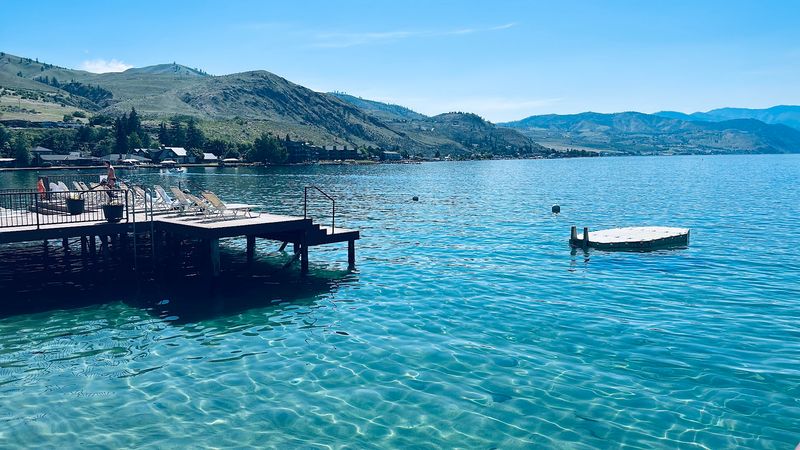
The lake is the main attraction, and there is no shortage of ways to enjoy it. Boating is enormously popular here, from small kayaks and paddleboards to jet skis and larger vessels.
Boat rentals are available through various local outfitters during the summer season.
Swimming is a staple activity, though the cold water keeps most people close to the warmer shallows near shore. Several public parks provide lake access, and some feature grassy areas well suited for picnics and relaxing afternoons.
Fishing draws a dedicated crowd as well. The lake supports populations of lake trout, kokanee salmon, and other species.
Boat-in only camping spots along the shoreline offer a more secluded experience for those willing to pack in their gear.
On land, hiking trails around the area range from casual walks with panoramic views to more demanding routes through the surrounding hills. The town also offers mini golf, go-karts, and other casual entertainment options that make it a workable destination for families with younger children who need variety beyond the water.
The Town Itself And What Makes It Worth Exploring
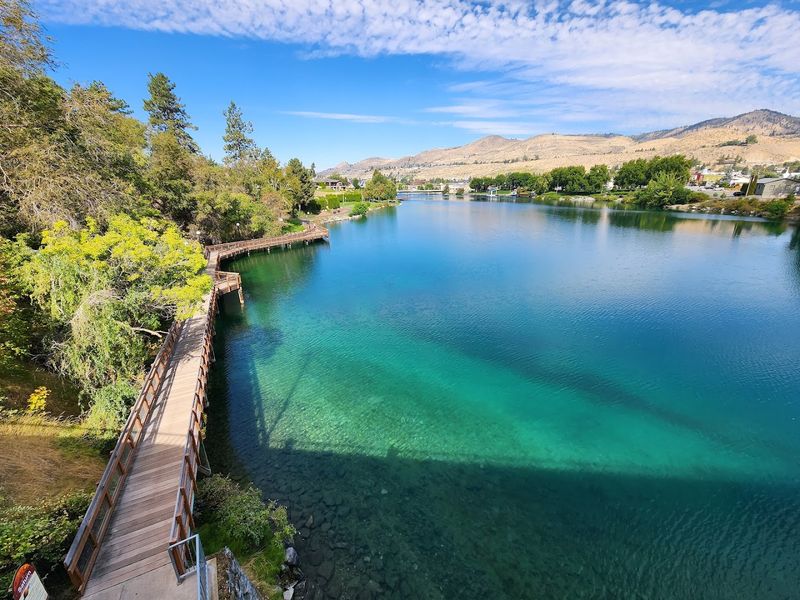
Downtown Chelan is walkable, low-key, and genuinely easy to enjoy at a slow pace. The main commercial strip runs close to the lake and includes a mix of local shops, casual restaurants, and a visitor center with useful orientation information for newcomers.
A riverwalk connects parts of the waterfront and provides a pleasant route for an evening stroll. The town has a relaxed, unpretentious character that fits the surrounding landscape.
It is not flashy, but it has enough to keep visitors occupied without feeling overwhelming.
Dining options range from casual lakeside spots to a handful of sit-down restaurants with more polished menus. Ice cream shops and cafes fill in the gaps for mid-afternoon breaks.
Boutique shopping on Main Street offers locally made goods and gifts worth browsing.
One thing worth noting is that prices in Chelan tend to run higher during peak season. This reflects both its popularity and the general cost of operating in a tourist-driven economy.
Planning a budget with some flexibility makes the experience more enjoyable and less surprising when the bill arrives.
Why Lake Chelan’s Story Is About More Than One Lake
What is happening at Lake Chelan is not unique to one body of water in Washington. It is a preview of challenges that many beloved natural destinations across the country are beginning to face.
The combination of legacy pollution, invasive species pressure, rapid tourism growth, and development conflict is playing out in different forms at lakes, rivers, and coastlines everywhere. What makes Chelan notable is the concentration of these issues in one place, all arriving at roughly the same time.
The community is not sitting still. Local conservation groups, government agencies, and engaged residents are actively working on multiple fronts.
Boat inspection programs, wetland restoration research, land preservation efforts, and planning discussions about sustainable tourism are all underway.
Whether those efforts can outpace the pressures building around the lake remains an open question. The story of Lake Chelan is still being written.
It serves as a clear reminder that natural places do not protect themselves, and that the decisions made in the next few years will determine what this remarkable Washington lake looks like for generations ahead.