
This Hidden Tennessee Museum Keeps Appalachian History Alive In The Most Beautiful Way
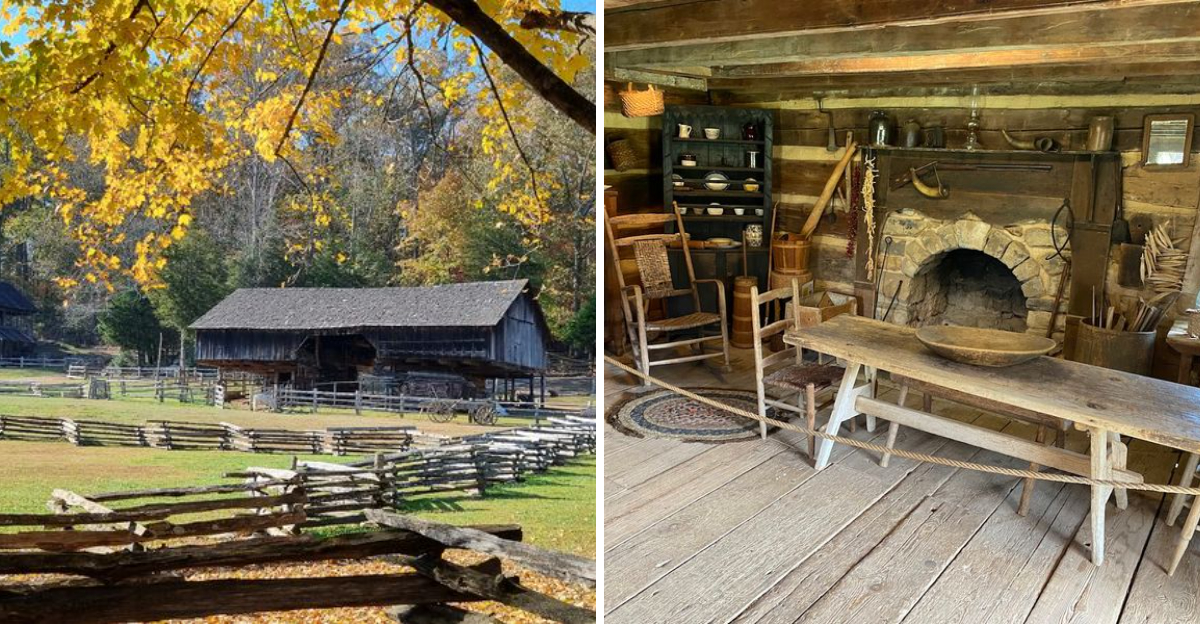
Most museums put history behind glass. This one in Tennessee puts it right in front of you.
There are 35 historic log cabins spread across the grounds, each one original, each one moved here and preserved so that the story of Appalachian life does not disappear.
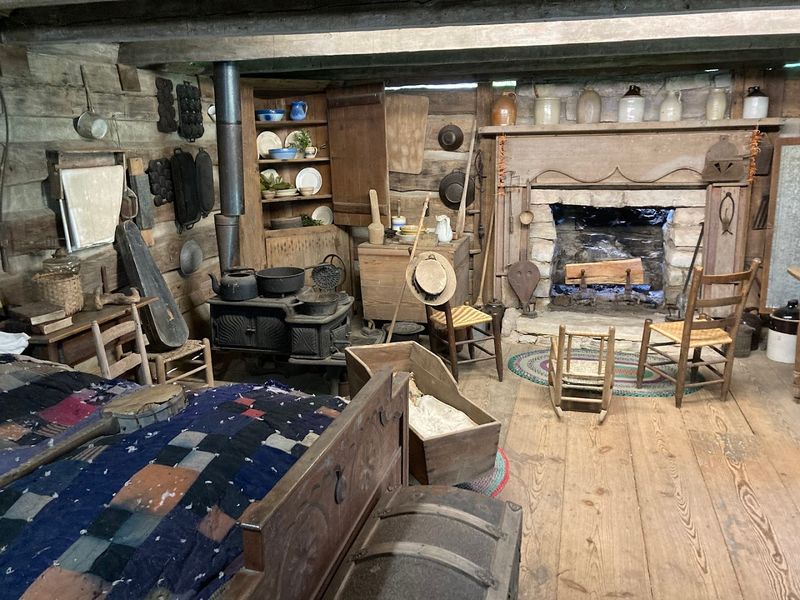
Inside the main halls, thousands of artifacts tell the story of everyday people, the woodcarvers and quilters and musicians who built a culture that still echoes through the region today.
Visitors who plan to spend an hour end up staying four. That says everything. This is not a quick stop on the way somewhere else. It is the destination.
Tennessee has done something remarkable here, creating a space where Appalachian history feels alive rather than archived.
The Vision Of John Rice Irwin And How It All Began
Not every museum begins with a grand institution or a government grant. This one started with a man, a pickup truck, and an unshakeable belief that ordinary people deserve to be remembered.
John Rice Irwin, a cultural historian and descendant of early Appalachian settlers, spent decades driving back roads through the mountains, collecting everyday objects and the stories attached to them.
He founded the Museum of Appalachia in 1969, long before preservation culture became fashionable. His method was personal.
He would sit with elderly neighbors, listen to their stories, and then carefully record who owned each item, how it was made, and what role it played in daily life. That human detail is what separates this museum from others.
Irwin passed away in 2022 at the age of 91, but the institution he built continues operating as a 501(c)3 non-profit and became a Smithsonian Affiliate in May 2007.
His daughter has lovingly carried on his work, even handwriting many of the artifact descriptions herself. The founding spirit remains intact, personal, warm, and deeply rooted in community.
Visiting feels less like touring a museum and more like sitting down with someone who genuinely wants to share something important with you.
Thirty-Five Historic Log Structures Spread Across 65 Acres
Walking the grounds here is unlike anything a typical museum visit offers.
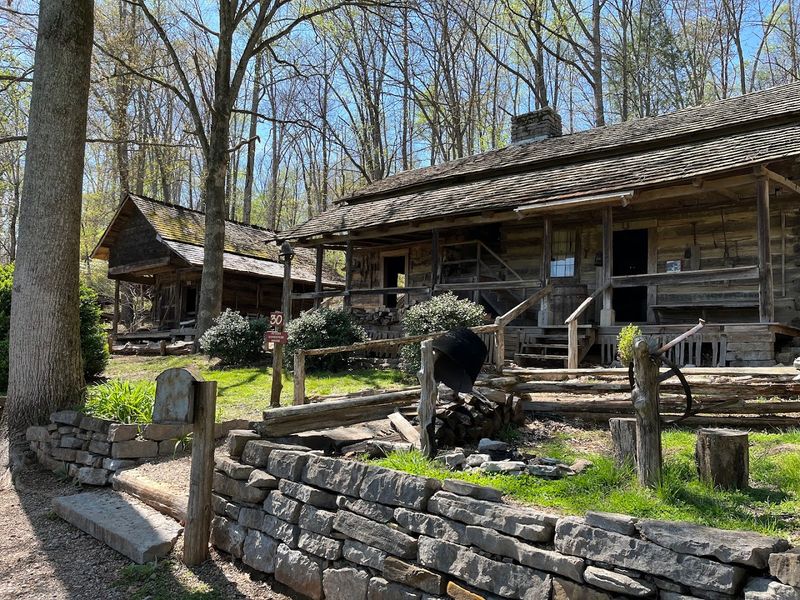
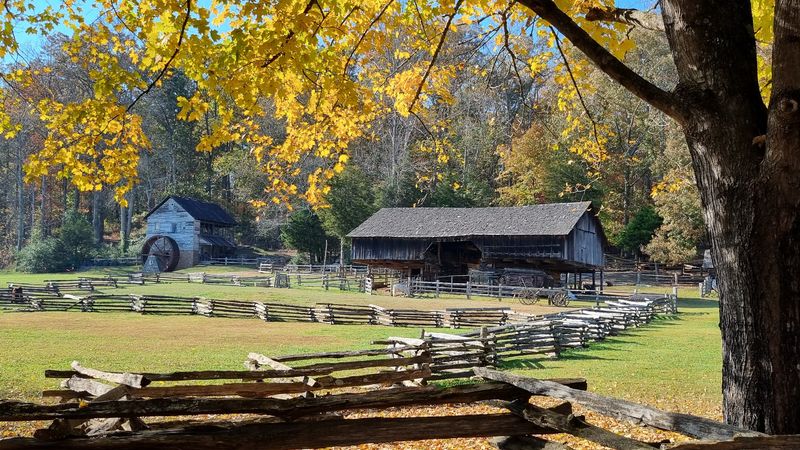
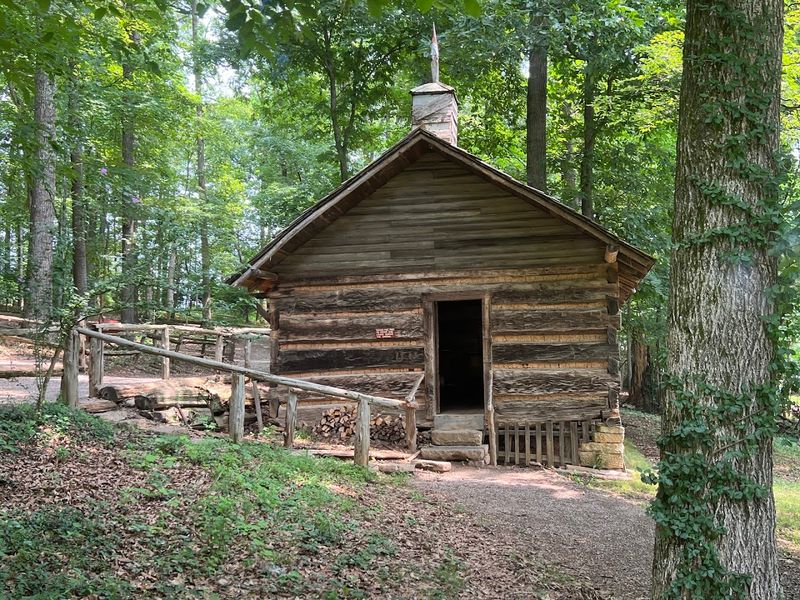
Across 65 acres of rolling Tennessee land, 35 historic log structures stand in various states of careful preservation, forming a recreated Appalachian community that feels genuinely inhabited rather than staged for tourists.
Cabins, barns, churches, and schoolhouses each carry their own story.
Among the most significant is the Arnwine Cabin, listed on the National Register of Historic Places.
Another structure on the property was once home to the parents and elder siblings of Samuel Clemens, the writer the world knows as Mark Twain.
Standing inside spaces like these produces a quiet, almost disorienting awareness of how close history actually is.
The path through the grounds is laid out in a logical sequence, and visitors receive a numbered map at the entrance.
Children receive their own stamp-along version, collecting impressions at each stop for a prize at the end.
The layout ensures nothing is missed, and there is enough open space between structures that the experience never feels crowded or rushed.
Plan for at least three to four hours if you want to absorb what the grounds genuinely have to offer. The address is 2819 Andersonville Hwy, Clinton, TN 37716.
Over 250,000 Artifacts That Tell Stories In Their Own Words
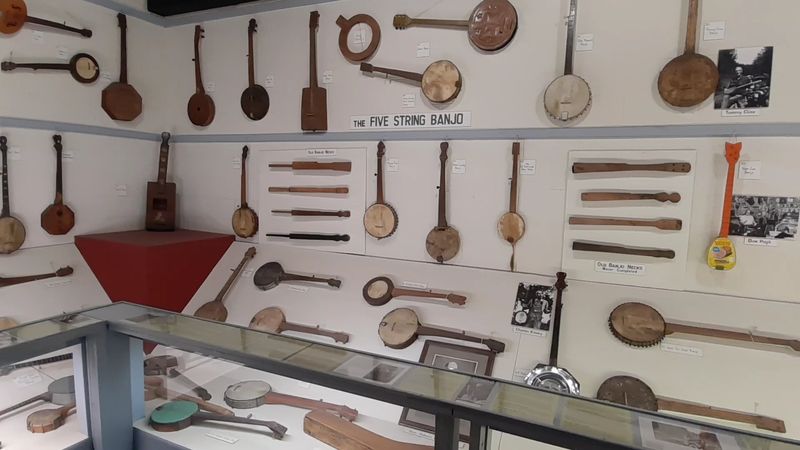
Numbers can be misleading, but 250,000 authentic artifacts is a figure that earns its weight.
This collection covers folk art, hand-woven baskets, quilts, musical instruments, Native American pieces, farming tools, and household objects that span generations of Appalachian life.
The sheer volume is staggering, but it never feels chaotic. What makes the collection remarkable is context.
Each item carries a story, often written in plain language on signs throughout the museum, describing who owned the object, where it came from, and how it was used.
This approach transforms artifacts from anonymous relics into personal possessions with identifiable human histories.
A worn wooden spoon becomes someone’s kitchen. A cracked fiddle becomes Saturday evenings by the fire.
John Rice Irwin amassed this collection over more than fifty years, one piece at a time, traveling roads that most people never thought to explore.
The result is an archive that no university or government program could have assembled with the same emotional accuracy.
First-time visitors frequently report spending far more time than expected inside the exhibit buildings alone, reading every label and standing quietly in front of objects that feel familiar despite belonging to strangers.
The Hall Of Fame And Its Unforgettable Human Portraits
The Hall of Fame building is where most visitors spend their first extended stretch of time, and for good reason.
Two floors of carefully organized displays present the lives of Appalachian figures ranging from regional craftspeople and musicians to military heroes and historical pioneers.
What makes it work is the equal standing given to everyone featured.
Famous names share wall space with ordinary farmers, woodcarvers, and community healers.
The philosophy behind this arrangement reflects the museum’s core belief that every life lived with purpose deserves acknowledgment.
A teenager who visited reportedly asked why history classes never felt this engaging, a question that speaks directly to how the museum presents information.
It reads less like an encyclopedia and more like a conversation.
The displays are easy to follow, written at a pace that rewards careful reading without punishing those who browse.
Tennessee history threads through the exhibits with a sense of regional pride that avoids becoming self-congratulatory.
Whether you spend ninety minutes or an entire afternoon in this single building, you will leave with a stronger sense of what Appalachian identity actually means.
Free-Ranging Farm Animals That Bring The Grounds To Life
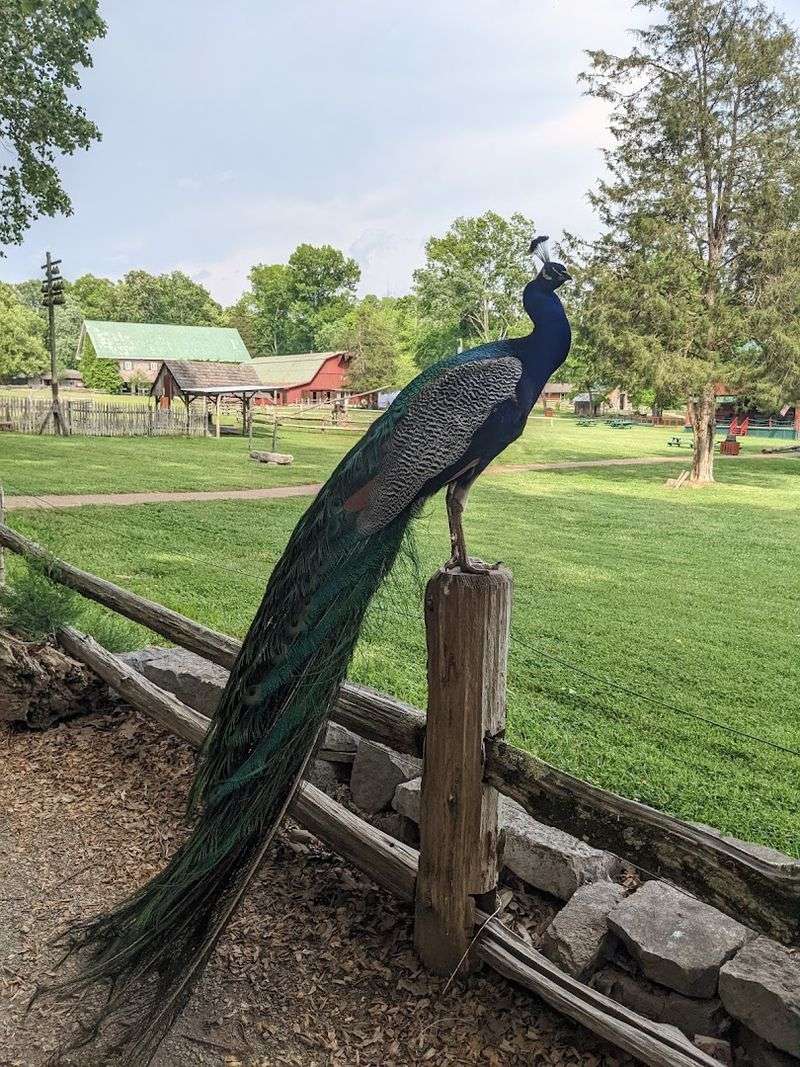
Few things shift the atmosphere of a history museum quite like a peacock crossing your path without warning.
The Museum of Appalachia maintains a working farm environment where goats, chickens, turkeys, roosters, ducks, pigs, sheep, miniature horses, and peacocks move freely across the grounds.
Their presence is not decorative. It reflects the actual daily life of Appalachian communities where animals were constant companions in domestic and agricultural routines.
Children respond to this element with immediate enthusiasm. Adults tend to slow down too, pausing to watch a goat investigate a fence post or a rooster announce itself from the top of a wooden step.
The animals add a layer of sensory experience that no exhibit case can replicate. You hear the farm before you fully see it, and that sound is unexpectedly grounding.
The peacocks in particular have developed something of a local reputation.
Visitors mention them repeatedly, describing unexpected encounters along the walking path with a mix of delight and mild surprise. These birds are not shy.
They move through the property with a confidence that suggests they consider themselves the actual curators of the place, which, given how long they have been here, may not be entirely wrong.
Traditional Appalachian Music Performed Live On The Property
Music in Appalachia is not background noise. It is a primary language, a way of recording history, expressing grief, marking seasons, and binding communities together.
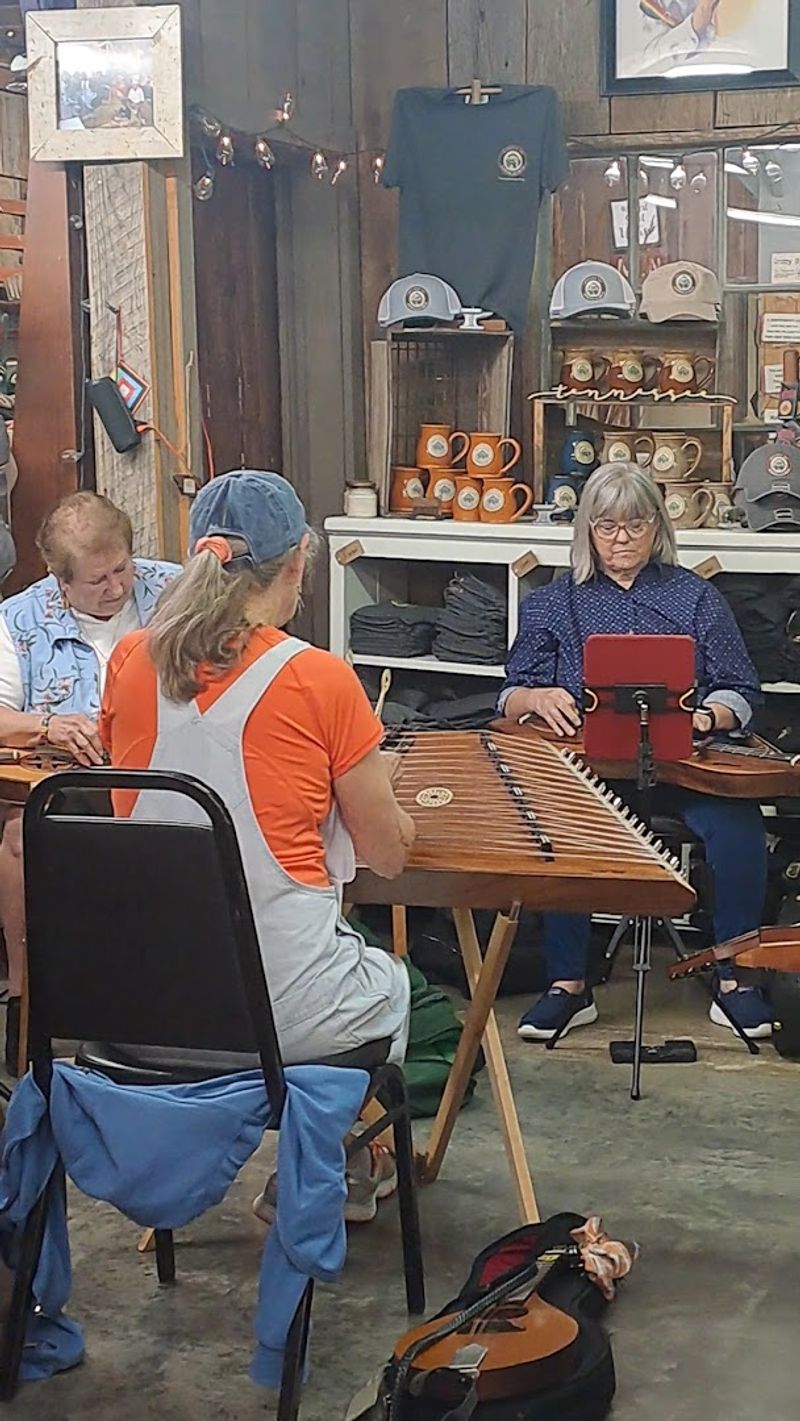
The Museum of Appalachia honors this tradition by hosting live performances of traditional Appalachian music on the property, including impromptu sessions in the gift shop area where musicians have gathered to play for visitors.
One visitor described hearing a group play Appalachian instruments in the souvenir shop and calling it absolutely beautiful.
These performances are not rehearsed tourist attractions. They carry the informal, generous quality of music shared among people who play because they love it.
Annual demonstrations by regional craftsmen also take place on the grounds, adding another dimension to the experience.
Watching someone work a traditional craft with practiced hands, explaining technique and history as they go, connects the artifact collections inside the buildings to the living skills that produced them.
The museum operates Monday through Thursday and Sunday from 9 AM to 6 PM, and Friday through Saturday from 9 AM to 3 PM, so planning arrival time matters if you want to catch these moments.
Southern Appalachian Country Cooking At The On-Site Restaurant
The restaurant at the Museum of Appalachia has earned its own following entirely separate from the museum itself.
Locals arrive early, and visitors who arrive late sometimes find themselves waiting.
The menu leans into Southern Appalachian country cooking with the kind of sincerity that produces genuinely satisfying meals rather than tourist-facing approximations of regional food.
Fried chicken, chicken and dressing, homemade soups, cornbread, sourdough bread, and baked goods have all been mentioned by visitors with the specific enthusiasm reserved for food that actually delivers.
The kitchen operates with a pace that surprises people. Orders come out fast, portions are generous, and the atmosphere inside carries the same unhurried warmth that defines the museum grounds outside.
The restaurant serves breakfast and lunch, and the practical advice from those who have visited is to arrive before 2:30 PM to ensure full menu availability.
It is worth looking up the menu online before your visit, because knowing what is available tends to increase anticipation in a very productive way.
For families with children, having a satisfying meal on-site removes the logistical pressure of finding food elsewhere and allows more time to actually explore the 65 acres that surround you.
The Gift Shop And Locally Made Products Worth Taking Home
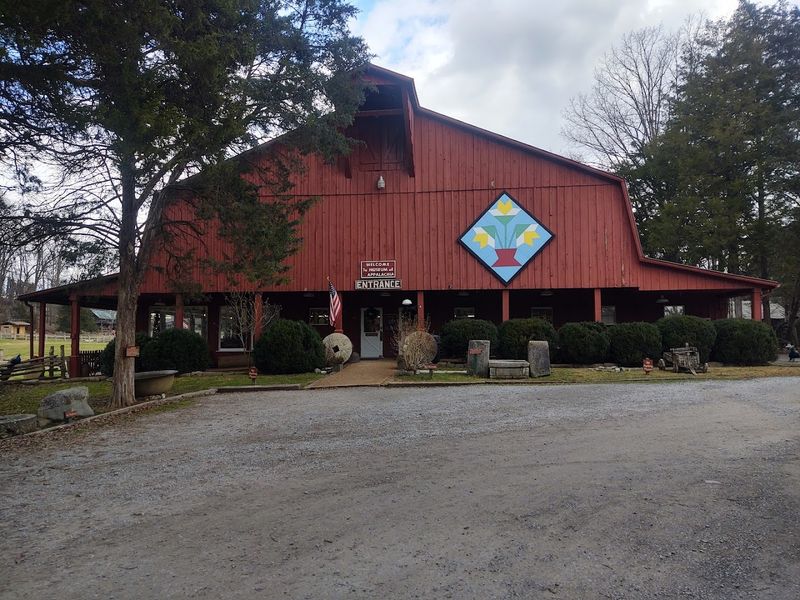
Gift shops at museums can feel obligatory, a corridor between the exit and the parking lot. The one at the Museum of Appalachia operates differently.
It stocks locally made products with the kind of range that makes browsing genuinely enjoyable rather than perfunctory.
A full wall of jellies and fruit butters alone has been mentioned by multiple visitors as a highlight worth stopping for.
T-shirts, scarves, books, handmade crafts, and regional food items fill the space with variety that reflects the surrounding culture rather than generic souvenir territory.
Prices for many items have been described as reasonable and even underpriced for the quality and jar size.
The gift shop also serves as the entry point where visitors purchase tickets, so you pass through it twice, once on the way in and once on the way out.
That second pass, after hours of walking the grounds and absorbing the history, tends to land differently.
Objects that seemed decorative on arrival carry more meaning after you understand the culture they represent.
Bring a few extra dollars and leave room in your bag. You will find something worth carrying home.
Annual Events And Educational Programs For All Ages
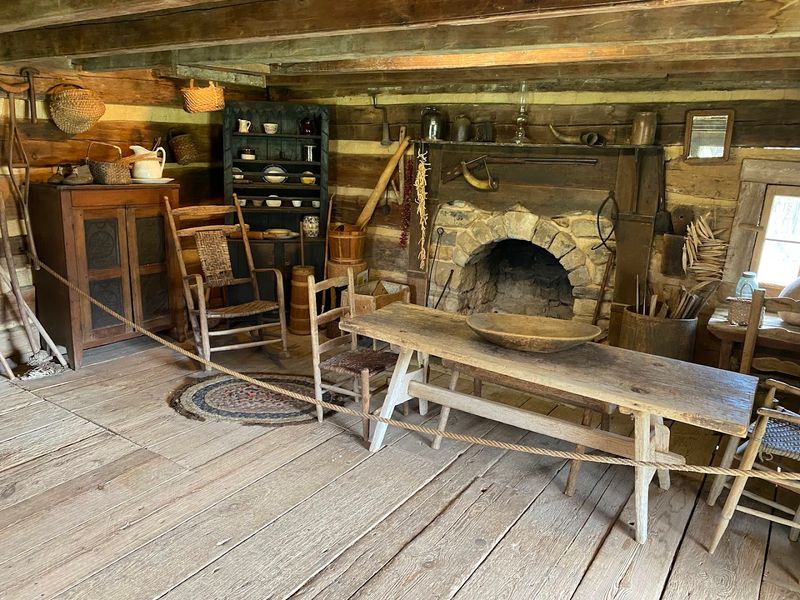
The Museum of Appalachia does not operate as a static display frozen in one permanent configuration.
Throughout the year, it hosts events and educational programs that bring the grounds to life in different ways depending on the season.
The Candlelight Christmas event is among the most beloved, drawing families who return year after year to walk the decorated historic buildings by soft evening light while craftsmen demonstrate traditional skills.
School groups and organized tours can arrange guided visits with educational programming tailored to different age levels.
The self-guided tour format works well for independent visitors, while the structured group experience adds layers of context through trained guides who know the collection in depth.
Children who might otherwise resist a history outing tend to engage here because the environment rewards curiosity rather than passive observation.
Daily self-guided tours remain the most common way to experience the museum, and the numbered map system makes navigation intuitive without feeling rigid.
The museum’s stated mission is to preserve the past for the future, and its programming reflects that commitment across age groups.
For families planning a Tennessee trip that goes beyond the usual Smoky Mountains itinerary, this museum offers a genuinely different and lasting kind of experience.